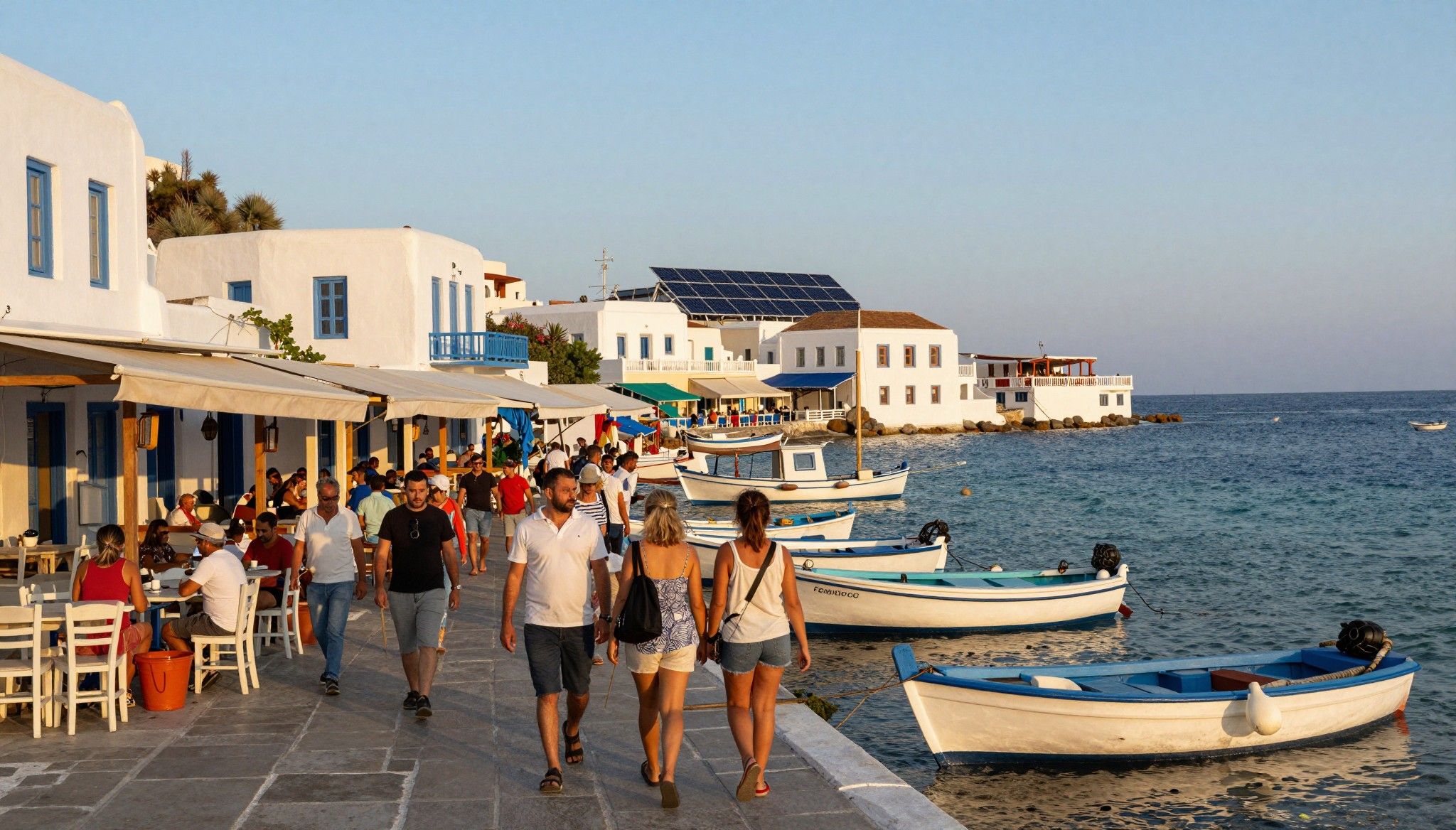
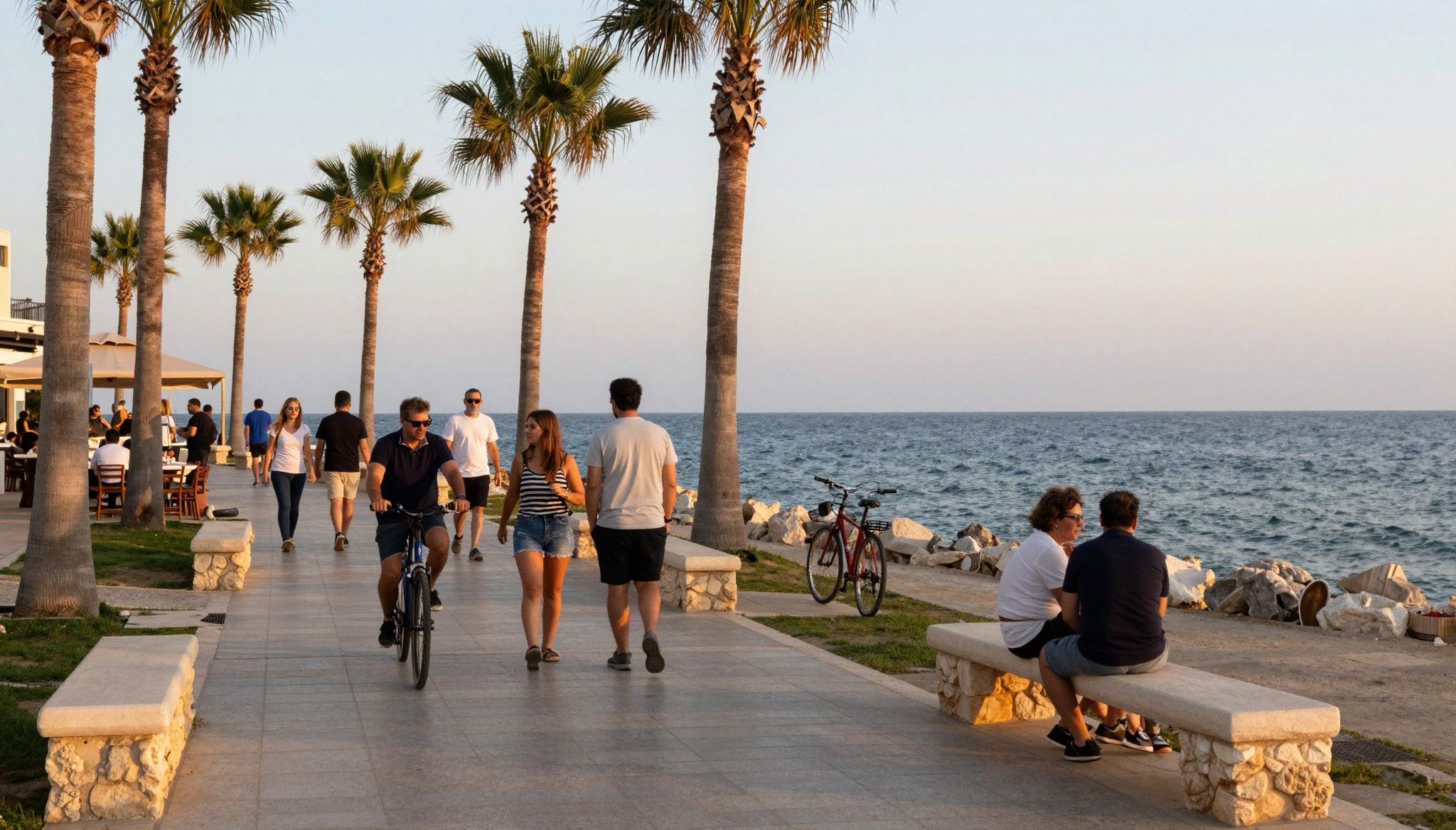
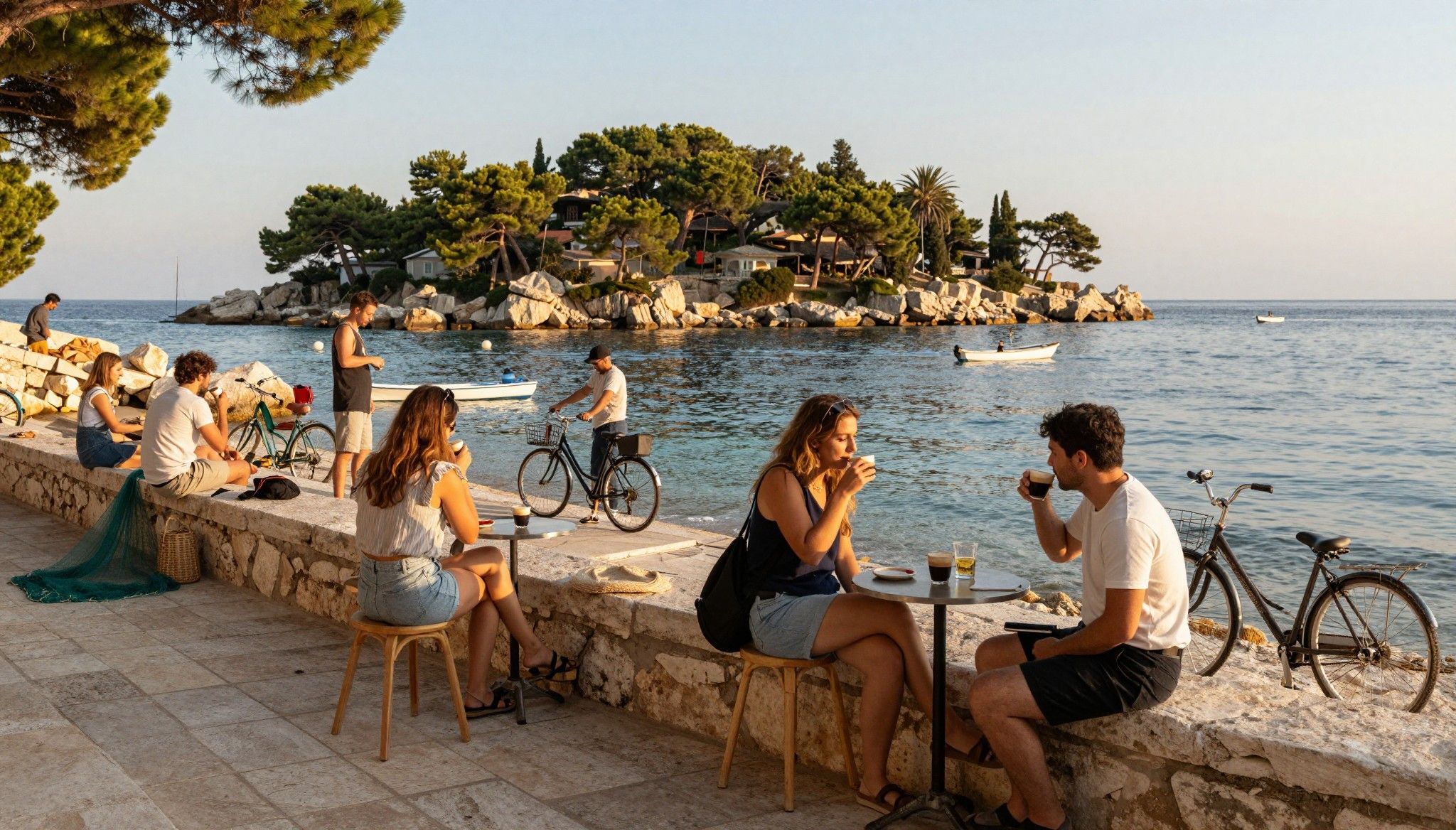
Paying for Sunshine: How Greece’s Green Shift Adds Value
Greece’s surge in solar and wind is reshaping lifestyle and property value—seek homes with solar-ready roofs, water access, and agents who know local green infrastructure.
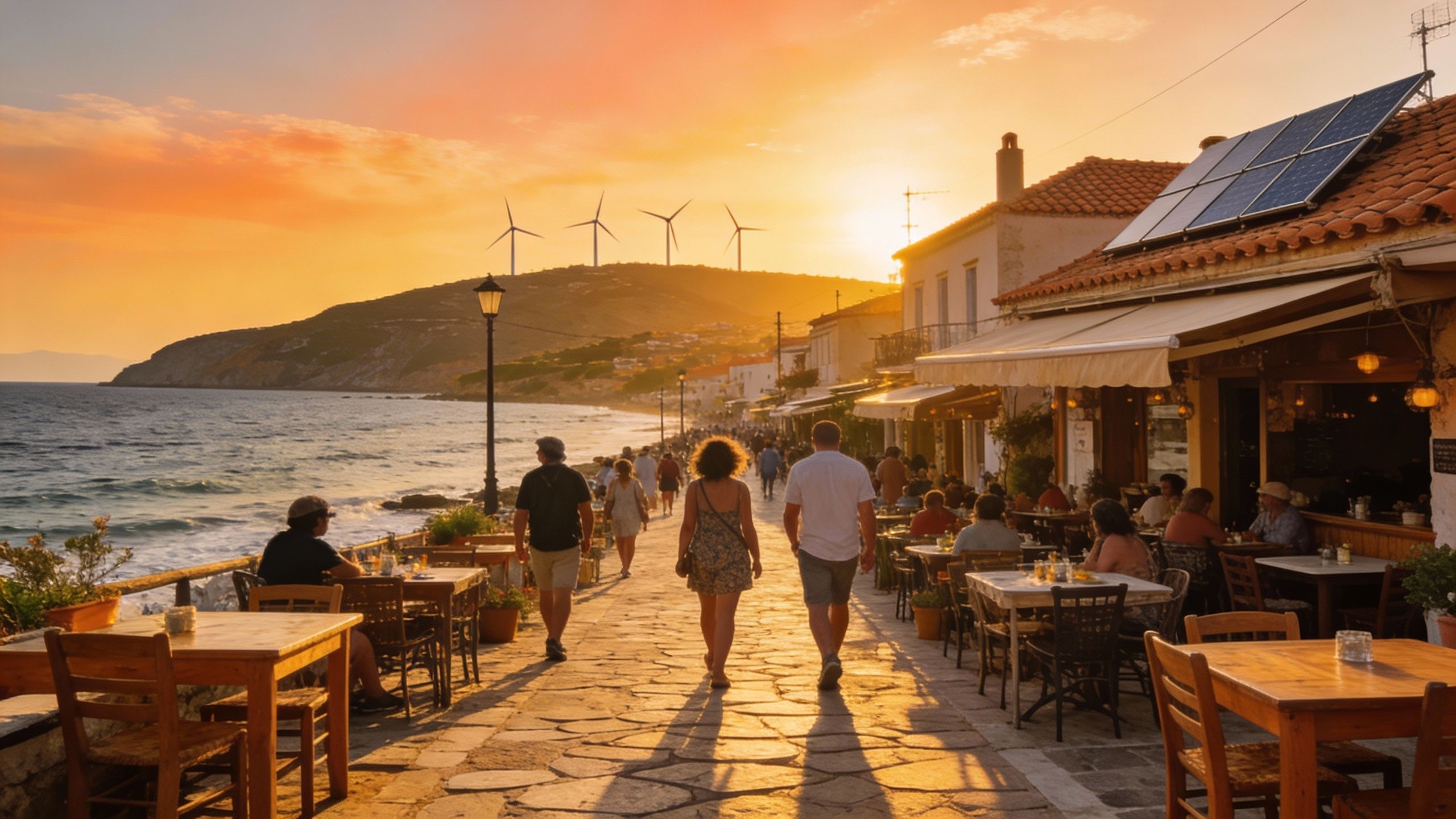
Imagine waking to a pale-blue Aegean sky, then stepping onto a terracotta terrace where the panels on the low stone roof hum softly with midday sun. In Greece the rhythm of daily life—market runs, espresso at a kafeneio, late evening by the sea—now comes with a new soundtrack: wind in nearby ridgelines and a rooftop array quietly lowering bills. That hum changes how homes feel, how neighbourhoods run, and, crucially, how international buyers should think about value.
Living the Greek lifestyle with a green pulse
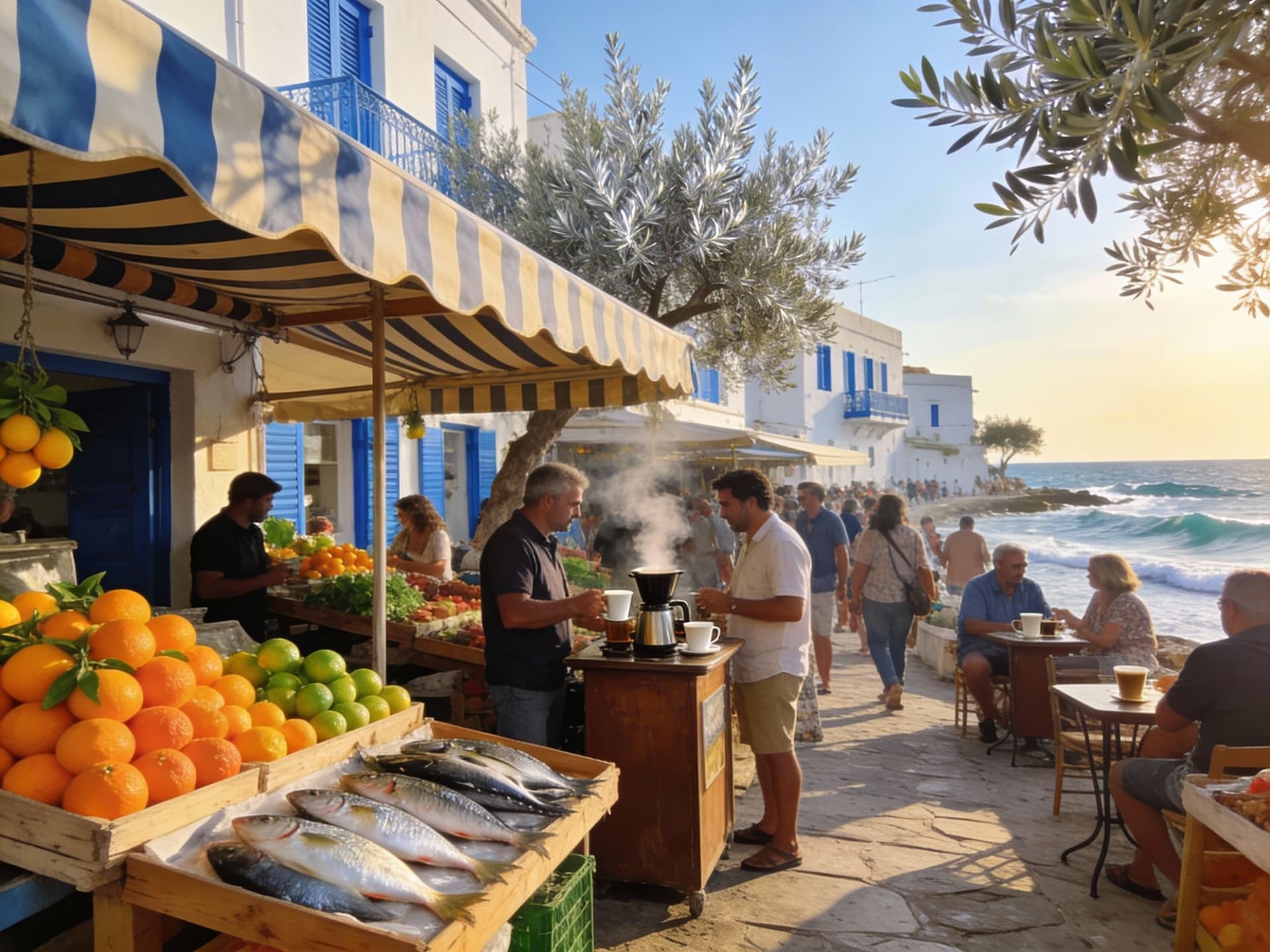
Greece still feels, at its best, like an invitation: narrow alleys lined with jasmine, harbour cafes pulled into late-night conversation, and countryside where shepherds still mark seasons. Layered over that is a rapid green infrastructure shift — solar fields and community energy projects are becoming as familiar as olive groves. That mix of timeless culture and modern energy infrastructure shapes everyday life: lower summertime electricity spikes, quieter village mornings when turbines hum at a distance, and new community spaces powered by local microgrids.
Athens & the Riviera: urban rhythm, island light
Picture morning espresso at a shaded table on Dionysiou Areopagitou, then a late-afternoon ferry to the Athens Riviera. Athens combines city conveniences and green retrofits—think courtyard gardens, restored stone façades fitted for solar, and neighbourhood co-ops experimenting with rooftop gardens. For international buyers who want urban life with easy coastal retreats, northern suburbs like Kifisia or the seaside Saronic towns marry leafy streets with growing green infrastructure investment.
Island life: hidden solar wealth beyond the postcard
The islands are not just sea-and-whitewash postcards; many are quietly building energy resilience. In 2024 Greece added about 2.6 GW of PV capacity, boosting self-consumption projects and community systems that cut reliance on mainland imports. For buyers, that means island villas with solar and battery setups increasingly come with predictable running costs and a calmer off-grid feeling—valuable if you plan seasonal living or long-term stewardship of a property.
- Lifestyle highlights worth planning around:
- Morning market runs at Varvakios in Athens or the Mytilene farmers’ stalls — real food culture and easy access to farm-to-table living.
- Terrace dinners in Piraeus-facing homes with evening sea breezes that reduce cooling needs.
- Neighbourhood co‑ops and energy communities in regions like Thessaly and Crete piloting shared solar schemes.
Making the move: practical considerations that keep the lifestyle intact
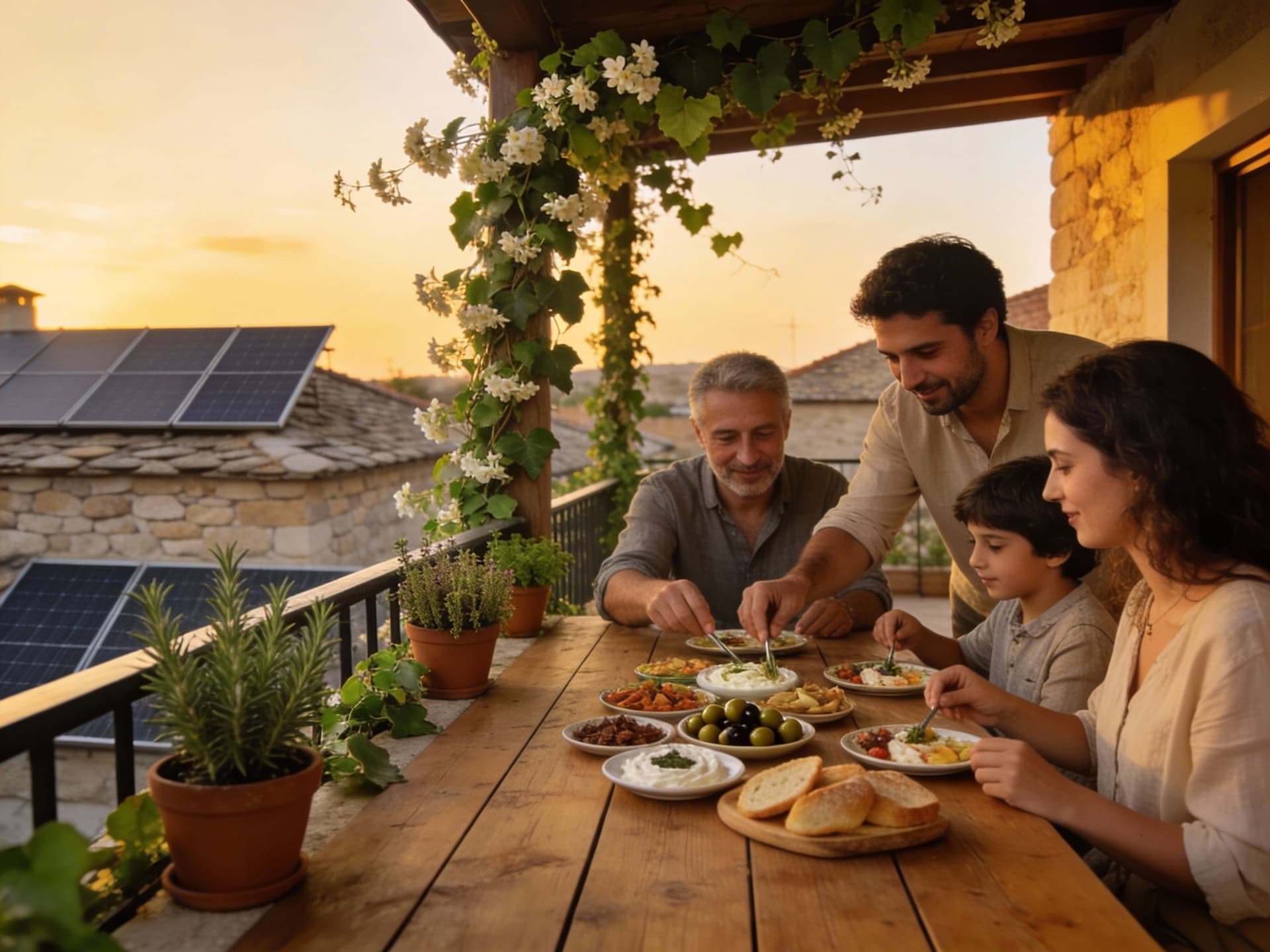
Dreams of shaded courtyards and low bills meet real-world checks: grid connection timelines, planning permissions for PV or pools, and local zoning for wind turbines. Understanding how green infrastructure intersects with property rights and community plans preserves the lifestyle you fell in love with—and can protect value when resale time comes.
Property styles that suit an eco-minded life
Stone-built village houses with thick walls naturally regulate temperature; renovated click-to-restore neoclassical flats in Athens offer courtyard microclimates; modern villas often arrive solar-ready. When viewing, ask not only about floorplan and finishes but whether the roof structure, orientation, and shading already accommodate PV and batteries—small structural details make or break a retrofit.
Working with local experts who know the green fabric
Choose agents and architects who can read local energy projects—someone who knows distribution delays in rural areas, where microgrid permissions are held, and which municipalities incentivise green retrofits. These partners translate a lifestyle wish (“a kitchen garden, minimal bills”) into technical steps and local approvals so you don’t lose weeks waiting on the wrong permit.
- Steps to match lifestyle goals with property reality:
- Inspect roof orientation and shading first—get a simple solar potential estimate before making an offer.
- Ask the municipality about planned grid upgrades or nearby wind projects; future infrastructure changes affect peace and resale value.
- Confirm water availability and well permits for island and rural plots—summer scarcity changes landscaping and living patterns.
Insider knowledge: what expats wish they'd known
Many expats say the biggest surprise wasn’t the paperwork but the seasonal reality: summer electricity peaks, winter quiet, and how quickly a neighbourhood’s character shifts between seasons. Also, international interest can ebb—foreign purchases dropped markedly in early 2025—so timing, currency strategy, and local relationships matter more than ever if you want to buy with confidence.
Cultural integration, language, and community rhythms
Learn a few Greek phrases; show up to local festivals; share olive oil from your garden. These small gestures unlock trust and practical help—from a neighbour helping you find a trustworthy builder to invitations to village committees that manage shared wells or solar arrays. Community ties also keep stewardship vibrant and low-impact.
Long-term stewardship and resale realities
Homes that age gracefully are those treated as part of their landscape: olive trees kept, stone repaired with local mortar, and water-wise gardens planted for seasonality. These choices appeal to future buyers who prize authenticity and lower environmental footprints, not just views. Green infrastructure—solar, good insulation, rainwater capture—becomes a selling point, not an afterthought.
- Red flags to watch for before you commit:
- Unclear roof ownership or communal roof rights that block solar installation.
- Properties listed with ‘off-grid potential’ but lacking documented water or grid backup plans.
- Neighbours contesting planned energy projects—local opposition can delay connections for years.
Conclusion paragraph with key takeaways and next steps: Take the lifestyle seriously—visit at different times of year, talk to neighbours, and prioritise homes whose bones (orientation, roof, water access) already suit solar and low-impact living. Use local agents who read the green infrastructure landscape and ask for simple, verifiable documents on grid ties and municipal plans. When you buy a Greek home built around nature and modern renewables, you’re buying a season-by-season life that feels rooted, economical, and quietly future-facing.
Swedish advisor who left Stockholm for the Costa Brava in 2019. Specializes in sustainable, sea‑view homes for Scandinavian buyers and green finance insights.