Malta: Terrace Life, Rooftop PV and Permit Realities
Malta’s compact towns reward lifestyle-minded buyers: prioritise terraces, rooftop PV and AIP permit clarity to live lightly and beautifully on the islands.
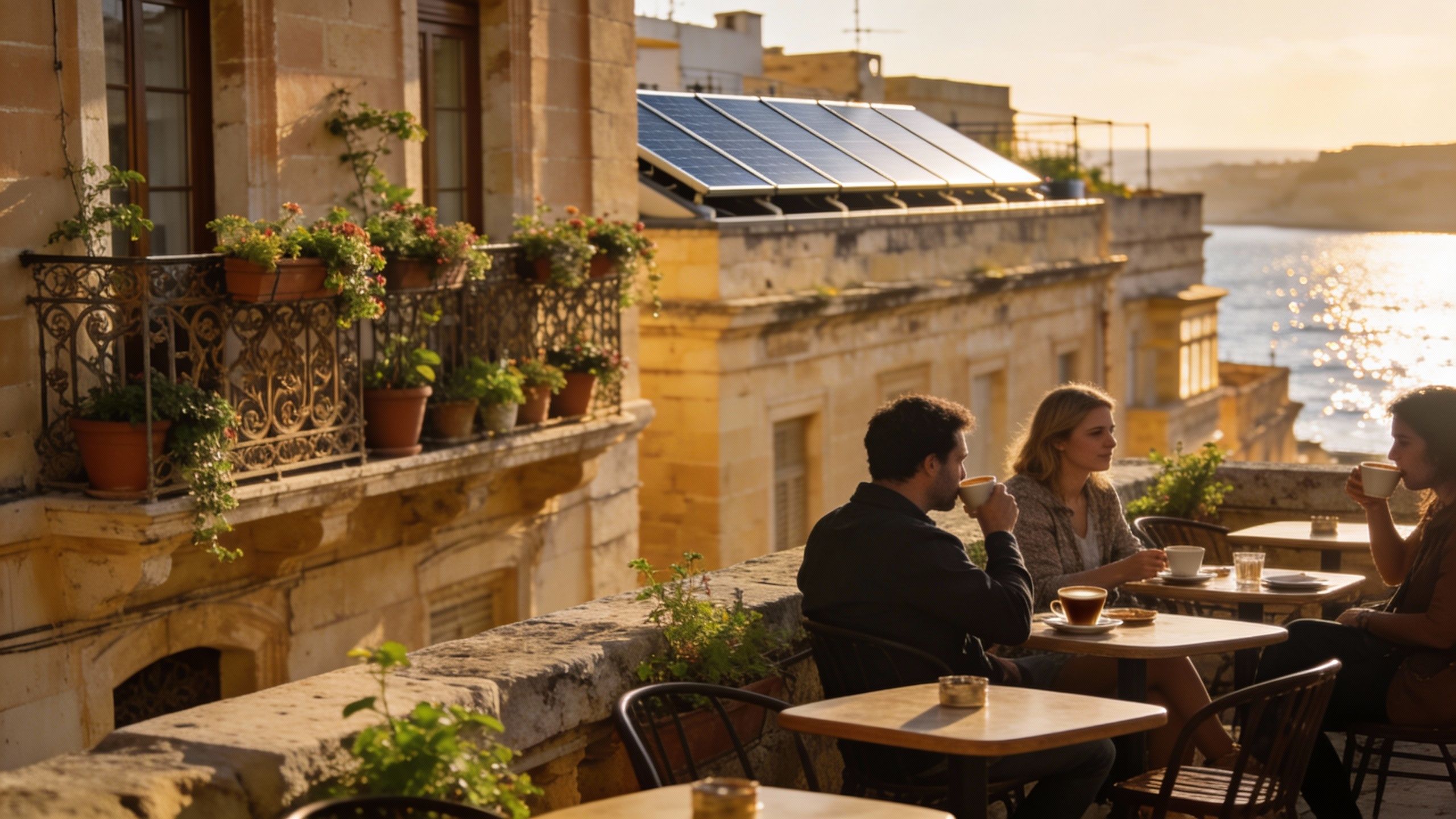
Imagine waking up to a brisk Mediterranean breeze, stepping out onto a pale limestone balcony in Valletta, and watching neighbours tend window-box herbs while compact solar panels glint on terraced roofs. Malta is small enough that a market espresso, a cliffside swim and a coastline sunset can all fit into one afternoon — and because the island is tight-knit, the decisions you make about your home — from rooftop panels to rainwater reuse — shape not only your life but your street.
Living Malta: sun, stone and slow Mediterranean rhythms
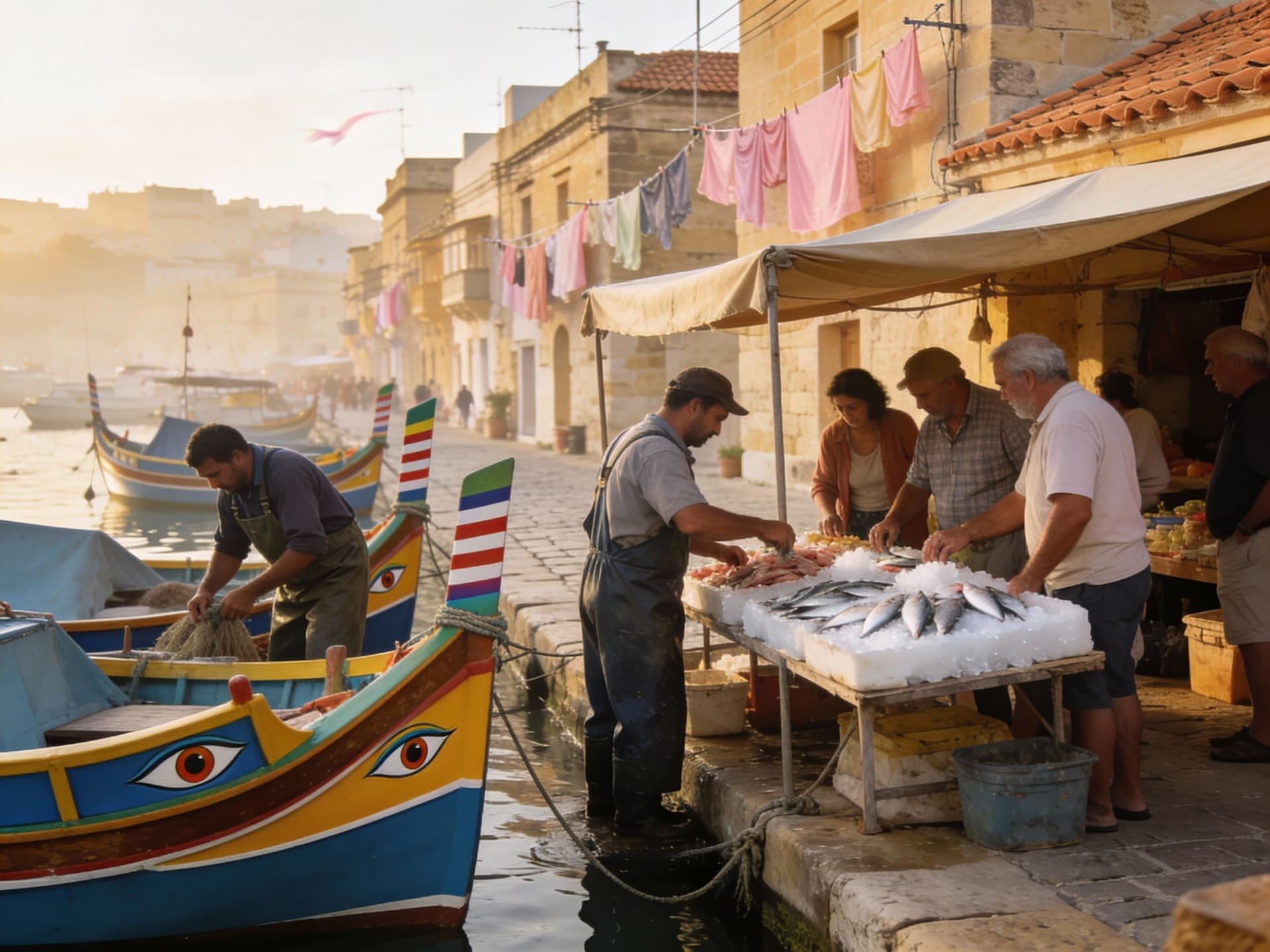
Morning life in Malta unfolds where limestone lanes meet the sea. In Sliema and St Julian’s you’ll find lively cafés and seaside promenades; in historic Mdina and Valletta, narrow streets hold centuries of craft and quiet courtyards. Local rhythms lean toward conviviality — late lunches, relaxed markets at Marsaxlokk harbour, and evening passeggiata. Practically, this compactness means modest plots, vertical living, and a premium on clever outdoor space — terraces, roof terraces and small courtyards that are ideal for solar panels and container gardens. Recent statistics show strong uptake of rooftop PV installations across the islands, a practical response to bright skies and rising energy awareness. (See Malta’s PV data for 2024.)
Neighborhood spotlights: Valletta, Marsaxlokk and Gozo’s quieter charms
Valletta is a living museum of baroque facades, buzzy cafés, and secret roof terraces where neighbours share lemons and conversation. Marsaxlokk’s harbour is all painted boats and fish markets on Sundays — the kind of place where a fresh catch becomes an excuse to meet locals. Cross to Gozo and life slows further: stone farmhouses, languid bays and fields dotted with prickly pear. Each place suits a different sustainable life: Valletta for walking and small‑scale retrofit, Marsaxlokk for seafood and coastal microclimates, Gozo for country gardens and unplugged living.
Food, markets and weekend rituals
Weekends taste of gbejna (cheeselets), local honey, and tomato-stuffed ftira from corner bakeries. Outdoor dining is a year-round affair thanks to mild winters; terraces are extensions of living rooms. For buyers, that means prioritising kitchens with balcony access, terraces with shade options, and properties that support small-scale food growing. These lifestyle choices often dovetail with green upgrades — solar water heaters, energy-efficient cookers and rainwater harvesting for garden pots.
Making the move: practical considerations that protect the lifestyle
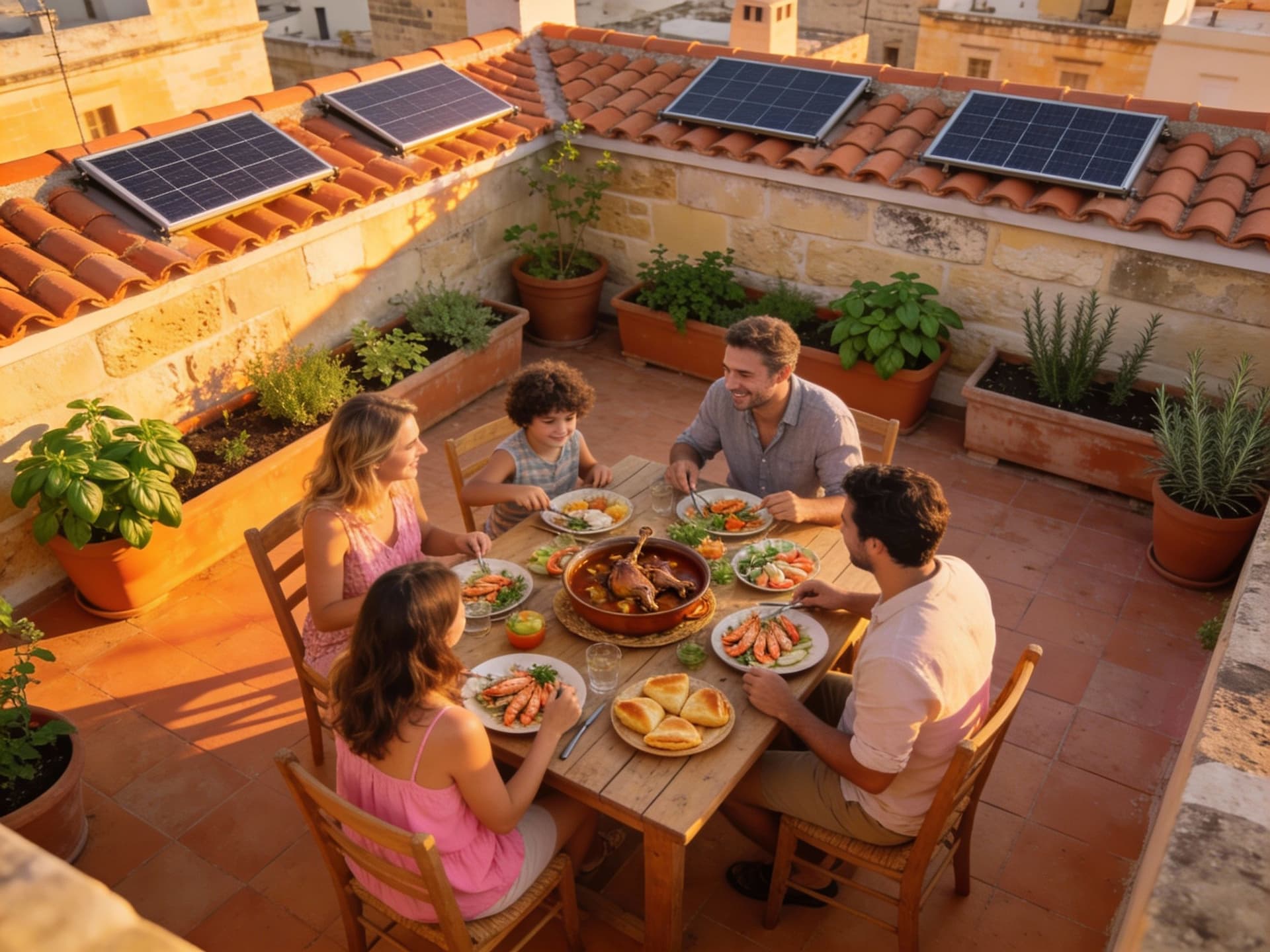
The dream of living on a shaded terrace with solar panels is real — but Malta’s legal framework shapes what kind of property you can buy, especially if you don’t live here full-time. Non‑residents normally need an AIP permit to buy most properties outside Special Designated Areas (SDAs), and there are minimum value thresholds. Think of this early as part of your lifestyle design: the permit determines whether you can own a secondary residence, how you may use it (rental restrictions apply), and where you’ll be planting those balcony herbs.
Property styles: townhouse practicality vs. farmhouse space
Malta’s housing stock ranges from compact city townhouses with internal courtyards to converted farmhouses in Gozo and modern apartments in newly built complexes. Townhouses reward sensitive retrofit — adding insulation, double glazing and discreet rooftop PV — while Gozo farmhouses offer space for gardens and off‑grid aspirations. Working with an architect experienced in limestone repairs and Maltese planning rules will protect the island’s character while improving comfort and energy performance.
How local experts make the lifestyle real
Local agents and sustainability‑minded contractors are more than transactional partners — they are translators of place. An agent who knows where small terraces catch late sun, or which neighbourhoods welcome vegetable plots, will match a buyer to both the physical house and the life it enables. Likewise, a contractor versed in Malta’s microclimates can recommend rooftop PV angles, salt-tolerant plantings and masonry fixes that preserve texture while improving efficiency.
- Lifestyle-plus-practical checklist for choosing a Maltese home:
- Look for roof orientation and usable terrace area for PV and outdoor living.
- Confirm AIP permit requirements early — they affect resale, rental and use.
- Prioritise limestone repair experience in contractors to avoid expensive mistakes.
- Check local water pressure and options for rainwater capture for gardens.
Insider knowledge: expat truths, seasonal realities and green tradeoffs
Here’s the frank expat talk: Malta’s sunshine is real and useful, but national renewable shares have been among the EU’s lower figures — meaning the island is actively expanding rooftop PV and incentives to catch up. That gap is an opportunity for buyers who favour energy independence: a modest rooftop array and battery can meaningfully lower bills and boost resilience. However, buyers should accept tradeoffs — constrained space, planning sensitivities for historic façades, and occasional grid limitations during peak tourist season.
Language, community and everyday integration
English is an official language, which flattens many early hurdles for internationals. Still, community integration thrives through shared routine: local festas, neighbourhood bar chats, and the Saturday market at Marsaxlokk or the smaller village festas where pastry and prayer meet. Be present: neighbours notice who waters shared potted plants and who shows up for local clean-ups — small acts that turn a house into home.
Longer-term: stewardship, sustainability and value
If you plan to live in Malta beyond the first year, consider how stewardship increases joy and value. Simple investments — sympathetic insulation, efficient hot water, sympathetic PV — raise comfort and lower running costs. National data show growing numbers of household PV installations, signalling a cultural shift that can protect long-term affordability and local ecosystems if done carefully and respectfully.
- Step-by-step move plan blending life and logistics:
- 1. Visit neighbourhoods off-peak (autumn or winter weekdays) to feel the authentic rhythm.
- 2. Secure pre‑approval for any AIP permit where required and confirm minimum price thresholds.
- 3. Commission a local surveyor and a contractor with limestone and PV experience before signing.
- 4. Plan retrofit and landscape work with an eye to biodiversity — native plants, drip irrigation, and salt‑tolerant hedges.
Conclusion: The good life here is tactile — citrus on a sill, the sound of church bells, a neighbour’s wave. Buying in Malta means trading big private gardens for roof terraces, choosing texture over perfection, and pairing small-scale green interventions with cultural humility. Work with local agents who know both permits and patios; treat your purchase as a stewardship pledge to the island you now call home.
Danish relocation specialist who moved from Copenhagen to the Algarve; supports families with seamless transitions, local partnerships, and mindful purchases.