Stone Terraces and Solar: Malta’s Green Tradeoffs
Malta pairs limestone lanes and rooftop solar momentum — learn which neighbourhoods give you sea-side life and real green retrofit potential, backed by 2025 market and energy updates.
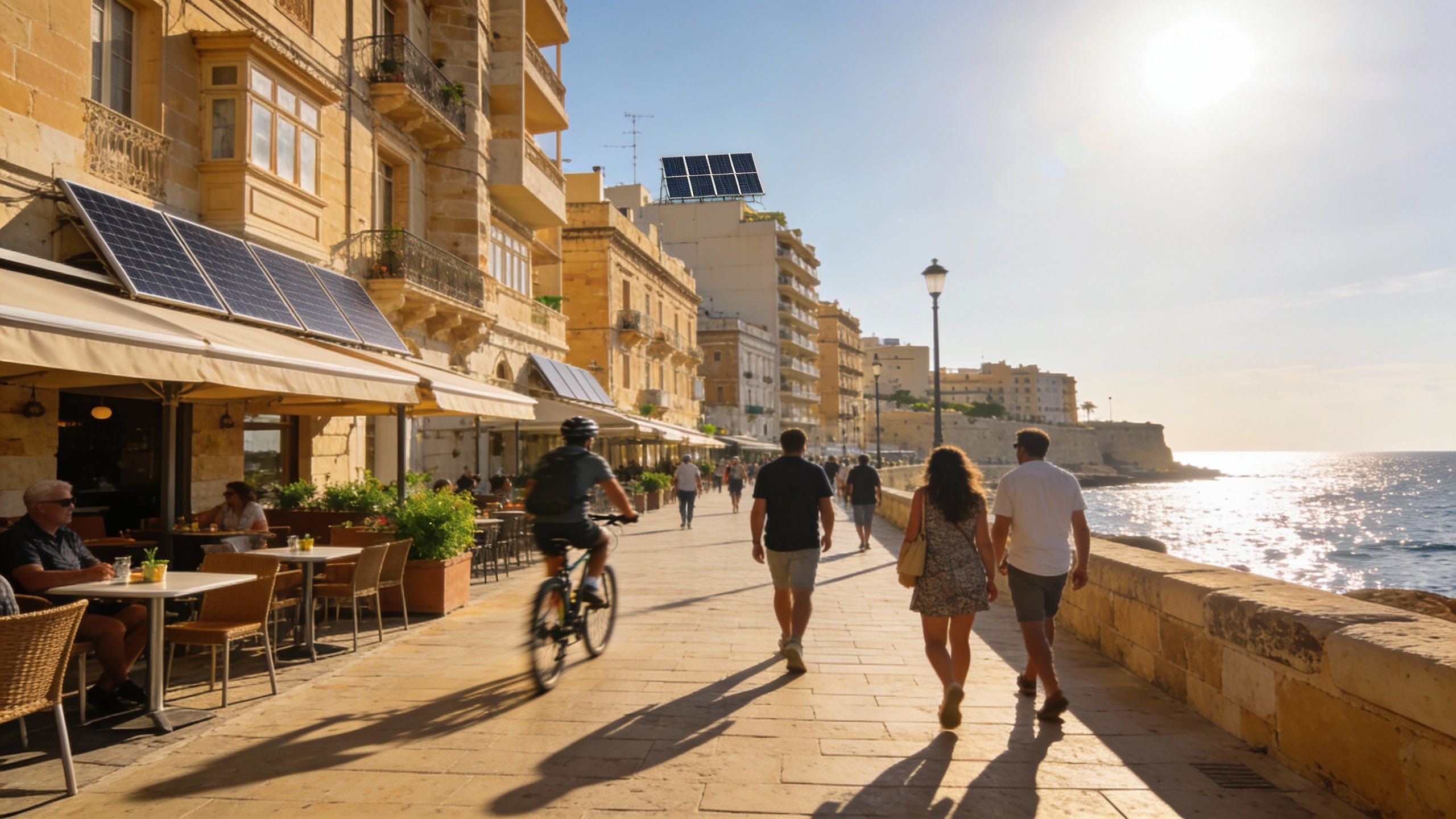
Imagine waking to the smell of sea salt and espresso, then stepping onto a sun-warmed terrace whose solar panels hum quietly above a garden of potted herbs. In Malta, the Mediterranean light, compact streets and sea-breeze shape a rhythm of life that is intimate and slow. Yet behind that gentle lifestyle is a surprising energy pivot — rooftop PV, battery pilots and new grid connections are quietly reshaping how homes work here. That blend of old stone lanes and new green infrastructure is why many of us pause, then consider: could Malta be the small island that fits a larger, greener life?
Living the Malta life: small island, rich rhythms
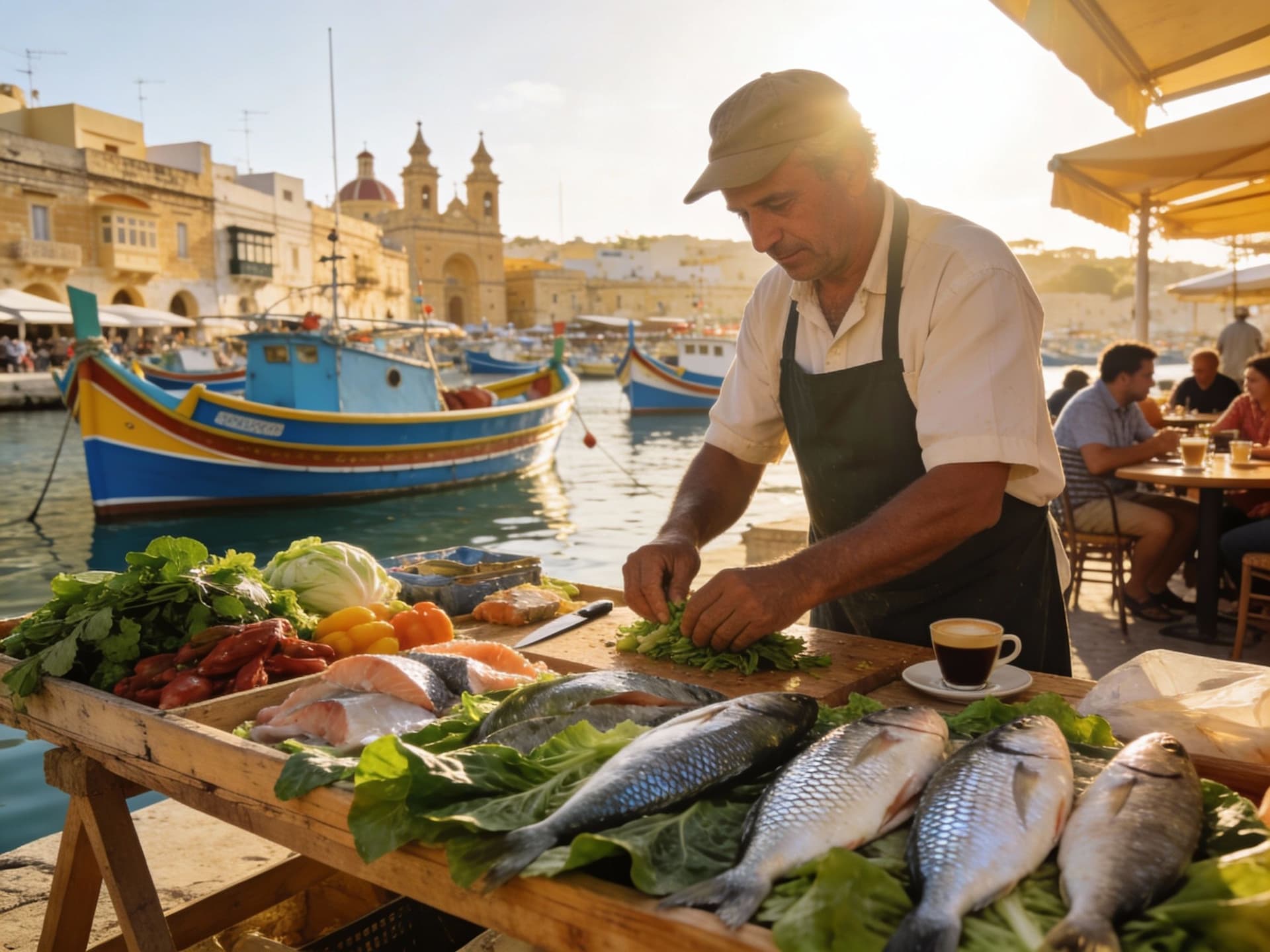
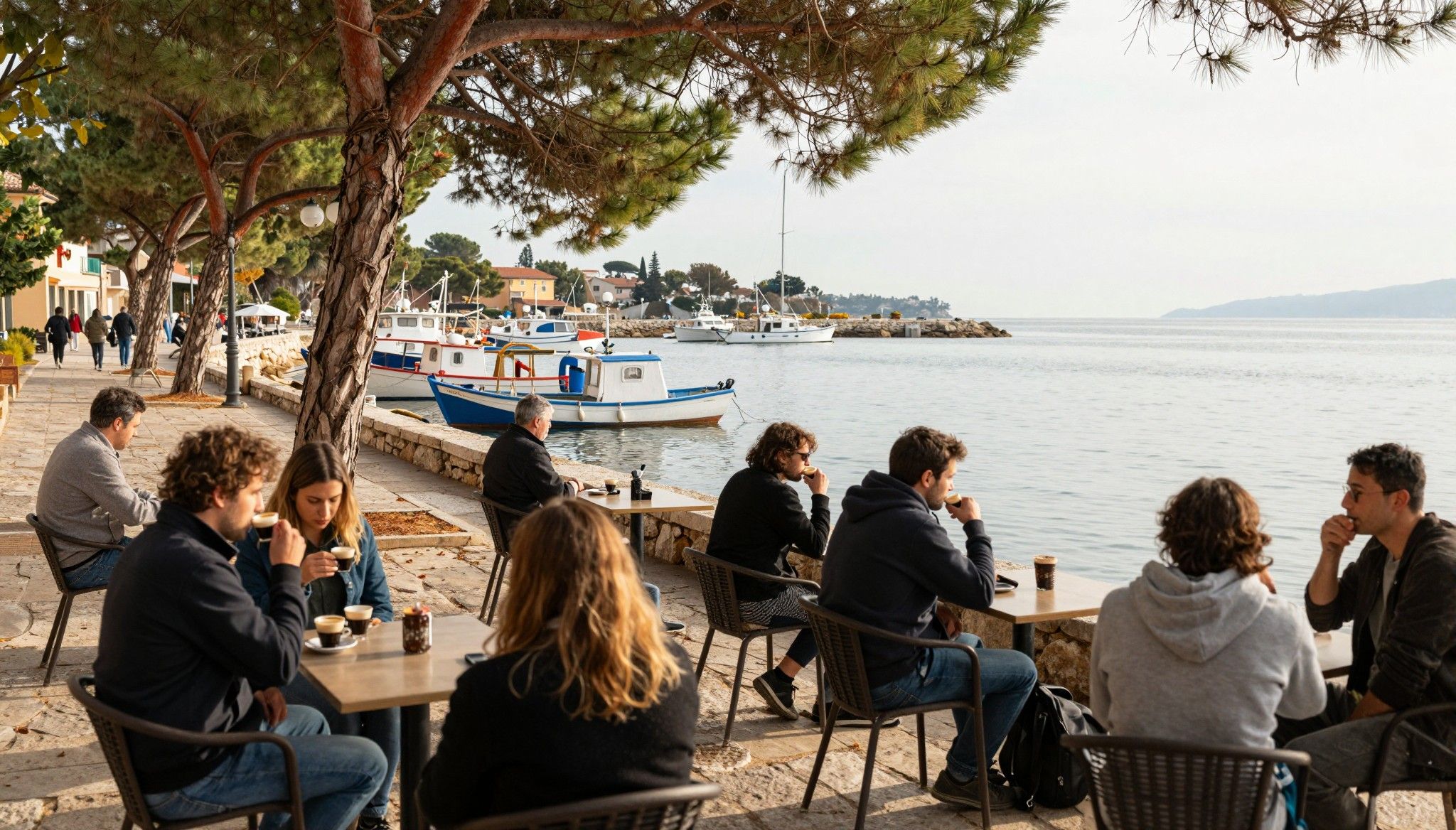
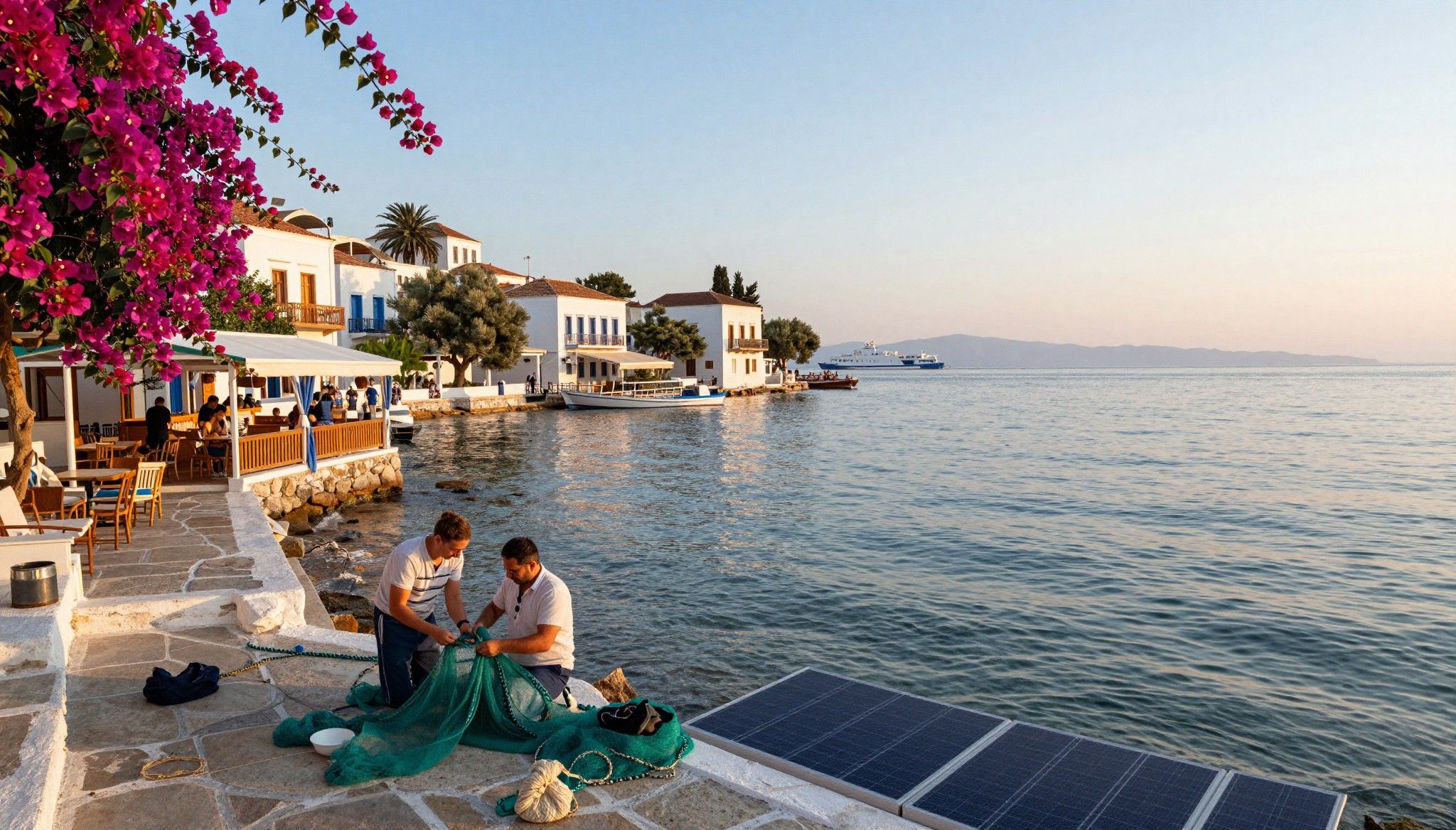
Living here feels like an anthology of moments: coffee at a low table in Sliema, fishermen mending nets in Marsaxlokk, siesta-slow afternoons in the walled silence of Mdina. Valletta’s limestone facades hold history and evenings glow with neighbourhood restaurants where the menu changes with the season. But alongside that sensory charm is a modern pulse — co-working hubs, well-travelled expat communities and a surprisingly active property market that pushes prices in central districts. Knowing where to look — and which trade-offs to accept — makes the difference between a holiday romance and a sustainable move.
Neighborhood spotlight: Sliema, St. Julian's and Gżira
Sliema and St. Julian’s hum with seaside promenades, espresso bars serving flat whites and apartments whose balconies face the sea. Gżira, squeezed between them and Valletta, is a quieter work-and-live hub with small, weathered cafes and early-morning markets. These areas are where rental demand is highest — lively, convenient and priced accordingly. If you crave nightlife and short walks to the sea, these are your towns; just expect to pay a premium for that ease.
A different tempo: Marsaskala, Mosta and Gozo
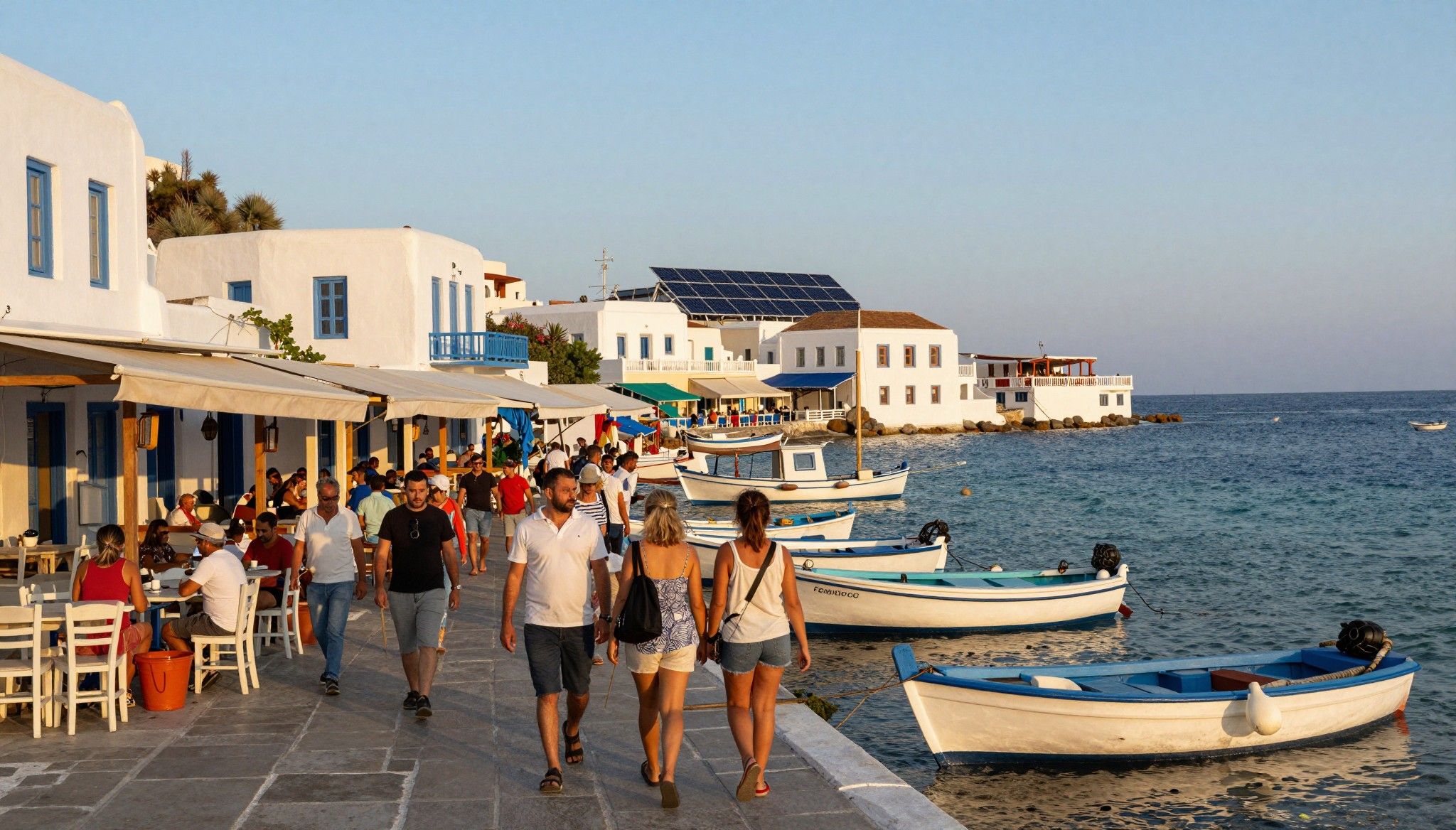
For more breathing room look to Marsaskala’s coastal calm, Mosta’s village squares and the island of Gozo with its slow mornings and stone farmhouses. These places offer larger terraces, quieter streets and — importantly for green-minded buyers — more opportunity for rooftop gardens, PV arrays and small-scale rainwater capture. Life here is built around community markets, evening strolls and an easier relationship with outdoor space.
Lifestyle highlights to taste before you buy: Valletta’s Sunday paseġġ and rooftop aperitivi; Marsaxlokk fish market at dawn; a swim at Ghajn Tuffieha at golden hour; an afternoon at Ta’ Qali craft village; espresso and pastizzi on Triq San Giljan in St. Julian’s.
Making the move: how green infrastructure shapes the practical side
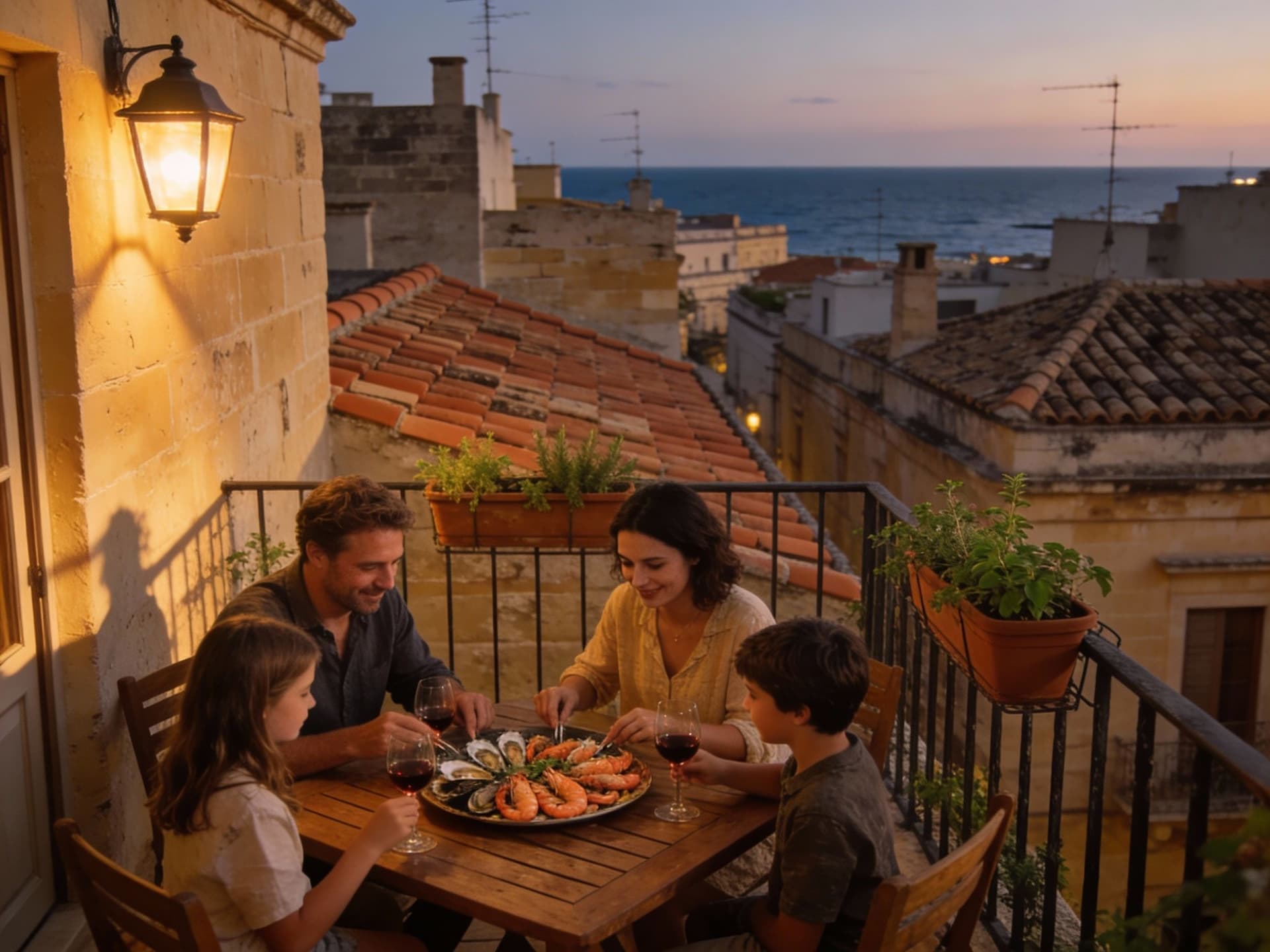
If the terrace dream includes self-reliant mornings and lower energy bills, Malta’s national push matters. The government and energy authority have signalled upgrades — streamlined permits for rooftop photovoltaics, building rules nudging renewables into taller blocks and pilot battery storage schemes tied to a second electricity interconnector. Practically, that means the right property can move faster from aspirational to genuinely lower-carbon living, provided you pick a building with space for panels, a roof structure in good condition and access to local installers.
Property styles and what they mean for green living
Typical Maltese homes range from compact modern apartments to ‘houses of character’ with thick stone walls. Apartments in Sliema or St. Julian’s often limit large rooftop installs but are excellent for shared solar schemes or heat-pump-ready renovations. Houses of character and Gozo farmhouses offer roofs, courtyard gardens and room for photovoltaic arrays and rainwater systems — they are the canvas for a regenerative home. Price-per-square-metre varies widely, so weigh the cost of retrofit against what the property already gives you: space to host PV, shade, thermal mass and outdoor planting.
Work with local experts who know both stone and solar
Steps to blend lifestyle wishes with technical reality: 1) Audit roof structure and shading before offer, 2) Ask agents for recent EPC or energy upgrade records, 3) Request quotes from local solar installers and planners as part of due diligence, 4) Factor in permit timelines for PV or battery systems, 5) Prioritise properties in zones with grid upgrades or smart-meter pilots.
Insider knowledge: myths, trade-offs and what expats wish they’d known
Here’s the real-talk: Malta’s reputation as “expensive” hides nuance. Yes, prices in sought-after promenades rise quickly; but smaller towns and Gozo still offer space and better retrofit potential. Expats often discover that choosing a slightly quieter town buys you a terrace, a garden and the freedom to invest in renewables — ingredients for a genuinely green life. Conversely, those seduced by walking-distance-to-everything often sacrifice outdoor space and the ability to retrofit.
Cultural notes that change how you live and buy
English is widely spoken, neighbourhood life runs on invitations and neighborhood markets matter more than glossy listings. Expect friendly curiosity, a preference for practical repairs over aesthetic overhauls in older homes, and a permitting culture that is improving but still demands patience. These social rhythms affect renovation timelines, neighbourly permissions for shared installations and everyday expectations of maintenance.
What expats wish they’d known before buying: Ask about roof access for panels; check neighbour attitudes to visible installations; budget for thermal upgrades in stone houses; learn which local builders have experience with both conservation and PV; expect permit queues in heritage zones.
Conclusion: Malta as a lived-in, green future. For buyers who cherish sea air, cafe mornings and a home that breathes with nature, Malta offers a rare combination: ancient stone and a rapidly modernising green grid. Your best move is to marry lifestyle desire with technical questions — roof slope, shading, local installer experience and municipal plans for grid upgrades. Work with an agency steeped in both neighbourhood life and sustainability partnerships; they will help you find the property where the terrace dream becomes everyday practice.
Norwegian market analyst who relocated from Oslo to Provence; guides investors with rigorous portfolio strategy and regional ecological value.