Malta’s Quiet Energy Revolution — Live Light, Spend Less
Malta’s small-scale solar uptake and grid links mean terraces and PV-ready roofs are lifestyle assets—look for roof access, sun exposure and local permissions before you bid.
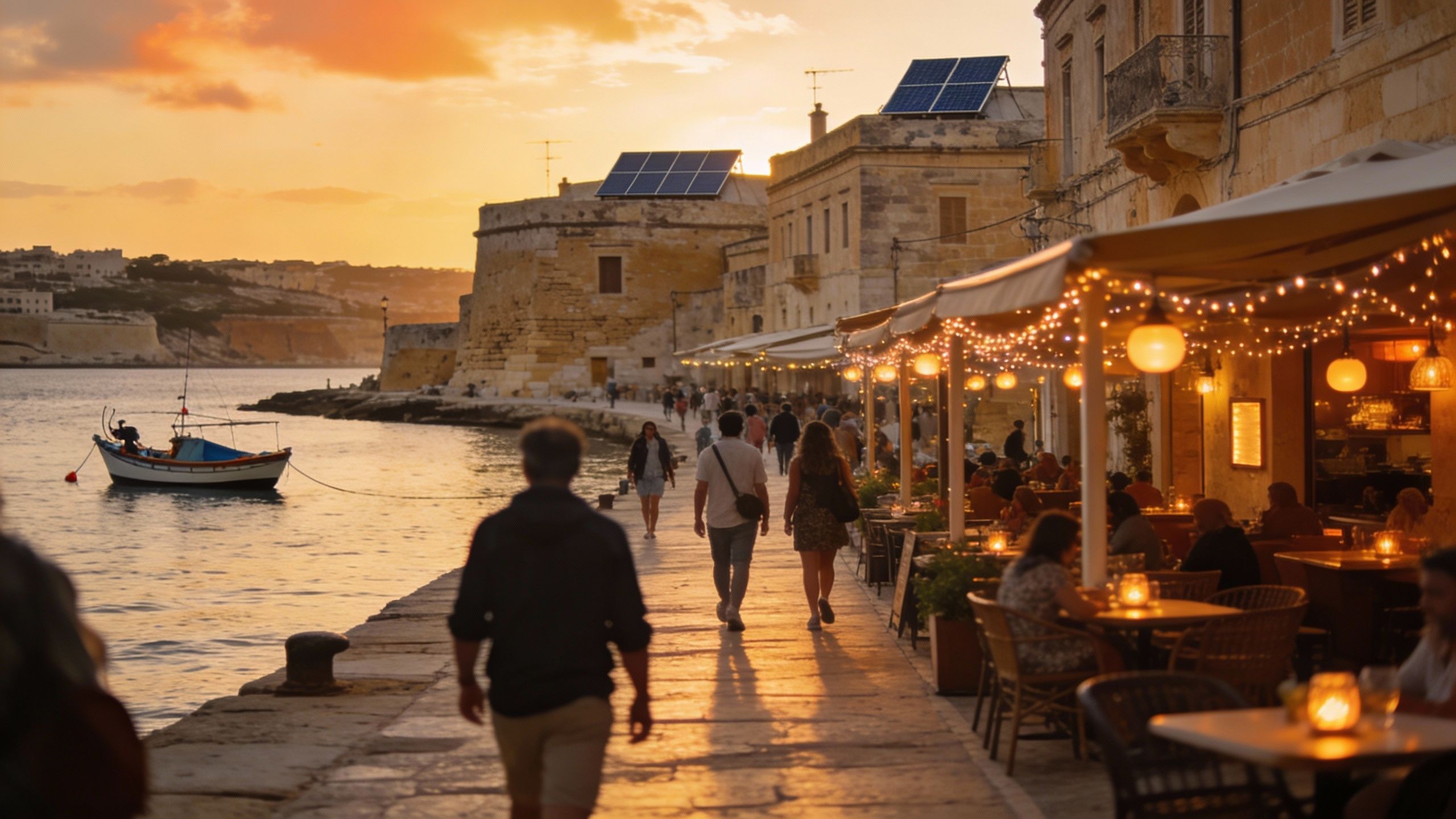
Imagine a Sunday morning in Valletta: sunlight slants across honeyed limestone, a small balcony overflowing with herbs, and a neighbour on the rooftop checking their modest solar array. Malta feels compact and sunlit, and increasingly, the electricity that hums through its streets is quietly local — rooftop PVs, more imported clean power through the Sicily interconnector, and a rhythm of life that bends toward lower‑impact living. For international buyers who love Mediterranean energy and low‑maintenance outdoor life, Malta’s energy shift isn’t abstract policy — it changes where you place your terrace table, which neighbourhood feels cosy, and how a home performs in summer.
Living Malta: sun, stone and a livable grid
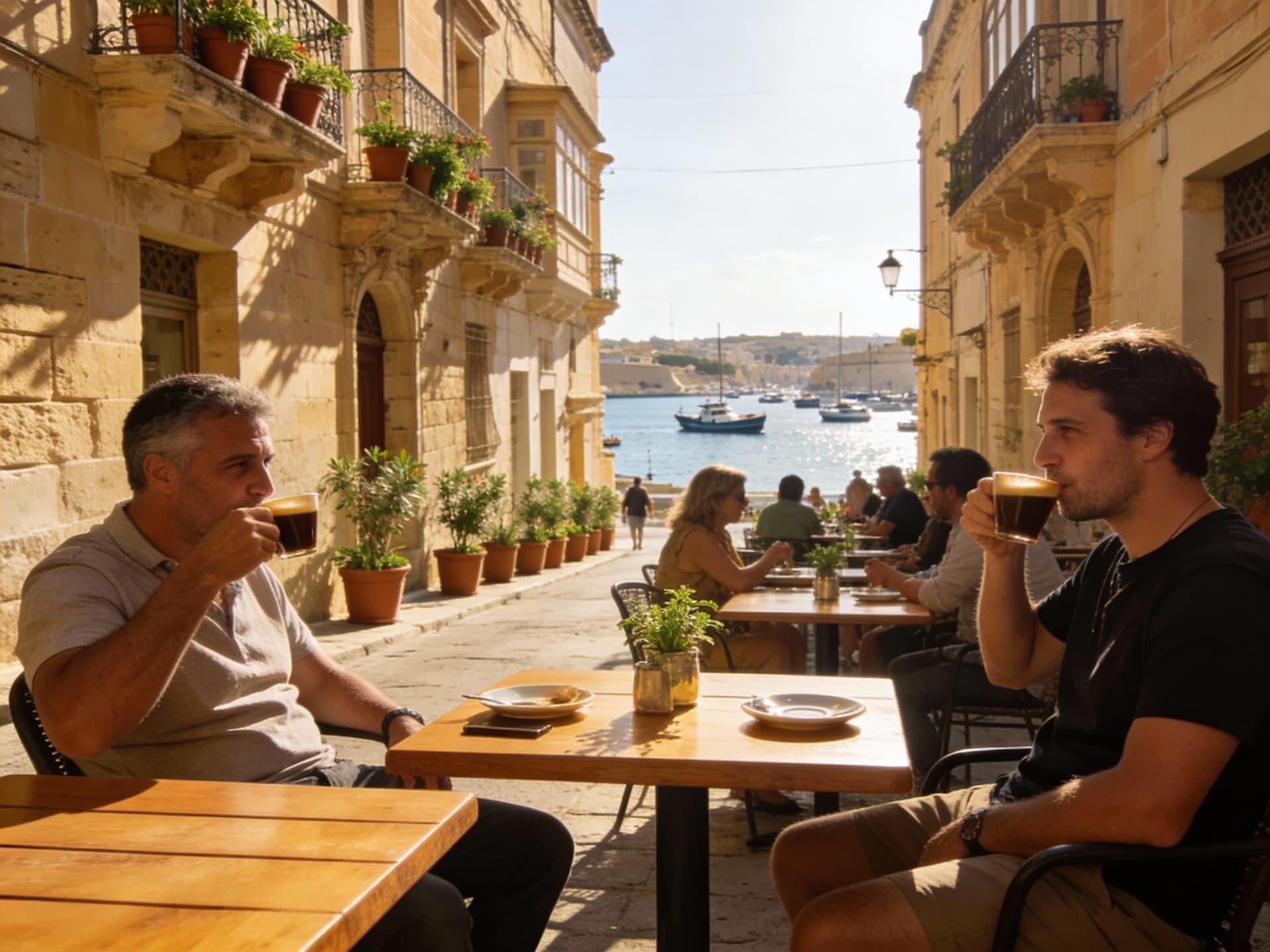
Life here moves at the pace of the Mediterranean sun. Streets like Strait Street and Republic Street in Valletta pulse with cafe chatter and a late‑morning calm; coastal towns such as Sliema and St Julian’s mix sea breezes with stylish terraces; Gozo’s Victoria and Xlendi feel slower, with stone houses and kitchen gardens. Practically, that sunlight matters: rooftop terraces and solar-ready roofs are now lifestyle features — you’ll see panels tucked behind parapets and pergolas used for shading as much as energy.
Neighborhood spotlight: Valletta, Sliema, Gozo
Valletta is intimate and historical — mornings smell of espresso and fresh bread, evenings are for harbour walks. Sliema and St Julian’s are livelier: seafront promenades, compact apartments with balcony gardens, and an expat-friendly bustle. Gozo trades density for stone courtyards, vineyards and a slower social calendar. Each district shows a different relationship to green infrastructure: inner Valletta relies more on compact, clever retrofits; coastal suburbs favour solar rooftop kits and battery storage; Gozo explores micro‑generation and community projects.
The food, sea and daily rituals that shape choices
Picture buying tomatoes at Marsaxlokk market at dawn, lunching on ftira with olives and sea salt, then heading home to a terrace that keeps cool under a trellis. The prevalence of rooftop photovoltaic installations — nearly 35,000 systems nationally in 2024 — means small, local generation is a lived feature, not just an aspiration. That makes energy costs and summer comfort practical parts of daily life for owners who prioritise gardens, outdoor dining and low‑tech comforts.
- Lifestyle highlights: local places and experiences
- Morning market at Marsaxlokk — fresh fish and neighbourhood chat
- Coffee and people‑watching on Republic Street, Valletta
- Sunset swims at Għajn Tuffieħa and quiet cliff walks in Gozo
- Rooftop herb gardens, pergola dining and shaded terraces
Making the move: lifestyle choices that depend on the grid
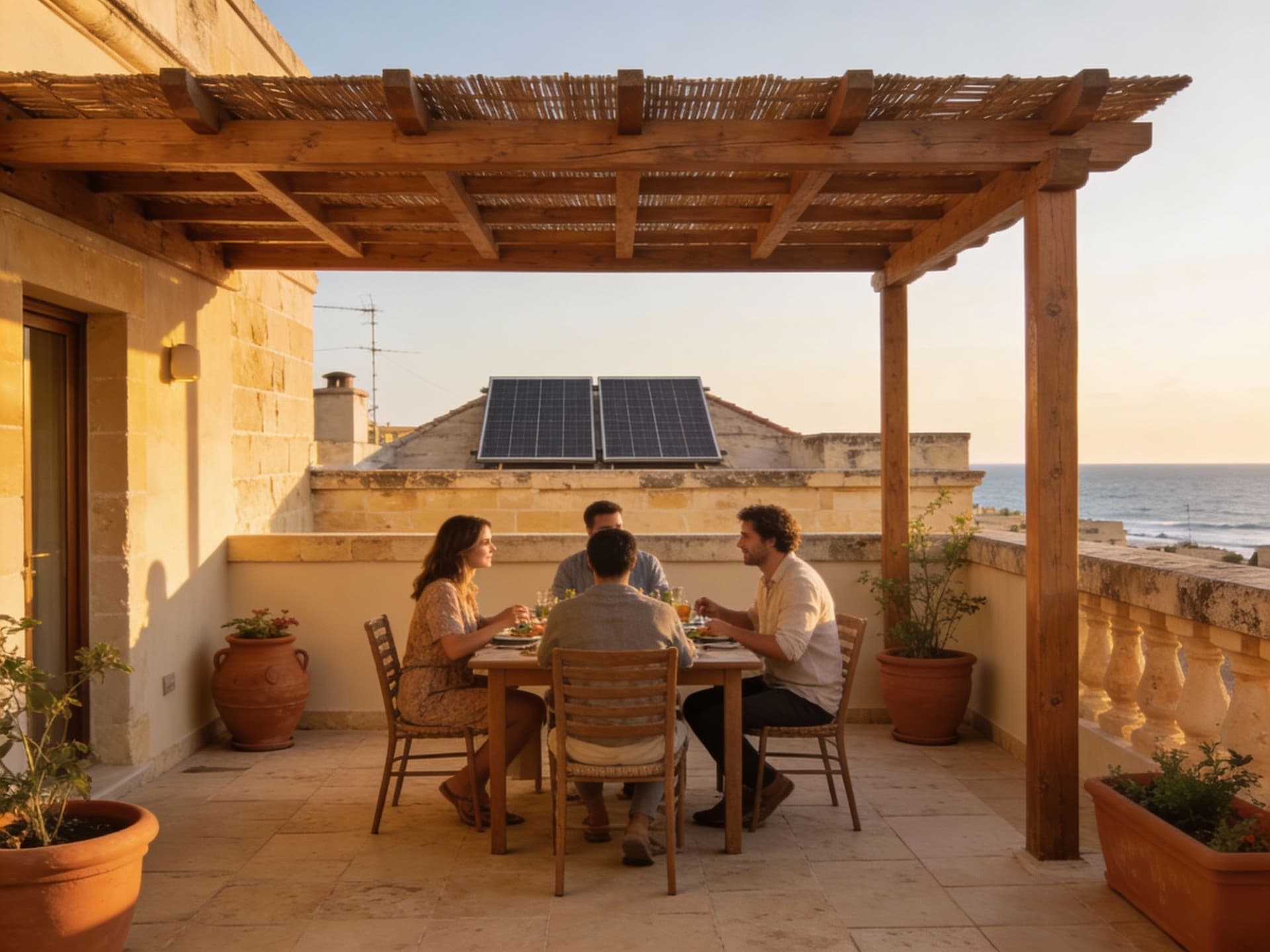
Your dream terrace and the ability to run an efficient heat pump or a small electric oven are influenced by Malta’s electricity mix. The country now blends local PV generation with imported power via the Malta–Sicily interconnector and traditional power stations. That hybrid supply affects costs, reliability and the value of on-site solar plus battery systems — all considerations that shape where you’ll be happiest and how a home performs across seasons.
Property styles: stone maisonettes to modern apartments
Traditional limestone maisonettes offer thick walls and natural thermal mass — great for passive cooling — while newer apartments bring better insulation, glazing and roofspace for PV. Malta’s RPPI rose about 5.2% year‑on‑year in Q4 2024, reflecting steady demand; that means choices between historic character and modern efficiency are also financial choices. If you prioritise low‑energy bills and outdoor living, favour properties with usable roof area, shaded terraces, or space for a modest battery.
Working with local experts who know green living
Find an agent who understands Maltese building fabric, PV retrofits, and the quirks of terrace orientation. A good local partner can point out whether a flat’s parapet hides a sunny, installable roof, whether a maisonette’s inner courtyard keeps you cool in August, and which neighbourhood committees approve modest external changes. This is the practical side of falling in love: it keeps your summer comfortable and your bills predictable.
- Steps to align lifestyle with low‑impact ownership
- Request roof‑orientation photos and a PV feasibility note before making an offer.
- Ask sellers for recent electricity bills and any records of battery or inverter installations.
- Check local planning rules for rooftop additions — some historic streets have strict streetscape controls.
Insider knowledge: what expats wish they’d known
Expats often tell the same story: they fell for the light and terraces, then discovered the small, manageable wrinkles — a north‑facing courtyard that never gets sun, a neighbour’s tiny rooftop turbine proposal, or an old inverter under the stairs. The practical lesson is gentle: Malta’s energy transition is real, but local details — roof access, shared spaces, and historical protections — make the difference between a carefree summer and a renovation headache.
Cultural rhythms, language and community
English is an official language, which eases communication for many internationals. Social life orbits piazzas, fish markets and the sea; neighbours share fruit from courtyard trees, and community groups often manage shared roof rights. Respect for stonework and sightlines is strong — you’ll learn that a rooftop pergola is as much about neighbours’ consent as it is about shade.
Longer view: sustainability as lifestyle insurance
Over the next decade, expect incremental improvements: more PV uptake, better battery affordability, and smarter energy imports. For buyers, that means choosing homes that can adapt — a small roof installation today, the wiring for a heat pump tomorrow. The aim isn’t perfection at purchase, but purchasing potential: sunlight, space and local support that let you lower bills and deepen your connection to place.
- Practical red flags to spot
- No roof access — you can’t install panels easily.
- Historic restrictions that prohibit visible PV installations.
- Lack of recent electricity bills — sellers unable to show usage trends.
A small checklist before you bid
- Verify roof orientation, shade and parapet height with photos and a simple site visit.
- Confirm any community rules on rooftop changes in writing.
- Request a local agent’s note on typical summer energy use for similar homes in the street.
If the thought of morning light on a stone balcony and a small, steady stream of solar power appeals to you, Malta offers a compelling, intimate version of Mediterranean life. The energy transition here is practical and human-sized: modest PVs, smarter imports, and a cultural respect for outdoor living. Next steps: ask an agent to show you properties with usable roofspace, request energy records upfront, and picture your life between market mornings and evening sea breezes. We’ll connect you with local experts who respect heritage and the small choices that make green living simple.
Danish relocation specialist who moved from Copenhagen to the Algarve; supports families with seamless transitions, local partnerships, and mindful purchases.