Malta: Solar‑Ready Terraces, Tight Market — Lifestyle First
Malta pairs Mediterranean terrace life with a nascent renewable shift — prices are rising, so prioritise solar‑ready roofs, insulation, and local expertise to secure sustainable living.
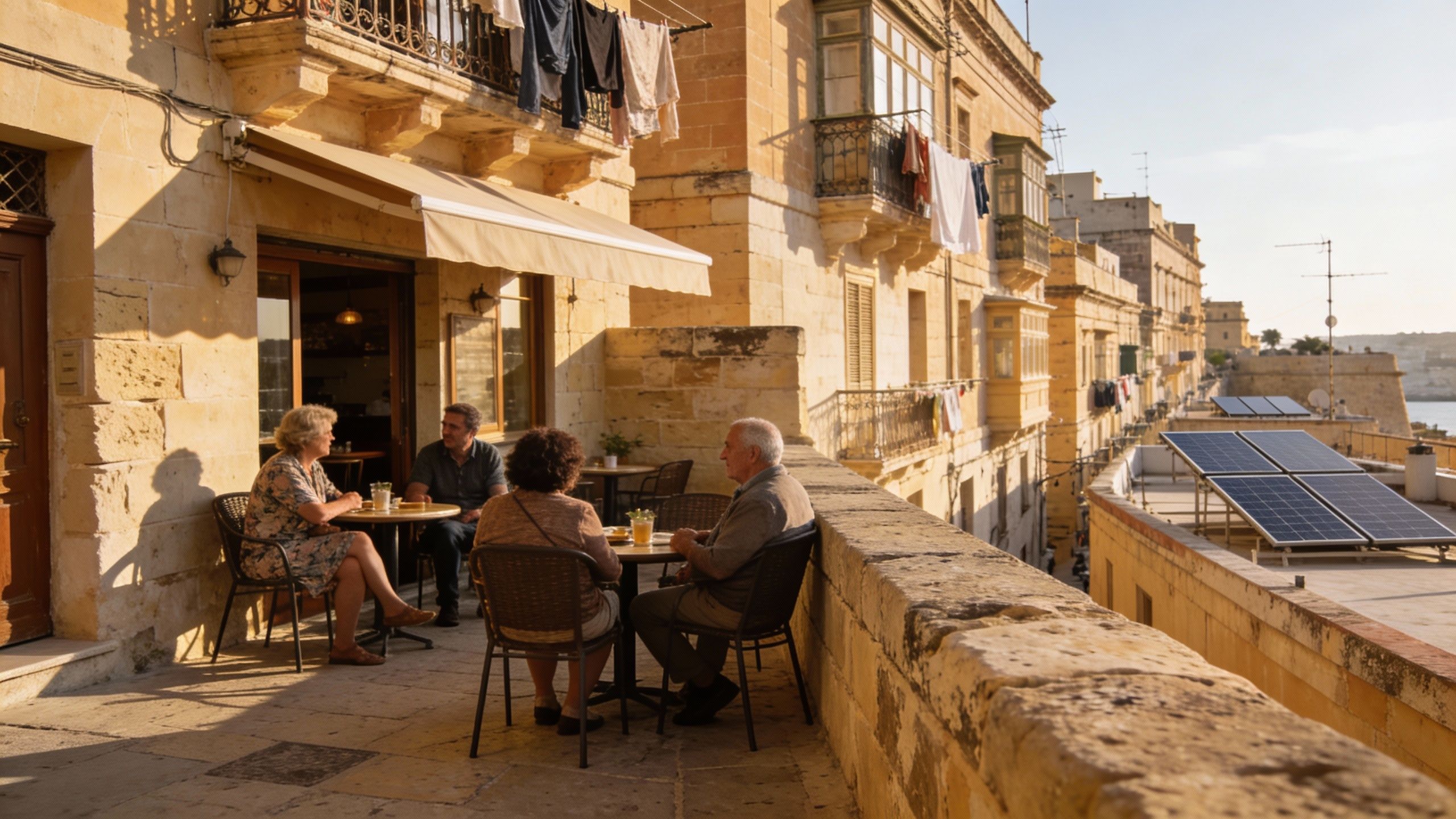
Imagine waking to a narrow street in Sliema where café steam mixes with salt air, then spending the afternoon on a limestone terrace listening to the sea and the drone of nearby rooftop solar inverters. Malta feels small enough to learn every corner and large enough to surprise you daily. For buyers who care about green infrastructure and a life outdoors, the islands pair Mediterranean light with a quiet energy transition — and a real estate market that rewards local knowledge.
Living the Malta lifestyle: compact, sunlit, coastal
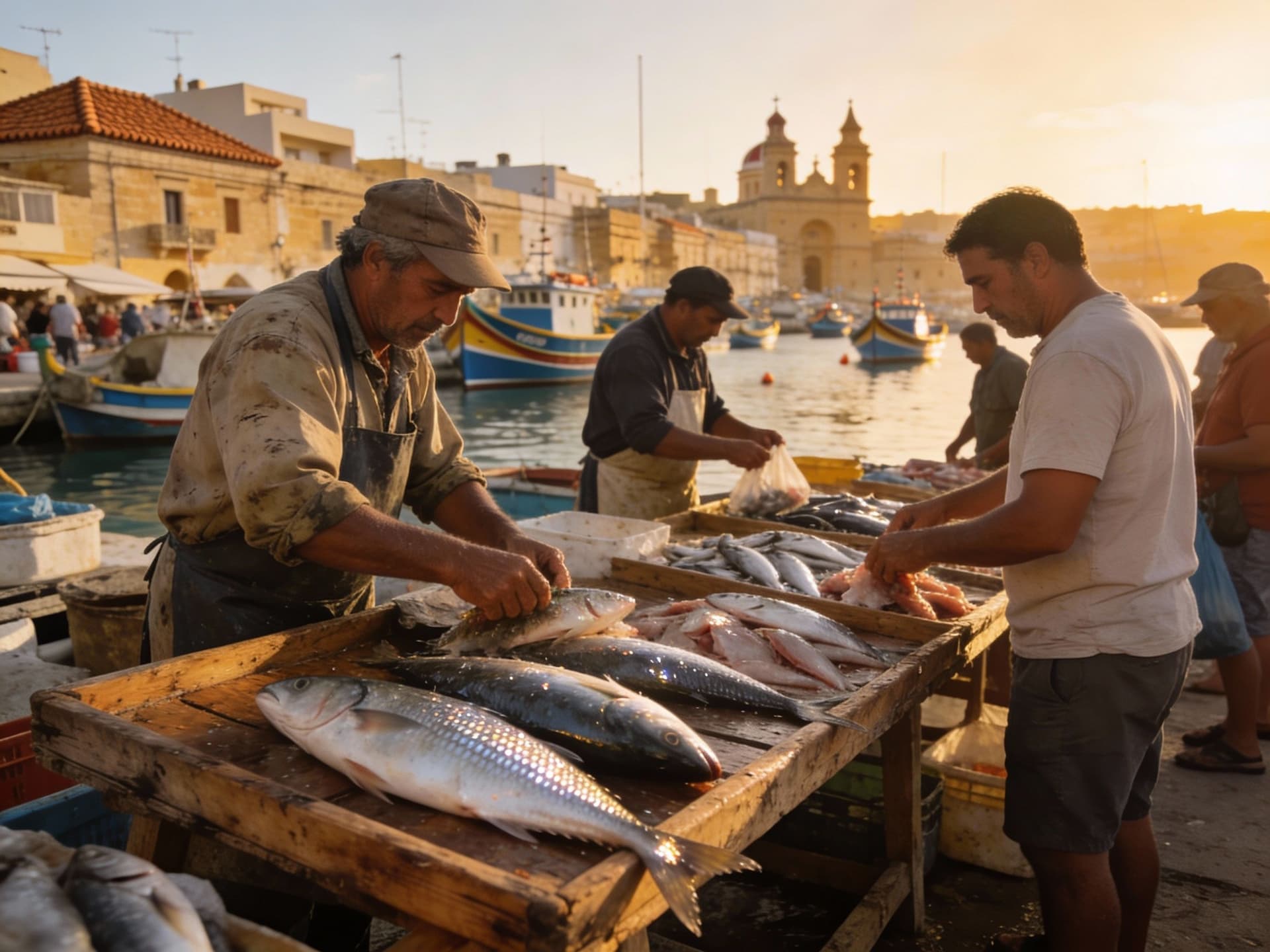
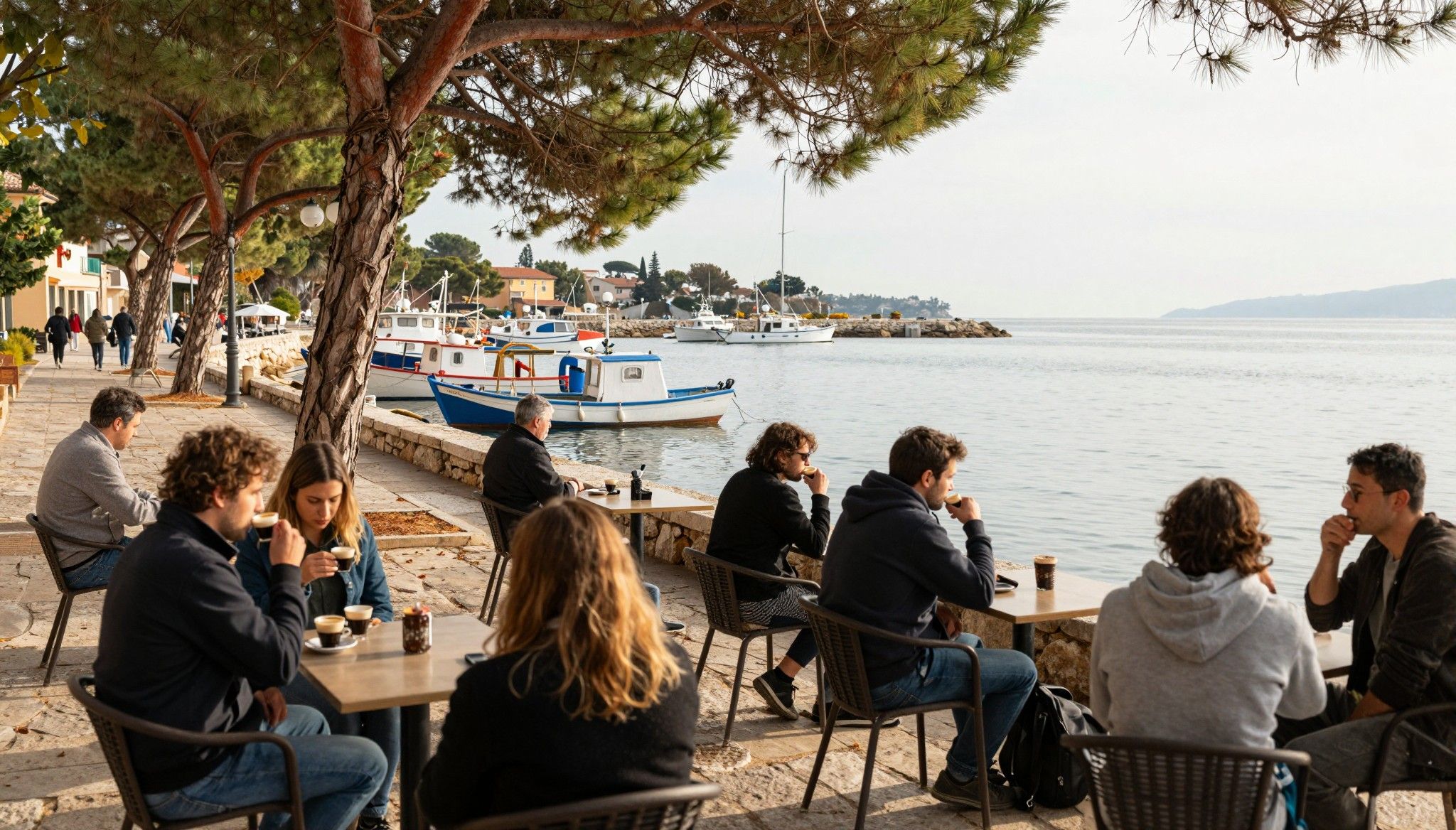
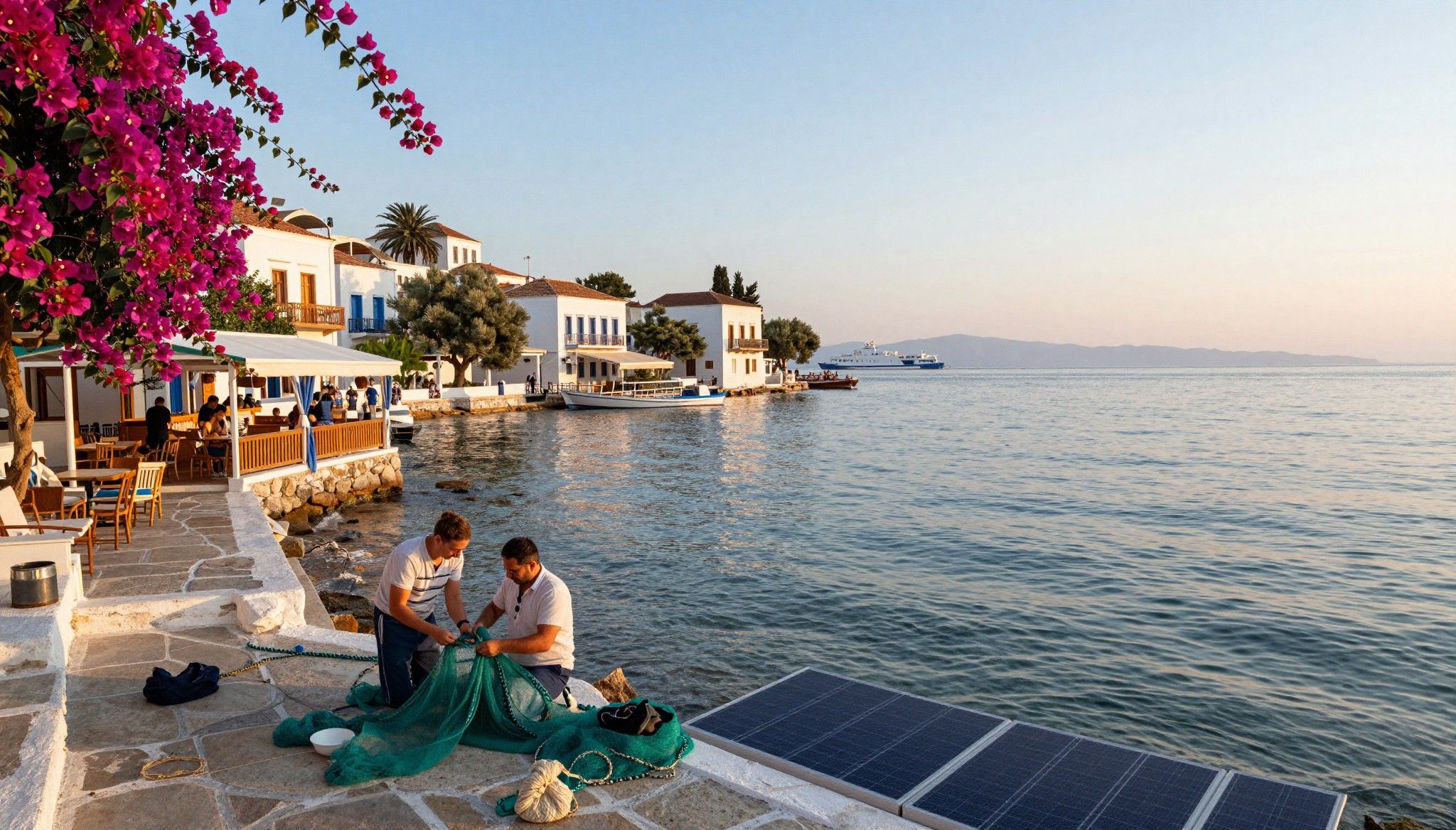
Daily life in Malta is textured: market mornings in Marsaxlokk, late‑hour passeggiatas in Valletta, and espresso stops in Gzira. The archipelago’s rhythm is shaped by the sun and sea — swimming before work in St George’s Bay, a late lunch of lampuki pie, then a quiet evening on a rooftop garden where photovoltaic panels hum softly. These rituals matter when you choose property: compact terraces and shaded courtyards are as important as square metres.
Neighborhood spotlight — Valletta, Sliema, and Mellieħa
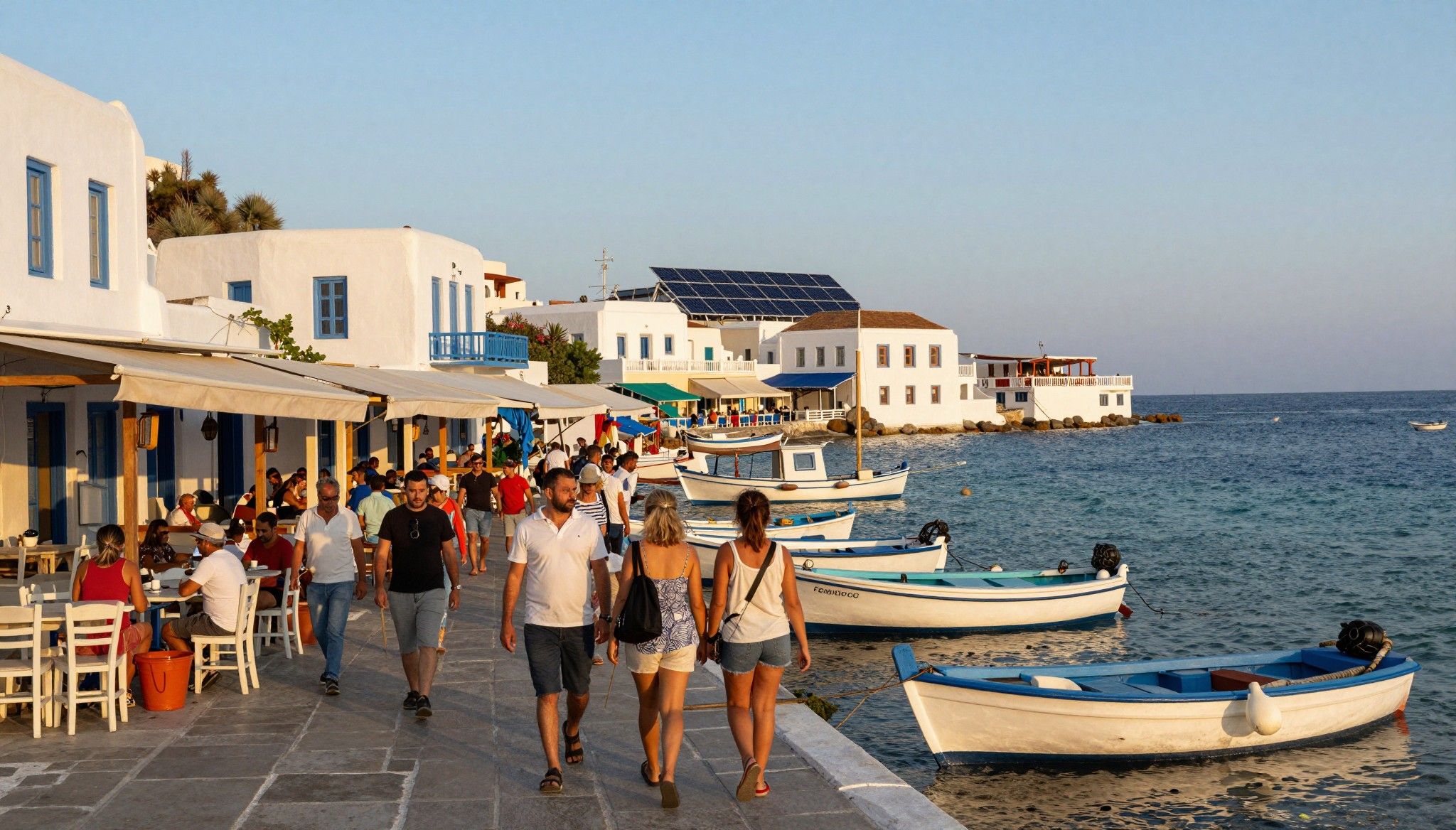
Valletta is history stitched into daily life — tiny churches, palazzo doorways and a theatre scene that pulses in summer. Sliema and St Julian’s trade heritage for seafront terraces, café culture and a denser foreign‑buyer presence; here views and access command premiums. Up north, Mellieħa offers salt‑air quiet, wide beaches and a different pace — ideal if you want a garden and outdoor life rather than constant city energy.
Food, markets and small pleasures
Weekend routines feel local: fish stalls at Marsaxlokk on Sundays, a pastry at Fontanella in Mdina with views across the island, and evening aperitivos by Spinola Bay. Food shapes where people gather and how properties are used — terraces for alfresco dining, kitchens built for fresh market produce, and small courtyards planted with citrus and herbs.
- Lifestyle highlights: real places and experiences
- Sunrise swim at St George’s Bay
- Fish market Sunday at Marsaxlokk
- Terrace espresso on Tower Road, Sliema
- Rooftop gardens and small‑scale PV systems in Pembroke
Making the move: practical considerations for green-minded buyers
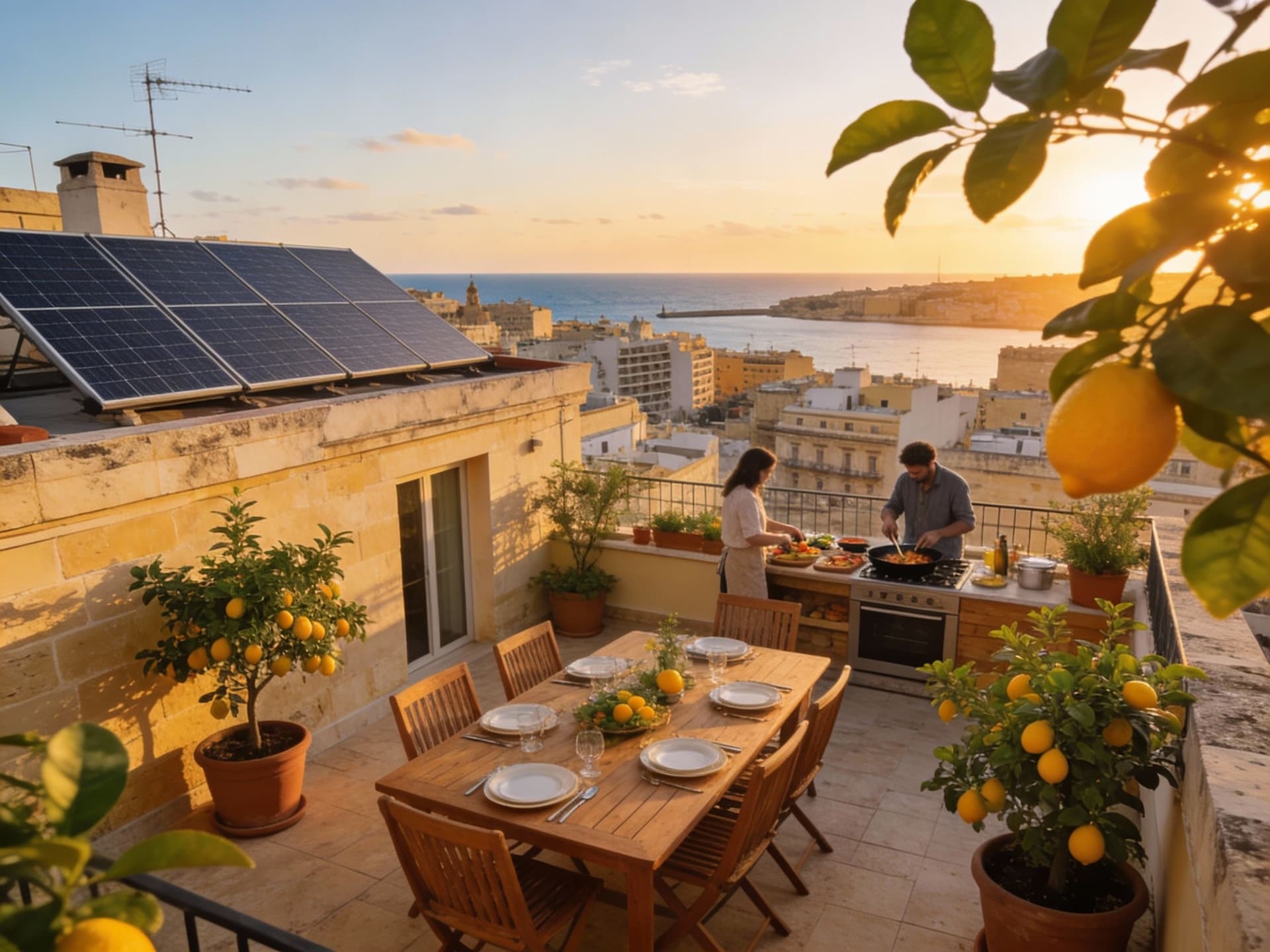
The dream of a sunlit Maltese terrace meets a market where prices have been rising — NSO figures show a measurable uptick in the Residential Property Price Index in recent quarters. At the same time, national plans point to a stronger focus on renewables and rooftop PV. For buyers who prize sustainable living, the trick is to marry lifestyle choices with timing: know which neighborhoods are investing in green infrastructure and which are still mainly fossil‑fuel reliant.
Property styles: maisonettes, apartments and historic townhouses
Maisonettes and apartments dominate the market; historic townhouses in villages like Birgu or Naxxar offer character but often need retrofitting. If you love outdoor life, look for properties with usable terraces and space for PV or heat‑pump equipment. In high‑demand northern harbour districts, expect smaller footprints and premium prices driven largely by land value rather than construction quality.
Working with local experts who understand green infrastructure
Choose agents and engineers who can advise on PV fit‑outs, shading, and how terraces perform thermally in summer. Local planners and installers understand Maltese limestone, flat roofs, and the quirks of planning permits for solar on historic façades. An agent who knows which zones allow foreign buyers (for example, special freehold areas) saves time and helps align the property to your sustainability goals.
- A buyer’s blended checklist: lifestyle + practical steps
- Inspect rooftop orientation and shading — crucial for PV yield and summer comfort.
- Ask for recent energy bills and any records of PV or heat‑pump installations.
- Verify zoning for foreigners and whether the property sits in a designated freehold area.
- Budget for retrofitting classic townhouses — insulation and moisture control are non‑negotiable.
Insider knowledge: what expats wish they'd known
Expats often tell the same story: they fell in love with morning light and friendly neighbours, then learned the subtler realities — summer heat, compact interiors, and a market where land scarcity pushes prices. Being fluent in local rhythms (siesta‑lite afternoons, long dinners) makes everyday life easier; hiring a local energy auditor early in the process keeps retrofit surprises to a minimum.
Cultural integration and everyday practicalities
English is an official language and that eases many transitions, but community life is nuanced — festas, church processions, and neighborhood bar conversations shape belonging. Small gestures, like learning a few Maltese phrases and shopping at local markets, open doors. For families, consider proximity to international schools and outdoor play spaces when mapping neighbourhoods.
Long‑term lifestyle and stewardship
Think of buying in Malta as joining a living island system: invest in durable materials, low‑maintenance landscaping (drought‑tolerant Mediterranean plants), and strategies that reduce dependence on imported fuels. As national plans push for more rooftop PV and interconnector capacity, properties with solar readiness and good insulation will be easier to operate and more desirable to future buyers.
- Red flags and realities to watch for
- Lack of proper damp‑proofing in older townhouses — leads to high retrofit costs.
- Rooftops with restrictive heritage covenants that block PV installations.
- Overpaying for central locations where land value, not livability, drives the price.
Conclusion: Malta’s compact, renewable-lean future is livable — with care
If you dream of morning markets, limestone terraces and a life shaped by sea and sun, Malta delivers. Pair that dream with practical steps: work with local agents and energy auditors, prioritise solar‑ready terraces and good insulation, and be candid about retrofit budgets. The islands are small; the right local partner turns an aspirational lifestyle into a stewarded home.
Dutch property strategist who helped 200+ families find sustainable homes in southern Europe; expert in legal pathways and long-term stewardship.