Malta: Sea-Edge Living, Rising Prices and the Green Premium
Malta’s compact Mediterranean life blends limestone charm with a rising property market and a national push for solar; buy for lifestyle, but prioritise PV-ready roofs and local expertise.
Imagine waking to lemon trees on a sun-warmed terrace in Sliema, then walking five minutes to a market stall for fresh ftira. Malta is compact — every neighbourhood feels near the sea — and living here is an intimacy with Mediterranean light, limestone textures and a slow social rhythm that orients around food, family and the harbour. But there’s a practical tide under that romance: a tight property market and a national push to fold solar and other green infrastructure into everyday life. That tension — breathtaking lifestyle paired with real market constraints — is what makes buying in Malta both intoxicating and strategic.
Living the Malta life: compact, coastal, sensory
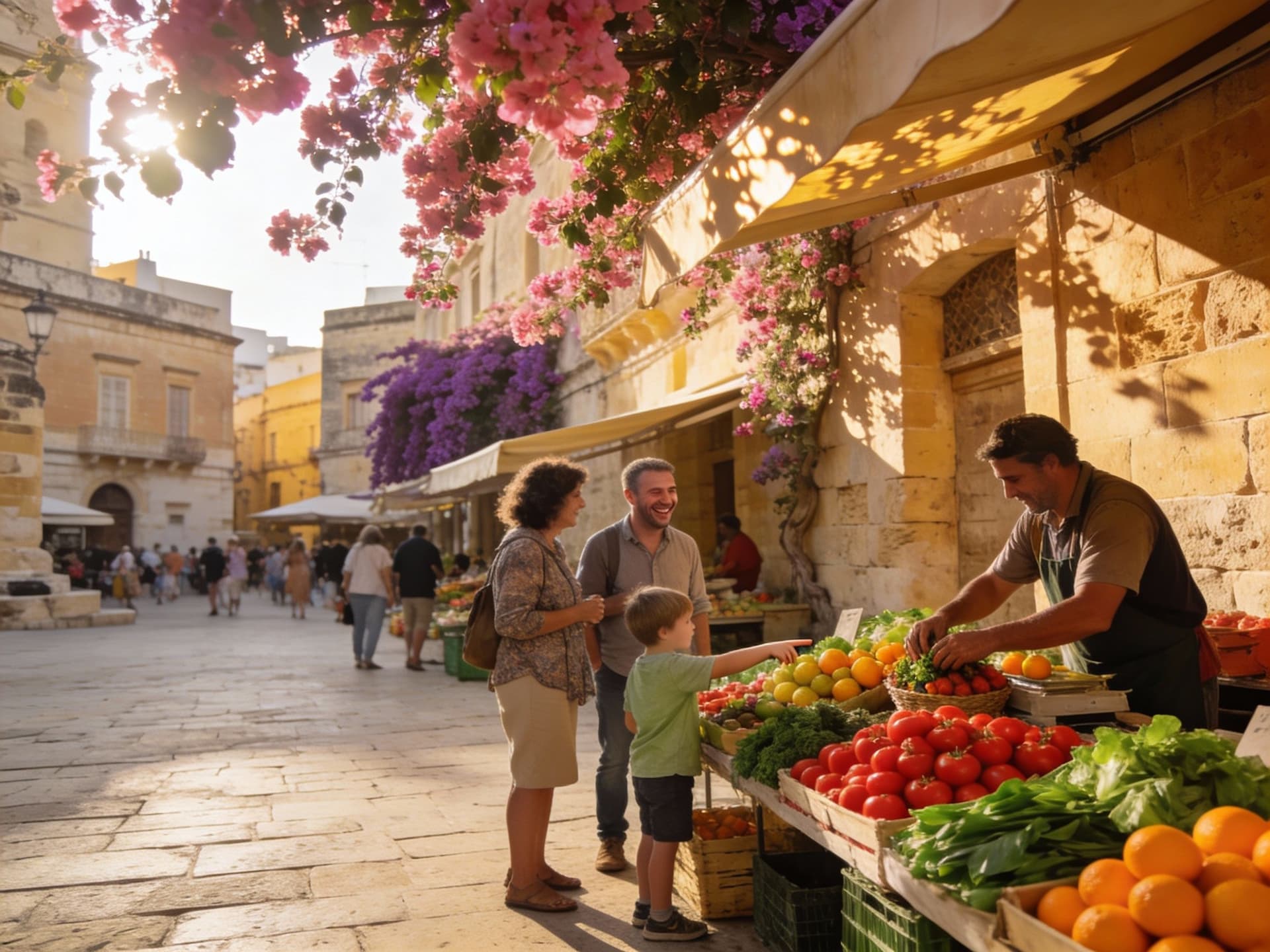
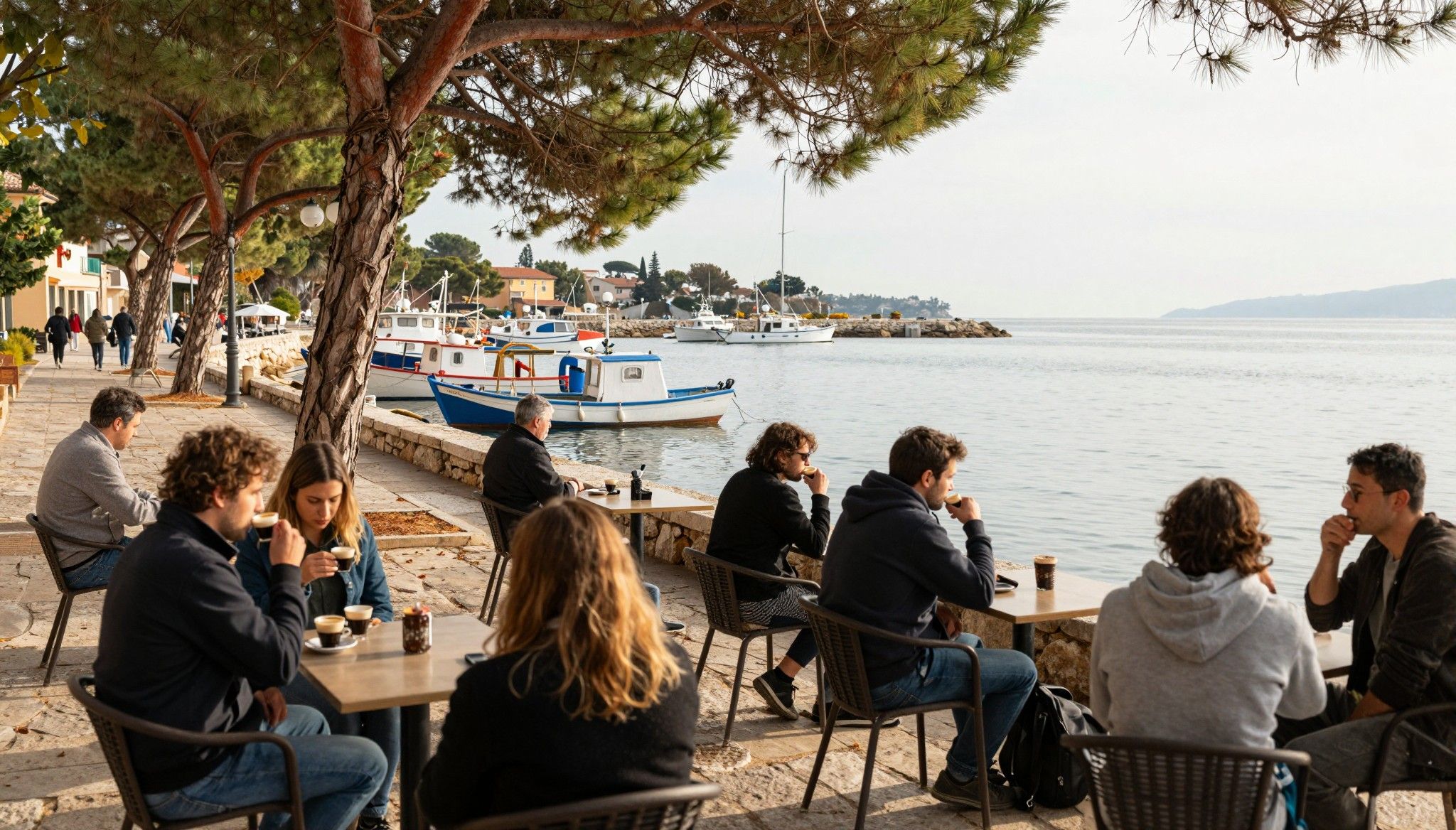
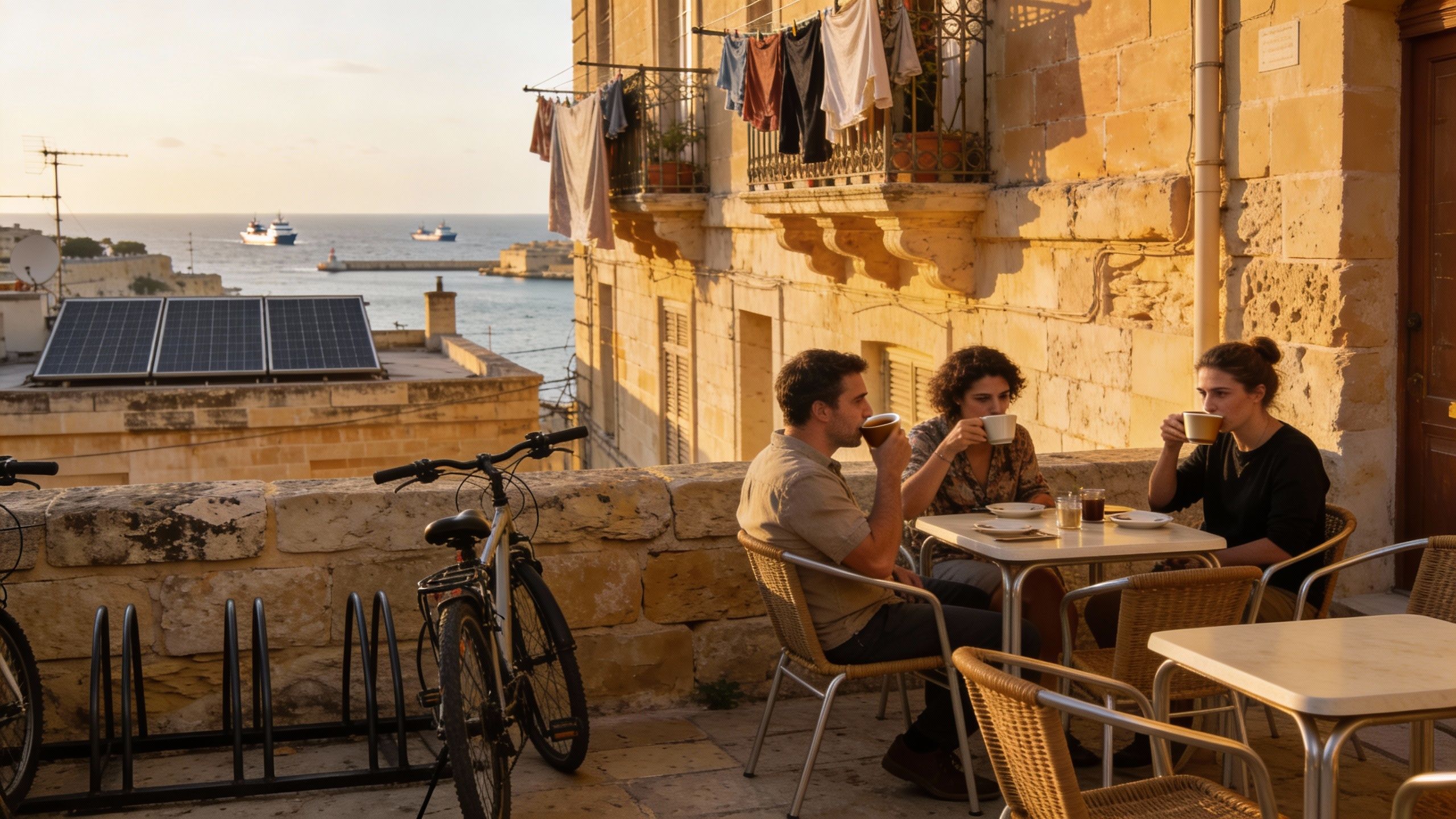
Malta’s daily rhythm is shaped by its size and seasons: mornings spill into cafés on Triq ir-Repubblika (Valletta) or the colourful Strand in Sliema, afternoons favour north-coast swims at Għajn Tuffieħa or St. George’s Bay, and evenings congregate around trattorias and festa fireworks. You’ll notice limestone façades warming in the late light, laundry strung between balconies, and English spoken alongside Maltese. For international buyers, that translates to immediate belonging — services in English, active expat communities — but also fierce competition for central, characterful homes.
Valletta & the Three Cities: history as a daily backdrop
Picture morning espressos near Republic Street, baroque churches catching the sun, and tiny chocolaterias tucked into side lanes. Apartments here are often in restored townhouses with internal courtyards and thick stone walls that keep interiors cool — an old-world passive climate strategy that pairs well with modern rooftop PV. Expect high demand, smaller floorplans, and the premium of living inside UNESCO-scaled streets.
Sliema, St Julian’s and Balluta: seaside social life
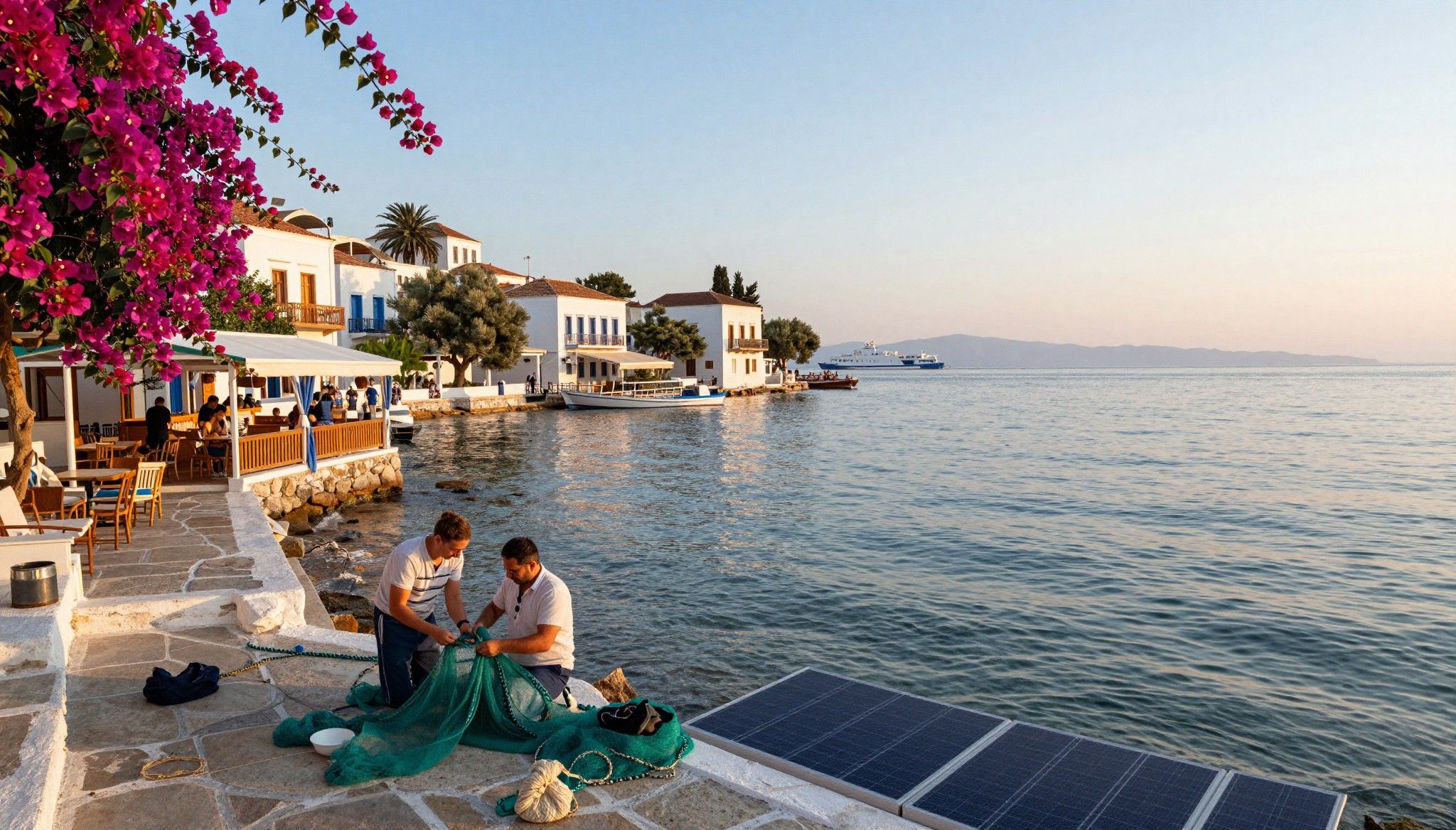
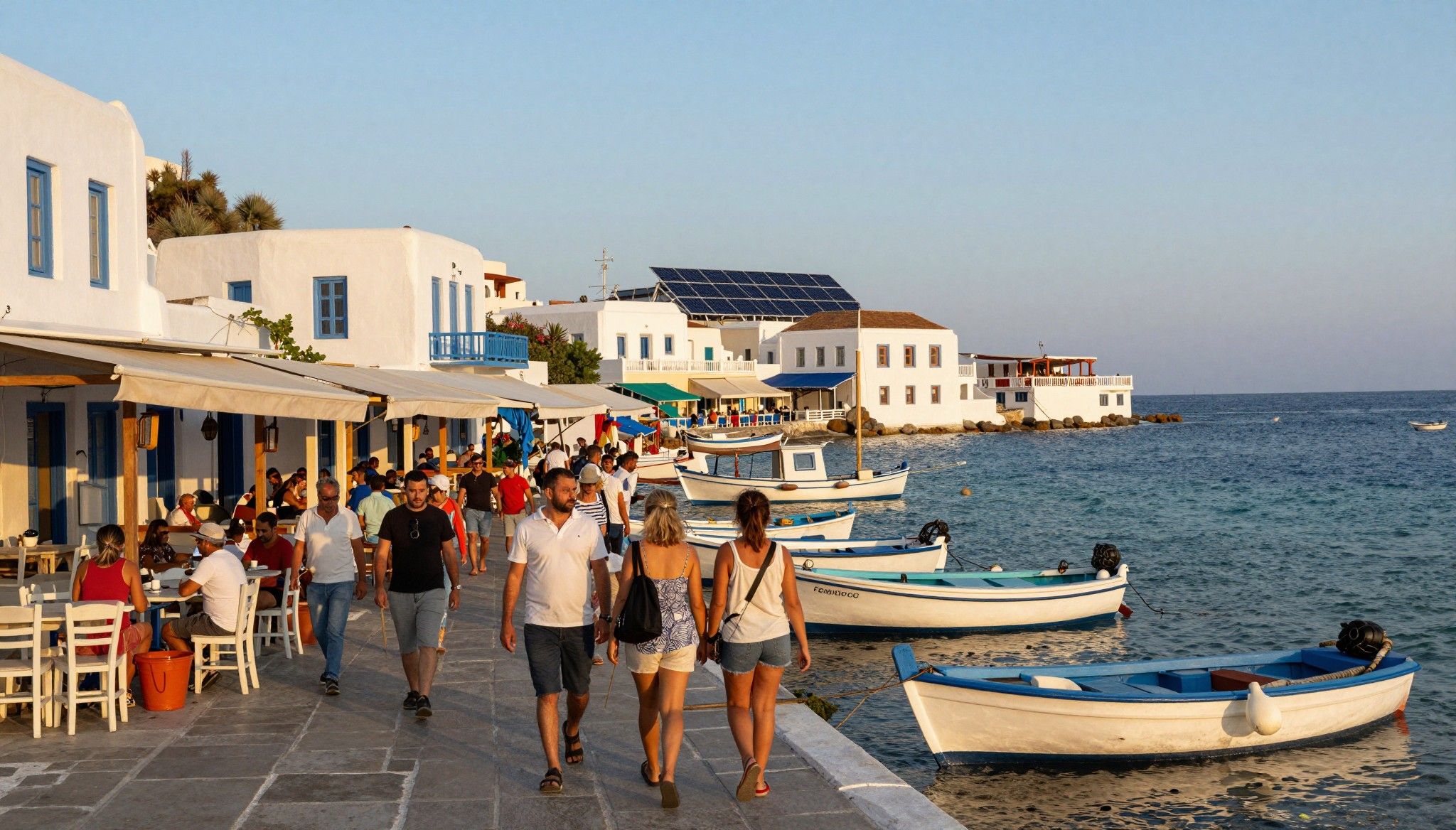
If you want sea promenades, people-watching cafés and yacht moorings, Sliema and St Julian’s deliver. Properties tend toward modern blocks with terraces and sea views — great for solar-ready roofs and battery storage — but you pay for the promenade lifestyle. For quieter, greener living, the west coast and Gozo offer slower days and larger plots for gardens and permaculture projects.
- Morning markets in Marsaxlokk, a dip at Golden Bay, roof-terrace dinners in Mdina, Sunday passeggiata along Sliema promenade, dive clubs in St Paul’s Bay, and community gardens in Gozo.
Making the move: lifestyle dreams meet market reality
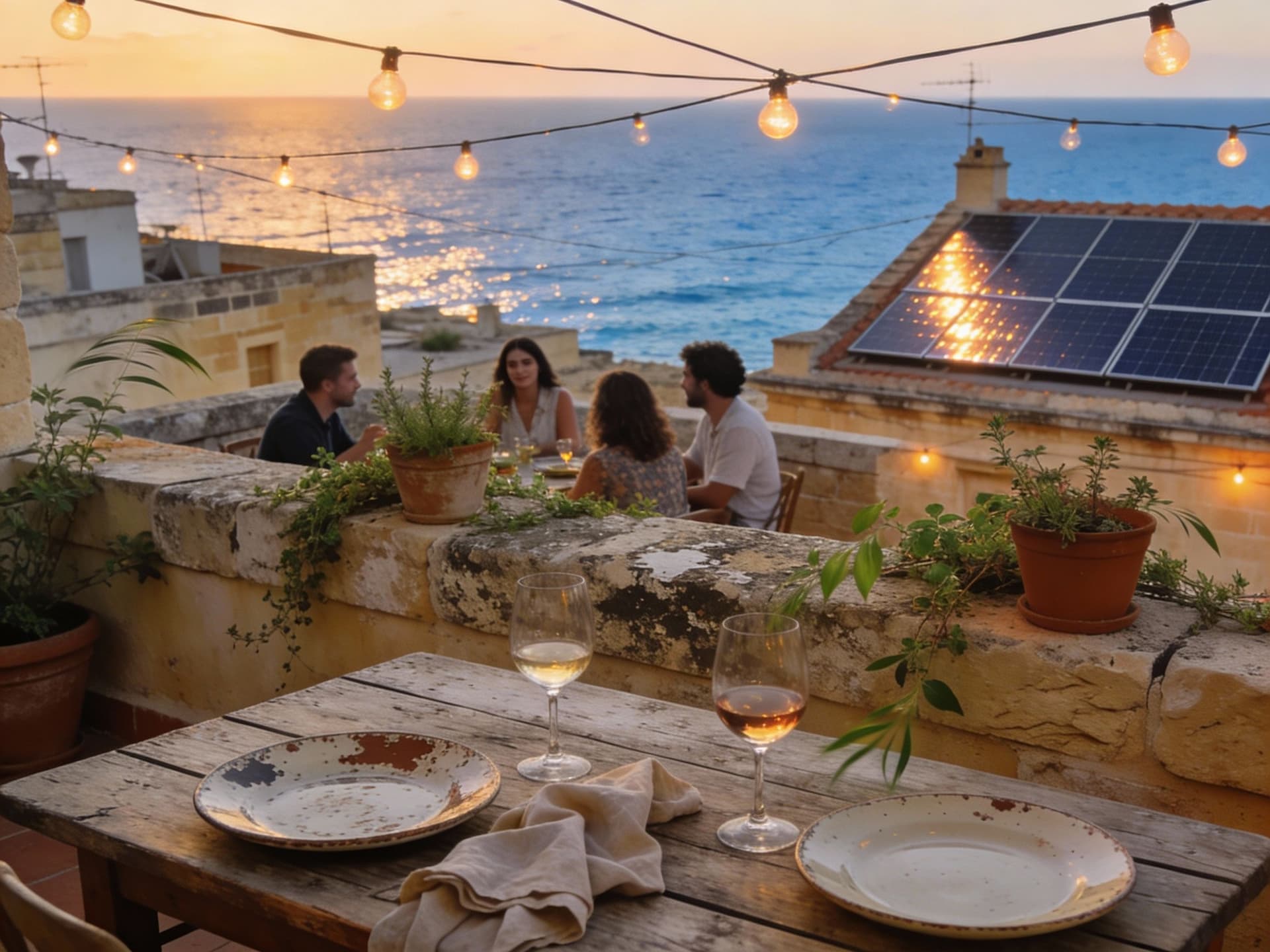
Malta’s romance is real, but prices are rising: government statistics show the Residential Property Price Index rose roughly 5% year-on-year in recent quarters, reflecting persistent demand across apartments and maisonettes. That means a smart purchase is as much about locating the right neighbourhood and home type as it is about timing and the green features that lower running costs over time. Think beyond the sticker price: solar-ready roofs, battery storage, and passive stone construction can reshape monthly budgets and your quality of life.
Property types & what they mean for living lightly
Sturdy limestone terraced houses offer thermal mass and courtyard gardens that feel private and cool without air-conditioning — ideal for buyers who prioritise low-impact living. Modern apartments often have flat roofs suited to PV arrays and communal green roofs. If gardening and food-growing matter, seek villas or farmhouse-style homes in the western coast or Gozo where small orchards and cisterns are possible.
Working with local experts who know both place and process
A Maltese agent who understands local planning, the importance of rooftop PV incentives, and neighbourhood microclimates is invaluable. They’ll spot if a roof is structurally sound for panels, whether a courtyard can legally be enclosed, and which towns have restrictive conservation rules. These practical checks protect the lifestyle you imagine — a terrace that stays cool through August, an olive tree that produces fruit, a kitchen that opens to a sunlit balcony.
- Inspect the roof for PV suitability and orientation; verify conservation area restrictions and permit pathways; ask about recent RPPI trends for comparable streets; calculate lifecycle savings from solar + battery; request energy bills and check insulation/thermal mass.
Insider knowledge: what expats wish they'd known
Expat talk often lingers on the joys — friendly neighbours, easy English, short commutes — but veterans share quieter lessons: central homes are scarce and hold value; October to April viewings reveal the honest light and wind that summer masks; and small things, like the quality of a roof’s waterproofing, become lifestyle game-changers when winter storms come. Buying with a sustainability lens (PV, batteries, efficient hot-water systems) pays off faster here because running costs are high and space for large HVAC systems is limited.
Cultural integration, language and community
Maltese people prize family, festa rituals and neighbourhood ties. Learn a few Maltese phrases, join local village nights or volunteer at a community garden, and you’ll be welcomed. English as an official language eases bureaucracy and commerce, but local customs — siesta-leaning rhythms, late communal dinners, and strong conservation sensibilities in historic cores — shape how you’ll live day-to-day.
Long-term lifestyle horizons
Malta is actively planning more renewables — government and regulators have signalled targets toward a larger share of solar and offshore capacity by 2030 — which means buyers who invest in solar-readiness, battery storage and efficient design may benefit from both lower bills and greater resale resilience. Over time, neighbourhoods with communal green infrastructure and available space for EV charging and microgrid connections will outperform those that lack them.
- Check these neighbourhood green indicators before you buy: municipal incentives for rooftop PV; proximity to planned renewable projects; presence of green spaces or community gardens; local rules on solar installations in conservation zones.
If Malta’s light and limestone feel like home to you, plan to move with both heart and a pragmatic checklist. Start conversations with an agent who understands conservation rules and green retrofits, ask for recent RPPI comparisons for your street, and prioritise homes with structural roof capacity for PV and space for battery storage. Those choices preserve the seaside life you came for while building a quieter, greener monthly cost profile.
Ready to imagine your life here? Walk Valletta’s side streets at dawn, taste ħobż biż-żejt in Marsaxlokk, and picture the same quiet mornings from a courtyard home with solar panels on the roof. Then let a local, sustainability-minded agency help align that sensory dream with the paperwork, conservation constraints and energy upgrades that make it livable — and lasting.
Dutch property strategist who helped 200+ families find sustainable homes in southern Europe; expert in legal pathways and long-term stewardship.