Italy’s Solar Boom: Why Hidden Neighbourhoods Gain Value
Italy’s rapid solar and storage growth is reshaping neighbourhood value—choose towns with renewable projects and local stewardship for better lifestyle and resilience.
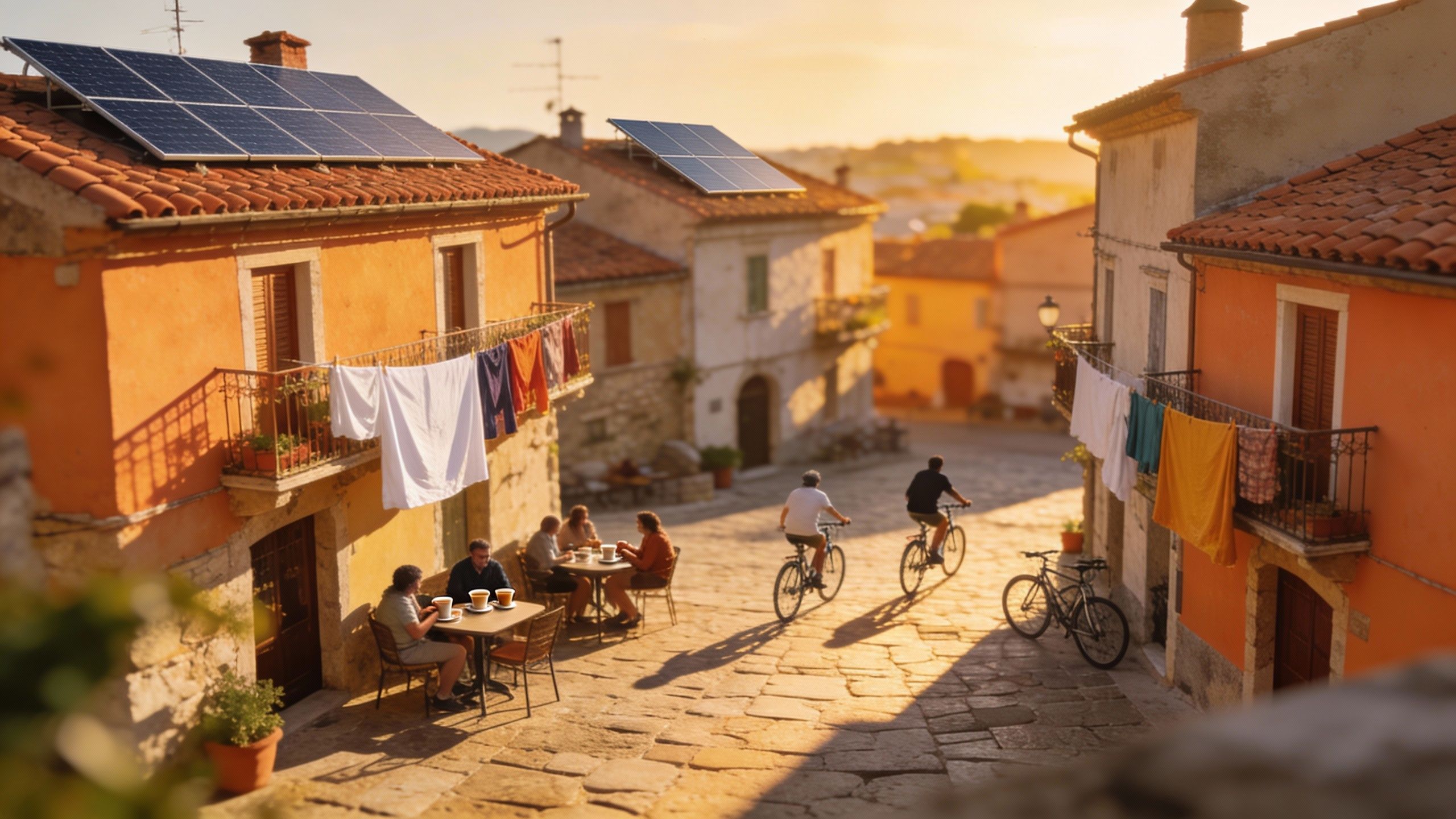
Imagine waking to the smell of fresh espresso and sun on stone, then stepping onto a terrace powered by panels that hum quietly with midday light. In many parts of Italy that is no longer a niche fantasy but an everyday rhythm: villages where new solar fields rim the hills, towns that trade grid dependence for rooftop independence, and coastal communities knitting storied stone cottages into a greener future. For international buyers who prize both the sensory pleasures of Italian life and the practical peace of energy resilience, the country’s rapid renewable expansion is changing which neighbourhoods feel like smart places to land.
Living the Italian lifestyle — sun, markets and sustainable rhythms
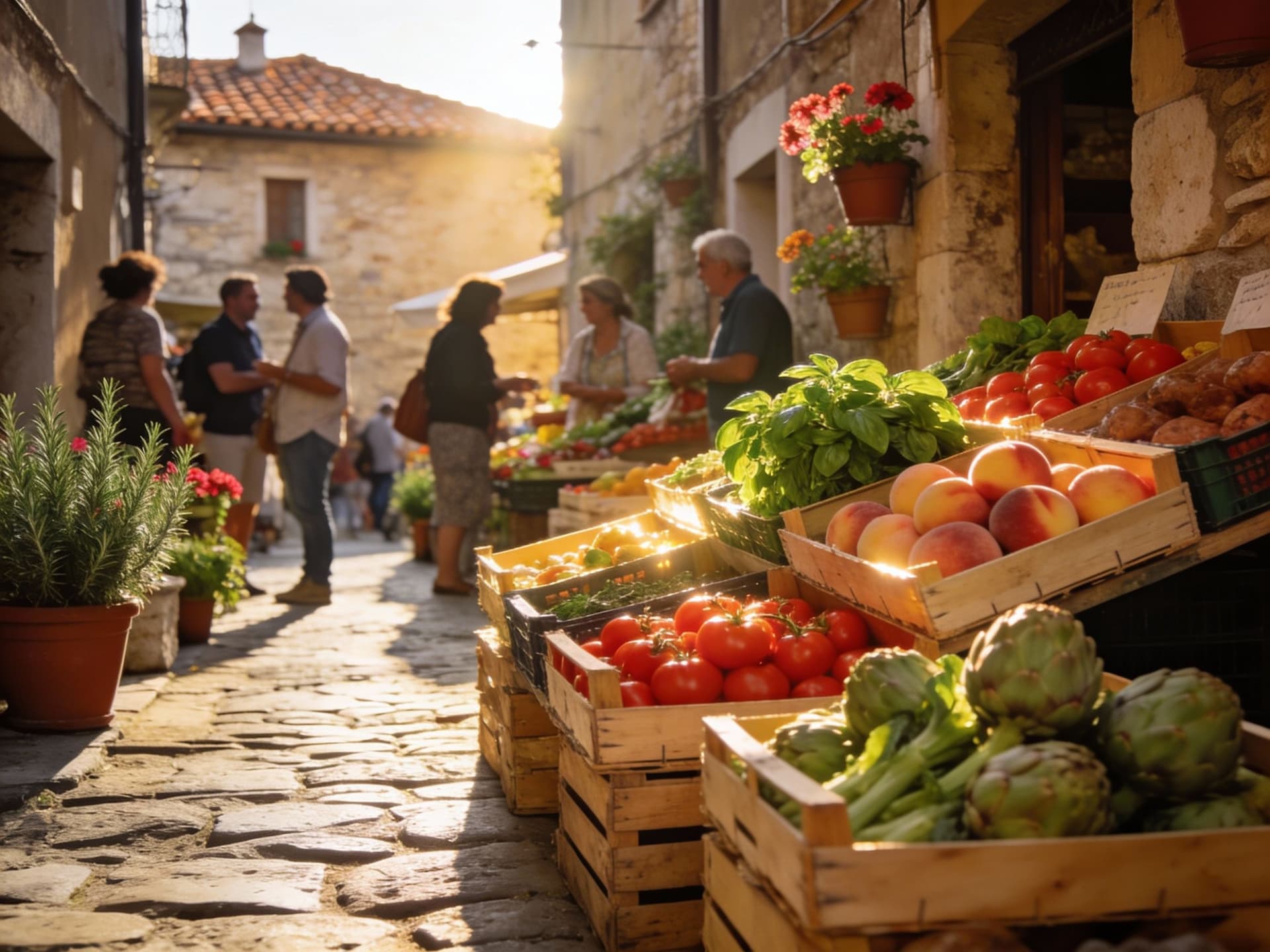
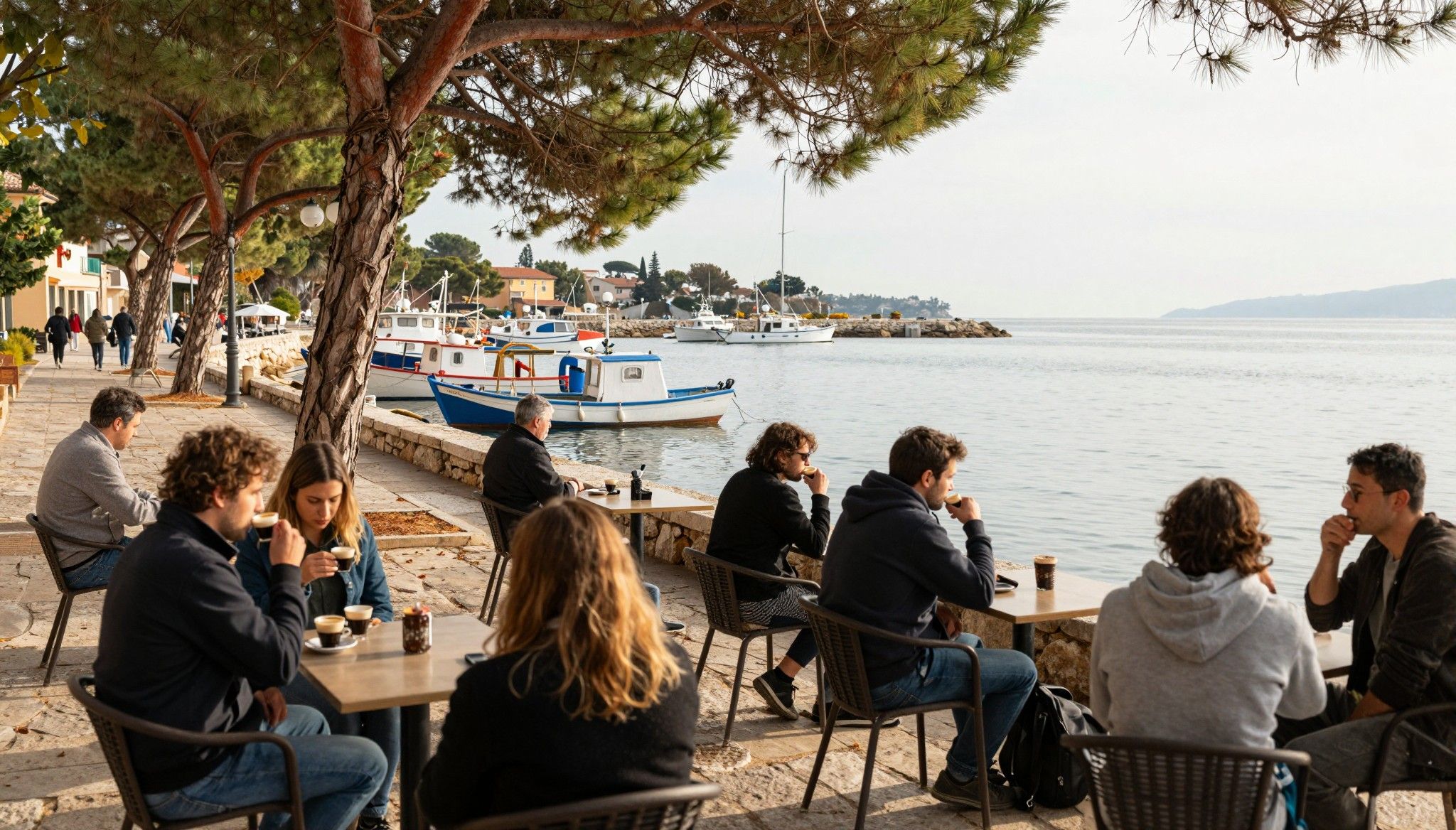
Sunlight structures the day here: morning market runs in Campo de' Fiori, late‑afternoon gelato on Naples’ Via Toledo, and slow dinners that begin after the day cools. But sustainability is layered into these rituals now — community gardens and cooperative orchards in Tuscany, electric ferries whispering between Ligurian ports, and cafés in Bologna that source electricity from local PV co‑ops. The effect is subtle: the same beloved streets and piazzas, but with less hum from fossil‑fuel engines and more green infrastructure visible in rooftop arrays and small-scale battery clusters tucked behind hedges.
Neighbourhood spotlight — Lecce’s baroque streets and quiet rooftop revolutions
Walk Lecce at dusk and you’ll notice terraces layered with drying herbs and modest solar panels that don’t scream 'industrial' but simply save bills and stabilise winter comfort. In Puglia and parts of Apulia, local incentives and generous sunlight have encouraged homeowners to add discreet PV and heat‑pump systems, making once overlooked backstreets quietly efficient. For buyers, that means a historic façade need not mean high ongoing energy costs — you can live in warm limestone charm and still be aligned with modern green infrastructure.
Food, markets and seasonal life — how the calendar guides where you live
Italian life is arranged by season — truffle hunts in autumn, seaside lunches in high summer, and snowy retreats in alpine hamlets come winter. That seasonal cycle influences property choices: coastal buyers prioritize cross‑ventilation and shaded loggias, while inland buyers look for passive solar gain and insulated roofs. Choose a location that suits not just a romantic image of Italy but the way you will actually live across twelve months: this is where lifestyle and building performance meet.
- Morning espresso and markets: Campo de' Fiori (Rome); Terrace sunsets: Oltrarno (Florence); Low‑key coastal life: Levanto (Liguria); Wine country with solar pride: Montalcino (Tuscany); Community energy nodes: small towns in Puglia and Emilia‑Romagna; Winter mountain living: Ortisei (South Tyrol).
Making the move: how Italy’s green grid affects where you buy
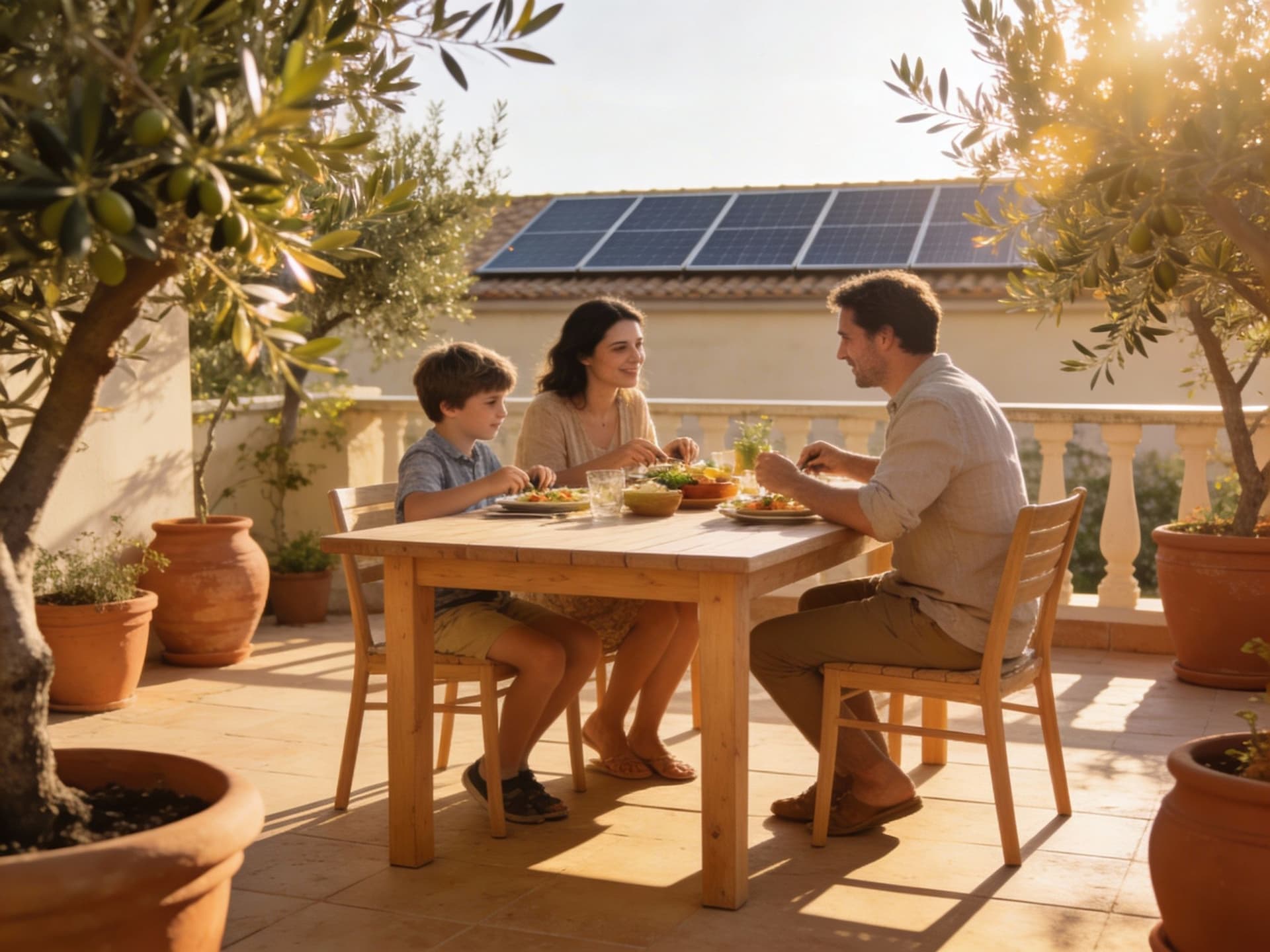
Italy isn’t just beautification; it’s infrastructure. In 2024 Italy added roughly 6.7–6.8 GW of solar capacity, pushing cumulative PV to about 37 GW and lifting renewables to cover a record share of power demand. Those numbers matter for buyers: regions with newer grid investments and storage installations are less likely to face brownouts, and homes near community energy projects can access lower‑cost, cleaner electricity. Knowing the local energy map is now as useful as knowing the neighbourhood market for cafes.
Property styles and what renewable-ready living looks like
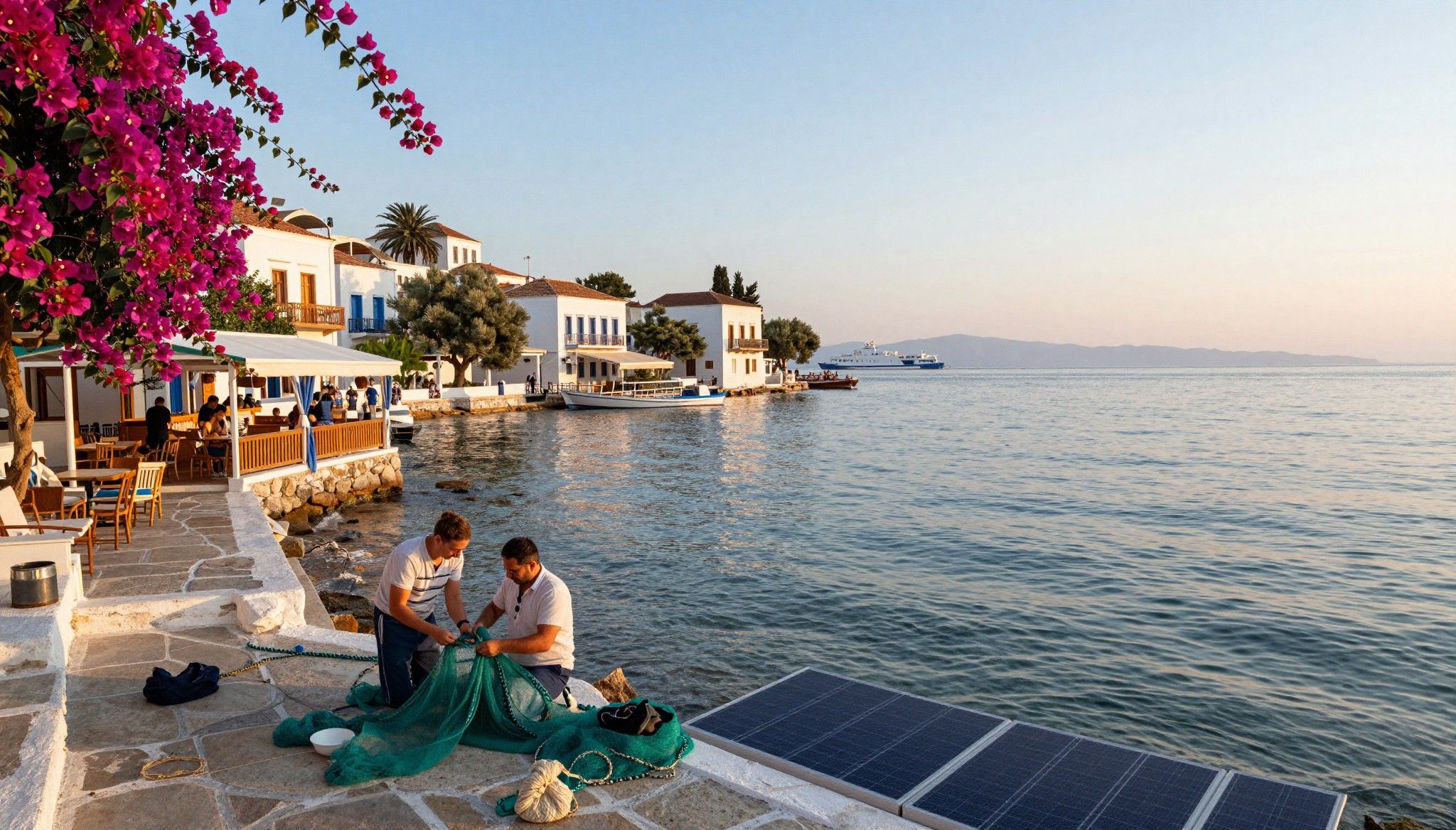
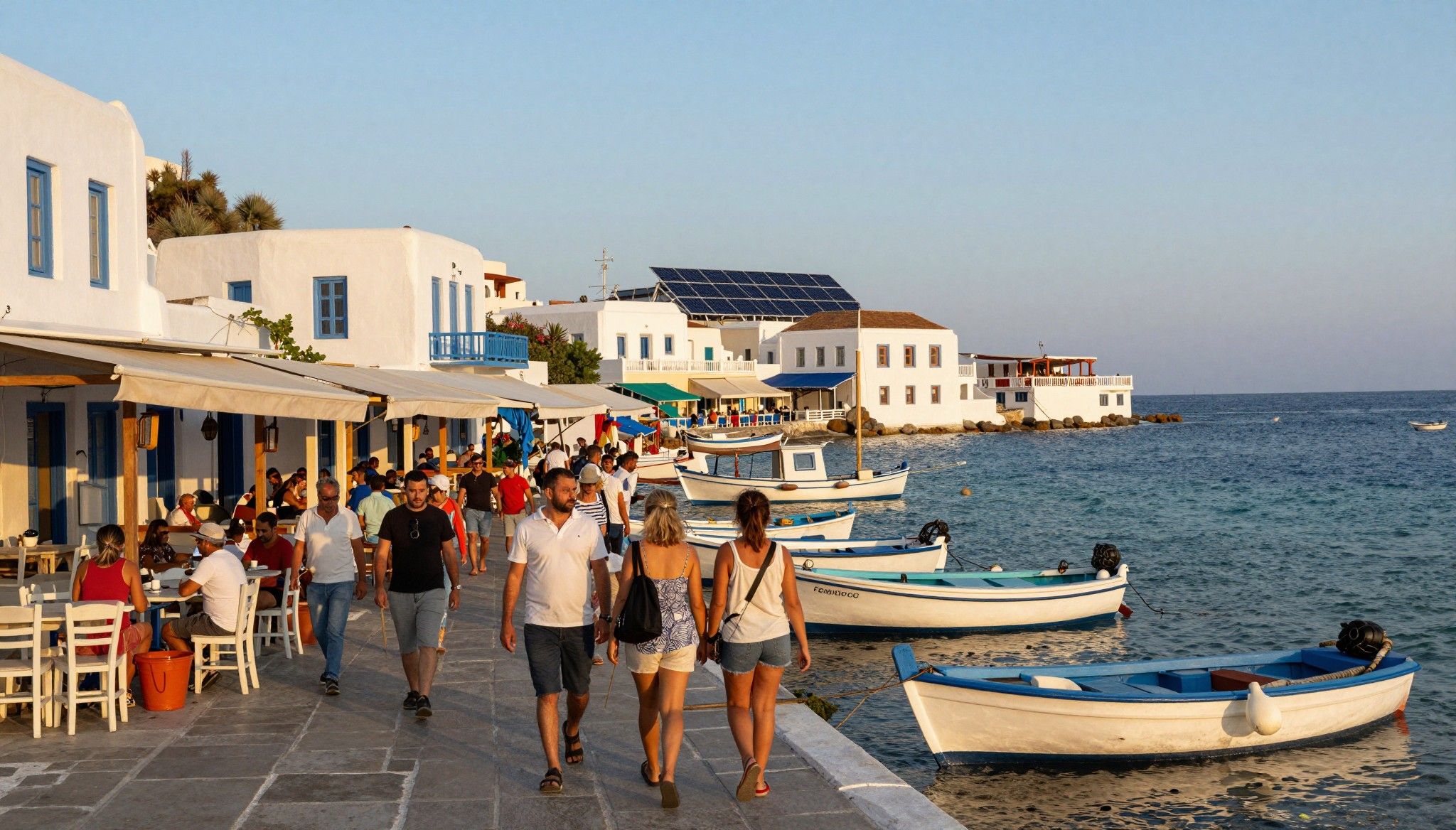
Traditional stone farmhouses in Umbria pair beautifully with ground‑mounted PV arrays in nearby fields; a restored palazzo in Bologna can be retrofitted with internal insulation and a shared rooftop solar system; seaside apartments from Cinque Terre to Calabria increasingly show compact battery packs on their terraces. The practical truth is this: architecture and green tech cohabit well when you prioritise discreet retrofits, material sensitivity, and local planning allowances. If you love character, you don’t have to trade it for efficiency.
Working with local experts who marry taste and tech
Find agents and architects who speak the language of both craft and kilowatt: those who know where planning boards accept PV on historic roofs, who can recommend trusted installers, and who understand regional incentives. An agent rooted in Emilia‑Romagna, for instance, will have different retrofit contacts than one in Sardinia. Look for portfolio examples — homes that show tasteful solar, integrated shading, or rainwater harvesting — not just glossy brochures.
- Walk the neighbourhood at different times; ask about local grid reliability and recent outages; request past energy bills and current PV generation estimates; check local planning rules for historic districts before planning panels; meet an installer or architect early; prioritise properties with existing efficiency measures.
Insider knowledge: myths, mistakes and the overlooked neighbourhoods
Myth: 'Only coastal or famous hill towns are worth buying.' Reality: inland and peri‑urban areas with active renewable projects often offer better value and more energy resilience. Small towns near new solar parks or storage hubs are quietly attracting local investment, stabilising grid access and sometimes offering community energy tariffs. Another common misstep is buying during festival season — you may love the buzz, but prices and seller expectations can be misleading. The savvy buyer looks at yearly life and local infrastructure, not just a sunny weekend.
Cultural integration, language and community rhythms
Learning a few phrases and attending the local mercato or a parish festa will open doors faster than any online profile. Italians value reciprocity — help with a neighbour’s olive harvest and you’ll be invited for the pressed‑olive tasting. For buyers, that means neighbourhood compatibility matters: being near a communal olive grove or cooperative vineyard can bring real social capital, and these places often lead renewable and regenerative initiatives at the local level.
Long‑term lifestyle and stewardship considerations
Think in seasons and service life: roof tiles will last decades, batteries less; a well‑positioned home with south exposure is a long‑term asset in a sunnier, renewables‑driven grid. Consider maintenance of traditional materials and the availability of craftsmen who understand both restoration and green upgrades. Buy with an eye toward stewardship: properties that can evolve to embrace renewables and water‑wise landscaping reward both pocket and planet over time.
- Look for south/south‑west exposure; prioritise properties with legal roof access for panels; check local heritage restrictions early; prefer insulated roofs and double glazing where possible; consider battery/warm‑pump readiness; ask for recent energy bills and solar generation data.
By blending sensory love notes — mornings in markets, evenings on terraces — with sober attention to grid maps, local renewable investments and discreet retrofit possibility, you can find a home in Italy that feels both timeless and future‑ready. If you want to live where lavender scent, stone streets and solar generation coexist, begin conversations with an agent who measures beauty and kilowatts with equal care. Take the next step: visit outside festival weeks, meet local craftsmen, and ask to see a home’s energy profile before you fall in love.
Norwegian market analyst who relocated from Oslo to Provence; guides investors with rigorous portfolio strategy and regional ecological value.