How Italy’s Green Grid Is Redrawing Property Value
Italy’s renewables are reshaping where value lives: choose neighbourhoods with planned green infrastructure for lower running costs, resilience and lasting lifestyle gains.
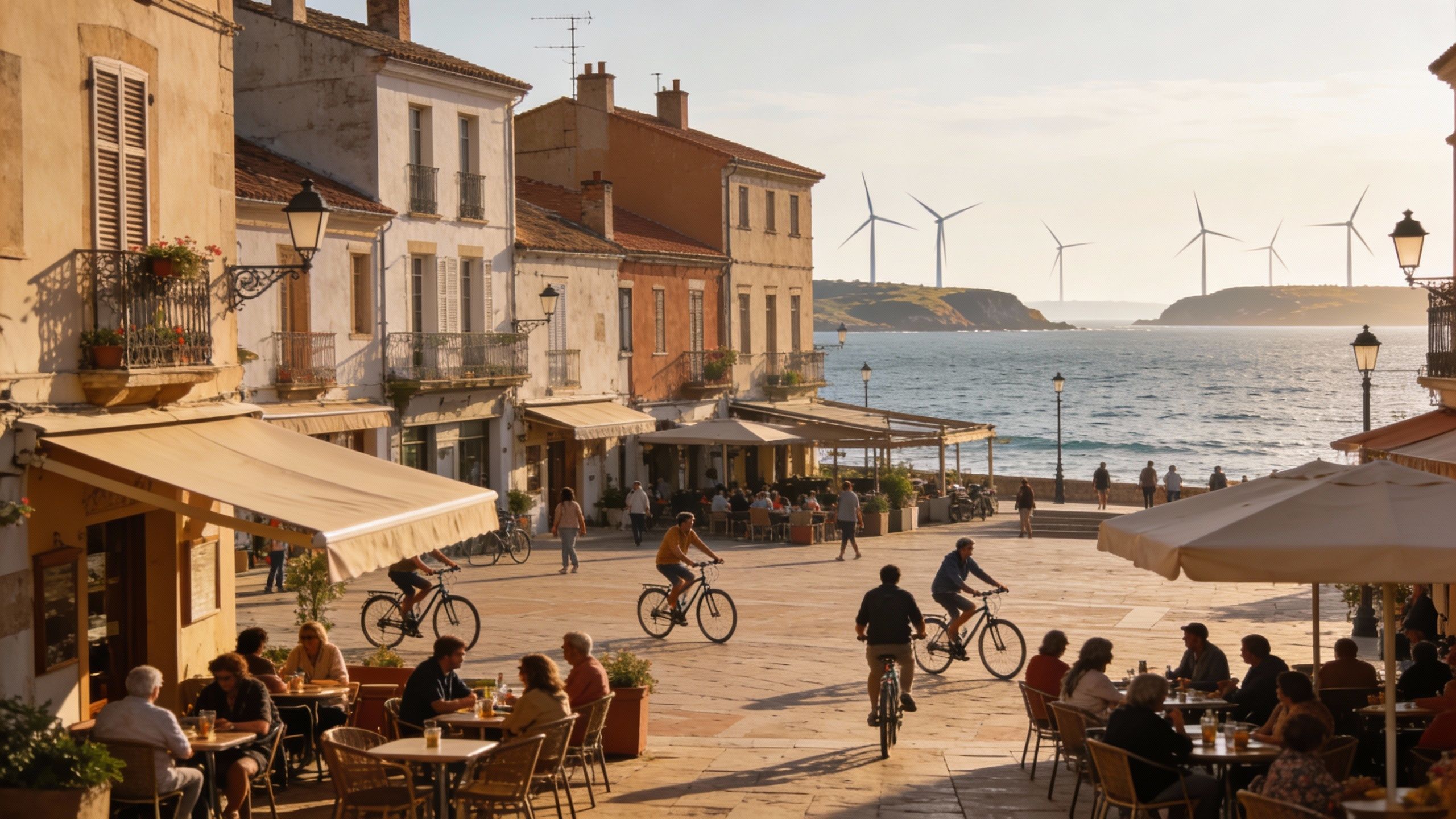
Imagine waking to the smell of espresso and sun-warmed stone, then stepping into a morning where wind turbines silhouette distant hills and solar panels thread the roofs of small towns. In Italy today, that scene is becoming commonplace — and it’s quietly changing where value sits in the market. This piece mixes lived-in scenes (market mornings in Bologna, agritourism terraces in Puglia) with data-backed signals so you can see which neighbourhoods gain from green infrastructure — and which lifestyle promises are overstated.
Living the Italy lifestyle where green infrastructure matters
Day-to-day life in Italy still centres on piazzas, markets and slow meals — but increasing renewables and regional energy plans are layering a new rhythm. Coastal towns like Rimini and Taranto see industrial-scale solar and wind proposals; Alpine valleys in Lombardy and Trentino are testing community hydro and storage. For a buyer, that means sunlight on your terrace is not just ambience: it can be part of a neighbourhood’s energy story and the home’s long-term cost profile. Regions with active green projects are already enjoying local investment, improved grid resilience and, increasingly, buyer interest.
Neighbourhood spotlight — Emilia‑Romagna & Bologna’s quieter corners
Walk Via Castiglione at dawn and you’ll find bakers loading warm focacce, students spilling from cafes and, a few blocks out, new rooftop solar on converted warehouses. Bologna’s blend of dense urban life and nearby agricultural land makes it a testing ground for small-scale solar and district heating pilots — meaning a restored apartment here can be both charming and lower-cost to run. Buyers who prize walkable streets, markets like Mercato di Mezzo, and energy-efficient retrofits will find options that feel like living in an Italian postcard but with modern bills.
Food, ritual and season: Puglia’s agritourism terraces
Picture late-afternoon olive pruning, a dinner long into dusk on a stone terrace, and a small photovoltaic array offsetting kitchen use. In Puglia, agritourism and regenerative olive farming pair with rooftop solar and water-saving irrigation. That combination attracts buyers who want a garden that feeds them and a home that gives back to the landscape. But be mindful: infrastructure projects nearby — new solar farms, for example — can improve local services while shifting views and land-use patterns.
- Lifestyle highlights tied to green infrastructure:
- Mercato mornings in Bologna (Mercato di Mezzo) paired with energy-retrofit apartments
- Trulli and olive terraces in Puglia with solar for on-site agritourism
- Lakeside towns in Lombardy using small hydro and community storage for stable power
Making the move: how green infrastructure reshapes buying choices
Green infrastructure is altering price dynamics: energy-efficient homes command premiums in active markets, and regions winning renewable auctions attract broader investment. Data from national listings and market reports show rising asking prices in cities and increased demand for Class A/B homes. For buyers, marry lifestyle priorities (sea view, village life, vineyard access) with the neighbourhood energy story — grid upgrades, local renewables, and planned projects will affect both quality of life and long-run costs.
Property styles that pair best with green infrastructure
From stone farmhouses to restored city flats, look for features that make green upgrades straightforward: south-facing roofs for solar, thick stone walls that reduce heating needs, and outdoor space for rainwater capture and gardens. New builds in northern Italy often come with heat-pump-ready systems and district heating connections; older southern homes reward buyers willing to invest in insulation and PV for large returns in comfort and bills.
Working with local experts who know the grid
Find an agent who talks about more than location — they should know nearby renewable projects, permitting timelines for solar and renovations, and whether a property sits in a designated renewables zone. Local installers, a geometra, and an energy assessor (APE specialist) are indispensable. Good advisors will show you how a modest retrofit or a PV array changes your running costs and resale story.
- Practical steps to marry lifestyle and green value:
- 1) Ask for the APE (energy performance certificate) and recent utility bills to compare real running costs.
- 2) Check GSE or local planning notices for nearby renewable projects that could affect views, noise, or local services.
- 3) Factor retrofit timelines and local permit speeds into your purchase schedule — some regions fast-track renewables, others do not.
Insider knowledge: expat truths and contrarian moves
Here’s the real talk: the ‘sea-view premium’ still charms buyers, but in 2025 the smartest value shifts inland to places where renewables and services meet. Areas once considered peripheral are gaining infrastructure investment and therefore better connectivity and lower energy costs. Conversely, famous coastal towns with fragile grids can see higher running costs and constrained upgrades. Some expats who moved for romantic views later wished they’d prioritised the local energy story — a subtle but consequential choice.
Cultural integration and daily life with a green twist
Integration in Italy still rides on shared meals, markets and local rituals. Join a cooperative olive harvest, shop at Mercato Centrale in Florence, or volunteer at a community garden — these rituals ease language gaps and connect you to land stewardship traditions. Green projects often come with local consultations; attending them is an easy way to meet neighbours while learning how energy decisions shape daily life.
Long-term lifestyle considerations
Think five to ten years ahead: regions adding grid capacity and storage — like planned wind and solar in Sicily or pumped hydro pilots in the Alps — will likely see improved services, stronger local economies, and more competitive running costs. If you want to retire in a low-maintenance, low-bill home, prioritise regions with committed renewables investment and clear local permitting for retrofits.
- Red flags local buyers watch for:
- Properties without recent APEs or unknown insulation history
- Homes on fragile grids where planned renewables are repeatedly delayed
- Locations where protected-land rules complicate solar or rainwater harvesting
Conclusion: home as stewardship and delight
Italy still sells a life: a terraced dinner, a winter market, a quiet hilltop with vines. If you care about nature and want your home to be part of that cycle, let green infrastructure guide rather than dictate your choice. Work with agents who read both market listings and energy plans, check APEs, and imagine not only the view but the running costs and community you’ll join. When lifestyle and stewardship align, a purchase in Italy becomes not just a property, but a place to grow into.
British expat who traded Manchester for Mallorca in 2017. Specializes in guiding UK buyers to luxury Spanish estates with clear navigation of visas and tax.