Greece: Solar Summers, Stone Terraces and Real-Life Tradeoffs
Greece blends warm market life with rapid renewable growth—buyers can choose stone‑walled charm or PV‑ready modern homes; plan shoulder‑season visits and insist on energy documentation.
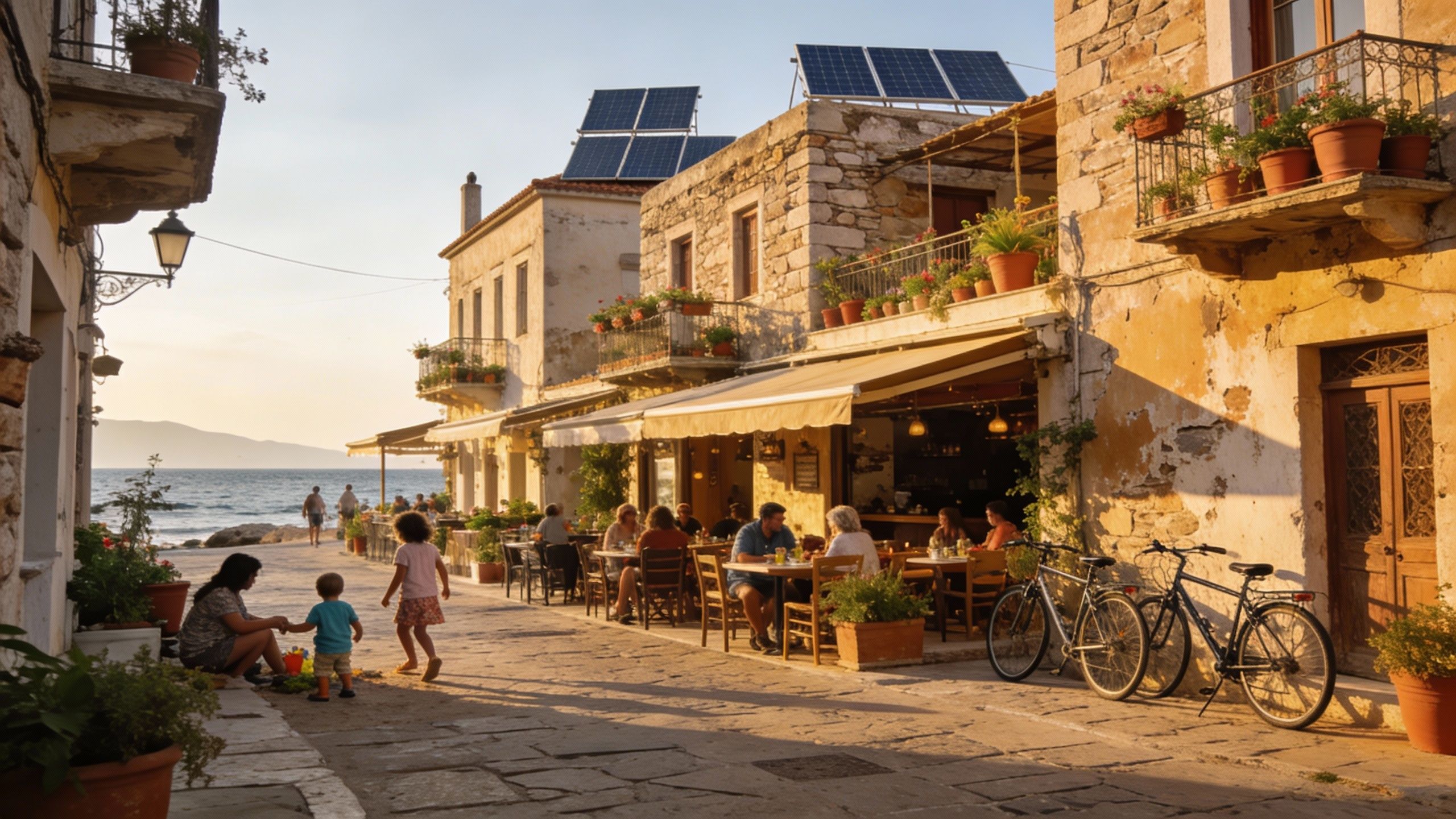
Imagine waking to the smell of roasted coffee and salt on a breeze that carries the sound of church bells and goats bleating on a terraced hillside. In Greece, the rhythm of day-to-day life blends sunlit markets, late-night plate-sharing, and a surprising new hum: rooftop solar panels and wind farms humming quietly on distant ridgelines. For international buyers drawn to both the sensual pleasures of Mediterranean living and the promise of homes that work with the land, Greece now offers something rare—vibrant local culture stitched to accelerating green infrastructure.
Living the Greek Life — where nature and neighbourhoods meet
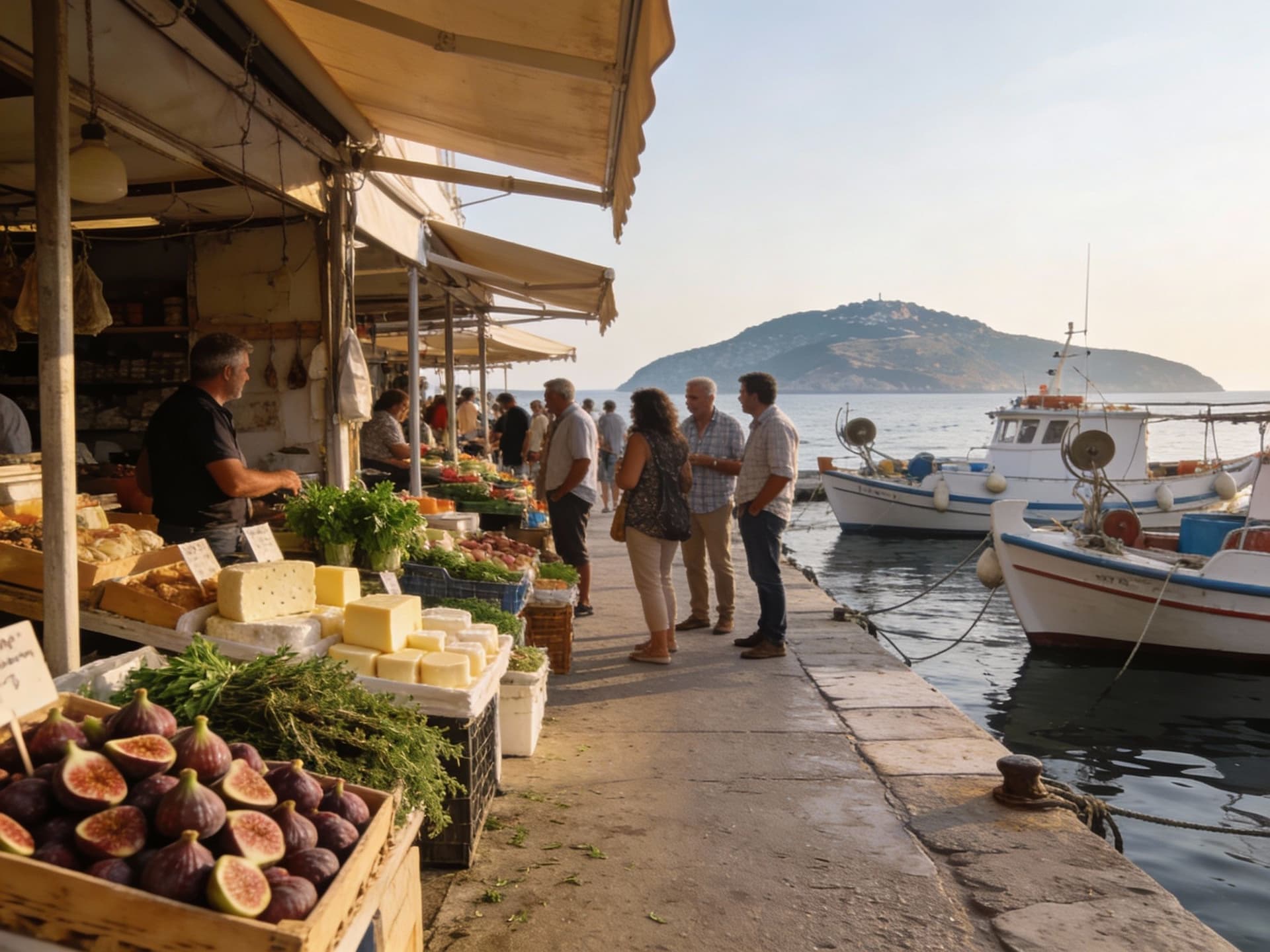
Mornings can be market-driven: farmers’ stalls in Chania or the Athens Central Market brim with figs, wild greens and local cheeses; afternoons drift toward beaches and kafeneia where time slows. Streets matter here — in Athens, Koukaki’s narrow lanes and coffee corners feel different from Glyfada’s sea-facing promenades; on islands such as Paros or Naxos, old quays and hidden coves set the tempo. This is a life of tactile textures: stone terraces warmed by sun, timber shutters opening to oregano-scented courtyards, and neighbours who still trade olives at year’s end.
Neighborhood spotlight: Koukaki, Glyfada and Chania’s old town
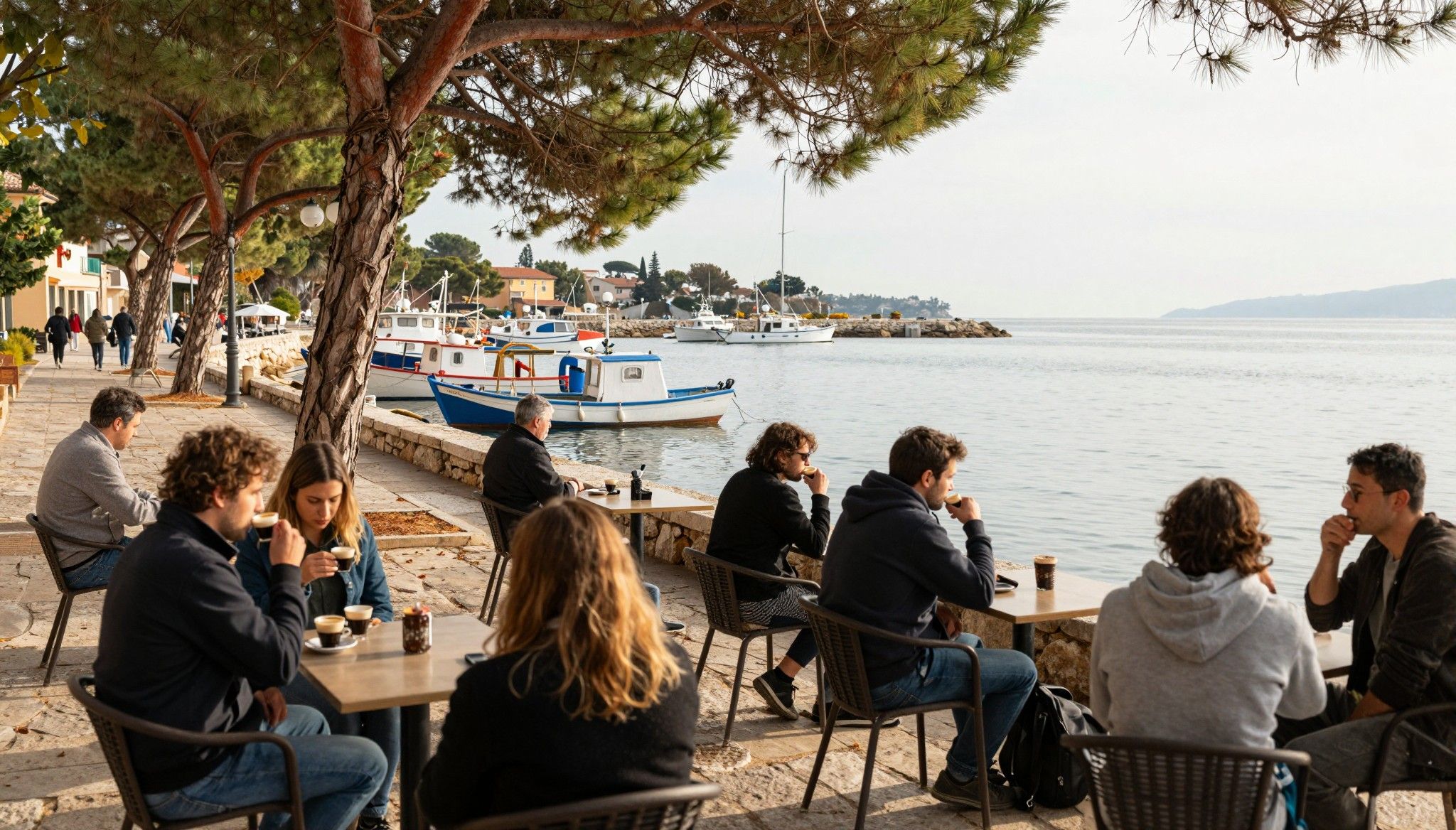
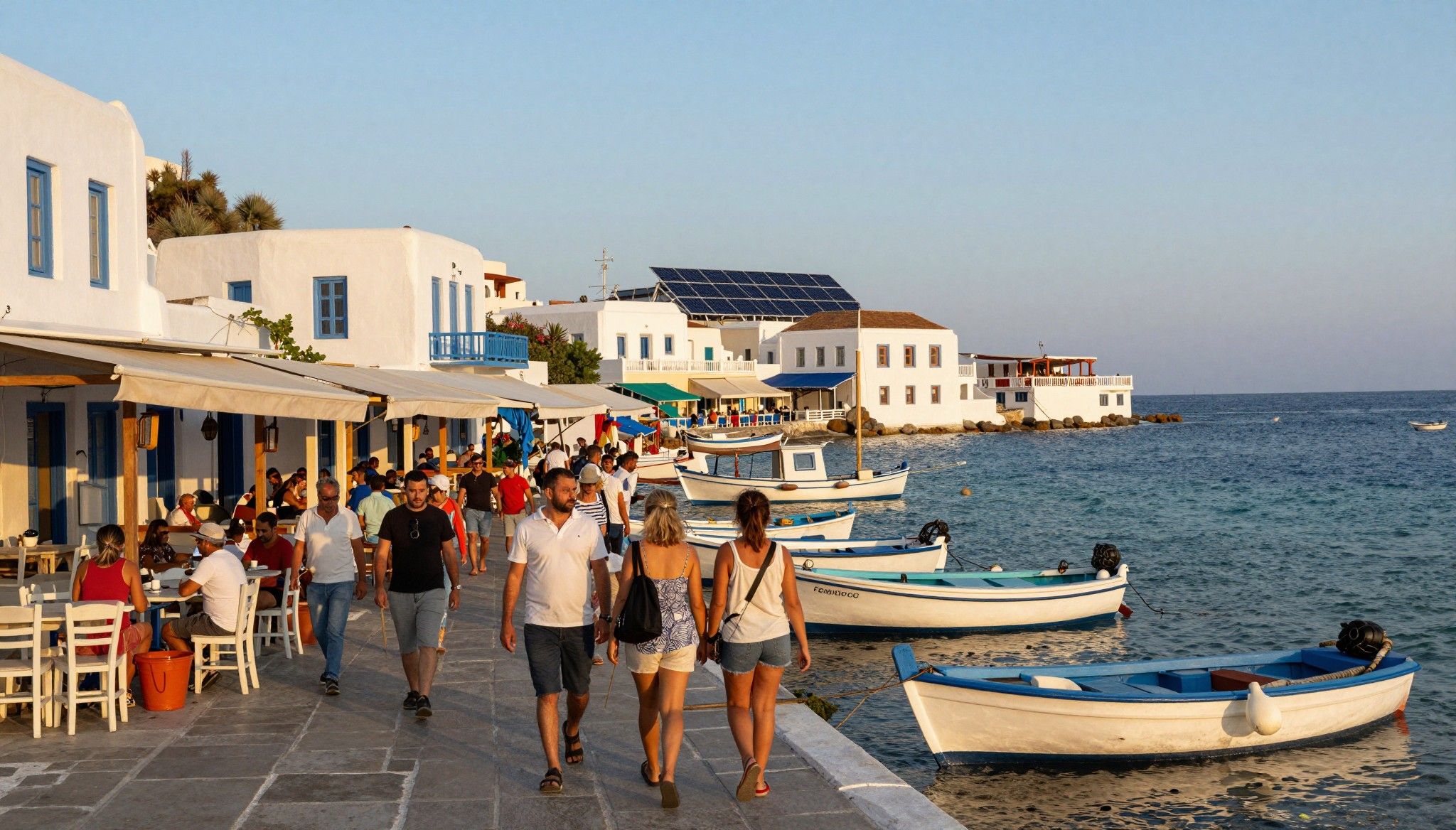
Koukaki offers morning espressos and tucked-away galleries beside the Acropolis, while Glyfada trades suburban calm for elegant seaside cafes and yacht moorings — the Athens Riviera’s recent demand spike reflects that appeal. On Crete, Chania’s Venetian quarter blends fishermen’s tavernas with olive-grove walks; each of these spots marries daily life with accessible nature, a major reason international buyers fall in love quickly.
Food, markets and the week’s ritual
Picture a weekend: you shop for morning bread at a neighbourhood boulangerie-style bakery, barter for sun-dried tomatoes at a street market, and end the day with grilled fish on a terrace fed by a home garden. Seasonal food culture is central to place-making in Greece — owning a stone house with terraces often means tending vines and olive trees, and sharing bounty with neighbours who teach you the rhythms of harvest and preservation.
- Lifestyle highlights: Koukaki espresso corners, Glyfada promenade walks, Chania’s morning fish market, sunset taverna gatherings, island hiking trails, community olive-press events
Making the move: practical choices that keep the lifestyle intact
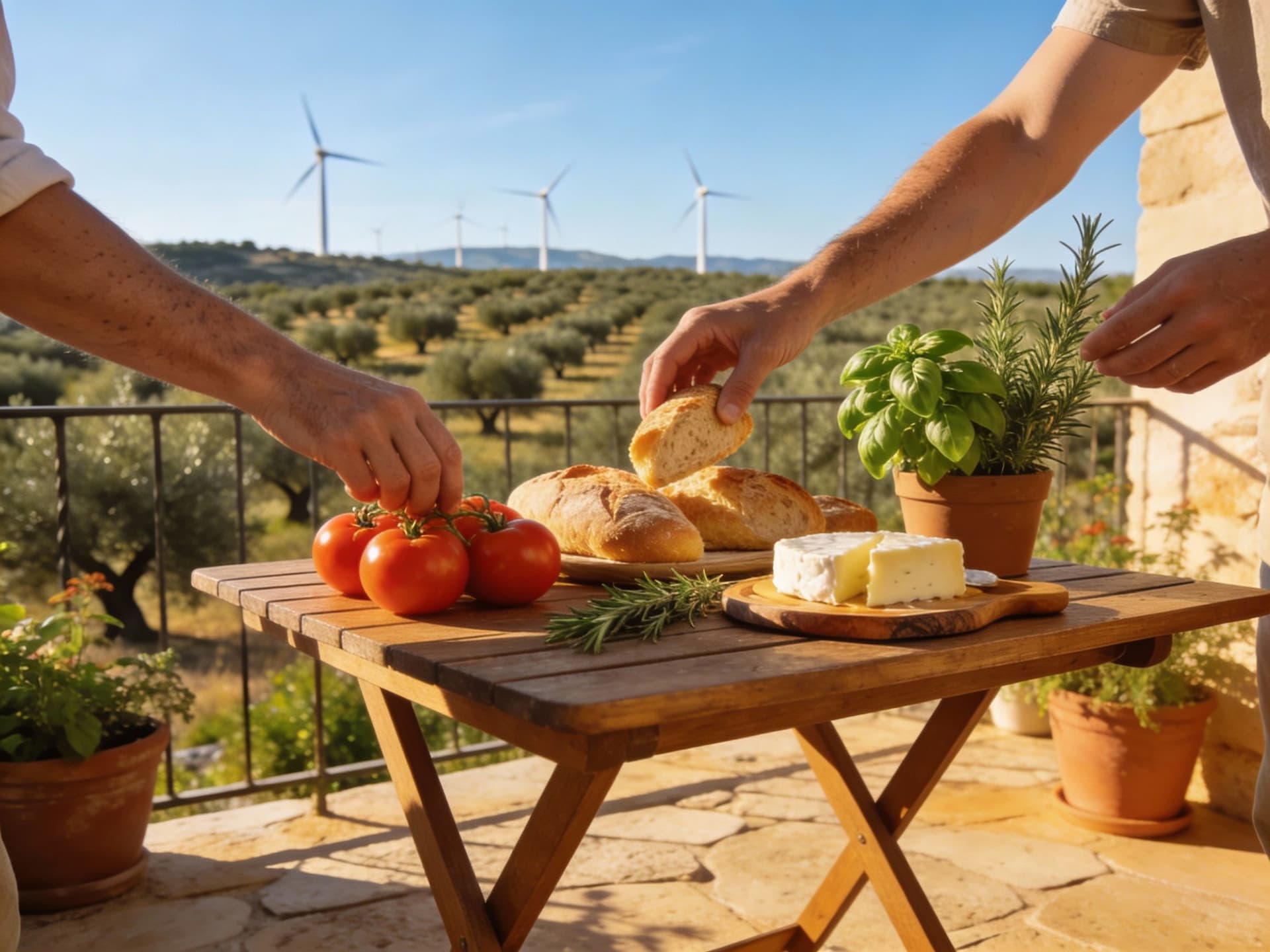
The dream of a sunlit terrace and a low-energy home is more attainable than it felt five years ago. Greece installed record amounts of solar capacity recently, and national pushes toward wind and community solar mean buyers can realistically seek properties with energy independence or the potential to add it. Still, there are trade-offs: grid curtailments and local permitting delays can affect the pace of adding renewables, so plan timelines accordingly.
Property styles and what they mean for living green
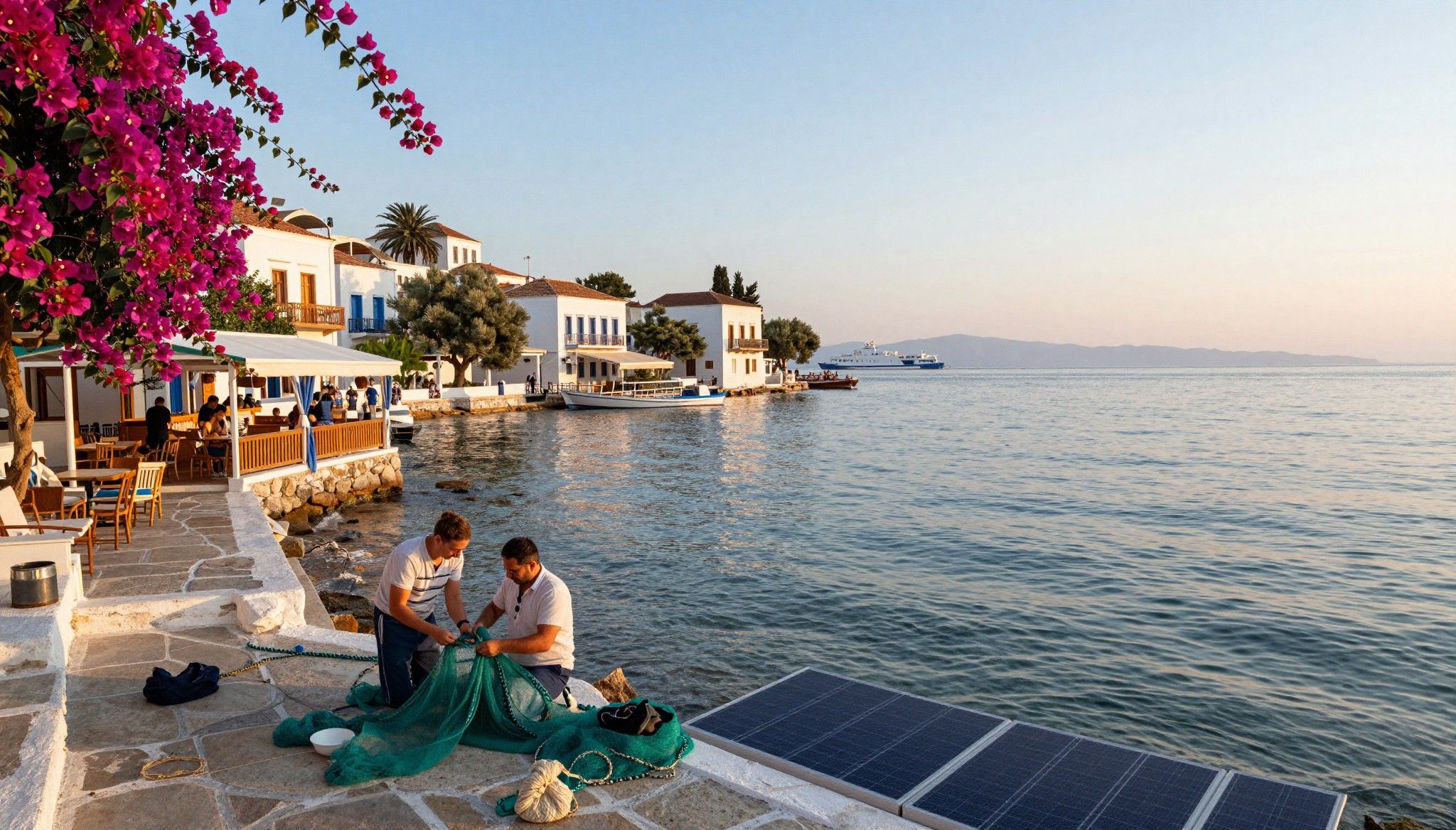
Stone village homes with thick walls and shaded courtyards offer natural thermal comfort; new builds on the mainland increasingly include insulated envelopes, PV-ready roofs and battery-ready electrical panels. Choosing between a restored rural farmhouse and a modern energy‑rated villa is a lifestyle decision: the former gives immediate character and passive comfort, the latter often offers plug-and-play solar and better insulation.
Working with local experts who preserve both house and habitat
- 1. Ask agents for sellers’ energy statements and any PV/battery permits; prioritize homes with documented self-consumption systems. 2. Commission a local architect familiar with traditional masonry and modern insulation to estimate retrofit costs. 3. Check municipal plans for nearby renewable projects — new solar parks can change views but often reduce energy costs. 4. Request references from property managers experienced with seasonal occupancy and eco-friendly maintenance. 5. Factor in grid limitations: islands often need hybrid systems (solar + generator + battery) for reliable year-round living.
Insider knowledge: expat truths, seasonal surprises and red flags
Expats often romanticise island life until they meet ferry timetables in winter, or discover that remote villages need careful infrastructure checks. Equally, many assume all Greek islands are prohibitively expensive; in reality, value varies widely and islands with growing renewable projects can offer surprising bargains and energy resilience. Keep an eye on regional energy plans — Greece’s renewables share rose quickly in recent years, reshaping how and where people want to live.
Cultural integration — the day-to-day that changes everything
Learn a few Greek phrases, embrace the slow lunchtime rhythm, and bring gifts of olive oil or regional wine when visiting neighbours. Community life is built around food and shared labour: olive harvests, village festivals (panigiria) and church celebrations will be where you meet your neighbours fastest. Practical note: local relationships can help smooth permit timelines and contractor sourcing — invest time in them early.
Long-term living: how your life and the landscape evolve
Expect change: interconnection projects and large-scale solar parks are reshaping regional energy security and local economies. That can mean quieter nights (less diesel generation), lower long-term energy costs, and new local jobs — but also construction and landscape change. Consider how your house will age alongside these projects and choose locations where community planning balances nature and infrastructure.
- Red flags to watch for: unclear land titles, lack of recent electrical upgrades for PV, absence of neighbours during winter, oversized tourist development plans nearby, unclear water rights or irrigation access
When I first moved, the moment that sealed the decision was a simple one: an evening olive oil tasting on a stone terrace as dusk settled, cicadas humming and a low wind farm silhouette on the horizon. That balance — intense local culture framed by real, modern steps toward renewable power — is Greece’s quiet promise. If you value a life that feels both rooted and future-facing, start with a short scouting trip in the shoulder season, meet local agents who specialise in low‑impact homes, and bring a checklist that blends heart and hard facts.
Next steps: plan a shoulder‑season visit (autumn or spring), ask prospective agencies for energy documentation and local references, and prioritise properties with either documented PV/battery systems or realistic retrofit potential. A local agent who understands both village life and renewables will let you fall in love with a place while helping you avoid costly surprises.
British expat who traded Manchester for Mallorca in 2017. Specializes in guiding UK buyers to luxury Spanish estates with clear navigation of visas and tax.