Where Greece’s Green Grid Meets Everyday Life
Greece’s sun, wind and local energy projects are reshaping neighbourhood life — choose places with visible green infrastructure to match a low‑impact, lived‑in lifestyle.
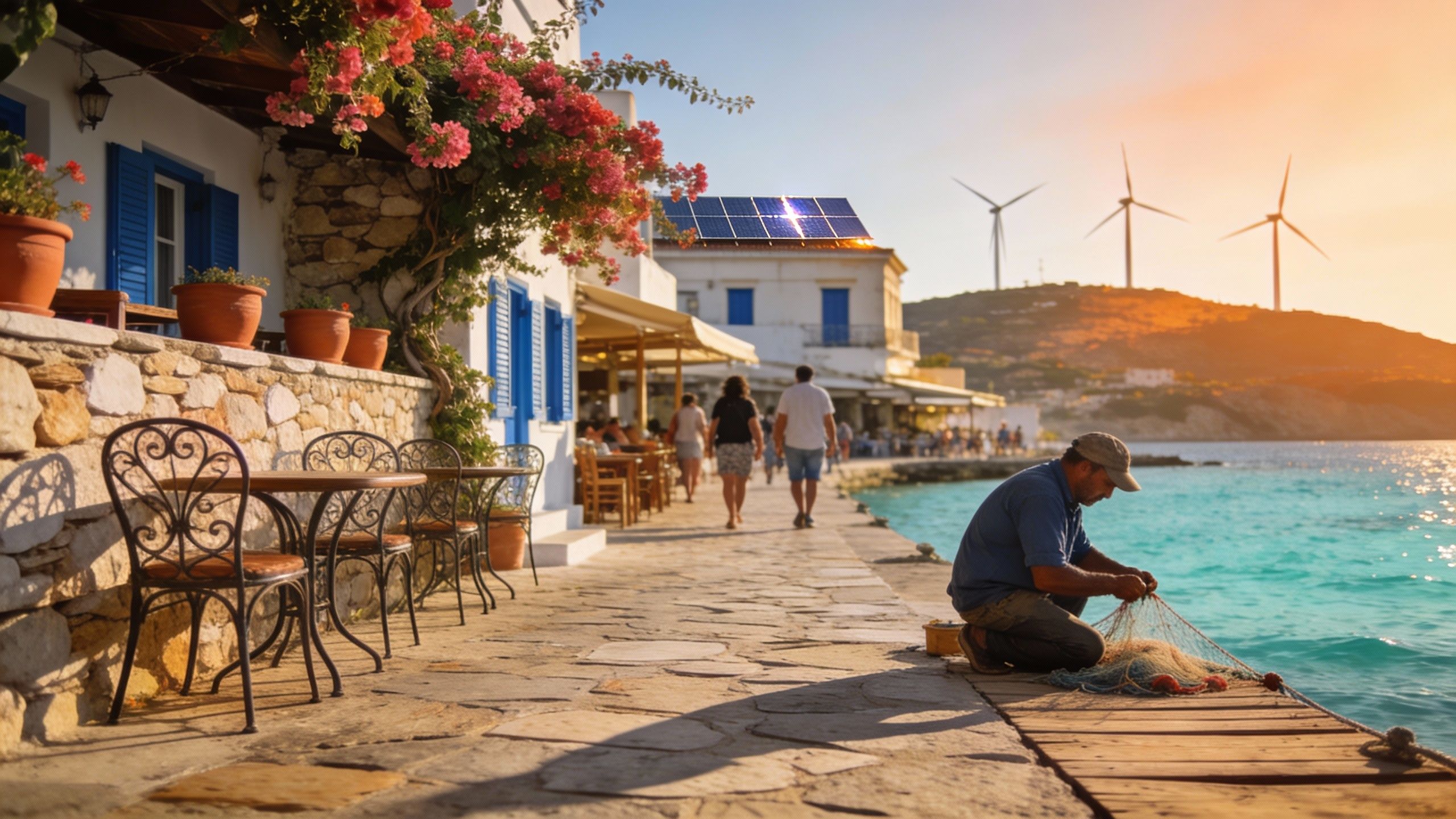
Imagine waking to the smell of brewed Greek coffee on a stone terrace while solar panels hum softly on the roof and a lemon tree hums with bees. Greece still feels like the sun‑lit fragments of myth, but beneath the postcard there is a modern, green infrastructure quietly reshaping daily life — from rooftop PV on family homes to wind farms in the hills. For anyone dreaming of a Greek life that blends slow afternoons and energetic stewardship, the choice of where to buy now ties directly to how a place is being electrified and cared for.
Living the Greece lifestyle — sun, sea and quiet sustainability
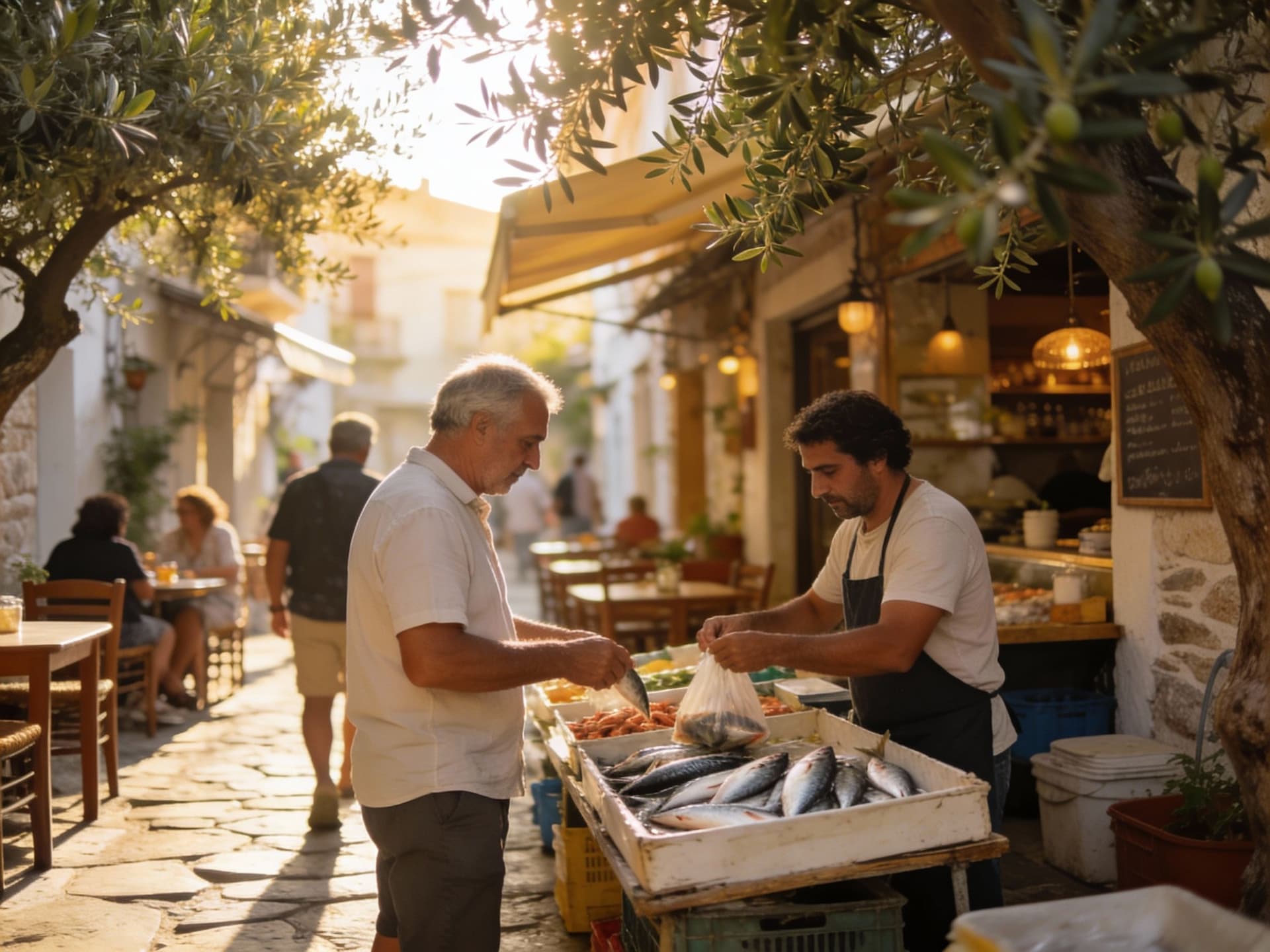
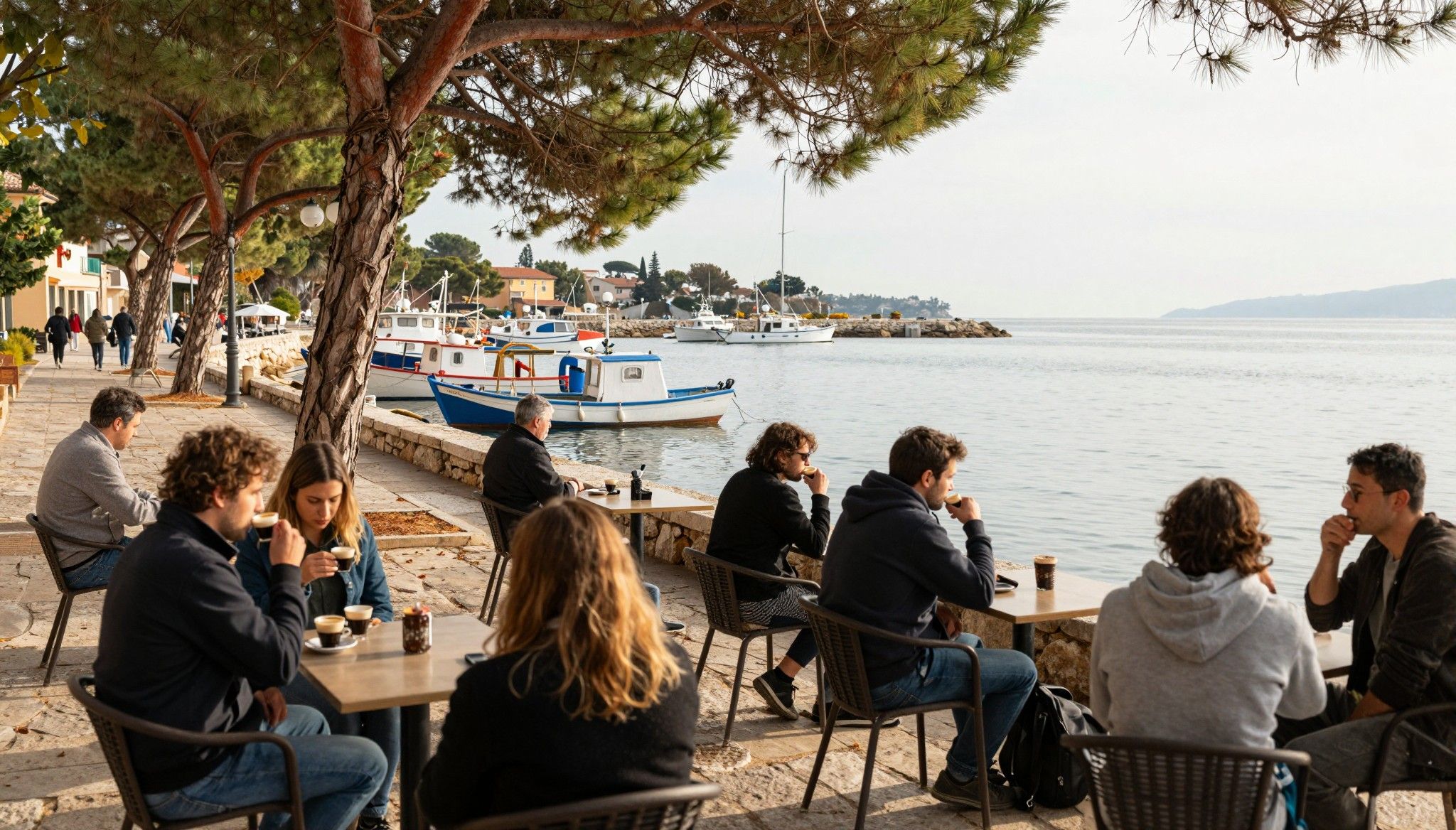
Morning life in Koukaki, a walkable Athens neighbourhood, feels different from a sleepy village in Pelion or a wind‑brushed Cycladic isle. Cafés spill onto sidewalks, municipal olive trees shade promenades and many small homes now wear modest solar arrays. The rhythm is local markets at dawn, siestas in the low light of summer and community festivals in autumn — a lifestyle in which green infrastructure becomes part of the daily soundtrack rather than an abstract policy line.
Neighbourhood spotlight: Koukaki, Athens — lived‑in charm with modern infra
Koukaki’s narrow streets brim with tavernas and ateliers; older apartment buildings often have water tanks on terraces, and a surprising number of owners have added PV panels or heat pumps in recent years. Here you can sip espresso on Veikou Street before a walk up to Philopappos Hill, and know that your neighbourhood’s energy profile is shifting toward local generation and lower bills.
A flavour note: food markets, fishing ports and the island table
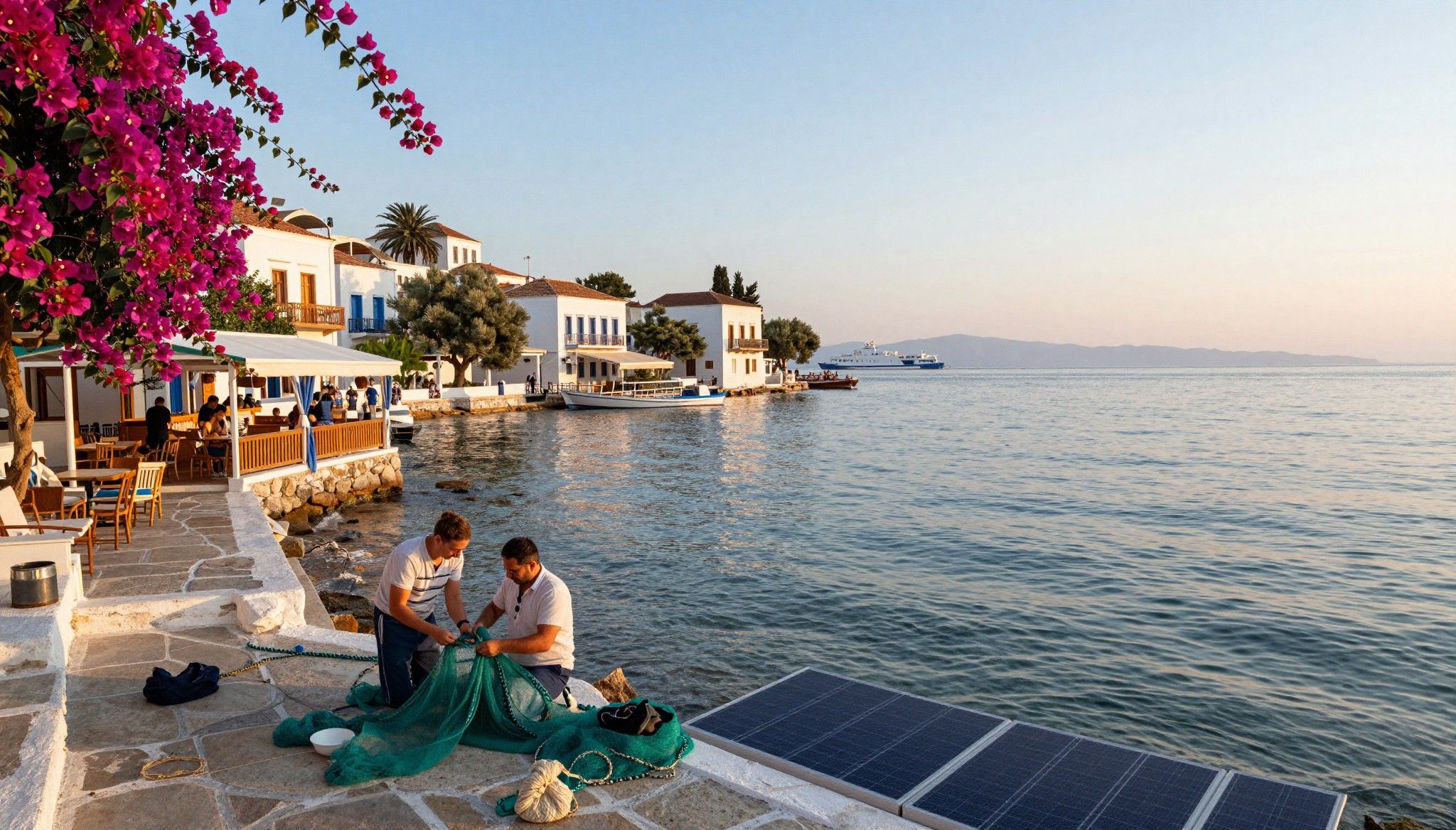
Picture the Varvakios market in Athens for morning fish, the small taverna on Serifos that grills octopus over vine wood, or a village table in Mani where tomato vines climb stone walls. Local ingredients, short supply chains and seasonal menus mean many properties include productive courtyards or terraces — ideal for kitchen gardens and composting, and perfectly aligned with low‑impact living.
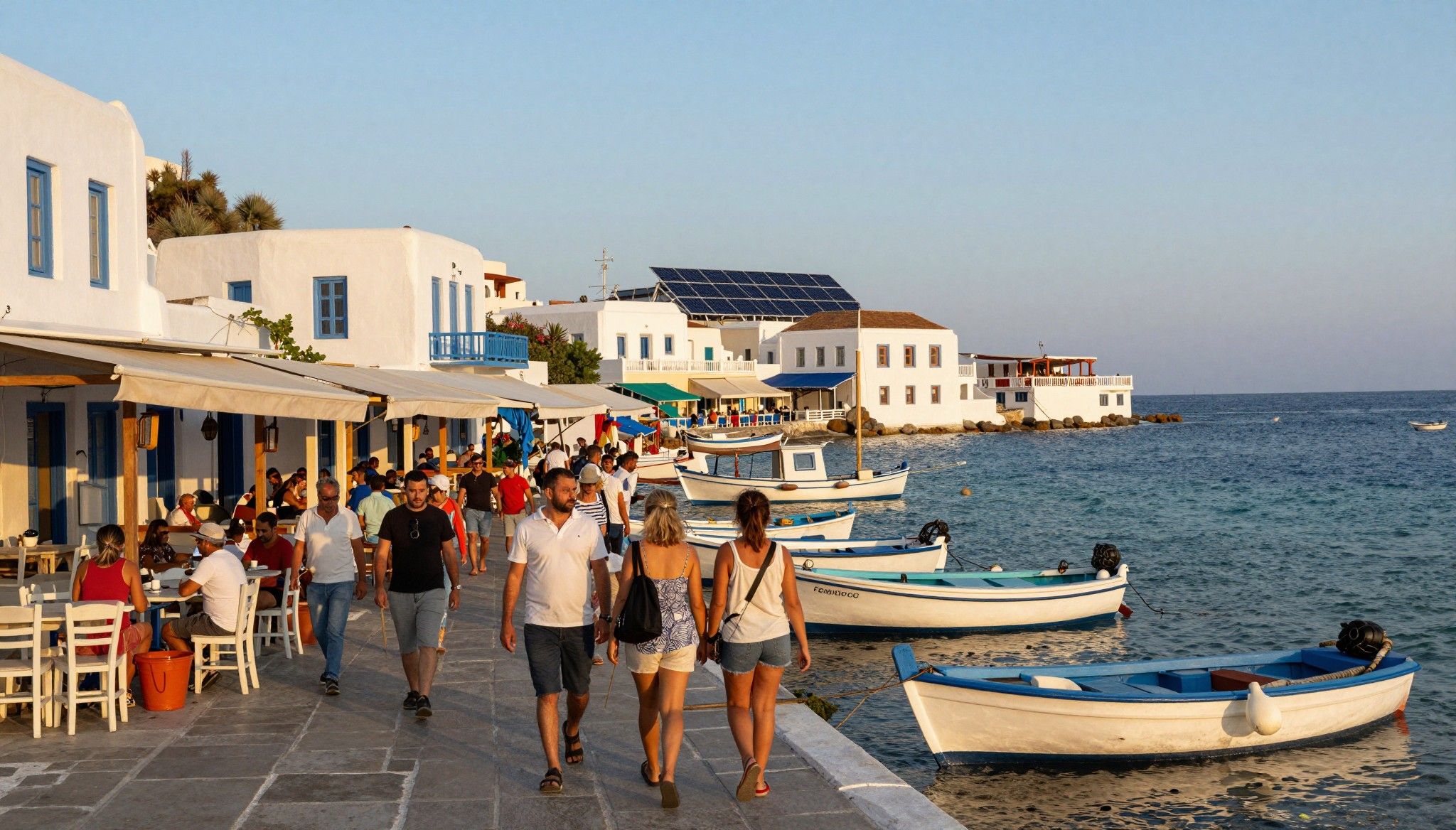
- Lifestyle highlights to seek in Greek neighbourhoods: • Morning markets: Varvakios (Athens) or Chania municipal market • Community olive groves and cooperative press days • Waterfront promenades with pedestrian-first design: Glyfada, Rethymno • Village festivals (panigyri) that knit neighbours into community • Local energy co‑ops and small PV parks in Thessaly and Peloponnese
Making the move: practical considerations where green infra matters
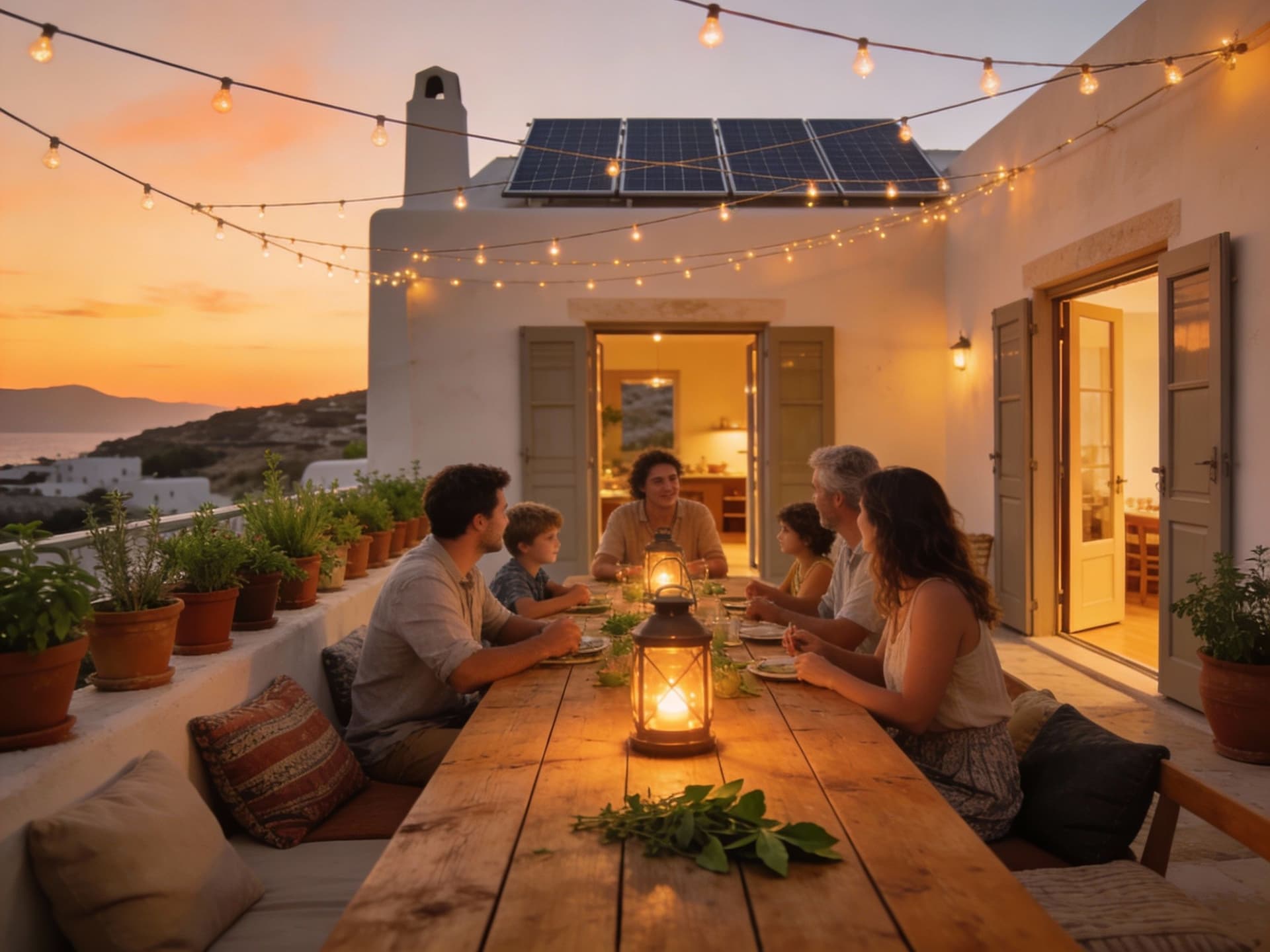
If green infrastructure is part of your reason for buying, know that Greece is accelerating fast: 2.6 GW of PV were installed in 2024 and large projects backed by institutions like the EIB are expanding the grid of utility‑scale renewables. That trend improves grid resilience and — crucially for homeowners — makes rooftop PV and battery pairings more attractive investments in both cities and islands.
Property styles that support green living
Stone village houses, refurbished neoclassical apartments in central Athens and contemporary thermal‑efficient villas on Crete each offer different green advantages. Old stone walls provide thermal mass; new builds increasingly include insulation, heat pumps and pre‑wired PV capacity. With prices rising (Bank of Greece shows notable increases in 2024–25), prioritise energy upgrades that give immediate comfort and long‑term value.
Working with local experts who understand both lifestyle and systems
An agent who knows where energy communities are forming, which municipalities offer rooftop grants, and which islands suffer diesel dependence will steer you to properties that match the life you want. Think of your advisor as a translator between idyllic afternoons and the technicalities of grid connection, planning permits and seasonal water management.
- Practical steps that blend lifestyle and due diligence: 1. Inspect orientation and roof condition for PV readiness. 2. Ask sellers about recent energy bills and any grant paperwork. 3. Check municipal zoning for septic, rainwater collection, and EV charging plans. 4. Meet the local mayor or cooperative to understand upcoming infrastructure. 5. Factor higher demand areas (Athens, Thessaloniki, popular islands) into price expectations.
Insider knowledge — what expats wish they’d known
Expats often tell a familiar story: they arrived for the light and the pace and then learned the rhythms of bureaucracy and seasonality. The encouraging news is that national renewables rose steeply in recent years, improving island energy security and lowering reliance on diesel generators. Still, local realities differ — some islands lag in grid upgrades while parts of mainland Greece see rapid wind and solar expansion.
Language, community and the social routine
Learn a few phrases, bring patience, and join market mornings or olive‑press events to make friends. Social life is often centered around food and place — a coastal kafenio at dawn, a late taverna meal, and seasonal festivals that welcome newcomers. These rituals shape which properties feel like home: a courtyard for neighbourly dinners, a veranda for morning coffee, or a rooftop for solar‑driven sunset gatherings.
Longer view: how a green neighbourhood matures
Neighbourhoods investing in community PV, shared batteries and EV charging tend to attract like‑minded owners and small green businesses. Over a decade that changes local services — cafés source locally, builders learn retrofit skills, and municipal planning shifts toward greening public spaces. Buying into this trajectory means buying into a community story, not just a dwelling.
- Red flags and small wins we consistently see: • Red flag: properties that claim “off‑grid” without usable water or permitted sewage solutions. • Red flag: islands with high diesel backup costs and no scheduled grid upgrades. • Small win: north‑facing courtyards can be turned into productive shade gardens with minimal work. • Small win: properties pre‑wired for PV save weeks of bureaucracy and costs.
Conclusion: Greece asks you to slow down and listen — to seasons, neighbours and the evolving grid. If your dream is a home where mornings smell of citrus and energy feels local, focus on places with visible green investment and people already shaping sustainable routines. Start by visiting markets, asking about local PV projects, and choosing an agent who understands both the taste of the neighbourhood and the technical path to making it yours.
Dutch property strategist who helped 200+ families find sustainable homes in southern Europe; expert in legal pathways and long-term stewardship.