Where Green Infrastructure Meets Daily French Life
France pairs timeless, seasonal living with fast‑growing renewable infrastructure; choose properties that blend character with energy upgrades for comfort, cost and stewardship.
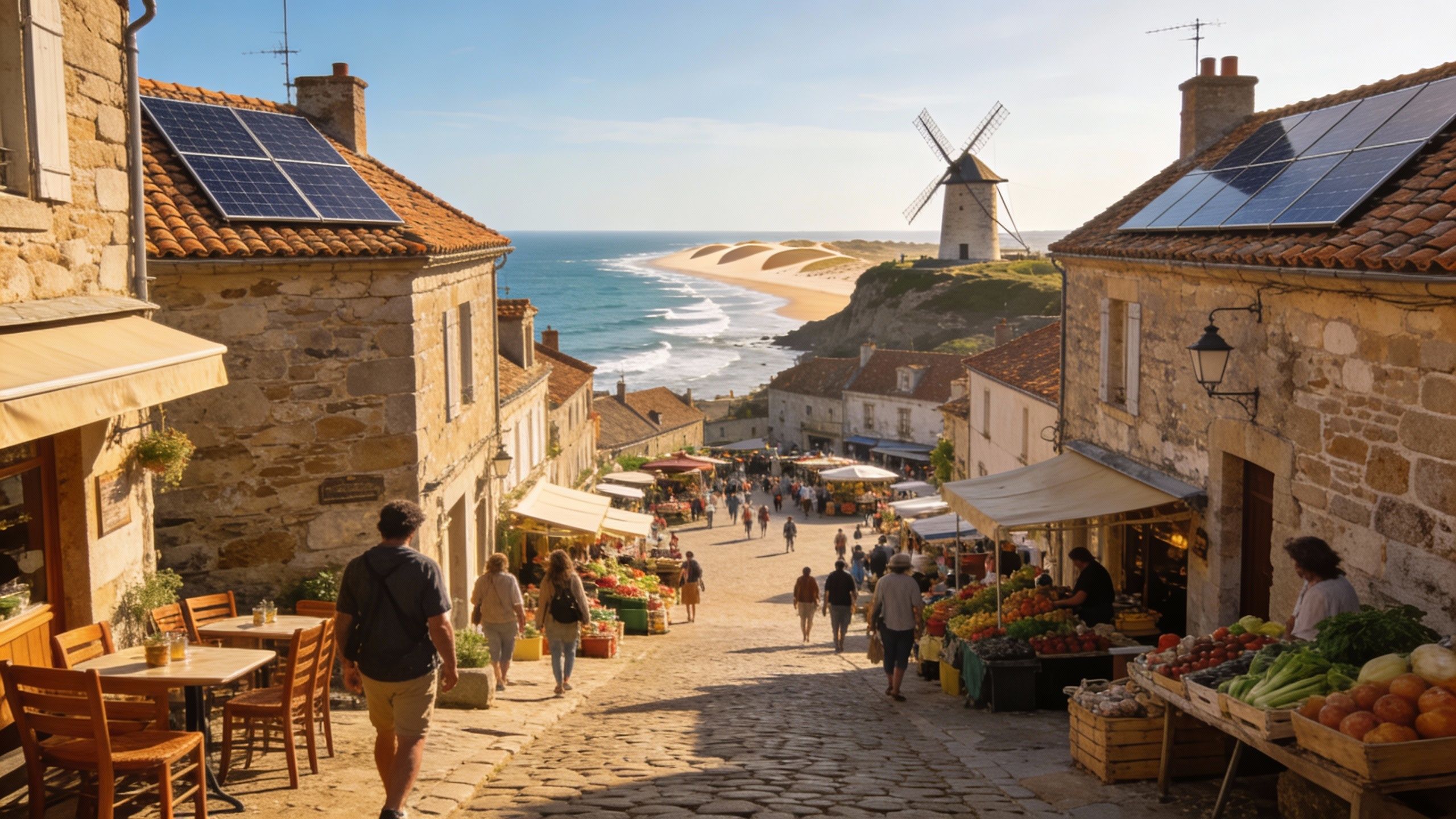
Imagine opening your shutters in Provence to a lavender-scented breeze, the tiled roofs warmed by the morning sun and solar panels glinting on a neighbour’s barn — a home that feels part of the landscape, not apart from it. France today is increasingly that country: regions where renewable fields, village life and thoughtful retrofits shape everyday living. For international buyers drawn to green infrastructure, this is a place where lifestyle and low‑impact living meet practical opportunity. Recent policy momentum and strong local projects mean buyers can invest in properties already integrated into a cleaner, more resilient energy system.
Living French Life — Natural Rhythm, Seasonal Rituals
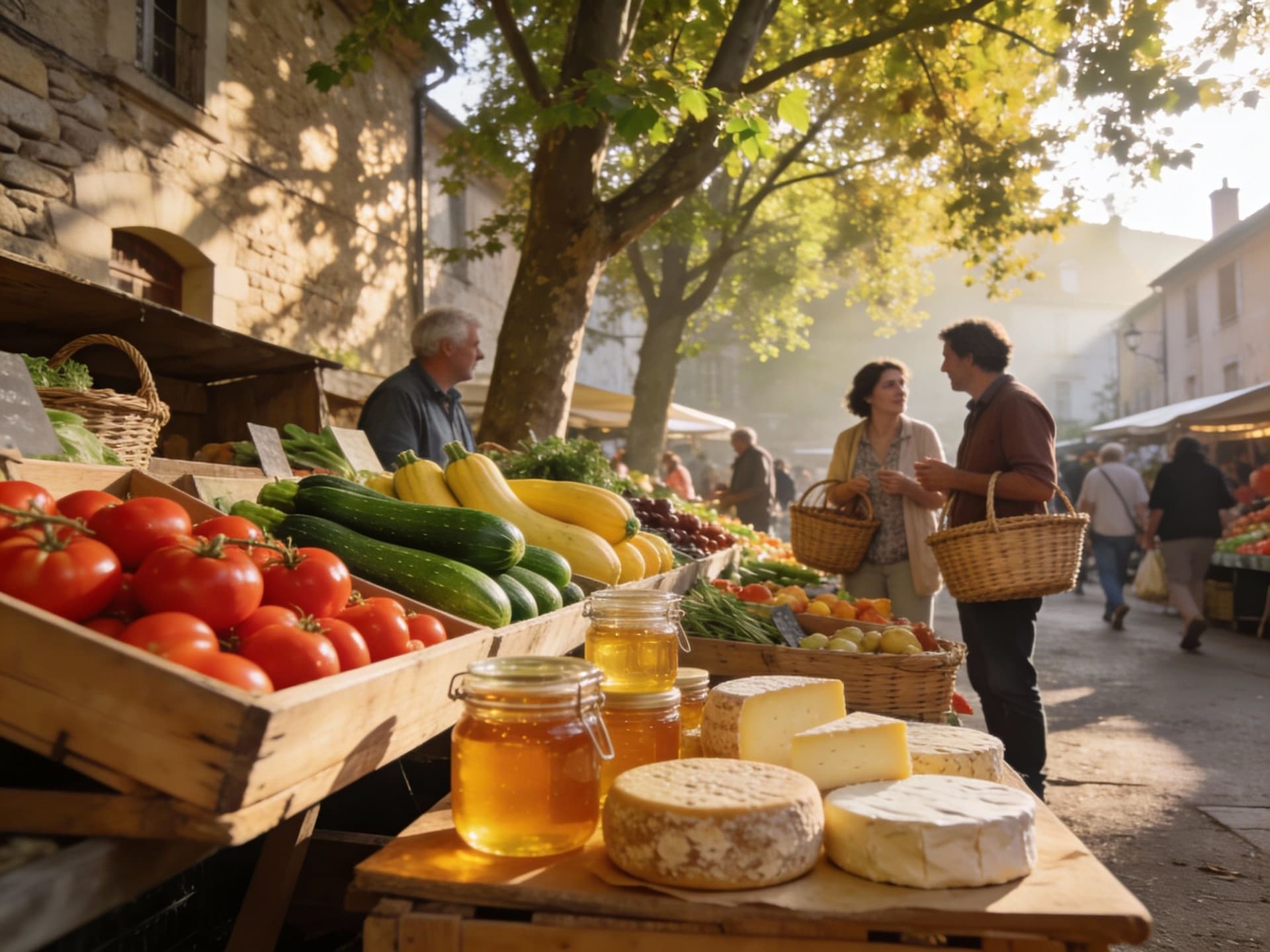
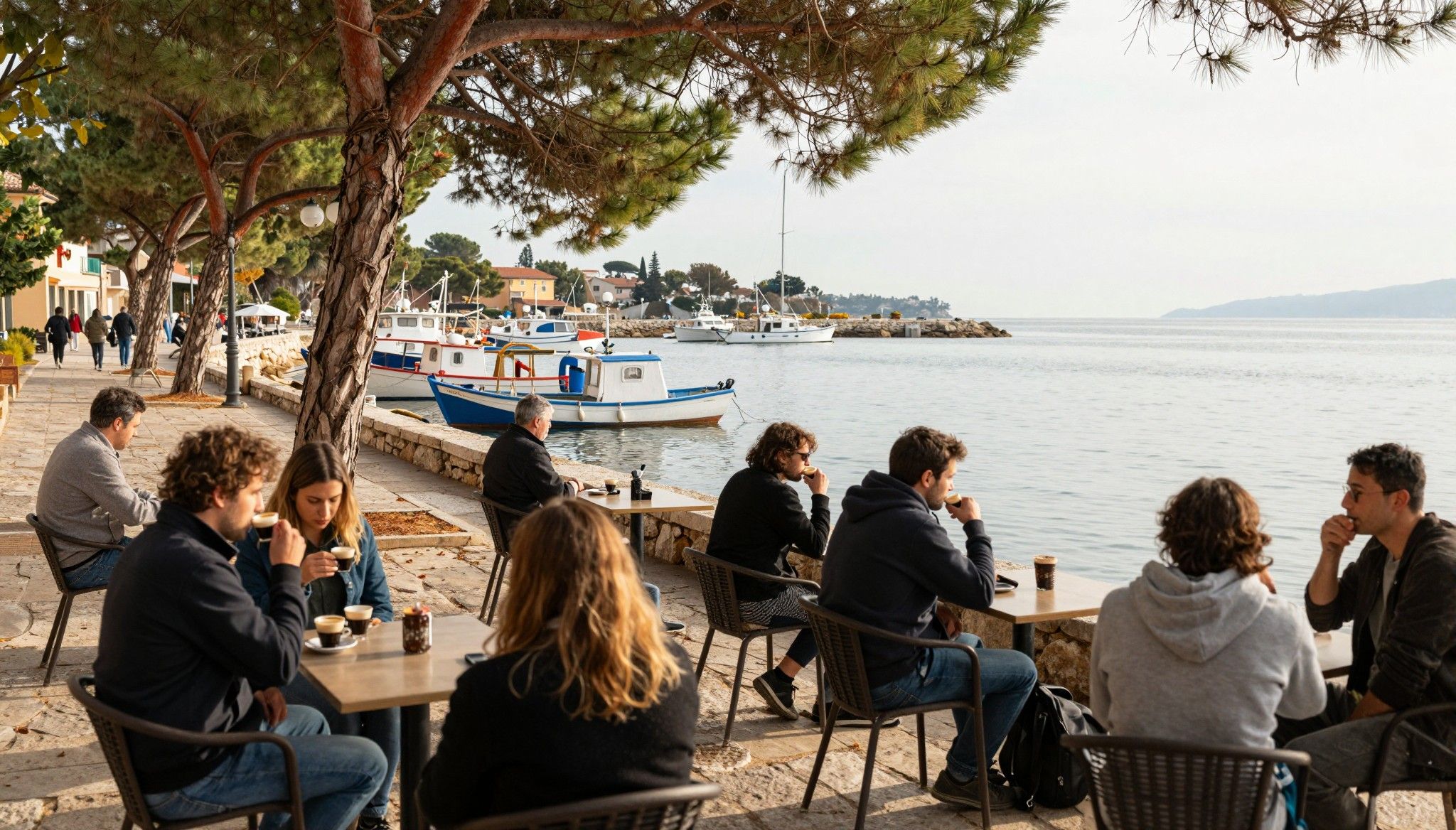
Daily life in France has a soft cadence: market mornings, long lunches, the sound of bicycles on cobbles and an eye toward seasonal produce. Whether you’re in Lyon’s Croix‑Rousse watching bakers unfold dough at dawn, or in Biarritz catching surf before work, neighbourhood rituals shape how you live far more than square footage. For eco-minded buyers, those rituals extend outward: community gardens, village wood‑fuel co‑ops and cooperative solar schemes are part of the social fabric. Living here means your home is also a node in local networks of food, energy and conviviality.
Neighbourhood Spotlight: Paris' 11th vs. Brittany's coastal villages
The 11th arrondissement in Paris hums with cafés like Café Oberkampf and Bistrot Paul Bert where evenings spill into narrow streets; apartments here are compact but rich in community life and access to shared rooftop gardens or local retrofit programmes. Contrast that with small Breton communes — think Léon or Plouescat — where stone cottages sit near dunes, and community wind co‑ops or block‑scale solar farms supply local power and income. Both offer green living, but the texture differs: urban shared infrastructure versus rural energy projects woven into land stewardship.
Food, market life and the seasons: how climate shapes life
Weekends often begin at market stalls — Marché des Enfants Rouges in Paris or the covered market in Bayonne — where farmers sell seasonal vegetables, honey and cheeses. Seasons in France are emphatic: spring brings blossom and vineyard pruning, summer expands outdoor dining, autumn is for mushroom foraging and marché harvests, and winter tightens focus on warmth and insulation in the home. These cycles influence property choices: a masonry cottage with a wood stove feels right in the Massif Central, while a thermally efficient stone house with PV suits Mediterranean climates.
- Market squares, shared solar co‑ops in Brittany, lavender fields in Provence, surf breaks at Biarritz, morning boulangeries on Rue Cler, village festivals in Dordogne
Making the Move: Practical Considerations with a Green Lens
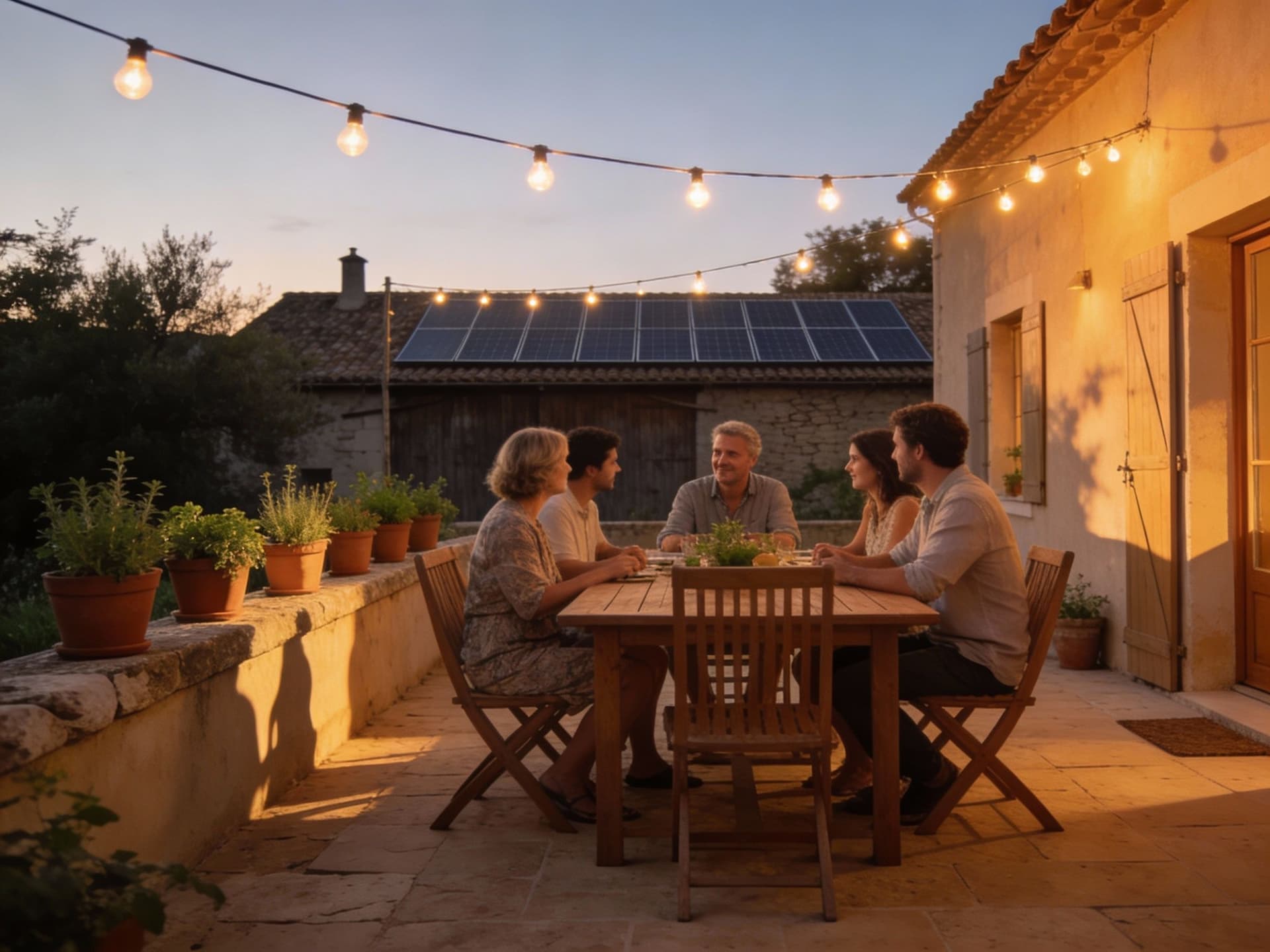
Your dream of coastal walks or village markets needs practical scaffolding: regional regulations, energy performance expectations, and an eye for where green infrastructure adds value. France increased renewables to roughly 23% of final energy consumption in 2024, and renewable electricity supplied about a third of power in 2024, changes that affect utility costs and the attractiveness of solar-ready roofs or heat pumps. Understanding these trends helps you choose properties that will be comfortable, cheaper to run, and aligned with local decarbonisation plans.
Property styles that support green living
Traditional stone farmhouses offer thermal mass and passive comfort but usually need careful retrofit — cavity insulation, upgraded glazing and humidity control — to meet modern comfort standards. Contemporary eco‑builds in Occitanie or the Alps often include triple glazing, green roofs, heat pumps and pre‑installed PV arrays; they cost more upfront but save operating costs. For many buyers the best compromise is a sensitively renovated older home paired with on‑site renewables — solar panels, a battery and efficient heating — blending character with performance.
Working with local experts who know both market and ecology
- Hire a notaire and a local agent experienced in green upgrades; check energy performance certificates (DPE), consent requirements for solar or heat‑pump installations, and whether a property is in a protected landscape that limits changes. Look for agencies that can introduce you to local craftsmen — carpenters, lime plasterers, and passive‑house renovators — who understand traditional materials. Request recent utility bills and DPE reports; they reveal how a home actually performs, not just its potential. Consider community energy schemes or municipal incentives — some regions offer grants or reduced planning hurdles for renewable installations.
Insider Knowledge: What Expats Wish They'd Known
Expats often tell the same story: they fell in love with markets, beaches or a quiet lane, then discovered local rhythms — festival dates, school holidays, and municipal energy plans — that change when and where to buy. Foreign buyer activity is rising again in southern France, and regional price gaps remain wide: Paris and the Côte d'Azur command premiums while rural departments can be surprisingly affordable. Knowing which regions are investing in renewables — and offering grants for heat pump installation or rooftop PV — can materially change both monthly costs and resale value.
Cultural integration: language, community and seasonal life
Learning enough French to chat at markets and with builders smooths every step of buying and renovating; it also unlocks invitations to community meetings where energy projects and planning decisions are discussed. Village social life is built around associations (associations) that run fêtes and cooperatives; join one early and you belong. Expect a slower pace: municipal offices (mairies) operate on local timetables, and planning permits for solar or extensions can be patient but thoughtful processes.
Long‑term lifestyle and stewardship: what to prioritise
Focus on resilience: insulation, adaptable heating, and the ability to add PV or batteries as local incentives evolve. Consider water management — rainwater harvesting and drought‑tolerant landscaping — especially in Mediterranean zones where summer scarcity is more common. Buying with a stewardship mindset means choosing homes that can age gracefully: breathable materials, local stone, healthy gardens and a plan for biodiversity on your plot.
- Get an up‑to‑date DPE (energy performance certificate); prioritise insulation upgrades, heat pumps and PV; ask about municipal renewable projects; budget 10–15% for eco‑retrofits on older properties; check water risk maps and local planning restrictions
France is both a sensory country — creaking shutters, warm bread, late summer cicadas — and a place rapidly reshaping its energy future. For buyers who care about green infrastructure, the opportunity is concrete: properties that embrace renewable generation, thoughtful retrofits and community energy are increasingly common and often better long‑term values. Start with neighbourhood immersion: visit markets, chat with mairie staff about local projects, and read the DPE and municipal plans before making offers. When you buy with a sense of place and a commitment to stewardship, your French home becomes more than an investment — it becomes a living part of the landscape.
Norwegian market analyst who relocated from Oslo to Provence; guides investors with rigorous portfolio strategy and regional ecological value.