Why Winter House‑Hunting Wins in Cyprus
Visit Cyprus in winter to discover quieter neighbourhood rhythms, better negotiating power and island‑native sustainability features like solar thermal that lower lifetime costs.
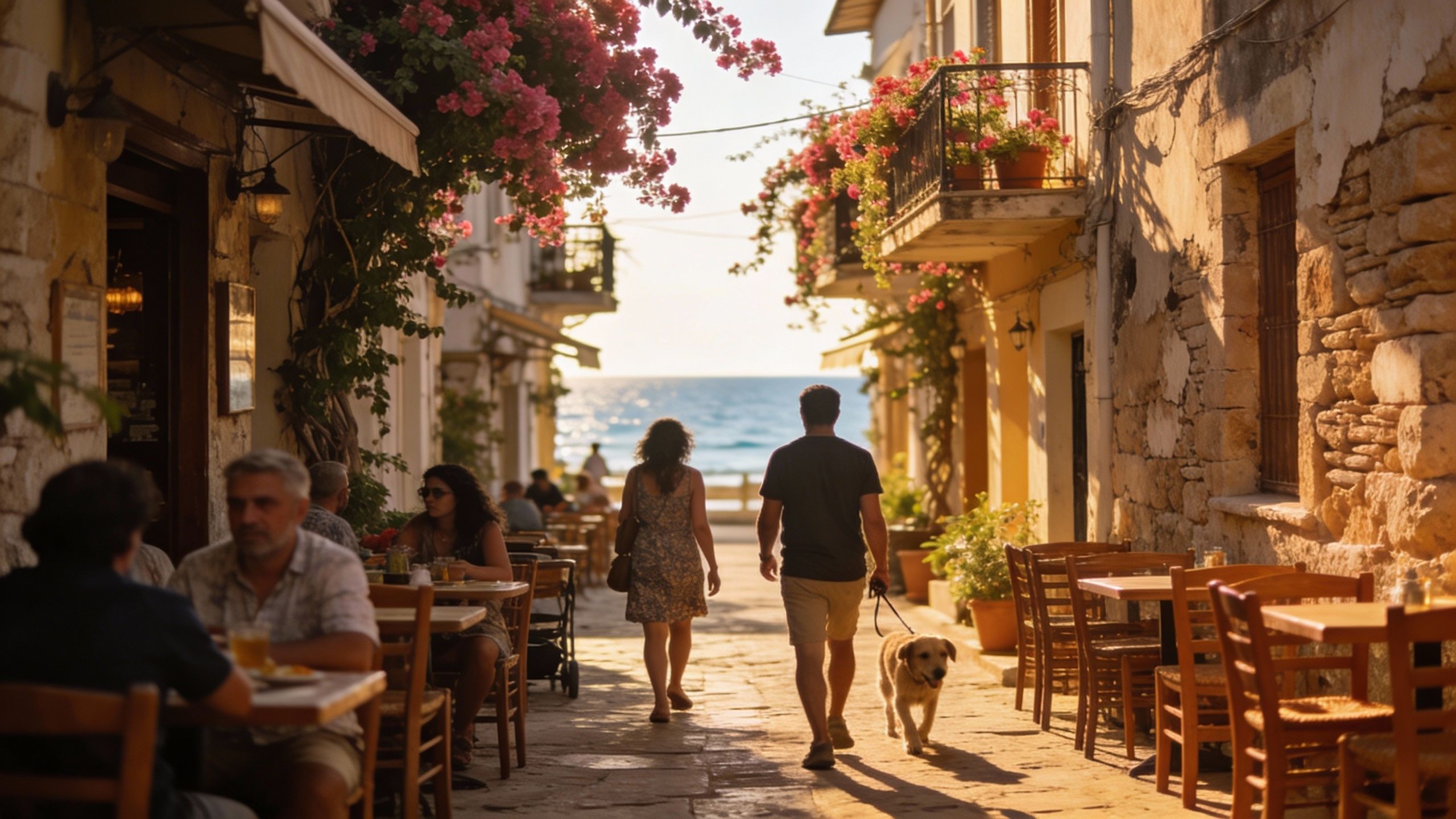
Imagine stepping out at 9 a.m. in a sleepy Limassol lane where a baker slides warm sesame koulouri into a paper bag, bougainvillea drapes a stone balcony and the sea smells like salt and orange blossom. In Cyprus that scene can be your ordinary Tuesday. Here we begin not with process but with the life that turns a house into home — and why a quieter season (yes, winter) often reveals the truest opportunities for international buyers who want sustainable living, value and local belonging.
Living the Cyprus lifestyle
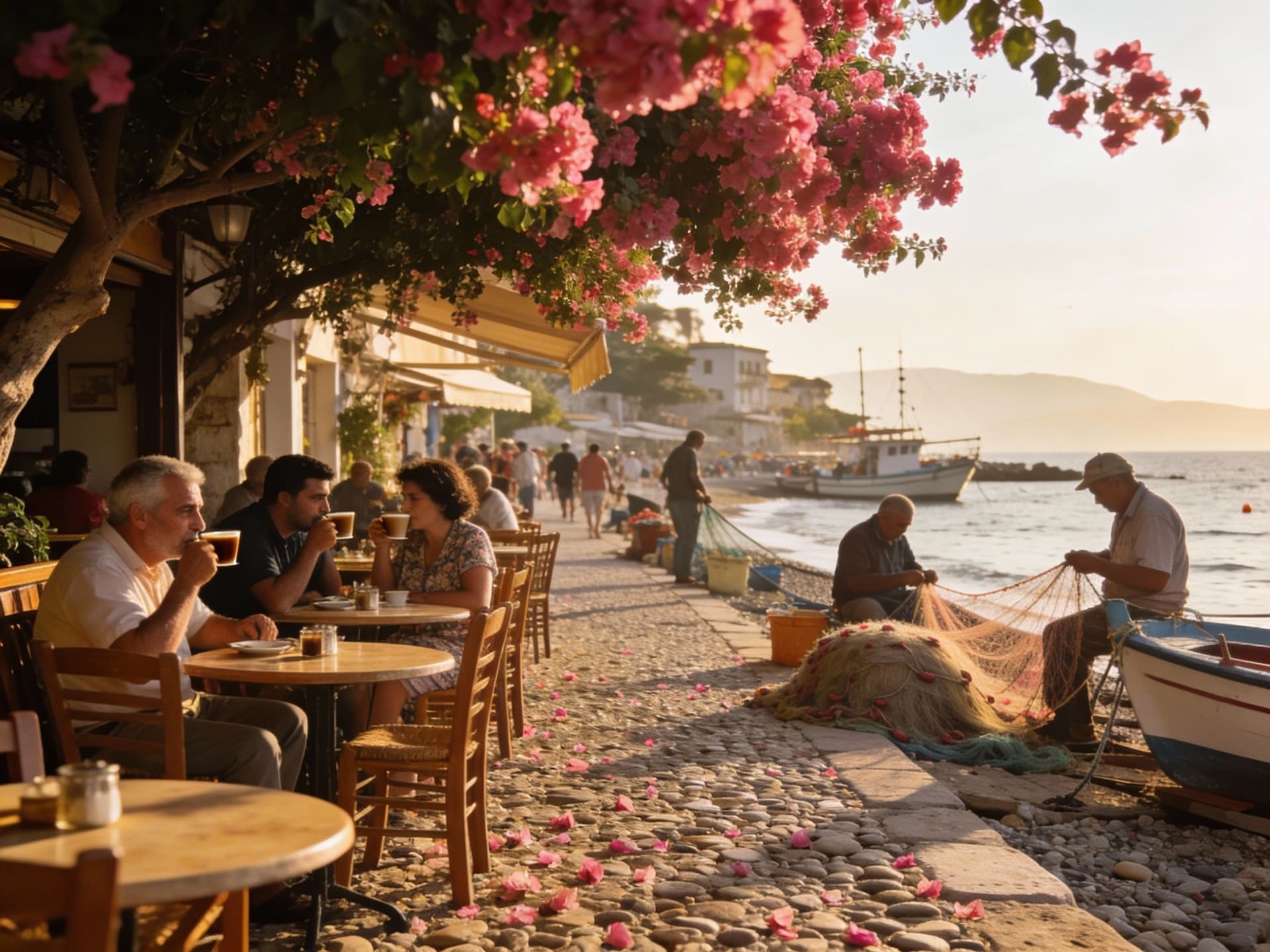
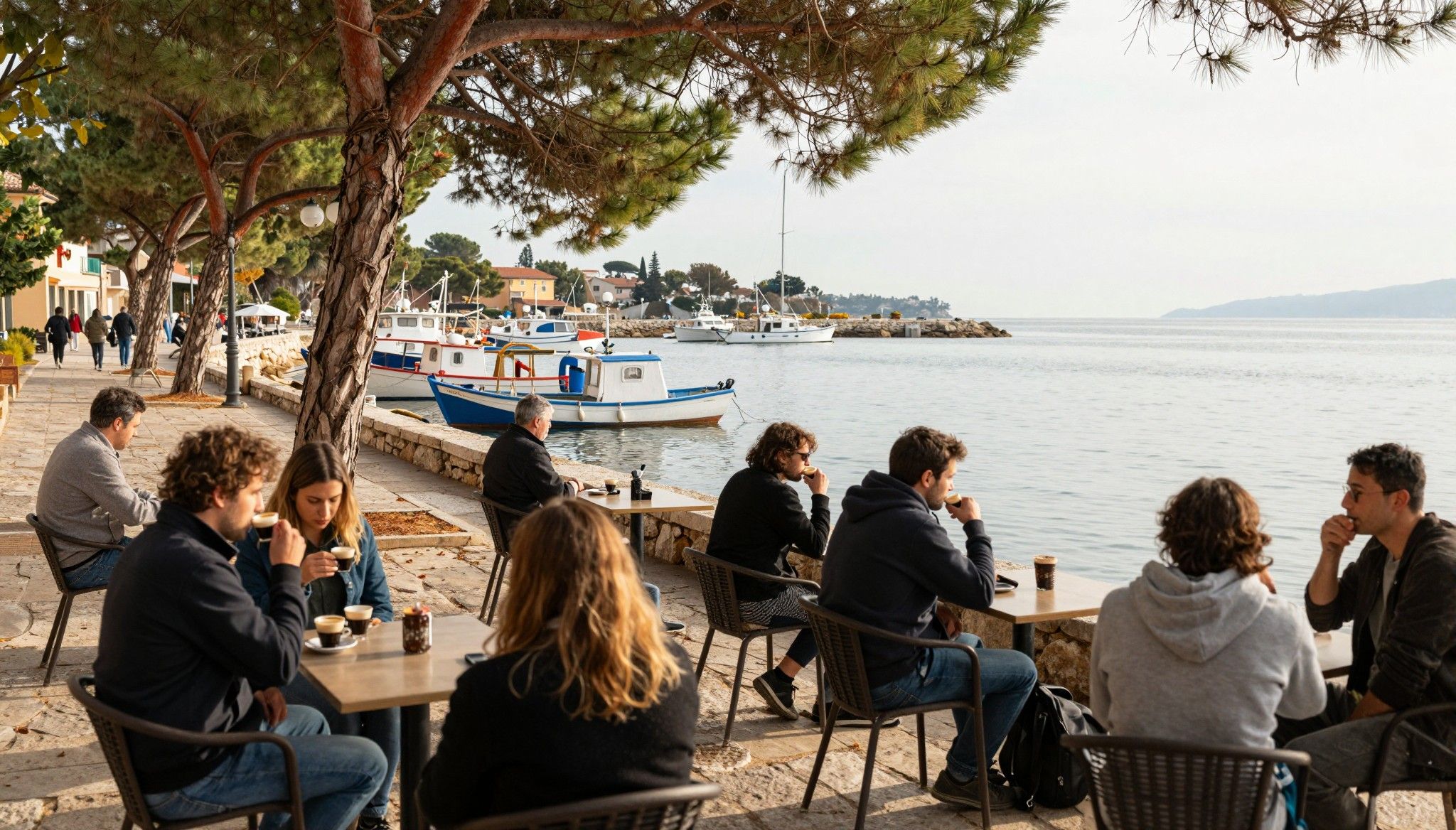
Cyprus feels sun‑warmed and slow in equal measure. Coastal mornings bring fishermen mending nets and cafés where espresso arrives with an island‑soft smile; afternoons melt into taverna time and glass‑clinking. Inland, the Troodos villages keep older rhythms — stone houses, wood fires in winter, and shepherds’ markets that taste like thyme and chestnuts. For buyers seeking connection to landscape, the island’s variety is its gift: sea, hills, orchards and villages each shape daily life and architectural choices.
Coastal towns: Limassol, Larnaca, Paphos
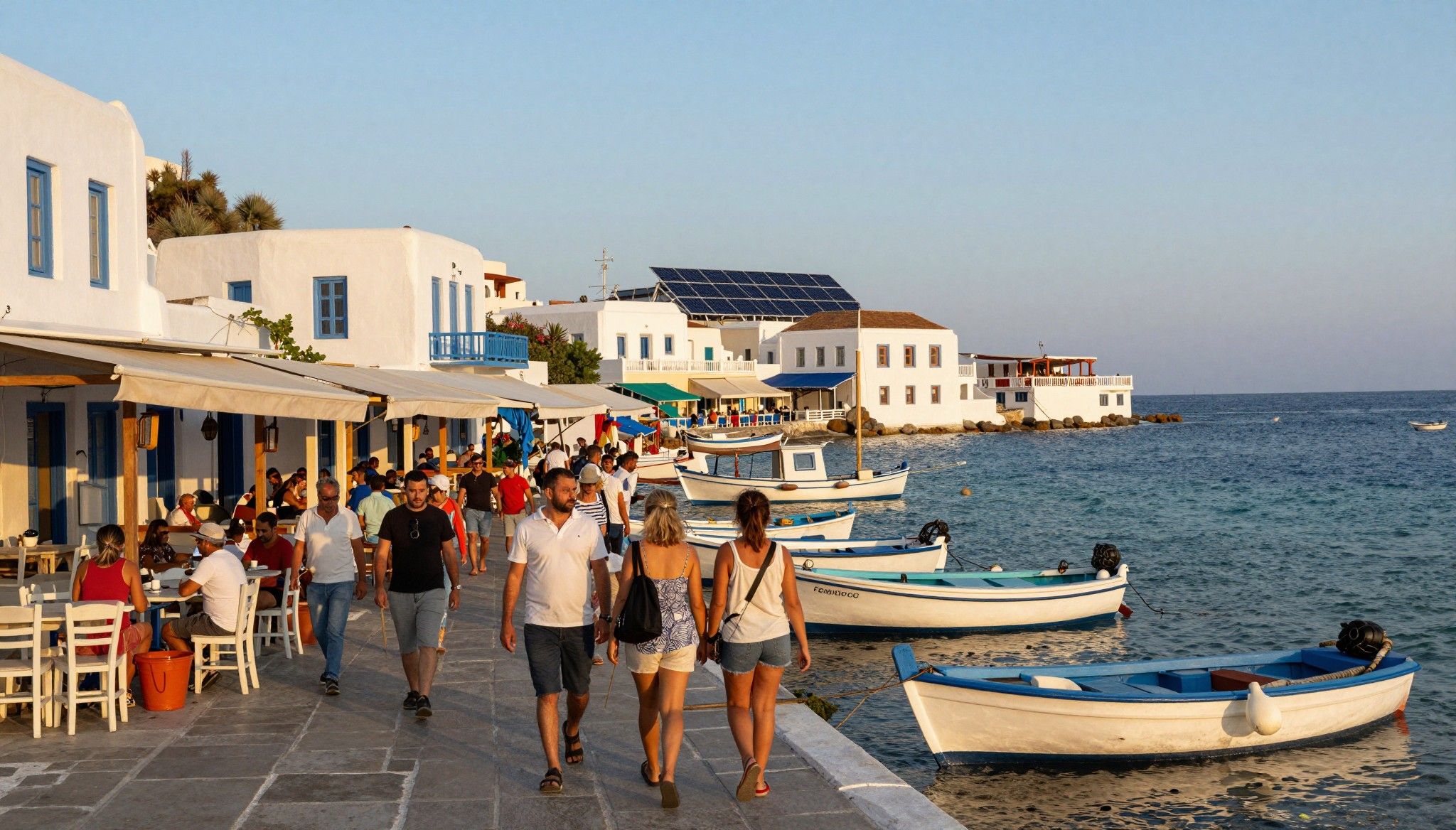
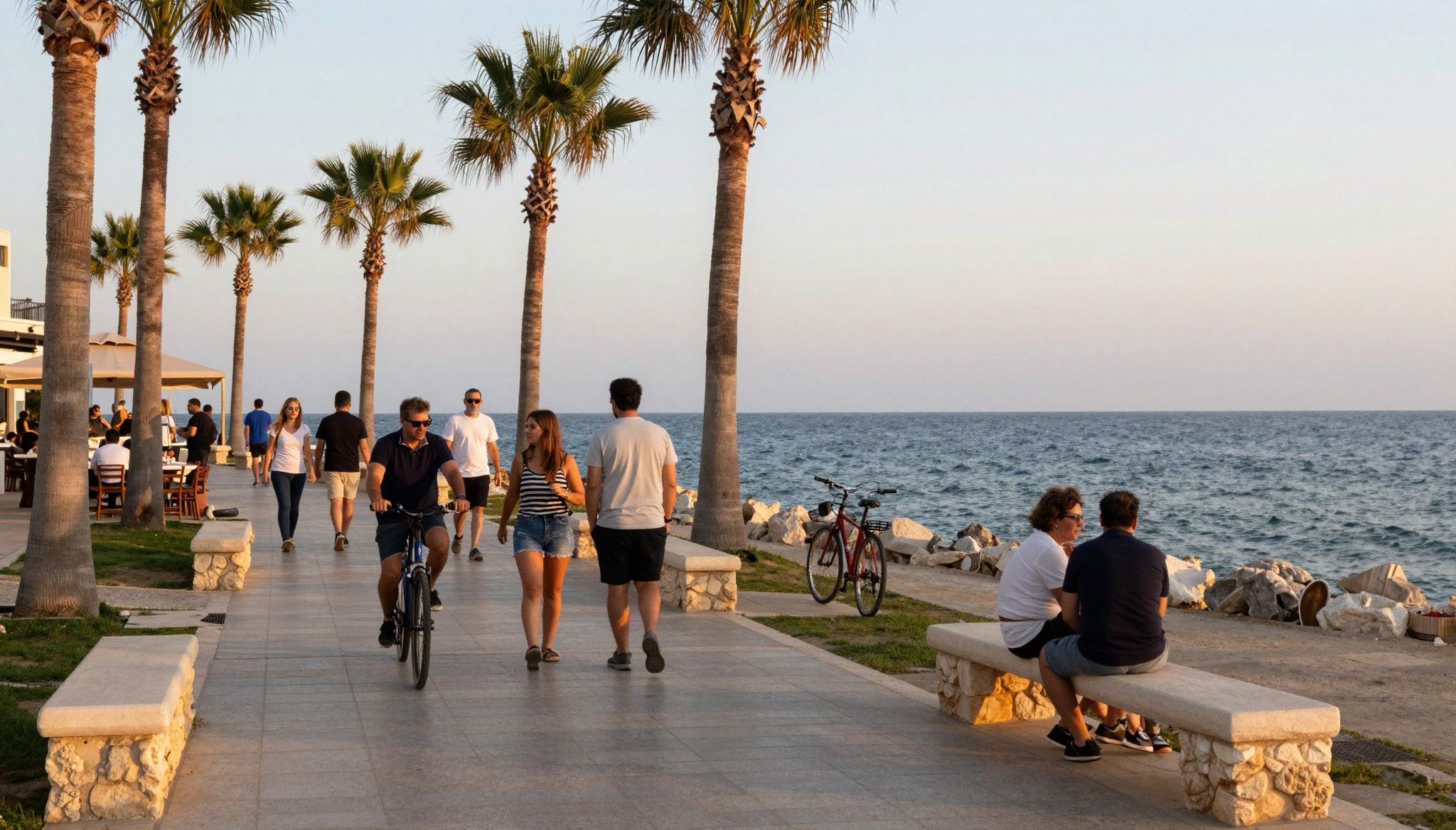
Limassol pulses with cosmopolitan beaches, boutique restaurants and a yacht marina; international schools and high‑end apartments cluster near Molos waterfront. Larnaca has a quieter, lived‑in harbor culture with rising apartment demand among buyers looking for value and community. Paphos feels historic and intimate — narrow alleys around Ktima, seaside promenades and good bargains for villa buyers who want a garden and village calm. Recent market reports show buyers are shifting towards Larnaca and Paphos for value, softening Limassol’s once‑dominant pull.
Village and mountain life: Troodos and Lofou
Move inland and the air is pine‑sweet; evenings are for wood stoves and table talk. Restorations of stone cottages are popular with buyers who want thermal mass, thick walls and connection to seasonal life — olive harvests, spring wildflowers, and crisp winter skies. These homes reward slow living and can be more sustainable: local stone, passive shading and small‑scale gardens for olives, herbs and vegetables.
- Mosaic of lifestyle highlights from real, lived places
- Morning espresso at To Steki in old Paphos, then a walk along the mosaic‑lined harbour.
- Saturday market in Limassol’s Old Port for fresh halloumi and slow conversations with vendors.
- Winter chestnut festivals in the Troodos foothills, where restored stone houses glow like living rooms of the village.
Making the move: practical considerations that match the life
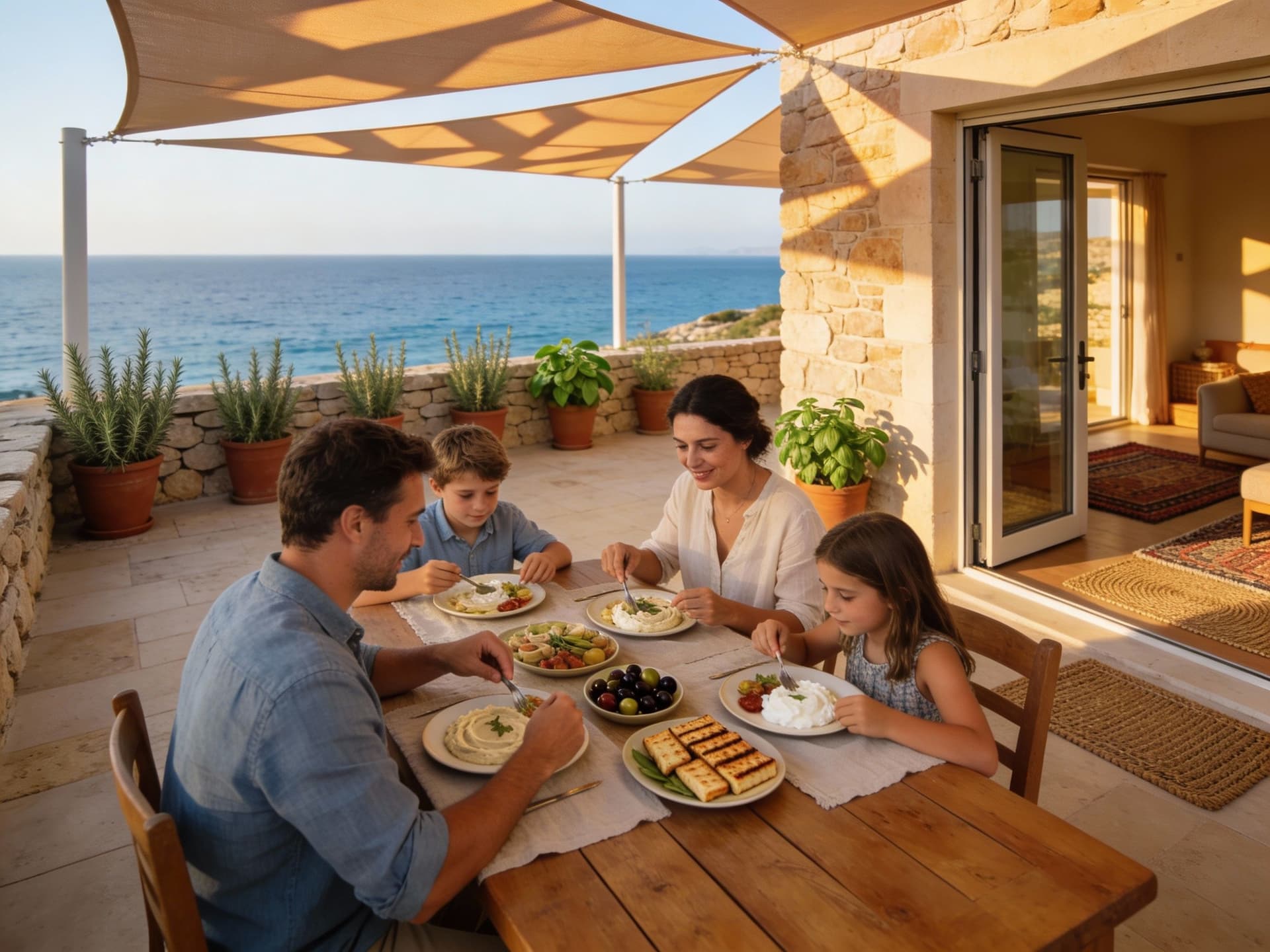
If the lifestyle draws you in, the market questions pull you back to earth. Prices rose in recent years but the pace has slowed as construction costs and borrowing tightened, so timing and local knowledge matter. Winter house‑hunting offers quieter viewings, clearer neighbourhood rhythm and often better negotiating power because sellers are less rushed by summer demand.
Property types and how they suit seasonal living
Apartments in Larnaca or Limassol suit city‑edge buyers who want cafés, walkability and low‑maintenance living. Seafront flats favour solar shading and cross‑ventilation; ask sellers about insulation and glazed balconies to avoid summer heat. Villas and restored stone homes in Troodos or Paphos give year‑round comforts: thermal mass reduces heating needs in winter and thick walls keep interiors cool in summer, a quietly effective green feature.
Working with local experts who know the lifestyle
Choose agents who speak English and Greek, and who can tell the story of a neighbourhood — not just square metres. A good local agent will introduce you to a favourite café owner, point out seasonal noise (olive pressing, summer tourism) and recommend sensible eco‑upgrades that respect local planning: solar thermal systems (ubiquitous here), rainwater collection and passive cooling strategies that suit island life.
- Steps to marry lifestyle with purchase (winter‑friendly process)
- 1. Visit in winter to feel neighbourhood rhythms and check daylight, wind and road access.
- 2. Ask about energy performance, existing solar thermal or PV, and local water access — these reduce long‑term costs.
- 3. Commission a seasonal inspection (roof, drainage, insulation) and a local planner check for permitted renovations.
Insider knowledge: what expats wish they'd known
Expats often arrive expecting endless summer holidays; they stay because of the small, steady rituals: market mornings, a favourite barber, the neighbour who shares figs. They sometimes underestimate winter: roads on mountain routes can be quieter, and thermal comfort matters. Many locals rely on roof‑mounted solar thermal panels for free hot water — a practical, low‑tech sustainability detail that immediately reduces bills and deepens your sense of fitting into island life.
Cultural rhythms and social integration
Language is friendly: English is widely spoken, but learning simple Greek phrases opens doors and invites care from neighbours. Expect a relaxed pace where appointments sometimes arrive late and conversations over coffee are an everyday civic joy. Participate in local festivals — they are the easiest way to meet people and learn unspoken neighbourhood rules about noise, communal gardens and property boundaries.
Long‑term lifestyle sustainability
Cyprus is investing in grid links and renewables, but local buyers still depend on smart, small‑scale systems: solar thermal for hot water, shaded terraces, cisterns for rainwater and gardens planted for drought resilience. Choosing properties with these features — or the space to add them — is a simple way to align a home purchase with stewardship of place.
- Red flags locals warn about
- Properties with unresolved planning on terraces — check permits before you buy.
- Homes without modest insulation or shading that will cost more to cool in summer.
- Sellers who avoid sharing recent energy bills or roof service records — ask directly.
In short: buy for the life you want (the market will follow) and favour properties that already respect the island’s climate. Winter visits reveal how a place breathes in its quieter season; they show you light angles, road access and whether neighbours are year‑round inhabitants or seasonal visitors. Use that clarity to negotiate intelligently.
- How to make a winter visit payoff
- 1. Book viewings mid‑week to see everyday rhythms, not tourist façades.
- 2. Walk neighbourhoods at different times of day to check noise and light.
- 3. Bring an energy‑minded checklist: roof orientation, shading, heating systems, and rainwater storage potential.
Conclusion: Cyprus feels like an island you can step into slowly. If you come in winter, you see the place’s honest self — everyday life, infrastructure, and the small sustainable habits that matter. Pair that clarity with local expertise (agents who know the village baker and the grid operator), and you’ll buy something that sings with the seasons rather than shouting with summer‑tourism mirages.
Swedish advisor who left Stockholm for the Costa Brava in 2019. Specializes in sustainable, sea‑view homes for Scandinavian buyers and green finance insights.