The Summer Illusion: Why July House‑Hunting in Croatia Misleads
Croatia dazzles in summer — but buyers who wait for off‑season visits and check reciprocity, new taxes and coastal wear will find homes that fit year‑round life.
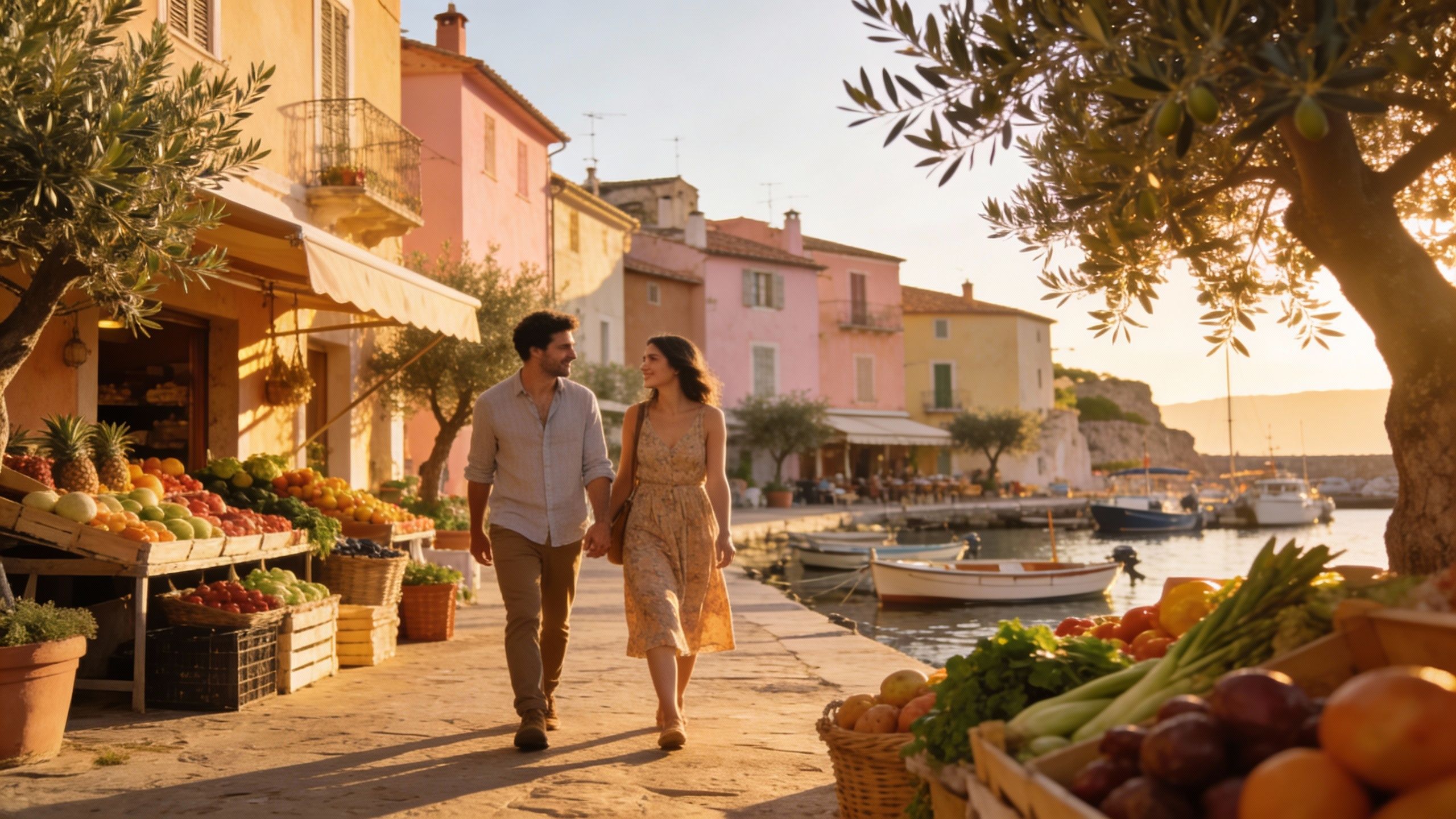
Imagine stepping out at dawn onto Split’s Riva as fishermen haul in the day’s catch, or wandering Rovinj’s cobbled lanes at twilight with olive trees scenting the air. Croatia is a place where sea, stone and market life fold into daily rhythms: espresso at a small kafić, late-afternoon swims off a pebble beach, and quiet, community gardens behind stone houses. These living scenes draw many of us here — but the moment you first see Croatia is often not the moment to make major buying decisions. Summer, especially July and August, is a performance: full of charm, yes, but also misleading if you treat it as the whole story.
Living the Croatia lifestyle
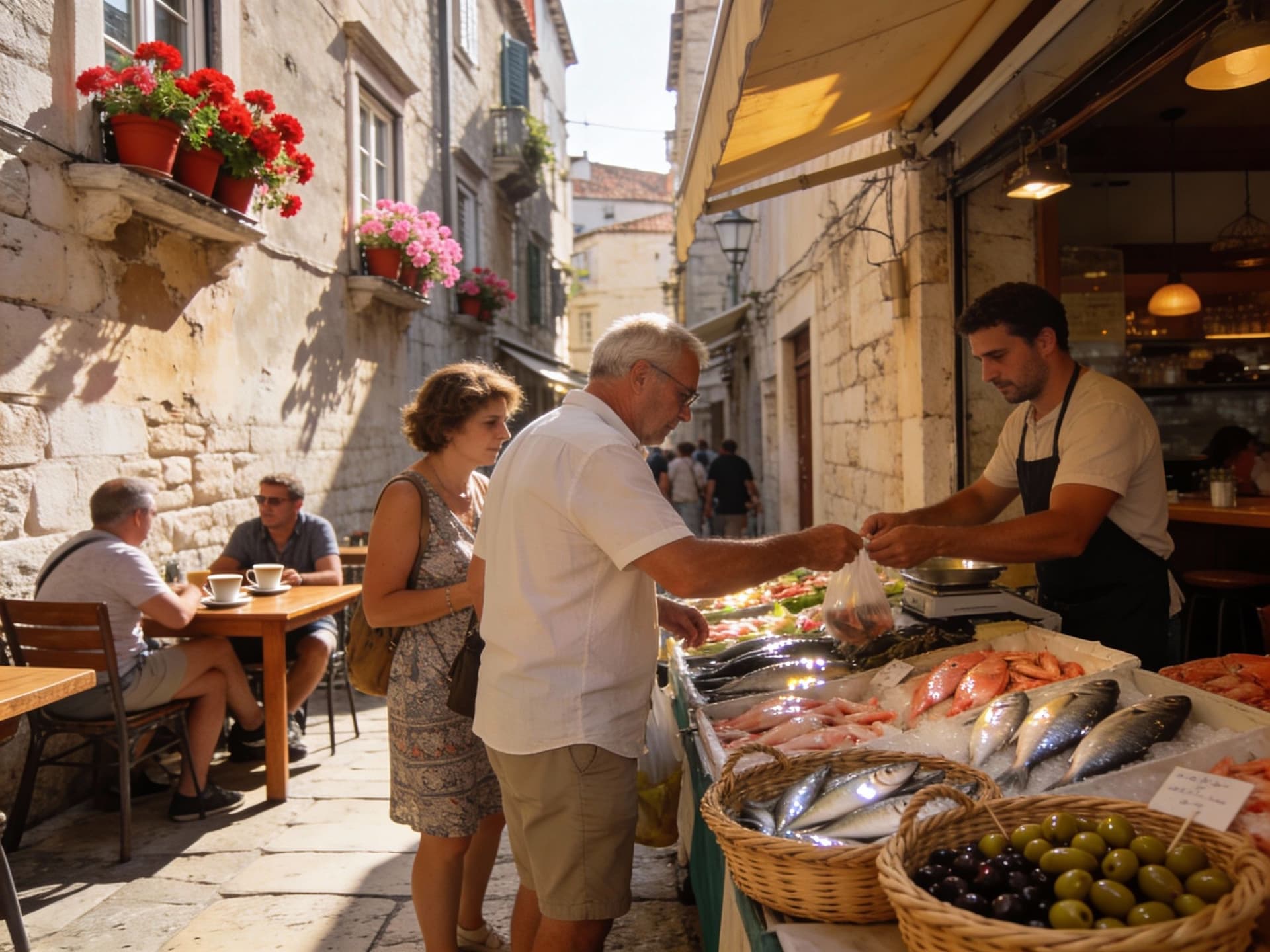
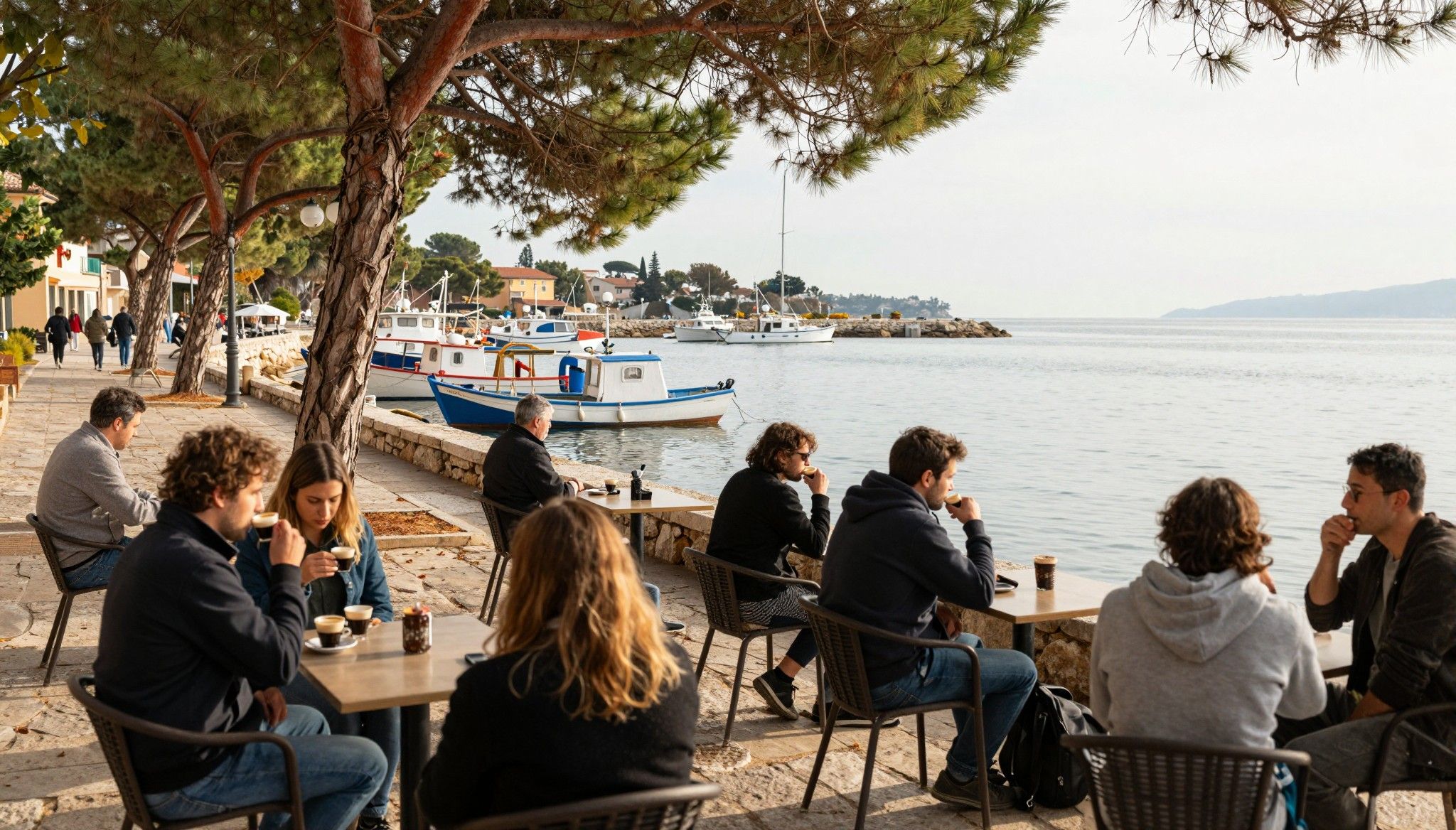
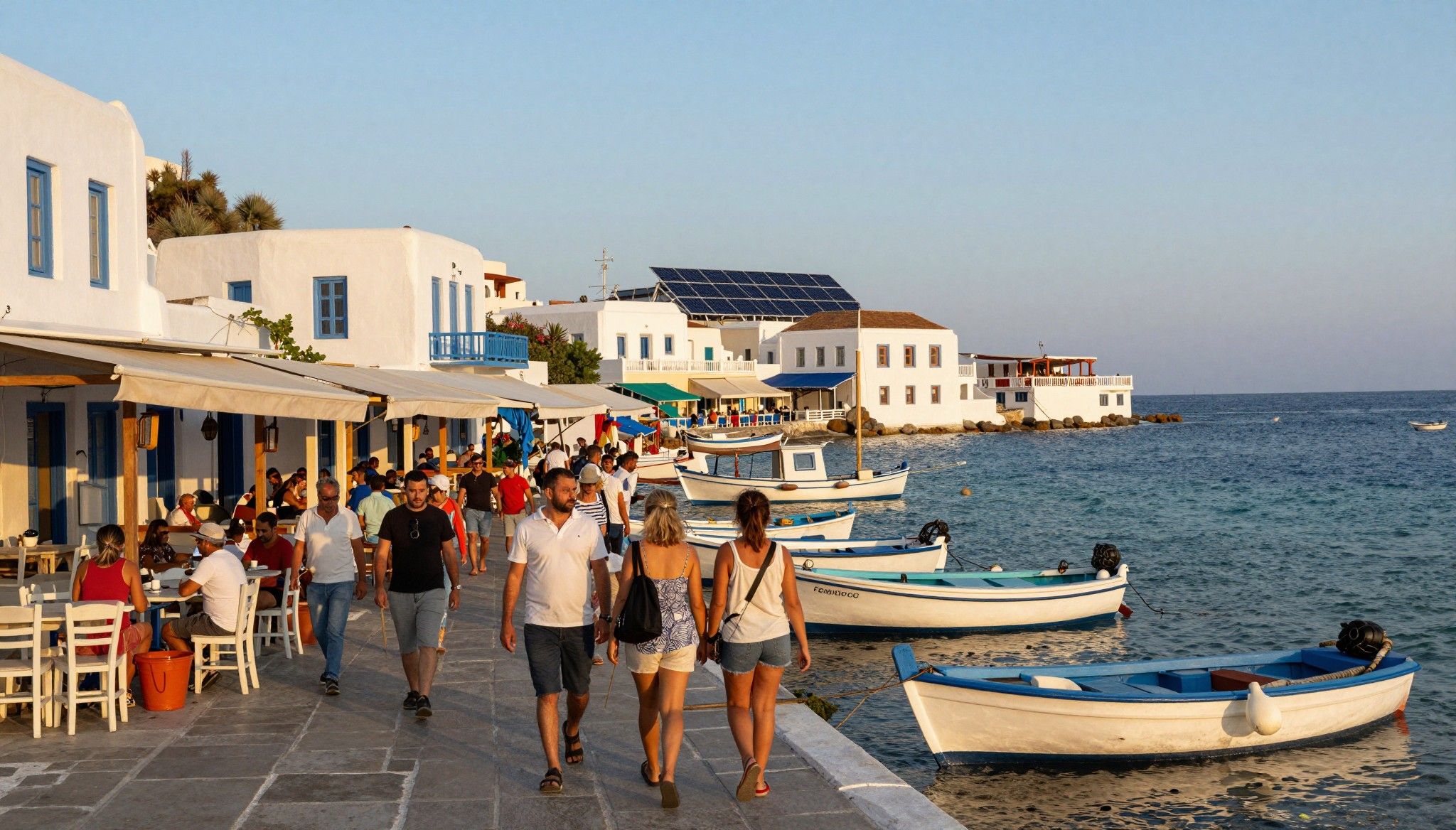
To love Croatia is to live its seasons. Winters in Zagreb have a gentle hush and lively covered markets; spring brings wildflowers over stone walls in Istria; autumn delivers truffle hunts and harvest festivals; and summers unfurl into busy seaside life. Each season reshapes what a neighborhood feels like, from the near-empty lanes of Hvar in November to the bustling terraces in July. If you want a home that breathes with nature and community, you’ll watch how places shift across months, not only across Instagram posts.
Neighborhood snapshots that surprise
Zagreb’s Donji Grad hums with cafés, student energy and compact parks — it feels like a city that pauses for a long market lunch. In Dalmatia, Split’s Veli Varos and Meštrović promenades combine daily local life with quick access to the sea, while quieter inland towns such as Sinj offer oak-shaded streets and a slower pace. Istria’s Rovinj mixes Italianate alleys and artisanal food stalls, and tiny island villages on Brač or Vis reward those seeking solitude. Each microplace has its own tempo; picking the right tempo matters more than picking merely 'coast' or 'city.'
Food, markets and weekend rituals
Weekends often begin at open-air markets: in Split’s Pazar you’ll pick herbs and fresh fish, in Pula the farmers bring cheeses and chestnuts, and in Dubrovnik small stalls sell figs and local olive oil. These markets are the pulse of sustainable living here — seasonal produce, small-batch wine and direct relationships with producers. If you picture a life of farm-to-table breakfasts and weekly market conversations, seek properties with easy market access, a kitchen garden or a sunny terrace for drying herbs.
- Lifestyle highlights to look for when visiting (actual places)
- Morning espresso at Kavana Katapult (Split) and an afternoon stroll through Diocletian’s Palace lanes
- Saturday markets at Dolac (Zagreb) or the Pazar (Split) for seasonal produce and household connections
- An Istrian truffle hunt or a Pelješac wine tasting to understand local food economies and land stewardship
Making the move: practical considerations
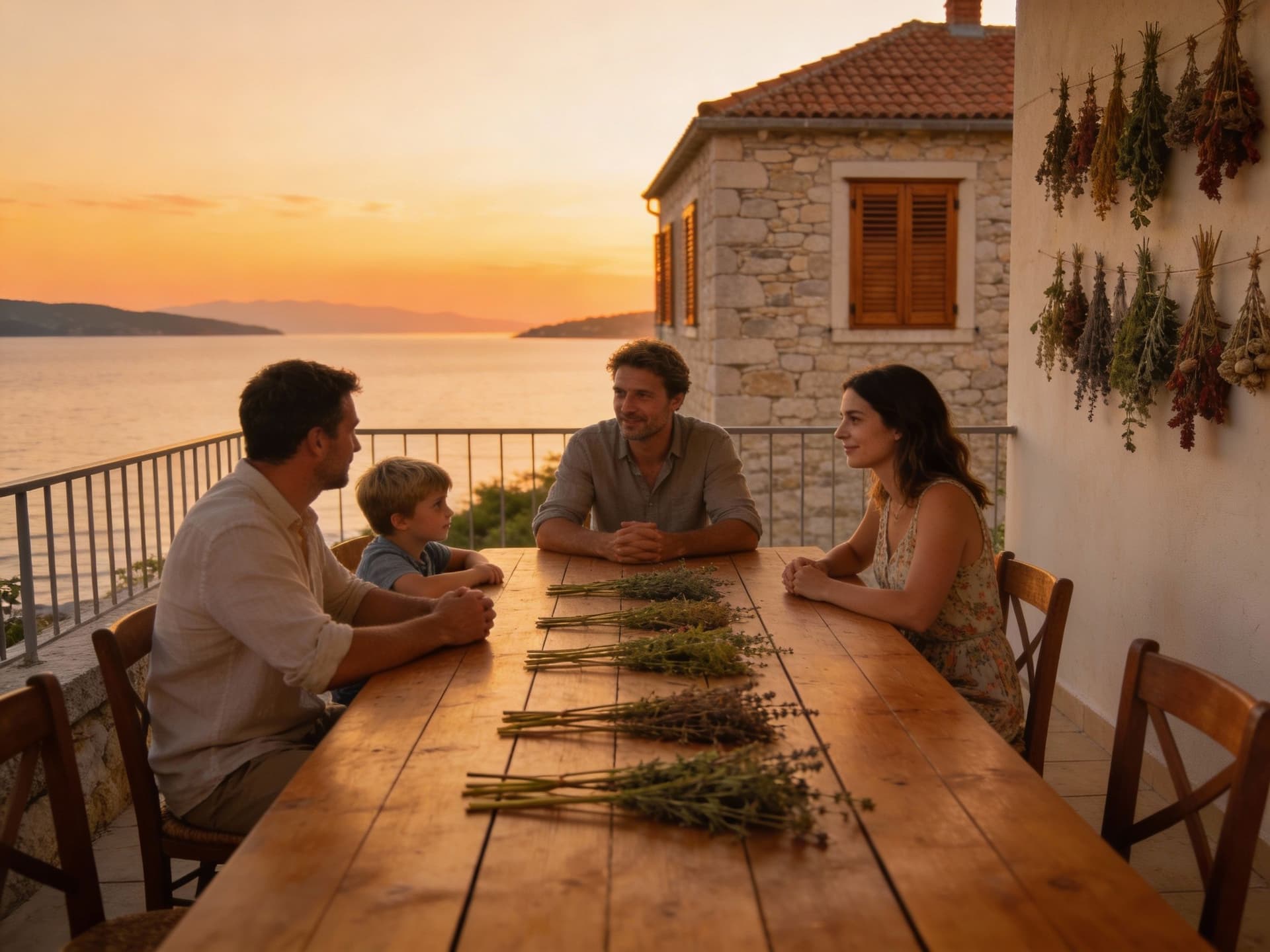
Summer shows the postcard Croatia — full restaurants, busy ferry lines and near‑instant offers on appealing seafront apartments. Yet market data tells a different cadence: coastal prices have climbed strongly and transaction volumes can slow as new taxes and regulations take effect. Reports from market analysts note double-digit year-on-year growth in recent quarters, concentrated in Istria, Dalmatia and Zagreb, so timing and price expectations must be grounded in current data rather than holiday impressions. Use authoritative snapshots when planning a purchase to avoid summer-induced pricing noise.
Property styles and how they shape life
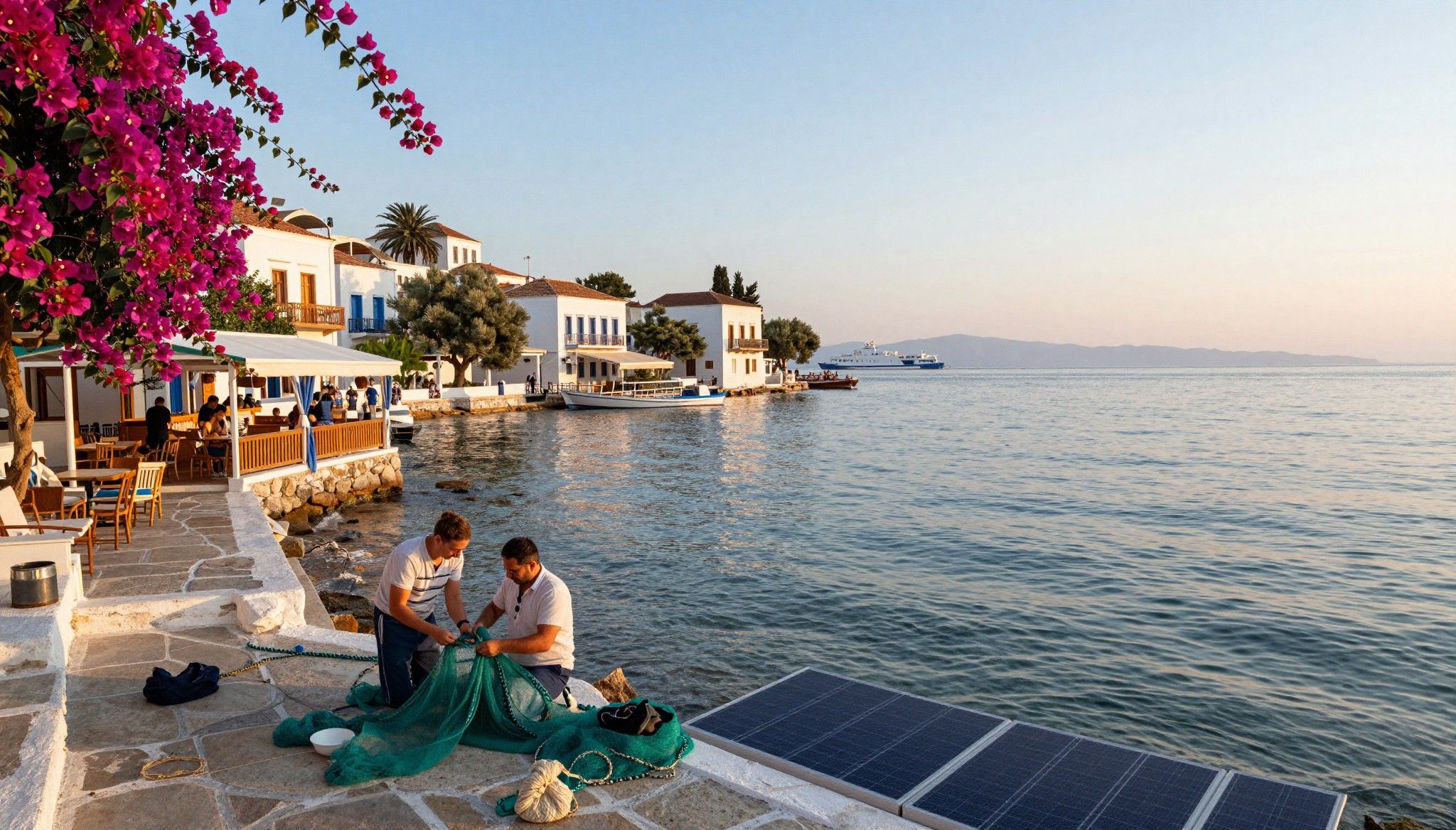
Stone houses with shutters and small courtyards offer cool summer retreats but require attention to humidity and insulation in winter. Modern apartments in Zagreb or new builds in Istria deliver better thermal performance and often include solar-ready roofs, while island houses reward those willing to manage logistics for utilities and maintenance. Think about how each property type supports year-round living: good ventilation and passive cooling for warm months, insulation and efficient heating for colder seasons, and durable materials that respect the coastal climate.
Working with local experts who know the rhythm
A local agent who lives with the seasons will introduce you to off-season realities, municipal rules and the reciprocity checks that matter for non‑EU buyers. Croatia’s purchase process involves consent steps for some foreign nationals; the Ministry of Justice maintains an updated reciprocity table that directly affects who can buy and where. Good advisors will also explain new property taxes and exemptions that impact second‑home economics, and will help you assess whether a coastal villa or inland farmhouse aligns with both your lifestyle and legal pathway.
- Practical steps blending lifestyle and process
- Visit outside peak season (April–June or September–October) to test everyday life — markets, transport and neighborhood quiet.
- Ask an agent for municipal tax rules and recent local sale comps rather than relying on summer asking prices.
- Confirm reciprocity requirements early if you’re a non‑EU national; begin Ministry of Justice checks before offering.
- Include inspections for damp, salt corrosion and insulation in coastal homes; consider energy upgrades as negotiation points.
Insider knowledge: what expats wish they'd known
Expats often arrive enchanted by summertime scenes and then discover the quieter months are where community actually lives. Many tell us the same regret: buying on the basis of a sun‑drenched week without checking winter services, school commutes or local maintenance culture. Recent policy shifts toward taxing vacant and short‑term rental properties also change the math for second‑home investors and conscientious buyers who want to support local housing resilience. Knowing these policy trends before you commit helps you choose a property that both fits your life and contributes to community wellbeing.
Language, rituals and finding your people
Croatian is beautiful and practical to learn at a conversational level, but many local services use Croatian in official paperwork and public meetings. Expat communities gather in predictable places — international schools in Zagreb, sailing clubs in Split, and seasonal cultural festivals in Istria — and these form the quickest path to feeling rooted. Make an early effort to meet neighbours at markets or church festivals; the social currency of shared food and seasonal work creates more durable bonds than online forums.
Long-term life: stewardship and adaptation
Think of the house as part of an ecosystem: olive groves, terraces and local water patterns require ongoing stewardship. Buyers who invest in solar readiness, regenerative gardens and rainwater strategies find their homes fit more naturally into local life and cost less over time. Local craftsmen often use breathable lime plasters and stone repairs that age beautifully — prioritise local materials and trades in restorations to keep the house environmentally and culturally connected to place.
- Red flags and seasonal traps to avoid
- A property advertised as 'year-round access' but with a ferry that runs only in summer — test transport schedules in low season.
- Assuming summer prices equal fair market value — coastal asking prices spike with tourist demand and can flatten off-season.
- Overlooking municipal rules on second‑home taxes or short‑term rentals; check local council policies before offering.
If you take just one thing from this piece: visit Croatia across seasons, pair sensory discovery with current market data, and work with advisors steeped in both local life and legal reality. An agent who knows where the baker is open in January will guide you to places that feel alive year‑round, not just in photos. Start with a short off‑season stay, ask for recent municipal tax notices and recent comparable sales, and let summer be the romance — not the decision.
British expat who traded Manchester for Mallorca in 2017. Specializes in guiding UK buyers to luxury Spanish estates with clear navigation of visas and tax.