Limassol Isn’t the Only Answer: Affordable Green Alternatives in Cyprus
Fall in love with Cyprus’ sunlit rhythms — then buy with eyes open: regional price data, foreign‑buyer permissions and eco‑retrofit potential reveal where real value hides.
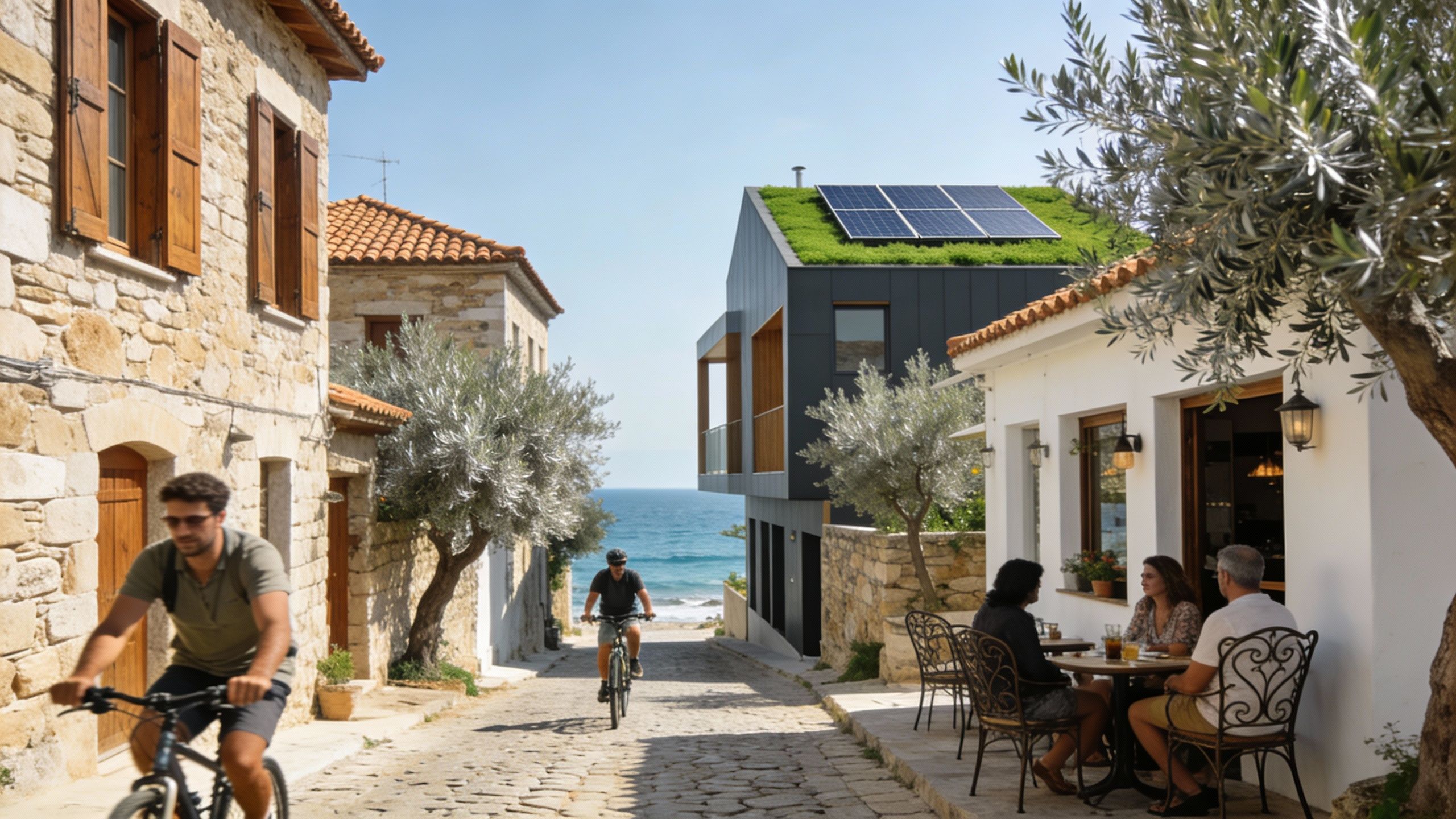
Imagine waking to the smell of cinnamon from a Nicosia bakery, cycling narrow lanes in Lofou village, then ending your day with a windswept sunset at Lara Bay. Cyprus moves at a gentle, sunlit pace — olive trees, neighbours who know your name, and a coast that hums with seasonal life. Yet behind that postcard calm sits a market changing quietly: prices rising in places, cooling in others, and opportunity hiding in neighbourhoods people overlook. This guide pairs the island’s lived, sensory charm with the concrete steps international buyers need to make an eco-conscious, well-timed purchase.
Living Cyprus: light, rhythm and neighborhoods
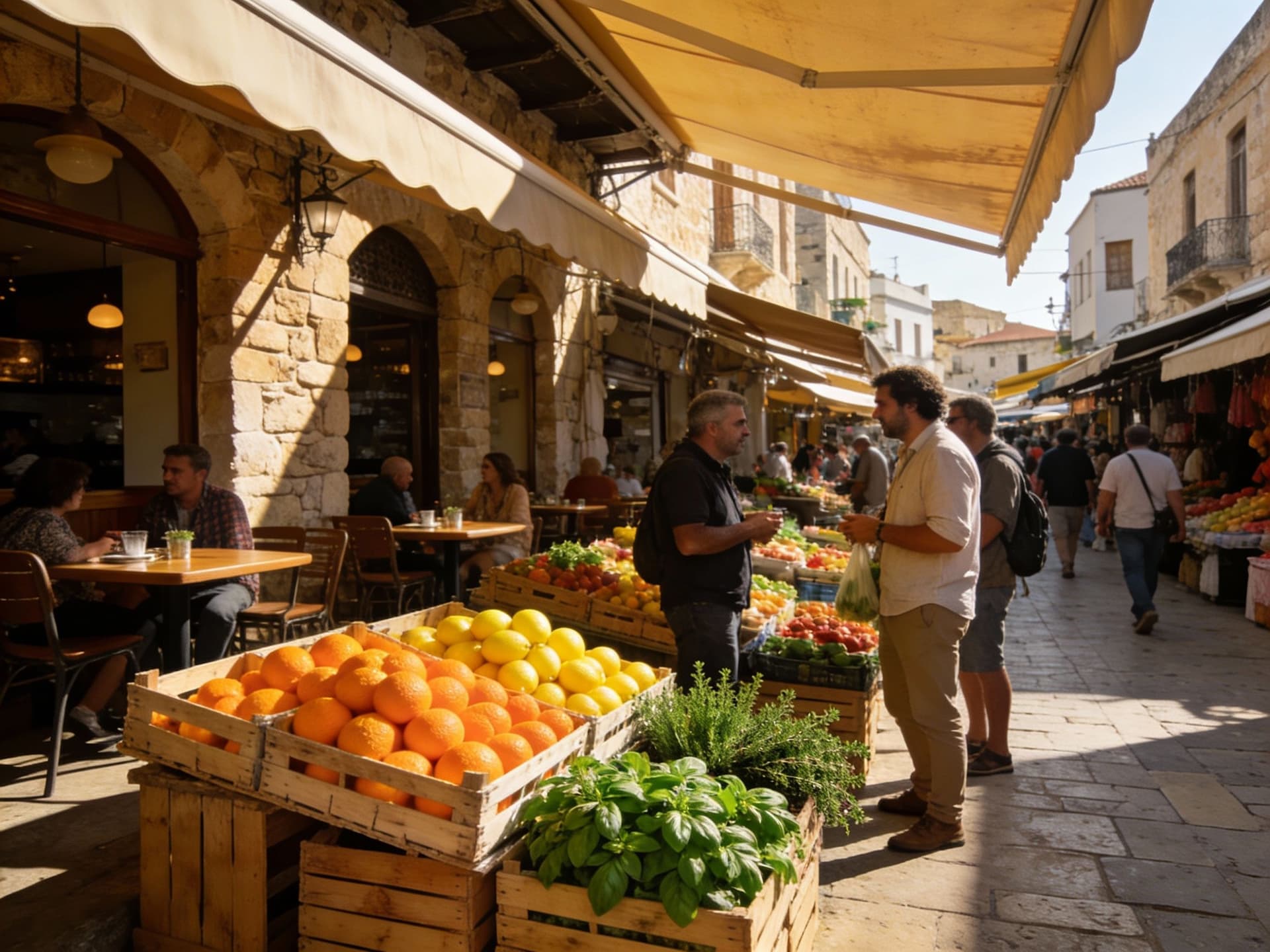
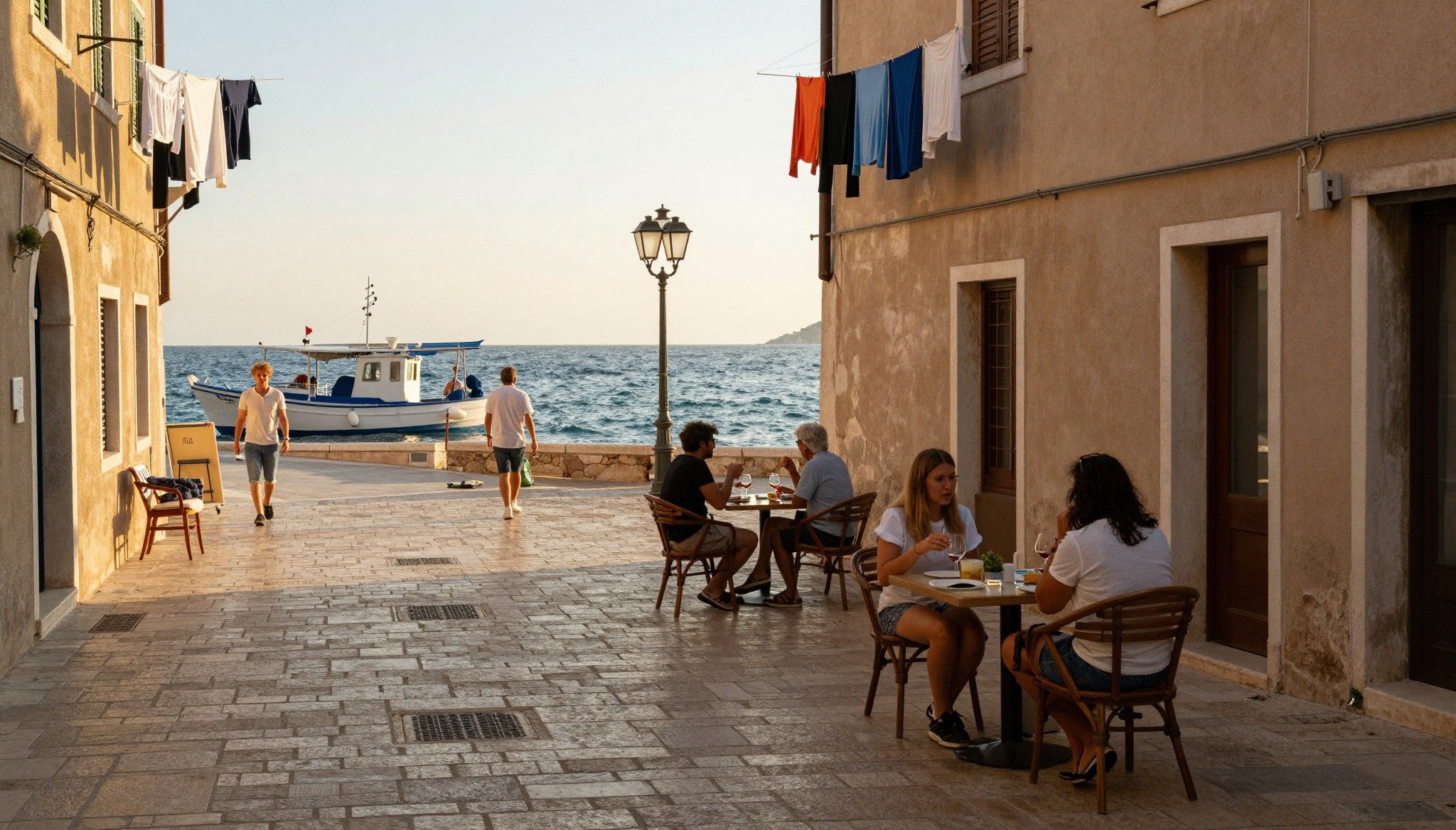
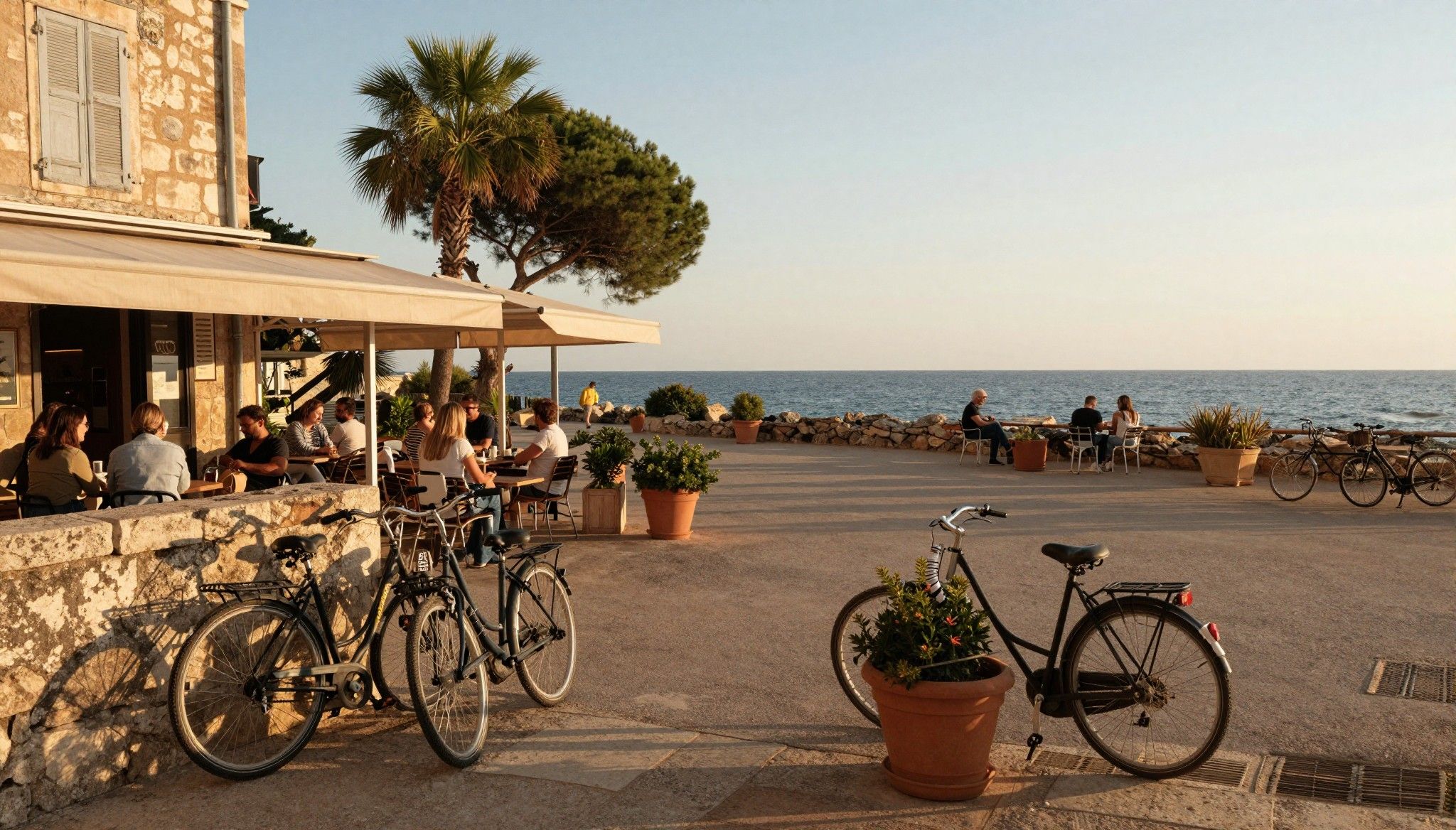
Cyprus is less a single lifestyle than a handful of distinct ones. Limassol pulses with cafes and yachts, Paphos feels village‑scaled and tied to archaeology, Larnaca hums with accessible beaches and a slow city energy, while the Troodos mountains offer pine-scented winters and stone houses built for shade. Your daily life — whether morning espresso on Anexartisias Street, market bargaining in Omodos, or weekend swims at Kourion — will be shaped by micro-neighbourhood habits more than by the country as a whole.
Limassol's coastal energy and surprising green pockets
Limassol often steals the headlines — high transaction values and luxury developments — but dig a street or two inland (from the marina toward Agios Athanasios or across into the Old Town lanes) and you'll find older stone homes, shaded courtyards and smaller plots ripe for sympathetic renovation. These pockets offer lower price-per-square-metre than seafront towers and a chance to buy into community fabric rather than a cookie‑cutter development.
Paphos, Larnaca and the mountain contrast
Paphos has seen strong demand for detached houses and holiday villas, while Larnaca offers quieter coastal living with growing connectivity. Troodos villages give a different tempo: better summer cooling, local stone construction and community gardens. The Central Bank's recent data shows house price growth varies by district, so matching the neighbourhood mood to the right property type is a first smart move for buyers seeking value and sustainability.
Making the move: property types, permissions and green thinking
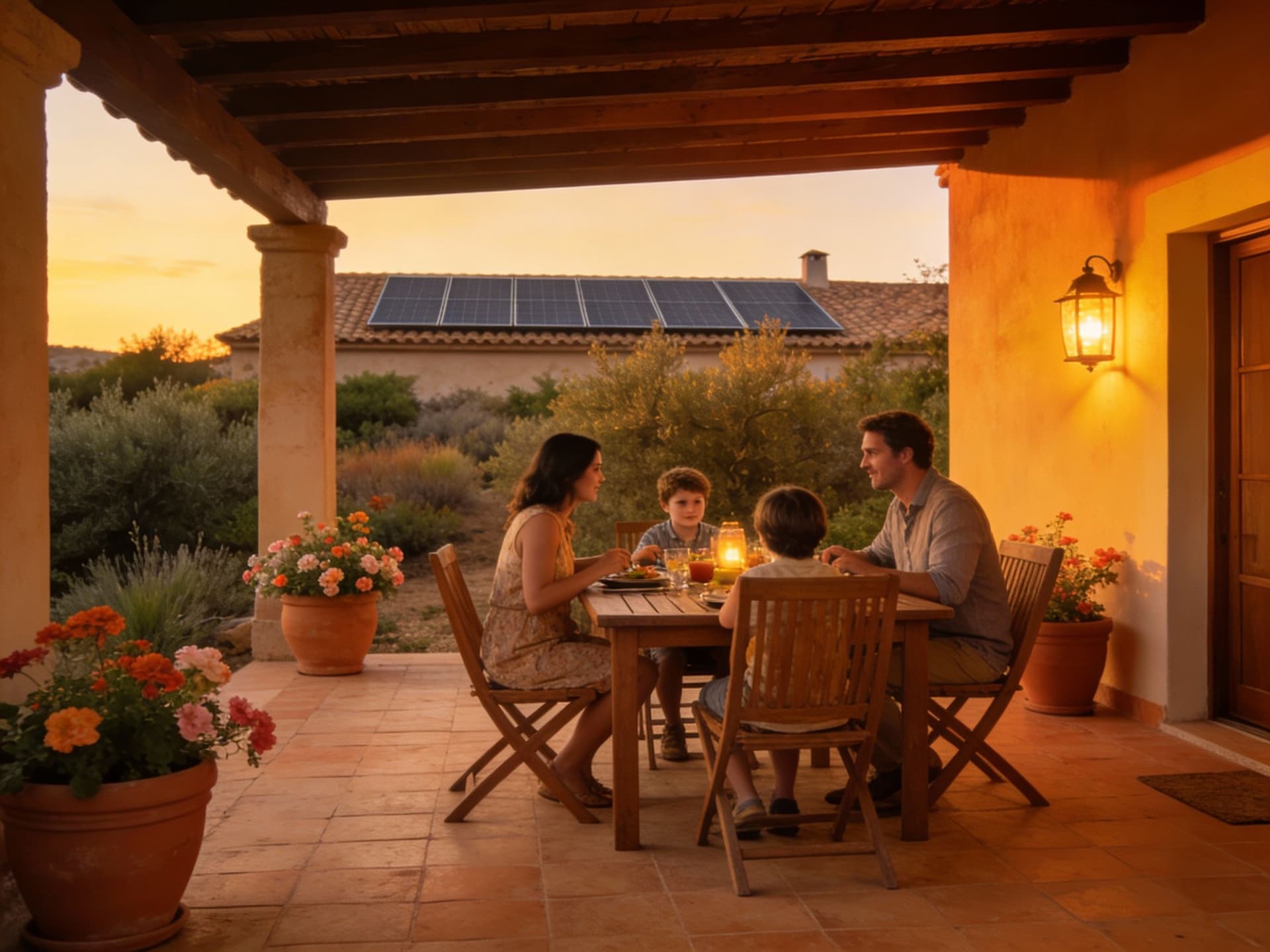
The dream (sunlit terrace, courtyard fig tree) meets paperwork quickly in Cyprus. Non‑EU buyers need district administration permission before transfer; developers’ new builds often attract VAT rules that affect transfer fees; and local building practice — thick stone walls, north‑facing verandas — already contains sustainable wisdom. Read the rules, but also look for properties that lower future running costs: south‑facing glazing with shade, room for solar panels, native landscaping and rainwater capture.
Property styles and how they shape daily life
A coastal apartment buys you sea mornings and low maintenance, but often higher communal energy costs and denser development. A village stone house gives thermal mass and a garden for fruit trees, but may need insulation upgrades and modern plumbing. New eco‑oriented builds can offer heat pumps and PV readiness, yet sometimes ask a premium. Think about how you want to live across seasons — shade in summer, sunny patios in winter — and prioritise the property features that reduce energy use and deepen your connection to place.
Working with local experts who care about sustainability
Choose agents, architects and lawyers who speak both the language of place and of performance. A local architect can suggest passive cooling moves for a Troodos renovation; an agent embedded in a village will know which lanes flood in autumn; a conveyancing lawyer will ensure vendor title is clean and that permissions for foreign buyers are in place. Ask professionals early about PV permits, planning restrictions for protected landscapes, and potential to convert roof space for insulation.
Practical lifestyle+property checklist
Look for south-facing living areas with operable shading; verify vendor title and foreign-buyer permission; check roof orientation and space for solar; ask about water storage and native garden potential; budget for insulation and heat‑pump retrofits.
Insider knowledge: myths, timing and what expats wish they'd known
Myth: "Limassol is the only safe bet." Reality: Coastal headline markets attract attention, but value often lies one or two streets inland where older homes and smaller plots allow eco‑sensitive renovation. Myth: "Summer is best to house‑hunt." Reality: visiting in spring or autumn shows true year‑round life — quieter streets, local markets in full swing and clearer insight into heating, shade and wind. Also, understand transfer fees, stamp duty and VAT choices early; they materially change the numbers.
What expats commonly miss (and how to avoid it)
1. Underestimating seasonal ventilation needs—ask about cross‑breeze, not just view. 2. Skipping the roof — solar and insulation potential are a long‑term saving. 3. Assuming developer warranties cover everything — verify finishes and systems. 4. Ignoring neighbourhood rhythms — weekend markets, church bells, school runs shape life.
Timing & market signals
Recent data shows strong transactional value and district variation: Limassol accounts for a large share of value while districts like Paphos and Larnaca show different momentum. These signals mean opportunity can appear in counter‑intuition places — inland Limassol lanes, rising Larnaca pockets, or mountain villages poised for eco‑focused renovation. Use district RPPI trends and transaction reports to time inspections and negotiations.
Negotiation tactics with lifestyle in mind
Request evidence of energy bills for the last two years; propose phased renovation credits rather than lower price; offer flexible closing dates that respect local seller seasonality; ask for native-plant landscaping in lieu of expensive hardscaping.
Conclusion: feel the life, follow the facts
Cyprus rewards buyers who listen to place: choose a neighbourhood’s rhythm over its Instagram shot, prefer thermal comfort over a picture‑perfect balcony, and favour agencies who can translate local customs into sustainable, legal certainty. If you want mornings in a small bakery, summers at a near-empty cove, and a home that treads lightly on the island, start by visiting in shoulder season, identify a few inland pockets with green potential, and bring a local team that knows permits, title checks and ecological retrofits.
Next steps: three practical actions
1. Schedule a shoulder‑season visit (April/October) to feel everyday life; 2. Commission a local conveyancing lawyer to check District Administration permission and title; 3. Ask agents for an ‘eco‑potential’ note: roof orientation, garden space, and insulation needs.
British expat who traded Manchester for Mallorca in 2017. Specializes in guiding UK buyers to luxury Spanish estates with clear navigation of visas and tax.