Cyprus: Sunlight, Stone and Smart Eco Steps
Fall in love with Cyprus’s sunlit rhythms while making eco‑smart property choices — from solar roofs to village stewardship, backed by recent market data.
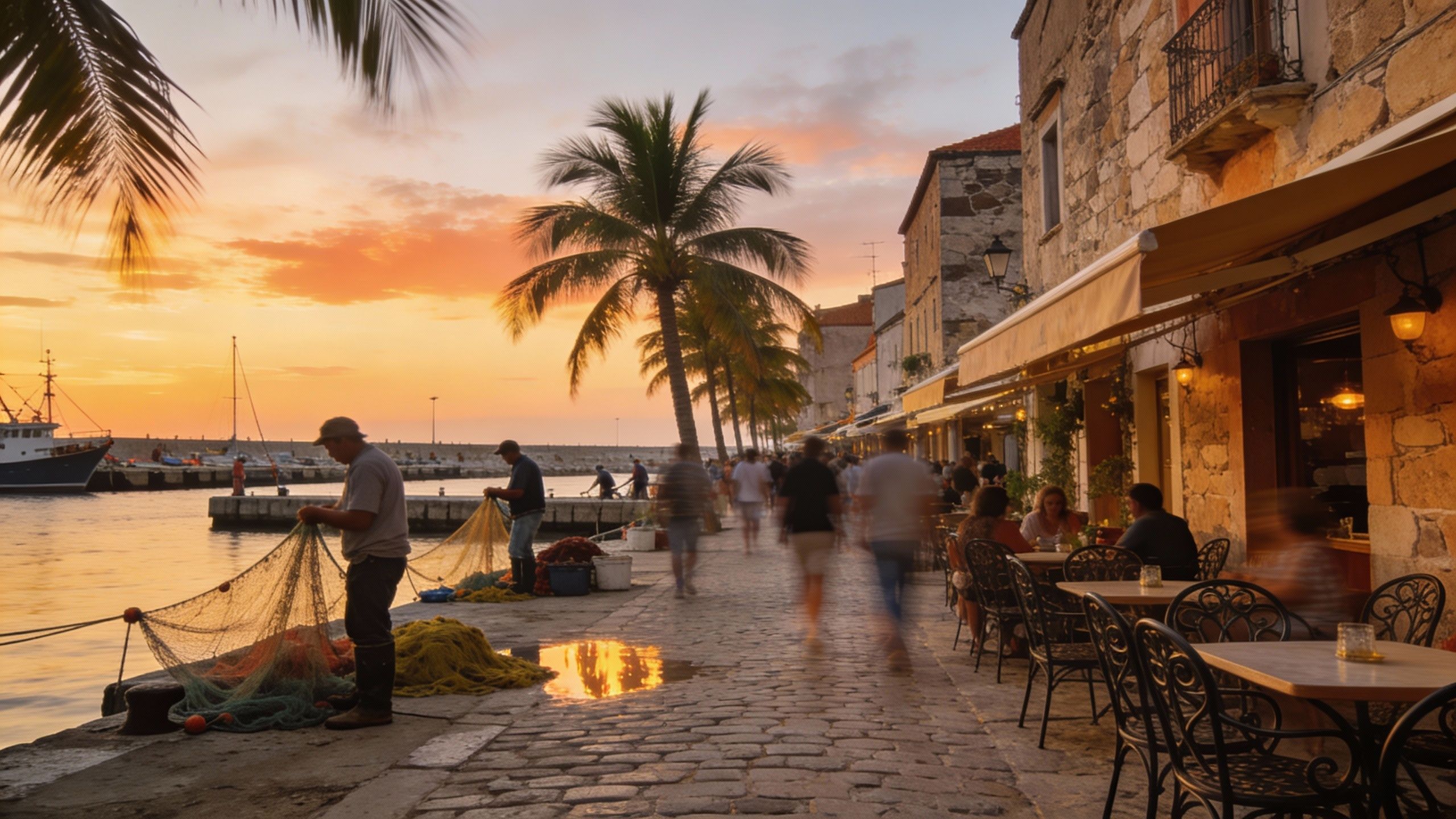
Imagine waking to the washed‑stone light of a Cypriot morning: the smell of espresso from a nearby kafeneio, bougainvillea spilling over a low stone wall, and a slow, deliberate pace that lets the sea dictate the day. For many international buyers the island begins as a postcard — sunlit beaches, hilltop villages and rambunctious market days — but becoming a resident here means learning how seasons, solar habits and local customs shape daily life and the practical choices you make about a home.
Living Cyprus: the rhythms that sell the dream
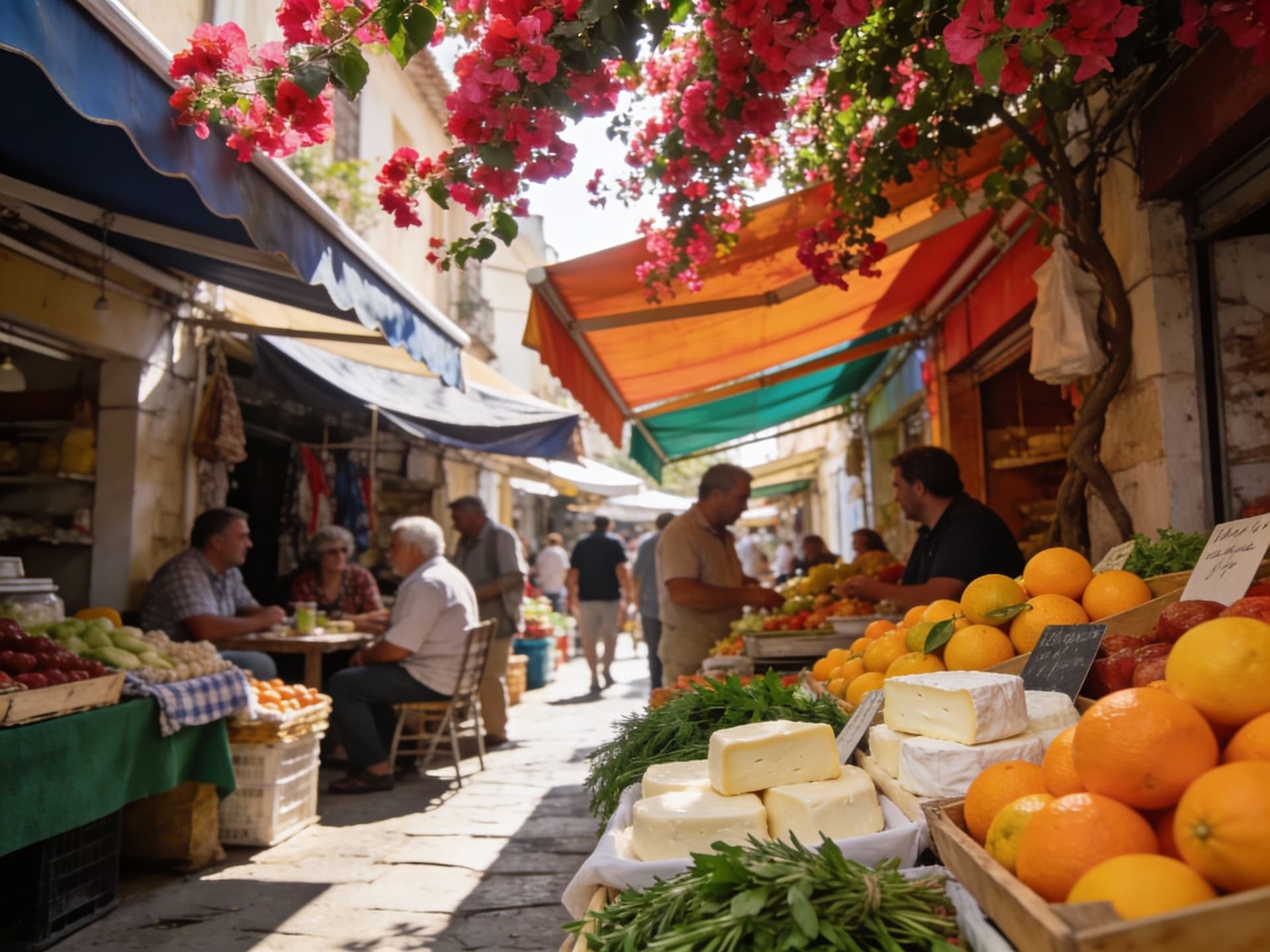
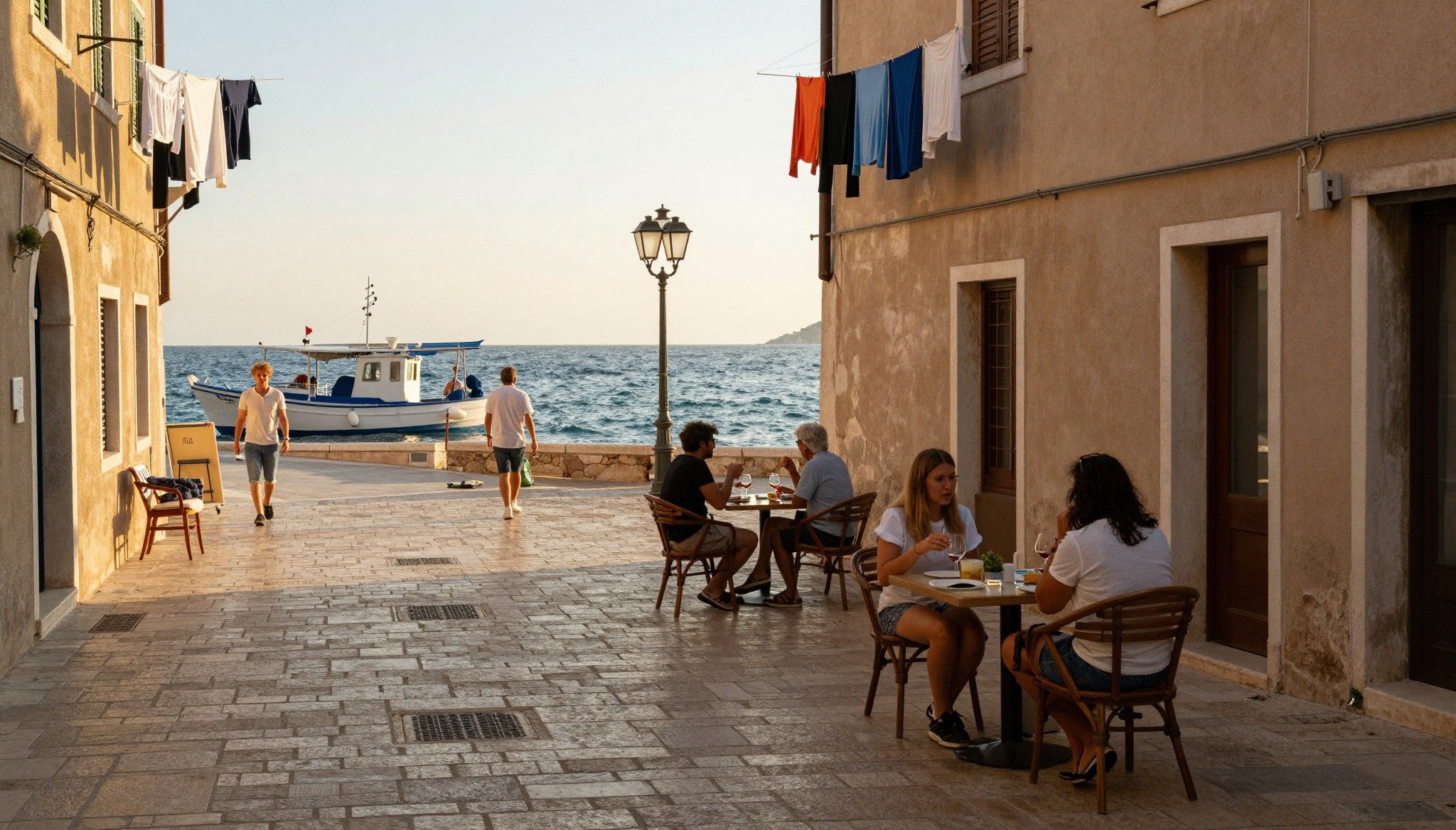
Life in Cyprus is tactile and seasonal. Mornings in Limassol’s old port bring joggers, fishermen mending nets and cafes pouring thick espresso; late afternoons pull families to Larnaca’s Finikoudes promenade for an ice cream and long conversation. Inland, in villages such as Omodos and Lefkara, Sundays mean church bells, olive oil tastings and neighbors bringing produce to share. These are the everyday textures buyers fall in love with — and they matter when you choose a property whose layout and orientation support the life you want.
Coastlines and towns: Paphos, Limassol, Larnaca
Paphos keeps drawing city‑weary buyers for its historic harbor, slower pace and pockets of renovated stone houses — it also shows up in statistics as a hotspot for foreign purchasers. Limassol hums with cosmopolitan life, marinas and business energy, while Larnaca blends airport convenience with seaside calm. Each district’s character influences resale desirability, rental potential and the daily rhythm you’ll inhabit; visit a neighborhood at breakfast and again after dark before you decide.
Food, markets and the social calendar
Picture the weekly fruit market in Nicosia with citrus, halloumi stalls and sun‑warmed tomatoes stacked in rustic crates. Dining here is communal — mezze plates arrive in a flurry, and evenings stretch into the night under paper lanterns. For eco‑minded buyers, small producers and cooperative farms around the Troodos foothills offer a chance to live farm‑to‑table while supporting biodiversity and local craft.
- Weekend and lifestyle highlights: • Morning espresso at Anexartisias Street cafés in Limassol • Sunset swims at Coral Bay, Paphos • Farmer’s market in Larnaca on Saturdays • Olive‑press visits and wine tastings around Troodos • Village festivals (panigyria) in late summer • Coastal walks along Akamas Peninsula
Making the move: where lifestyle meets the property process
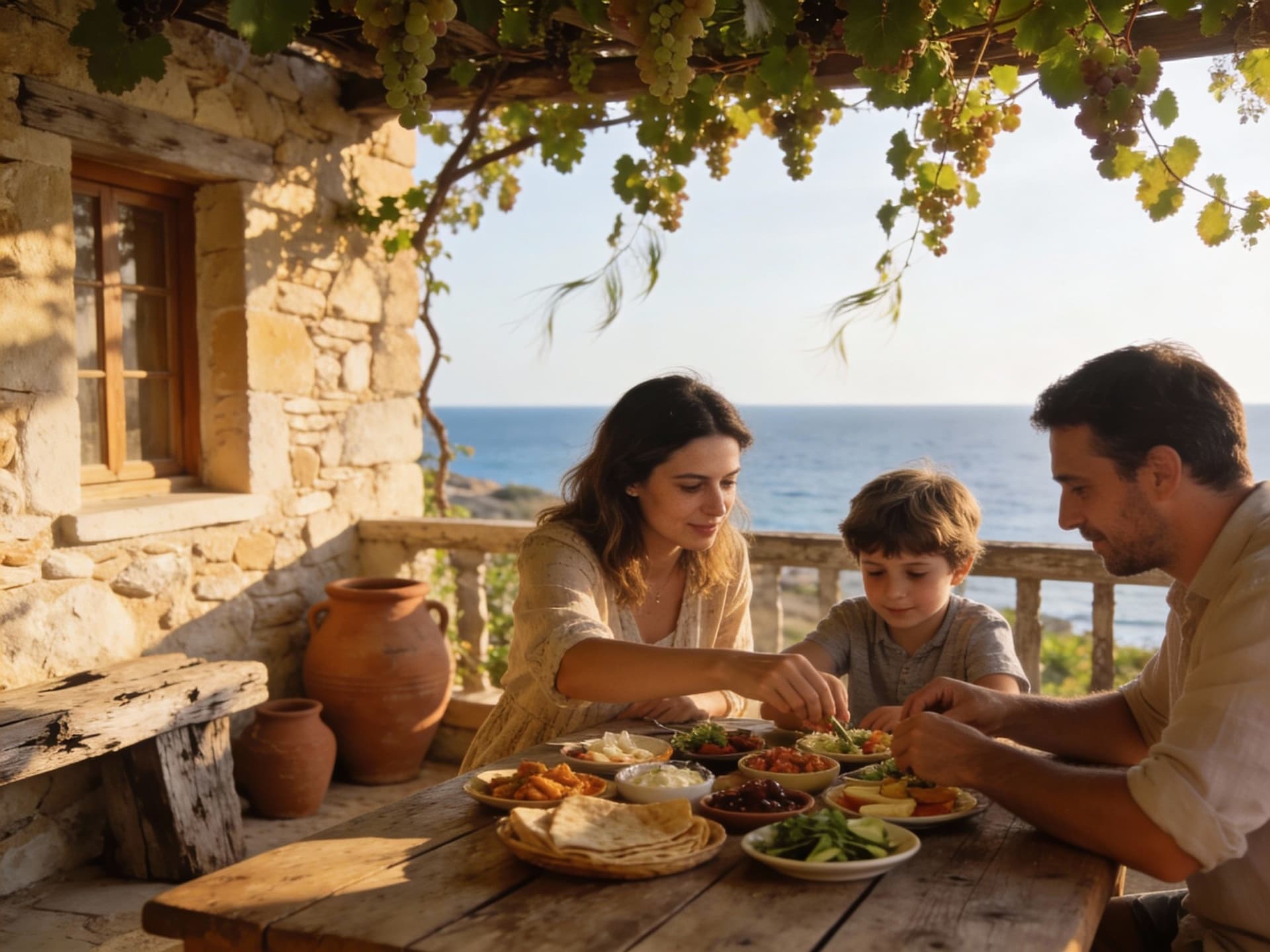
Your house should be inseparable from how you plan to live. That means considering orientation for cooling breezes, roof capacity for solar thermal or PV, outdoor rooms for long evening meals, and a layout that supports both privacy and open‑air living. Those lifestyle choices also affect market practicality: coastal apartments behave differently as holiday rentals than stone village houses suited to long‑term living and regeneration projects.
Property styles and how they shape daily life
Modern seaside developments offer amenities and low‑maintenance landscaping, but they sometimes lose the layered character of a traditional townhouse or restored farmhouse. If you want year‑round life, look for homes with cross‑ventilation, shaded terraces and mature trees. For buyers wanting low running costs, properties with existing solar thermal systems or south‑facing roofs are practical wins in Cyprus’s sunny climate.
Working with local experts who understand place
A good local agent is part guide, translator and seasonal planner. They’ll show you the morning sun path for a terrace, introduce you to a local plumber who understands old lime mortars, and explain permit realities. Because foreign buyers account for a large share of transactions — often around 35–40% in recent years — experienced agents can help you see beneath listings to the lived potential of a home. Always ask for examples of similar clients they’ve supported through closing and post‑purchase stewardship.
- Practical steps blending lifestyle and process: 1. Visit at least twice, in different seasons, to feel daily rhythms. 2. Check roof orientation and existing solar systems for year‑round savings. 3. Ask for neighbours’ views about winter wind and summer shade. 4. Confirm water supply and irrigation options for gardens. 5. Hire a local surveyor and an agent familiar with expat transactions.
Insider knowledge: the expat truth and sustainability surprises
Expats often tell a similar story: they fell for the light and community, then learned fast about practical local systems — like how nearly every roof has a solar water heater and why that matters for bills and planning. Embracing existing local sustainability systems is usually cheaper and more effective than installing high‑tech solutions that don’t match Cypriot building traditions.
Cultural codes and daily integration
Language is useful but not essential; English is widely spoken in business and hospitality. What matters socially is participation: attend a panigyri, shop at local markets and accept invitations to community meals. These small acts open doors to trusted tradespeople and reliable neighbourhood intelligence — invaluable when you’re restoring stonework or negotiating a long‑term rental.
Long‑term lifestyle and stewardship
Think beyond purchase: a home that supports biodiversity and uses local materials will age more gracefully and cost less to maintain. Ask how a property manages water in dry months, whether native plants are used in landscaping, and if there’s scope for small‑scale food growing. These choices support long‑term living and connect you to the island’s rhythms.
- Red flags and realistic risks to watch for: • Unclear title history or missing cadastral registration • Properties without solar thermal or evidence of insulation in hot zones • Unsealed water rights or unreliable supply in rural areas • Overly manicured developments that lack community integration • Sellers resisting a professional structural survey
- A short, realistic checklist before offers: 1. Confirm title deeds and cadastral registration with a solicitor. 2. Review recent local sales (same street/area) to calibrate value. 3. Inspect solar and water systems; get repair quotes if needed. 4. Meet neighbours and ask about seasonality and noise. 5. Factor in renovation time — stone restorations are slow but rewarding.
Cyprus’s market has been lively: recent official figures show foreign buyers remain a significant share of transactions, and registered sales volumes rose year‑on‑year in 2025. These trends mean competition for well‑located, authentic homes can be brisk, but they also underscore opportunity: if you prioritise sustainable features, local stewardship and a property that fits seasonal living, you’ll find homes that feel like they’ve been waiting for you.
If Cyprus has a promise, it’s this: move slowly at first, lean into local rhythms, and choose a home that makes both everyday living and ecological kindness easy. When you’re ready, work with an agent who knows the villages and the vendors, a solicitor who understands land records, and a local builder who respects traditional materials — and you’ll find a place that feels like an annual return, not just a property purchase.
Dutch property strategist who helped 200+ families find sustainable homes in southern Europe; expert in legal pathways and long-term stewardship.