Croatia: Stewardship‑First Buying Essentials
Fall for Croatia’s coastal light and slow rhythms — plan with reciprocity rules, recent tax shifts and sustainability grants to protect comfort and community.
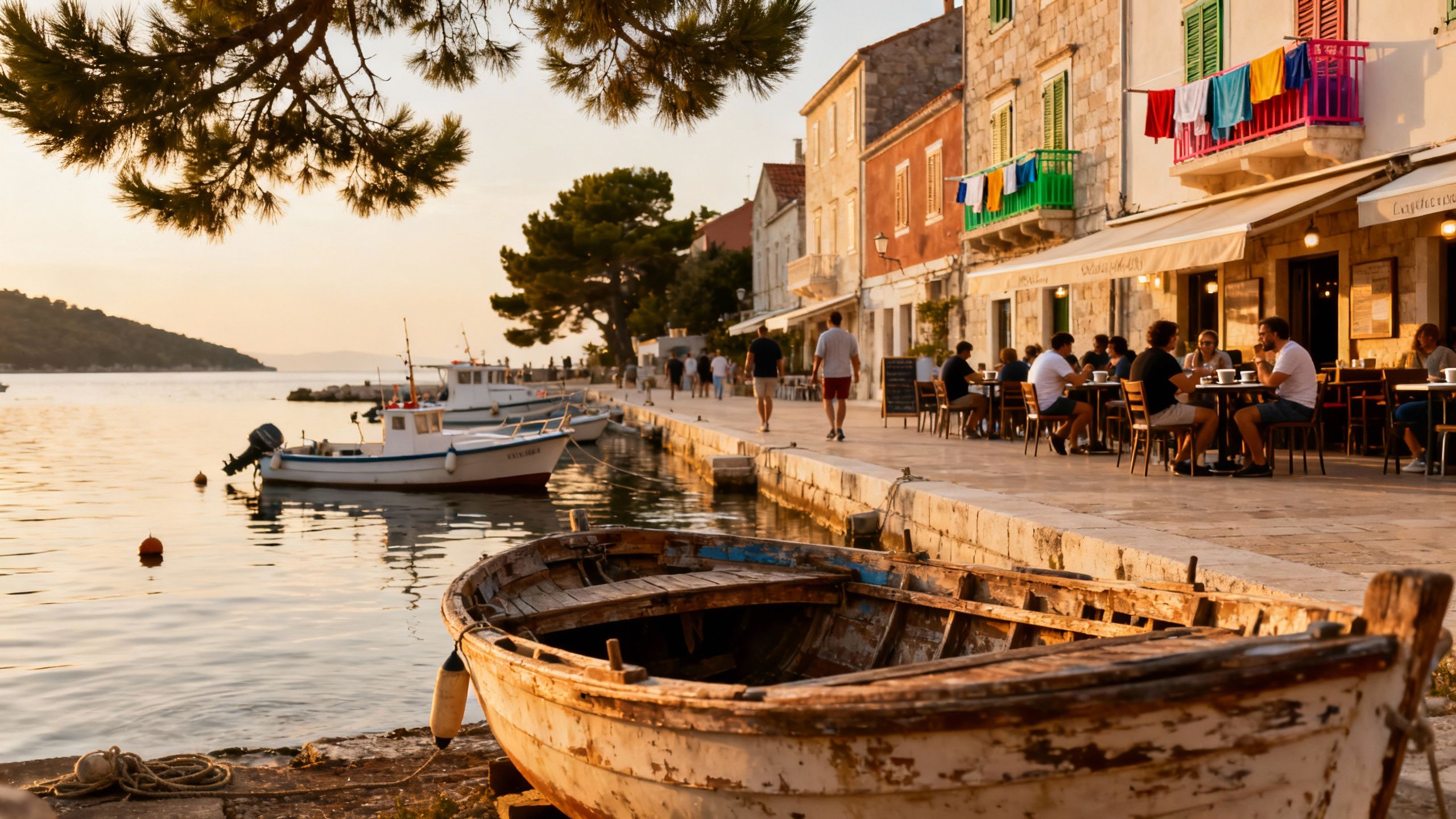
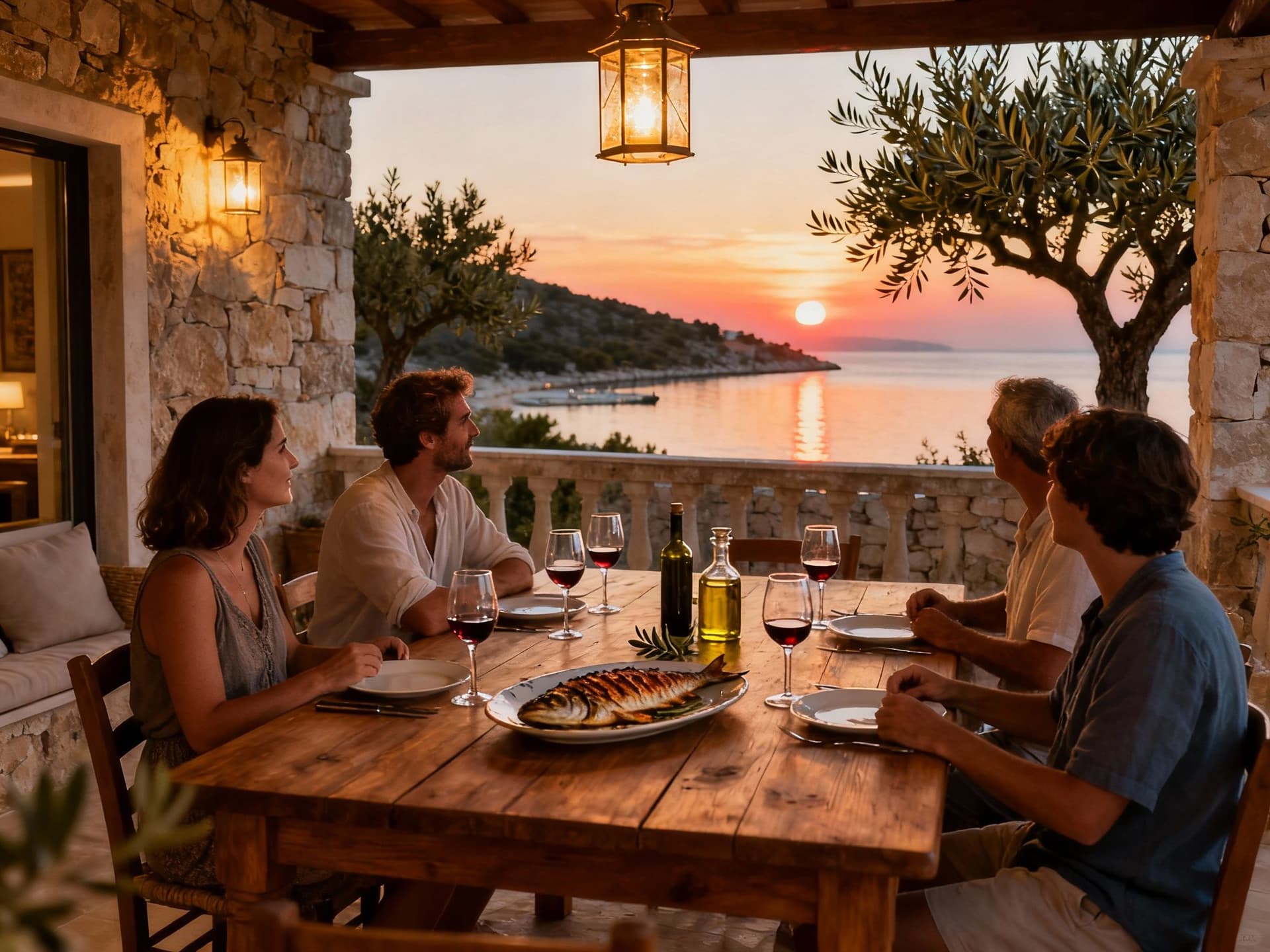
Imagine morning light on a stone terrace in Istria, the smell of grilled sardines drifting from a seaside konoba and a neighbour tending a small olive grove — that bright, slow rhythm is what draws many of us to Croatia. Yet the romantic image often misses the small, practical knots that stop a dream purchase in its tracks. Recent market shifts and new fiscal rules mean international buyers can — and should — fall for the lifestyle while planning carefully. See the market context here.
Living Croatia: daily rhythms, neighbourhood textures
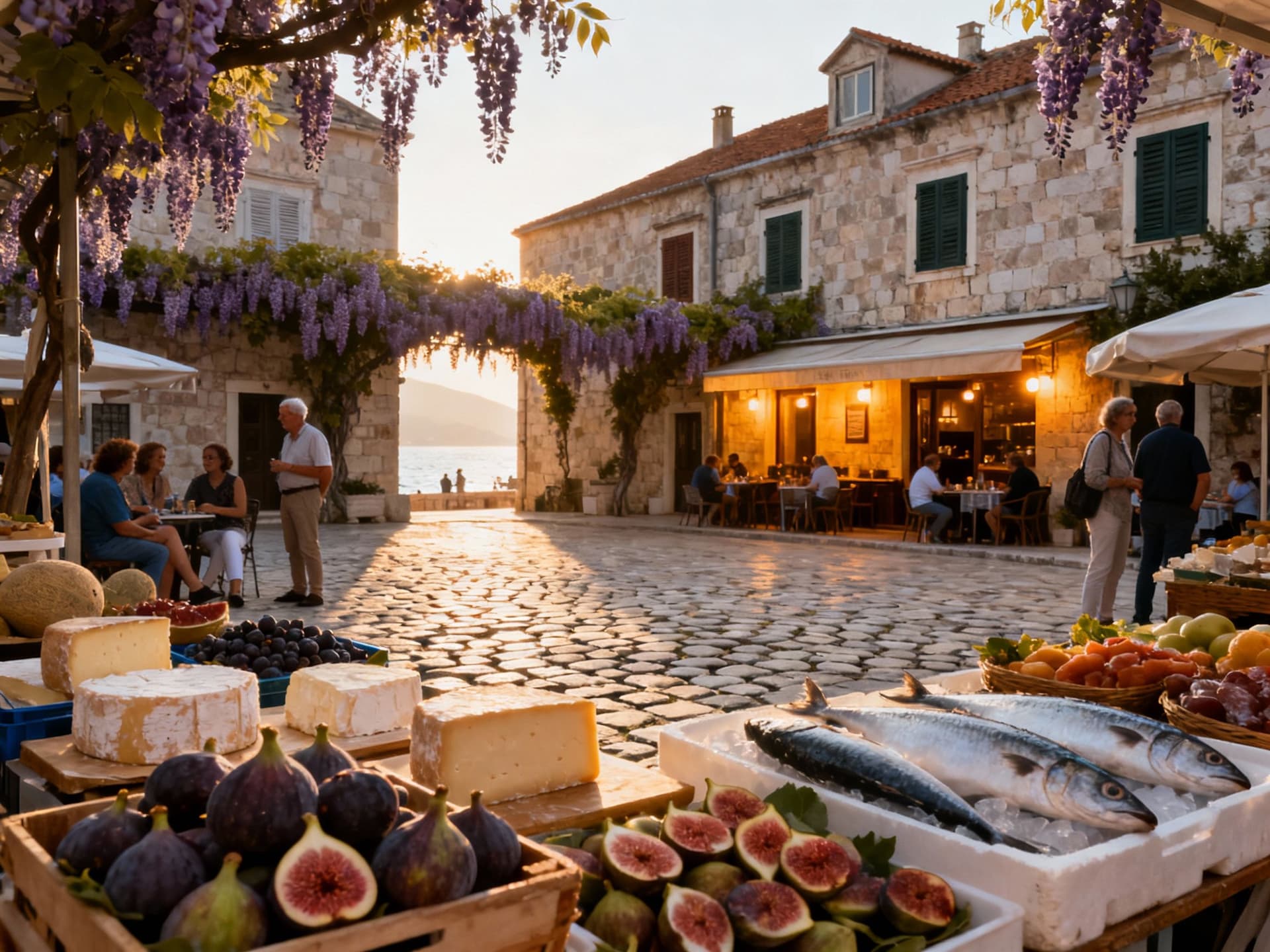
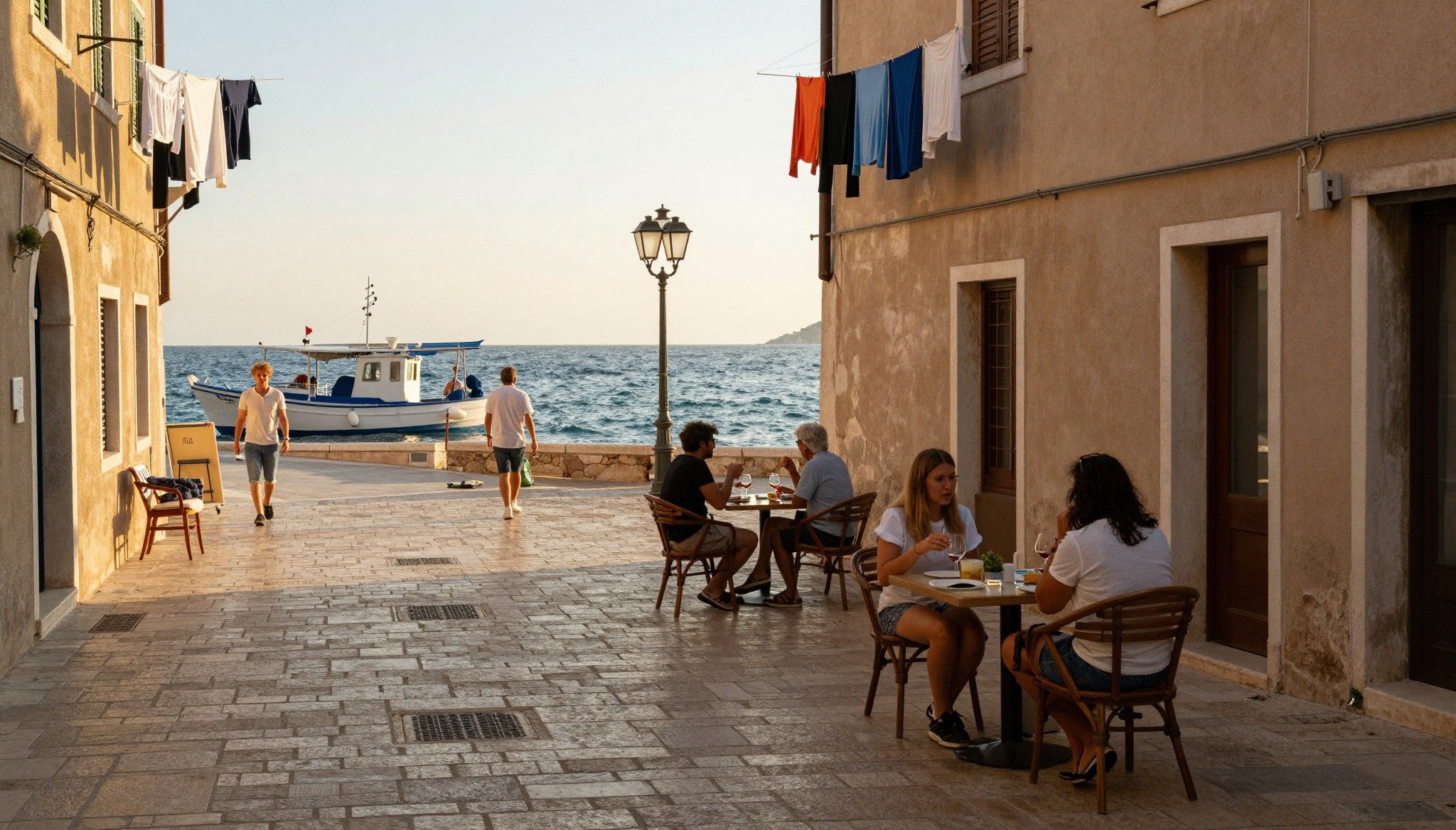
Croatia moves at many speeds. In coastal towns like Split and Rovinj the day begins with espresso at the kafeterija and ends with an aperitif by the harbour; inland, villages around Motovun or the Pelješac peninsula follow agricultural seasons — olive harvest, grape pruning, and market mornings. The result is a patchwork of neighbourhood characters: medieval stone lanes, 19th‑century Austro‑Hungarian promenades, and modernist apartment blocks softened by wisteria and fig trees.
Coastlines and coves: Split, Hvar, Dubrovnik and lesser-known harbours
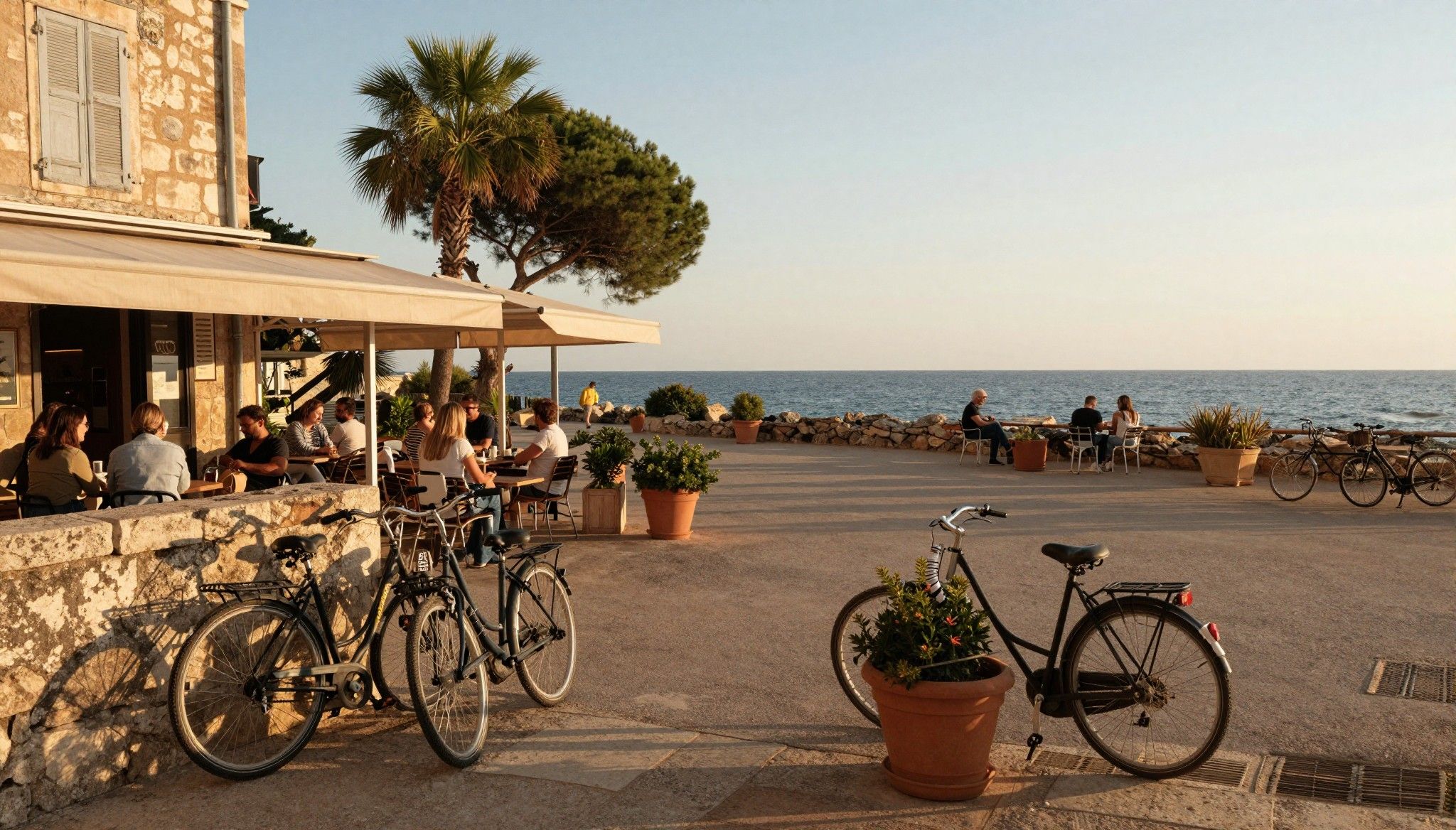
On the Dalmatian coast you’ll hear sea glass underfoot on quiet beaches and find neighbourhoods where fishermen still mend nets at dusk. Split’s Veli Varoš offers narrow alleys, family-run konobas and a neighbourly pulse that feels lived-in, not curated. On islands such as Hvar and Vis, terraces open to lavender-scented winds; smaller ports like Stari Grad keep a calmer pace and better value than headline towns.
Istria & continental pockets: truffles, markets and slow mornings
Istria’s hilltop towns — Rovinj, Motovun, Grožnjan — combine stone houses, forested truffle terrain and lively farmers’ markets where you can buy cheeses and prosciutto at dawn. Inland, Zagreb offers a city rhythm with green parks and a cafe culture that eases transitions for newcomers seeking year-round services without giving up nature.
- Lifestyle highlights to taste before you buy:
- Sip espresso at Split’s Riva at sunrise; explore the fish market behind Diocletian’s Palace
- Walk the truffle trails around Motovun and eat at family konobas in tiny hamlets
- Spend an off‑season week on Hvar or Vis to see the islands’ calmer winter life
- Stroll Zagreb’s Dolac market on Saturday for produce, flowers and a sense of local rhythm
Making the move: practical considerations that protect the lifestyle
Dreams meet paperwork. Recent policy conversations about shifting tax burdens onto property (see market analysis) and continued efforts to register and regulate short‑term rentals have changed the calculus for buy‑to‑let strategies. That matters if you hoped rental income would cover mortgage costs; it’s also an opportunity to choose properties built or adaptable for low energy use and long‑term community value.
Who can buy? Reciprocity, residency and timelines
EU/EEA and Swiss citizens generally buy like locals; non‑EU nationals require Ministry of Justice approval under reciprocity rules and should expect extra months for processing. Practical steps include obtaining an OIB (tax ID), verifying zoning and protected-status of land, and confirming whether a property is in a regulated coastal or heritage zone where rules tighten.
Property styles and sustainability: match form to life
Stone coastal houses, rustic inland villas and new eco‑developments all offer different sustainable opportunities. A renovated stone house with thick walls and shade courtyards needs less active cooling; a modern build can integrate solar, heat pumps and rainwater capture more easily. Recent incentives and subsidy calls favour solar integration and energy renovations — an important factor for running costs and long‑term comfort.
- Practical, lifestyle-aware checklist for your first Croatian purchase:
- Visit in different seasons (summer bustle vs. quiet winter) to test the rhythm you want.
- Confirm buyer eligibility early (EU citizens vs. non‑EU reciprocity) to avoid wasted deposits.
- Ask sellers for energy bills and recent renovation permits — comfort costs tell a true story.
- Prioritise properties with space for PV panels, rainwater storage, and well‑insulated envelopes.
Insider knowledge: what expats wish they'd known
Here are honest notes from people who moved here: costs of living have shifted since tourism rebounded and policy makers are addressing empty homes used for short‑lets; language matters less in tourist towns but community integration comes from shared seasonal life — helping on harvest days, attending local festas, volunteering in school events. Those small gestures open doors faster than any agent can.
Cultural rhythms and daily integration
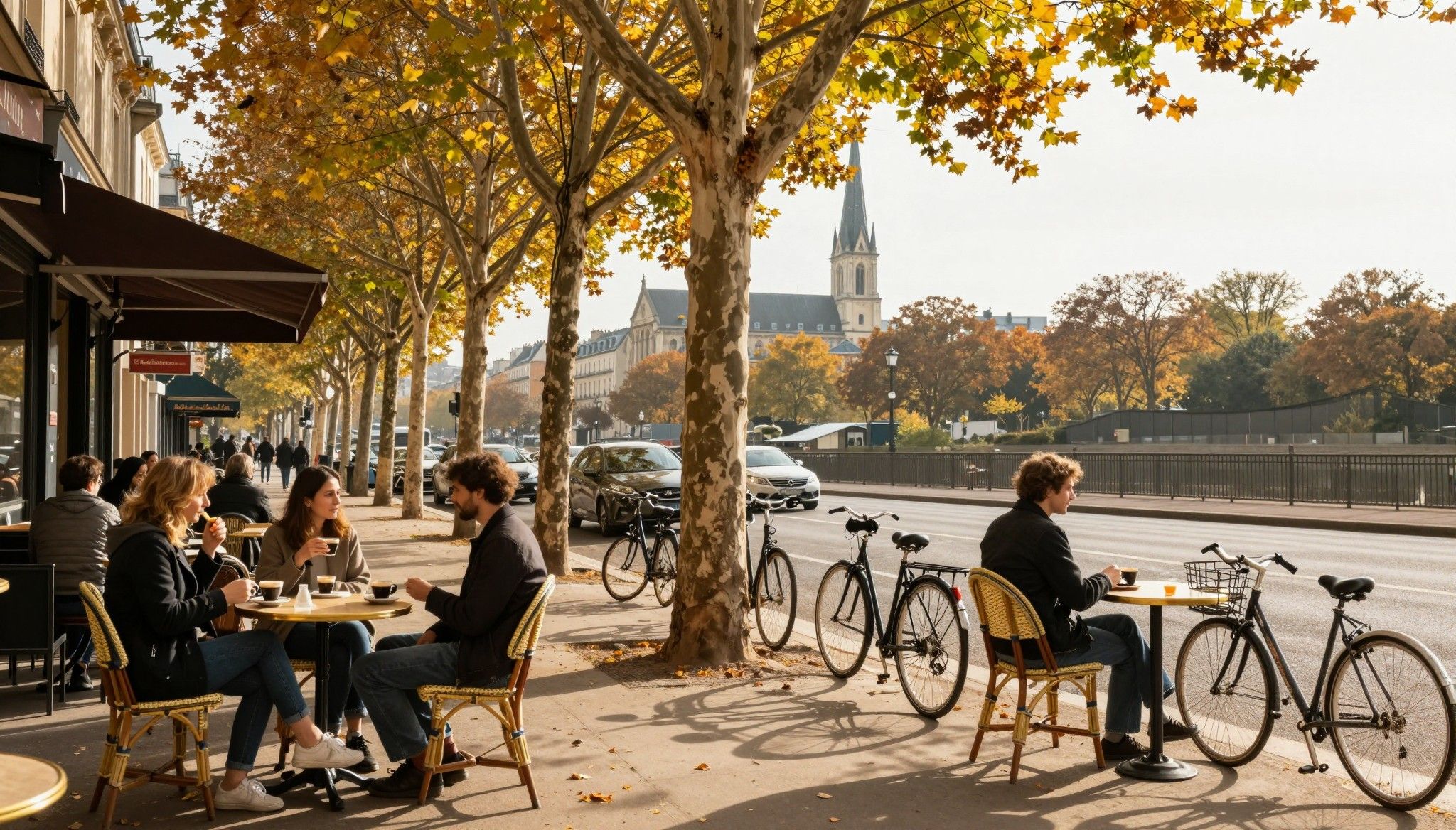
Learn a few Croatian phrases and show up at the market; shopkeepers remember faces. Weekends are for family and the sea; weekday afternoons slow after lunch in many towns. This cadence affects what property suits you: if you crave daily bustle, central Split or Zagreb makes sense; if seasonal, a stone farmhouse with a garden is restorative but quieter in winter.
Long‑term thinking: stewardship over speculation
Choose with care: a house that supports biodiversity and low running costs rewards you in comfort and resale resilience. Look for water-wise gardens, mature native planting, and potential for rooftop solar. Local renovation support and EU funds are increasingly available for energy upgrades — plan these into your budget rather than treating them as optional luxuries.
- Red flags and local realities to watch for:
- No clear land registry entries or conflicting ownership claims — always commission a title search.
- Properties advertised with 'sea view' but limited year‑round enjoyment due to terrain or access.
- Unpermitted extensions or missing renovation permits — these can delay or block sale registration.
Conclusion: Croatia rewards those who balance feeling and facts. Start with long, slow visits to the places that make your heart lift; pair that with an early legal eligibility check, a local agent who knows seasonal life, and a sustainability plan that lowers costs and deepens your connection to place. If you want, work with an agency that treats stewardship as part of the search — your home can be beautiful and kind to the landscape that gave it life.
Danish relocation specialist who moved from Copenhagen to the Algarve; supports families with seamless transitions, local partnerships, and mindful purchases.