Croatia: Light, Seasonality & Sustainable Home Steps
Fall in love with Croatia’s light and local rhythms, then match that dream to data — prices, seasonality and sustainable retrofits that preserve lifestyle and landscape.
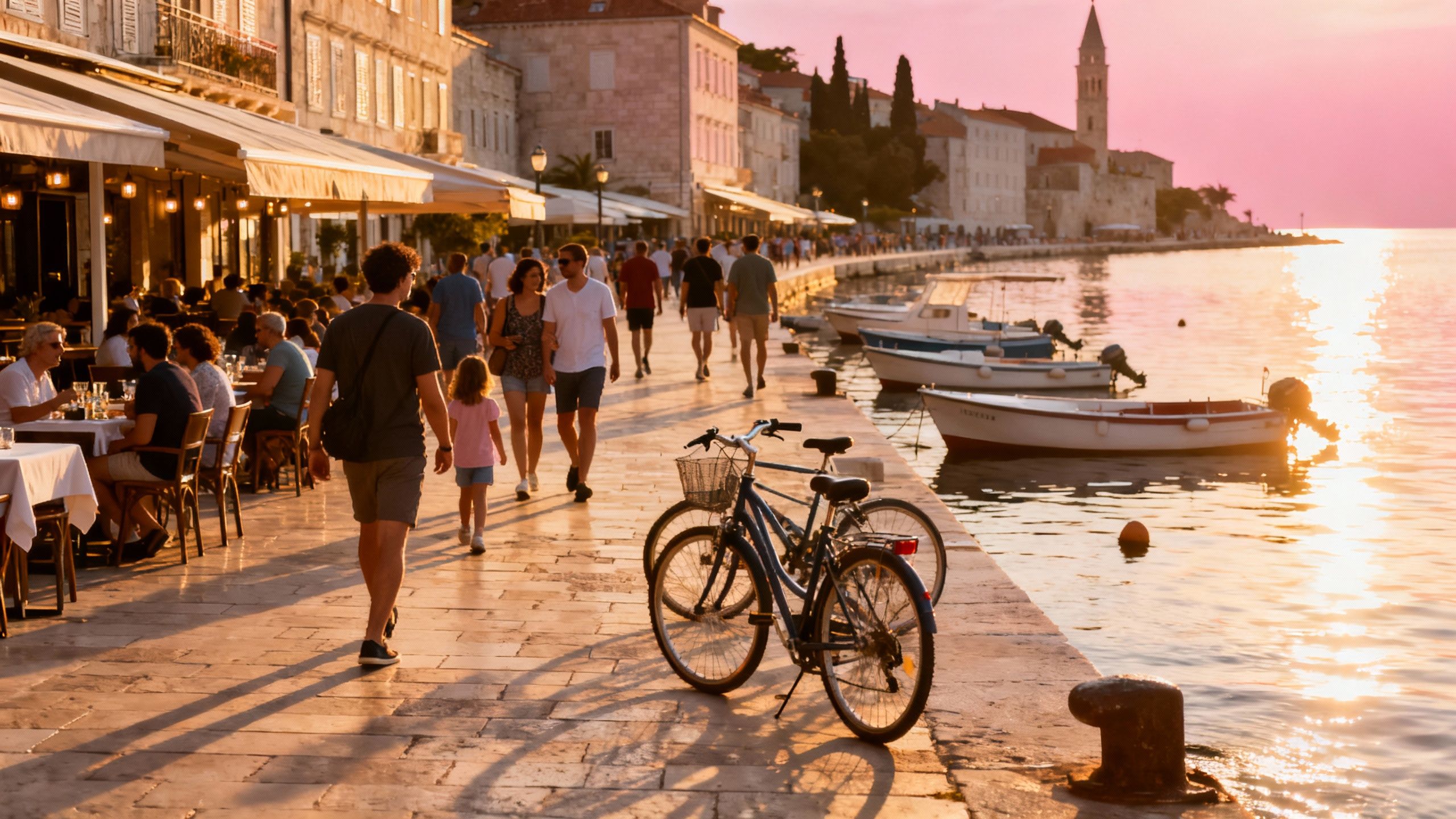
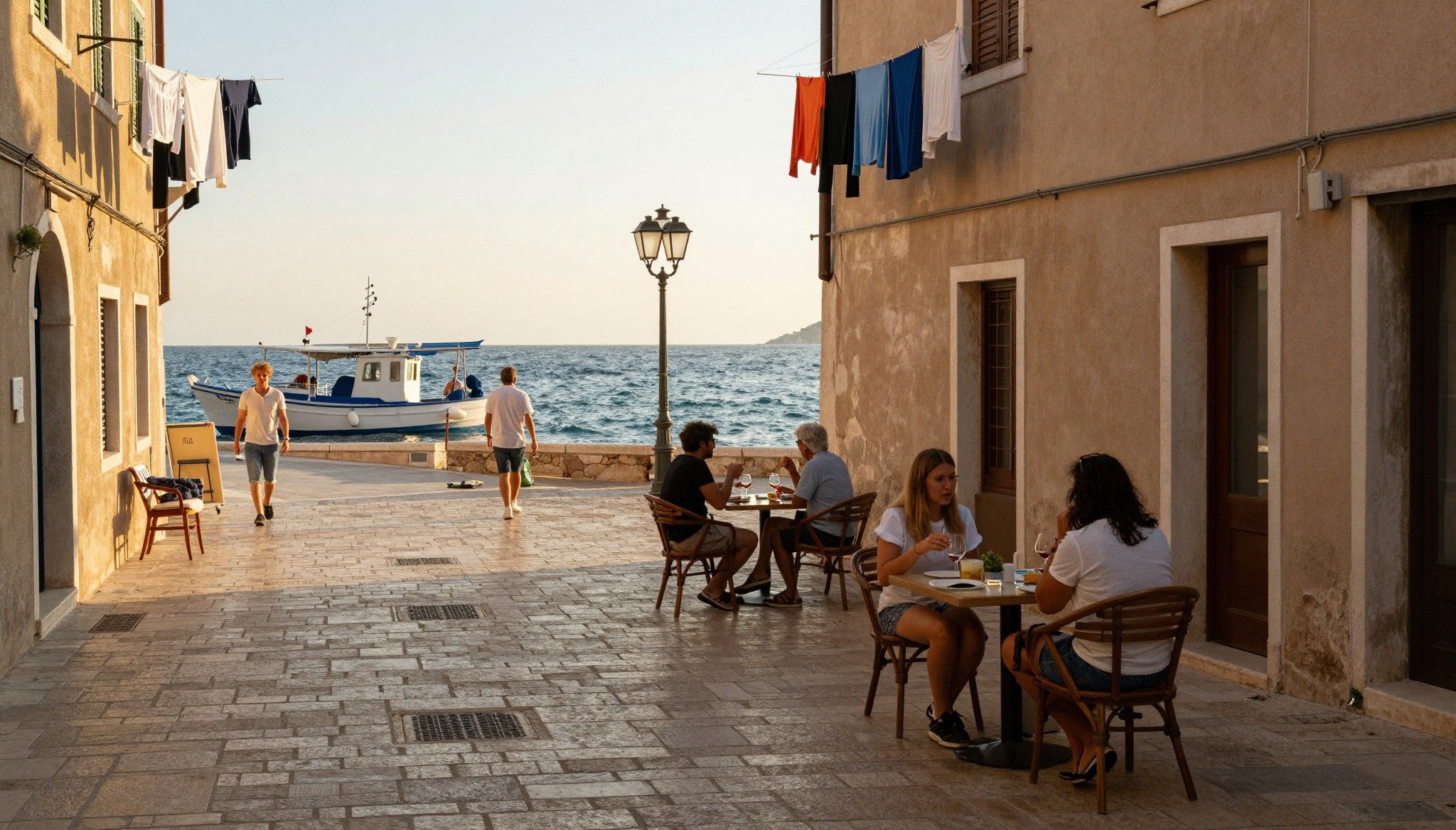
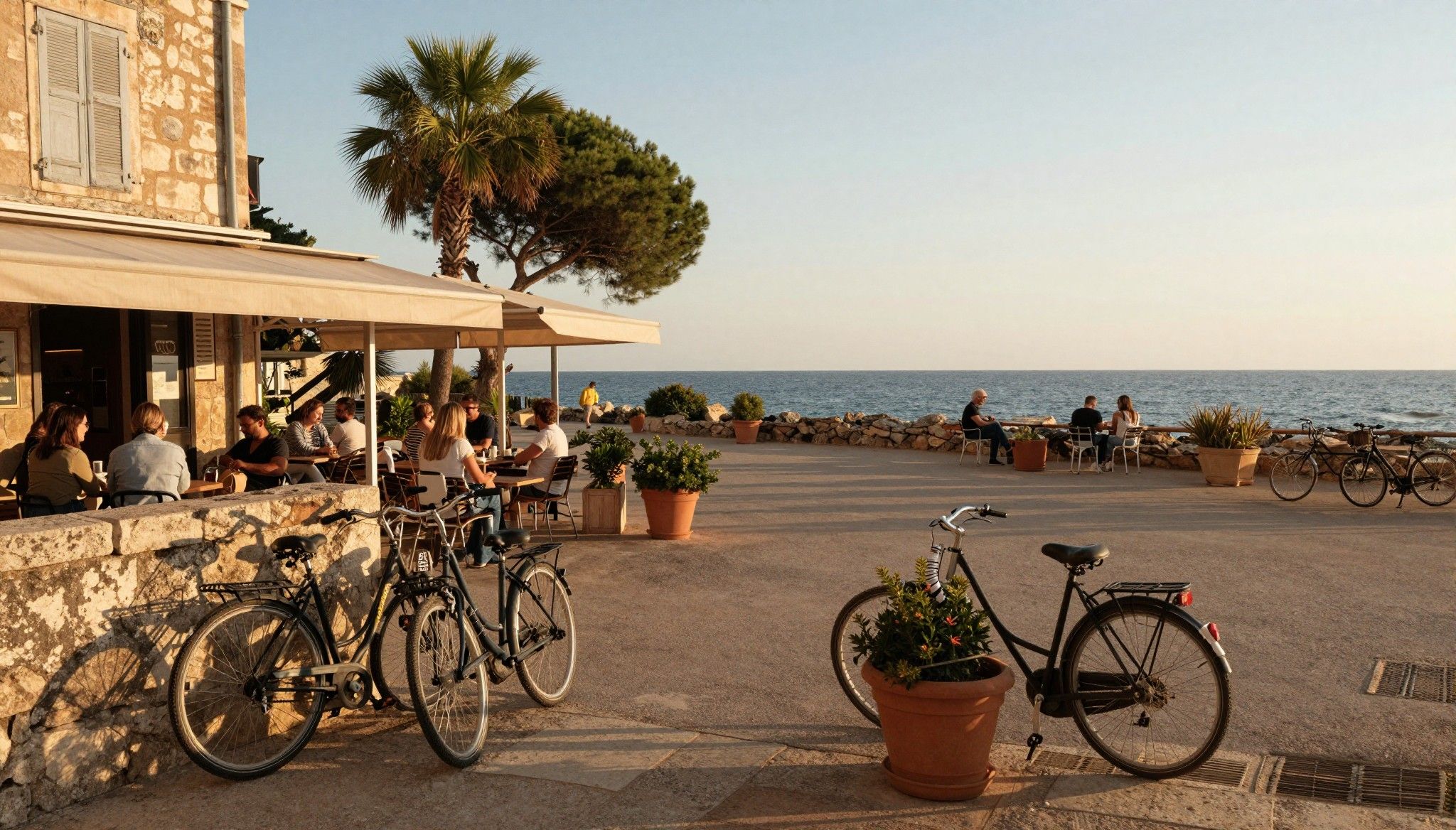
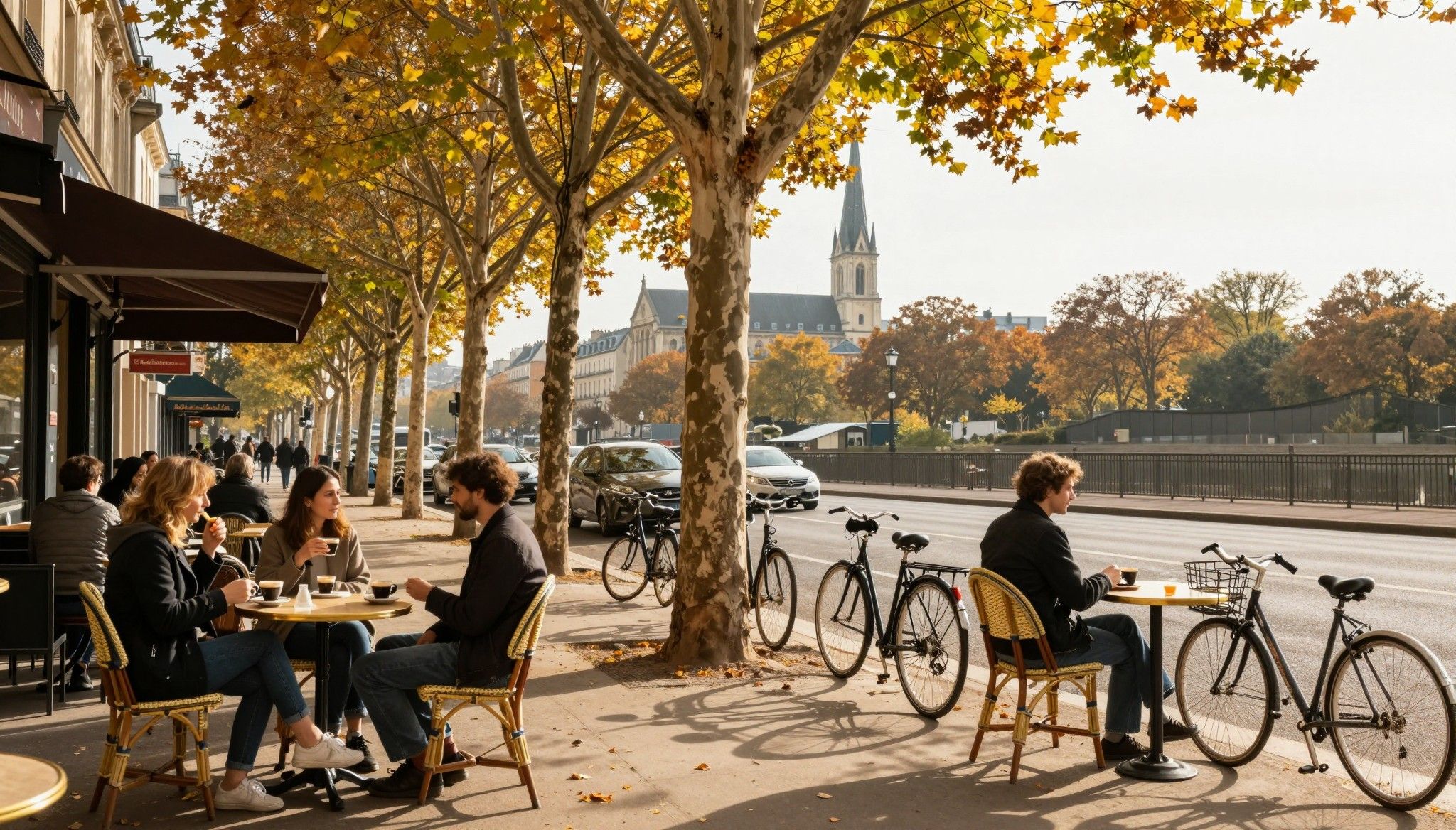
Imagine sipping a slow morning espresso on Šibenik’s waterfront as fishing boats chug past, or wandering stone alleys in Rovinj where geraniums tumble from windows and truffle festivals scent the air. Croatia feels like a lived poem — sea-salted, sun-softened and rooted in small-town rhythms — and it’s exactly this atmosphere that draws buyers who want a home that’s part of a landscape, not apart from it. Yet beneath that dreamy surface are real market shifts and sustainability choices that shape which neighbourhoods truly deliver a long, low-impact life.
Living the Croatia lifestyle
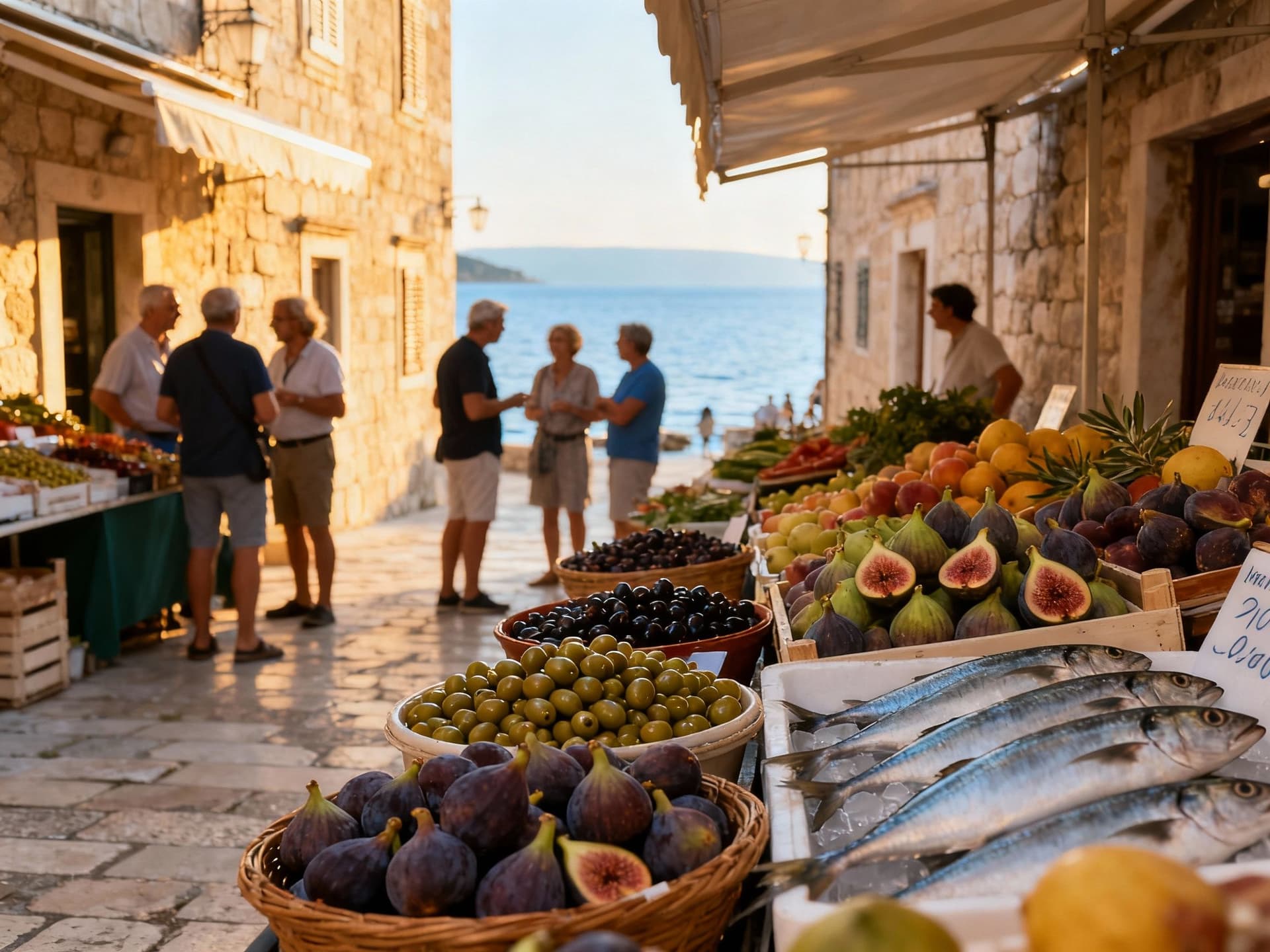
Daily life in Croatia is shaped by coastal light, neighborhood cafés and seasonal festivals — but also by rising demand for homes near nature and community. House prices rose sharply through 2024–25 (the national house price index climbed over 12% year‑on‑year in early 2025), which means lifestyle choices and timing now interact with market realities. If you want life by the sea without paying Dubrovnik premium prices, the right neighbourhood matters more than the general region.
Coastlines and old towns: Rovinj, Šibenik, Split
Rovinj’s pastel façades and art‑market evenings feel intimate and curated; Šibenik combines mellow local life with surprisingly good eateries clustered near the cathedral; Split is a city that gives you island access with lively cafés on Marmontova. These places reward people who want walkable days, local produce, and a front‑row seat to Adriatic life — but they also show the trade‑off between idyllic location and price. Coastal stone houses with terraces are beloved and scarce, so eco-conscious buyers often look slightly inland — olive‑grove fringes or hilltop villages — where you can design a low‑impact retrofit and keep the lifestyle.
Istria and inland charms: truffles, vineyards, forests
Istria moves between gastronomic prestige and quiet countryside: white truffle season (Sept–Dec) turns towns like Motovun into lively hubs of food tourism, and the nearby countryside is full of stone farmhouses ready for sustainable restoration. Living here means morning markets, family-run konobas and a year’s rhythm tied to harvest and sea. For buyers wanting regenerative gardens, south‑facing plots and community olive‑presses, Istria’s villages often deliver more immediate opportunities than crowded coastal strips.
- Lifestyle highlights: local cafés, markets and hidden gems
- Morning markets in Dolac (Zagreb) and Pazar (Split) for seasonal produce and friendly bartering
- Evening promenades on Split’s Riva or tiny island beaches near Hvar for late‑day swims
- Istrian truffle villages and family wineries where community events center the agricultural calendar
Making the move: practical considerations that keep the lifestyle intact
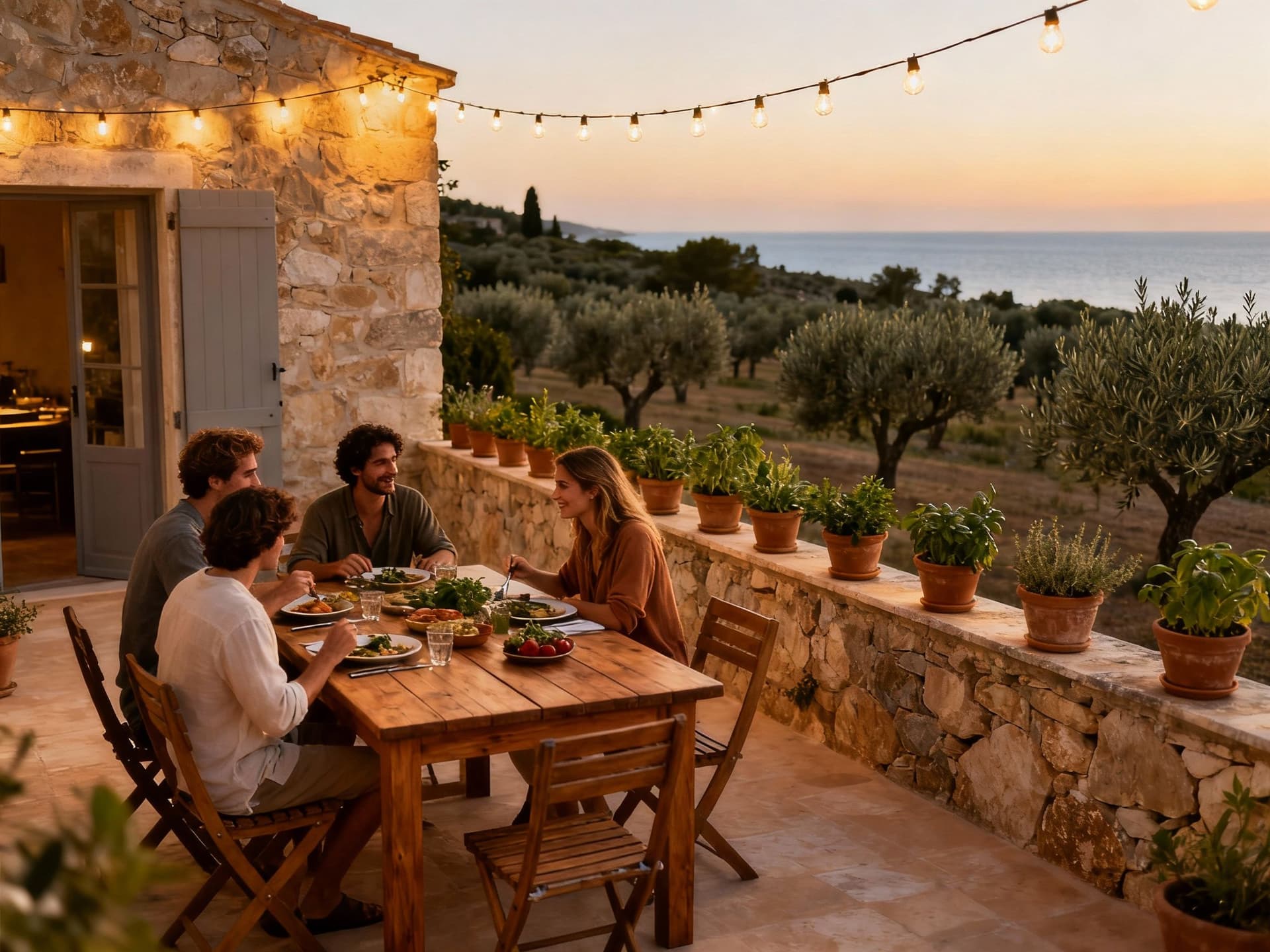
Dreams of stone courtyards and sea terraces meet rules, prices and seasonal realities. Coastal demand pushes prices up: national averages reached roughly €2,800–€3,000/m² in 2025, with hotspots well above that. That means the mindful buyer often chooses place and property type that align with sustainable living needs — good solar exposure, water access for gardens, and community infrastructure — rather than simply chasing the flashiest sea‑view.
Property styles and how they shape daily life
A Dalmatian stone house with shutters and thick walls offers natural thermal comfort and a connection to craft traditions; a modern inland renovation offers the chance to install solar, greywater systems and native gardens at a lower entry price. Think beyond square metres: a smaller, well‑oriented home with a productive terrace or garden can deliver more sustainable living than a larger, expensive coastal villa that consumes more energy.
Working with local experts who know place and season
A local agent who understands micro‑neighbourhoods, building traditions and seasonal shifts — from tourist peaks to winter quiet — is invaluable. Good agents connect you to craftsmen for low‑impact retrofits, local planners familiar with renovation permits, and neighbours who will tell you about real water access, soil for gardens, and whether that 'quiet lane' fills with tourist buses in July.
- Practical steps that combine lifestyle and process
- Visit in shoulder seasons (April–June or September–October) to feel everyday life, not the tourist peak
- Prioritise plot orientation, water access and mature trees for passive cooling and edible gardens
- Ask agents about vacancy patterns and short‑term rental pressure — these shape community and long‑term sustainability
- Budget for retrofit: insulation, solar PV, rainwater capture and native landscaping often deliver the best lifestyle ROI
Insider knowledge: what expats wish they’d known
Expats often arrive enchanted, then discover seasonal rhythms, municipal quirks and proposed tax changes that affect long‑term costs. Croatia has been moving toward property tax reform to manage second‑home pressure — that matters if you plan short‑term rentals or leave a house unoccupied. Knowing local rules and community expectations keeps your seaside dream from becoming an administrative surprise.
Cultural integration: small customs that shape belonging
Croatians prize neighbourliness and a relaxed pace: greeting shopkeepers, joining a local klapa concert or helping at a harvest day unlocks belonging faster than months of formal efforts. Learning a few phrases, being present at market stalls and supporting local craftsmen changes how you experience a place and often how you’re treated as a buyer and neighbour.
Longer view: how a sustainable home grows with you
Think of buying as planting a garden. Start with location and orientation, then layer in improvements that increase biodiversity and reduce running costs: native plantings, solar, passive shading, and water‑wise irrigation. Over five years these choices shape not just bills but the quality of your days — cooler summers, fragrant terraces and neighbourhood ties that matter more than capital appreciation alone.
- Red flags to note before you bid
- Unclear water rights or unreliable supply for gardens
- Properties advertised as 'off‑grid' without proper access to permits or community support
- Heavy short‑term rental concentration that erodes everyday community life
If you love Croatia for its light, food and neighbourly cadence, plan so the house you buy deepens that life. Visit in different seasons, ask for micro‑data from agents (vacancy, tourist flows, insulation details), and prioritise measures that make living gentle on the land. An agent fluent in local craft, permits and sustainable retrofits becomes the steward of your lifestyle ambitions, not just a salesperson.
Conclusion: love the light, do the due diligence. Start with seasons, streets and slow neighbourhood visits; fold in data on prices and local rules; and design the small, sustainable interventions that turn a property into a home that honours place. When you balance poetic life with pragmatic checks, Croatia gives you both a profound sense of belonging and a responsible way to make it last.
British expat who traded Manchester for Mallorca in 2017. Specializes in guiding UK buyers to luxury Spanish estates with clear navigation of visas and tax.