Croatia: Life-First Buying with Stewardship
Fall asleep to Adriatic tides, wake to market life: lifestyle-first advice for buying in Croatia, with market data and practical steps for eco-minded international buyers.
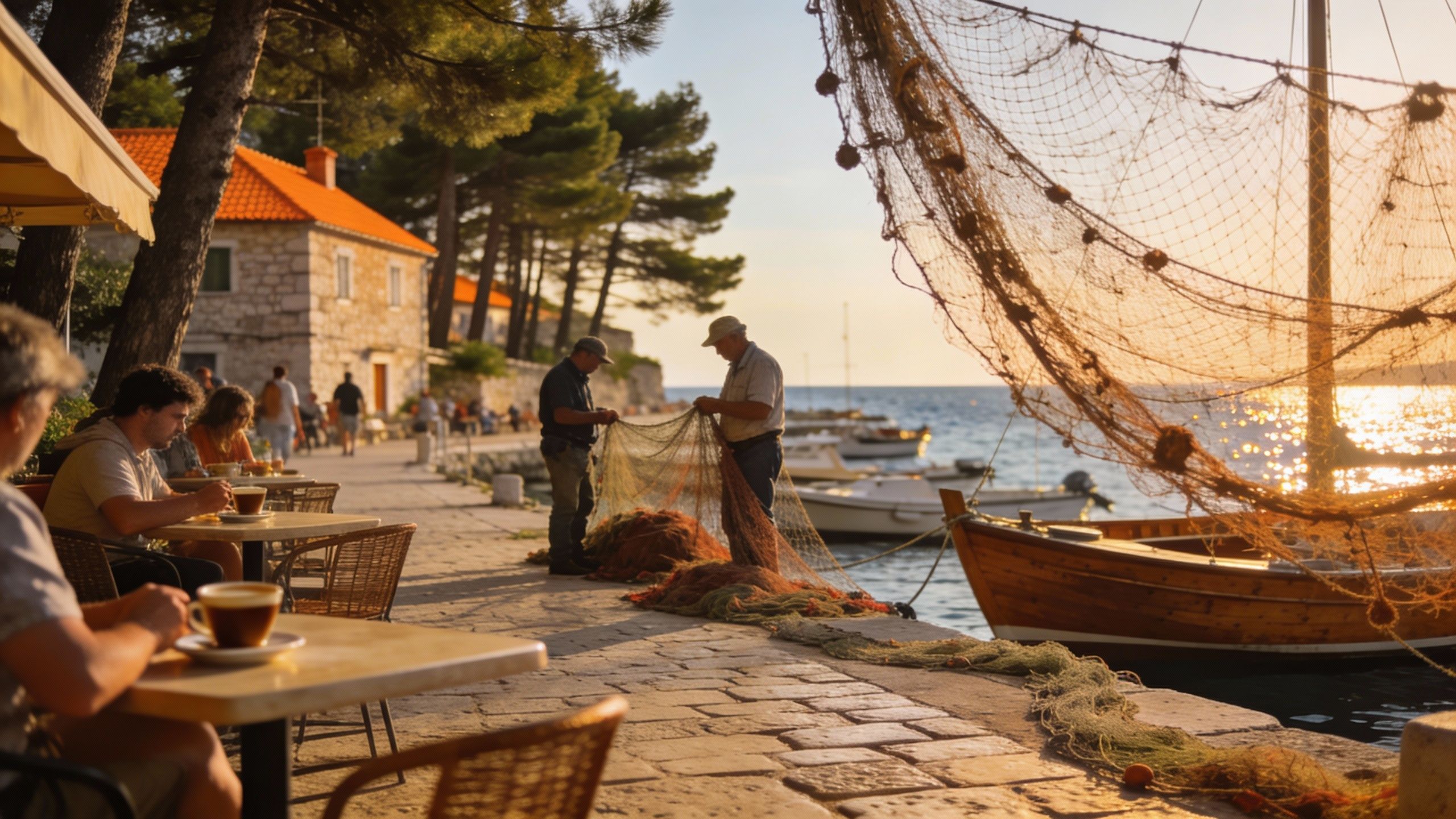
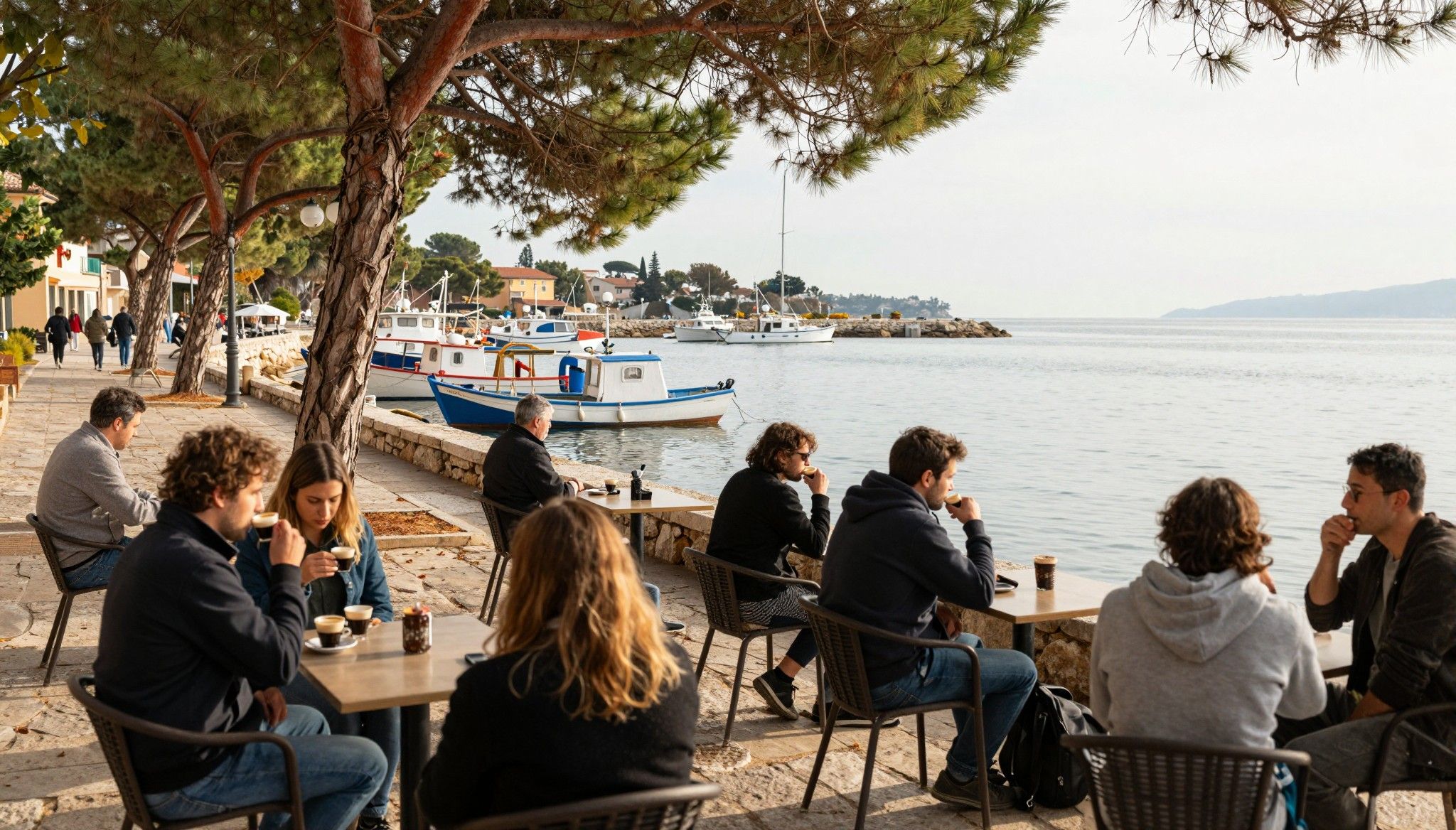
Imagine waking to the sound of church bells and the soft lapping of the Adriatic, then walking three streets to a morning market where fishermen hand over last night's catch. In Croatia the day unfolds slowly — cappuccino at a sun-warmed table, a bike ride along a pine-lined seaside promenade, an evening of family-style konoba dining — and many international buyers find that the rhythm of life is as important as square metres. This piece opens with the life you could lead here, then grounds that dream in the practical realities of buying in Croatia with an eco-conscious eye.
Living the Croatia Life
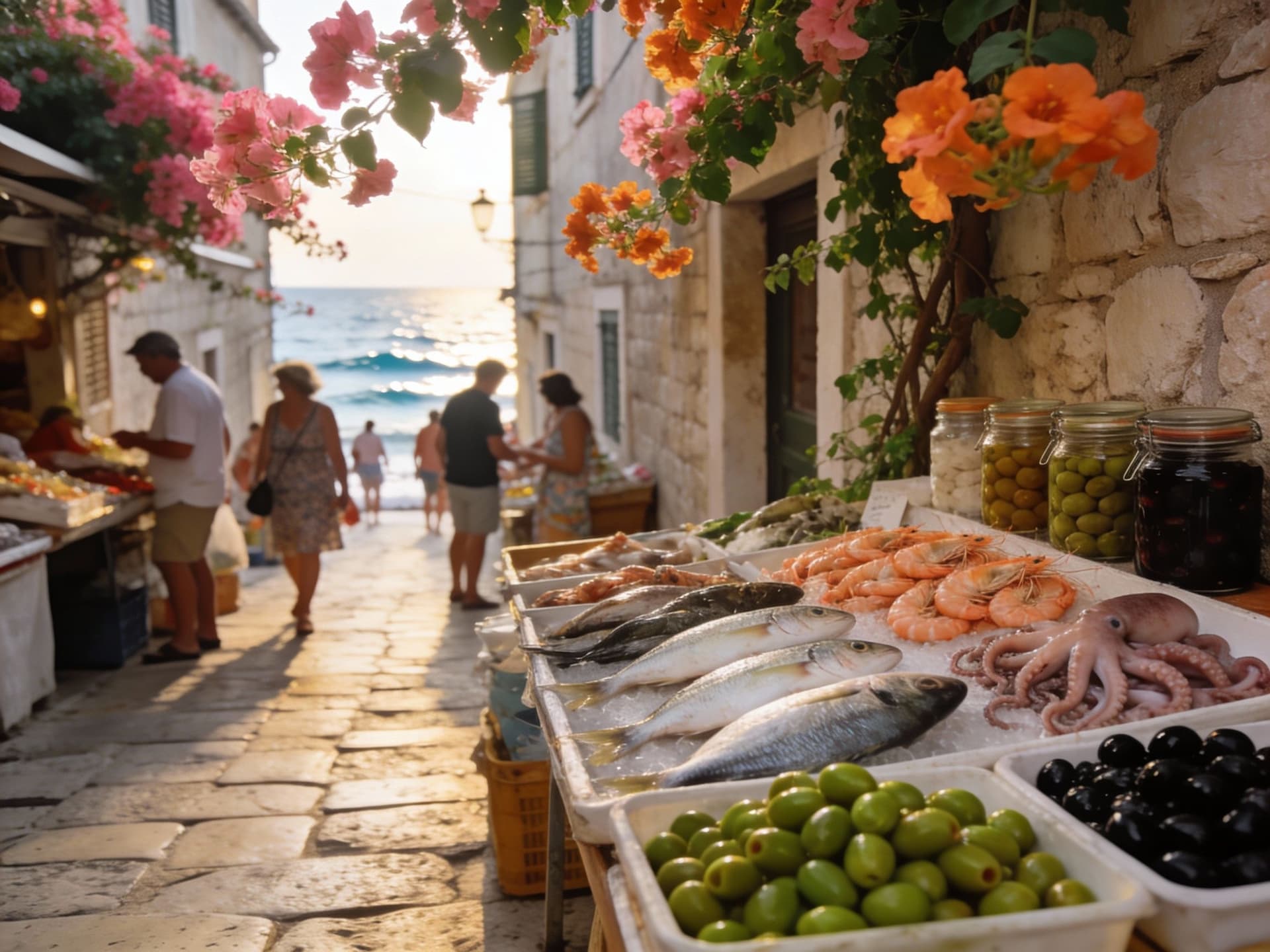
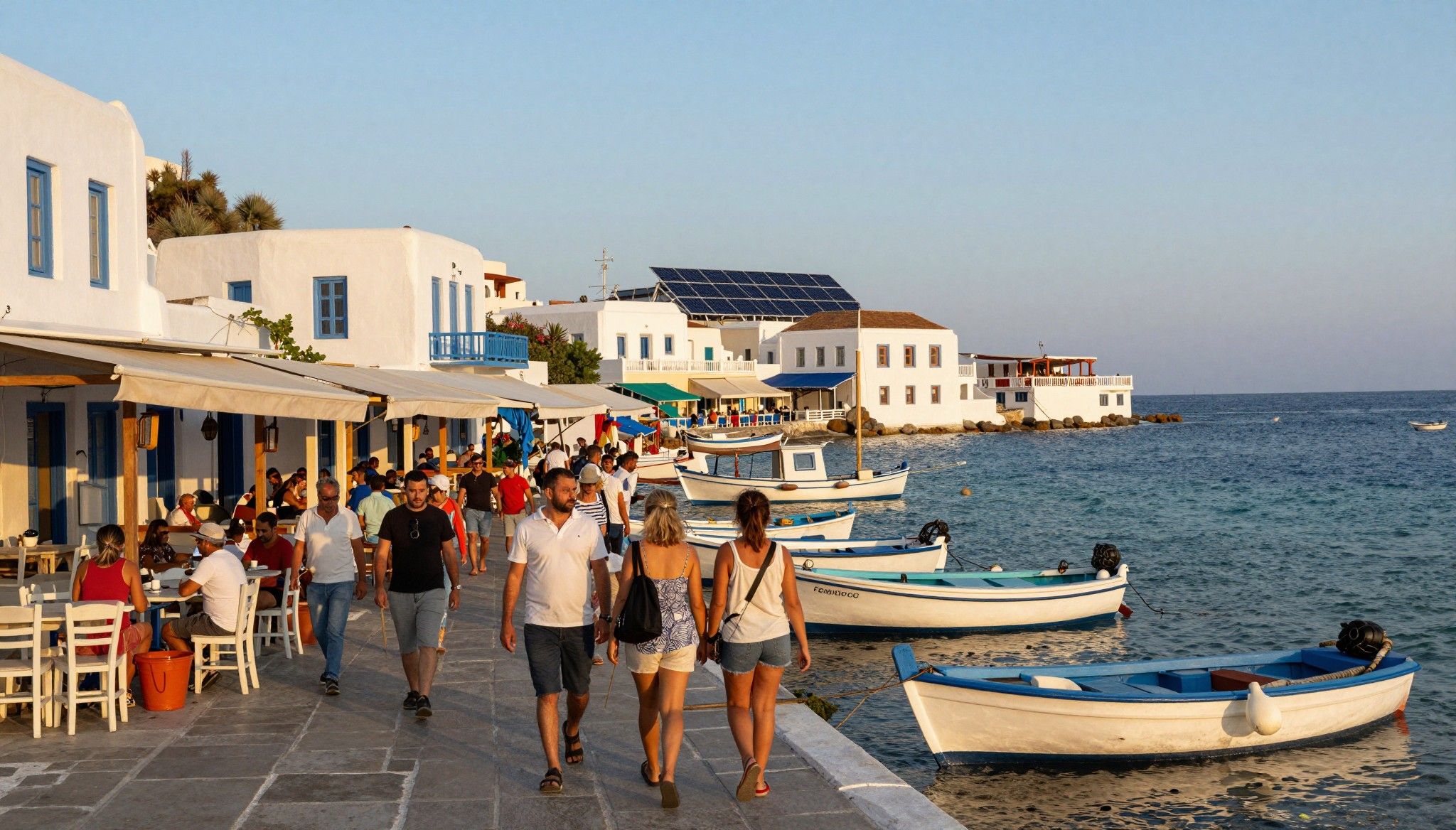
Croatia's daily life balances two worlds: the luminous coast where island time governs and inland towns where markets, forests and vineyards set the pace. In Zagreb you’ll hear tram bells and find late-morning cafés on Tkalčićeva, while coastal towns such as Split and Rovinj offer harbourfront promenades, open-air konobas and afternoons that dissolve into sea-salt evenings. The lifestyle leans toward conviviality, seasonal eating and an outdoors-first day: expect to live beside markets, marinas and stone streets that remember centuries.
Seaside neighbourhoods and historic cores
Picture a morning espresso beneath the shadow of Diocletian’s walls in Split, wandering from bakery to fish market, then an afternoon swim from a stone quay. Split’s Old Town, coastal promenades in Zadar and Rovinj’s narrow Venetian streets share a common quality: life happens outdoors, and homes are woven into the public square. If you value walkability, small-scale commerce and an everyday relationship to the sea, these neighbourhoods reward you with sensory abundance and a sense of rootedness.
Food, markets and the slow season
Eating in Croatia is a map of the land: Istria’s truffles and olive oils, Dalmatian grilled fish and inland prosciutto and wines. Weekend rituals centre on markets — Dolac in Zagreb, Pazar in Šibenik, Riva stalls in Split — where seasonal produce shapes menus. For international buyers this means properties with kitchens become living investments in local culture: terraces for evening meals, storage for preserves, space for a small olive press or herb garden.
- Dolac market (Zagreb); Riva promenade (Split); Zlatni Rt park (Rovinj); St. Dominic’s Market (Zadar); Hidden pebble coves near Vis; Local konoba on Ulica Frane Petrića (Split)
Making the Move: Practical Considerations
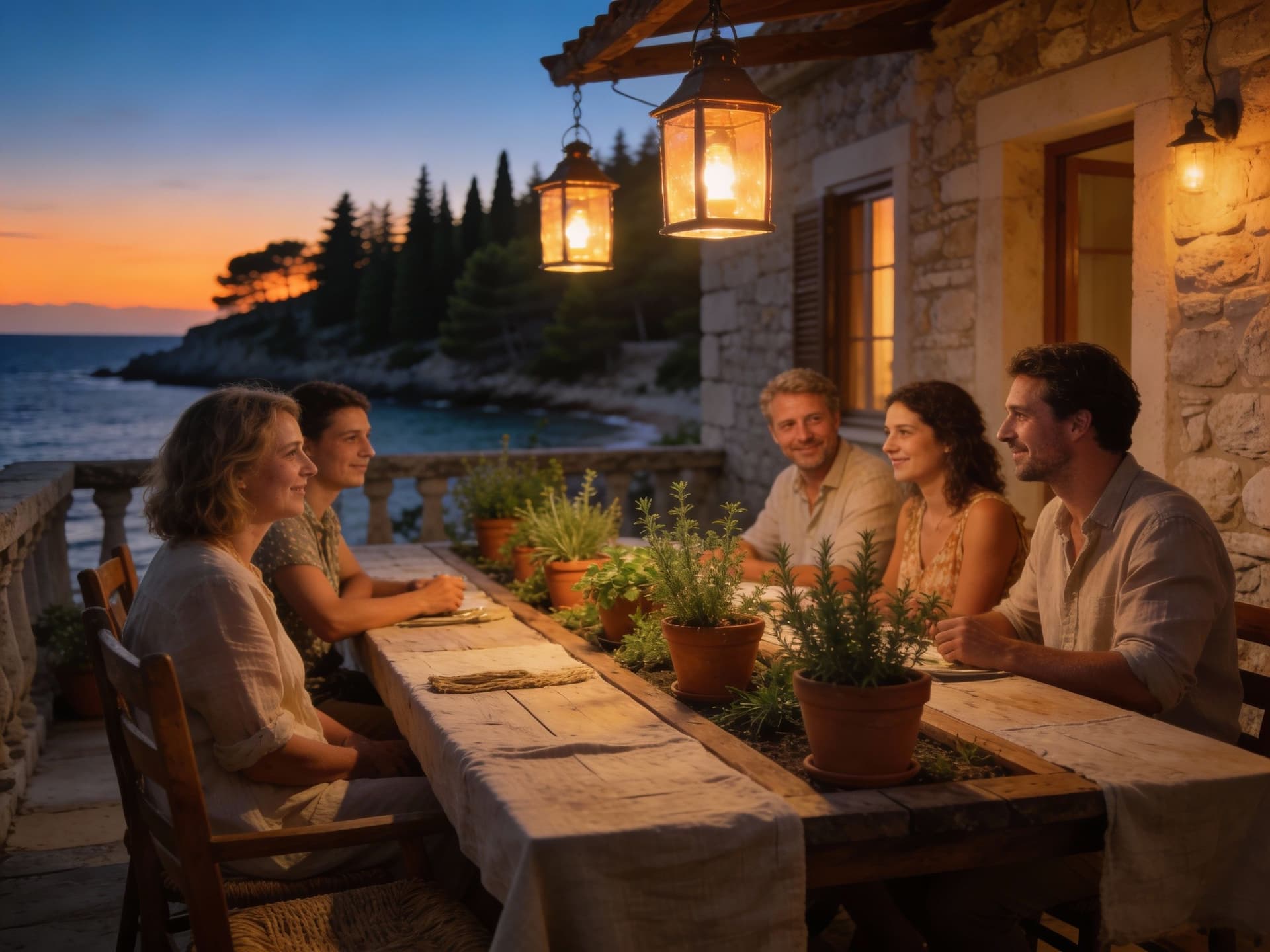
The romance of terraces and sunsets sits beside a market that has tightened in recent years: coastal demand, tourism pressures and policy changes affect prices and the usability of a purchase. Recent national statistics show new‑build prices rose into 2024, and government measures around short‑term rentals and taxation are reshaping incentives for buyers who intend to rent or invest. Pair your lifestyle wish list with local market briefings so you buy the life you want, not just a view.
Property styles and how you’ll live
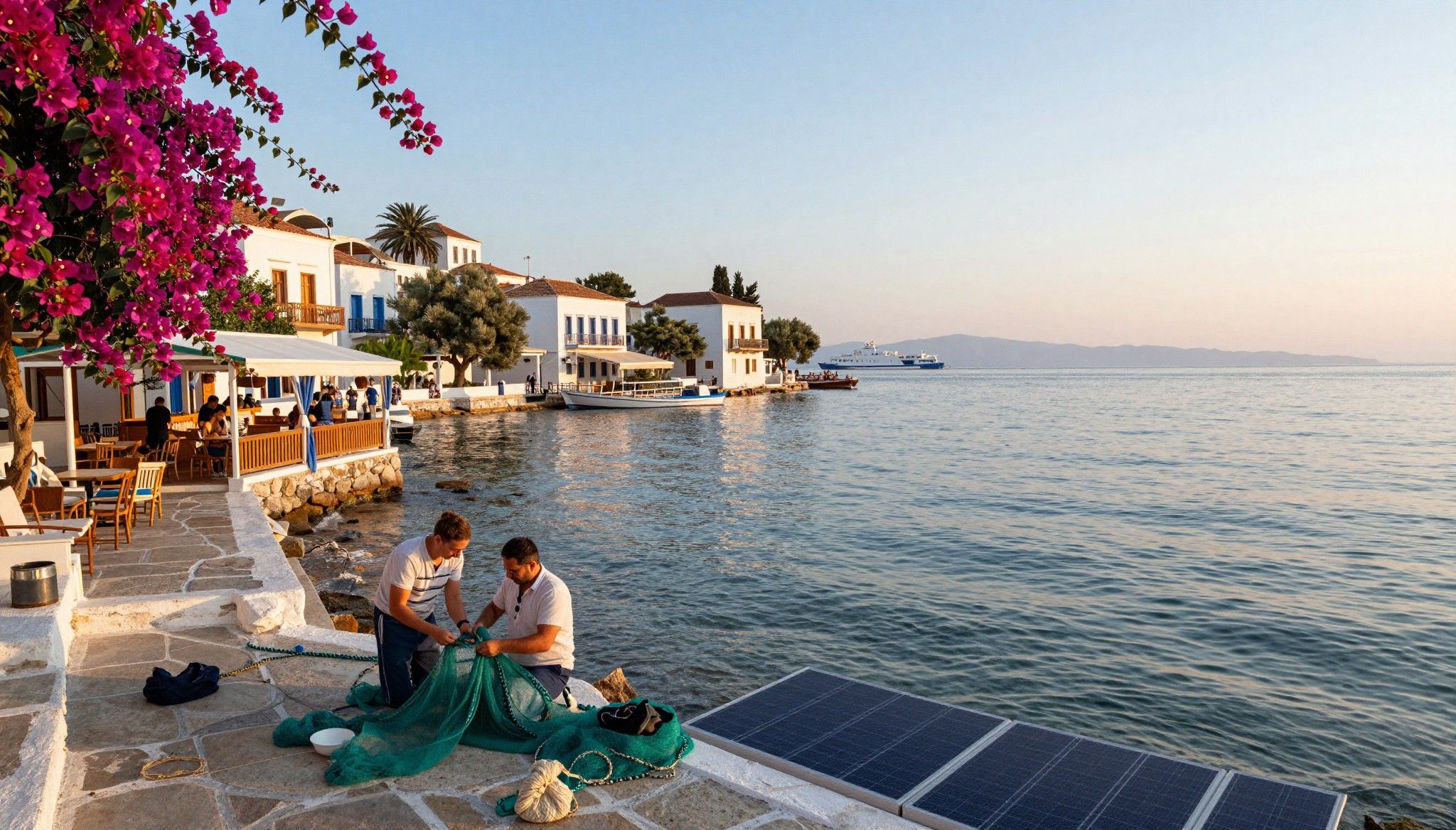
Stone Dalmatian houses with terraces, Istrian villas with olive groves, Zagreb townhouses and modern coastal apartments each shape daily routines. Old stone houses offer thick walls for passive cooling but often need insulation upgrades and modern plumbing; new builds are energy‑efficient but can feel less 'lived-in.' Think through how you want to use rooms across seasons — a shaded courtyard for summer, a compact, well-insulated kitchen for winter hospitality — and prioritise sustainability features like solar-ready roofs, rainwater collection and native landscaping.
Working with local experts who know the lifestyle
- 1. Hire a local agent who spends weekends in the neighbourhood you want — they'll know which streets quiet down in winter and which cafés stay open year-round. 2. Use a notary and lawyer experienced in foreign purchases; reciprocity rules apply for non‑EU buyers and the Ministry of Justice may need to approve some transfers. 3. Ask for an energy footprint assessment and speak to local builders about passive cooling, PV arrays and cisterns. 4. Walk the neighbourhood at different times (weekday morning, Saturday evening, winter day) before making an offer. 5. Build a realistic budget for renovation if you love a traditional stone home — craftsmanship and reclaimed materials cost, but they keep the house true to place.
Insider Knowledge: Real Talk from Expats and Locals
Expats often tell the same story: you buy for a rhythm of life and then learn local rules. In coastal towns, short‑term rental clampdowns and proposed property taxes (aimed at freeing long-term housing) mean an attractive rental yield today may feel different next year. Recent asking price data shows strong coastal growth — great for capital appreciation, but be honest about whether you want a rental income strategy or a quiet second home.
Cultural integration, language and daily life
Croatians prize sociability and local rituals: neighbourly Sunday lunches, market bargaining, and extended family ties. Learning basic Croatian phrases will open doors — greetings, restaurant pleasantries and market talk go a long way. Many towns have active expat communities and English-speaking services, yet the deepest connections arrive through small acts: helping at a local olive harvest, joining a volunteer beach clean or swapping recipes at a village feast.
Long-term lifestyle and stewardship
If you see your home as part of a place rather than an asset class, factor in stewardship: maintain local stonework, choose native plantings that conserve water, and prefer long-term rental arrangements over constant tourist turnover. Policies nudging long-term rentals should improve neighbourhood life — and they reward owners who invest in community-minded, low-impact homes.
- Ask about energy performance certificates; check municipal rules on short‑term rentals; seek properties with roof orientation for solar; prioritise native gardens and cisterns; favour locally made materials and craftsmen
Before you make an offer: visit across seasons, read local council plans, and speak with neighbours. An agency that lives and breathes local life — one that can tell you which street hums in July and which quiets in November, or which local baker keeps fresh bread year-round — will be your best ally. When you buy with an ethic of stewardship, the house returns the favour: cooler summers, richer neighbours, and a life threaded into place.
- 1. Plan visits in shoulder seasons (April–May or Sept–Oct) to see authentic daily life. 2. Confirm reciprocity/approval requirements if you are a non‑EU citizen; allow extra time for Ministry steps. 3. Factor in adaptation costs for stone homes (insulation, modern plumbing, PV). 4. Prioritise long-term rental permissions if you intend to rent; coastal municipalities increasingly restrict short stays. 5. Work with a notary and lawyer who will check historic registry, easements, and land use maps.
If Croatia feels like a place you could belong to, start small: a pied-à-terre near market life or a farmhouse with land to steward. Fall in love with the rhythm first, then let local experts translate that rhythm into a property choice that will weather policy shifts and seasonal cycles. When you buy with curiosity and care, you don't just own a place — you become one of its keepers.
Swedish advisor who left Stockholm for the Costa Brava in 2019. Specializes in sustainable, sea‑view homes for Scandinavian buyers and green finance insights.