Croatia: Seasons, Stewardship & Smart Steps to Buy
Fall in love with Croatia’s seasonal rhythms while taking practical, eco‑minded steps: legal checks, reciprocity rules, tax shifts and stewardship-forward renovations.
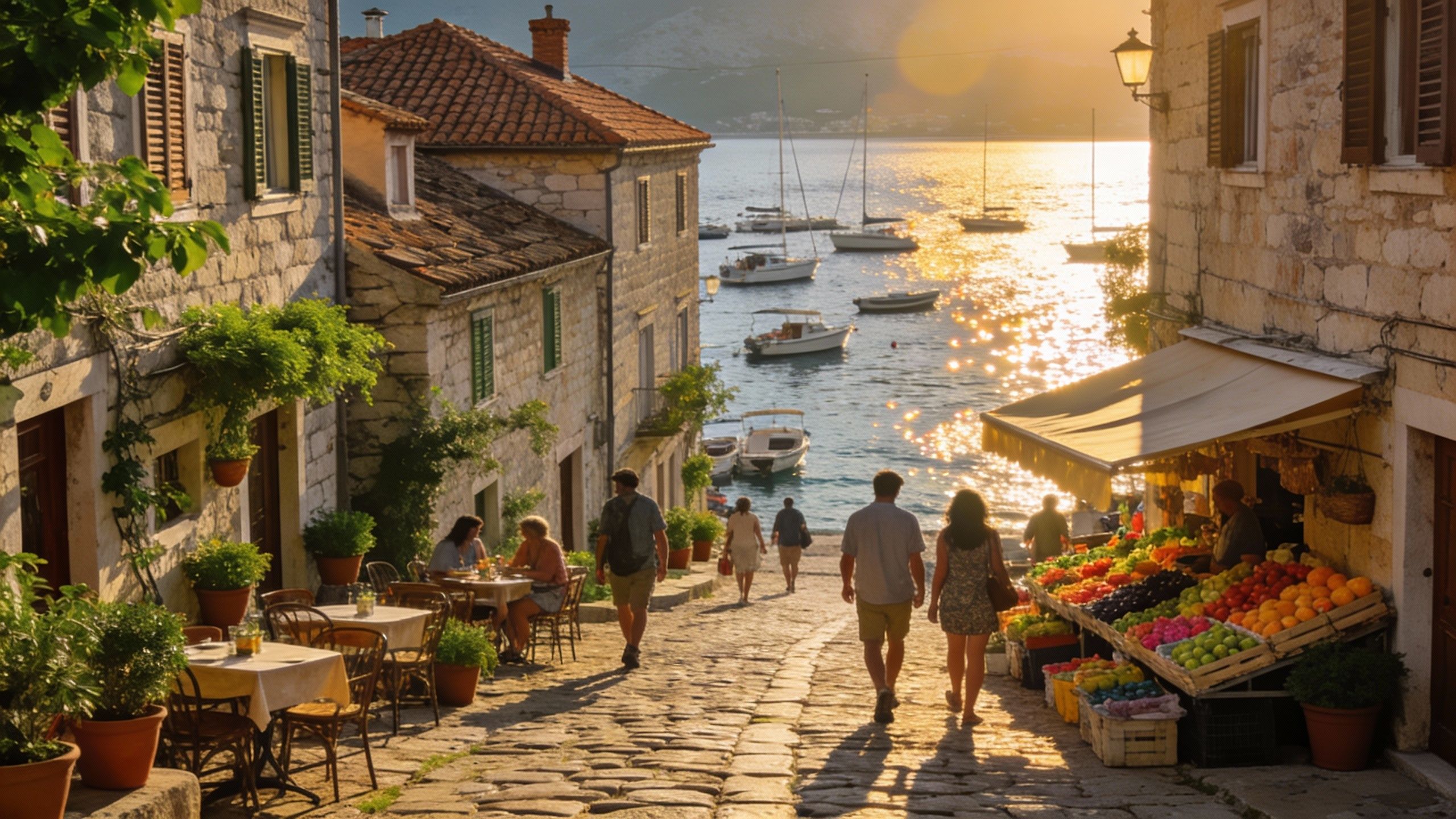
Imagine stepping off a ferry in Rovinj at dawn, the air thick with sea-salt and baking bread, then wandering narrow stone streets to a small café where the barista calls you by name. This is Croatia: a place where seaside rituals and forested hinterlands live side-by-side, where seasons shape the rhythm of life and a home is as much about proximity to nature as it is about square metres. For international buyers dreaming of an eco‑minded life abroad, Croatia offers island courtyards, Istrian truffle-foraging, and stone houses with terracotta roofs — but the path to owning one asks you to think differently, practically and sustainably.
Living the Croatian life — senses, seasons, streets
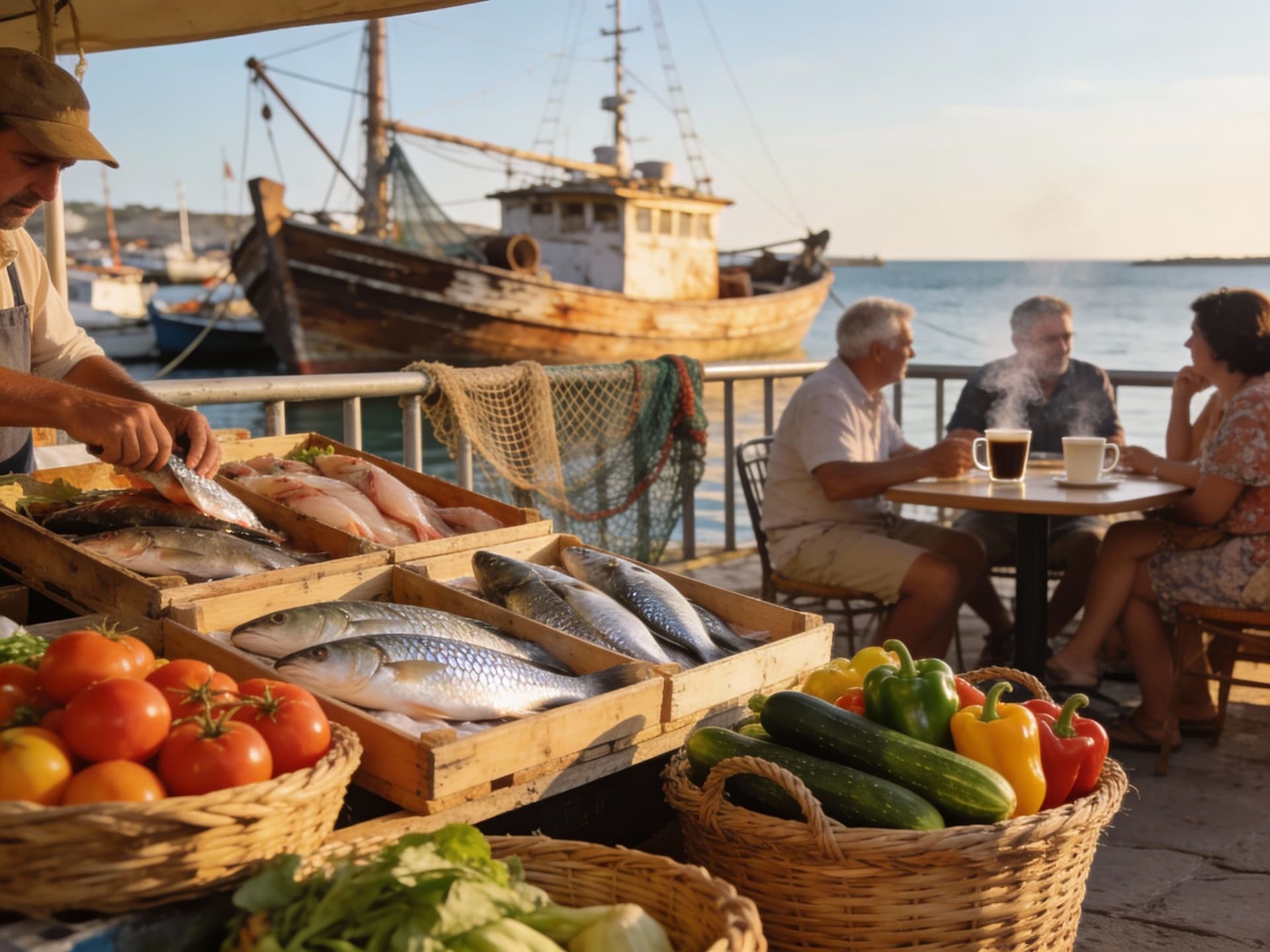
Day-to-day life in Croatia leans toward the tactile: mornings at fish markets in Split, late‑afternoon espresso in Zagreb’s Gornji Grad, evenings of slow conversation on pebble beaches in Dalmatia. The Adriatic coast hums in summer, but inland places such as Motovun or the oak‑lined valleys of Gorski Kotar reward quiet, forested living. If you want sunlight in winter and sea breezes in summer, coastal towns deliver; if you crave year-round foraging, local craftsmanship and deeper community ties, inland Istria and continental villages offer something different and quieter.
Rovinj, Split & Dubrovnik — coastal rituals and neighborhood textures
Rovinj’s cobbled lanes host galleries and cafés where olive oil tastings spill into the street, Split’s Riva pulses with fishermen and late‑night konobas, and Dubrovnik’s limestone squares attract a mix of locals and seasonal tourists. Each town has micro-neighbourhoods: Lapad in Dubrovnik feels more residential and gardened; Veli Varoš in Split keeps a fishermen’s intimacy; the Old Town of Rovinj brims with artisan workshops. These subtleties matter when you choose a home: do you want front-row summer energy or a sheltered, year-round rhythm?
Food, markets and the seasonal pulse
Croatia’s calendar is written in food. Istria’s truffle season (autumn to early winter) draws gourmands and changes the tempo of towns like Buzet and Motovun. Summer markets in Zadar and Split sell sun‑ripened tomatoes, fresh sardines and fragrant herbs; in autumn, forests yield mushrooms and truffles that shape local menus. For buyers seeking an edible landscape, ask how properties connect to markets, kitchen gardens, or communal orchards — it’s part of the lifestyle and a measure of how well a place can sustain low‑impact living.
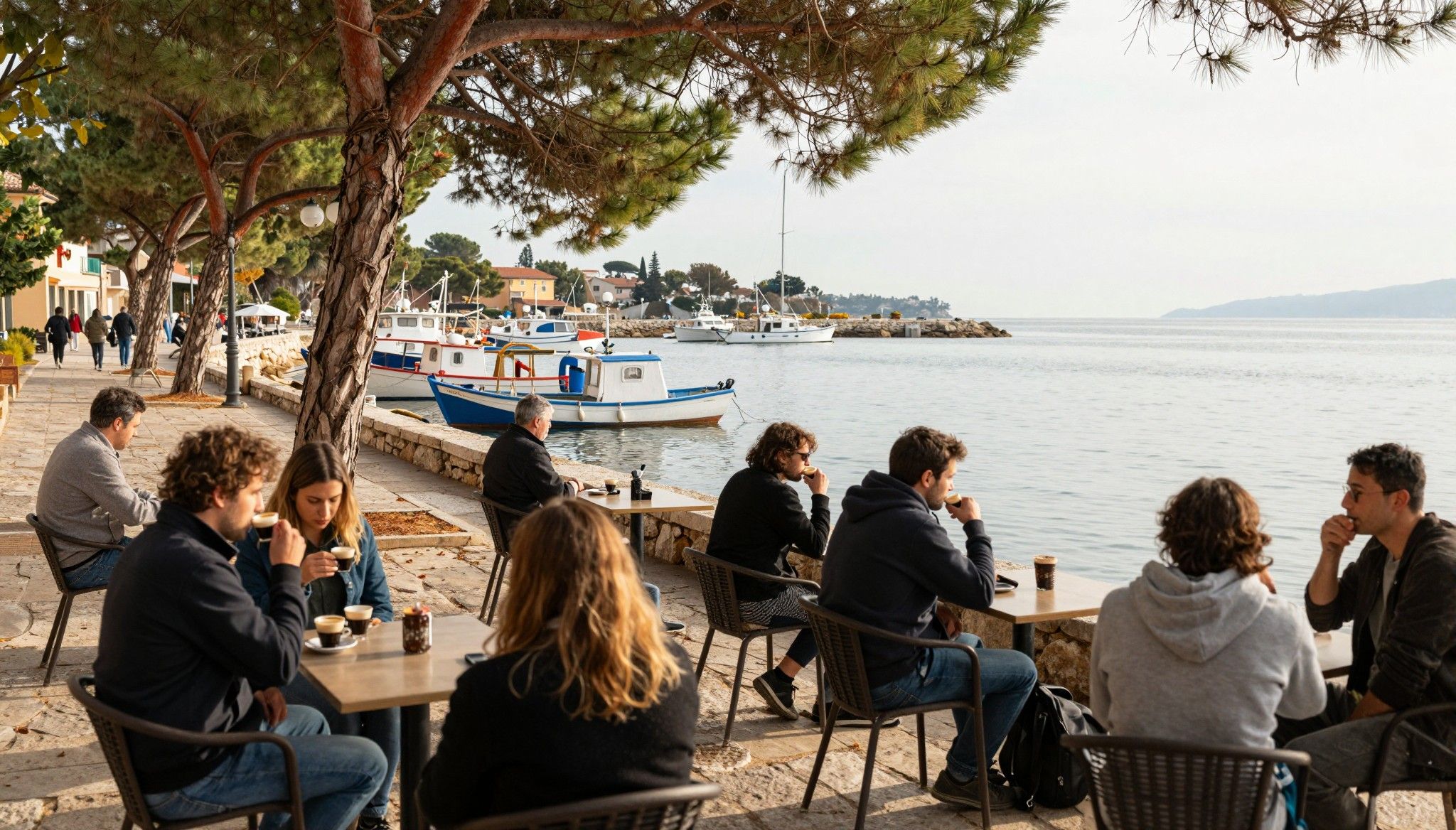
Morning espresso on the Riva (Split) — friendly baristas, sea-salt breeze
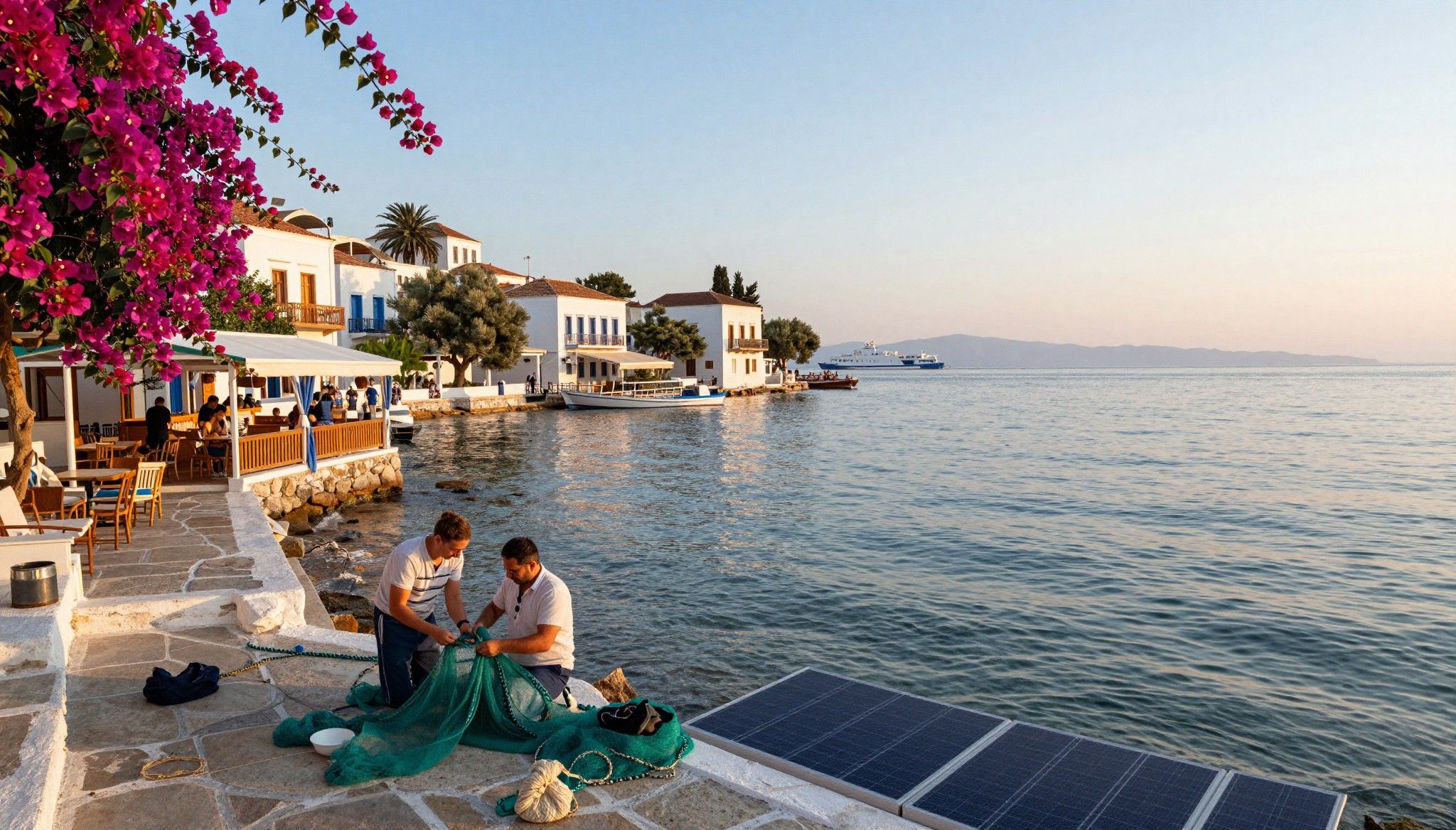
Weekend truffle hunts in Istria — community foraging and seasonal festivals
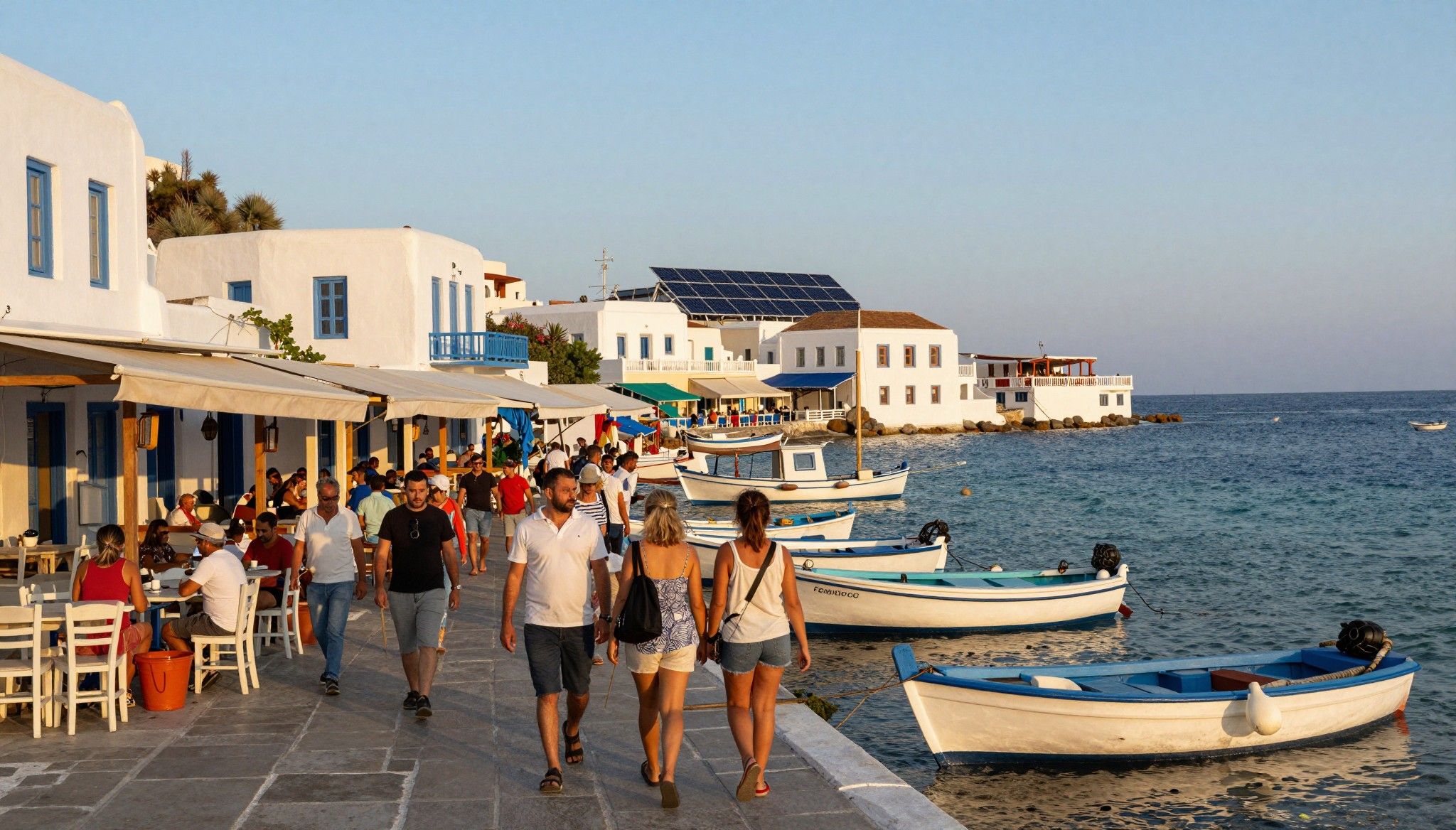
Forest walks in Gorski Kotar — mossy trails, wild mushrooms, quiet villages
Stone courtyards and terraces — slow dinners, native herbs, evening light
Making the move: practical steps with an eco-minded lens
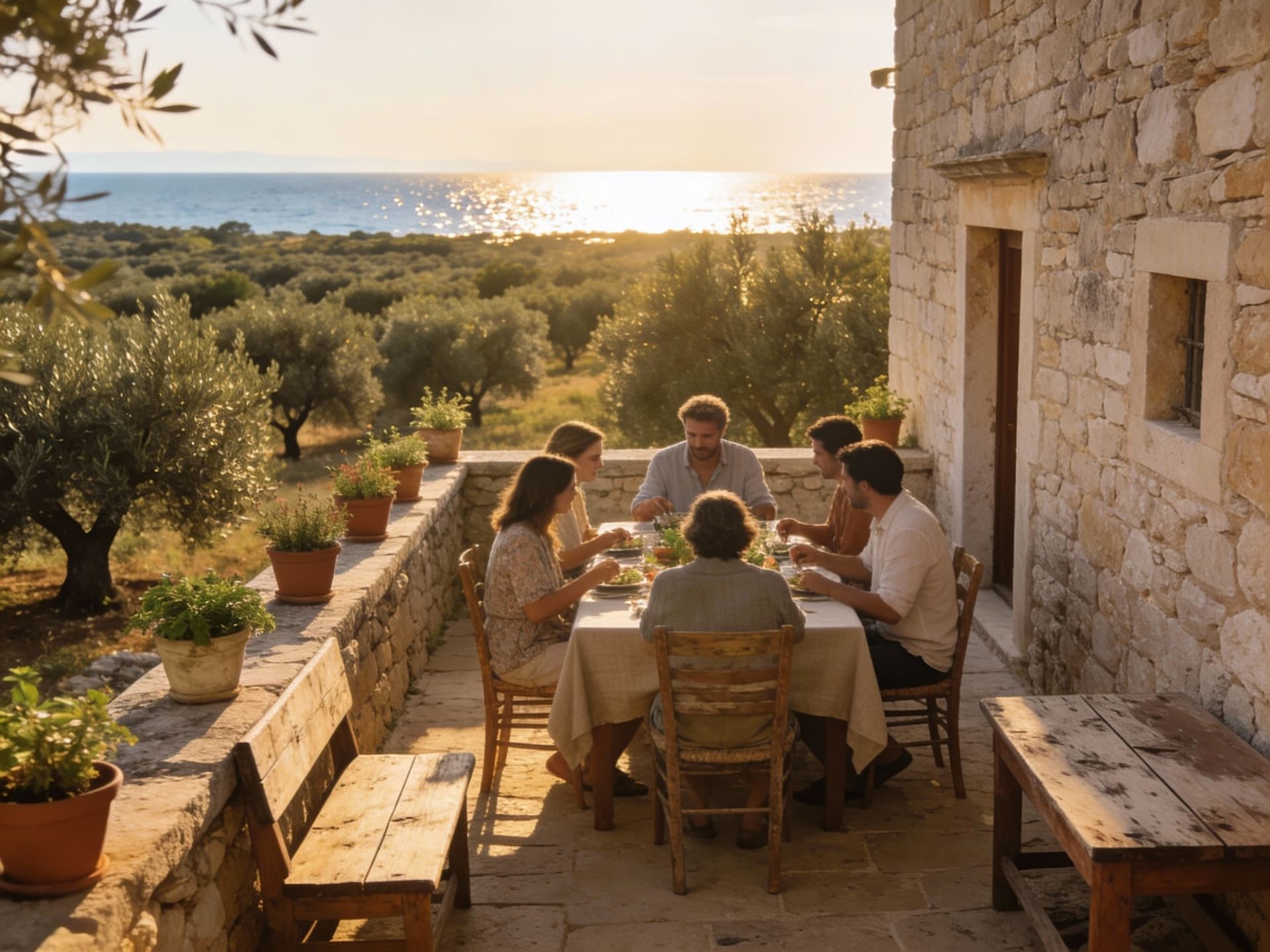
The romance of seaside mornings must meet paperwork. Croatia’s market remains active — coastal counties account for a large share of transactions and foreign buyers are significant players — but policy tweaks (including discussions around property taxation) and regional demand mean timing, taxes and local rules influence value and stewardship. Use data as a compass and local specialists as guides when aligning lifestyle goals with a responsible purchase.
Property styles and how they shape daily life
Stone Dalmatian houses with shaded courtyards invite outdoor living and passive cooling; Istrian stone farmhouses (kaštel) pair well with solar roofs and rainwater capture; modern coastal apartments may offer insulation and heat pumps but require attention to community rules on energy retrofits. Think beyond footprint: seek properties with south‑facing terraces, matured olive trees for shade and soil, and potential for PV panels and greywater systems. These features lower running costs and preserve the character of place.
Working with local experts who steward place
A Croatian lawyer and an agency familiar with ecological retrofits are your best allies. For non‑EU citizens, Ministry of Justice approval (reciprocity) may be required and can add weeks or months; for EU buyers the process is more straightforward. Local experts help secure an OIB tax number, check land registry entries, confirm building permits and advise on restrictions (for example, agricultural and protected land often carry extra limits). Their local knowledge protects both your pocket and the place.
Obtain an OIB (tax ID), engage a Croatian lawyer, and check the zemljisna knjiga (land registry) before signing a pre-contract.
Confirm reciprocity/Ministry approvals for non‑EU buyers or plan to buy via a Croatian company where appropriate.
Assess energy potential: roof orientation for PV, space for heat pumps, rainwater capture and mature trees for passive shading.
Factor in new tax shifts and local incentives — a proposed property tax reform aims to encourage long‑term rentals and responsible ownership (review current rules with your advisor).
Insider knowledge: what expats wish they’d known
Expats often tell the same tale: they fell in love with a town’s summer soul, then discovered the rhythm changes outside tourist season. Coastal hubs empty in winter, local services slow, and community life shifts inland. Others underestimated bureaucracy timing or the cost of sympathetic renovations. The smart move is to imagine living in every season and to build relationships with neighbours and local craftsmen before committing.
Language, customs and belonging
Croatian is the connective tissue of local life, but hospitality runs deep: learn a few phrases, join a Saturday market in Pula or a communal olive press in autumn and doors open. Social norms favour directness with warmth; locals value stewardship — caring for land, stone houses and olive groves — and that mindset often guides neighbourly expectations about renovations and ecological practice.
Long‑term living: stewardship beyond purchase
Think like a steward: prioritise long-term rental eligibility (ten months+) if you’re concerned about property tax exemptions, invest in energy efficiency to reduce running costs and carbon footprint, and work with local conservation rules when renovating historic fabric. These choices keep running costs lower, protect local character and make the property easier to manage as an eco‑conscious owner.
Find builders who understand lime mortars and stone; they preserve thermal mass and breathability.
Prioritise solar-ready roofs and south-facing terraces for passive heat gain and PV installation.
Choose rainwater harvesting and native gardens to support biodiversity and reduce mains use.
Negotiate a practical handover: inventory, keys, and local supplier lists make remote management realistic.
Conclusion: if you’ve ever wanted a home that feels like part of an ecosystem, Croatia can be that place — a life of markets, forests, and Adriatic light. But love alone won’t clear titles or secure permits. Start with a season‑aware visit, hire a lawyer and a stewardship‑minded agent, and plan renovations that honour local materials and energy choices. Do this and you’ll not only own a house in Croatia — you’ll help it thrive.
Swedish advisor who left Stockholm for the Costa Brava in 2019. Specializes in sustainable, sea‑view homes for Scandinavian buyers and green finance insights.