Why Croatia’s Coast Feels Pricier — Where Value Hides
Fall for Croatia’s rhythms while buying smarter: seasonal visits, coastal vs inland tradeoffs, tax shifts and eco-retrofit steps backed by DZS and industry data.
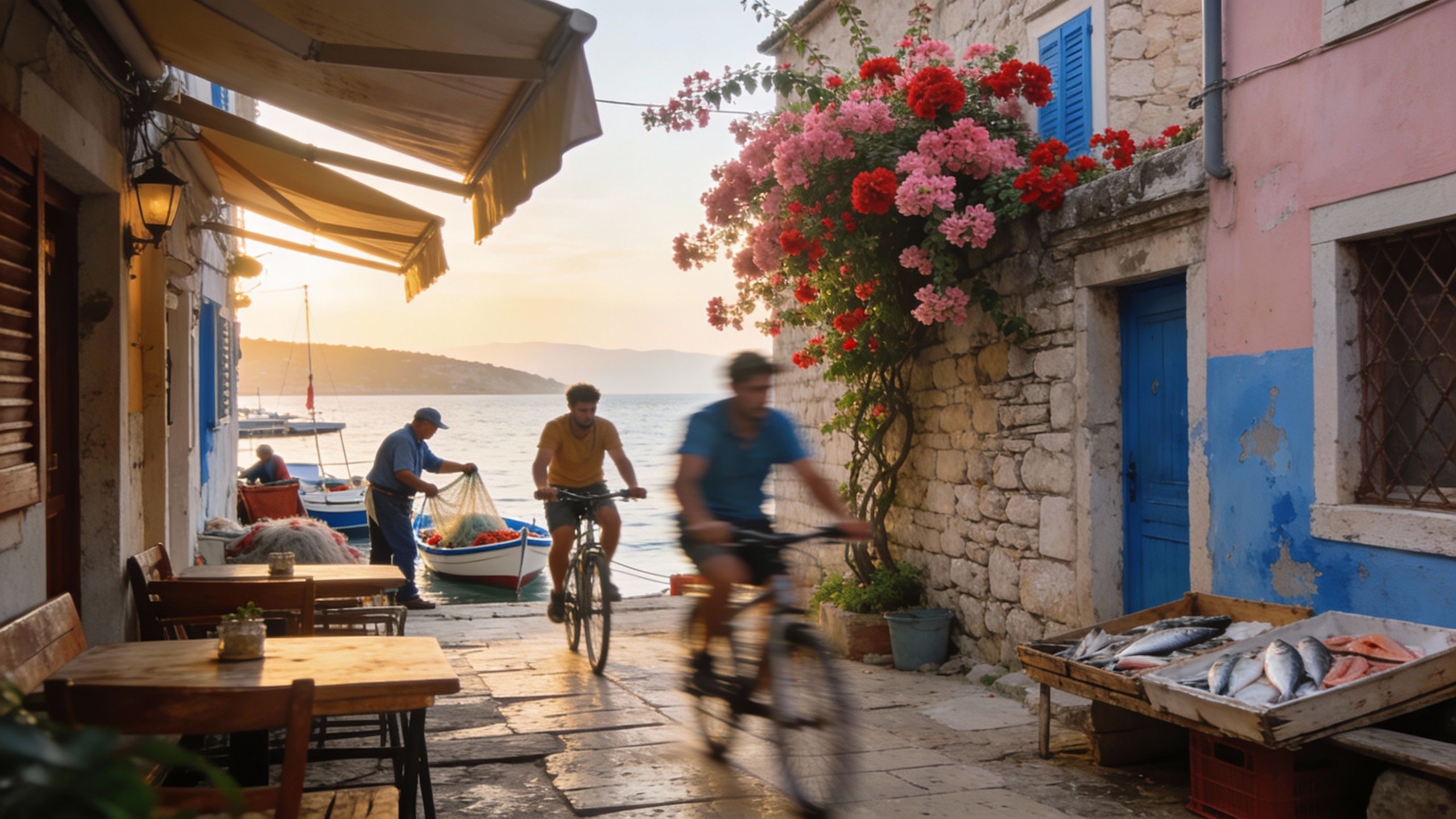
Imagine an early morning in Rovinj: cafés on cobbled Trg Mulini fill with the smell of espresso and freshly baked burek, fishing boats rock in the harbour, and limestone houses glow in soft golden light. That slow, sensory rhythm — sea breeze, market chatter, the song of cicadas in summer — is what draws so many of us to Croatia. But beneath the postcard is a market shifting fast: prices, seasonal rhythms and new tax rules are changing where value sits. This piece pairs that lived-in feeling with clear, research-backed steps so you can fall for Croatia’s way of life and still buy wisely.
Living Croatian Days: Atmosphere, places, and rhythms
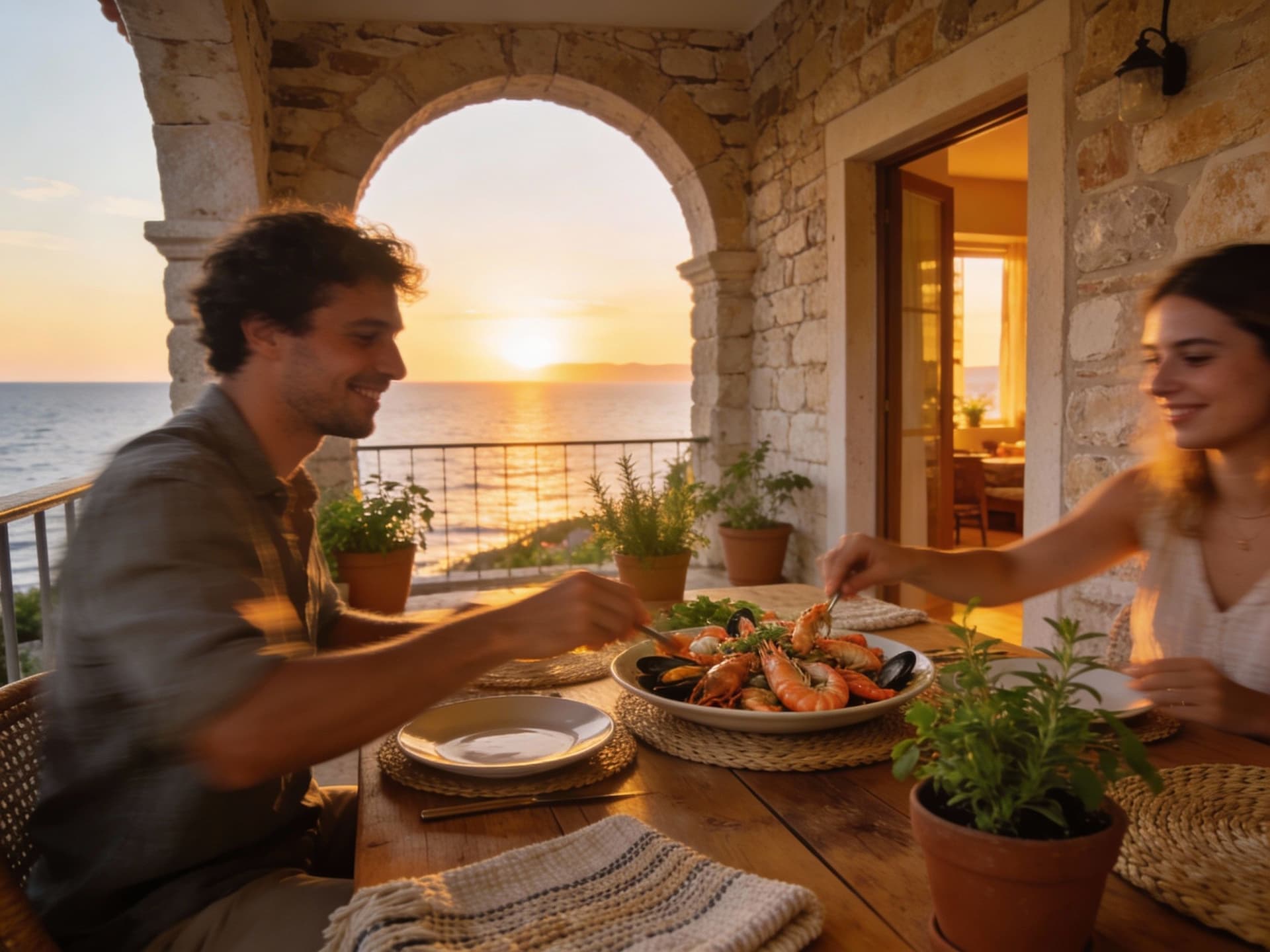
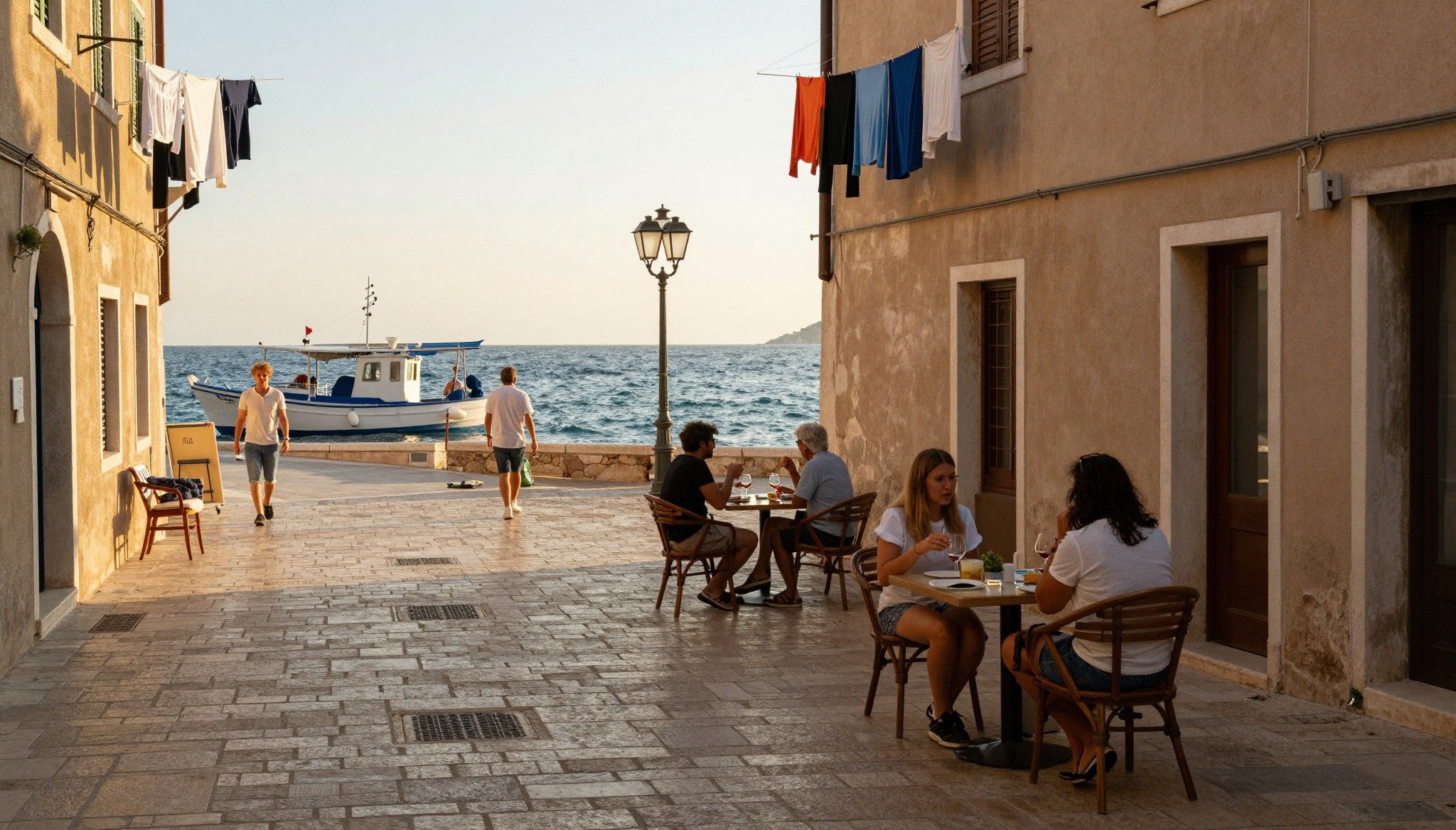
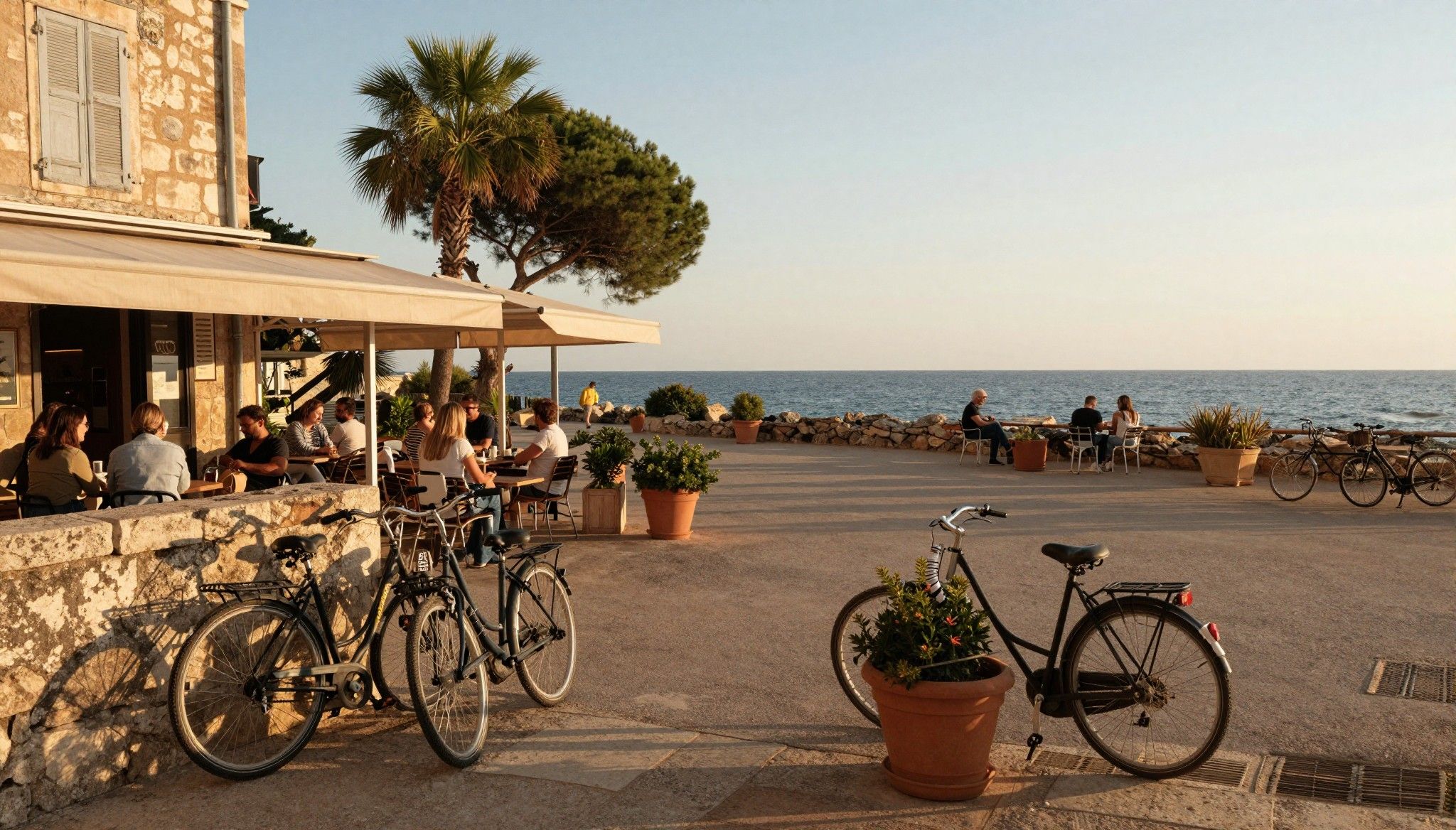
Croatia is both Adriatic idyll and continental pulse: Dubrovnik’s old town hums with history and tourists in high summer, Split’s Riva is a living room where locals sip ristrettos at dawn, and Zagreb offers leafy avenues, bakeries, and year-round cultural life. The pace changes by place and season — summer brings island ferries, open-air concerts and sunlit terraces, while autumn and winter reveal softer neighbourhoods, farmers’ markets and quieter coves. Living here means a year that’s measured by market days, truffle season in Istria and the first sea-swim of spring. For international buyers the choice is often less about a single view and more about which daily rhythm you want to live inside.
Coastlines and towns that feel like home
If you crave seaside sociability, Split neighbourhoods like Veli Varoš or the mellow streets around Diocletian’s Palace offer a compact life: morning markets, family-run konobas, and short walks to the sea. Istria’s hill towns — Motovun and Grožnjan — deliver slow-country charm, oak forests and truffle festivals that rewrite weekends. Inland, Slavonian villages and the Zagorje hills bring space, stone houses and cheaper land for those imagining regenerative gardens and olive-patch experiments. Each place comes with distinct sounds: church bells in Zagorje, dalmatian klapa singing at dusk, or the clink of espresso cups in Zagreb’s Tkalčićeva.
Food, markets and the seasonal calendar
Croatia’s seasons shape lifestyle more than architecture: summer markets brim with fresh fish and figs, while autumn is for mushrooms, truffles and slow wine tastings along Istrian routes. Local favourites include Zagreb’s Dolac market for produce, Split’s fish market near the Fish Gate for daily catches, and Pula’s bakeries for morning pastries. Eating here is a community act — long lunches, neighbours swapping jars of preserved fruit, and harvest parties that center neighborhood life. If you want a home that supports this life, look for properties with storage for preserves, sun-facing terraces, and space for a small kitchen garden.
Making the move: what the market really looks like
Here’s the blunt truth: Croatia’s house prices have been rising fast, especially along the Adriatic coast and in cities. The national house price index shows double-digit annual increases into 2025 in several quarters, and government data points to particularly strong growth in coastal counties. Tax reforms and shorter-term rental regulations are reshaping investor appetite and nudging some owners toward long-term rentals or renovation rather than short-stay let. That shifts opportunity: the market’s headline numbers make areas look expensive, but digging into seasonal demand, rental vacancy and local tax rules uncovers pockets of value — especially in off-season-friendly towns and inland counties.
Property styles and how they shape daily life
Stone townhouses in Dalmatia offer thick walls that keep houses cool in summer and cosy in winter — ideal if you value year-round living and low operational energy. Modern apartment blocks in Zagreb provide efficient heating, coworking access and easy services for winter life. Rural Istrian stone farmhouses lend themselves to regenerative gardening, olive terraces and on-site food production but often need thoughtful retrofit for insulation and solar. When you choose a property style, consider both the sensory life it offers (terrace sun, kitchen size, proximity to markets) and the sustainability work required to make it low-impact year-round.
Working with local experts who value place
Local agents, architects and craftsmen are your translators — not only for permits, but for lifestyle match-making. A good local agent will know which Istrian lanes keep steady year-round communities, which Split streets empty out after August, and which inland villages have cooperative olive producers. For sustainability-minded buyers, seek agents who can introduce energy assessors, craftsmen experienced in lime plasters and local stone, and electricians familiar with PV + battery setups. These relationships turn a property from a shiny listing into a home that breathes with the landscape.
Lifestyle‑practical checklist when you view properties in Croatia:
Check orientation and breezes — terraces facing west in Dalmatia capture evening light but need shade in high summer.
Ask about seasonal water supply and cisterns — many older coastal houses depend on stored rainwater or municipal summer deliveries.
Confirm short‑term rental history and local tax treatment — recent reforms changed incentives for tourist lets versus long‑term rentals.
Look for evidence of traditional materials (stone, lime mortar, chestnut timber) that can be repaired sustainably rather than replaced.
Insider knowledge: expat realities and timing contrarian advice
Expats often tell the same surprise: the summer you fall in love with a town is the worst time to buy. Peak season listings are inflated by holiday demand and staged to shine under August sun; quieter months reveal real neighbourliness, services and maintenance realities. Many buyers who paused until autumn or winter found better prices, clearer renovation schedules and neighbors who actually live there year-round. If you want a life rooted in place rather than a seasonal lifestyle, plan visits across two seasons.
Cultural navigation: language, social customs and community
Croatians value directness, family ties and a steady sense of place. Learning a few phrases — greetings, market bargaining niceties, thanking the baker — opens doors. Community life often revolves around church fêtes, local associations and harvests; showing up helps. For practicalities like utilities or council permits, patience and local introductions speed things more than digital forms do. Bringing an Italian or German phrasebook can be useful in Istria and parts of Dalmatia where older generations speak multiple languages.
A sustainable eye on long-term living
Steps to make a Croatian property low-impact and future-ready:
Start with an energy audit and roof inspection — many coastal roofs need re-tiling and are perfect locations for discreet PV arrays.
Explore cisterns and greywater reuse — retrofitting water capture is often more cost-effective than changing mains supply.
Prioritise local materials and craftsmen — lime plaster, reclaimed chestnut beams and stone repair extend a house’s life and keep embodied carbon low.
Plan season-aware furnishing — insulating shutters, layered bedding and ventilated shade make houses comfortable across Croatia’s microclimates.
Conclusion — where lifestyle romance meets clear action
Croatia invites you to a life measured in markets and sea swims, harvests and quiet cafés. The market’s headline rise needn’t scare you — it should make you deliberate. Visit in different seasons, work with local agents who understand both ecology and neighbourhood life, and plan sustainability retrofits as part of your purchase cost. If you want help translating a lifestyle vision into a property brief and a local team, a stewardship-minded agency will be your best guide. Start with one focused visit outside high season, and let the place show you its real rhythm.
Norwegian market analyst who relocated from Oslo to Provence; guides investors with rigorous portfolio strategy and regional ecological value.