Buy Quiet: Where Croatia’s Value Hides Beyond the Riviera
Discover Croatia beyond postcards: how quiet towns, seasonal visits and stewardship-minded steps reveal value while protecting local life.
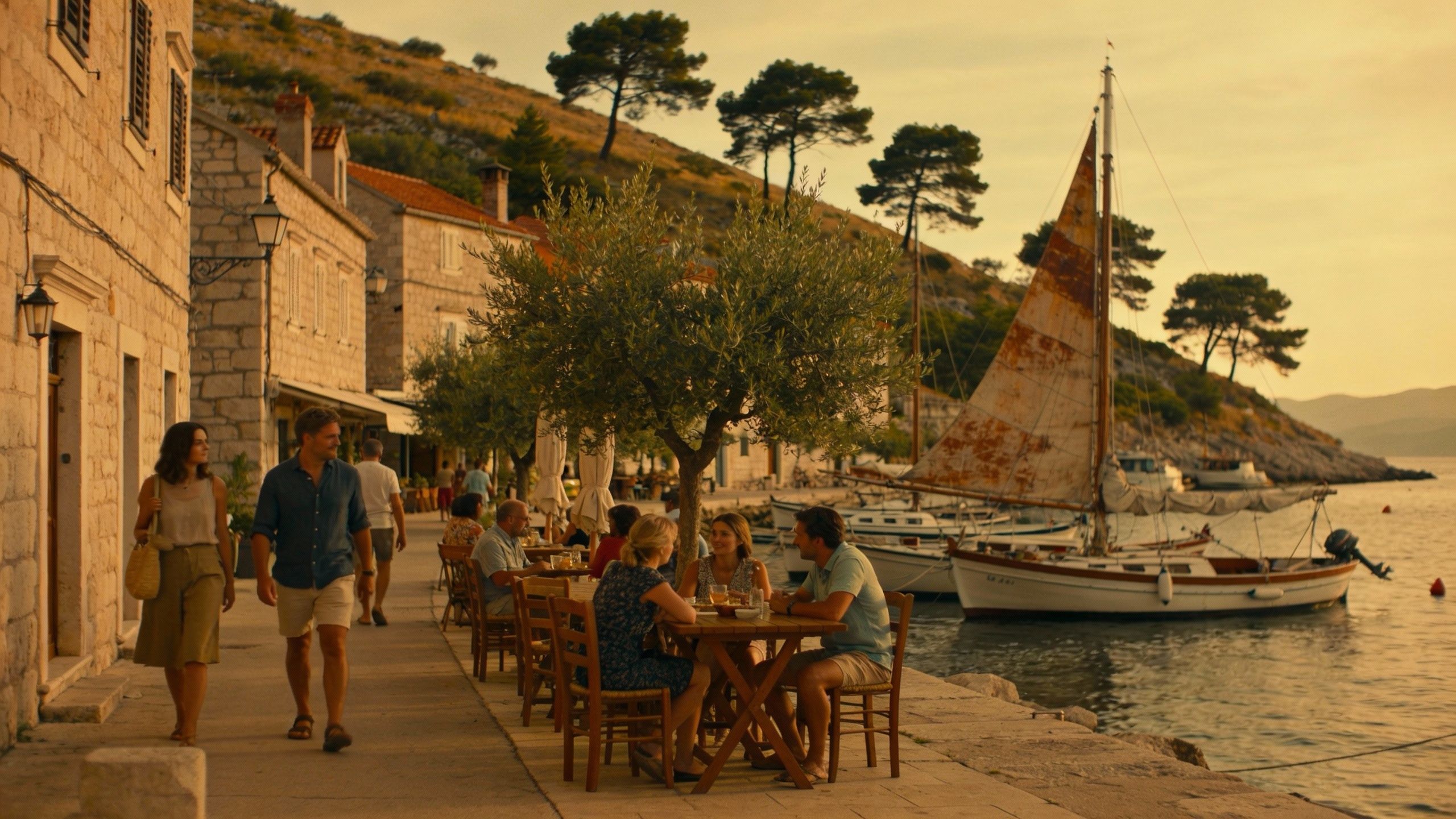
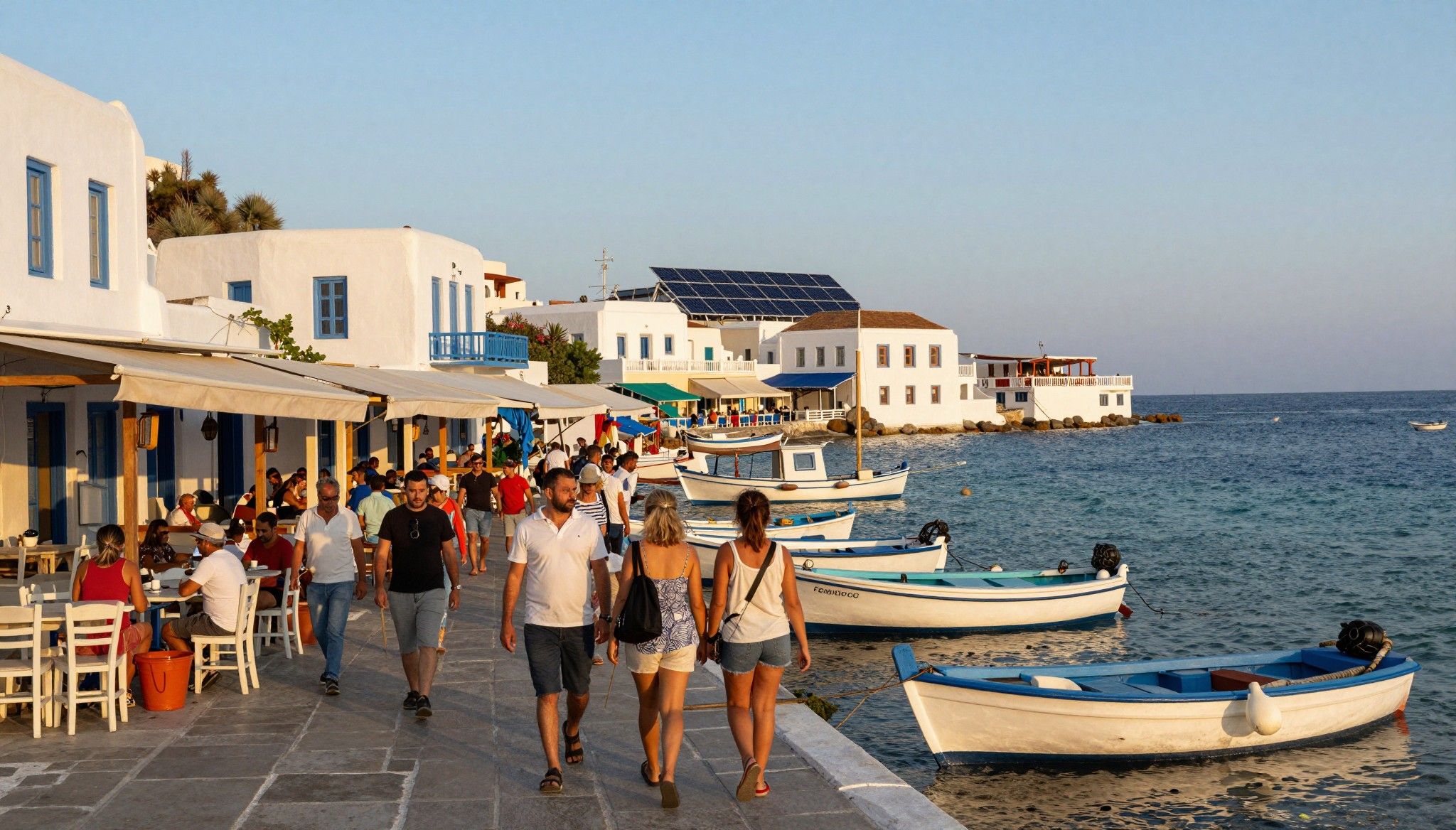
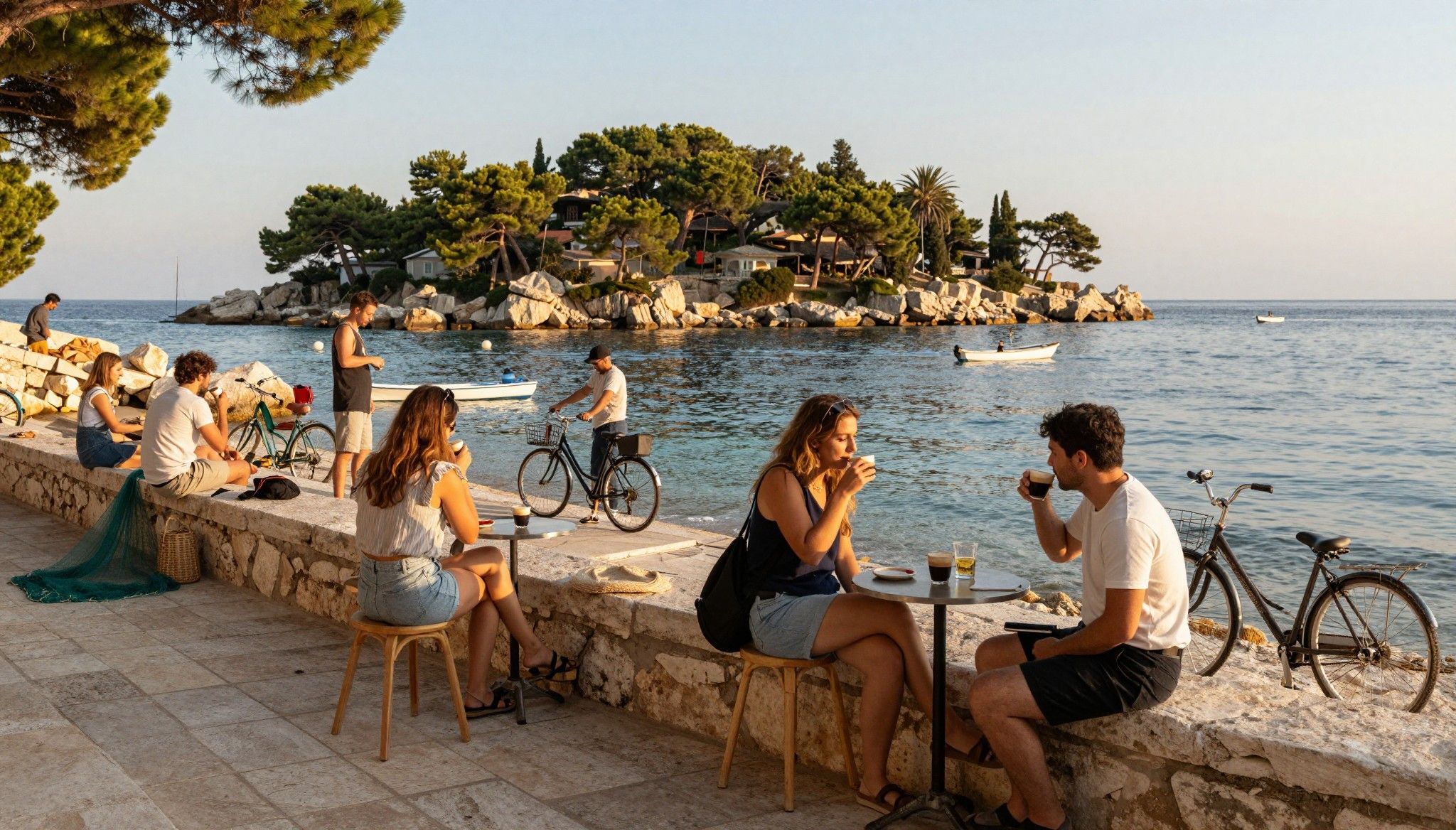
Imagine waking to the bell of a coastal church, cycling past olive terraces, then sipping espresso beside a fisherman mending nets — this is living in Croatia, but not always where postcards point. The charm most visitors see—Dubrovnik's Stradun, Hvar's harbour—exists alongside quiet streets in towns like Šibenik, Labin and the inland hilltop villages where life moves with season and soil. For buyers who crave nature, neighborliness and houses that breathe with stone and timber, Croatia offers a surprising breadth: cosmopolitan Zagreb mornings, slow coastal afternoons, and islands that reward curious explorers. That contrast — tourist glare versus lived-in calm — is exactly where value and stewardship opportunities hide for the international buyer.
Living the Croatian rhythm
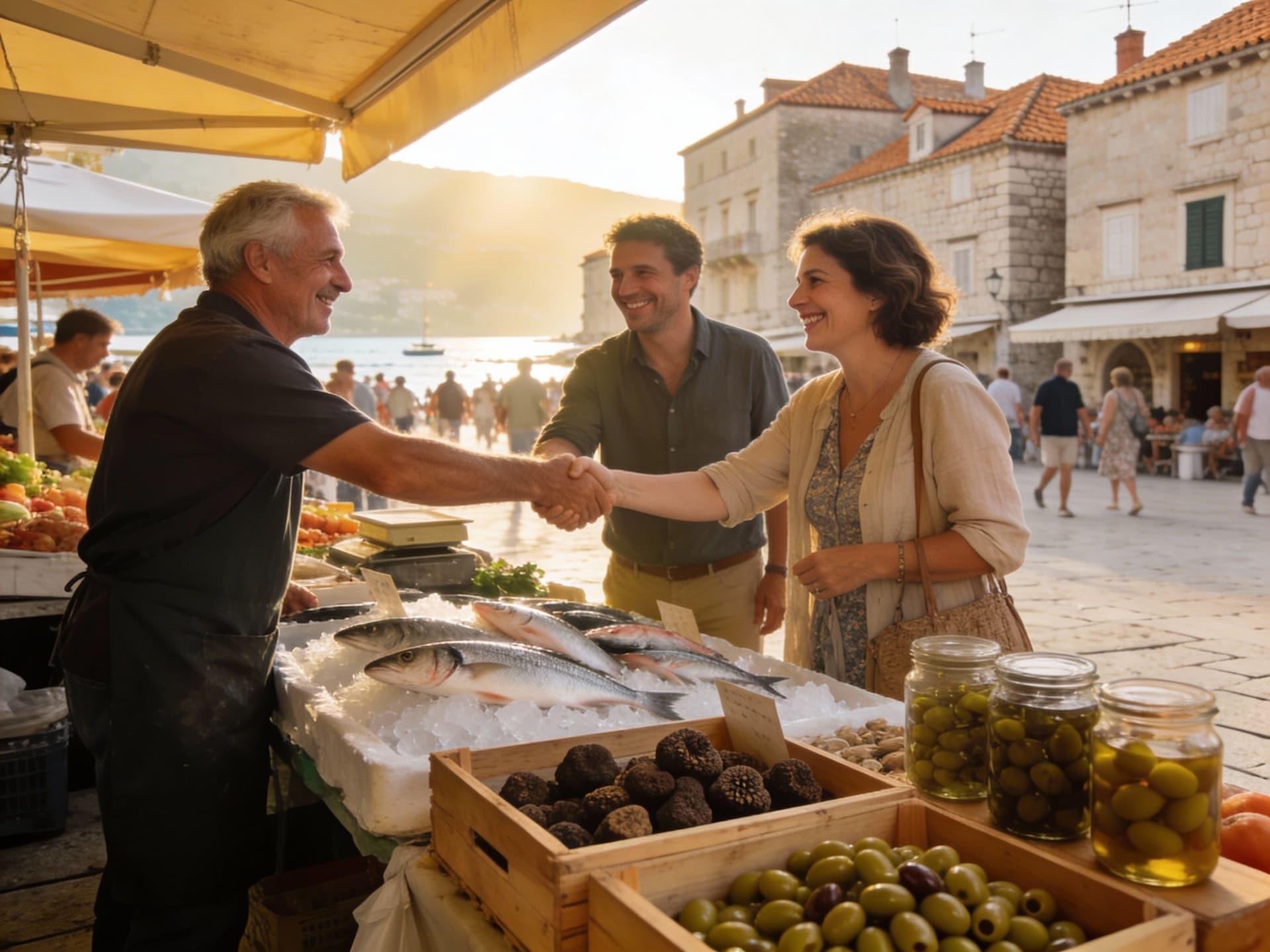
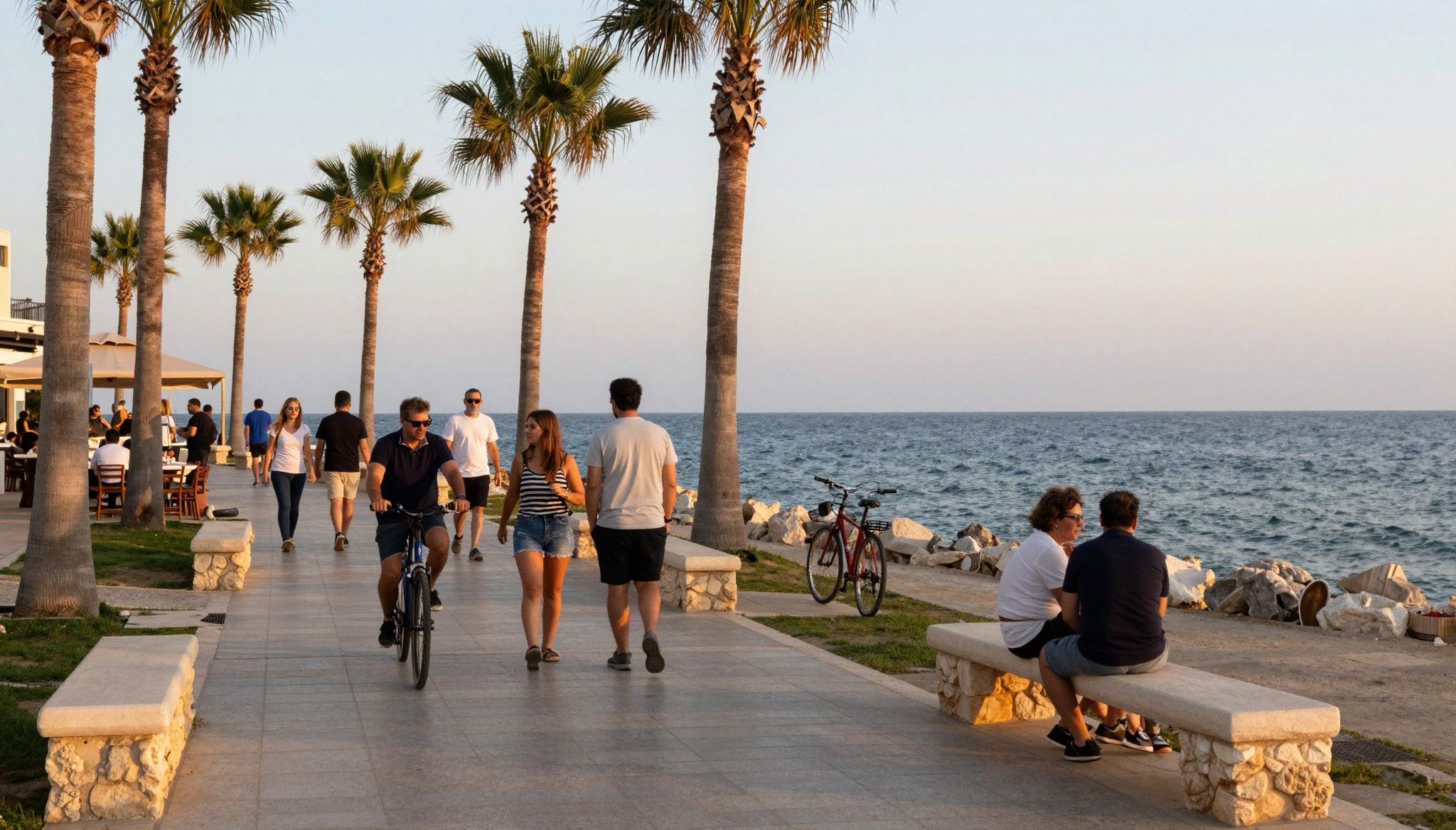
Days here follow light and season. Winters are damp and slow in continental towns; spring explodes with wisteria in Istrian lanes; summers fill cafés and pebble beaches along the Adriatic. Locals prize fresh market mornings (think Dolac in Zagreb or Pula’s market stalls), family meals built around seafood and slow‑roasted lamb, and evenings spent in tucked-away konobas rather than glossy tourist restaurants. If you want a home that is part of a living landscape — a garden that yields figs, a terrace that cools in sea breezes — this is the country that teaches you to live by seasons.
Neighbourhoods that feel like home
Different places in Croatia offer very different rhythms. In Zagreb, streets such as Tkalčićeva and the leafy areas around Britanski trg hum with cafes, design shops and year‑round life; Split’s Varoš and Meje combine stone houses with quick access to ferries and local markets; Istrian towns like Rovinj and Labin trade tourist peak bustle for winter calm and strong local communities. On islands such as Brač and Vis you'll find villages—Postira, Komiža—where fishermen, olive growers and artists share neighborhood festivals that stitch newcomers into local life quickly.
Food, markets and daily rituals
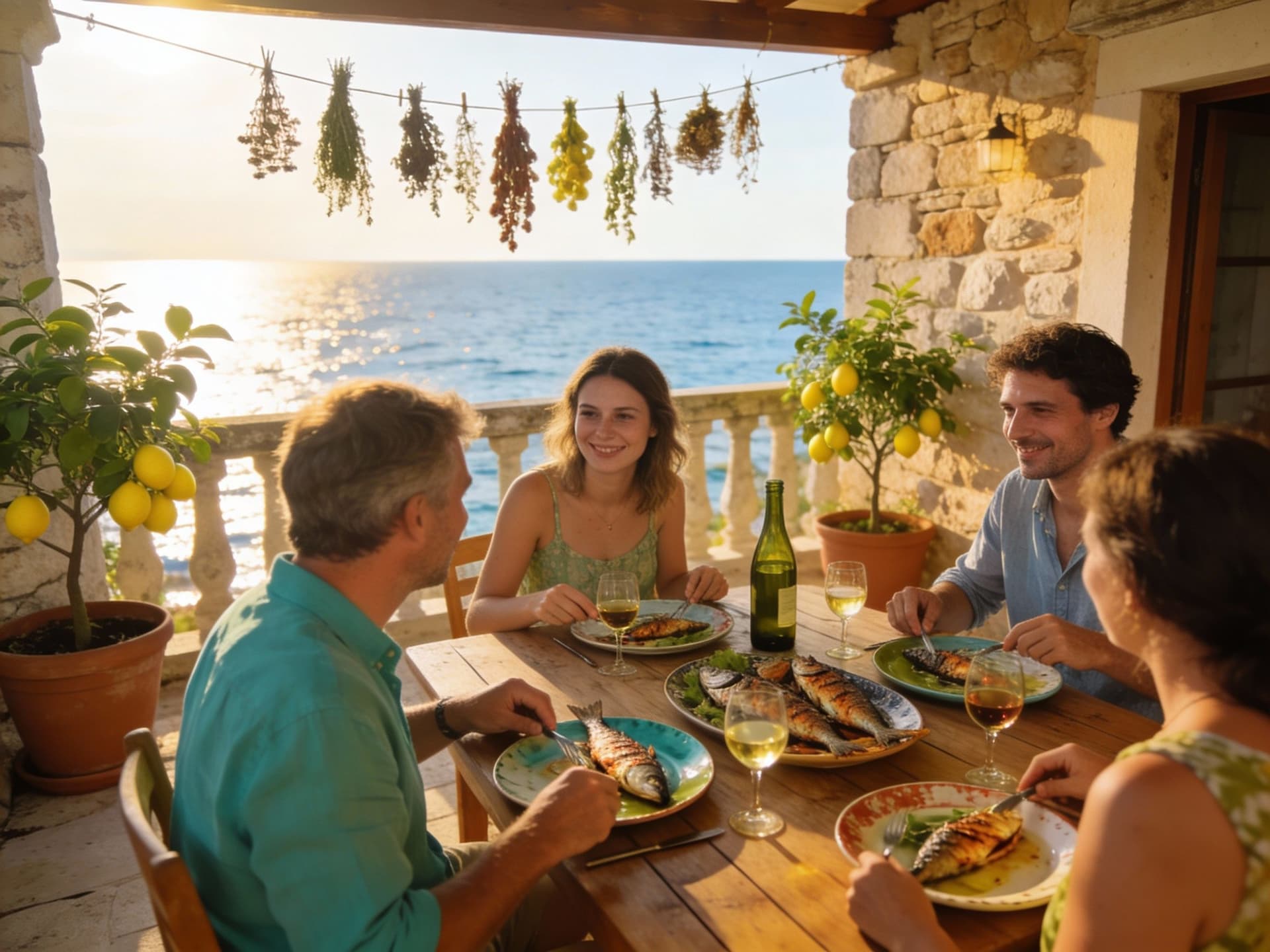
A day here often starts at the market — oysters in Mali Ston, truffles in Istria, fresh bread in Split — and ends with a slow meal where conversation is as essential as the wine. That food culture shapes property choices: a compact kitchen with a pantry, a terrace for late dinners, and space for drying herbs matter as much as sea views. Markets and small producers create real opportunities for stewardship; properties with gardens, cisterns, or terraces can support a low‑impact, local food life rather than sterile imported living. For buyers, investing in homes that enable local sourcing makes sustainable living simple and joyful.
- Lifestyle highlights: morning markets, konobas, island ferry rhythms, local festivals, community olive oil presses, coastal walking paths.
Making the move: lifestyle-first practicalities
Dreams meet paperwork in Croatia — and the good news is you can protect the lifestyle you want by pairing local insight with practical steps. Recent policy shifts aim to curb short‑term rental pressure and introduce property taxation measures that favour long‑term residents over speculative short lets. For buyers who want to live sustainably and integrate into communities, these regulatory moves can be an advantage if you plan for long-term occupancy, garden stewardship and small‑scale renovation instead of tourist conversion. Working with an agent attuned to stewardship will keep your purchase aligned with both lifestyle and legal realities.
Property styles that match a sustainable life
Stone houses with thick walls, renovated Dalmatian villas, Istrian trulli‑like stone homes and modern timber builds all offer different relationships to climate and energy. Older stone homes naturally regulate temperature and often need cosmetic retrofits for insulation and efficient heating, while newer builds may already include good glazing and solar readiness. With prices rising — national house price indices showed double‑digit annual growth in recent quarters — prioritize energy efficiency upgrades (insulation, heat pumps, PV readiness) early so the home lives lightly and costs less to run over time.
Work with local experts who know both life and law
Find agents who speak English and Croatian, know local craftsmen, and can introduce you to sustainable architects and permaculture gardeners. For non‑EU buyers, the legal path requires permits or corporate structures in some cases, so a lawyer experienced in foreign purchases is essential; EU citizens face fewer restrictions but still benefit from counsel. Choose advisors who value stewardship: they’ll flag water access, protected zones, and short‑term rental risks, and recommend energy upgrades that honour both character and climate.
- Steps to combine lifestyle and purchase: 1) Visit in two seasons to feel year‑round life; 2) Ask about local planning restrictions and short‑let rules; 3) Inspect for passive features (thick stone walls, natural ventilation); 4) Get quotes for insulation and solar; 5) Meet neighbours and local artisans; 6) Confirm long‑term water and waste systems.
Insider knowledge: what expats wish they'd known
Real talk: prices have risen quickly and coastal hotspots see intense competition, but the most rewarding homes are often off the main tourist trail. Many expats say their early mistake was chasing postcard views without experiencing off‑season life; they learned that a view alone doesn’t create community or year‑round comfort. Another common surprise: local bureaucracy moves slowly — patience and a few coffees with local officials and builders smooth many bumps. Finally, regulations now favour long‑term residents; if you’re serious about community life, that change can protect local fabric and your living experience.
Cultural cues and everyday integration
Croatians value small courtesies, seasonal rituals and slow hospitality: bring a loaf or a bottle when meeting neighbours, learn basic greetings in Croatian, and be ready to share simple tasks like olive‑picking or market visits. Language opens doors; even modest Croatian phrases lead to invitations and faster integration. Social life often clusters around family, church festivals and local clubs, so joining community events is the fastest way to feel at home.
Longer‑term stewardship: how your life evolves here
Over time, owners prize slow investments: olive and vineyard care, native planting, and small-scale upgrades that improve comfort while protecting character. Given recent price momentum, many buyers shift from buy‑to‑let dreams to living‑first strategies that keep villages alive and return better wellbeing. If you plan to rent occasionally, design for long stays and eco‑comfort rather than a short‑term tourist checklist — that attracts guests who value place and pay for quality while preserving local life.
Conclusion: Croatia rewards patience, curiosity and stewardship. Visit in shoulder seasons, prioritise neighborhoods where people live year‑round, and seek homes that already breathe with passive features or are easily upgraded for energy efficiency. Partner with local agents who care about place as much as price — they’ll introduce you to hidden lanes, craftsmen and sustainable upgrades that turn a house into a rooted home. Ready to start? A thoughtful first visit, a chat with a stewardship‑minded agent, and a short checklist on water, legal access and energy readiness will set you toward a home that serves both you and the landscape for years.
Norwegian market analyst who relocated from Oslo to Provence; guides investors with rigorous portfolio strategy and regional ecological value.