Buy in France When Locals Slow Down: Off‑Season Advantages
Fall for France’s seasonal rhythms: buy where neighbourhood life, energy performance and local expertise align—visit off‑season, prioritise eco‑features, and work with local notaires and agents.
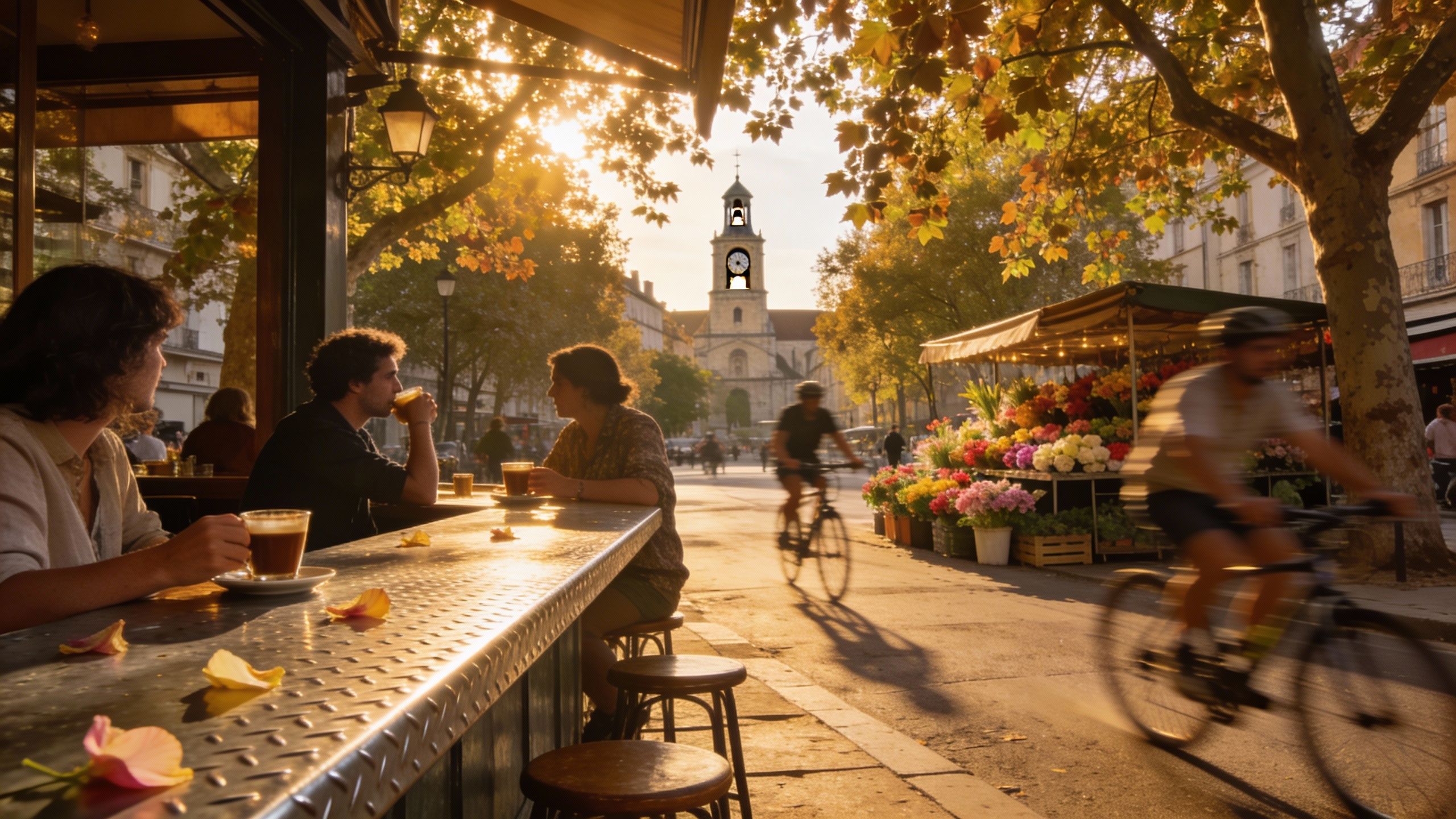
Imagine a Sunday morning in Provence: a mist lifts off lavender fields, an open market hums under plane trees, and a neighbour invites you for café and charcuterie. In France the rhythm of everyday life—markets, midweek boulangeries, long lunches—shapes how you live and where a home will sing for you. That lived rhythm matters as much as price per square metre when you buy here, especially if you value slow, sustainable living.
Living the France lifestyle: scent, street, season
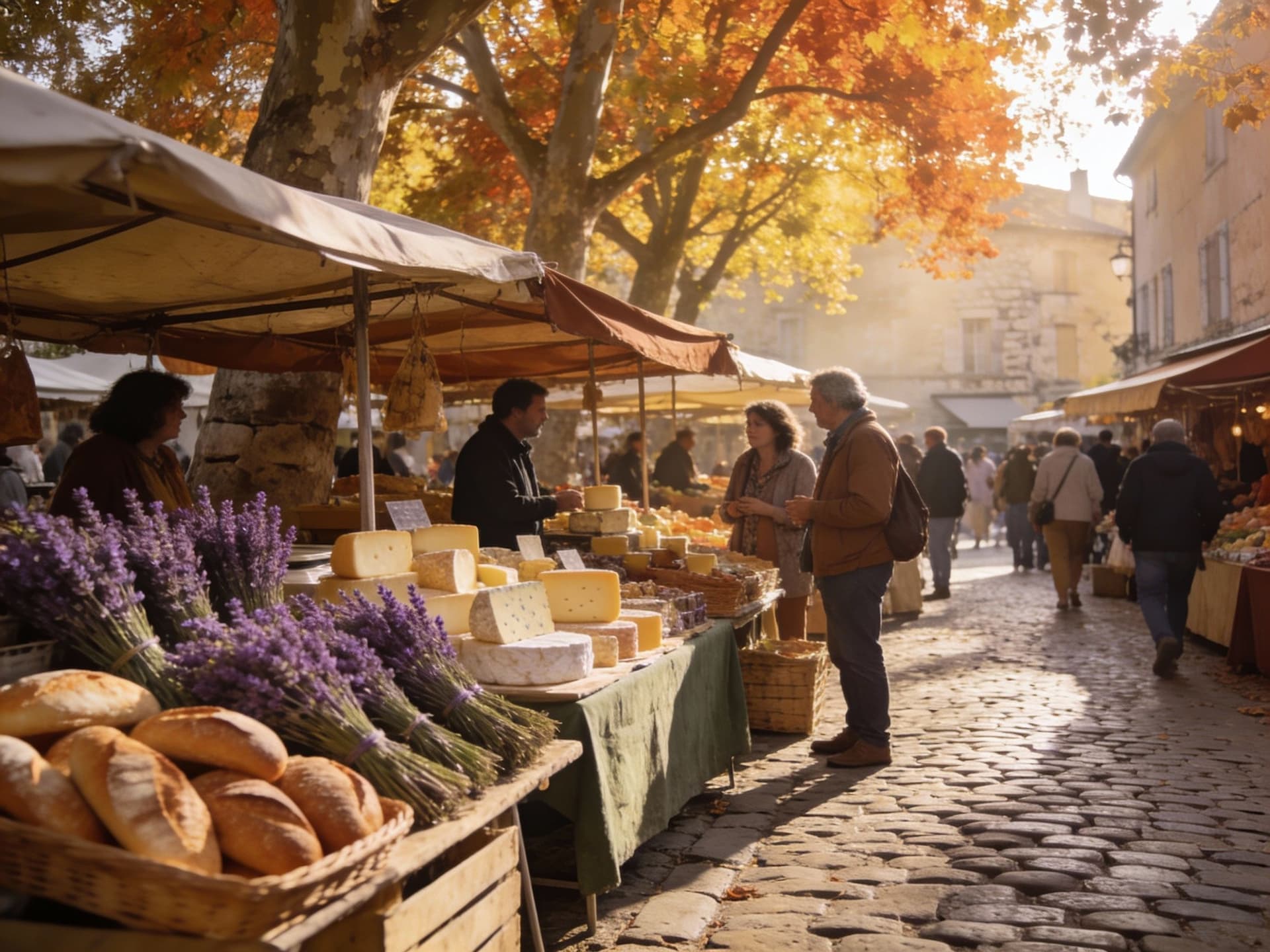
France is not one uniform dream; it is a mosaic of daily rituals. In Paris, espresso on a zinc counter meets evening theatre; in Biarritz surfers greet dawn and tapas-style seafood by night; in the Luberon, village markets and stone terraces set the pace. These textures decide whether you’ll thrive in a compact arrondissement flat or a timbered farmhouse with an olive grove.
City pulse: Paris to Lyon—where streets become living rooms
Walk Paris early and you’ll meet deliveries, keepers of cafés and bookstalls; cross the Seine and neighbourhoods change like seasons. In Lyon’s Croix-Rousse you feel the silk-weaver legacy in small ateliers and bouchons; in Marseille the Vieux-Port is a conversation between fishermen and chefs. These streets aren’t just pretty—they shape how you use a kitchen, a balcony, a garden.
Countryside and coast: Provence, Dordogne, Brittany and the Atlantic
Outside cities the seasons are the calendar. Truffle markets in Périgord, storm-washed beaches in Brittany, and summer festivals in Avignon anchor life cycles. These rhythms influence energy needs, garden choices, and whether a home needs double glazing or shutters, a geothermal system or a modest wood stove. Practical home features are local expressions of seasonal living.
- Markets, cafés and hidden gems to taste the place
- Provence morning markets: Apt, L'Isle-sur-la-Sorgue, and Lourmarin for antiques and local produce
- Coastal weekends: Cap Ferret oysters, Biarritz surf culture, Normandy apple orchards and calvados
- Village evenings: Place du Marché squares in Gordes or Saint-Rémy where neighbours linger after dinner
Making the move: marry lifestyle with real estate reality
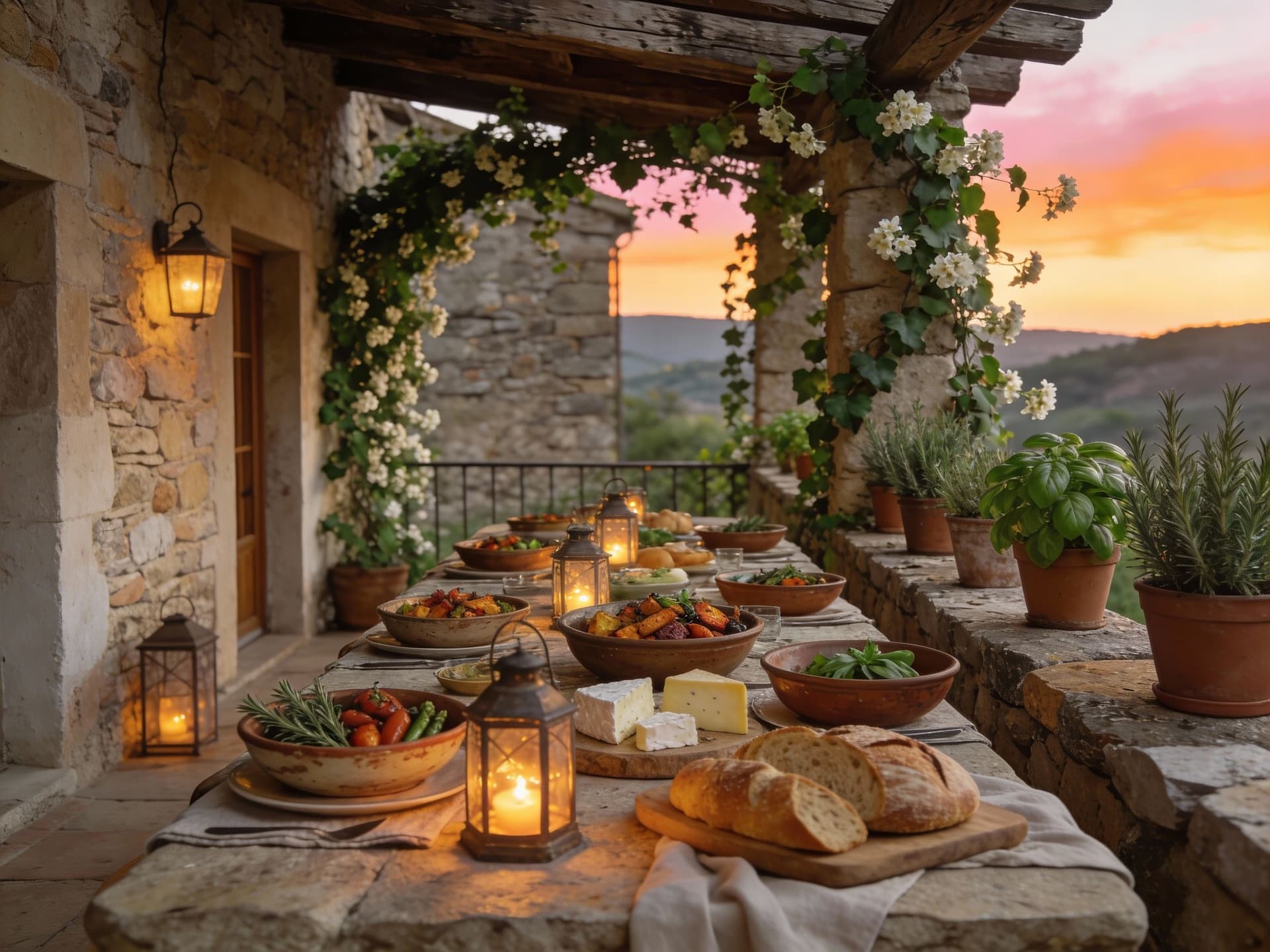
Dreams meet paperwork the moment you fall for a street. National data show prices stabilising in early 2025 after recent declines, but the picture varies—Paris remains strong while many regional markets are rebounding more gently. That variation is an advantage: you can often trade proximity for space, or choose a smaller footprint with better ecological performance for the same budget.
Property styles that support a low‑impact life
Stone farmhouses, restored mill houses and timber cottages often offer thick walls and passive thermal qualities; newer eco-builds bring solar, high-performance insulation and mechanical ventilation with heat recovery. Think beyond aesthetic: an orientation that captures winter sun, space for a kitchen garden, and capacity for panels or a battery will transform running costs and your daily connection to nature.
Work with local experts who understand place and season
- Find an agent or notaire who can match lifestyle needs—look for local experience, fluency in your language, and a track record of sustainable properties.
- Ask for energy performance (DPE) history and recent renovation invoices; these tell you how a home behaves across seasons.
- Prioritise outdoor orientation, local water access, and garden soils—these shape whether you can raise vegetables, olives or native hedging for biodiversity.
Insider knowledge: myths, practical surprises and expat truths
Myth: France is uniformly expensive. Reality: pockets of affordability sit beside high-demand zones. Myth: you must speak fluent French. Reality: many successful buyers worked with bilingual agents and integrated over time. The smart, sustainable buyers learn local rhythms first—market day, waste collection, garden season—and align purchases to how they want to live.
Cultural cues that change where you buy
Neighbours value discretion and reciprocity: share a basket from your garden, learn who grows figs, bring bread after repairs. Social norms influence everything from noise expectations to how public space is used—choose a street where the social tempo matches yours.
Longer‑term lifestyle checks
- Check transport links for seasonal access, broadband for remote work, and local services—school, health centre, and market days—so the home works all year, not just in July.
- Factor in maintenance rhythms: slate roofs, chestnut beams and lime plaster need different care and craftspeople than a modern shell; local artisans are part of stewardship.
Small practical steps—visit in autumn or winter to see how heating performs, ask a notaire about local servitudes, and test commute times during a non-holiday week—are where lifestyle dreams survive first contact with reality.
Conclusion: If you want a home that feels like a place and behaves like a sustainable system, begin with experience. Spend market mornings in the neighbourhood, ask practical questions about energy and seasons, and partner with local experts who share your stewardship values. When you buy this way, the house becomes a living stage for a life that already feels possible.
British expat who traded Manchester for Mallorca in 2017. Specializes in guiding UK buyers to luxury Spanish estates with clear navigation of visas and tax.