Autumn House‑Hunt: Smarter Timing in Cyprus’ Coastal Towns
Autumn calm in Cyprus reveals quieter streets, better negotiation room and clearer signs of a home’s sustainability — visit off‑season to see how life truly feels.
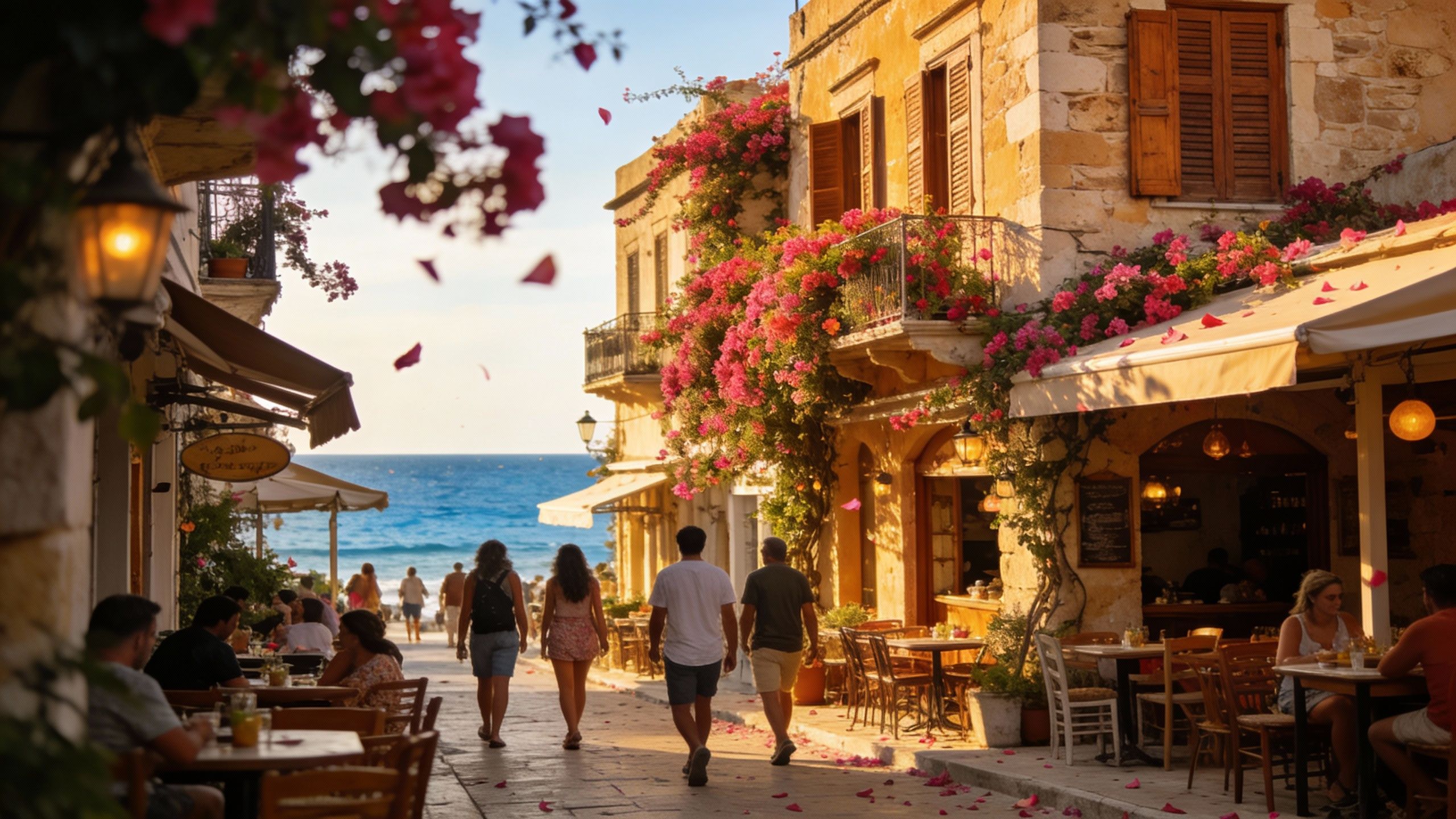
Imagine stepping out at dawn onto a limestone lane in Paphos, the scent of freshly baked koulouri drifting from a tiny bakery on Apostolou Pavlou Street, then wandering to a sun-warmed terrace where the sea is a soft blue horizon. Cyprus moves at a gentle rhythm — café chatter in the mornings, siesta light in the afternoon, and taverna plates shared at dusk — but the island’s property market quietly pulses with seasonal opportunity. For buyers who love the lived-in texture of Mediterranean life and want homes that respect landscape and tradition, timing your search can change everything.
Living the Cyprus Life
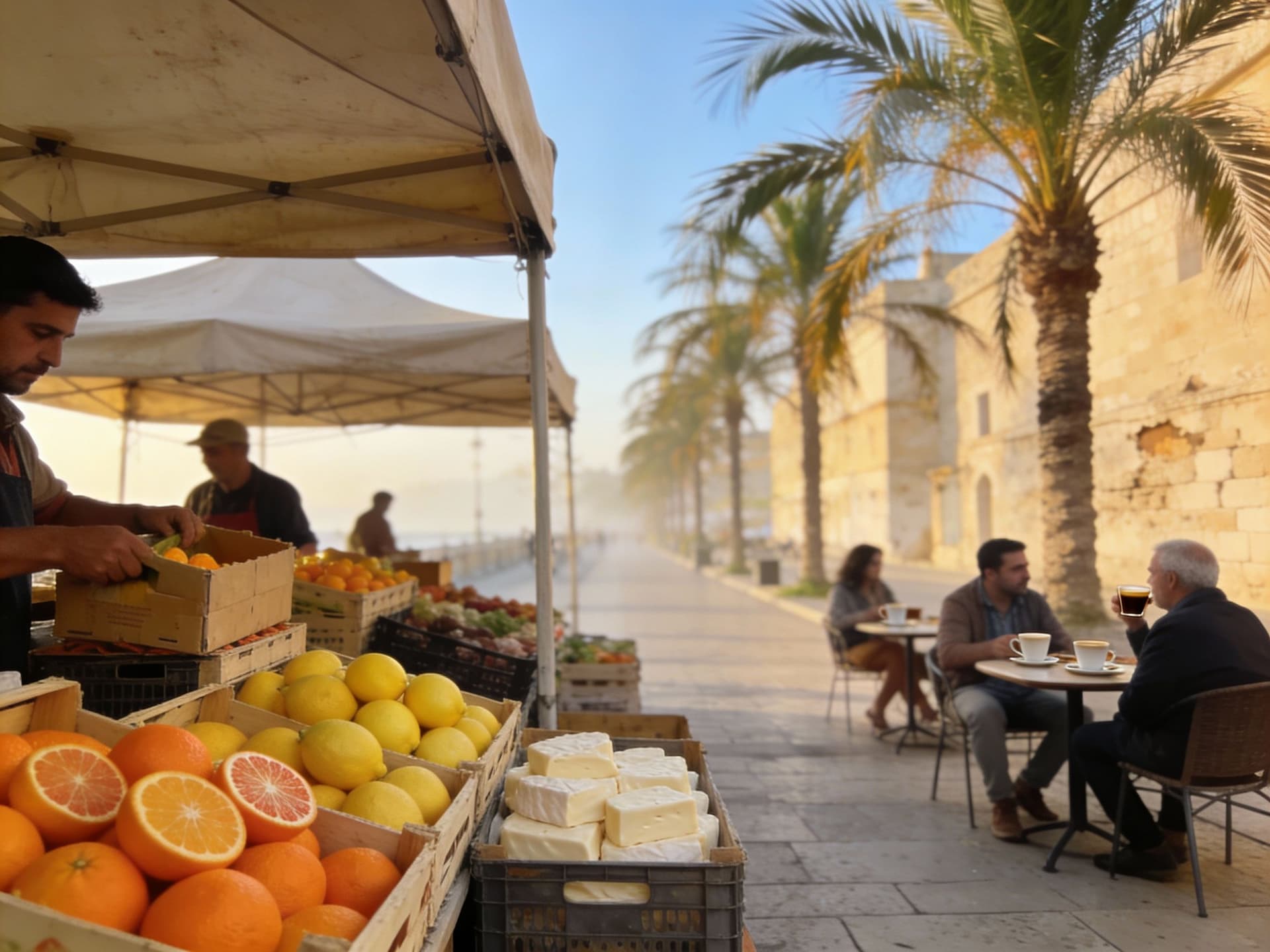
Cyprus is not one uniform place; it is a stitched map of seaside villages, hilltop towns, and inland olive terraces. Mornings are for markets — Limassol’s Municipal Market hums with citrus and halloumi vendors, while Larnaca’s Finikoudes promenade brightens as fishermen unload the day’s catch. Afternoons drift toward beaches like Fig Tree Bay and quieter coves near Polis. Evenings belong to family-style tavernas where fresh produce and island wine make neighbors linger. If you crave a home where outdoor life is the default — balconies for long breakfasts, courtyards for potted herbs, and terraces that capture evening light — Cyprus offers that rhythm abundantly.
Neighbourhood Spotlight: Paphos Old Town and Kato Paphos
Paphos pairs ancient stone lanes and Byzantine mosaics with a surprising number of contemporary eco-renovations. Walk down Makariou Avenue for small galleries and coffee, then turn into residential streets of low-rise stone houses with planted roofs and herb gardens. Locals prize calm mornings and community gatherings at the municipal park; expats value short drives to quieter beaches and the international school. Properties here often offer ready-made outdoor living — pergolas, cisterns for rainwater reuse, and courtyards shaded by mature trees.
Food, Market Life and Seasonal Colour
The island’s food scene anchors daily life. In Limassol’s old port and Agios Nikolaos, fish tavernas and mezze culture feed long conversations; in Troodos villages, mountain tavernas serve slow-cooked lamb and local commandaria wine. Seasonality matters: citrus blossoms perfume spring markets, summer brings night bazaars and beach life, and autumn harvests refill local tables with grapes, almonds and mushrooms. If you want a home that connects to a food culture and low‑impact living, look for properties with kitchen gardens, shaded terraces and easy access to weekly markets.
Market and lifestyle highlights to sample in person
Paphos Old Town cafés (Apostolou Pavlou area), coastal walks at Kato Paphos and archaeological park
Limassol’s Agios Nicolaos fish tavernas and old port art spaces
Larnaca’s Finikoudes promenade, local markets and morning sea swims
Making the Move: Practical Considerations
Loving the life is the start; closing the purchase is the craft. Cyprus law requires non‑EU buyers to apply for permission to acquire property under Chapter 109 (applications typically take two to three weeks), and many buyers find an early conversation with a local lawyer and the district administration spares surprises. Local agents are invaluable for translating lifestyle desires into neighbourhood realities — which streets are quiet, which slopes catch the evening sun, which properties already incorporate solar, greywater or natural stone cooling.
Property types and how they shape daily life
Villas along the coast give open air living and gardens, while stone townhouses in places like Nicosia or Paphos offer intimate courtyards and neighbourhood interaction. Apartments cluster closer to services but look for developments with passive cooling design, shared green spaces and solar-ready roofs. National data shows Cyprus’s house and apartment price growth has slowed recently, which gives patient buyers room to negotiate if they arrive outside the high-summer feeding frenzy. Use this breathing room to prioritise eco-features: orientation, thick thermal walls, rainwater storage and planting for shade.
Work with local experts who share your stewardship values
How to structure your team and timeline
Engage a bilingual real estate agent familiar with eco-features and neighbourhood microclimates.
Hire a local lawyer to handle acquisition permits (for non-EU nationals) and title searches; expect 2–3 week administrative steps for permission to buy.
Commission an energy and build-condition inspection that looks for passive design, insulation integrity, and solar-readiness before contract exchange.
Insider Knowledge: What Expats Wish They’d Known
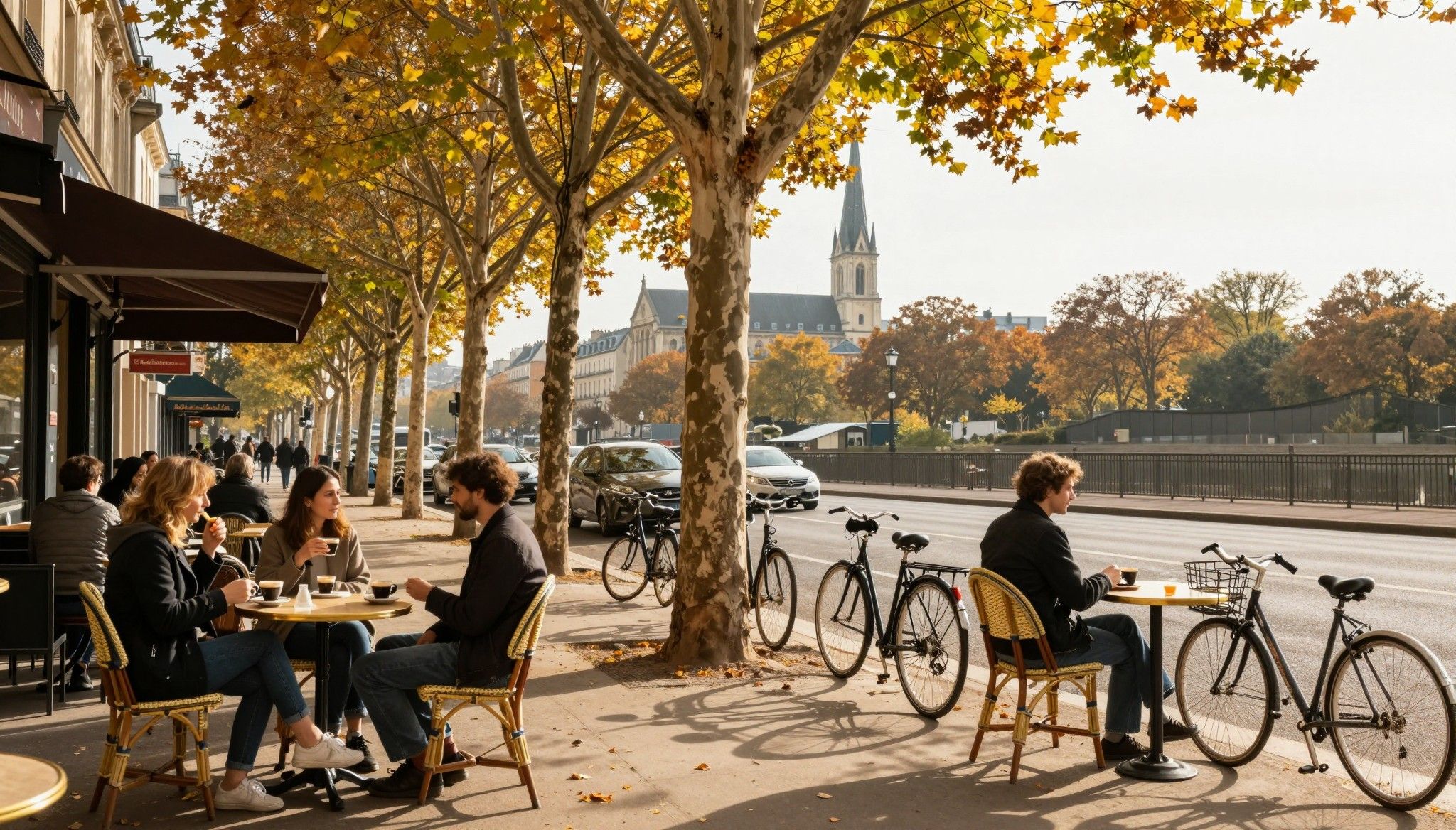
Real talk from buyers: the best purchases often happen when local life slows. Autumn — after the August exodus and before winter rains — reveals how a street truly lives. You can see morning light angles, test neighbourhood morning routines, and judge if a courtyard stays cool at midday. Many expats tell us they regret basing offers only on summer visits when the island is loud with tourists and construction; a quieter season shows insulation, shading and long-term comfort more clearly.
Cultural integration, language and everyday community
English is widely spoken, but learning basic Greek opens doors: neighbours invite you to village festivals (panigyria), shopkeepers remember you by name, and builders discuss practical fixes with less friction. Expect a slower pace for bureaucracy and embrace conviviality — invitations to share food are sincere social currency. For practicalities like utilities and council interactions, local agents and bilingual lawyers smooth the path.
Long-term lifestyle and stewardship considerations
Consider these factors for sustainable, long-term living in Cyprus:
Orientation and shading — choose houses that offer natural cooling and reduced air-conditioning needs.
Water strategy — rainwater storage and greywater reuse matter in drier months.
Materials and craft — traditional stone, timber shutters and lime renders age gracefully and reduce embodied carbon.
Community resilience — proximity to neighbours, local shops and seasonal markets keeps life vibrant without heavy travel.
Conclusion: Fall in love — then plan your move with care. Visit outside the high season, focus on how a place feels across days and weather, and assemble a small local team who shares your stewardship values. Cyprus offers weather, food, and a rhythm that rewards patient buyers who choose homes that connect to land and community. When you pair that lifestyle sense with the right local expertise — a bilingual agent, an experienced lawyer, and an eco-aware builder — you’ll arrive not as a tourist but as someone ready to belong.
Danish relocation specialist who moved from Copenhagen to the Algarve; supports families with seamless transitions, local partnerships, and mindful purchases.