Why Autumn Reveals Better Value in Croatia
Autumn reveals Croatia’s real year‑round life—visit off‑season, prioritise sustainability-ready homes, and plan for transfer tax and (for non‑EU buyers) ministry approval.
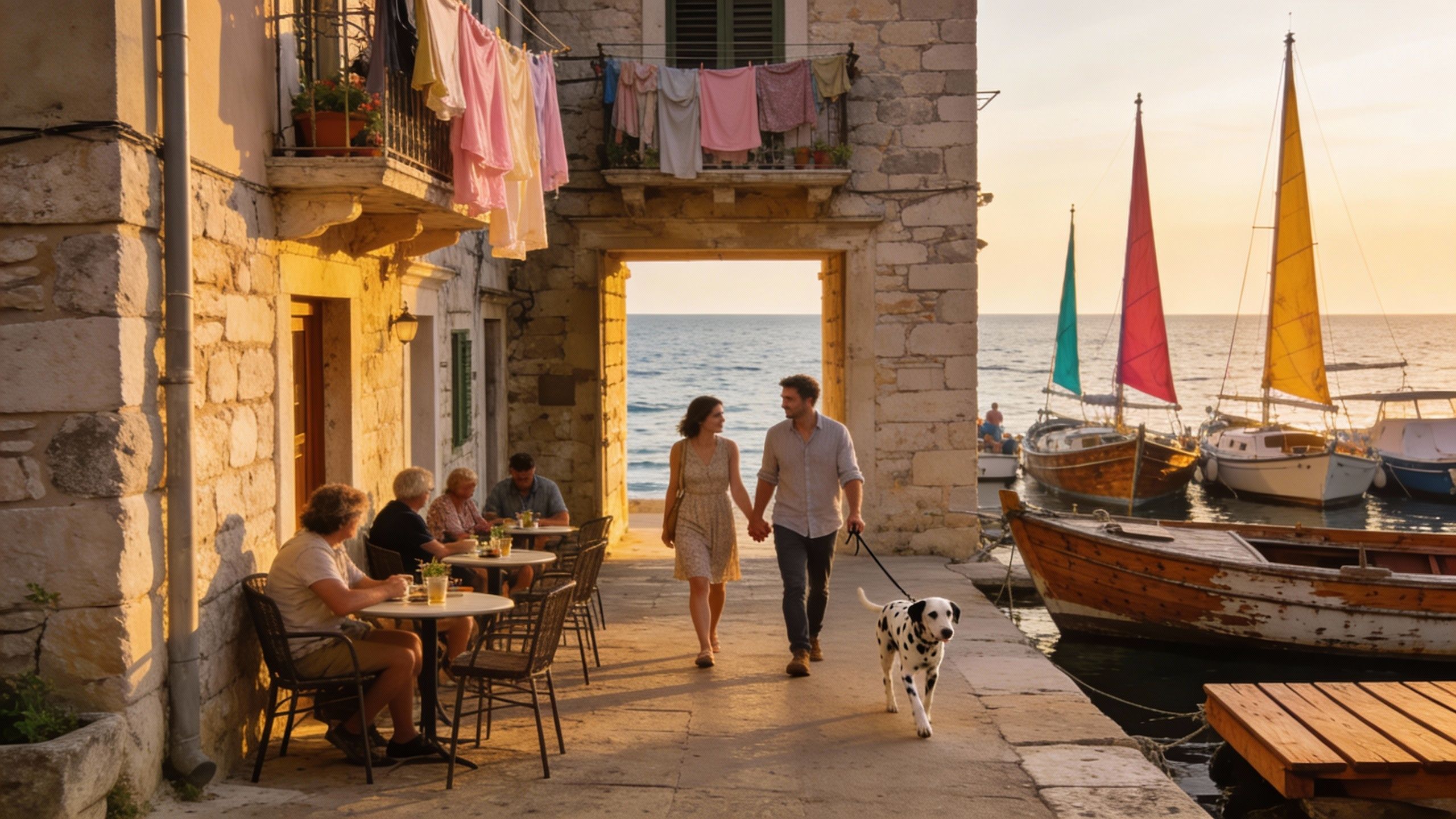
Imagine walking a stone quay at dawn in Rovinj, coffee steam rising while fishermen mend nets, then cycling inland past olive groves toward a mossy truffle wood. In Croatia the rhythm of day—market mornings, siesta-soft afternoons, tavern-lit evenings—shapes how homes are lived in and cared for. That daily cadence matters for buyers who want more than a view: they want a life that follows seasons, local festivals and the slow, practical logic of Mediterranean living. Recent market analysis shows the Adriatic remains in demand, but timing, location and an eco-minded approach change the kind of property that actually fits long-term life here.
Living Croatia: daily rhythms, neighborhoods and taste
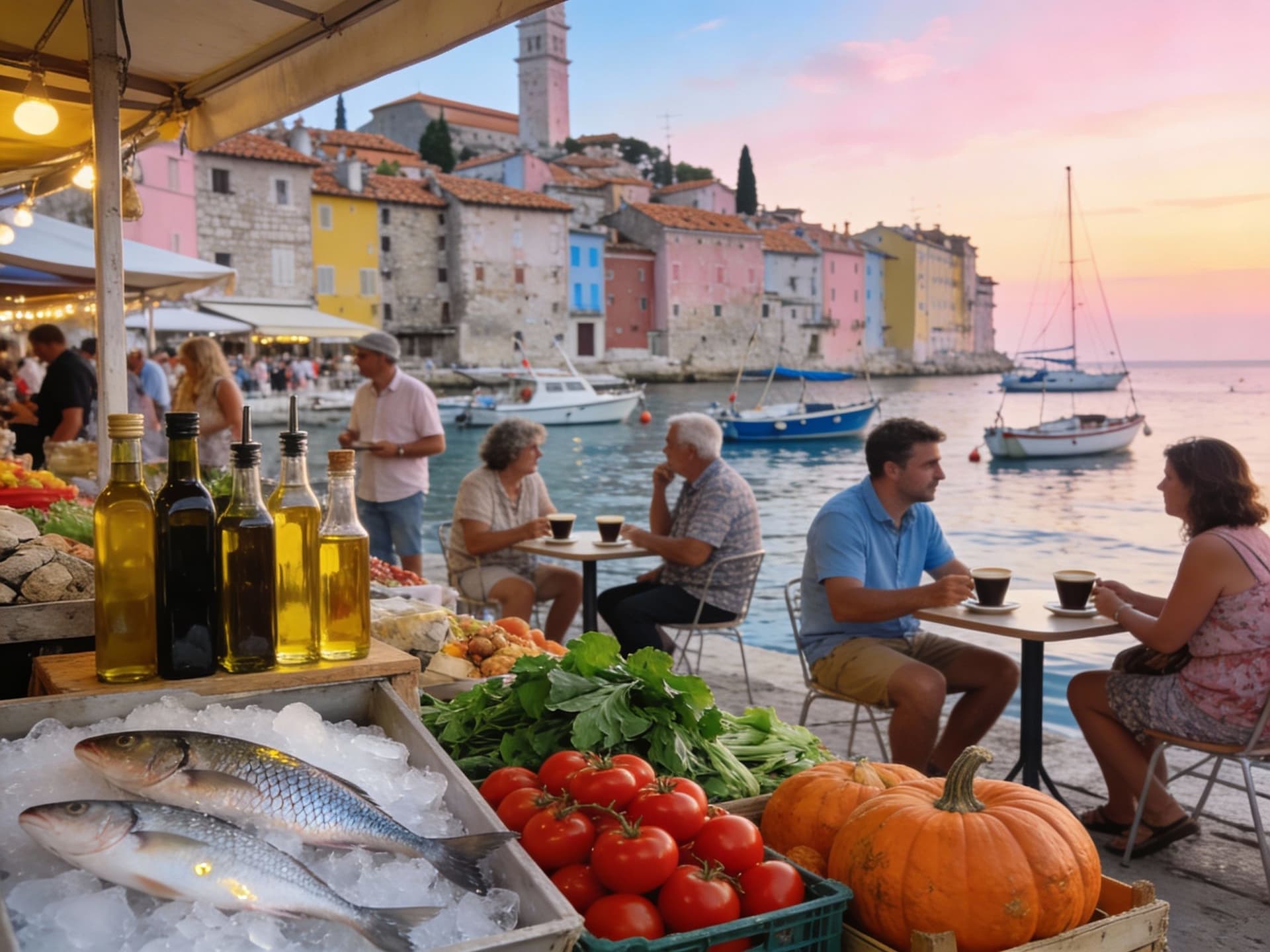
Croatia is a study in contrasts: medieval stone alleys open to chromatic Adriatic coves; Zagreb’s tram-lined mornings give way to Dalmatian late-night laughter in konobas (family taverns). In coastal towns like Dubrovnik and Hvar the day’s cadence bends around tourism seasons, while Istrian hill towns such as Motovun and Rovinj keep tighter ties to food cycles—olive harvests and truffle season that really define local life. For buyers this means asking not just about insulation or plumbing, but when a place comes alive—markets on Korčula’s main square, beach mornings on Zlatni Rat, or the quieter winter streets of Split’s Varoš.
Spotlight: Istria’s hill towns and Rovinj’s cafe life
Rovinj and inland Istria feel like a slow cinematic close-up: cobbled streets, pastel façades, espresso on the corner at 9 a.m., and wine bars that brim at sunset. These towns attract buyers seeking food-driven lifestyles—olive oil, malvasia wine, truffle hunts—and prices reflect that desirability; coastal and island hotspots command a premium, while stone farmhouses a short drive inland offer more space and greener plots. Recent price surveys highlight Istria and Dalmatia among the priciest coastal micro-regions, so pairing lifestyle aims with realistic budgets matters early in the search.
Spotlight: Dalmatian coast—Split, Hvar and hidden coves
Split’s Diocletian-era lanes, Hvar’s sunlit harbour and the secret bays around Šibenik make Dalmatia endlessly romantic—and practical for outdoor, sea-centric living. You’ll hear locals talk about ‘konoba’ dinners, island-hopping weekends, and the value of having a courtyard shaded by fig trees. Luxury villas and renovated stone houses exist alongside modest apartments, and many buyers choose slightly inland villages for better value and wider gardens while keeping a short drive to beaches.
Making the move: practical steps that respect place
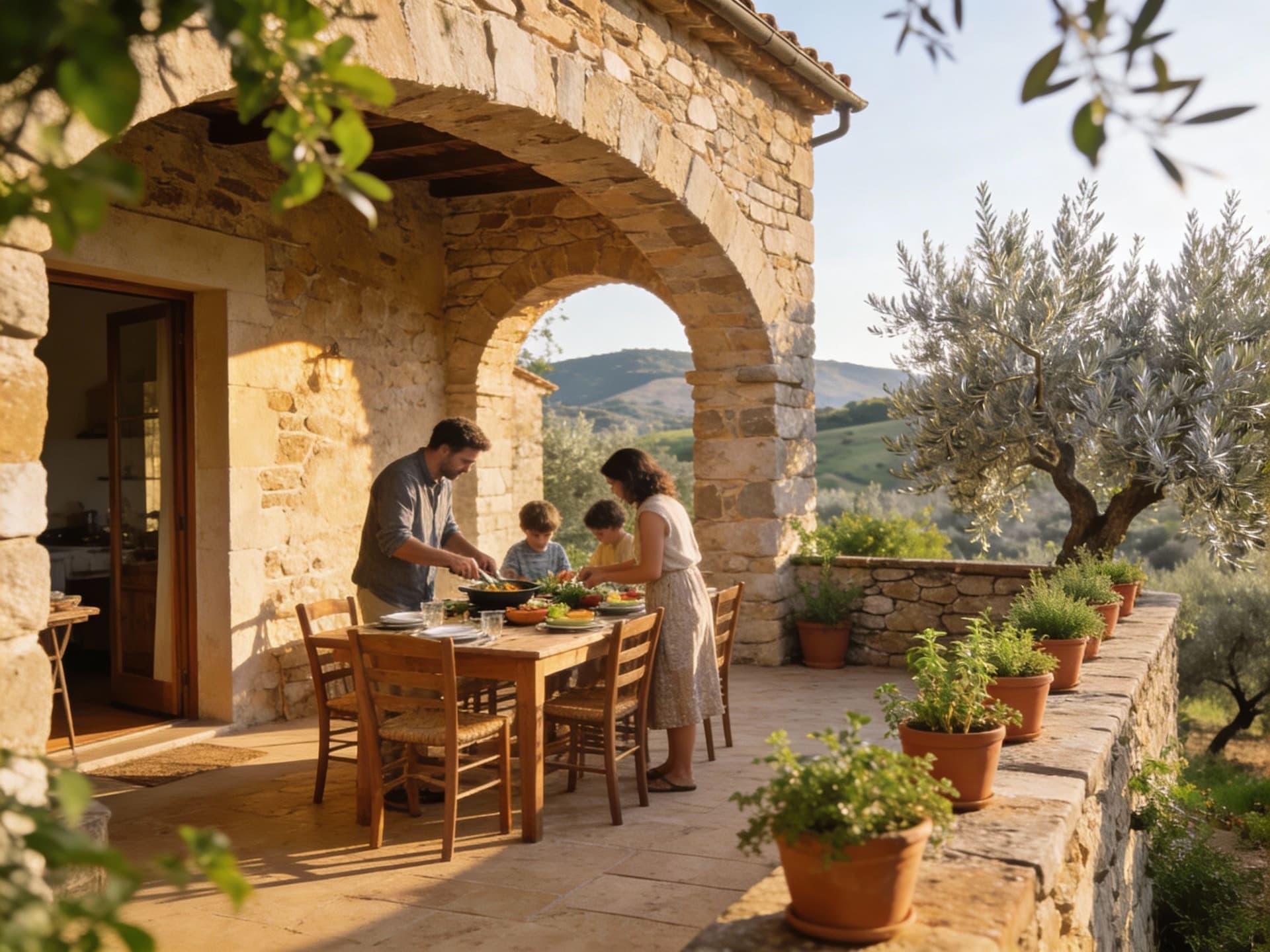
Once the lifestyle feels right, the practicalities assert themselves: transfer tax, VAT differences, permissions and local zoning define what you can build and how sustainably you can adapt a property. Croatia charges a 3% transfer tax when VAT doesn’t apply, and VAT (25%) may apply on new builds or developer sales—details that affect whether solar, insulation or retrofits should be built in before purchase. Treat legal checks and an environmental scan (sunlight for PV, roof condition for insulation, garden soil for orchards) as part of your due diligence, not add-ons.
Property types & how they shape daily life
A stone Istrian farmhouse invites truffle dogs and olive trees; a Dalmatian seafront apartment promises morning swims and salty air but smaller outdoor space. New builds offer easier energy upgrades—heat pumps, triple glazing, rooftop PV—while renovations of older stone houses reward stewardship with authentic materials but require specialist builders and sometimes heritage permissions. Match the property type to the life you want: gardeners choose inland plots with terra firma, sailors choose moorings within walking distance, and those seeking community look to smaller towns where neighbours genuinely know one another.
How local expertise protects both lifestyle and investment
Work with agents and lawyers who speak the language of place: they check local infrastructure for green upgrades, confirm if ministry approval is needed for non‑EU buyers, and advise on reciprocal‑purchase rules. For many buyers outside the EU, Ministry of Justice consent is required and can add months to the timeline, so start that conversation early and bundle eco‑upgrades into the negotiation if possible. A locally rooted agent will also flag microclimate issues—sea salt on shutter hardware, winter wind exposure for olive trees, or restrictions on building near protected coastlines—that change maintenance costs and lifestyle compatibility.
Insider knowledge: seasonal timing, local quirks and what expats wish they'd known
Here’s the contrarian bit many buyers miss: autumn and winter reveal the real life of a Croatian place. Streets that sing in summer can feel hollow off-season, while a town with a steady year‑round community shows its true resilience. Recent policy moves aim to tax idle short-term rental stock and encourage long-term leasing, which affects coastal supply and neighbourhood character—another reason to look beyond peak-season visits when judging where to buy.
Cultural notes: how to live like a neighbour
Croatians value relationships and reciprocity; introductions go far. Learn simple courtesies—greetings in local dialects, small gifts when meeting neighbours—and the rhythm of local markets and church festivals to plug into communal life. Language helps, but friendliness and participation in village rituals often open doors faster than perfect grammar. Expect bureaucracy to be patient and paperwork to be precise; being courteous and well-documented makes the process easier.
Practical steps expats recommend (real-world, ordered)
1) Visit in two contrasting seasons—late spring and late autumn—to judge year-round life. 2) Engage a local lawyer early to secure OIB numbers and check registry entries. 3) Request an environmental and maintenance survey (roof, salt exposure, insulation, garden soil). 4) Negotiate for sustainability works to be included or priced (PV-ready roof, upgraded glazing). 5) Clarify tax exposures—transfer tax vs VAT—and local property tax rates before signing.
Why green upgrades often pay off in Croatia
Solar-ready rooftops and efficient heating reduce summer reliance on air-conditioning and winter fuel bills; rainwater capture and drought-tolerant gardens save water during dry Adriatic summers; choosing local stone, reclaimed timber and lime plaster preserves character and cuts renovation embodied carbon. These features also appeal to long-term renters and neighbours who prefer stewardship over speculative short-term rentals.
Living in Croatia is both a sensory and civic choice: you buy into smell of sea and pine, shared markets, and a system of rules that rewards patience and local knowledge. If the dream is early-morning markets, small‑scale farming, and evenings with neighbours, start by visiting off-season, securing local legal counsel, and prioritising properties that already respect the landscape. An agent who knows where olive groves sit, which roofs take solar well, and which villages keep year-round life will help you make a purchase that feels like home from the first winter after you move.
Ready to take the next step? Start with a short-list of places you loved in two seasons and a checklist for sustainability (sun hours, roof condition, water access, soil). Ask your agency to arrange a local lawyer and to pre-check registry entries, and if you’re non‑EU, begin the reciprocity or Ministry approval process early. Moss & Hearth partners locally to pair lifestyle discovery with these steps—so you end up somewhere that feels like more than a holiday.
Danish relocation specialist who moved from Copenhagen to the Algarve; supports families with seamless transitions, local partnerships, and mindful purchases.