After the Tourists: Autumn’s Advantage for Buying in Greece
Autumn and shoulder seasons reveal Greece’s true daily life — use them to choose sustainable homes, avoid tourist traps, and plan eco-friendly retrofits.
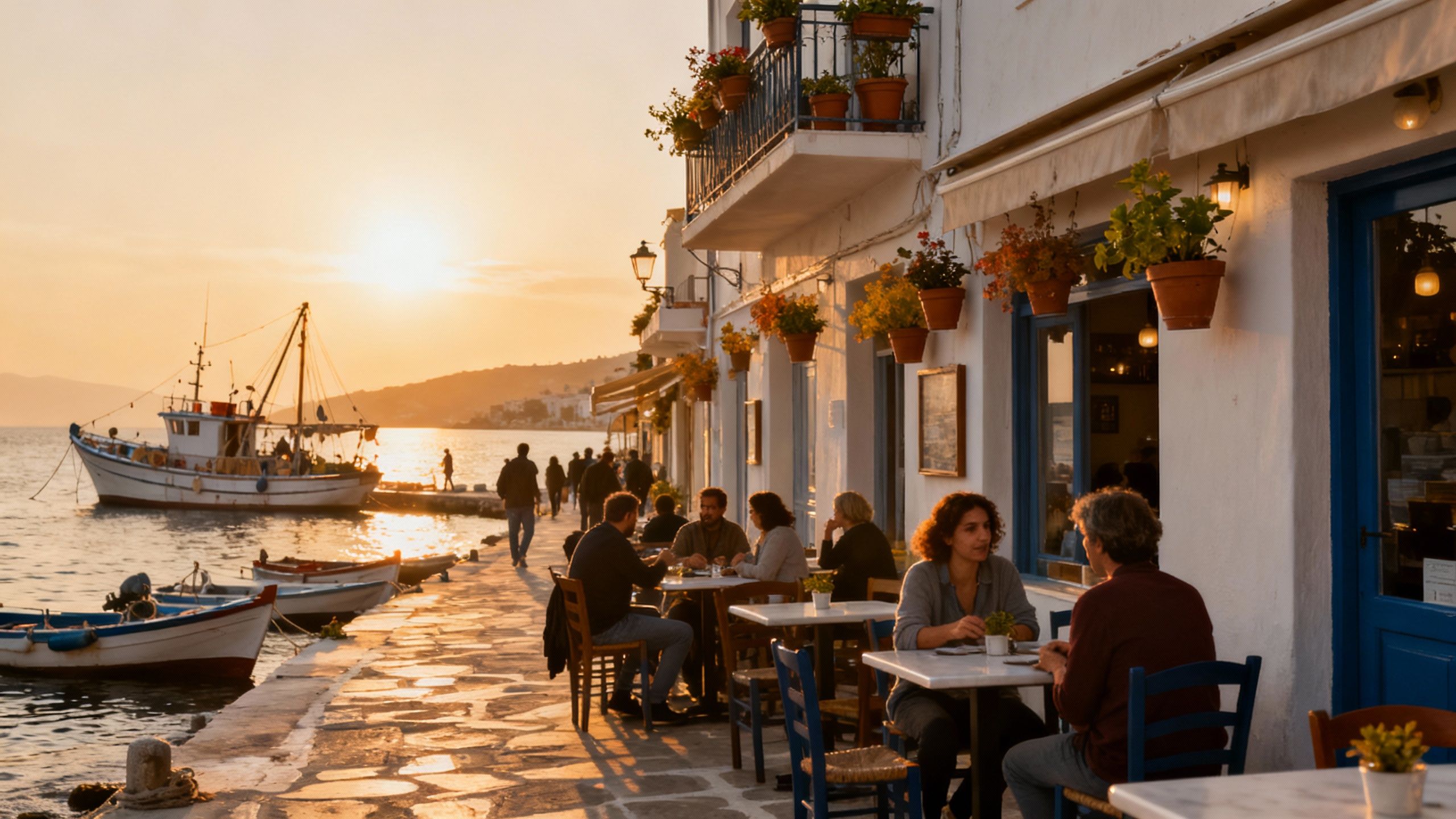
Imagine an October morning in Athens: steam rising from a paper cup at Kafenion Plaka, bougainvillea softening stone facades, and the sea pulling back to a quieter blue. The tourist crowds have thinned, terraces reclaim their edges, and neighbourhoods reveal the rhythms that make daily life here so easy to love. For buyers who care about sustainability and place, that slower season is not a pause — it’s a lens that shows what living in Greece really looks like.
Living the Greece lifestyle — beyond the postcard
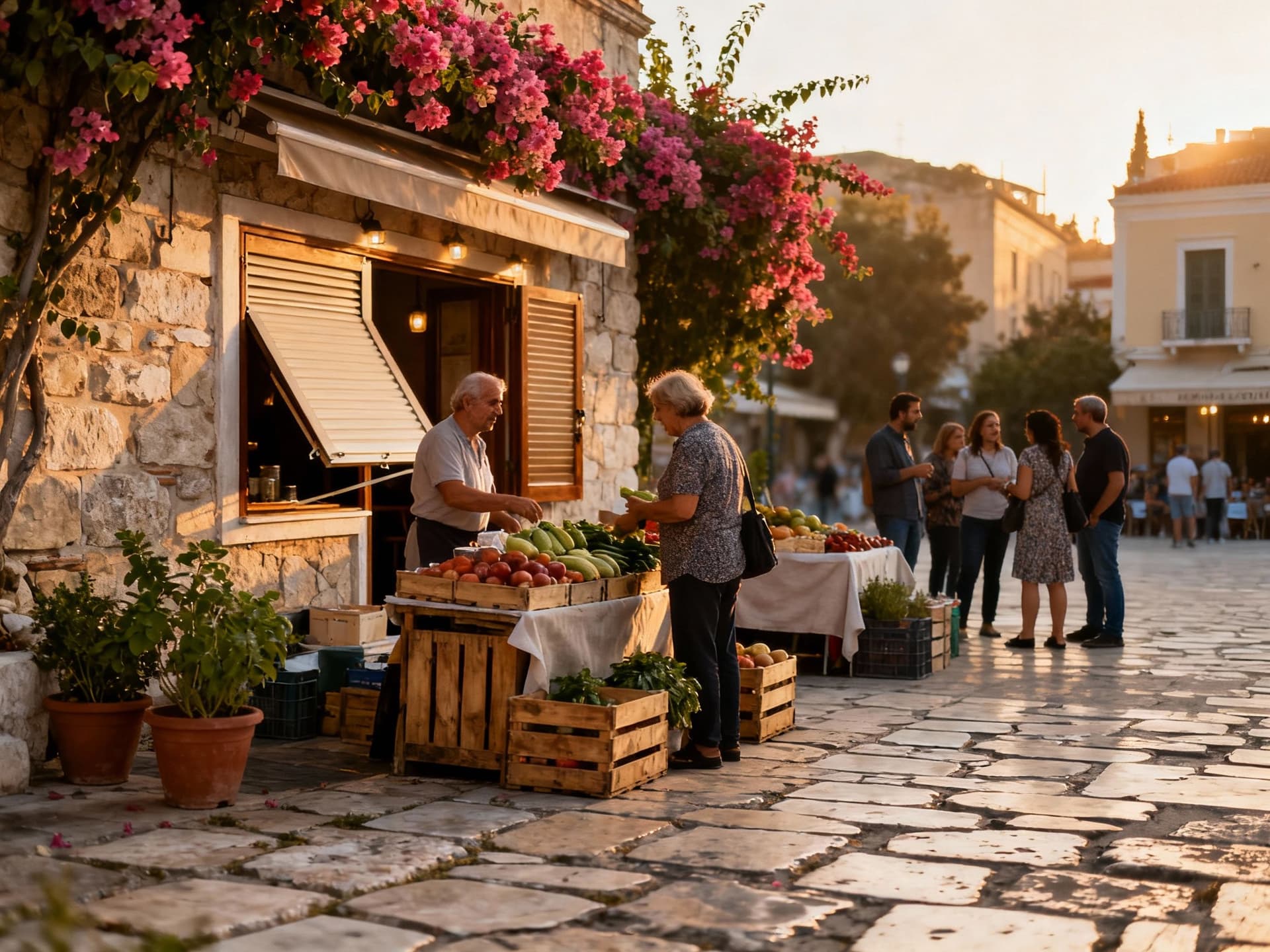
Greece is fundamentally a lived landscape: olive groves meet neighbourhood squares, morning markets set the menu for the week, and small municipal parks host elders playing backgammon at dusk. Whether you choose an Athenian neighbourhood apartment or a stone house on the Peloponnese coast, life here is paced by seasons, local produce and communal ritual. The sense of home is woven with outdoor routines — balconies for slow breakfasts, roofs for solar panels, and courtyards for late-summer meals.
Athens: urban energy stitched with neighbourhood calm
Step into Exarchia’s spirited cafés or walk the shaded lanes of Koukaki and you feel both city tempo and village intimacy. South Attica suburbs — Voula and Glyfada — give you sea breezes plus cafés that open early and stay late. Each district shows a different relationship to light, wind and community, which matters when you think about passive cooling, solar gain and the feel of everyday life.
Islands & countryside: seasonal life, year-round stewardship
Crete’s slow food traditions, the olive-scented lanes of Corfu, and the wind-shaped architecture of the Cyclades each demand different property choices. A whitewashed island home may need durable shutters for meltemi winds and a water-wise garden; a stone farmhouse in Peloponnese rewards rainwater capture and thermal mass. When you buy with stewardship in mind, the vernacular answers many sustainability questions for you.
- Lifestyle highlights to look for when you visit:
- Morning markets: Varvakios in Athens, the Chania market in Crete — look for short supply chains and local producers.
- Neighbourhood cafés: simple places where you’ll meet neighbours, helpful for assessing community life.
- Public transport and bike routes: quieter streets in autumn reveal daily commuting patterns.
Making the move: practical considerations that match the life
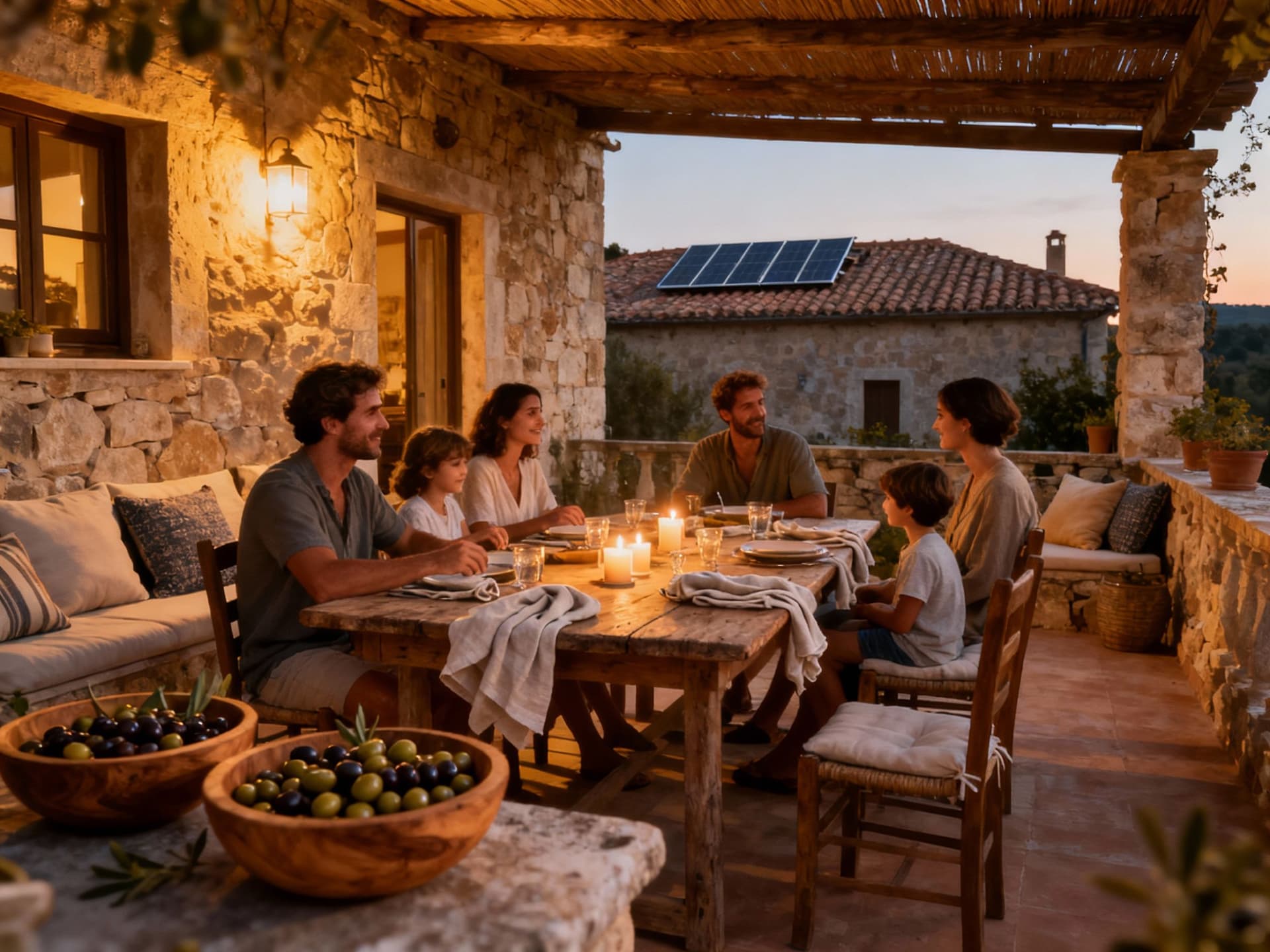
The romantic image is only half the story. Housing markets in Greece have been firming: recent national data show steady price rises across cities and regions, driven by constrained supply and rising short‑term rental demand. That matters for timing, budgeting and the type of property you choose — especially if you seek an eco‑friendly renovation or energy upgrades that add value and long‑term comfort. For headline figures and seasonal trends, national statistics are a reliable touchstone.
Property styles & how they shape daily life
A neoclassical Athens apartment, a Cycladic white cube, and a stone Peloponnese home offer distinct ways of living. Choose older masonry if you value thermal mass and character; favour new builds with passive-design features for insulation and integrated renewables. Think about outdoor rooms first — terraces, alleys, courtyards — because Greek life happens outside.
Working with local experts who understand place and sustainability
Look for agents who speak the language of ecosystems: architects who specify thermal upgrades, surveyors who assess stone walls, and lawyers who know how to register solar installations. A good local team helps you see beyond a listing to the life a home supports — and flags retrofit costs that matter for your long‑term budget and carbon footprint.
- Practical steps that blend lifestyle and process:
- Visit in shoulder seasons (autumn or spring) to judge daily life, noise and climate rather than peak tourism.
- Ask for energy and water-efficiency records; budget for modest retrofits (insulation, rainwater capture, heat pumps).
- Check short‑term rental density in the area — ELSTAT now publishes short‑term rental statistics which affect supply and neighbourhood life.
Insider knowledge: contrarian truths expats learn the hard way
Expats often arrive thinking sea‑view equals serenity — then discover that proximity to tourist rentals can erode community life and raise prices. Conversely, neighbourhoods many buyers dismiss as "not glamorous" often hold the best long‑term value: local markets, reliable transport and community services. Trust what the streets show you in low season; they reveal where neighbours buy bread, meet friends and live year‑round.
Cultural integration: small rituals, big rewards
Learn a few phrases, attend a local feast (panigiri), and start shopping at the neighbourhood market. These small gestures open doors to repair help, trusted artisans and a social life that makes stewardship feel natural rather than transactional. Language isn’t a barrier — it’s the key to being seen as a neighbour rather than a weekend visitor.
Long‑term lifestyle & sustainability considerations
Think five to ten years ahead: how will rising demand, energy prices and tourist patterns change your neighbourhood? Data show property price growth has been strongest in major cities and areas with heavy short‑term rental presence, so prioritise locations where long‑term community life endures if sustainability and local integration are your aims.
Conclusion — fall in love, then follow the map: visit out of season, hire place‑centred experts, and prioritise homes that give you outdoor life, passive comfort and connections to local food and people. When you choose that way of living, your purchase is as much about stewardship as it is about shelter. If you’d like, we can connect you with Greek agents who specialise in eco‑sensitive homes and community-led restorations.
Dutch property strategist who helped 200+ families find sustainable homes in southern Europe; expert in legal pathways and long-term stewardship.