Summer House‑Hunt in Cyprus: Financing & Green Loan Truths
How Cyprus’s seasonal life and new green mortgage options change the cost and joy of buying — practical steps, local examples and 2025 market signals.
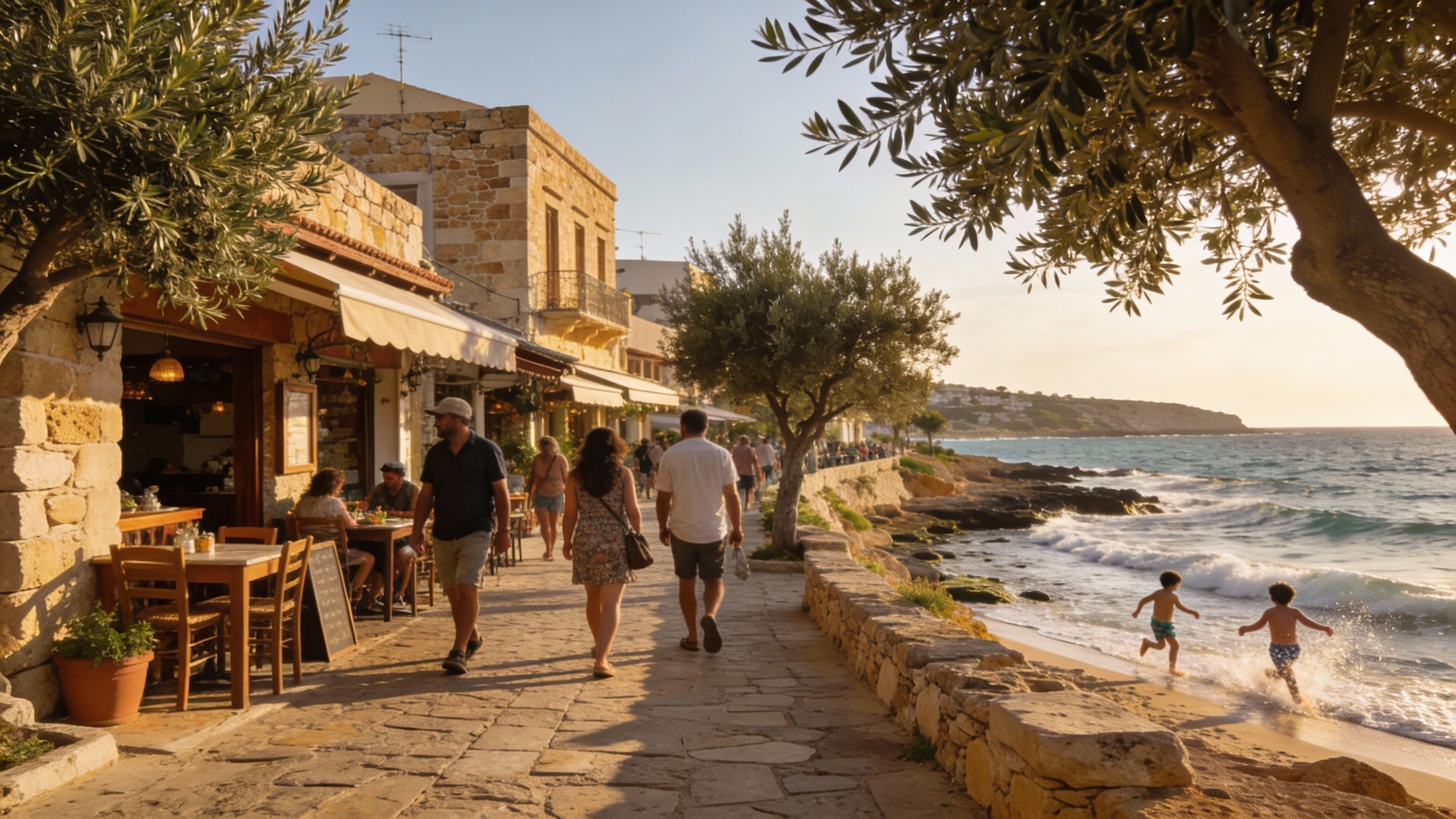
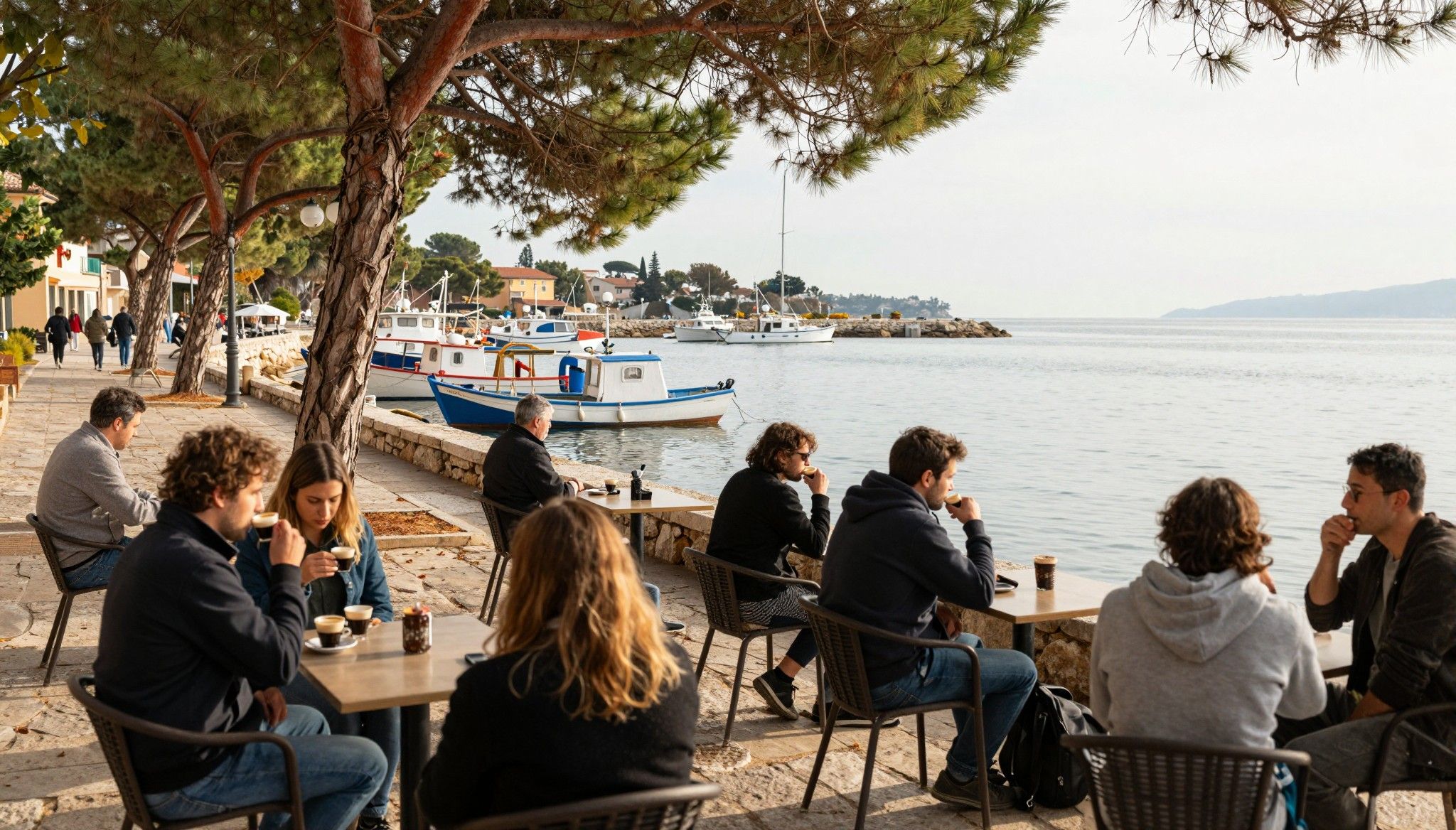
Imagine waking to a bright, honey-lit morning in Limassol: a short walk to the harbor for espresso, bougainvillea spilling over warm stone, and the sea promising slow afternoons. That sense of effortless, sunlit living is what draws so many of us to Cyprus — but the dreamy scenes hide a practical truth: timing, finance and sustainability choices shape whether that dream stays joyful or becomes costly. Recent national data show modest price growth and shifting demand, which makes how you fund a purchase — and whether you opt for a green mortgage — a quiet but powerful part of the story. Cyprus’s market is both lifestyle and ledger; let’s sit with both.
Living Cyprus: light, salt and slow weekday rhythms
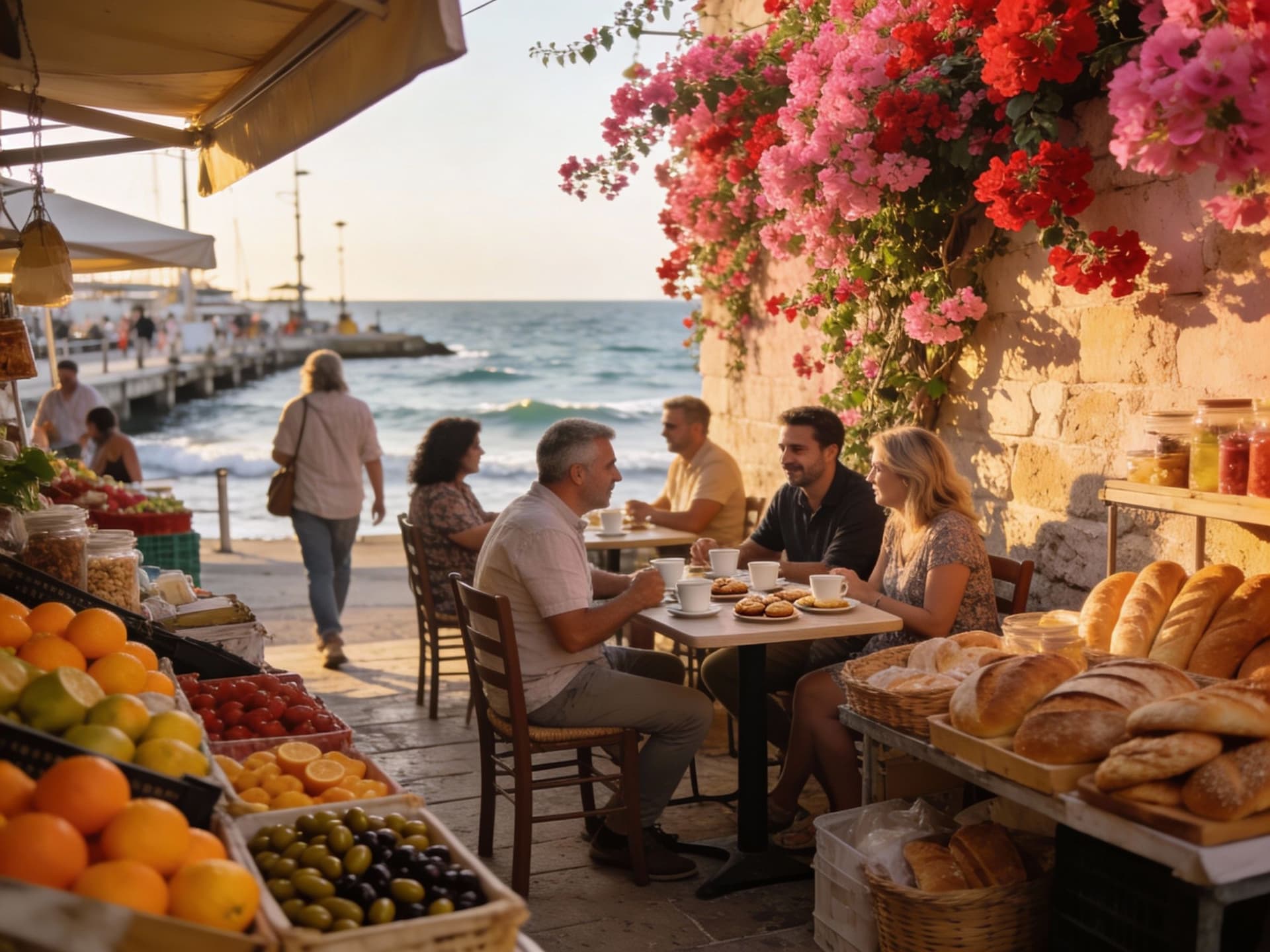
Life here is seasonal in the best way: early-market Saturdays in Nicosia’s old town, late-afternoon swims at Fig Tree Bay, and tavernas that move from quiet mornings to animated evenings. The islands’ different faces — Limassol’s cosmopolitan marina, Paphos’s seaside calm, Larnaca’s slow cafés — matter when you imagine mornings and where you’ll spend them. Meanwhile market signals reported by local agencies and the central bank mean these lifestyle choices intersect with real finance decisions; neighbourhood rhythm influences resale, rental appeal and loan eligibility.
Limassol harbour and old‑town life
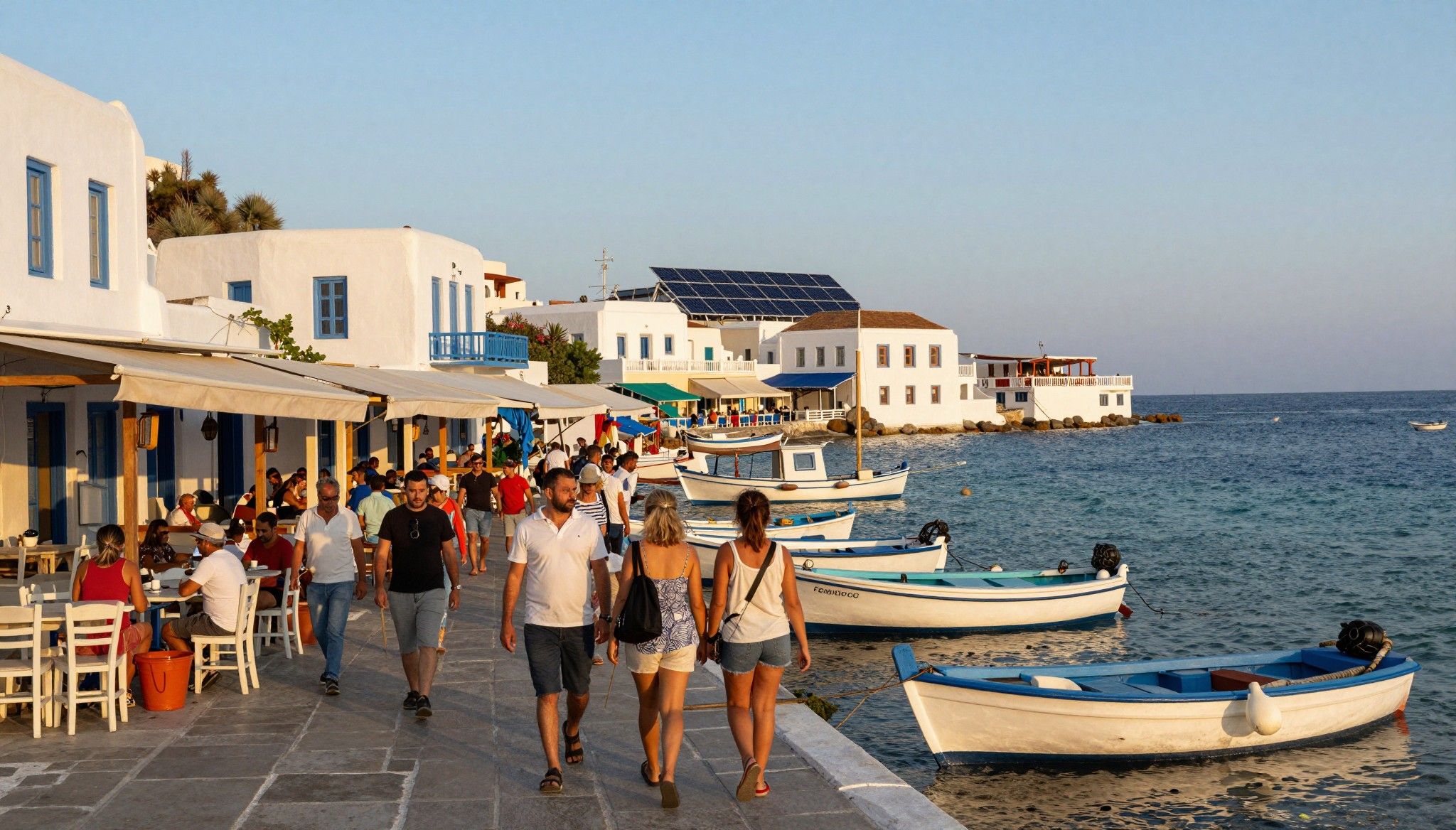
Picture walking along Dasoudi Beach at dawn, then pausing for a flat white at ‘Molos Café’ or a street-side bakery on Makariou. Limassol blends contemporary waterfront living with pockets of lived-in streets — stone balconies, rooftop gardens, and small grocers that open early. For buyers this means choosing between compact apartments close to cafés and larger homes a short drive inland; financing terms and insurance differ for each, so match the lifestyle you want to the loan product you can secure.
Paphos and coastal calm
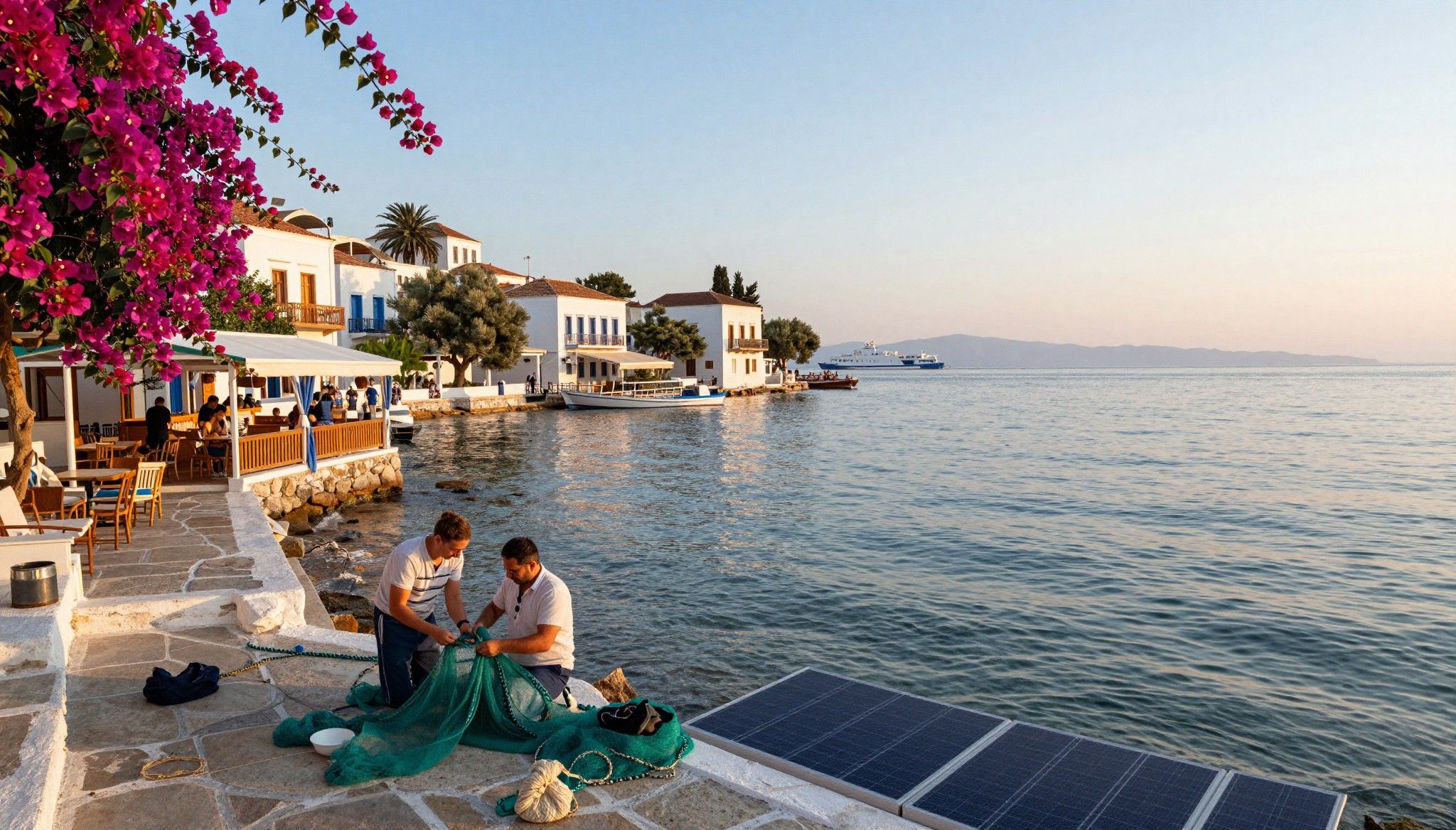
Paphos still feels like a secret kept between locals and repeat visitors — olive groves, the old harbour, and quiet lanes off Tombs Avenue. That quieter rhythm attracts buyers seeking space, gardens and traditional stone houses. These properties often need renovation; that’s where green loans (for insulation, solar and heat pumps) become not just a values choice but an economic one: lower operating costs and better mortgage terms if you meet efficiency criteria.
- Lifestyle highlights to taste where you’ll live
- Espresso and seawalks at Limassol Molos; weekend fish markets at Larnaca’s Finikoudes; olive oil tastings in Polis; evening meze in Paphos old town; morning hikes in Troodos followed by village bakery bread; rooftop sunsets from Agios Tychonas terraces.
From dream to deed: practical financing that honours the lifestyle
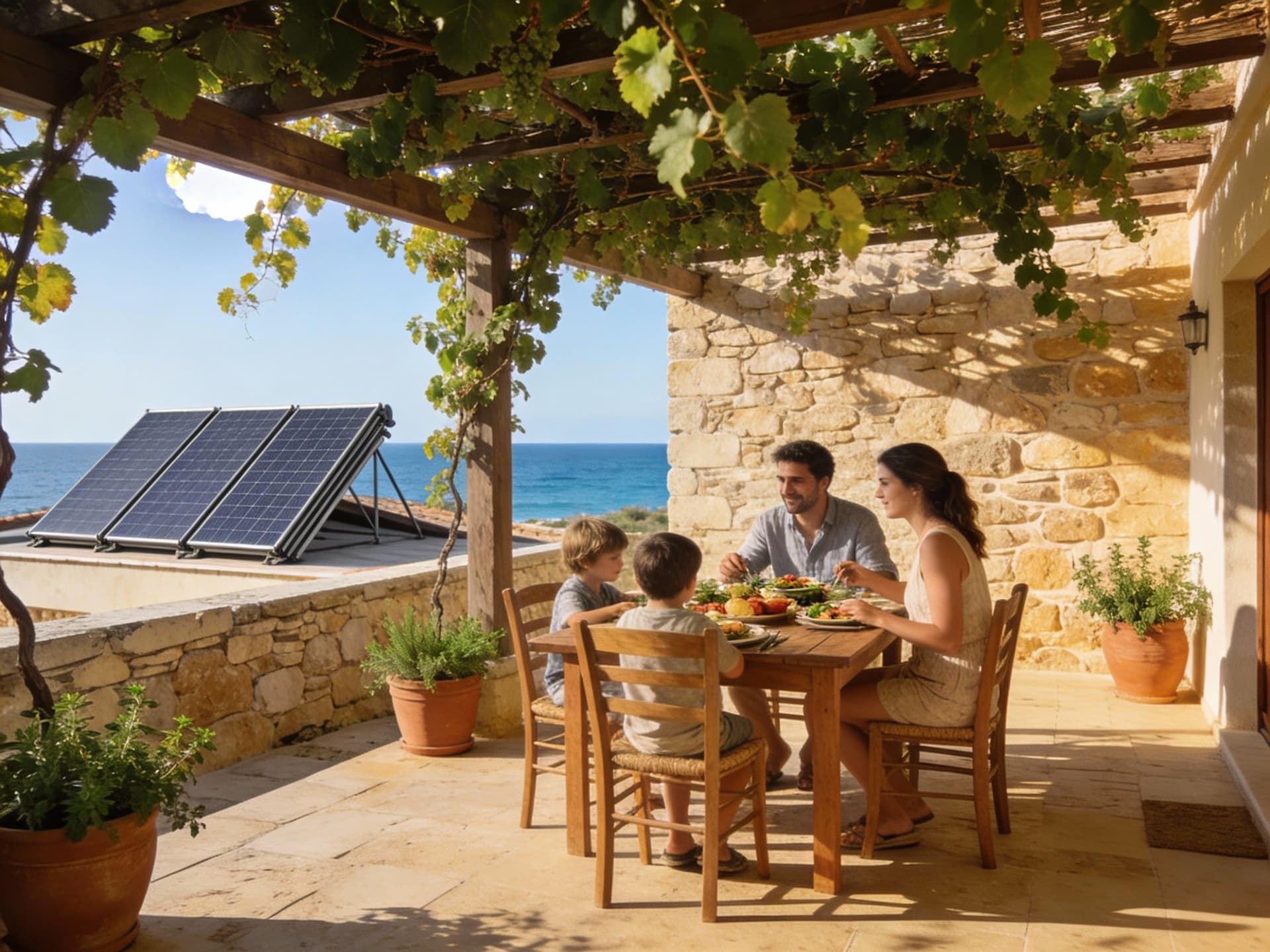
When I helped friends buy in Cyprus, the most surprising conversation wasn’t about paperwork — it was about monthly rhythms: their energy bills, garden irrigation, and whether an open-plan terrace would actually be usable in August. Those are the things green mortgages reward. Cyprus banks now offer discounted rates for energy-efficient homes and loans for upgrades — which changes how you budget. Rather than treating sustainability as an add-on, think of it as a financing lever that reduces long-term cost and raises appeal to renters or future buyers.
What “green mortgage” can mean in Cyprus
Banks such as Bank of Cyprus and Hellenic Bank provide products tied to Energy Performance Certificates (EPCs) and specific green purposes — buying an A-rated home, or financing solar, insulation and heat pumps. Discounts are often modest (0.1–0.15% reported), but paired with lower operating costs and potential grants for solar installations, they can shrink your true monthly outgoings. Also note some lenders are aligning mortgage portfolios with climate targets, making green lending more widely available and competitively priced.
How to use a green loan to make the lifestyle pay
- Step 1: Check the EPC — ask sellers for the Energy Performance Certificate before making an offer. Step 2: Talk to banks early — pre-approval for green mortgage terms clarifies your budget and renovation scope. Step 3: Layer grants and loans — Cyprus offers solar grants and banks provide green home improvement loans; combining them can often cover most costs. Step 4: Factor in long-term savings — model reduced bills and higher rental appeal into your affordability calculation.
Insider knowledge: what expats wish they’d known
Expats often tell me the same two surprises: (1) the real cost of living a sun-drenched life — water, insurance, and cooling — and (2) how quickly a modest eco-upgrade can pay for itself. In 2025, sales momentum remained strong across Cyprus, with both domestic and foreign buyers active in the market. For many, a modest green retrofit — better windows, insulation and a PV array — transformed a purchase from a hobby to an income-producing asset.
Cultural choices that affect finance
Cypriot sellers value lived-in homes: gardens with mature plants, stonework repairs done locally, and water-wise landscaping. Those elements influence valuations and insurance. Buying a property with local craftsmanship reduces renovation surprises and often meets bank requirements for financed work. Learning to read the quality of tradework — the kind you observe at a tavern remodel or a village restoration — is practical currency here.
Longer view: how a green mortgage changes your resale story
Buyers who invest in energy efficiency in Cyprus often see an uplift in rental demand during the long tourist season and a steadier resale market. As lenders increasingly prefer lower-carbon assets, a property with an A/B EPC and installed solar can be financed more easily in future, preserving liquidity and reducing refinancing friction. Think of green upgrades as an insurance policy for future borrowing power.
- Red flags and practical checks before you commit
- No EPC on file; big promised savings without quotes; planning restrictions in coastal zones; titles not cleared for non-residents; incomplete contractor warranties for energy work.
- 1. Ask for EPC and contractor warranties. 2. Confirm bank green loan eligibility before exchange. 3. Get local agency to vet title and planning. 4. Model utility savings vs loan cost. 5. Check seasonal usability of outdoor spaces.
The allure of Cyprus is elemental: warmth, sea, cultivated landscapes and a slower, more human pace. If you fold financing and sustainability into that vision from the start, you pay less over time and live more fully. Start by asking sellers for EPCs, speak with lenders about green discounts, and work with an agent who knows the cafés and the permits. Then imagine the small things — the bakery on your street, the rooftop herbs, a PV array that hums quietly — and let those images guide sensible financing that supports both life and land.
If you’re ready to explore, start with a local pre-approval and a short visit timed to experience both a summer market morning and a quieter winter weekend. That contrast — how the terraces feel across seasons — is where lifestyle meets finance. When you blend that living sense with green financing, Cyprus stops being just a holiday and becomes a sustainable home.
Norwegian market analyst who relocated from Oslo to Provence; guides investors with rigorous portfolio strategy and regional ecological value.