Off‑Season France: Green Mortgages, Hidden Value
Fall house‑hunting in France reveals true neighbourhoods and access to eco‑mortgages like eco‑PTZ; off‑season visits plus green financing can turn charm into lasting value.
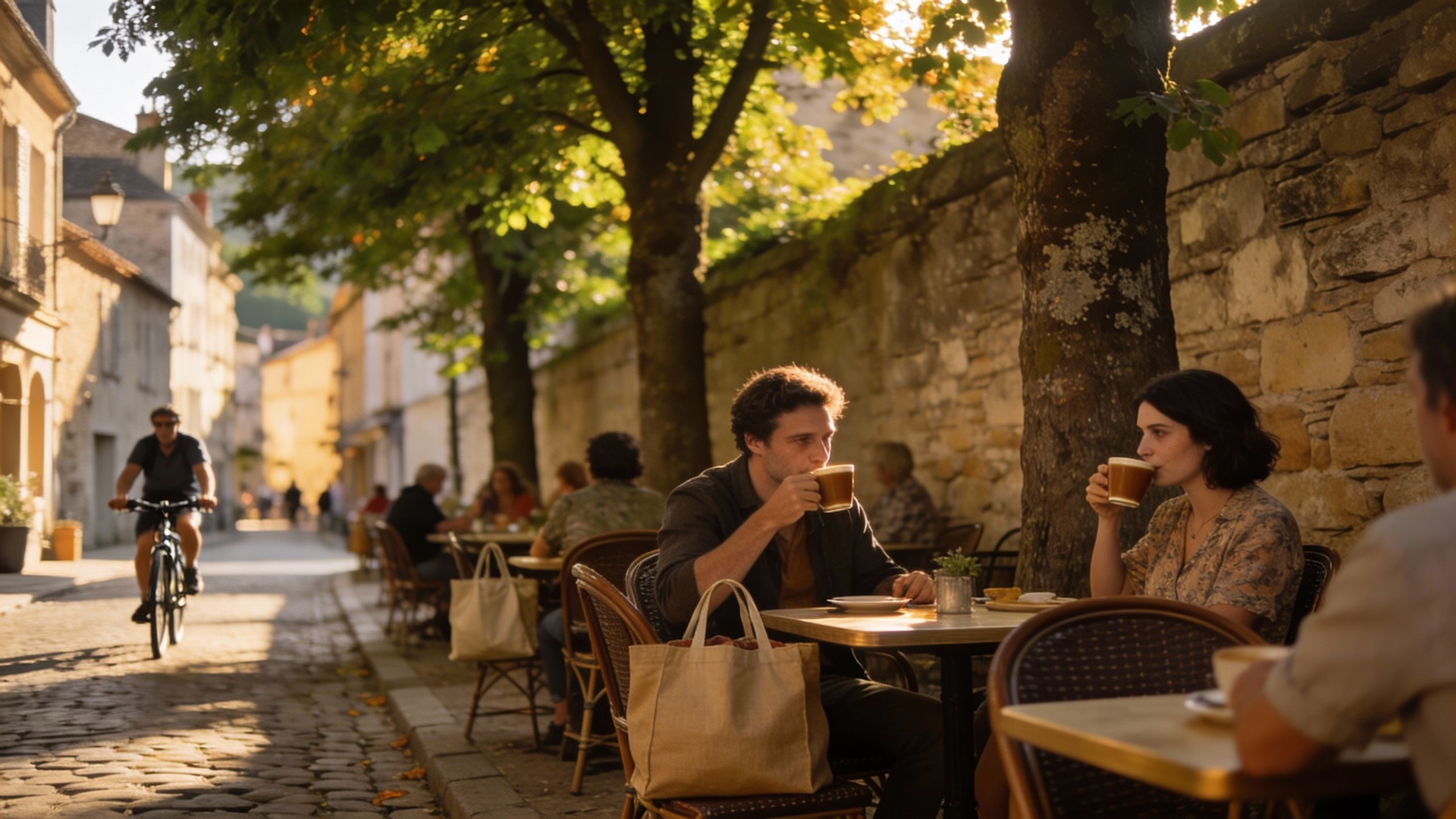
Imagine an early autumn morning in Provence: chestnut smoke from a boulangerie, a market stall piled with figs, and a stone house whose garden still holds lavender. That slow, sensory rhythm — market days, long lunches, community fêtes — is why buyers fall for France. But beneath the romance sits a practical rhythm of its own: seasonal pricing, regional energy expectations, and financing routes that reward sustainability. Read on for a contrarian case: autumn and winter house‑hunting in France can unlock both lifestyle value and greener mortgage options.
Living French Seasons: Why the Off‑Season Reveals the Real Place
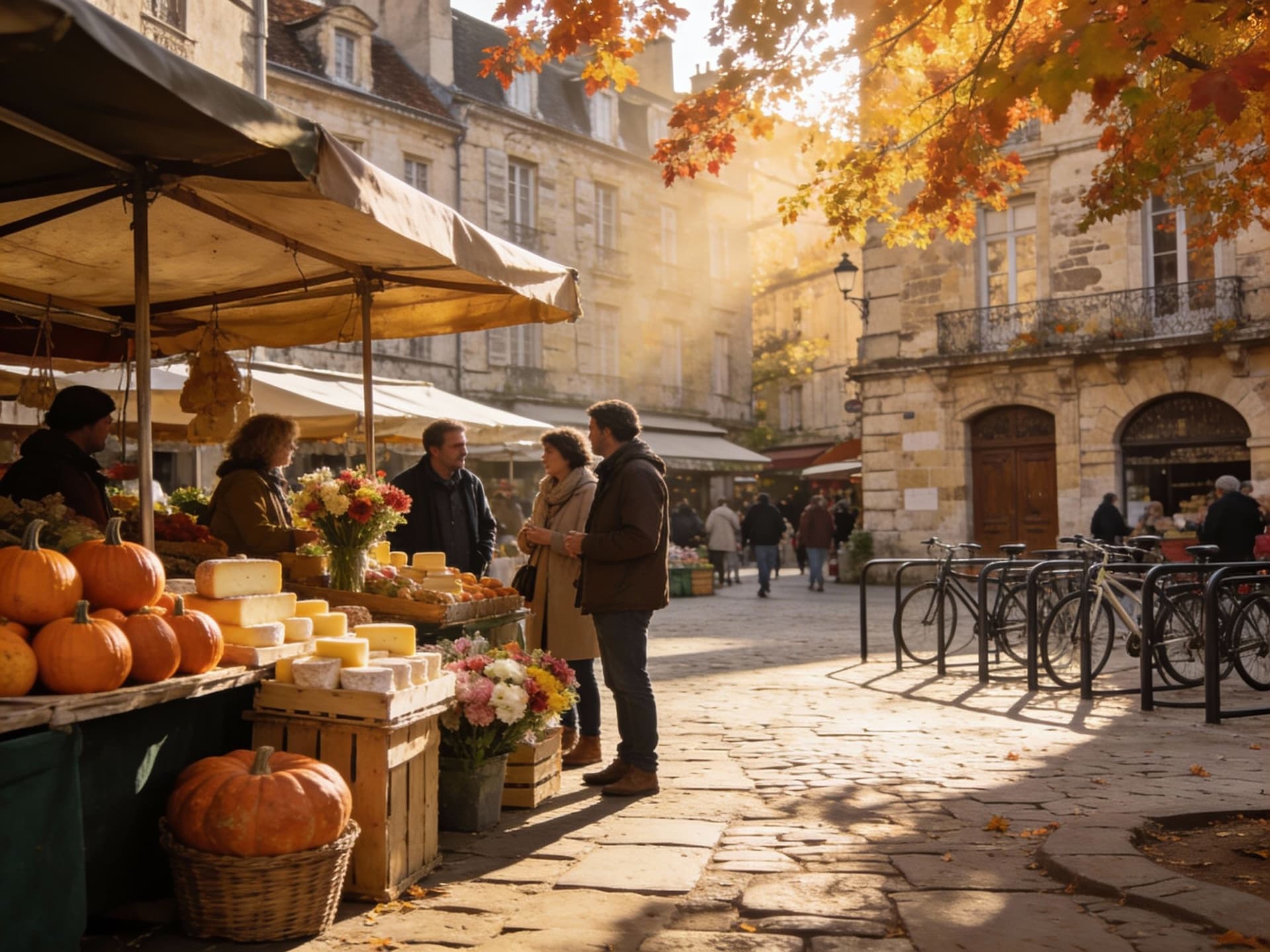
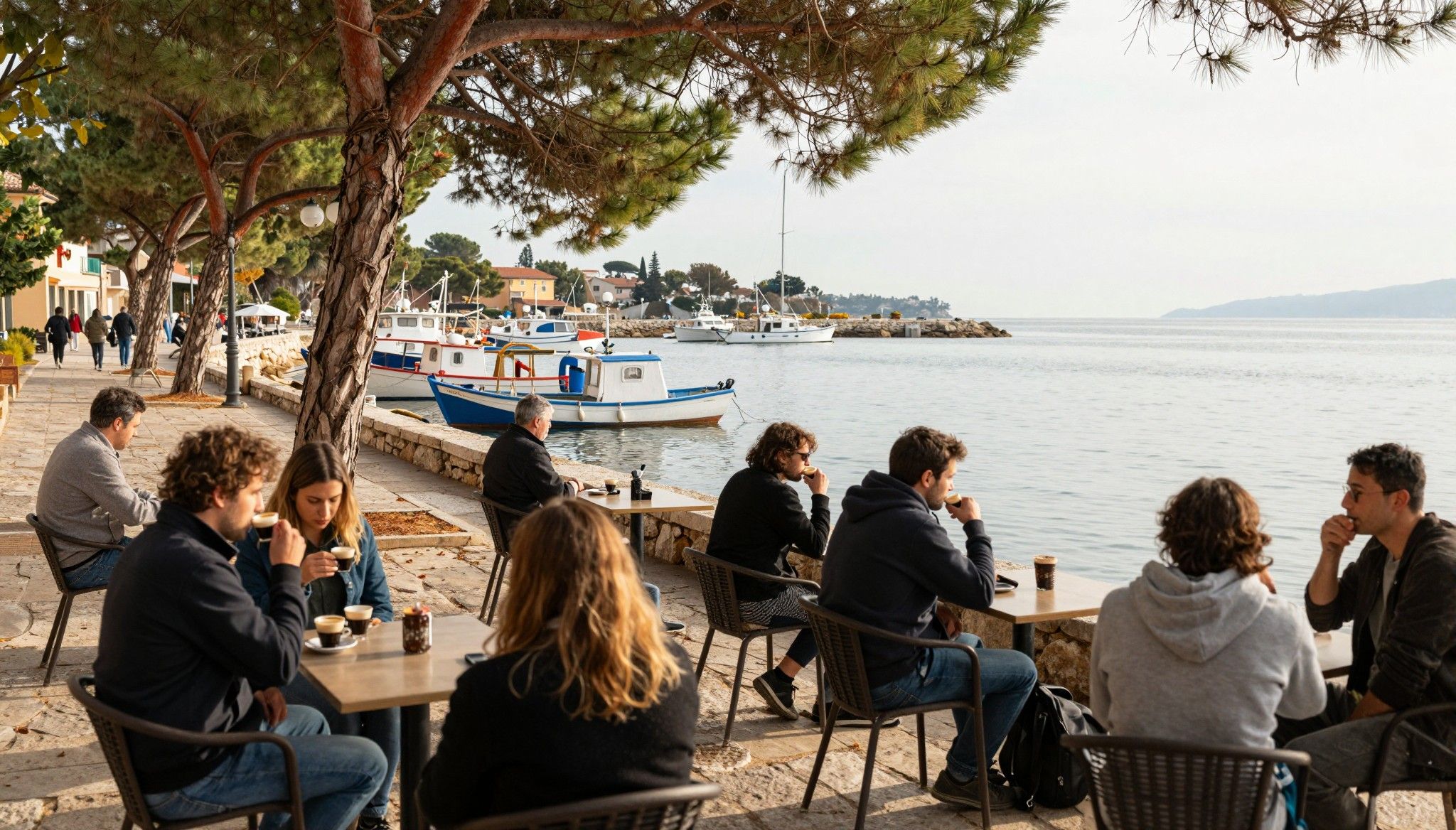
France is theatrical by season. Summer shows you the postcard — Riviera crowds, full terrace service, festival frenzy — but autumn and winter reveal daily life: empty coastal paths, mushroom foragers in Dordogne woods, slow café mornings in Lyon’s Croix‑Rousse. For an international buyer wanting grounded community rather than tourism’s flash, these quieter months expose true neighbourhoods and the real fit between you and the place.
Where locals really live: hidden pockets that thrive off‑season
Look beyond Cannes and Saint‑Tropez. In Brittany, try Saint‑Brieuc’s old harbour for seafood stalls and community markets. In Provence, the town of Salon‑de‑Provence pulses with craftsmen rather than tourists. In Bordeaux, the Chartrons district keeps its wine merchants and quiet Sunday markets. These pockets keep amenities year‑round and often show better maintenance, local stewardship, and a truer sense of neighbourhood.
Food, markets and the rhythm that shapes property life
Picture a Saturday market in Avignon or a Tuesday matin in Nice: produce, cheeses, and neighbors who greet each other by name. That daily exchange matters when choosing a property: proximity to market day, a covered hall, or a square where neighbours convene transforms a house into a lived community. For buyers seeking low‑impact living, look for properties with garden space for seasonal growing and easy access to local supply chains.
Making the Move: Financing France with Sustainability in Mind
France’s property market shows regional variation; national summaries from Notaires de France and mortgage conditions reported by Banque de France help explain why timing and location matter. Crucially for eco‑minded buyers, French policies and incentives — from energy renovation grants to eco‑loan programmes — change the math on renovation projects and influence which properties offer lasting value. Knowing where green financing is available can reduce monthly costs and increase comfort.
Green mortgages, eco‑PTZ and renovation incentives
France offers targeted support: the interest‑free eco‑PTZ (éco‑prêt à taux zéro) for energy upgrades and MaPrimeRénov' grants for insulating, heating, or replacing windows, among others. These programmes can be stacked with certain bank green loans to lower upfront costs. For buyers, this means a seemingly average property with a south‑facing façade and solid roof can become an energy‑efficient gem with the right finance plan.
How to blend lifestyle and finance: a step‑by‑step
1. Visit off‑season to read the rhythm of life, then research regional price trends using Notaires data. 2. Ask sellers about past energy bills and check diagnostics (DPE) for performance expectations. 3. Speak with local banks and a bilingual notaire about eco‑PTZ eligibility and integration into your mortgage. 4. Budget for staged renovation: insulation, efficient heating, and PV-ready wiring to qualify for green loans. 5. Lock an offer that reflects true year‑round living rather than peak‑season desirability.
Insider Knowledge: What Expats Wish They’d Known About Living and Financing in France
Expats often tell the same story: falling in love with a view, then being surprised by annual costs, local building customs, or the time needed to retrofit an older home. In France, the Diagnostic de Performance Energétique (DPE) is central to both living costs and access to green mortgages. Read it closely — it’s the single best indicator of where retrofit investment will be needed and where grant support applies.
Cultural quirks that affect property life
Neighbours in France value privacy and routine: deliveries come at certain times, long lunches can close shops midday in smaller towns, and building co‑op meetings (syndics) govern communal choices in apartments. For sustainable projects, winning local support — by favouring quiet, traditional materials and discreet PV integration — smooths permissions and keeps community goodwill.
Expat tips: small moves with big lifestyle returns
• Learn a handful of local phrases and join the marché to meet neighbours. • Prioritise south‑facing rooms and a dry cellar — practical assets in older stone houses. • Ask for past three years’ energy bills and the DPE score before bidding. • Choose materials for retrofit that match local vernacular (stone, lime plaster) to ease approvals. • Consider a staged renovation plan that targets insulation first — biggest comfort return for cost.
Conclusion: If you want a French life that feels authentic year‑round, try the off‑season approach. It surfaces real communities, reveals which properties are sustainably livable, and pairs well with France’s green financing programmes to turn charm into comfort. Start with a market scan (Notaires), check mortgage conditions (Banque de France), and ask a local notaire about eco‑PTZ and MaPrimeRénov' eligibility. Then imagine those autumn market mornings becoming your weekly ritual.
Danish relocation specialist who moved from Copenhagen to the Algarve; supports families with seamless transitions, local partnerships, and mindful purchases.