Green Mortgages and Hidden Property Risks in Cyprus
How to pair Cyprus’s sunlit lifestyles with green mortgages, permit realities and red‑flag checks—practical steps for international buyers who want low‑impact living.
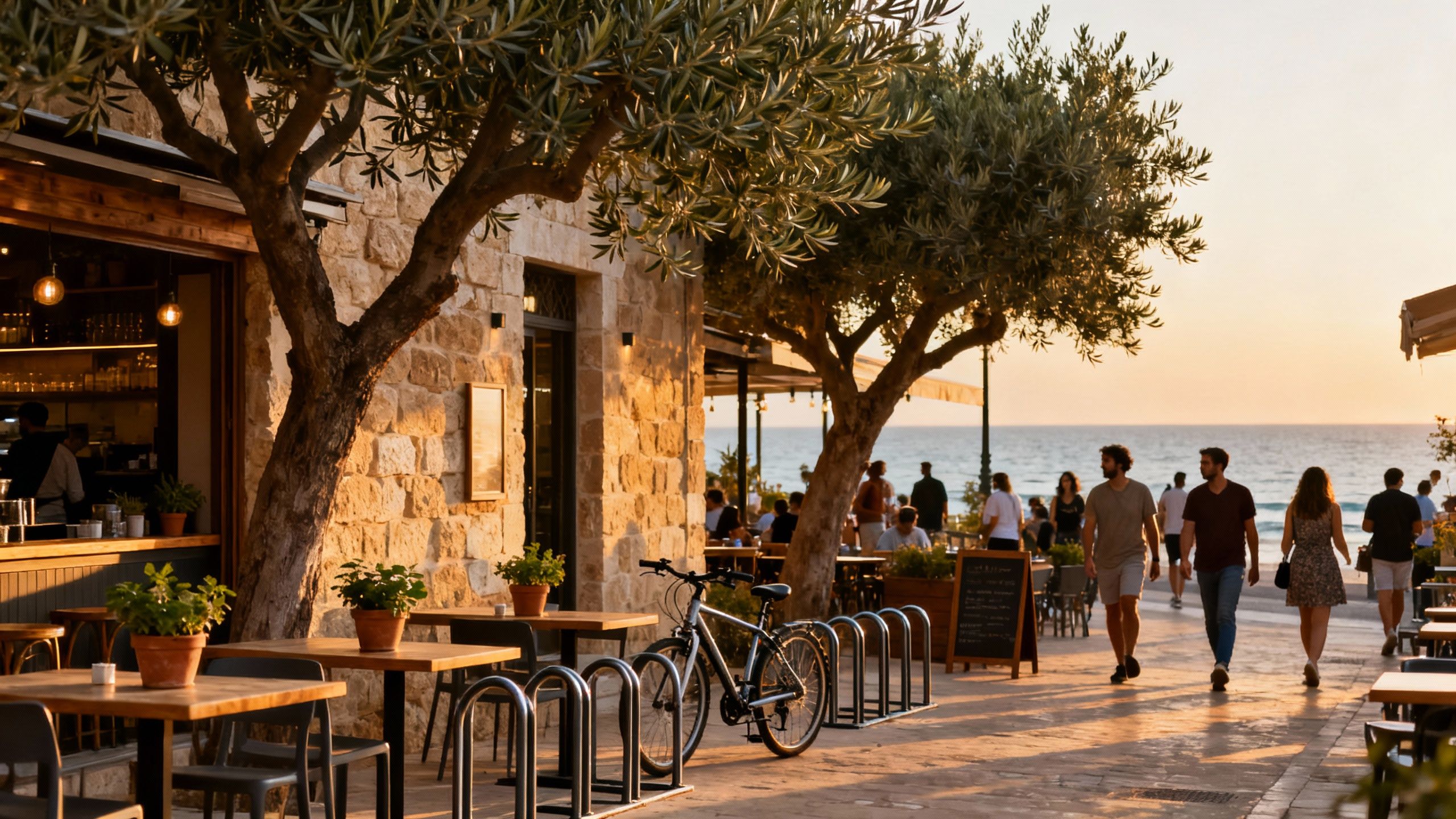
Imagine waking to the smell of strong coffee and sea salt, strolling from a small terrace in Chloraka to a bakery on the Paphos promenade, then spending the afternoon sketching in a stone courtyard in Omodos. Cyprus feels like a handful of Mediterranean scenes stitched together: sunlit coasts, olive‑grove hills, and compact towns where every café knows your name. But for international buyers who care about low‑impact living—as many Moss & Hearth readers do—the romance must meet the ledger. Recent market analysis shows soft but steady price growth and varied regional momentum; that matters when you’re thinking about green mortgages, permit rules, and where a sustainable retrofit will pay off. (See sources for data and legal context).
Living Cyprus: light, rhythm and small‑town textures
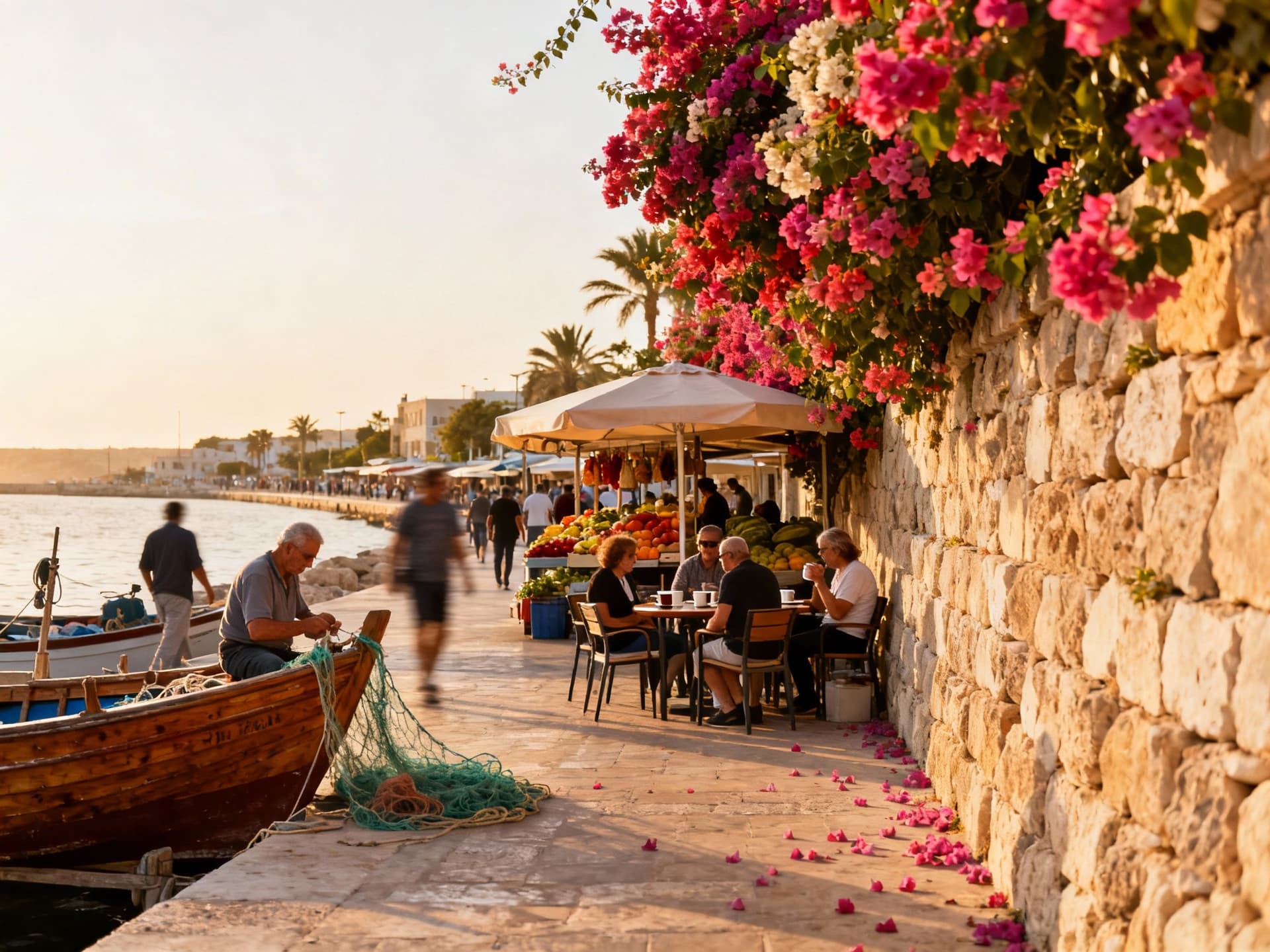
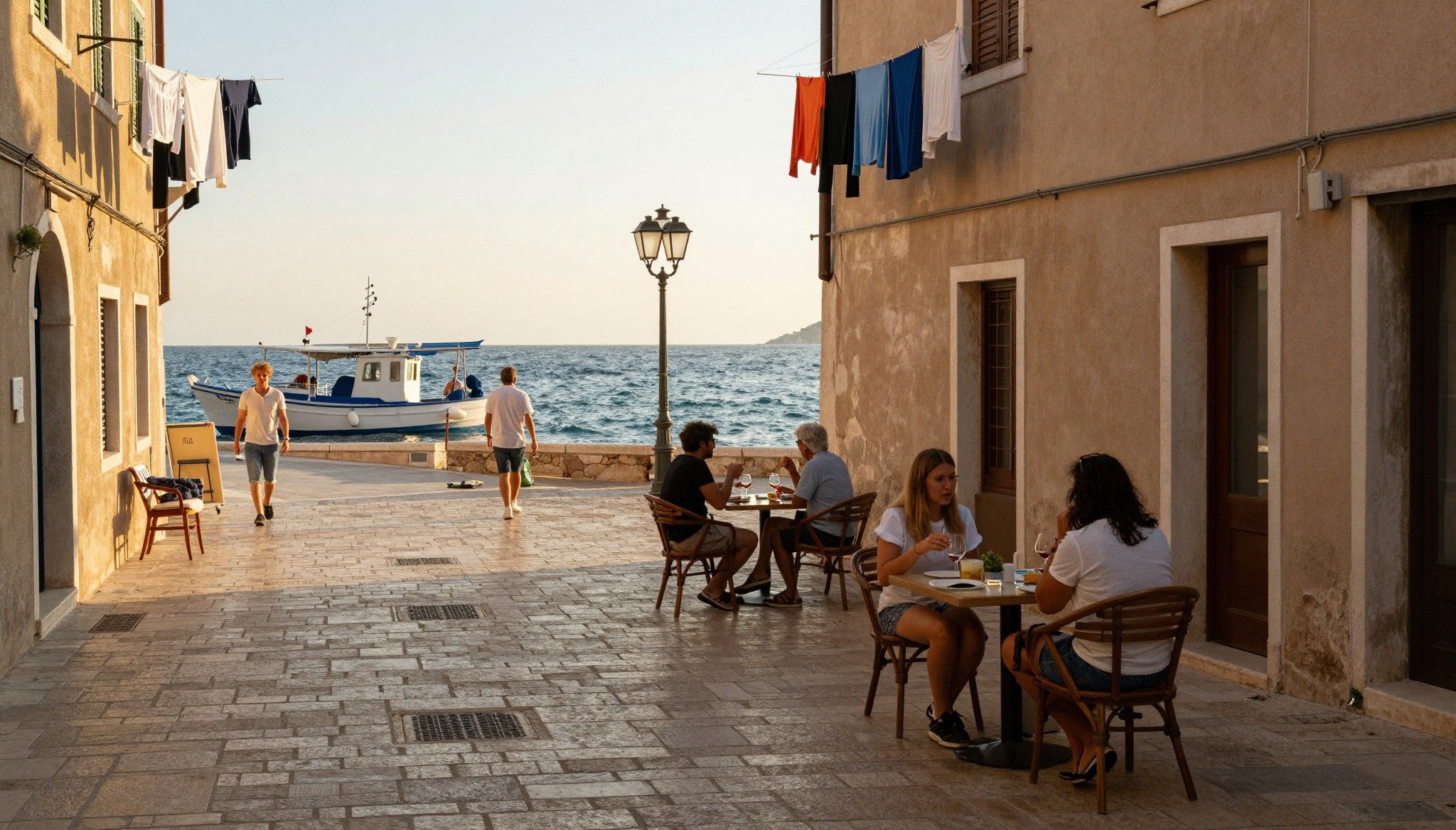
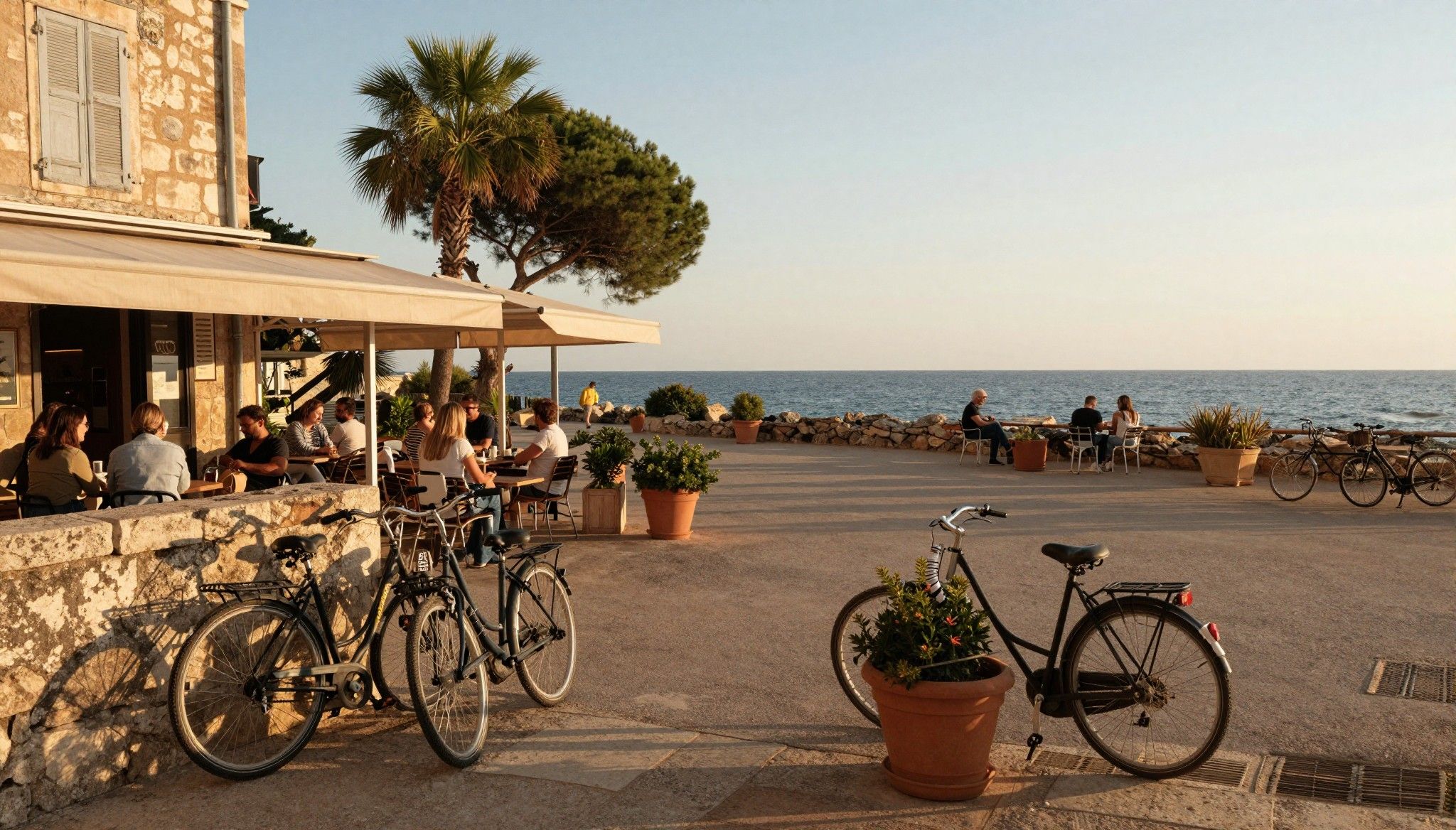
Cyprus’s daily rhythm is late mornings, long lunches and evenings that unfold along the water. In Limassol the marina hums with alfresco dinners; in Nicosia, narrow streets host late‑night conversations over mezze. The island’s particular joy is variety: you can surf windier Larnaca shores in the morning, hike Akamas by noon and cook with local halloumi that evening. Each region offers a different relationship with light and land, and those relationships influence what makes a home feel sustainable—shade, cross‑ventilation, stone massing, and outdoor rooms that extend the living year.
Neighborhood notes: Paphos hills, Limassol seafront, Nicosia’s old town
If you want village calm, the Paphos hinterland—places like Tala and Peyia—has stone cottages, terraces and mature oaks. Limassol’s Old Port and Agios Tychonas are for those who want nightlife and cafes a short walk away. Nicosia’s walled city (Ledra Street, Laiki Geitonia) is compact and walkable—ideal for buyers who prize community and historic fabric over seafront glamour. These micro‑local differences change renovation budgets: coastal flats often need salt‑proofing and cooling solutions; mountain homes call for insulation and water capture.
Food, markets and seasonal living
Weekends are market days: fish and fruit stalls cluster near Larnaca’s Finikoudes, while Troodos villages trade mountain honey and carob. Eating here anchors you to seasons—spring wild greens, summer tomatoes, autumn figs—which makes small‑scale food‑growing a realistic addition to a Cyprus home. Choose properties with courtyards or terraces large enough for pots and raised beds; they’re not just lifestyle perks but resilience features that can reduce food miles and brighten resale appeal.
- Morning espresso on a shaded terrace in Kato Paphos; a ferry smell on Limassol’s promenade; wandering Nicosia’s alleys for ceramics and local bakeries; autumn pomegranate harvests in the countryside; Akamas coastal hikes and hidden coves; weekly farmers’ markets in Larnaca.
Making the move: money, permits and green finance
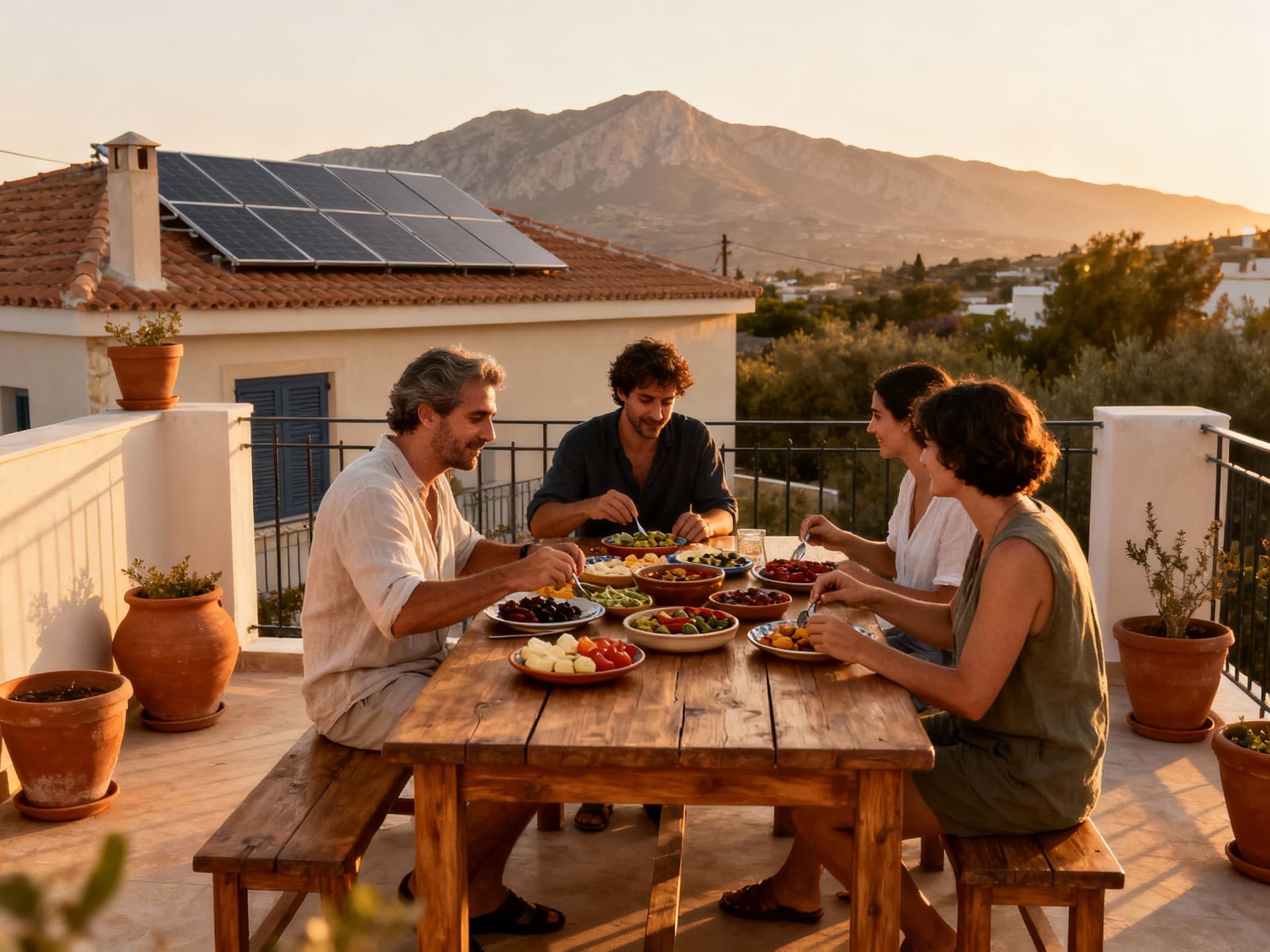
The dream of a sunlit courtyard is one thing; the practical steps to hold that courtyard in your name are another. Non‑EU buyers must be familiar with Cyprus’s permit and registry practices—formal permission from the district administration is commonly required, even if in practice some transfers proceed rapidly. Working with a local lawyer and agent prevents bad surprises and ensures any green‑upgrade plans won’t collide with planning rules.
Property types and how they shape sustainable living
Traditional stone cottages (Troodos, Paphos hills) offer thermal mass and charm, ideal for passive cooling with modest retrofits. New coastal developments often include modern glazing and HVAC—convenient, but check for solar readiness and envelope performance. If you dream of a low‑impact home, prioritize orientation, roof space for PV, water‑harvesting potential and mature planting that reduces cooling needs.
Work with local experts who know green pathways
- Hire an eco‑aware architect or surveyor to confirm roof strength for PV and incentives eligibility; confirm permit history and any outstanding planning liens; ask the seller for an energy‑performance statement or recent utility bills; apply for green mortgage quotes from Cypriot lenders that offer preferential rates for energy upgrades; plan an itemised retrofit budget and timeframe before signing.
Insider knowledge: red flags, myths and timing
Here’s the real talk: Cyprus’s House Price Index shows modest growth in 2025, but momentum varies by district—Paphos has been especially active while Nicosia is steadier. And a crucial legal red flag: properties in the Turkish‑controlled north carry complex title histories and have seen prosecutions for illegal sales. If a listing looks too easy or too cheap for a coastal plot near Kyrenia or Famagusta, insist on thorough title checks and ignore any pressure to shortcut the land registry process.
Green mortgages and incentives—what to ask
- Check whether Cypriot banks offer reduced rates for homes with PV, efficient glazing or heat‑pump systems; ask about loan top‑ups for retrofits; verify grant programmes or RRF‑linked incentives (policy discussions can change eligibility and timing); confirm whether property taxes or utility tariffs likely to shift with national green policy—these macro moves affect long‑term running costs.
When to act—and when to pause
- If a property needs only modest upgrades and sits in a stable jurisdiction, move quickly to secure it after professional checks; if title issues, contested boundaries or planning irregularities appear, pause and escalate to a specialist lawyer; if you rely on a green mortgage or grant, time purchases to align with confirmed funding windows rather than speculative policy promises.
Conclusion: Cyprus is an invitation—to sea breezes, slow meals and sun‑bright patios. For eco‑minded buyers the island offers architectures that respond naturally to climate, and markets with regional nuance. Love the place first; then build a buying plan that honours both lifestyle and stewardship: check permits with the Interior Ministry, compare green mortgage offers, and enlist local experts who care about place as much as profit. When you do, your Cyprus life will feel like an ongoing, low‑impact festival of light.
Danish relocation specialist who moved from Copenhagen to the Algarve; supports families with seamless transitions, local partnerships, and mindful purchases.