Green Loans & the Real Cost of Buying in France
In France, green loans and evolving transfer taxes change how lifestyle choices map to real costs—plan for DPE checks, RGE contractors and department DMTO rates to buy wisely.
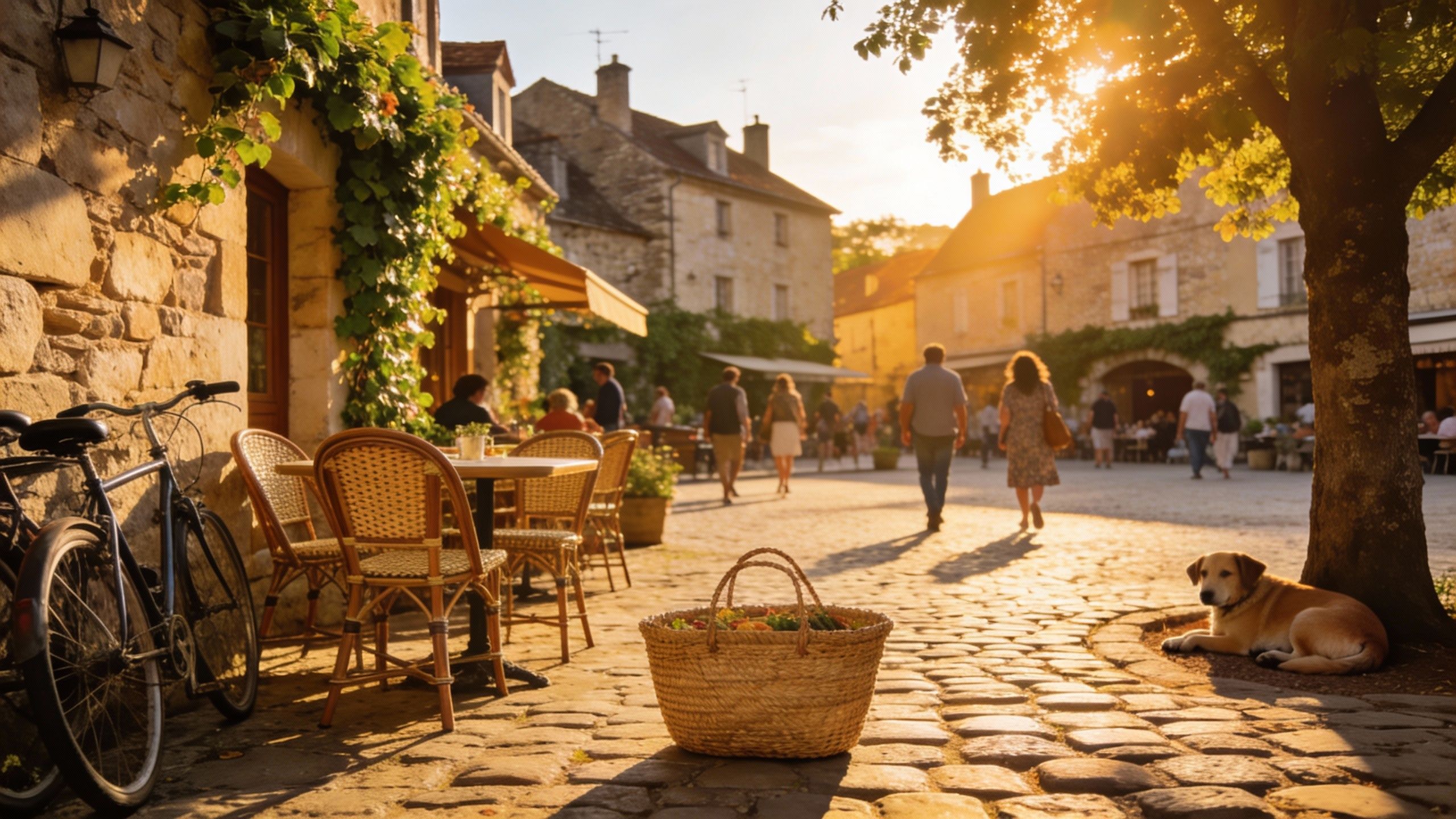
Imagine walking from a morning marché in Aix‑en‑Provence back to a stone‑walled maison with lavender spilling over the low garden wall — then signing a mortgage that rewards insulation, solar panels and low‑energy living. That scene is now a practical route to lower monthly costs in France, where green loans, renovation grants and changing stamp‑duty rules are reshaping buyer decisions.
Living Frenchly: rhythm, streets and seasons
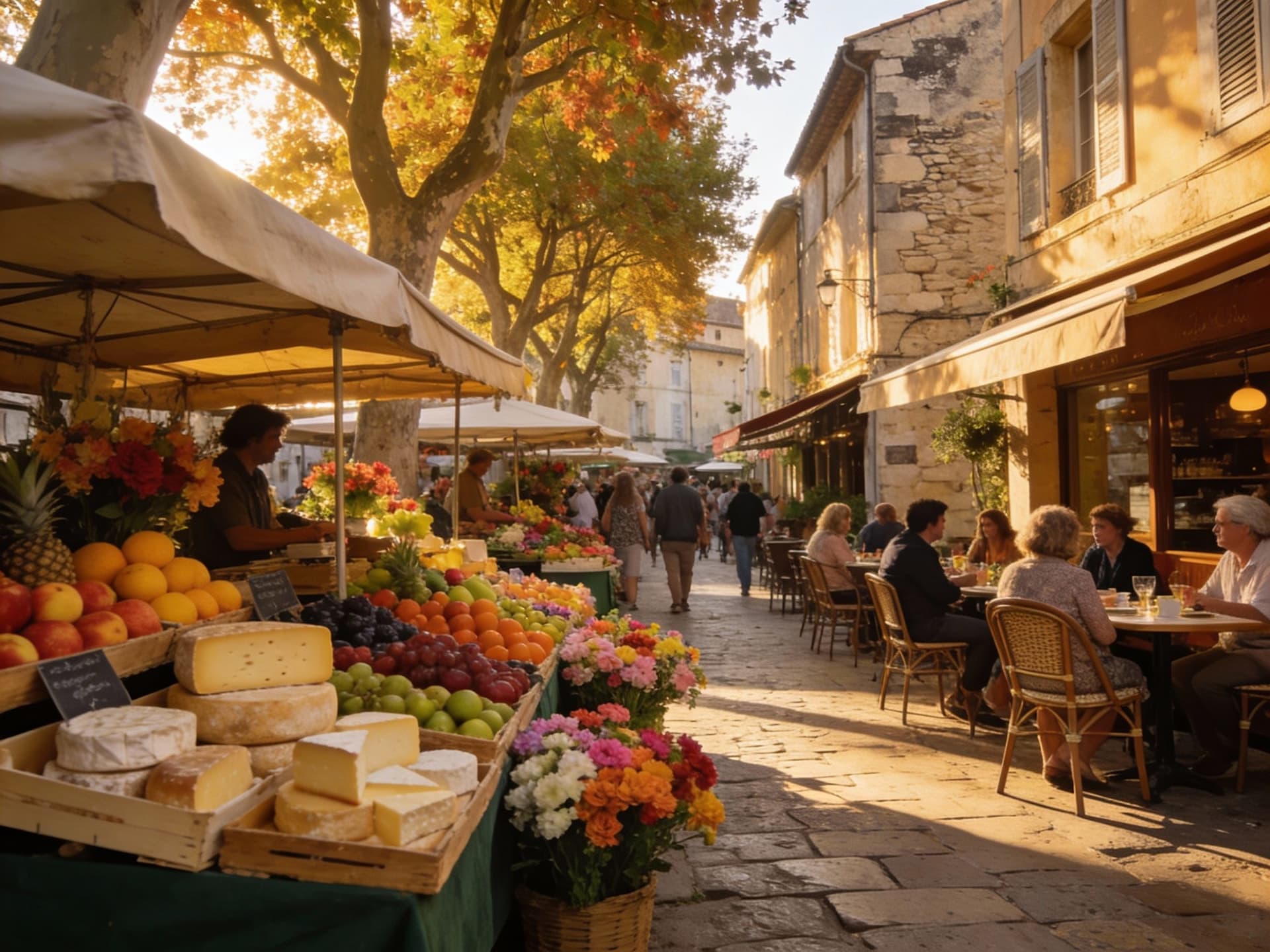
France is both intimate and wide: a café morning in Saint‑Germain, a late summer Sunday market in Colmar, a winter hush in the Ardèche chestnut groves. Days are structured around local rituals — bread at first light, long lunches, market bargaining — and houses are often part of that daily choreography. Choosing a property here is as much about joining a rhythm as it is about square metres.
Neighbourhoods that breathe: Paris, Provence, Nouvelle‑Aquitaine
Each region carries its own tempo. In Paris’ 10th and 11th arrondissements you’ll find restless cafés and tiny urban gardens; in Marseille’s Cours Julien, mosaic‑strewn streets and early‑morning fish stalls. In Provence (L’Isle‑sur‑la‑Sorgue, Luberon villages) the pace slows toward seasons, olive harvests and outdoor lunches. On the Atlantic coast — Biarritz to Île de Ré — surf culture meets market life. These are the places where sustainable features (natural ventilation, drought‑wise gardens, thermal mass stone walls) actually translate to everyday comfort.
Food, markets and habits that shape property choices
Buying in France often means buying proximity to a market square or a boulangerie: properties with ground‑floor storage for local produce, south‑facing terraces for drying herbs, or small courtyards for potted vegetables are prized. For eco‑minded buyers, look for neighbourhoods where RGE‑certified tradespeople and weekly farmers’ markets are active — they make low‑impact retrofits and a farm‑to‑table lifestyle realistic.
- Highlights to feel like a local: visit the Sunday marché in Aix, sip espresso at Café Verlet in Paris, walk the salt marshes of Île de Ré, watch sunset from Nice’s Promenade, and try a lunchtime tartine under plane trees in Sarlat.
Making the move: finance, fees and the green edge
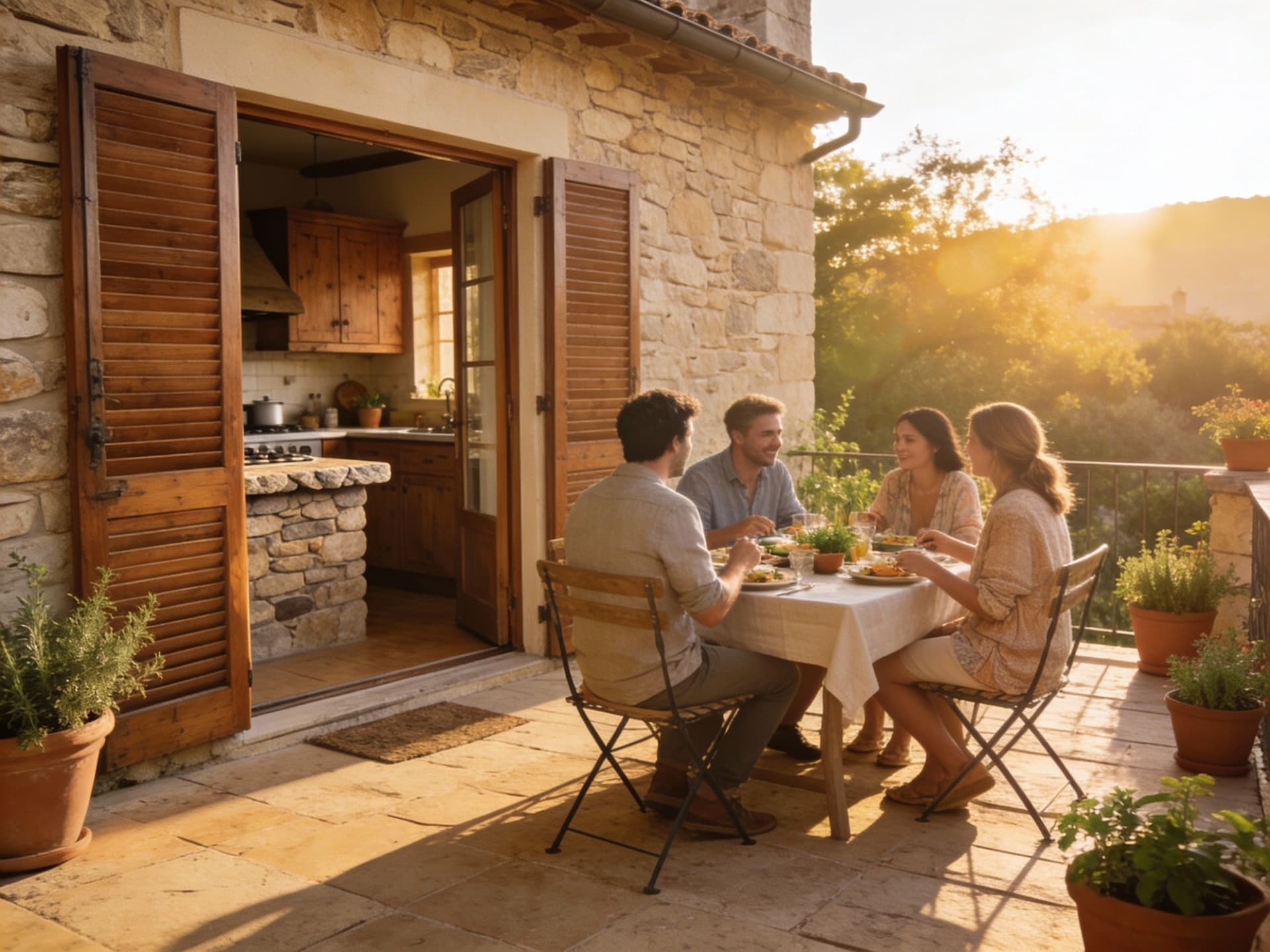
The dream meets paperwork the moment you make an offer. Two big realities shape the maths: transaction costs (frais de notaire) and the growing availability — and uncertainty — of green incentives. From April 2025 departments may charge higher transfer taxes, pushing notaire fees in some areas higher; at the same time, France’s renovation grants and energy‑efficient loan programmes can offset retrofit costs and even reduce borrowing rates when lenders recognise lower risk.
How transfer taxes reshape budgets
Most buyers budget c.7–8% of the purchase price for older properties to cover notary collections and taxes; new builds are markedly cheaper on closing fees because VAT applies differently. If a department applies the temporary 5% DMTO ceiling (introduced in 2025), that can add roughly €500 per €100,000 — small by some markets’ standards, but meaningful when you’re balancing renovation budgets and green upgrades.
Green loans, grants and current limitations
France’s MaPrimeRénov' and energy‑efficiency incentives have driven renovation activity for years, coupling grants with RGE‑certified works to aim for significant energy gains. However, application windows and budgets can change: programmes may be paused or restructured seasonally, and lenders’ green mortgage products vary in availability. Before you buy, check current grant windows and confirm whether a specific renovation will be eligible — an agent familiar with RGE contractors is invaluable.
- Steps to blend lifestyle goals with finance in France: 1. Map your lifestyle priorities (market proximity, sun exposure, outdoor space). 2. Check departmental DMTO rates for target towns and budget closing costs accordingly. 3. Ask sellers for recent energy diagnostics (DPE) and factor in upgrade costs. 4. Consult lenders about green upgrades — some offer lower margins for high‑efficiency homes. 5. Verify grant availability (MaPrimeRénov', local aides) and RGE contractor access. 6. Reserve contingency for unforeseen works; older stone houses surprise even careful buyers.
Insider knowledge: what expats wish they'd known
Expats often tell the same stories: falling in love with a village square, then learning that the house faces north rather than the sun; or buying a charming farmhouse and later discovering the cost and time of bringing it up to modern thermal standards. The smarter buyers blend romance with realism — choosing homes that already possess passive features (thick stone walls, deep eaves, mature shading) and planning renovations that increase comfort while qualifying for green finance where possible.
Cultural and seasonal realities that affect living
Language can be the softest friction: small towns value personal introductions and local formality. Seasonality matters too — coastal towns brim in summer but quiet to a hush in winter, affecting rental prospects and local services. For sustainability‑minded buyers, winter heating costs and summer drought resilience matter; choose properties with passive solar potential, water storage options and robust insulation.
Longer‑term stewardship: beyond resale
Think of the house as an ecosystem. Planting a pollinator border, repairing lime mortar with traditional techniques, and installing modest PV with battery storage all increase liveability and often community goodwill. These changes aren’t merely ethical — they lower running costs and, increasingly, attract buyers who value documented low‑energy living.
- Common red flags and how to handle them: • Missing or out‑of‑date DPE (energy performance diagnosis) — insist on an up‑to‑date report. • Roofs without recent inspection — get a survey and quotes before committing. • Properties in departments with the new 5% DMTO — re‑run your closing cost math. • Sellers without proof of RGE contractor quotes for promised upgrades — require documentation. • Historic protections that limit external work — check local planning rules early.
- A simple negotiation sequence for green improvements: 1. Obtain a trusted survey and energy diagnosis (DPE). 2. Get 2–3 RGE contractor quotes for necessary works. 3. Present the quotes to your lender — some will improve terms if retrofit lowers risk. 4. Negotiate purchase price or ask seller to complete agreed works before completion. 5. Hold a small escrow for post‑completion checks if major works are committed.
Conclusion: buy the life, not just the walls. In France the sensual — markets, light, seasons — is inseparable from the practical: energy performance, local taxes and renovation pathways. Work with local agents who understand RGE certification, know the departments’ tax choices and can introduce reliable artisans. Start with a visit to the places that move you, then map the financial reality: when green loans and smart renovation are part of that plan, your monthly costs, comfort and connection to place all improve.
Swedish advisor who left Stockholm for the Costa Brava in 2019. Specializes in sustainable, sea‑view homes for Scandinavian buyers and green finance insights.