Green Loans, Quiet Beaches: Smarter Financing for Cyprus Homes
How Cyprus’ lifestyle shapes smart financing: green loan checks, district price signals and practical compliance steps for international buyers.
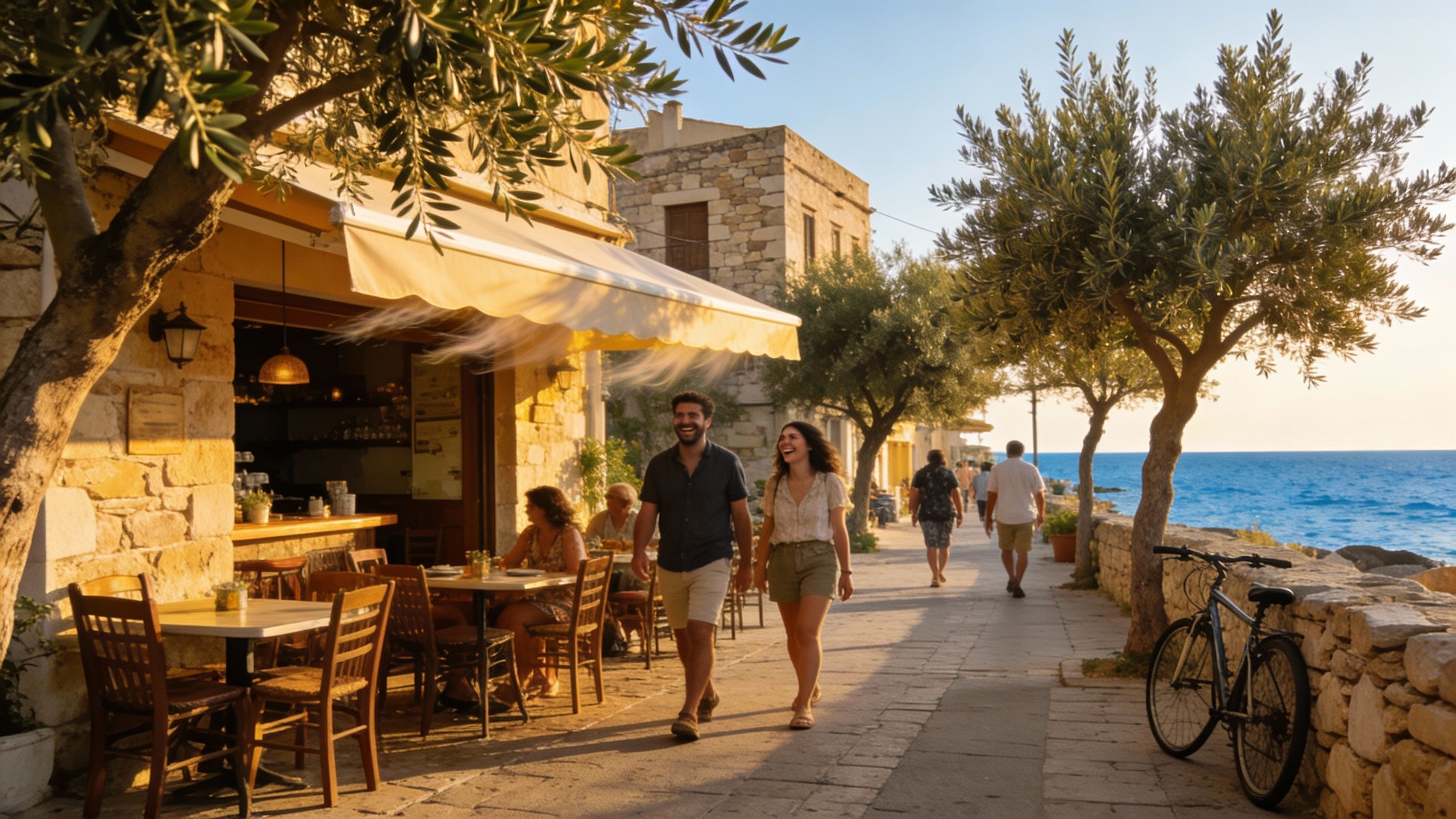
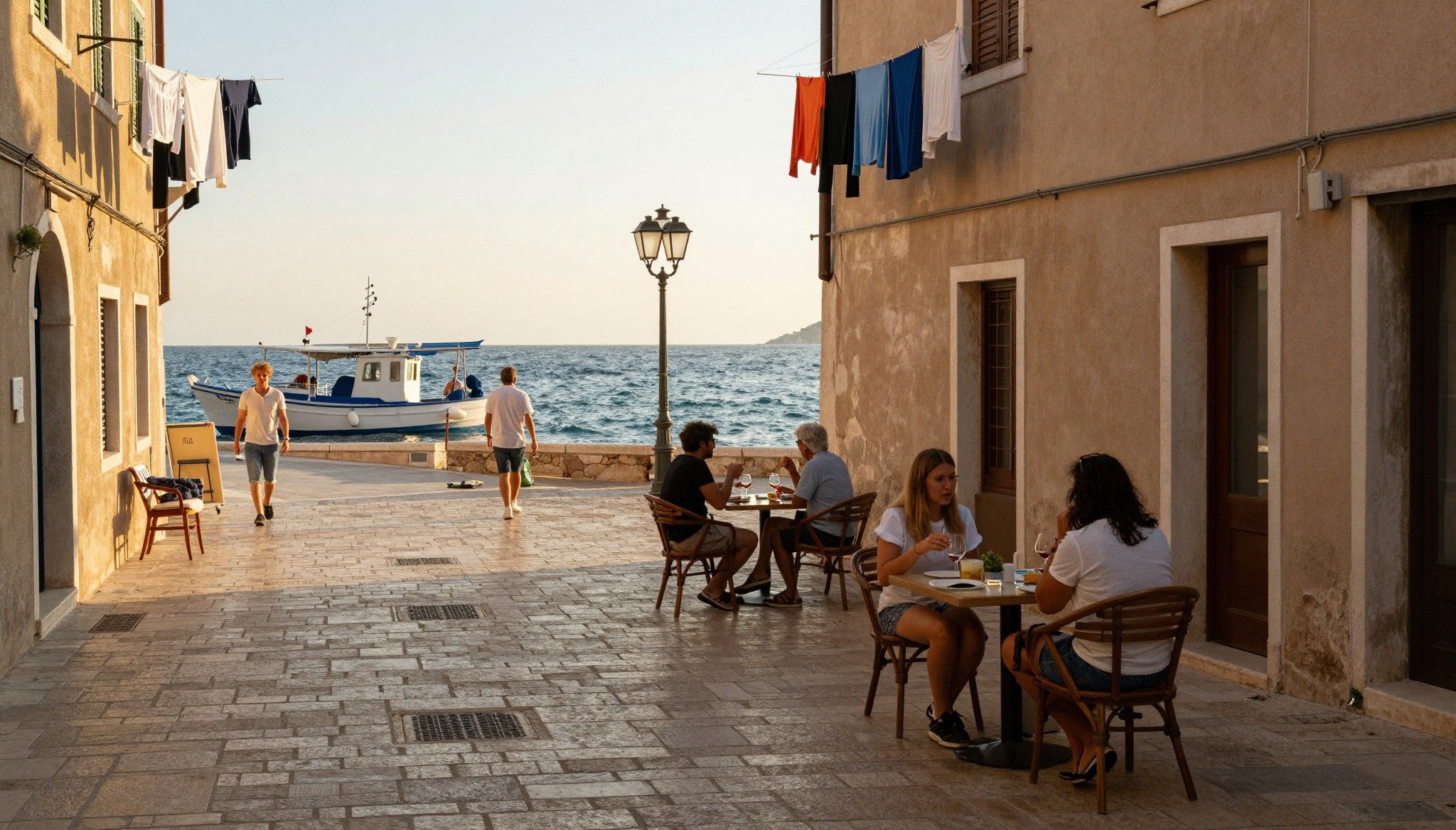
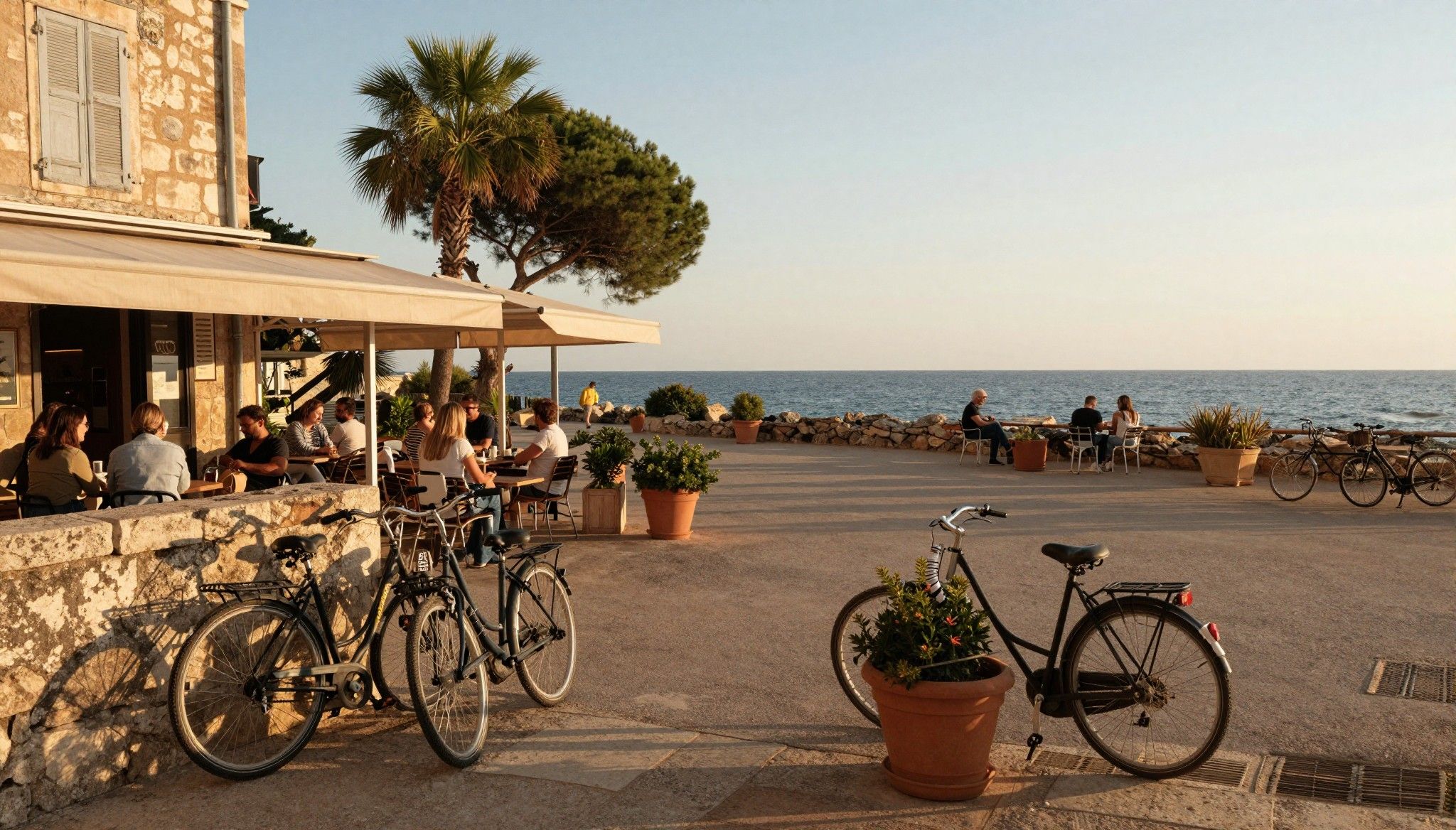
Imagine waking to the smell of sea salt and roasted coffee, stepping out on a sun-warmed terrace in Larnaca, and hearing children playing in a nearby square — that everyday Mediterranean rhythm is what draws people to Cyprus. But beneath the golden light and slow pace lies an important practical question: how do you finance a home here in a way that honours both your pocket and the island's fragile ecosystems? This piece threads lifestyle and money together, showing green mortgage possibilities, local market signals and little-known compliance points that change the way you buy.
Living Cyprus: the sensory life that shapes buying choices
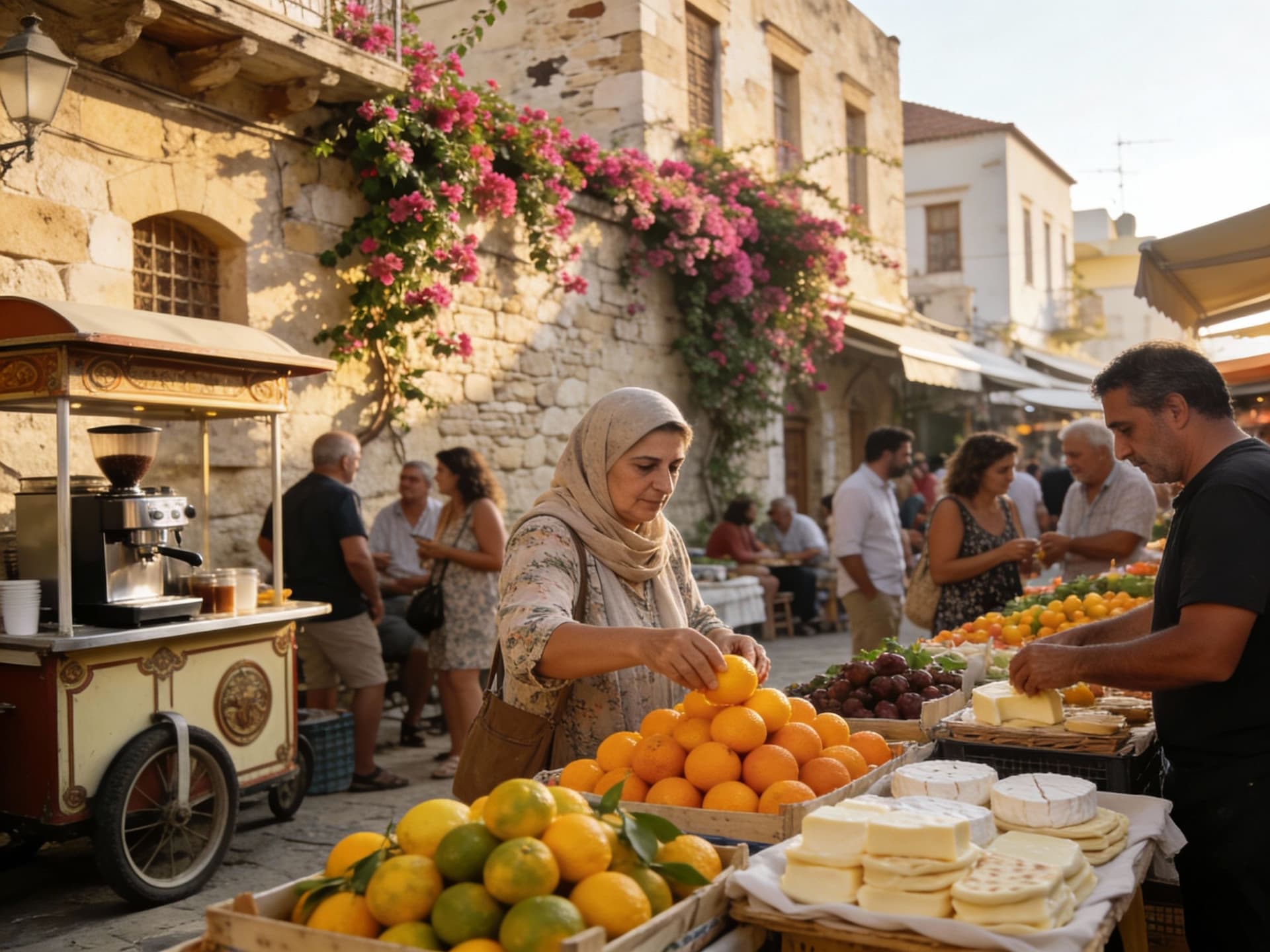
Cyprus is equal parts coastline and hills; mornings are for markets and bakery queues, afternoons often drift toward beaches like Nissi or quiet coves in Paphos, and evenings gather around tavernas where slow-cooked halloumi and citrus-scented air make small talk easy. This sensory map matters because the lifestyle you crave — seaside sociability, mountain solitude, or a town-centre daily rhythm — determines the property type you'll seek and the finance that suits it. In practice, a coastal apartment needs different insurance, energy considerations and sometimes different lending terms than a stone village house with a cistern and solar panels.
Neighborhood note: Larnaca’s calm, Paphos’ surprise, Limassol’s shine
Larnaca offers a lived-in, everyday Cyprus — cafés along Ermou Street and the salt lake create a gentle pulse. Paphos, once quieter, now surprises buyers with value and accelerating price growth around its old harbour and Kato Paphos. Limassol remains the island’s showpiece for luxury and international business, but price pressure there has sent savvy buyers looking to Larnaca and Paphos for better value-per-sunshine. Your financing choices — down payment, mortgage tenor, and whether you seek green incentives — should reflect these local rhythms.
Food, markets and micro-decisions that matter for property life
Picture yourself buying vegetables in Larnaca’s municipal market and wondering if your new kitchen gets enough morning light for a small herb garden. Or imagine choosing a villa near Paphos because weekend farmers’ markets promise slow food and strong neighbours. These small choices affect the property’s orientation, need for external shading, water storage, and whether a solar array will be visible or viable — all factors that lenders and insurers notice when they underwrite mortgages or green loans.
Making the move: money, mortgages and local compliance

Start with the market signals: Cyprus’s official House Price Index showed modest growth in early 2025, reflecting steady demand but a slowing pace of increases compared to past years. Local analytics also show shifts in where value is found — Paphos and Larnaca are growing faster than Limassol in some segments. That means buyers who move quickly but sensibly can still find favourable deals, and lenders are increasingly segmenting risk by district and property type. Bring recent local data to any mortgage conversation — lenders will expect it.
Property types and the finance they attract
New coastal apartments often qualify for conventional mortgages with up to 70–80% financing for EU residents in some banks, while traditional stone houses in mountain villages may need higher down payments because of renovation risk and non-standard construction. If a property has verified energy upgrades — good insulation, a working solar PV system, or a modern heat-pump water heater — some Cypriot banks and regional lenders may offer preferential rates or flexible terms tied to those improvements.
Work with experts who speak both language and lifestyle
Find an agency with local legal partners and a track record of handling international buyer paperwork — they’ll help with the cadastral checks, permit histories and the energy performance certificates lenders ask for. An agent who knows the square where the best bakeries sit will also know which houses lose morning sun in winter — practical details that affect energy bills, hence lender risk assessments. Insist on an English-speaking lawyer who specialises in property and compliance.
Insider knowledge: green loans, hidden costs and compliance red flags
Green lending is emerging, but Cyprus is also juggling EU green tax policy and local cost pressures, so incentives can be patchy. Don’t assume a ‘green’ label on a loan is meaningful — ask for the exact measurable benefit (rate cut, longer term, or grant co-finance) and for the certification the bank used. And watch for hidden costs: municipal connection fees, retrospective compliance orders for unpermitted additions, or higher premiums for properties on exposed coastal plots.
Practical green-finance checklist
When considering green mortgage offers, request these documents and checks up front: a certified Energy Performance Certificate (EPC), clear invoices for installed renewables, a scope for planned upgrades (insulation, glazing, heat pumps), and written commitments from the lender that link rate/terms to those improvements. If a seller claims the roof has PV, verify with meter readings or the installer’s paperwork. Small verification steps avoid large disappointments later.
Bullet list: lifestyle-friendly financing tips
Ask lenders whether they adjust loan-to-value by district — coastal Limassol may be treated differently from inland villages.
Prioritise properties with documented energy upgrades to access better mortgage terms and lower running costs.
Check the Department of Lands and Surveys for encumbrances and recent sale contracts; regional data often explains price divergence between districts.
Factor seasonal running costs: a sea-view terrace may need more cooling in summer; a stone mountain house might need a robust heating strategy.
Ask your lawyer about planning regularisation — retrospective permits can be expensive and delay mortgage completion.
Step-by-step: a practical purchase timeline (numbers reflect a typical international buyer)
1) Get pre-approval and request lender criteria (2–4 weeks).
2) Commission an EPC and basic survey (2–3 weeks) so green upgrades are visible to lenders.
3) Offer, negotiate and include financing/permit clauses (1–3 weeks).
4) Finalise mortgage terms and complete due diligence with your lawyer (3–6 weeks).
5) Closing, transfer and register with the Department of Lands (2–4 weeks).
What expats wish they’d known — local quirks that change outcomes
Expats often tell the same short story: they fell in love at first visit, rushed an offer, and later discovered unpaid municipal levies or a missing EPC that complicated refinancing. Locals also have a quiet preference for homes with cisterns and mature shade trees — small ecological features that keep bills down and improve resale. Treat those local preferences as asset, not decoration.
Cultural and seasonal realities to plan for
Ceremony and community matter: building neighbours will expect certain rhythms — siesta-like afternoons, lively festival weeks — and these rhythms influence rental potential and community integration. Seasonally, remember that summer tourism swells coastal services (good for rental income) but also raises short-term maintenance needs; winter is quieter but exposes roof and damp risks that lenders will want addressed.
Long-term stewardship: how green choices preserve value
Choose durable, locally-sourced materials, plan for water-wise landscaping, and invest in verified renewable systems — these reduce ongoing costs and make a property markedly more attractive to both green-minded buyers and lenders in future resale. Cyprus’s market is rewarding steady stewardship; homes that age gracefully with low ecological impact keep value better than those that chase trends.
Conclusion: live lightly, buy wisely — next steps
If Cyprus feels like a place you could belong, start small: arrange a local EPC and survey on any property that speaks to you, get pre-approval while you shop and ask for lender proof of any green-rate claims. Work with a local agency that respects ecological stewardship and has legal partners who’ll check permits and municipal dues. Do this and the terrace mornings will stay golden — and your finances will stay grounded.
Dutch property strategist who helped 200+ families find sustainable homes in southern Europe; expert in legal pathways and long-term stewardship.