Cyprus: Sunlit Life, Solar Habits and Practical Mortgages
How Cyprus’ rhythms, solar heritage and 2025 market shape smart purchases — practical mortgage and green‑finance steps for international buyers.
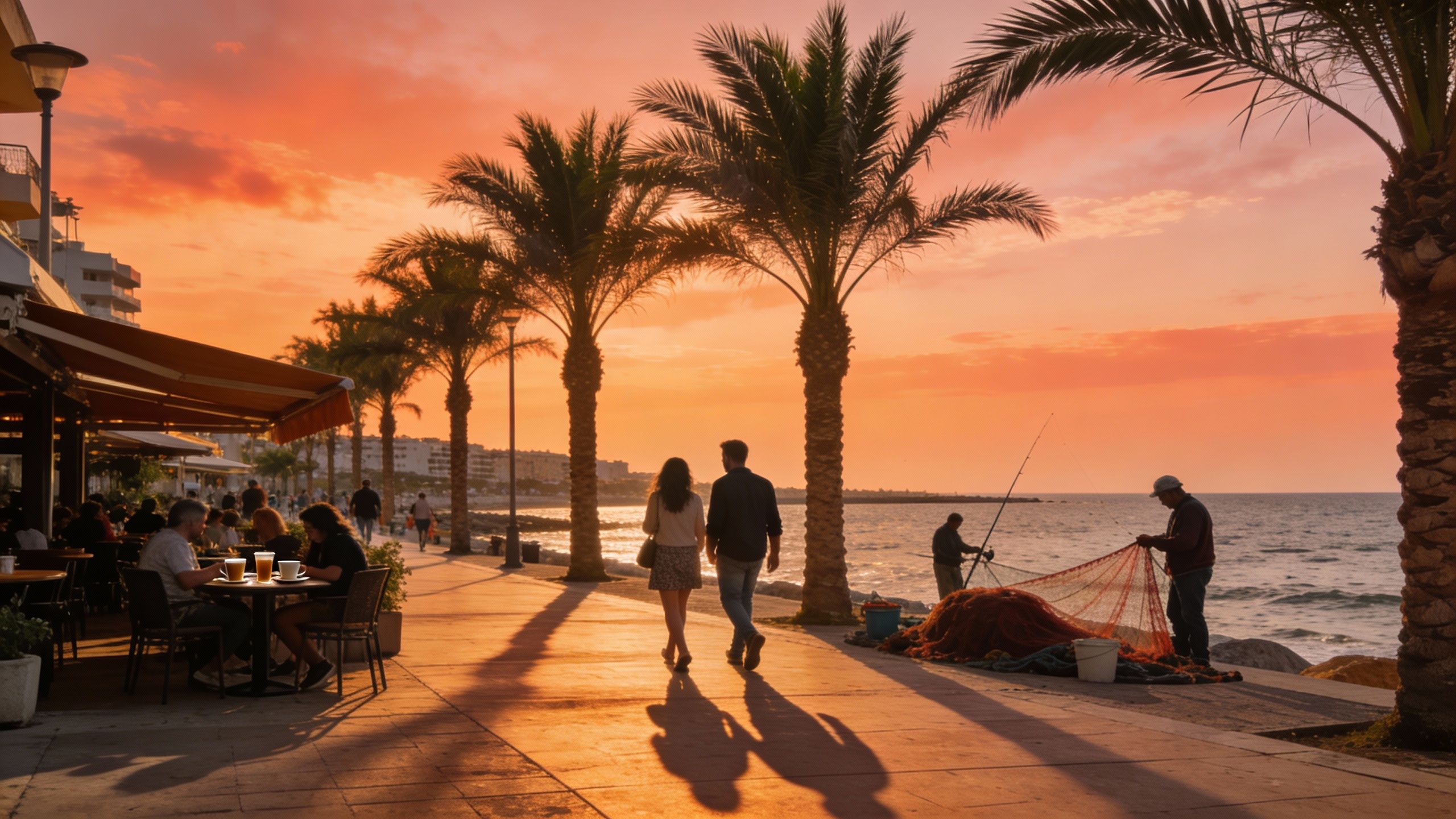
Imagine waking to the warm, honeyed light that pours over Cyprus’ stone courtyards — the smell of strong coffee from a nearby kafeneio, bougainvillea tracing an old wall, and a slow, generous rhythm to the day. For many of us drawn here by that very feeling, the decision to buy is as much about joining a seasonal, sunlit life as it is about spreadsheets and lending terms. This piece mixes the intimate — neighbourhood cafés, hidden coves, market mornings — with the nitty‑gritty of mortgages, green finance and compliance you’ll need to make that life possible.
Living Cyprus: mornings, markets and a house that breathes
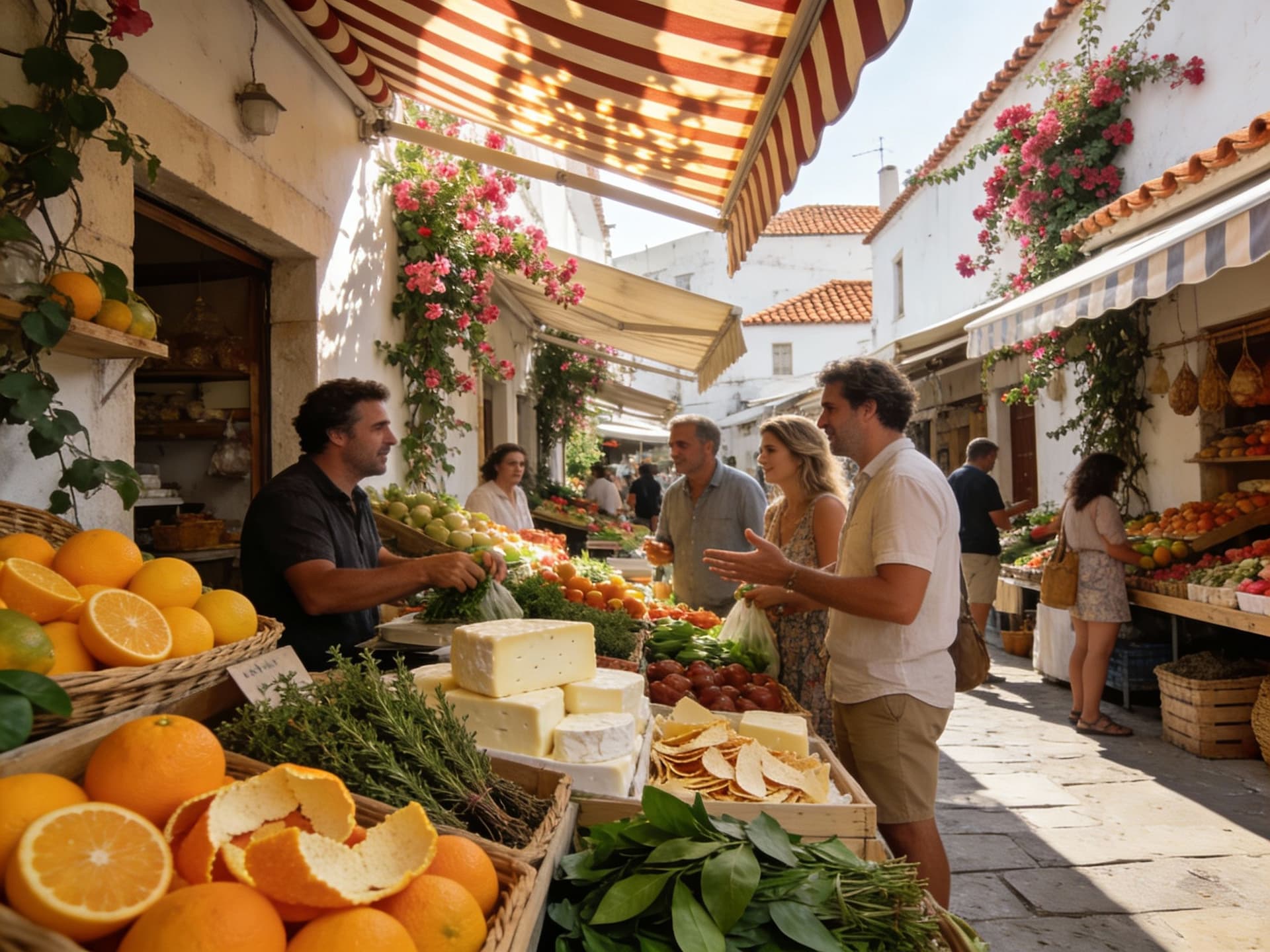
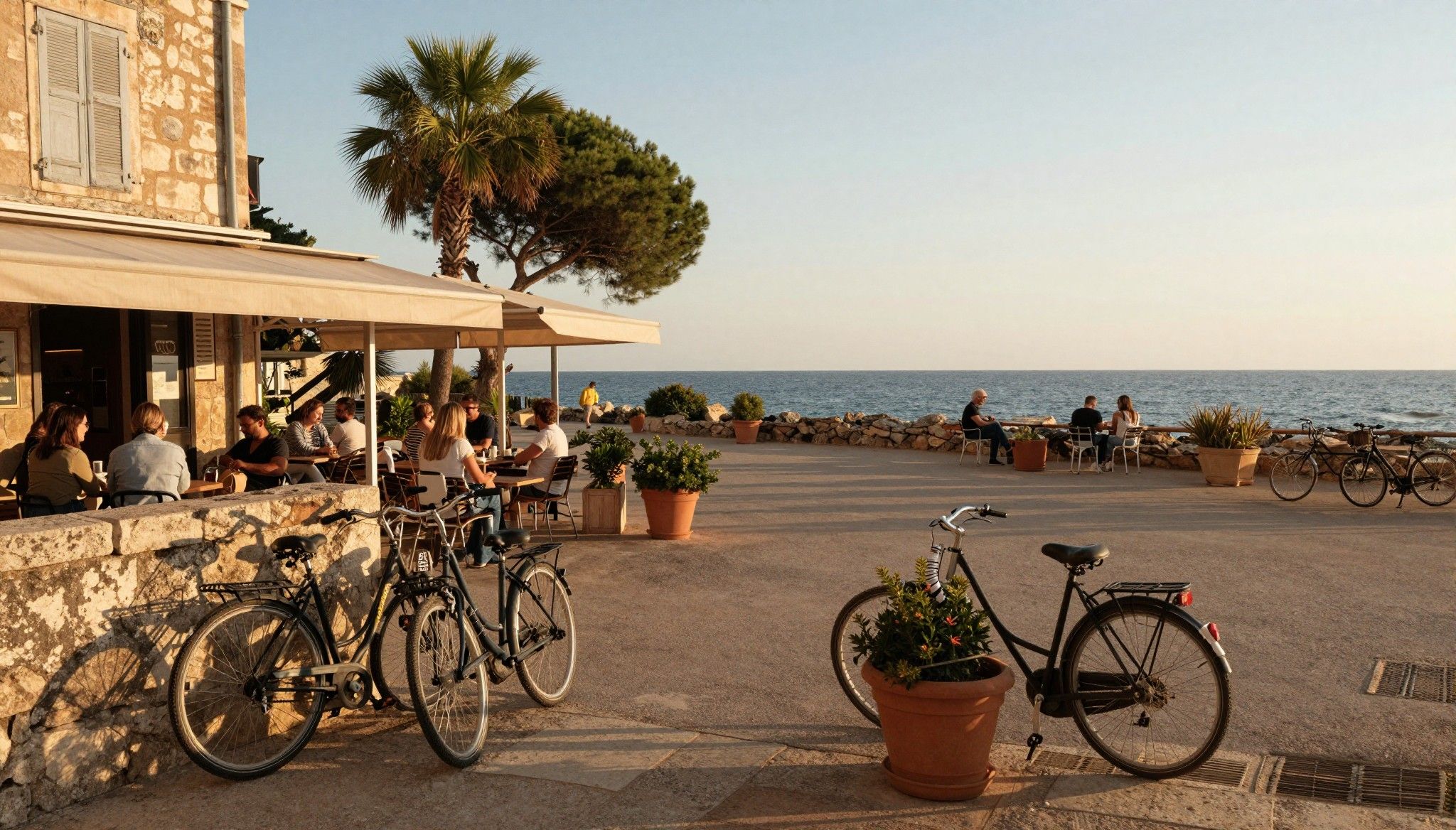
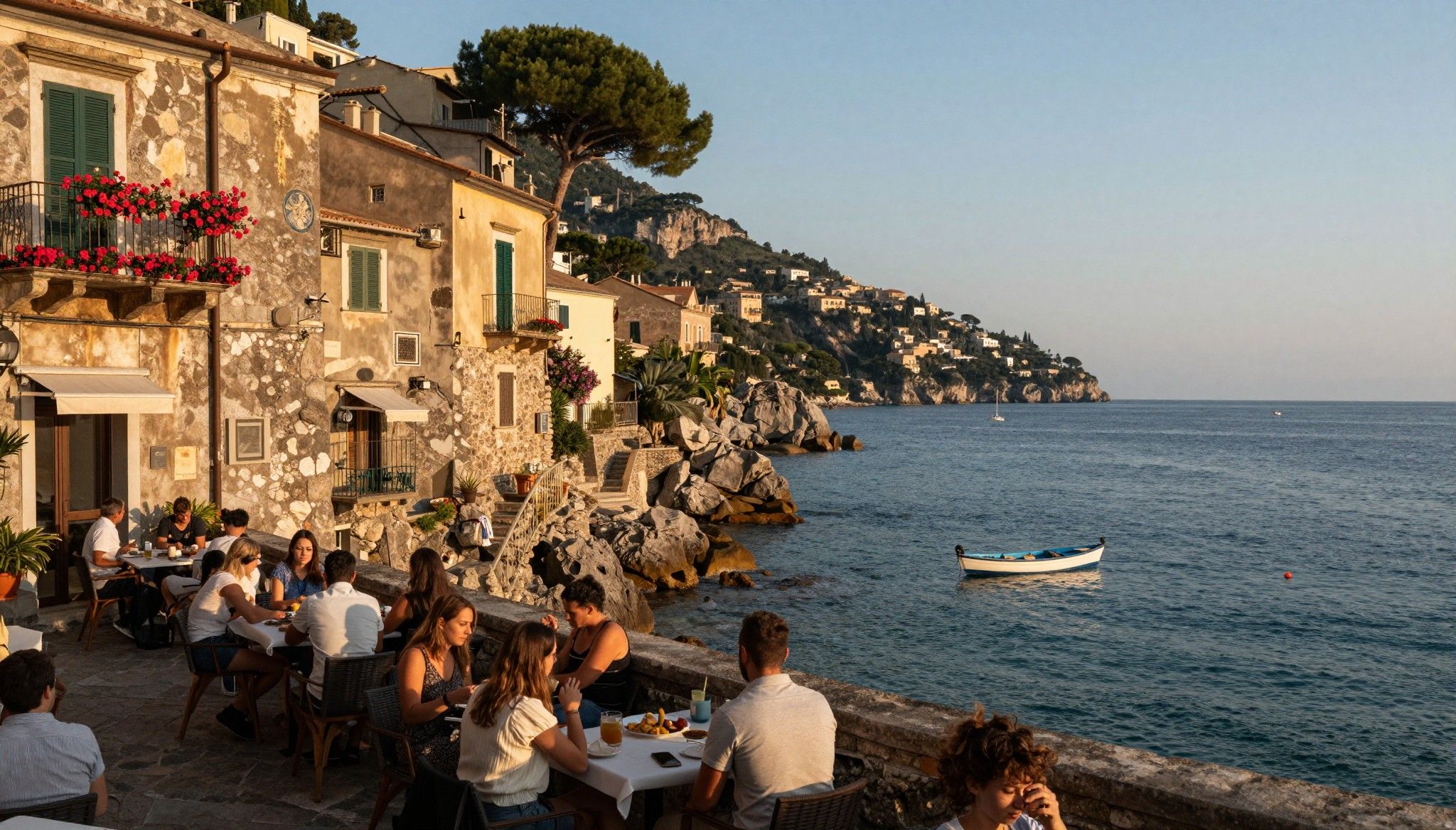
Cyprus isn’t a single mood; it’s a collection of small rituals. In Nicosia, mornings begin with neat espresso cups and conversations about scripture and politics. In Limassol, the sea offers a constant soundtrack — joggers, fishermen, and terraces that spill late into the night. Paphos and Larnaca each have their rhythms: historic alleys and sleepy harbours where you still buy fish from the same family each week. That texture matters because the home you choose should respond to the life you want — a courtyard for winter sun, a terrace for long summer evenings, thick stone walls for coolness without air conditioning.
Neighbourhood spotlight: Germasogeia (Limassol) and Kato Paphos
Germasogeia (near the Molos promenade) is where café culture and expat life meet family kebab nights; apartments here often prioritise terraces and views over large gardens. Kato Paphos, by contrast, still hums with small‑scale tavernas and fishermen’s habits — a place where a renovated stone house can sit a short walk from both the archaeological park and a quiet pebble beach. For eco‑minded buyers, both areas show how urban living and nature can co‑exist: small courtyards planted with native succulents, and rooftop PV panels blended into Mediterranean silhouettes.
Food, markets and seasons that shape daily life
Weekends in Cyprus often pivot around food: the municipal market in Nicosia for citrus and halloumi, the fish stalls by Larnaca’s Finikoudes, or village festivals where slow‑cooked goat is the centerpiece. Seasonal life matters — spring yields wild greens and neroli blossoms, summer gives figs and tomatoes for every terrace, autumn brings chestnuts in the Troodos foothills. Choosing a home means thinking about storage, kitchen layout and outdoor eating spaces so that the local harvest becomes part of daily life.
- Morning espresso at To Kafeneio (Nicosia); evening fish at Palapauta (Paphos); weekend market at Larnaca Municipal Market; sunset stroll on Limassol Molos; hiking and chestnut festivals in Troodos.
Making the move: money, mortgages and green choices
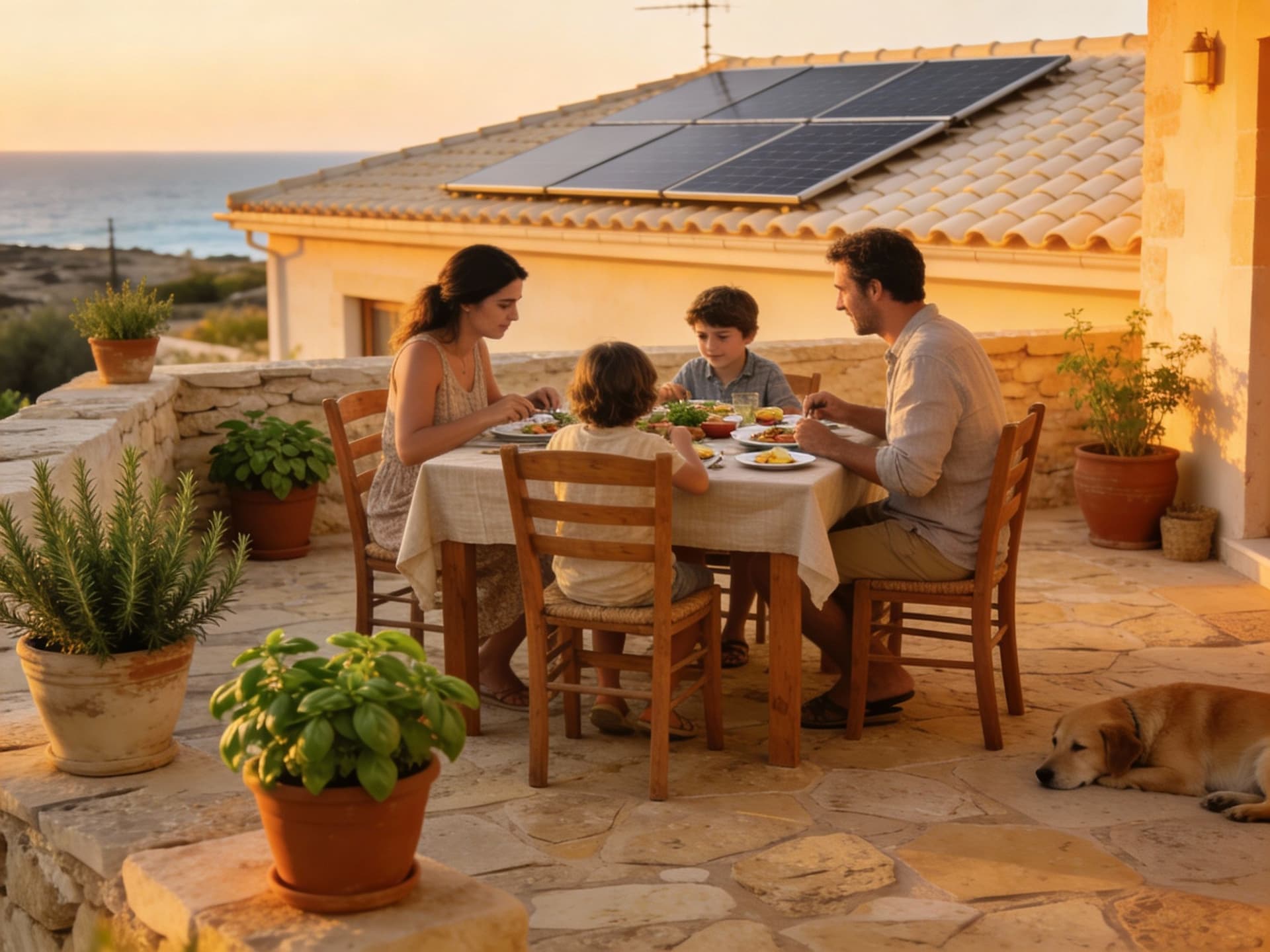
The romance of place meets reality when you start talking numbers. Cyprus’ housing indices show continued, though moderating, price growth in 2025 — houses have outpaced apartments in recent quarters and regions like Paphos have seen sharper rises. That matters for timing: if you crave village life near Paphos, expect competition and fewer off‑market bargains; if you want space and value, inland villages and some Nicosia suburbs still offer room to breathe. Importantly, mortgage availability is improving and interest rates for new housing loans have softened compared with late 2024, but structure and eligibility differ for non‑residents.
Property types and how they shape daily living
Stone village homes provide thick thermal mass — naturally cool in summer and warm in winter — ideal if you prize passive comfort and local materials. Modern seafront apartments often offer maintenance and security plus easy social life, but smaller outdoor space. Villas give autonomy for gardens, rainwater collection and PV arrays but carry higher upkeep and local rates. Think beyond aesthetics: energy performance, orientation to the sun, and room for modest vegetable beds should influence your choice if sustainability matters.
Working with local experts who know green finance
- Find a mortgage broker familiar with Cyprus rules for non‑residents and green loan options; choose an agent who documents energy features (solar thermal, PV, insulation) in listings; check whether a lender offers preferential rates for energy upgrades; verify registration and permits with the Department of Lands and Surveys.
Insider knowledge: what expats often learn the hard way
Expat stories converge on a few truths. First: Cyprus’ solar heritage (solar thermal is nearly ubiquitous) means utility bills can be surprisingly low if systems are well maintained. Second: paperwork and permit timing are real — renovations that seem modest can trigger building permits, especially in older towns or conservation zones. Third: language is rarely a dealbreaker (English is widely used), but a local lawyer and agent will save you weeks of friction and a few costly mistakes.
Cultural integration: neighbours, festivals and unspoken courtesies
In villages, neighbours expect small courtesies: greet shopkeepers by name, attend a village Easter service or festival if invited, and be patient with slower administrative rhythms. Building social capital usually means showing up — a shared plate at a taverna, helping with olive harvests, or offering pastries to new neighbours. Those gestures often translate into local goodwill that makes property stewardship easier over the long term.
- Green finance signals and market realities: Cyprus’ property market saw robust transaction values in H1 2025; economic growth and policy support make longer‑term ownership attractive; national emphasis on renewables increases incentives for energy upgrades.
- 1. Request an Energy Performance Certificate and inspect solar systems; 2. Ask your lender about green mortgage discounts or financing for solar/PV; 3. Verify planning status and conservation restrictions with a local architect; 4. Budget for local rates, insurance and modest maintenance for stone buildings; 5. Meet neighbours and learn seasonal services (olive, carob, citrus) that will affect living rhythms.
In short: Cyprus offers a life shaped by sea, sun and generous table — and an improving mortgage landscape with growing appetite for sustainability. The warm light and courtyard dinners will still be there after the paperwork is done, and if you start by prioritising energy performance, local expertise and an honest sense of seasonal life, your home will feel like it belonged to the island all along.
British expat who traded Manchester for Mallorca in 2017. Specializes in guiding UK buyers to luxury Spanish estates with clear navigation of visas and tax.