Cyprus Green Mortgage Playbook: Finance That Respects Place
How to secure Cyprus mortgages and green loans while choosing homes that live lightly—practical steps and neighbourhood insight backed by Central Bank and market data.
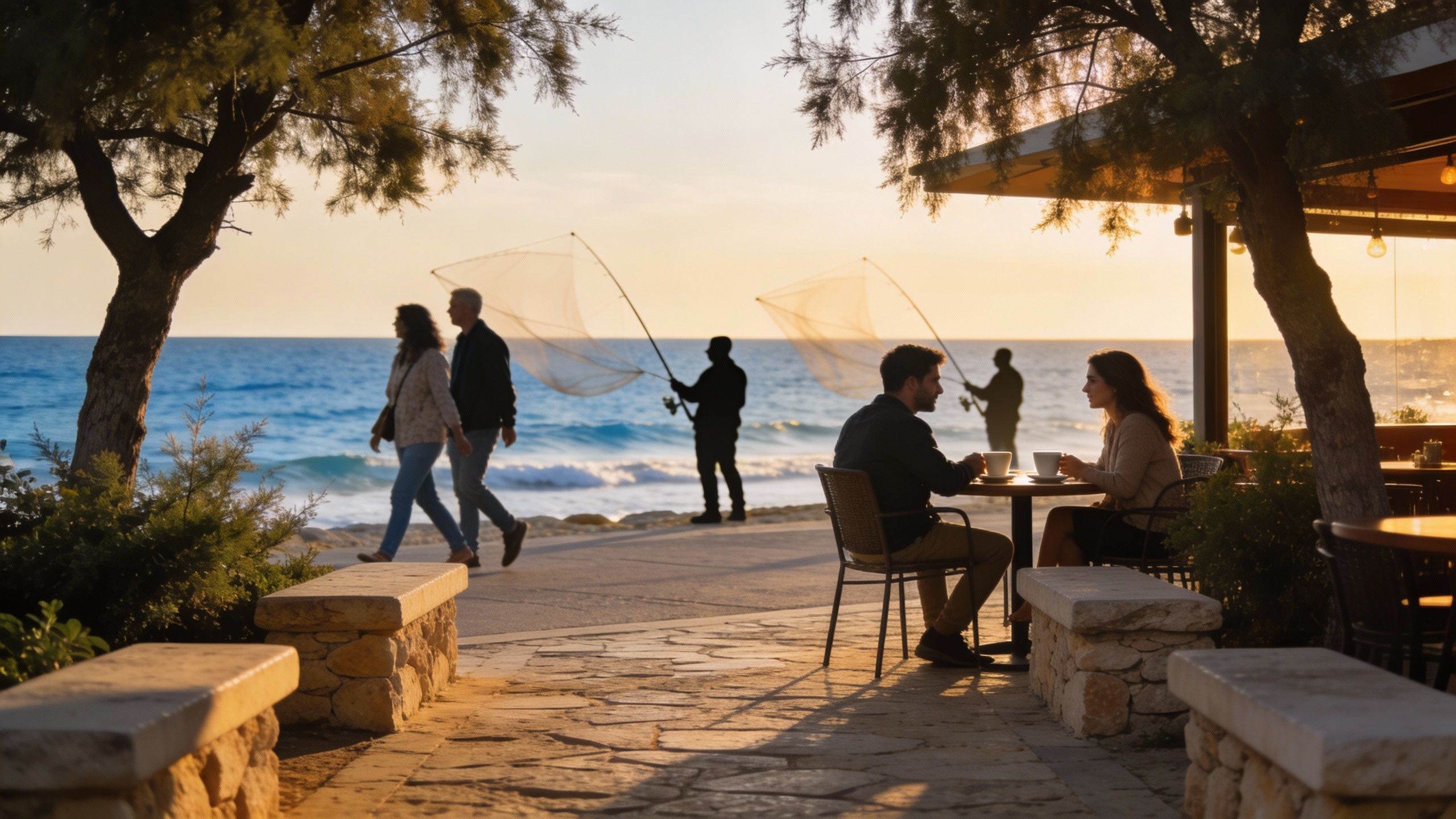
Imagine waking to the scent of citrus groves and sea salt, then walking down to a favourite kafeneio in Larnaca where the barista knows your order. Cyprus moves at a rhythm of sun, slow seafood lunches, and village festivals; yet behind that gentle life are sharp decisions about mortgage rates, residency rules and the growing availability of green finance. For many of us drawn here by light, landscape and low‑impact living, the question isn’t only “which home?” but “which finance lets the home breathe with the land?” This guide blends the warmth of Cypriot life with practical steps to secure mortgages and green loans that respect place and pocket.
Living the Cyprus life
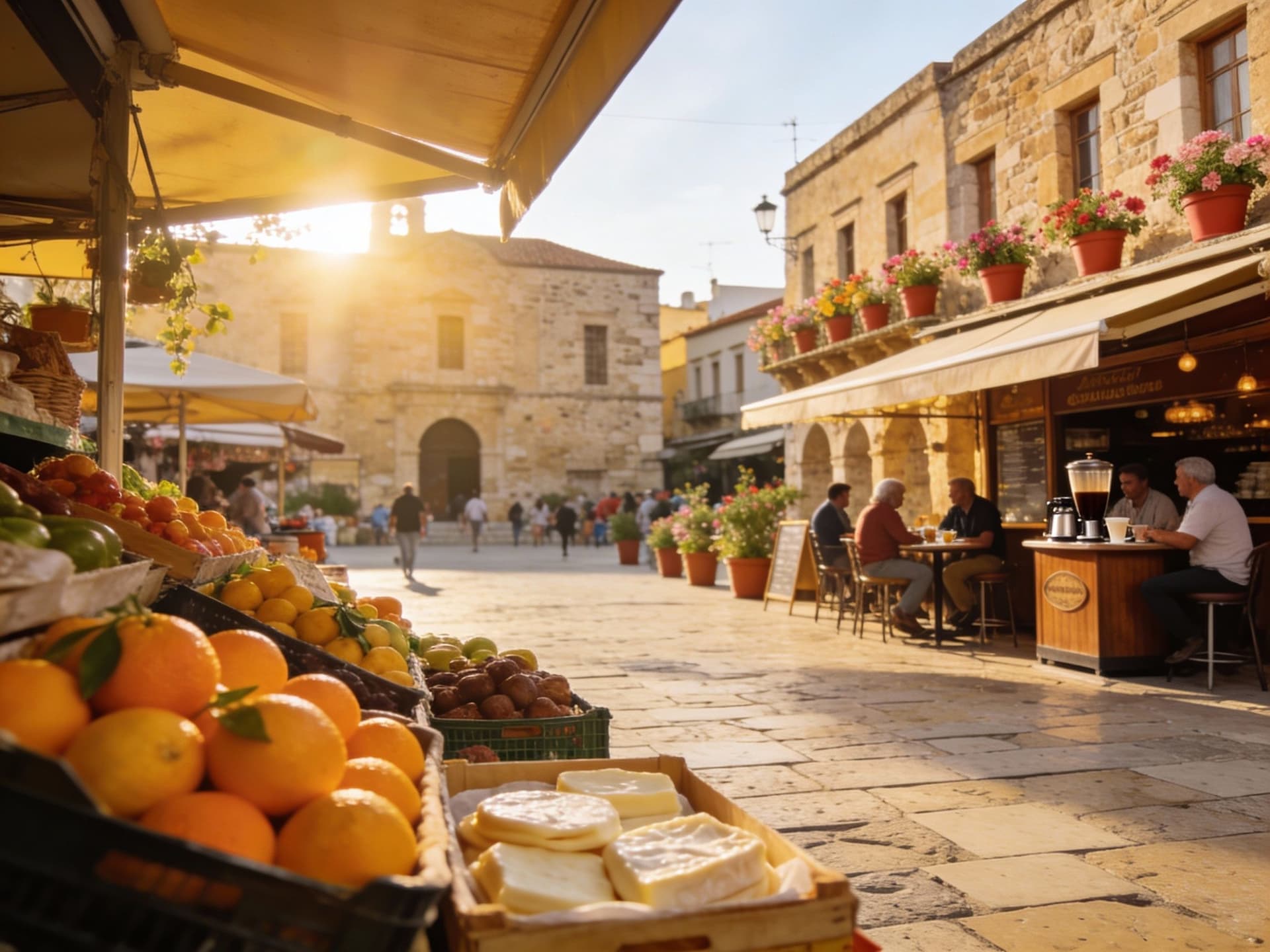
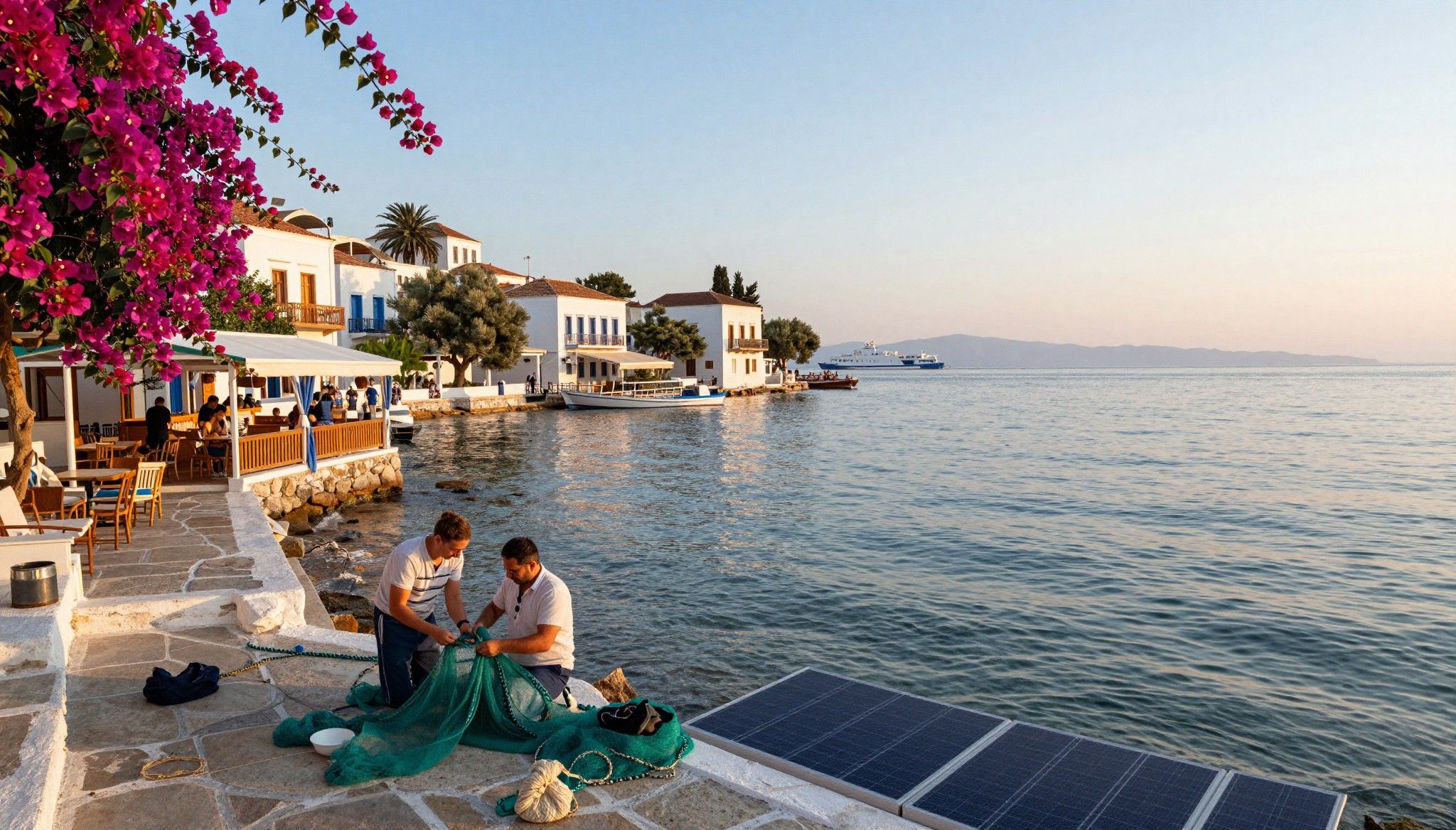
Cyprus is small enough that coastal mornings feel different in each district: Limassol hums with luxury marinas and cafés on Anexartisias Street, Nicosia is a patchwork of neoclassical sunlit courtyards and hidden tavernas, while Paphos slips into ancient lanes where locals buy halloumi and herbs. Weekends are market‑centred—farmers bringing carob, thyme and figs to stalls—followed by long lunches where the conversation outlives the wine. That sense of seasonal ritual shapes how you’ll live: terraces for spring breakfasts, shaded courtyards for August, and cool stone houses in the Troodos foothills to escape the mid‑summer heat.
Neighbourhood moods: where people actually live
If you want morning espresso and bakery aisles, stroll Mandria or old Larnaca by the seafront. Limassol’s Germasogeia balances seaside promenades with quiet lanes where families tend roof gardens. For slow, traditional living, explore Pano Lefkara and the mountain villages near Troodos, where stone and timber homes lend themselves to passive cooling and simple retrofits. Each neighbourhood has a distinct texture—choose one that matches how you want to spend daylight, not just the price per square metre.
Food, markets and the rhythm of place
Food is daily theatre in Cyprus: from morning fish markets in Larnaca to the olive presses and harvest tables in the foothills. Local cafés—try To Kafenio in Paphos’ old quarter or Piatsa Gourounaki in Nicosia—become communal living rooms and a shortcut to friendships. That culinary life matters when you picture a home: a kitchen for slow cooking, a shaded courtyard for evening meze, or a balcony to dry figs in September sunlight. These lifestyle details should shape the property type you finance.
- Lifestyle highlights: realplaces and rhythms
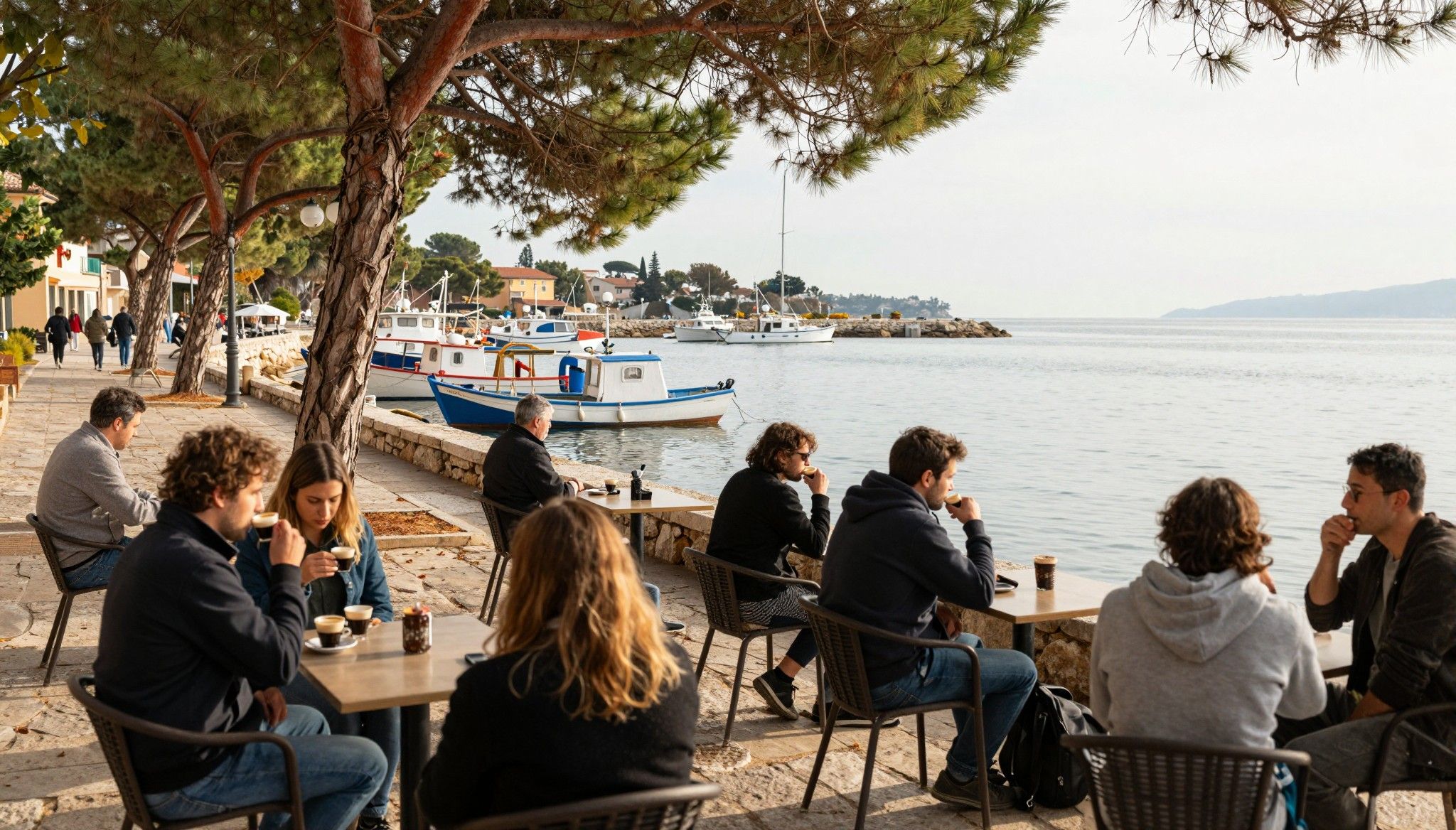
- Morning coffee at Finikoudes promenade (Larnaca), market stroll to buy fresh halloumi, and a beach walk before work
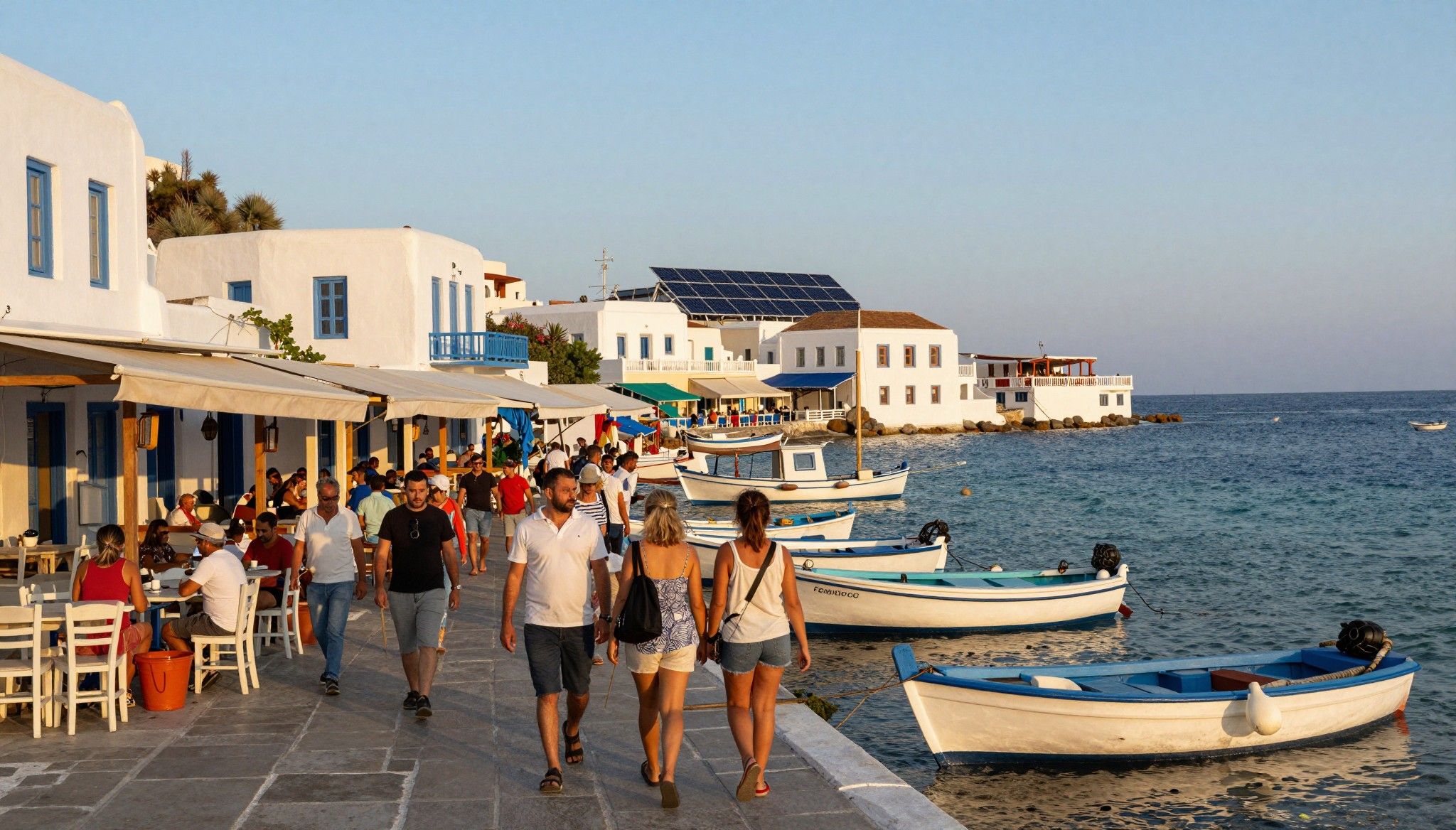
- Saturdays in Limassol: a marina-side brunch, then browsing local design shops on Anexartisias
- Olive harvesting and village festivals in Troodos—seasonal life that rewards homes with ample storing and outdoor kitchens
Making the move: practical considerations

Dreams meet paperwork at the bank counter. In Cyprus the lending landscape has been shifting: Central Bank data shows mortgage rates and new lending volumes oscillating through 2024–25, so timing and product choice matter. Lenders offer a mix of fixed and variable elements, and some banks now promote green mortgages or preferential rates for energy upgrades. Local expertise—an agent who knows which neighbourhoods favour solar orientation or natural ventilation—saves you money both at purchase and across running costs.
Property styles and how they shape financing
A stone village house in Lefkara needs different finance from a seaside apartment in Limassol. Older stone properties benefit most from financing that allows phased renovation—think a smaller mortgage plus a renovation loan for insulation, double glazing and rainwater harvesting. New coastal developments sometimes come with energy certificates and solar-ready designs, which can unlock green loan discounts or faster approval. Match loan structure to the renovation timeline you plan; it keeps monthly payments honest and supports sustainability upgrades that reduce long‑term costs.
Working with local experts who know green finance
Use an advisor who has closed eco‑renovation loans and understands Cypriot permits. An accountant familiar with Cyprus’ non‑dom tax rules and residency pathways will help structure your purchase for residency and tax efficiency. Local architects experienced in traditional stone retrofit can write the technical schedules banks need to approve green loans. Treat these experts as partners in both lifestyle and compliance: they connect the home you imagine with the paperwork banks require.
- Practical steps to improve mortgage success
- 1. Gather clear income documentation and get an early bank pre‑approval to understand borrowing limits and rates.
- 2. Ask lenders about green mortgage products or loan top‑ups for energy efficiency—these can lower long‑term costs even if the headline rate is similar.
- 3. Factor in renovation staging: secure a smaller initial mortgage and a renovation loan tranche tied to measurable sustainability upgrades.
Insider knowledge: what expats wish they'd known
Expats often tell the same story: they fell in love with a street before checking how the breeze moves through the house in August, or they underestimated running costs in an older property. The island’s economy remains resilient with steady growth and tourist demand, but that creates pockets of high competition—especially in Limassol and parts of Paphos. Local knowledge—knowing which blocks get the afternoon heat or which streets flood in heavy rain—turns a precarious purchase into a long‑lived home.
Cultural and seasonal realities
Cypriot life is woven around family, food and the seasons. Festivals in late summer and autumn alter noise and traffic patterns; if you crave quiet, investigate village calendars. Many sellers expect face‑to‑face negotiation and value trust built over coffee; a local agent who speaks Greek or a translator makes a practical difference. Finally, consider the microclimate—properties shaded by mature carob or cypress trees will need less cooling and feel more comfortable in summer, lowering energy bills.
Long‑term lifestyle and stewardship
Think beyond resale: choose homes that allow small‑scale regenerative steps—roof solar, greywater systems, native gardens—to layer value over time. Banks in Cyprus increasingly recognise certified energy improvements in loan underwriting, and municipalities are more favourable to sensitive restorations that support biodiversity. Buying with stewardship in mind means your property becomes part of the island’s ecological story, not a short‑term asset.
- Red flags to check before you bid
- Unresolved land use restrictions, missing building permits, or disputed boundaries—ask for title searches and recent cadastral maps
- Properties with no energy assessment—lack of an EPC often signals higher running costs and may limit access to green loans
- Sellers who pressure for quick cash closings without using a notary or lawyer—insist on transparent escrow and legal checks
Conclusion: live the life, secure the finance
Cyprus offers an intoxicating blend of light, food, and slow rhythms—yet a sustainable, lived‑in home depends on marrying that lifestyle to considered financing and local knowledge. Start with pre‑approval, seek lenders who reward energy improvements, and choose advisors who value stewardship alongside sale price. Picture yourself on a shaded terrace eating figs from your own tree; then take the practical steps that make that picture durable. When you pair place‑making with careful compliance, the island stops being a holiday and becomes a home.
Norwegian market analyst who relocated from Oslo to Provence; guides investors with rigorous portfolio strategy and regional ecological value.