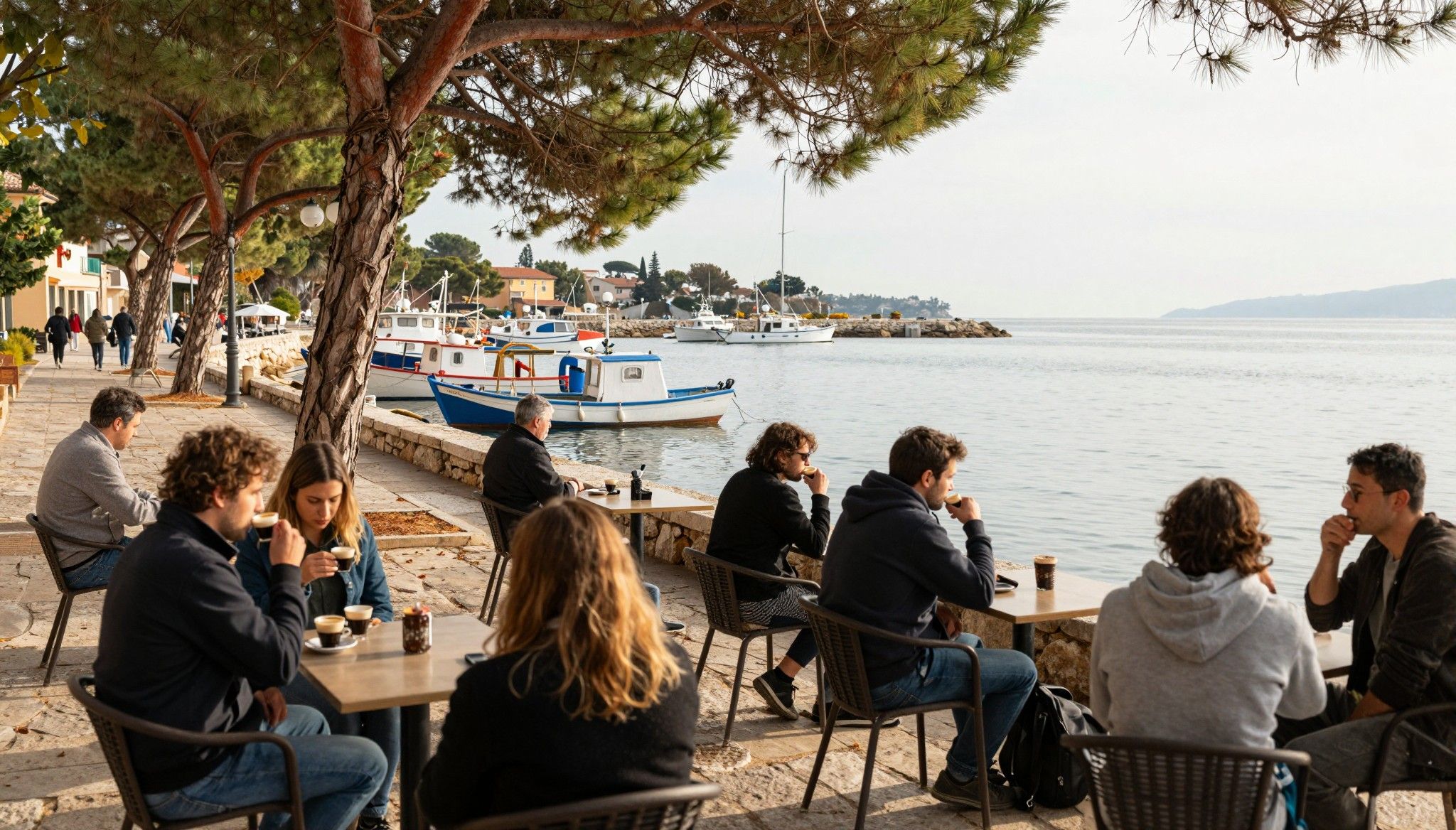
Imagine waking to the sea-scented air in Limassol, stopping for a flat white on Anexartisias Street, then cycling through an olive-scented lane toward a stone village home with solar panels warming its roof. That contrast — lively coastal cafés and quiet, sun-softened countryside — is the lived rhythm of Cyprus, and it’s exactly why financing here needs to match both lifestyle and stewardship.
Living Cyprus: sunlight, slow mornings, community pulse
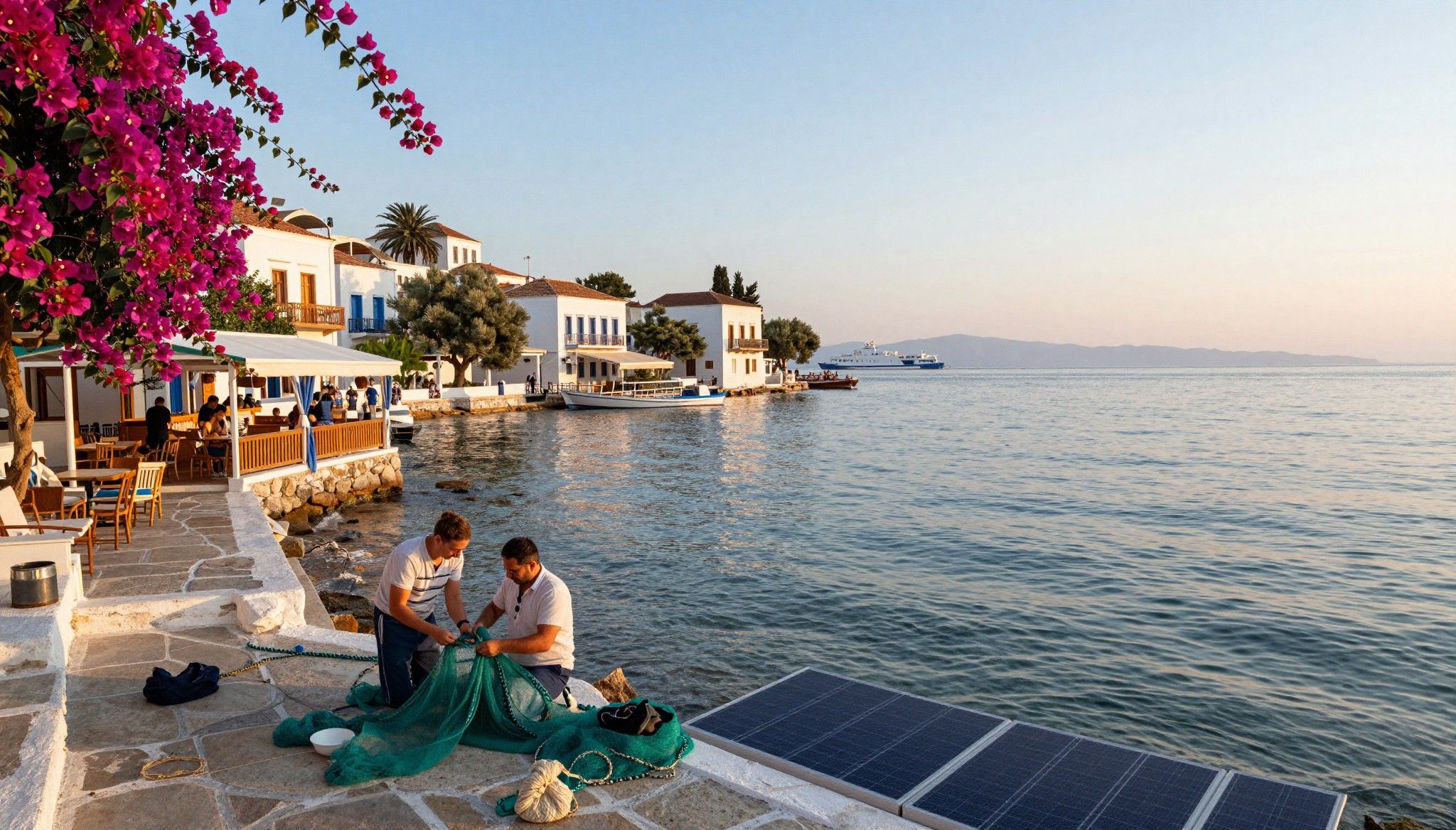
Cyprus feels tactile: limestone facades warm to the touch, bougainvillea throws magenta onto narrow pavements, and the sea is an everyday soundtrack from Larnaca’s promenade to Paphos’ fishing harbours. Days begin with espresso at café tables and end with family-style meze under jacaranda trees. For international buyers that means choosing a home is as much about a neighbourhood’s social life as about square metres — a terrace with shade matters as much as insulation ratings.
Limassol lanes, Nicosia mornings, Paphos sunsets — where people actually live
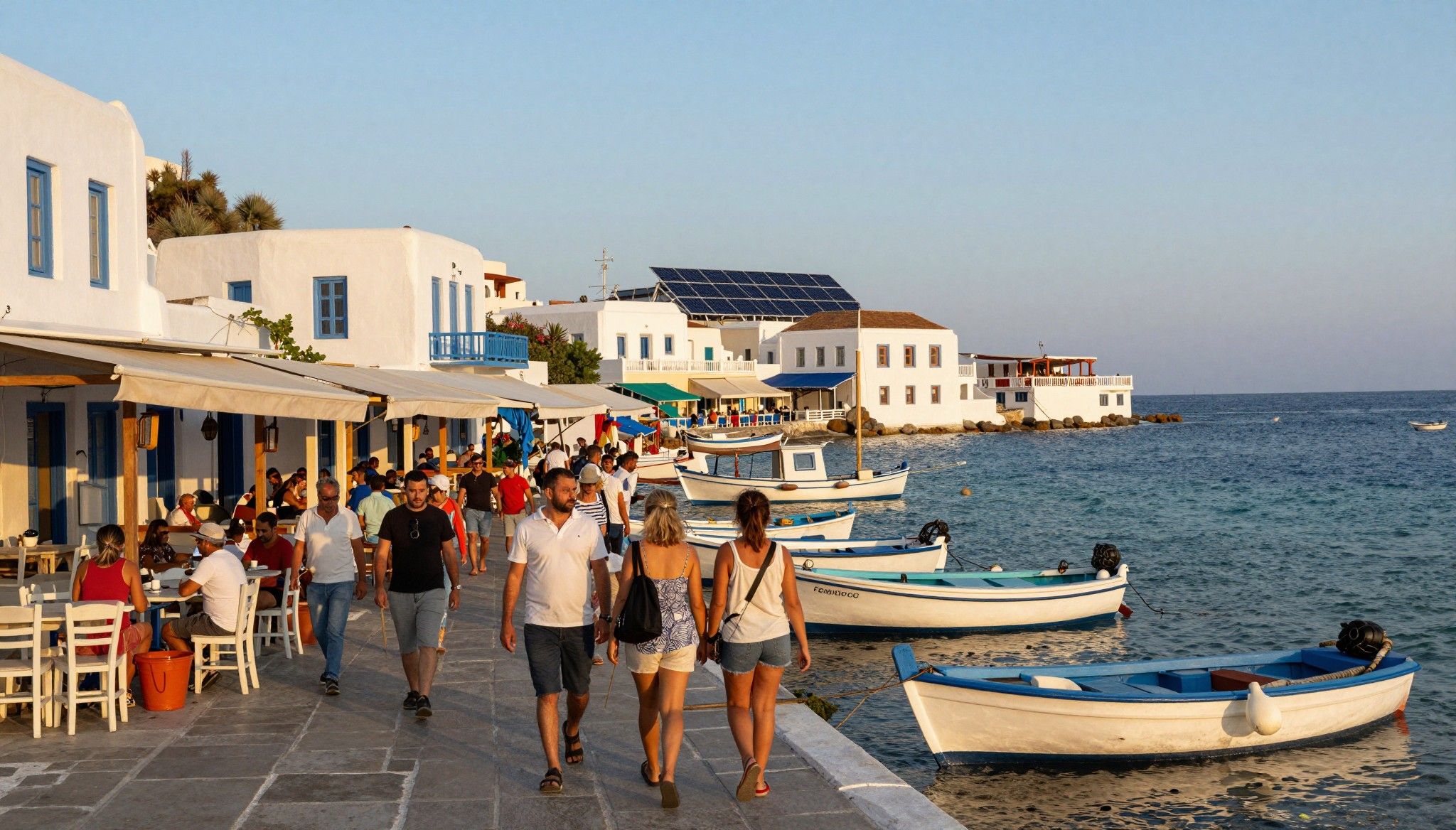
Limassol hums with international cafés, boutique grocery stores and the marina’s evening energy; Nicosia offers tree-lined residential streets and a quieter, year-round rhythm; Paphos is about coastal walks, tavernas and old-town alleys where neighbours still greet each other by name. Larnaca’s Finikoudes strip is lively and practical, while villages like Omodos and Kakopetria embody slow-season serenity and connection to land.
Food, markets and small rituals that shape property choices
Buying a home in Cyprus often comes with imagining a weekend market ritual: selecting halloumi at the farmers’ stall in Pissouri or choosing citrus from a neighbour’s garden. These micro-habits influence practical needs — outdoor kitchens, secure garden storage for preserves, south-facing courtyards for winter sun — and should shape financing decisions when lenders value energy-efficient upgrades and landscape integration.
- Lifestyle highlights to weigh when choosing where to live
- Morning espresso on Anexartisias (Limassol) — walkability matters more than sea view for everyday joy
- Village Sundays in Omodos — consider renovation budgets and traditional materials
- Finikoudes promenade strolls (Larnaca) — easy access to services lowers long‑term management costs
- Paphos harbour evenings — coastal properties need salt‑air maintenance factored into financing
Making the move: green finance meets Cypriot realities
Your dream of a sunlit terrace must be balanced with market realities: prices have been rising but growth is slowing, and borrowing costs are an important limiter. The Central Bank of Cyprus shows property‑price movements that buyers should respect when timing offers and sizing mortgages. Meanwhile, lenders in Cyprus increasingly reward energy upgrades — a clear point where sustainability lowers long‑term costs.
Property types and practical sustainability trade-offs
New coastal apartments often come with modern glazing and rooftop solar readiness, but face higher communal fees and ozone‑exposed maintenance. Stone village homes offer thermal mass and character but usually need investment in insulation and ecological heating. Match the style to your daily life: if you crave café culture, an apartment near the promenade; if you crave solitude, a renovated stone house with passive cooling and water catchment.
Working with the right local experts
A local agent who knows both the baker and the town hall becomes your translator of place — they spot a south-facing courtyard, estimate solar yield, and know which areas have clearer title histories. Lawyers familiar with Cyprus’ land registry and survey maps can avoid the major legal red flags that still surface on the island.
- Steps to align lifestyle desires with finance and compliance
- Decide lifestyle priorities (walkability, sea access, village life) and list property features that deliver them.
- Get pre-approval from a Cypriot bank and ask about green-loan discounts for solar, insulation or heat‑pump installs.
- Commission an energy audit on your short-list homes — a small cost that can unlock green finance and lower running costs.
- Use an agent with strong local references and a lawyer who will run title, permit and zoning checks before exchange.
Insider knowledge: myths, seasonal timing and legal pitfalls
Myth: Cyprus is uniformly cheap or uniformly expensive. Truth: pockets of affordability sit beside high-price coastal nodes. PwC’s 2024 industry analysis recorded record transaction value but a shifting foreign‑buyer profile — Limassol remains premium while Larnaca and Paphos gained more foreign interest. That reality matters for buyers focused on lifestyle rather than headline price tags.
Timing: why autumn or winter house‑hunting can be smarter
Rather than chasing summer open‑houses, try visiting in autumn or winter. You’ll see how, for example, a courtyard handles rain, how insulation performs on cool nights, and you’ll negotiate with vendors who aren’t riding peak-season demand. The Central Bank notes slowing price acceleration — leverage that cooling to ask for concessions or green‑upgrade credits.
Red flag: properties in disputed areas and title complexities
Avoid complexity traps: properties in the Turkish‑administered north or with ambiguous historical title carry legal risk. Recent reporting shows prosecutions tied to illegal sales; insist on clear title searches and a lawyer versed in Cyprus’ unique property landscape before you pay a deposit.
- Quick due‑diligence checklist
- Title search and recent survey plan
- Energy audit for green mortgage eligibility
- Local planning permission & coastal setback checks
- Realistic maintenance estimate for coastal exposure
Which lenders and programs to ask about
Major Cypriot banks (for example Hellenic Bank and Bank of Cyprus) offer green or energy‑efficiency loan products that can reduce overall finance costs when you commit to solar, insulation or heat pumps. Ask lenders for the exact eligibility criteria and whether green upgrades can be included in mortgage financing or as a top-up loan.
- Practical negotiation moves that save money and honour stewardship
- Offer with a conditional green‑upgrade clause (seller contributes to a defined solar/insulation credit).
- Request a recent energy audit and use realistic retrofit quotes to reframe price discussions.
- Ask for a longer inspection period to gather multiple contractor bids for sustainable upgrades.
What expats wish they’d known — honest takeaways
Expats often tell us they underestimated light and seasonality: a courtyard that feels heavenly in May may be brutally hot in August without shade. They also wish they’d budgeted more for long‑term stewardship — salt‑air maintenance, water management and modest retrofits make a house endure. Plan financing that covers both purchase and the green investments that preserve value and comfort.
Language, community and practical integration
Greek and Turkish are spoken locally, but English is widely used in business and legal settings. Join local associations, farmers’ markets or volunteer groups — these everyday ties help when arranging tradespeople for eco‑upgrades or understanding municipal waste and water rules that affect long‑term costs.
How life changes after you buy — the real return
After purchase you’ll notice the real return: slower mornings, neighbours who bring fresh produce, and a house that rewards small, sustainable rituals. The best purchases blend an honest appraisal of market data with commitment to stewardship — that’s what keeps a Cypriot home valuable and joyful for decades.
Conclusion: fall in love — then do the work. Visit off‑season, prioritise energy audits, speak to lenders about green options, and hire local experts who protect title and the land. Do this and you won’t only buy a property in Cyprus — you’ll buy into a seasonal, sunlit life that rewards care.