Croatia: Green finance, seasonal life and the rules that matter
Fall in love with Croatia’s light and markets — then pair that romance with pre-approval, energy audits and conditional offers to buy wisely in a rising, seasonal market.
Imagine stepping out at dawn to buy oranges at Dolac market, then crossing to a café on Tkalčićeva with steam rising from espresso cups and the Adriatic light already warm on the distant hills. That morning rhythm — fresh produce, neighborly greetings, a pace that chooses presence over hurry — is the real draw of life in Croatia. For many international buyers the romance of stone alleys, pine-scented beaches and slow, seasonal living is the reason to start the buying process. But the dream must meet finance and compliance: rising prices, new tax rules and bank lending criteria shape what kind of home you can actually make yours.
Living the Croatia life — what you’ll wake up to
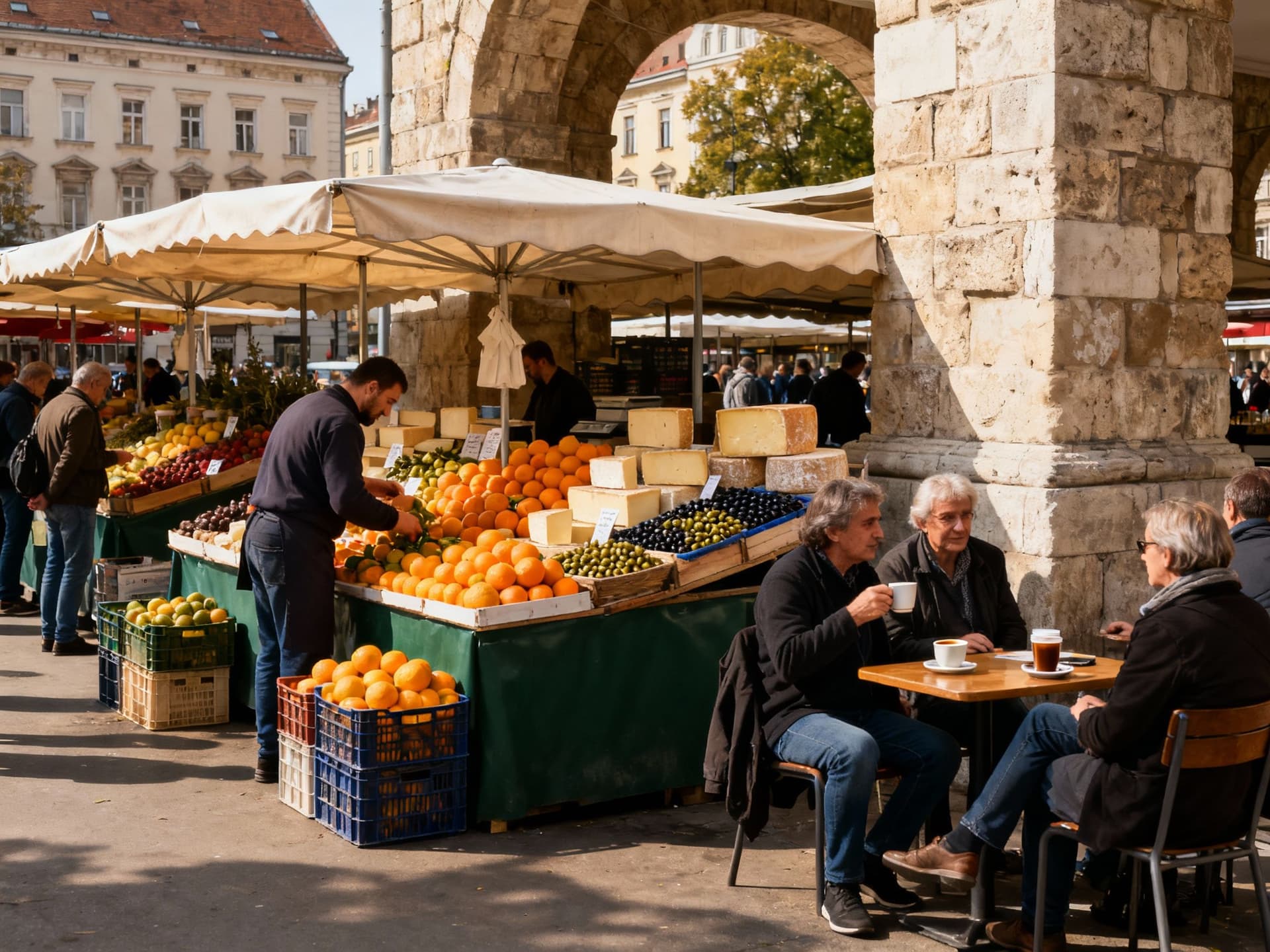
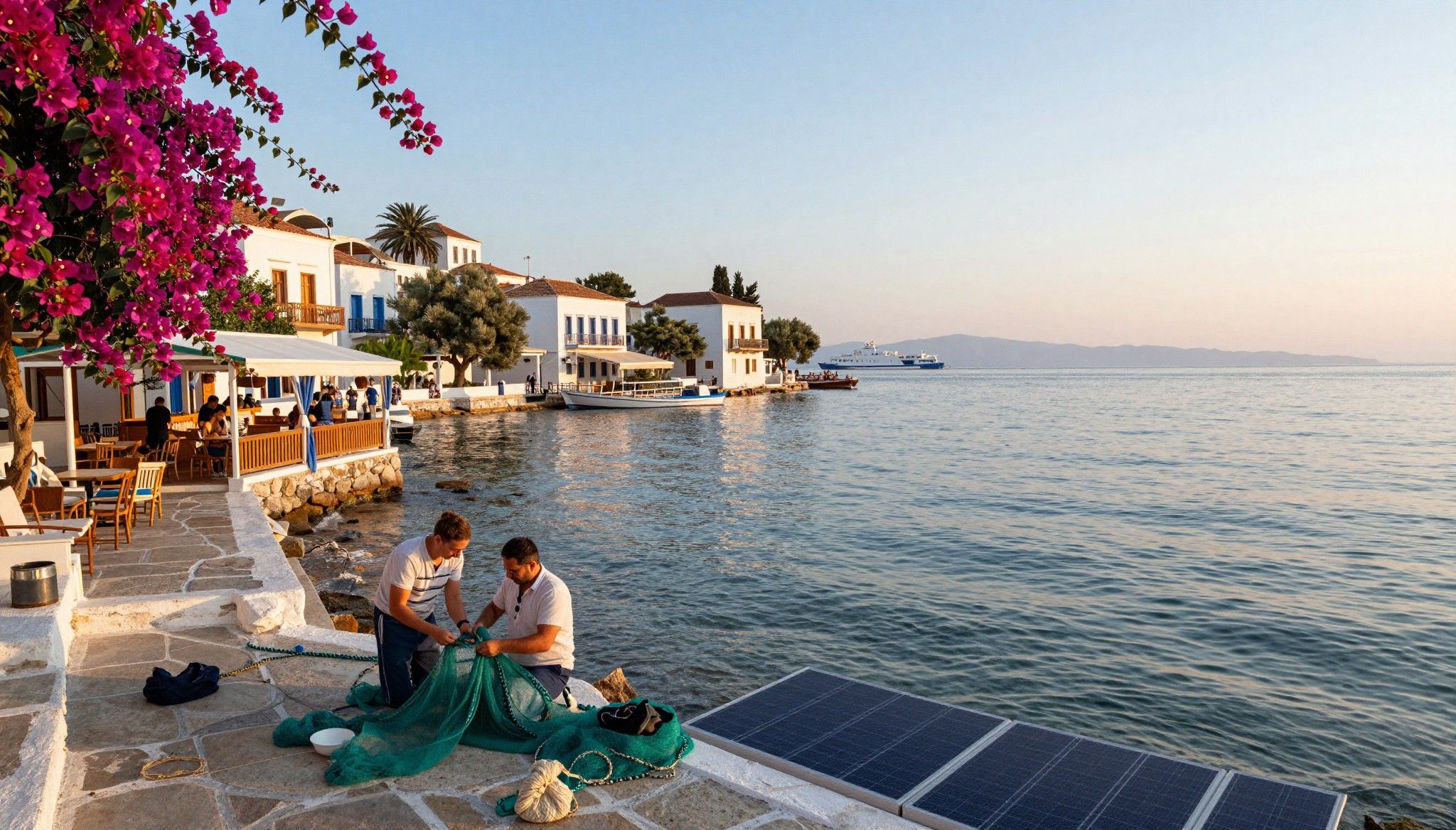
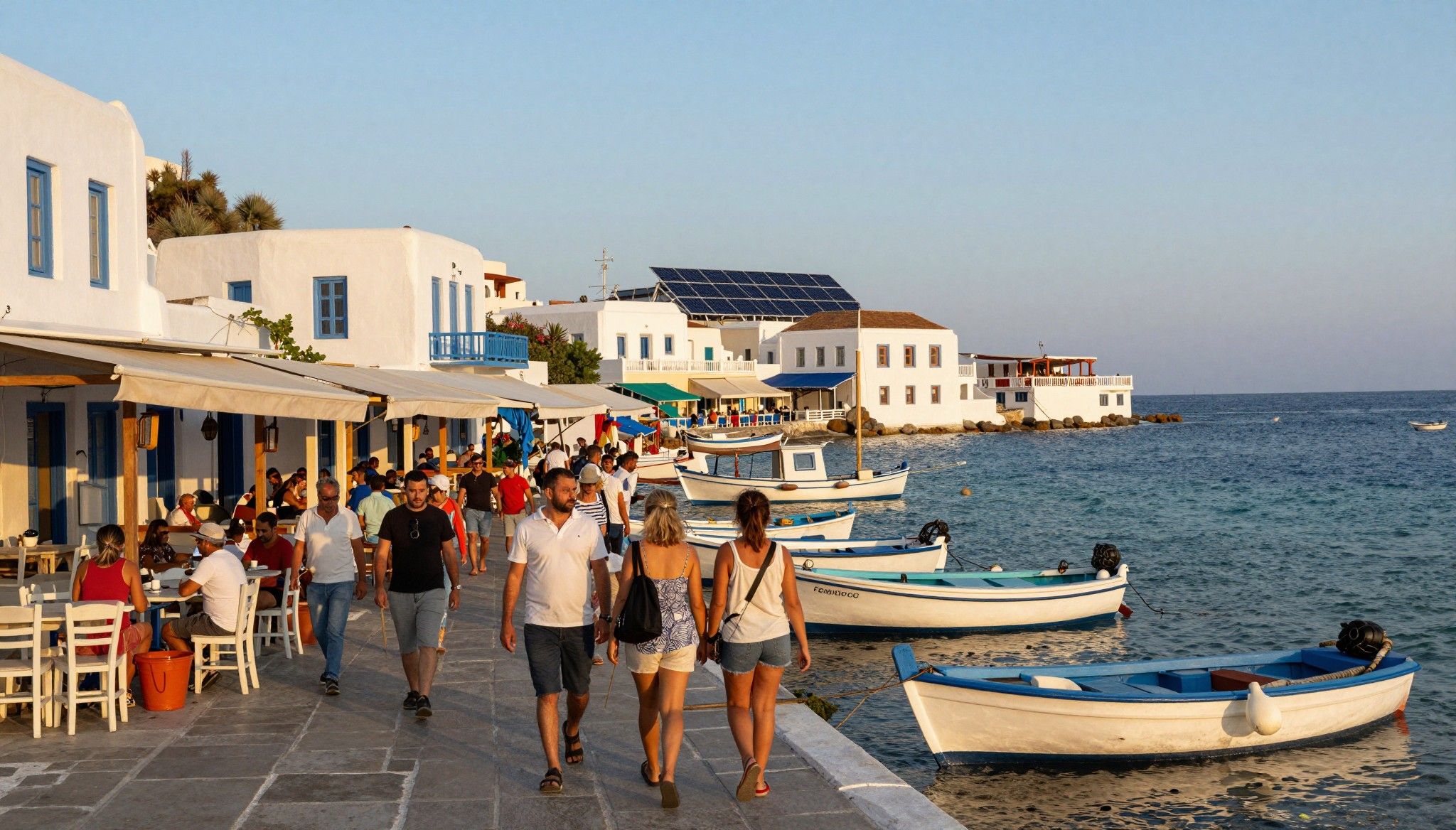
Croatia is both coastal Mediterranean and inland continental — a place where markets, marinas and mountain trails coexist within a few hours' drive. In cities like Zagreb you'll find early-morning trams, weekend farmers’ markets and a compact café culture; along the Adriatic, towns such as Split, Rovinj and Korčula hum with sea-salty afternoons and late-night konobas. The sensory details matter: limestone underfoot, bougainvillea on walls, the briny clarity of local fish, and the hush of pine-scented evenings. Those textures influence what buyers want: a courtyard for herbs in Istria, thick stone walls that stay cool in summer on Hvar, or south-facing terraces for winter light in Dalmatia.
Neighborhoods that feel like belonging: Zagreb, Split, Istria
Zagreb’s Dolac/Tkalčićeva quarter offers urban mornings and leafy parks, perfect if you want a year-round rhythm with museums and quality healthcare nearby. Split’s Veli Varoš and the Riva give you coastal living within stone’s throw of a working port and local fish markets; life here moves with the tides and restaurant service runs late. In Istria — Rovinj, Poreč and inland hill towns like Motovun — you’ll find a quieter, food-focused life centred on truffles, olive oil and wine, where large plots and restored stone houses are common. Each area carries a different lifestyle cost: urban convenience, coastal tourism bustle, or pastoral slow-living — and each has implications for financing and running a home sustainably.
Food, festivals and year-round seasons that shape property use
Weekend rituals — farmers’ markets, konoba dinners, summer sea swims and autumn truffle foraging — define when homes are used and how. A coastal apartment booked for short-term summer rentals will see very different wear and cashflow than a stone farmhouse lived in through all seasons. Winter months quiet the coast and reveal maintenance realities: heating, roof checks, and how a property performs off-season. Think about seasonal use early; it will affect mortgage affordability, insurance, and whether a property can credibly support green upgrades like solar or heat pumps.
- Lifestyle highlights to guide where you look
- Stroll Dolac market in Zagreb and buy morning cheese from local farmers.
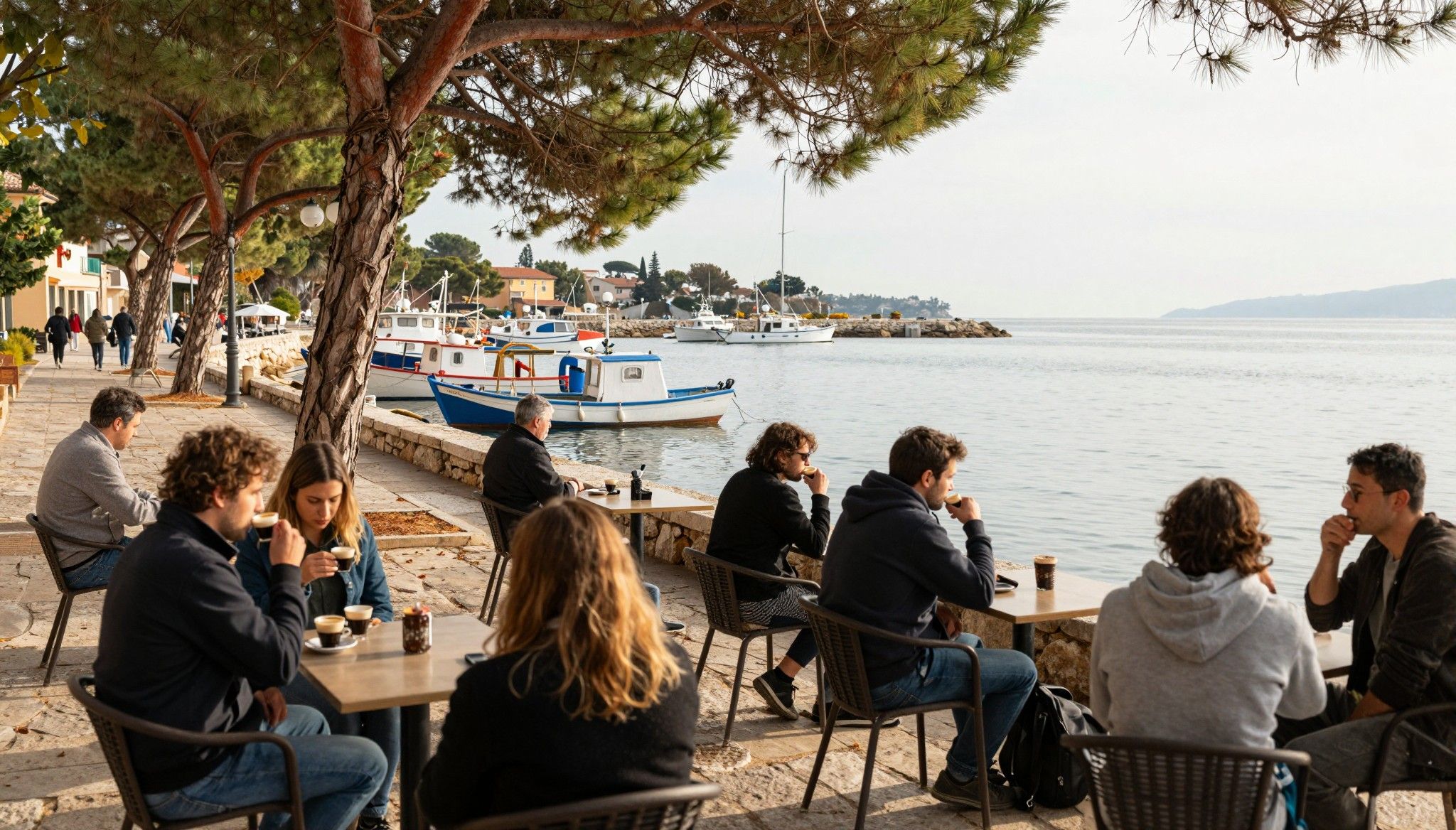
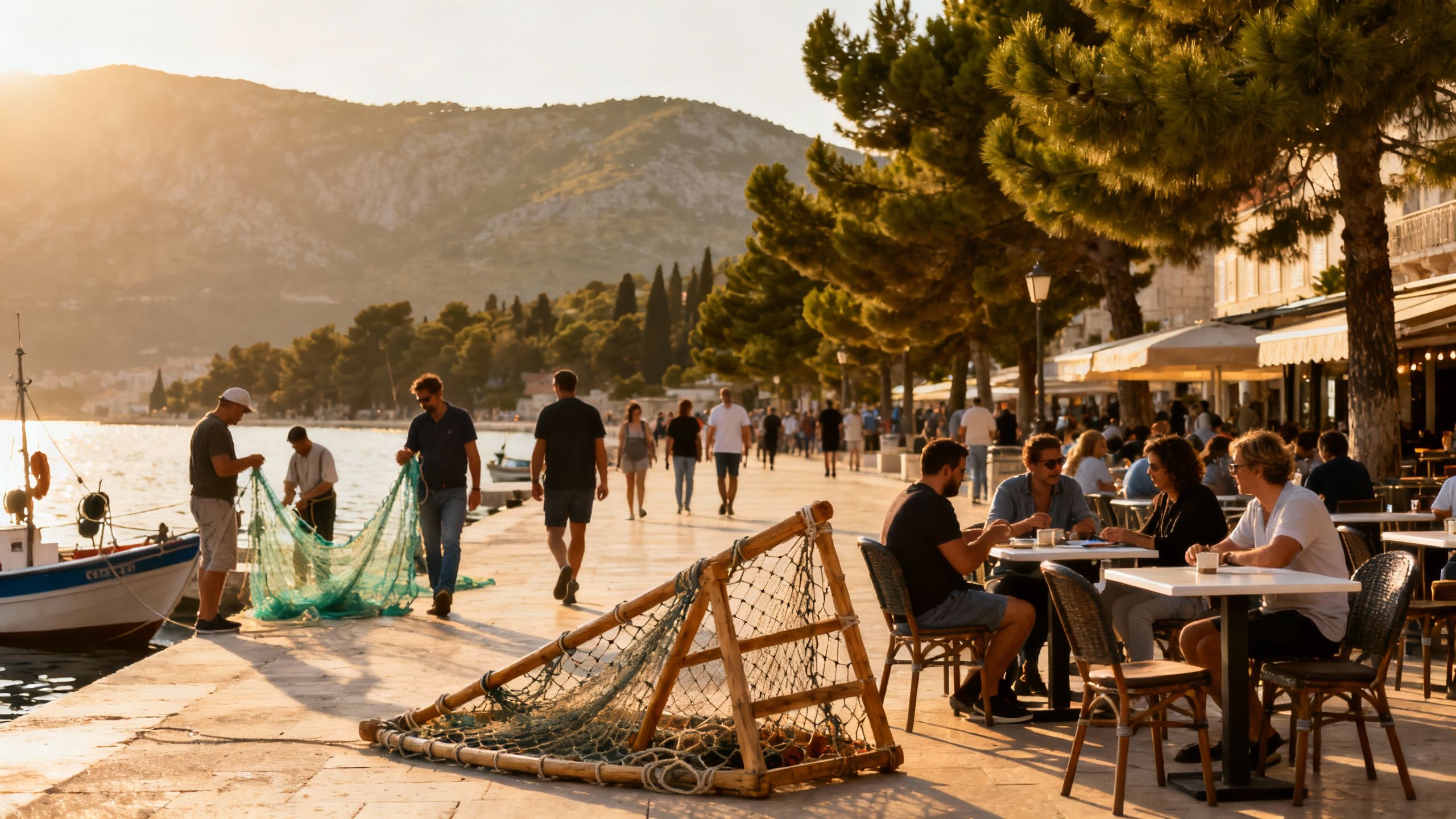
- Sip espresso on Split’s Riva while fishermen unload their catch nearby.
- Spend autumn truffle season in Motovun or Istrian hill towns, pairing truffles with local malvasia.
- Kayak from a pebble beach at dawn and return to an outdoor breakfast on a sunlit terrace.
Making the move: practical finance and compliance with a green lens
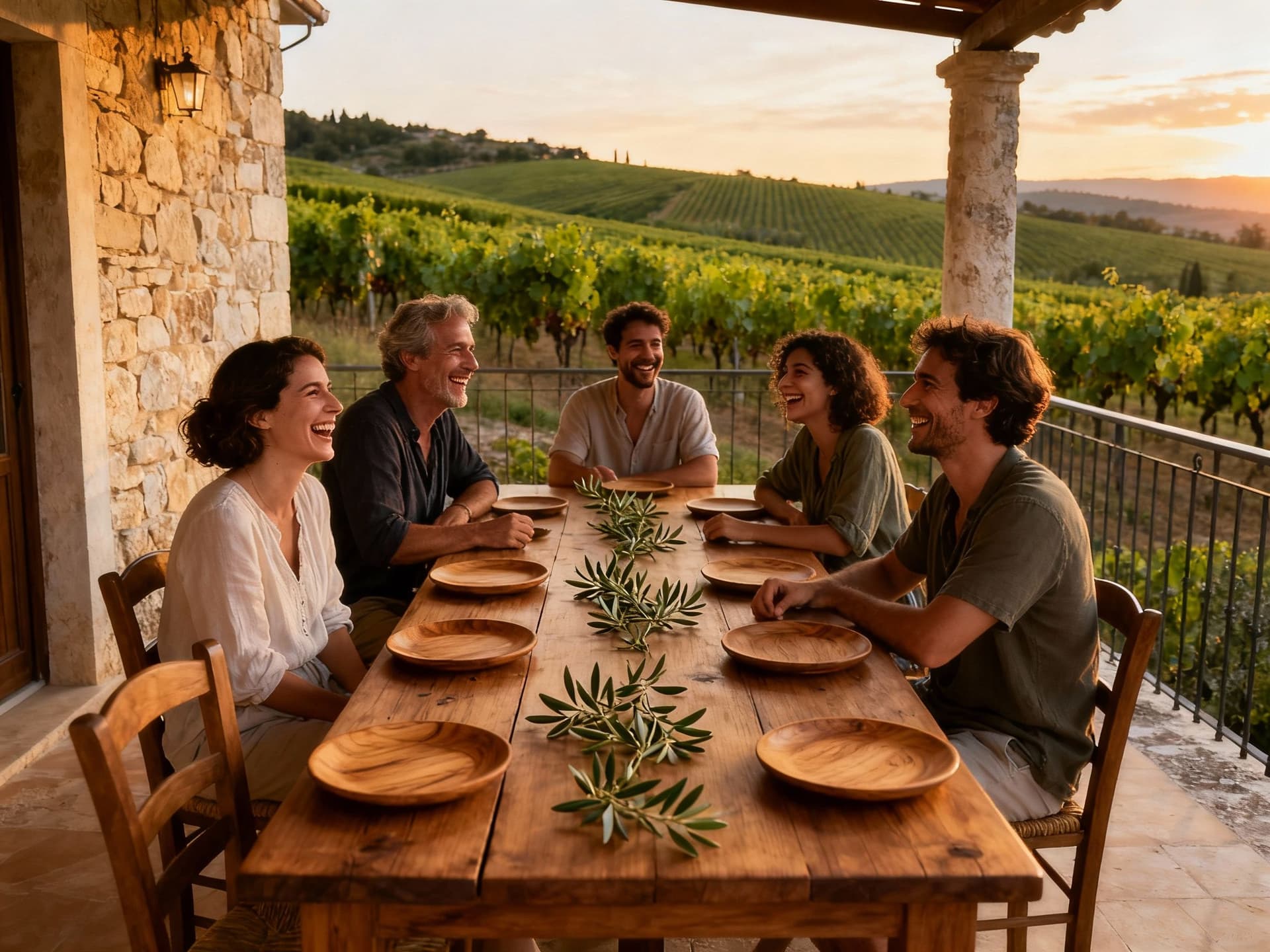
The numbers matter. Croatia has seen double-digit annual price growth in recent snapshots — the DZS house price index reported an average 13.1% year-on-year rise in early 2025 — even while transaction volumes cooled, a sign of tightening supply and higher entry costs. Tax and regulatory shifts introduced in 2024–25 also change the ownership equation: new property tax frameworks and incentives for longer-term rentals affect how buyers plan for running costs and tax exposure. These trendlines mean buyers should pair lifestyle dreams with careful cashflow mapping, factoring in seasonal income if you plan to rent.
Property types and what they imply for green finance
A restored stone house in Istria requires different financing than a new coastal apartment: renovation loans, permitting timelines and the energy improvements you want to make all change your mortgage choice. New-builds may qualify for greener loan products sooner because developers can integrate solar panels, efficient glazing and district heating from the start. For older properties, plan for staged investments — roof insulation, modern boiler or heat pump, and photovoltaic panels — and talk to banks about renovation top-ups or sustainability-linked mortgages.
Working with local experts who speak both lifestyle and compliance
A local agency that understands municipal planning in Split, building ordinances in Istria, or coastal protection rules near Dubrovnik is worth its weight in time saved. Seek advisors who can translate lifestyle goals — a year-round garden, a passive‑solar orientation, or an off-grid water solution — into permitable, financeable projects. Sustainable-focused agents and architects help secure green subsidies or connect you to banks offering preferential rates for energy upgrades. Use an agent to negotiate earnest-money terms that allow conditional technical surveys, especially for older, characterful homes.
- Step-by-step finance and green-upgrade checklist
- Get pre-approval from Croatian banks or international lenders; compare mortgage terms, foreign-currency exposure and green mortgage discounts.
- Commission an energy assessment early — even a basic audit helps prioritise high-impact upgrades and strengthens funding applications.
- Budget for local taxes and new property levies; confirm whether long-term rentals or agricultural use change your tax treatment.
- Negotiate conditional contracts allowing time for legal checks, title searches and technical surveys focused on moisture, foundations and energy systems.
Insider knowledge: what expats wish they'd known
Expats often tell the same stories: they fell for the light and the sea, then learned that the real work begins with permits, winter-proofing and local paperwork. Market cooling in transaction numbers does not mean opportunity disappears — it means buyers who are prepared, patient and locally connected have leverage. Practical surprises include municipal timelines for renovations, expectations around handover (many sellers leave properties in lived-in condition), and the social etiquette of neighbourhood integration — small things that determine whether a house becomes a home.
Cultural integration and daily life: more than language
Croatians prize directness, hospitality and community rituals — accepting invitations to a family meal, showing respect for local customs and learning a few Croatian phrases opens doors. Expat communities cluster around language schools and international cafés in Zagreb, Split and Dubrovnik, but real belonging comes from local neighbours: the baker who remembers your order, the konoba owner who knows your favourite wine. Practical note: registering residency, understanding healthcare enrolment and choosing a utility supplier are all steps best tackled with local help.
Long-term stewardship: making a property sustainable and resilient
Think in seasons: winter storms, summer droughts and tourist peaks change how a home performs and earns. Prioritise high-return sustainability moves: insulation and windows that reduce heating needs, solar panels sized to your realistic annual use, and rainwater capture for gardens. For many buyers, a staged plan — secure the shell, then improve energy systems — balances cost and impact. Ask your lender about sustainability-linked rates or local grants for energy retrofits; these can materially change monthly costs and increase long-term property value.
If Croatia’s light has you packing boxes, keep two priorities in sight: preserve the daily life you love, and protect it with sensible finance. Start with a local pre-approval, an energy audit and an agent who truly knows the neighbourhood rhythms you crave. Use conditional offers to avoid rushed decisions in a rising market, and plan green upgrades in stages so your first year is about settling in, not struggling with unexpected bills. When you pair the Adriatic’s sensory promise with clear, compliance-aware steps, the purchase becomes the first season of a life well lived.
Conclusion: taste the market, but bring a map and a gardener’s patience — Croatia rewards the patient buyer who cares for place as much as property. Next steps: schedule a local energy assessment, request mortgage pre-approval, and ask an agent for a neighbourhood visit timed to both summer bustle and winter quiet. This is how the stone alley becomes your morning route, and how the seasonal life becomes your everyday.
British expat who traded Manchester for Mallorca in 2017. Specializes in guiding UK buyers to luxury Spanish estates with clear navigation of visas and tax.