Coast & Compliance: Green Finance and Local Truths in Croatia
Fall for Croatia’s coast—then plan smart: market data, reciprocity rules, and green mortgage paths that make sustainable living affordable and legally secure.
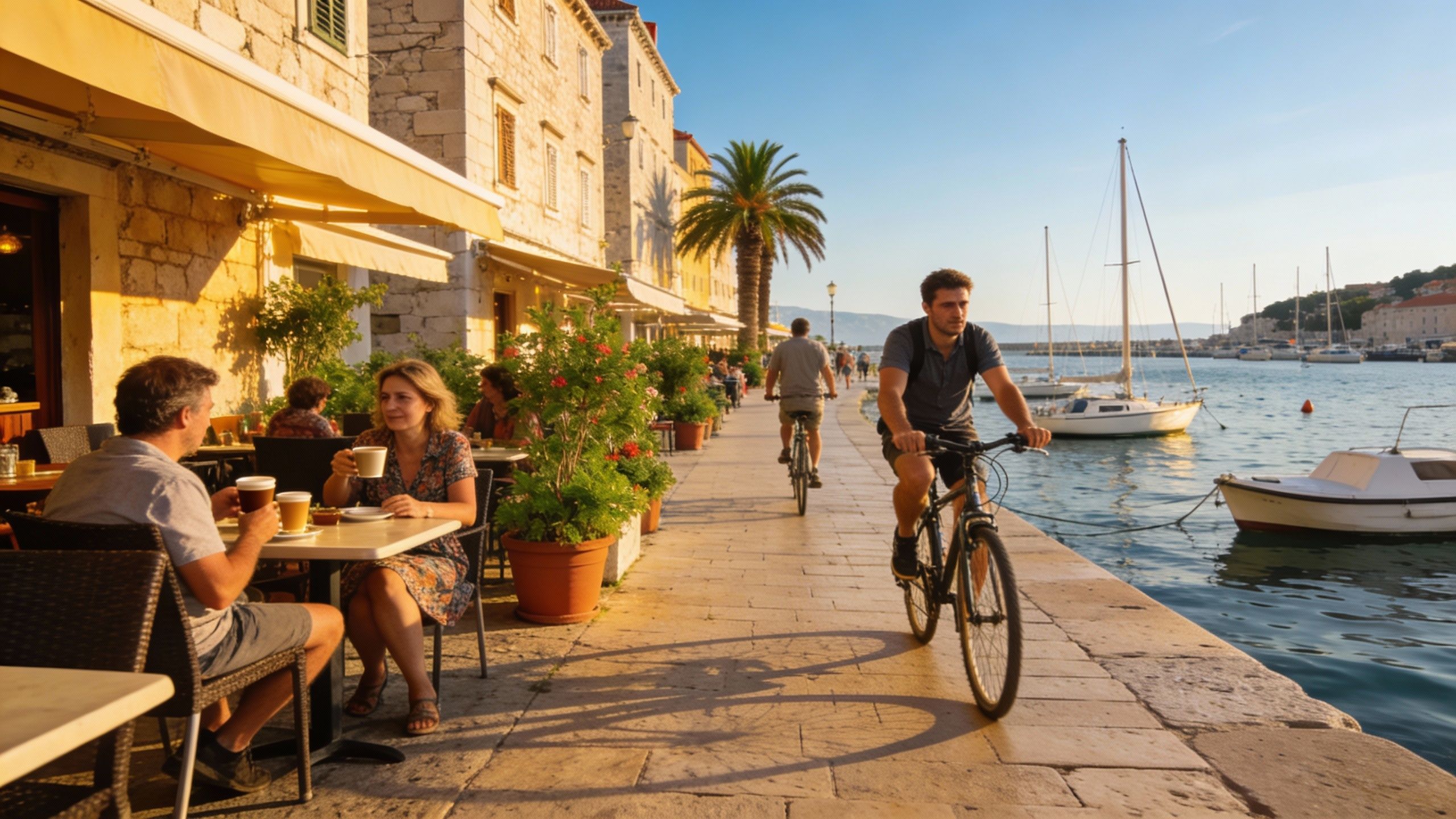
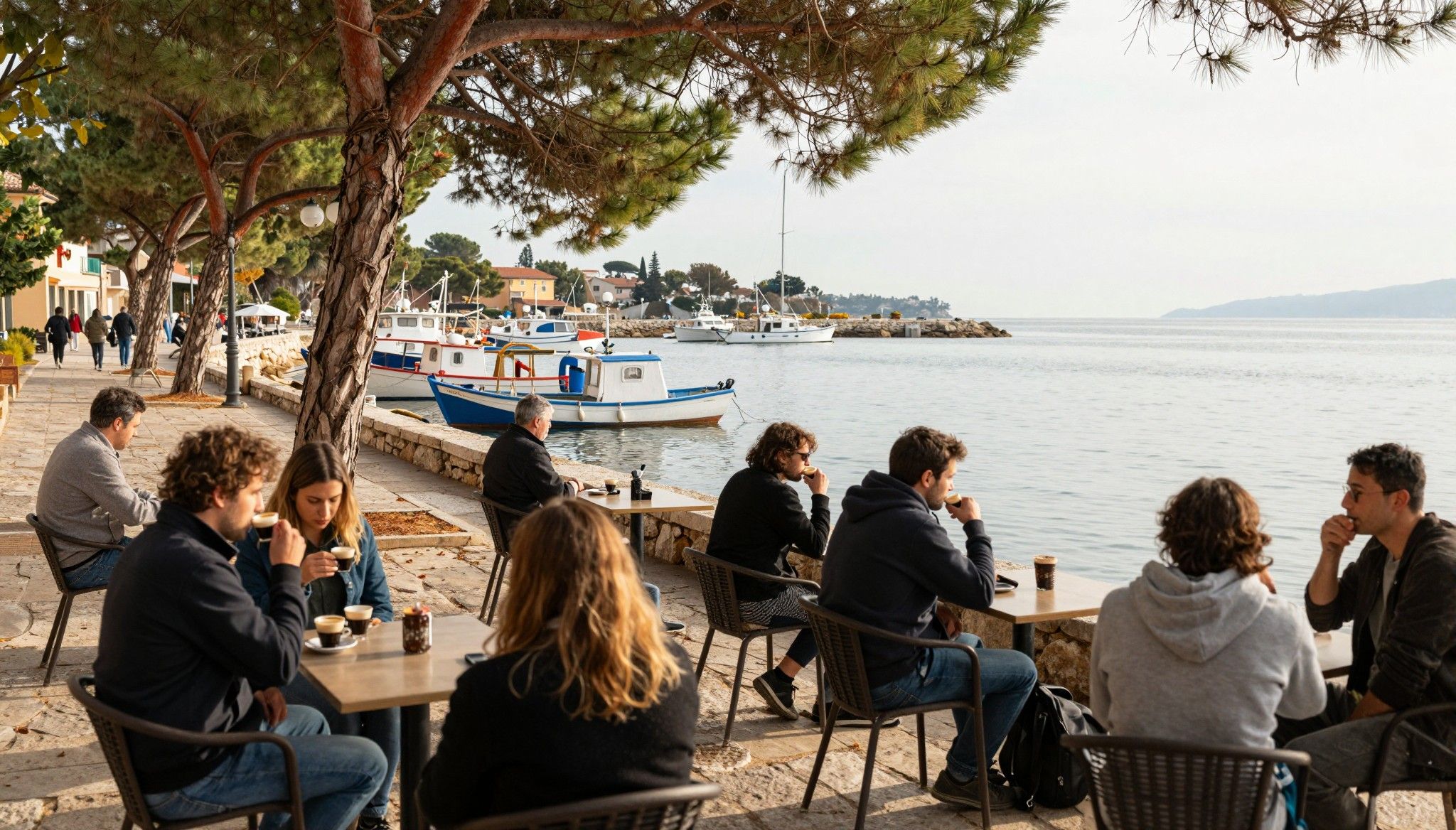
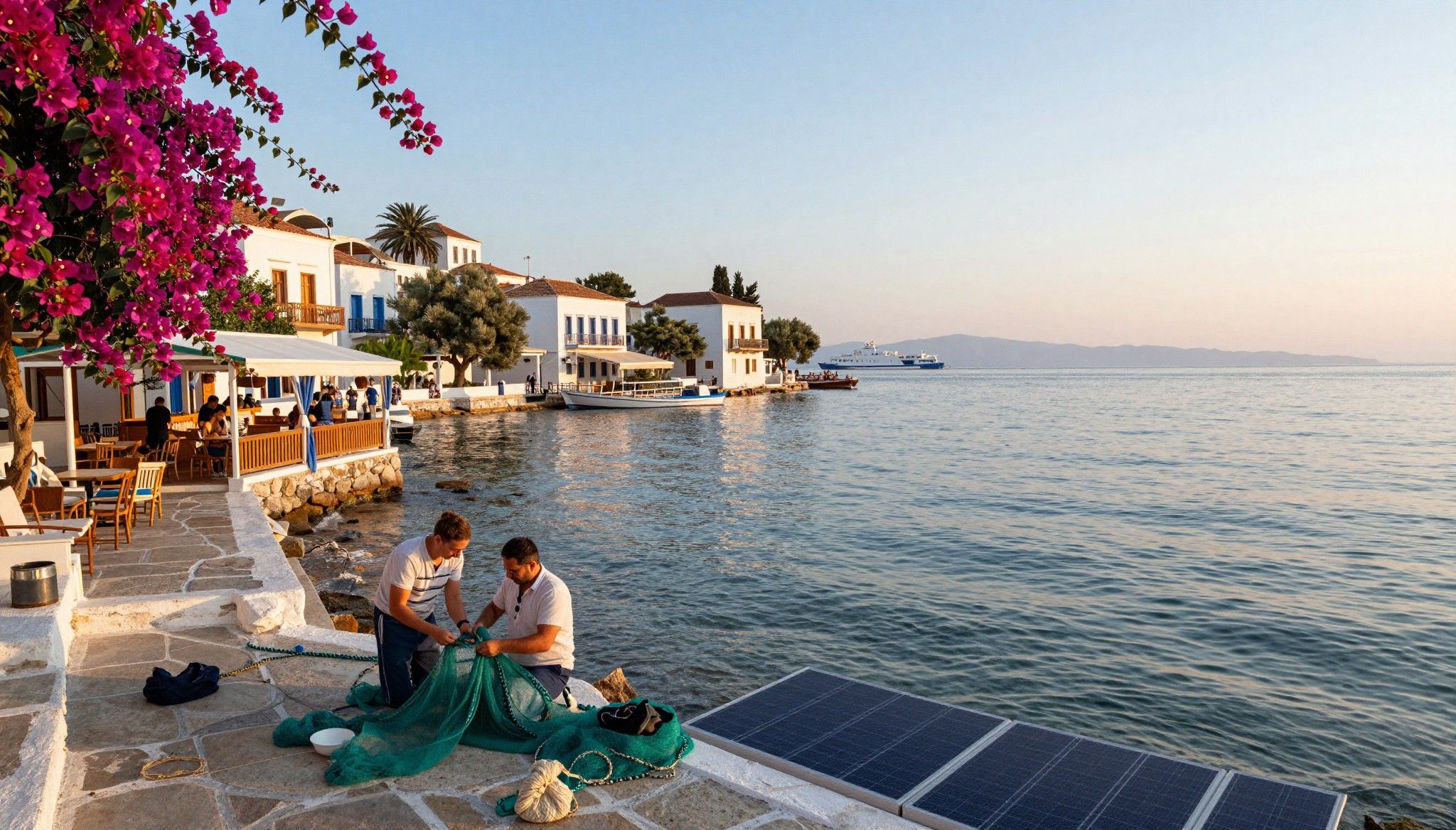
Imagine sipping espresso on Split’s Riva at dawn, fishermen hauling nets in the distance, and limestone rooftops warming in the sun—then signing a purchase contract that feels nothing like the slow, coastal life you just fell for. In Croatia, the romance of Adriatic living meets a fast-moving market and evolving green finance options. This guide blends that dreamy morning with the nitty-gritty: how green mortgages, compliance rules for foreigners, and hidden costs shape the reality behind the postcard.
Living the Croatia lifestyle
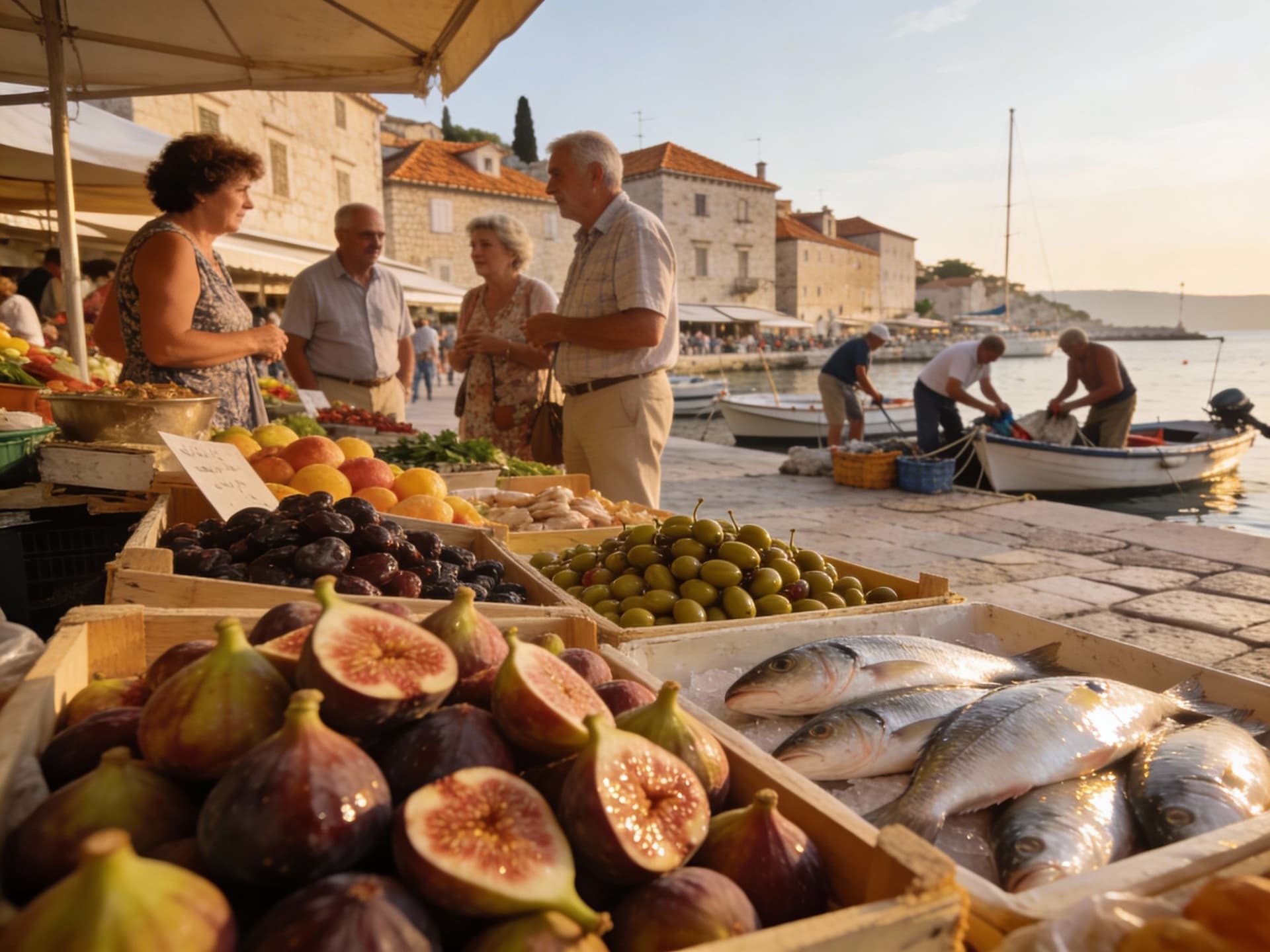
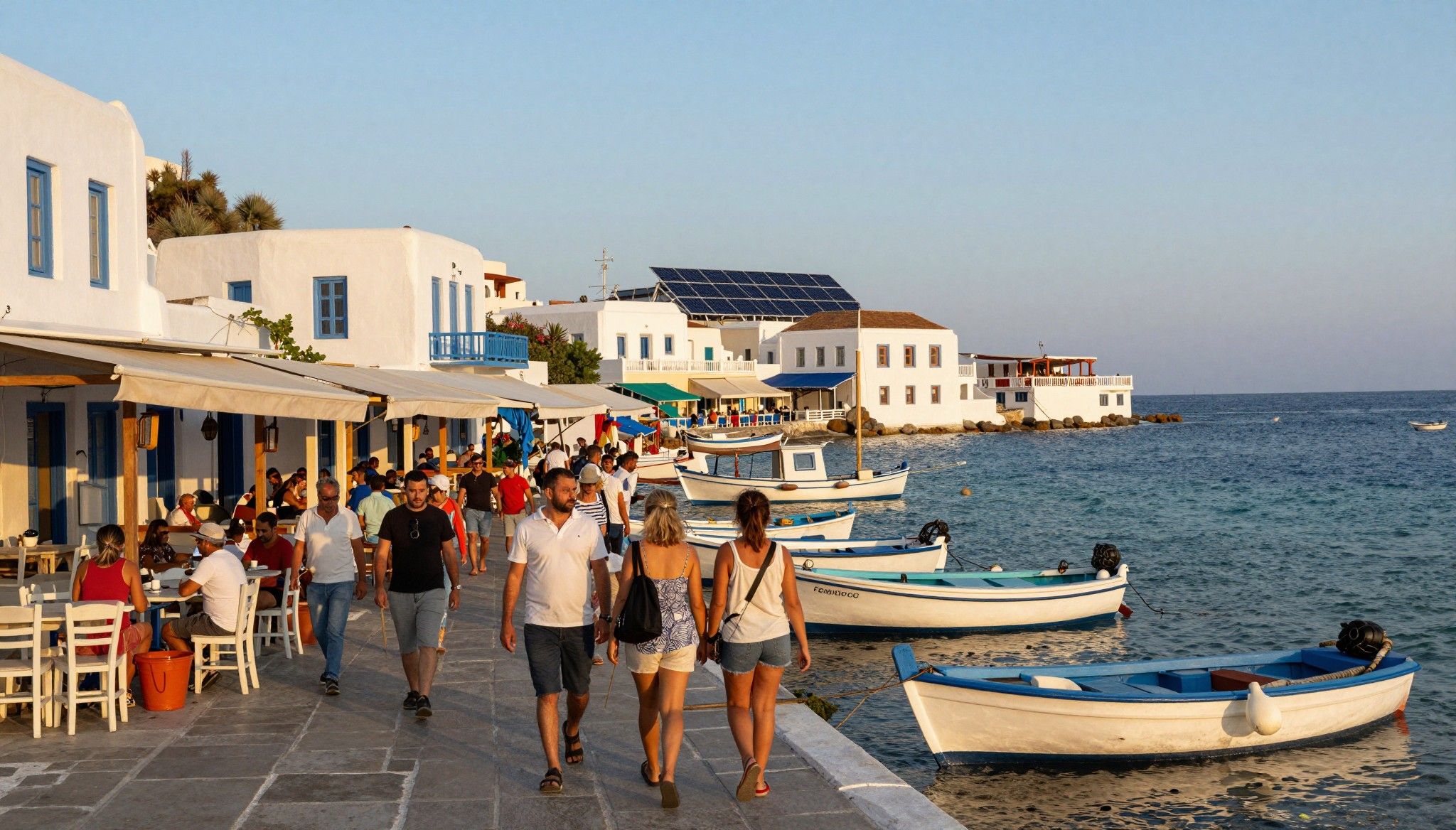
Croatia moves at the rhythm of sea and season. Cities like Zagreb wake to cafes and tram bells, coastal towns like Rovinj and Hvar pulse with summer markets and late-night konobas, while islands such as Vis keep a quieter pace where local olives and small vineyards set the tempo. Expect market mornings, siesta‑light afternoons, and community life focused around piazzas, markets and harbors—an intimacy that changes how you pick a home and what features truly matter for daily life.
Neighborhood spotlight: Dubrovnik’s Old Town vs. Lapad
Dubrovnik’s Old Town is cinematic—stone alleys, terraces, tourist energy—and an easy short‑stay rental favorite. Walk ten minutes to Lapad and you’ll find family-run cafés, shaded promenades and a slower, community-oriented life. If you dream of daily neighborhood rituals—markets, morning pastries, a local painter you greet at the harbor—Lapad or nearby Gruz often offer that steadier cadence and better long-term liveability than the tourist core.
Food, market rhythms and seasonal living
From Hvar’s lavender-scented lanes to Zagreb’s Dolac market stalls piled with figs and Šibenik’s fish markets at first light, food anchors life in Croatia. Seasonal rhythms matter: olive harvests and truffle season (Istria) reshape weekends and community ties. When choosing a property, think beyond square meters—look for nearby market access, storage for preserves, and a kitchen that invites the local way of eating.
- Lifestyle highlights to scout in any Croatian location: • Morning espresso on the Riva (Split) or at Café U Dvoru (Zagreb) • Weekly market access (Dolac market, Zagreb; Pula market) • Walkable harbors and coves for weekend swims (Brač, Vis) • Local konobas that serve seasonal catch and house wine • Easy access to olive groves or small vineyards for hands-on stewardship
Making the move: practical considerations
The dream of a seaside terrace must meet paperwork, financing reality and sustainability choices. Croatia’s market has been strong—Eurozone data showed notable price growth in recent years—so plan for competition in coastal towns, and prioritise advisors who understand both ecological features and local regulations for foreigners. Green improvements can reduce running costs and appeal to long‑term neighbours rather than short‑stay tourists.
Property styles and what they mean for living
Stone restorations in Dalmatia come with thick walls and passive cooling; new-builds in Istria often include insulation and solar readiness. If you want year‑round comfort and low bills, favour properties with south-facing windows, proper insulation, and space for solar panels or a small heat‑pump. Heritage homes charm, but ask about damp, wiring, and whether upgrading to energy-efficient systems is possible without losing historical character.
Working with local experts who know both life and law
- Steps to blend lifestyle aims with compliance and finance: 1. Confirm eligibility and reciprocity rules early (EU citizens have simpler paths; third‑country nationals may need Ministry consent). 2. Secure a Croatian OIB and local notary or lawyer who handles land register checks and anti-money‑laundering documentation. 3. Assess green mortgage eligibility—ask banks about energy-efficiency criteria and potential discounts. 4. Budget for renovation to reach green standards if you want better finance terms and lower running costs. 5. Choose an agency experienced in eco-conscious properties and local seasonal markets.
Insider knowledge: what expats wish they’d known
Three surprises many newcomers face: one, coastal neighbourhoods can be twice as expensive per square metre as inland towns; two, policy shifts—like Croatia’s recent moves to tax underused properties—change running costs and rental calculations; three, strong demand means offers move quickly in summer, but off‑season viewings reveal the real fabric of community life. Ground your choice in year‑round impressions, not only holiday months.
Cultural integration and everyday community life
Croatians value local relationships. Saying hello at the market, learning a few phrases (dobar dan, hvala) and respecting seasonal traditions—harvest festivals, patron saint days—opens doors. Expect a gentle formality at first, then warm, practical neighbourliness. These social norms influence where you’ll feel at home: communities anchored by markets and local schools are where expats settle long term.
Long-term lifestyle and sustainable stewardship
If you plan to stay, invest in property that heals the landscape: native gardens, rainwater capture, solar panels sized for seasonal use, and low-impact renovation materials. These choices reduce bills and help you plug into local networks—craftspeople who specialise in stone, timber and passive cooling are abundant. Over time, small stewardship acts shape neighbourhood resilience and your quality of life.
- Red flags and deal-breakers to watch for: • Lack of clear land‑registry entries or missing building permits • Properties heavily marketed to short‑term rentals in a residential neighbourhood • No assessment of energy performance for older stone houses • Sellers unable to show OIB/identity chain or suspicious payment requests • Overpriced sea‑view premiums that ignore access and year‑round exposure
- A simple decision checklist before you sign: 1. Confirm legal eligibility (gov.hr) and get a Ministry consent if required. 2. Order a land registry extract and check encumbrances. 3. Ask banks about green mortgage products and what energy standards they require. 4. Get at least one local builder’s quote for necessary upgrades to meet green finance terms. 5. Factor in local taxes, potential property tax changes, and administration fees.
Conclusion: Croatia offers a rare blend of sea, stone and slow season community—but the market is brisk and policy and financing are evolving. Treat the lifestyle as your north star, and let local experts translate that into compliant, green-minded financing and secure titles. Start with realistic, year‑round visits, a clear legal check, and exploring green mortgage possibilities to make a life here that feels good—for you and for the place.
Dutch property strategist who helped 200+ families find sustainable homes in southern Europe; expert in legal pathways and long-term stewardship.