Autumn House‑Hunt in Greece: Green Mortgages & Market Myths
Autumn viewings, energy upgrades and green mortgages reshape where and when international buyers should purchase property in Greece.
Imagine waking to the smell of fresh phyllo and sea salt, walking a short lane past a sun‑bleached kafeneio to a market overflowing with figs and thyme. In Greece, everyday life moves with seasons: long, warm summers full of outdoor dinners; wet, green winters that coax thyme and mushrooms from the hills. That rhythm shapes not just how you live, but the houses you choose — stone cottages with thick walls for winter warmth, shaded terraces for languid summer afternoons, and roofs waiting for solar panels. If you dream of a home that sits softly in its landscape and runs on its own energy, Greece offers that possibility — but the timing, financing and local realities matter more than postcard images.
Living the Greece lifestyle
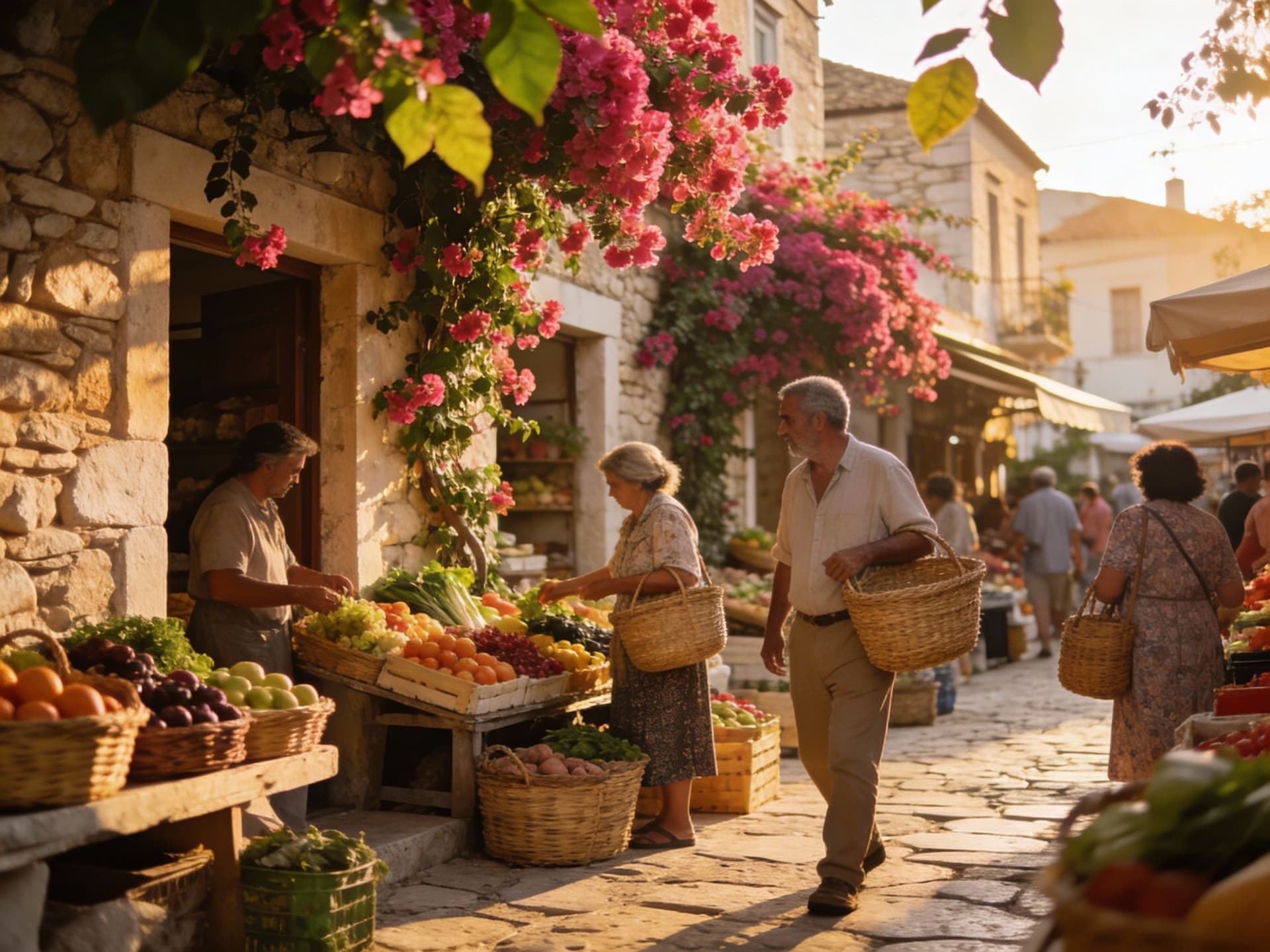
Athens can feel like a village inside a capital: morning espresso on Dionysiou Areopagitou, late‑night bouzouki in Psyrri, and a neighborhood market in Koukaki where butchers and bakers know your name. On the islands — think Paros or Lefkada — mornings are for sea swims and afternoons for napping under bougainvillaea, while the Peloponnese offers chestnut forests, slow village life and a different kind of coastal quiet. The point is not glamour; it is intimacy with place. When you buy here, you buy access to rhythms and rituals: the weekly market day, the taverna that knows your allergies, the olive press in November. These daily rituals should inform what kind of property you chase.
Neighborhood snapshots: Athens to the islands
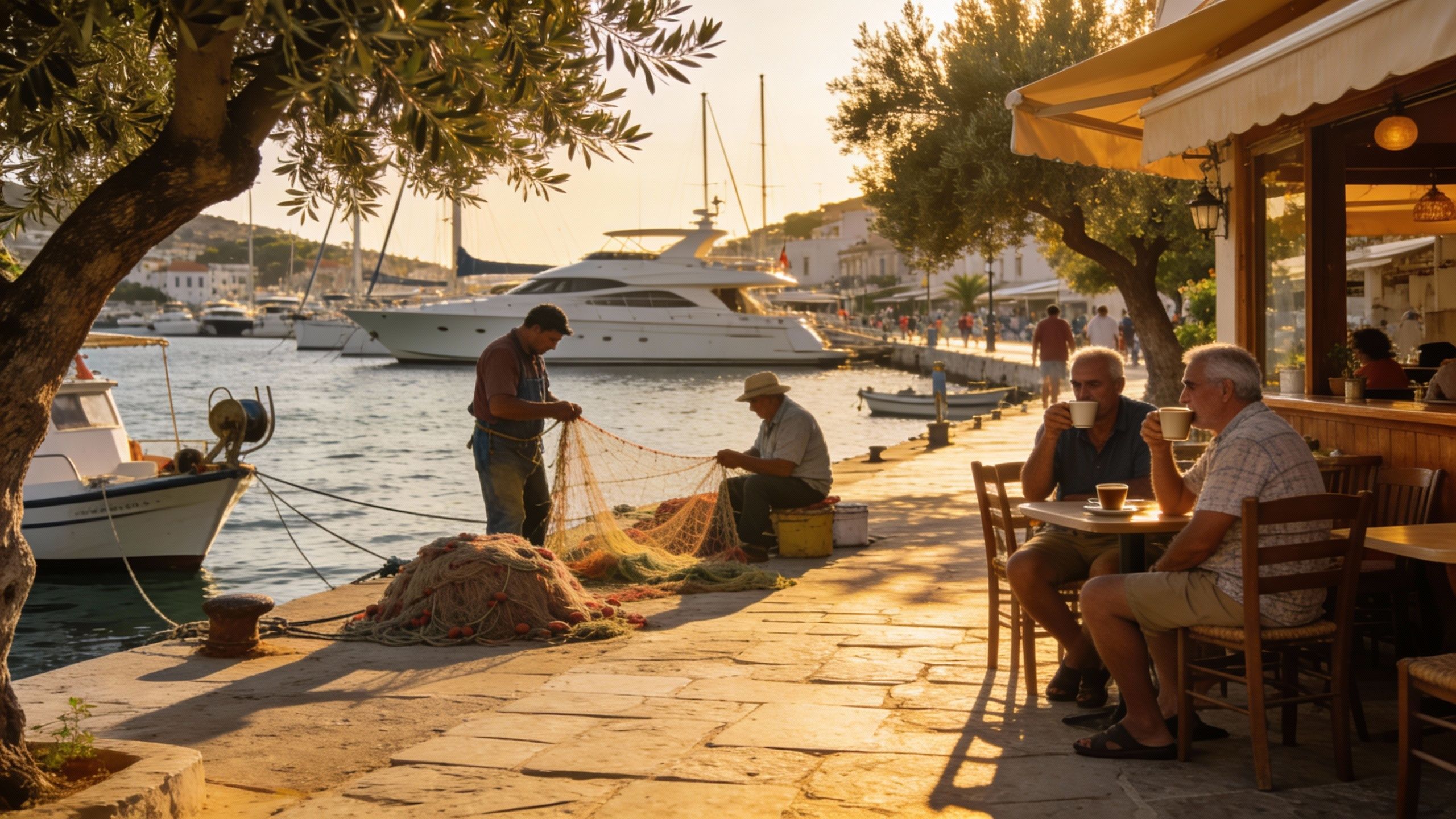
Walk the shaded streets of Kifisia in northern Athens and you’ll find neoclassical villas with gardens — a quieter, greener side of city life often favoured by families. On the Athenian Riviera (Glyfada to Vouliagmeni), small architect‑designed apartments sit near sandy bays and sailing clubs; during summer, mornings smell of sunscreen and coffee, while off‑season they reveal their quieter charm. On Paros, Naoussa’s fishing quay is a postcard of tavernas and fishermen, while inland villages like Lefkes offer stone lanes, communal ovens and an unhurried pace. These contrasts matter when you think about thermal comfort, insulation needs and whether you want a home for year‑round life or a seasonal escape.
Food, markets and a day you’ll actually live
Imagine an ordinary Saturday: morning coffee at Kafenio Ivis on a shaded square, a walk through the central market to choose fresh sardines, then a slow lunch of grilled greens and chickpea fritters at a seaside taverna. The best homes are the ones that make that ritual easy — a kitchen sized for local markets, a balcony for drying herbs, a courtyard for late‑night conversation. When you prioritise that lived experience you naturally prioritise features that rent well in summer and reduce energy bills in winter: cross‑ventilation, thick stone walls, and a layout that invites outdoor dinners. Those choices also unlock green financing in Greece, should you want to lower both carbon and monthly repayments.
- Market day rituals, coastal swims, olive harvest participation, island tavernas that know your order, winter foraging in Peloponnese villages, seasonal festivals (Panigiria) that knit communities together
Making the move: practical considerations
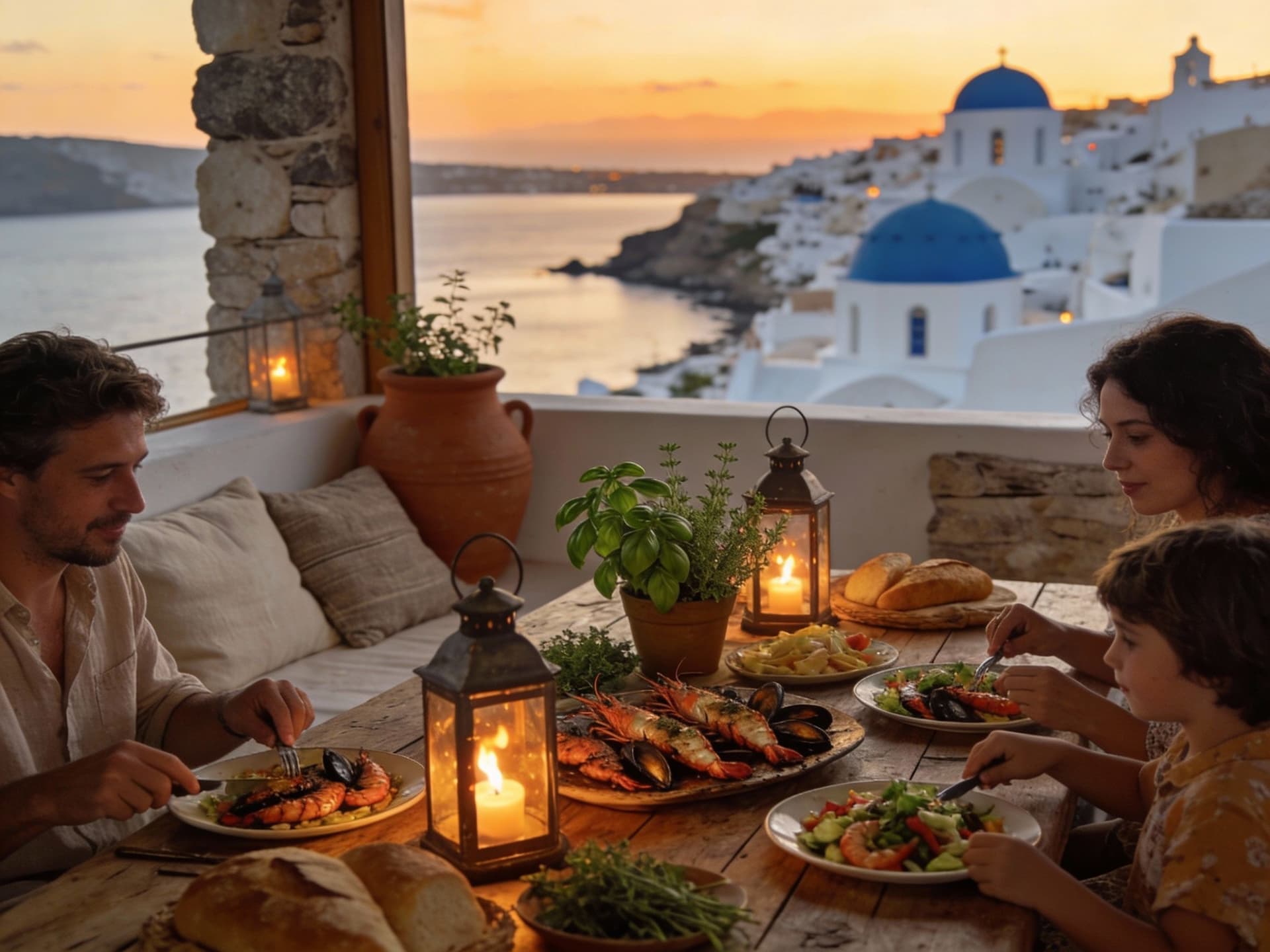
The romance of Greece meets a pragmatic market: prices rose in 2024 and demand from foreign buyers has been significant, especially for holiday homes and island properties. That means competition in desirable pockets and a clear need to time purchases smartly — for example, autumn viewings often reveal the quieter year‑round character of a place, while summer can hide maintenance issues under the holiday gloss. Financing is different depending on whether you’re buying as a resident or non‑resident; local banks have become more cautious during monetary tightening, and lenders increasingly reward energy‑efficient homes with preferential terms. Knowing which numbers matter — realistic running costs, seasonal rental potential, and available green loan offers — helps you match lifestyle wishes to a sustainable financing plan.
Property types & how they shape daily life
A restored stone house in Mani invites wood fires and winter walks, but demands insulation upgrades and thoughtful heating choices; a whitewashed Cycladic villa offers indoor‑outdoor summer living with thin walls and a need for strong cross‑ventilation and passive cooling. New builds often include better thermal envelopes and room for solar panels and battery systems, making them friendlier to green mortgages. When you weigh property types, imagine routine tasks: will you embrace olive pruning, or prefer a maintenance‑light apartment near cafés? Those lifestyle answers should guide choices about renovation budgets, eligibility for green loans, and the long‑term stewardship of the land.
Work with locals who understand both life and legislation
A local agent who eats at the same taverna and knows which neighborhood has a real community is invaluable — they read seasonal life the way outsiders see scenery. But for legal and financing steps you’ll also need a Greek lawyer, a notary, and a tax accountant familiar with cross‑border income. Agencies with eco‑expertise can identify properties already qualifying for energy‑efficiency labels or advise on small retrofits that unlock green loans. Pair that human intelligence with local data: Bank of Greece figures show strong foreign inflows into real estate in recent years, which affects negotiation dynamics and timing for international buyers.
- 1) Visit in both high and low season to feel daily life and spot maintenance needs. 2) Ask sellers for recent energy certificates (ΠΕΑ) and EPC ratings to qualify for green loans. 3) Get pre‑approval from a Greek bank or an international lender familiar with Greece. 4) Budget for renovations that reduce running costs (insulation, heat pumps, solar). 5) Use a local lawyer to clear title deeds and confirm cadastre registration.
Insider knowledge: what expats wish they'd known
Expats often tell the same two confessions: first, that they underestimated seasonality — villages that sing in summer are sleepy in winter; and second, that they underpriced the cost of making a home climate‑resilient. Understanding microclimates — the wind on a particular Cycladic cove, the rain shadow behind a Peloponnesian ridge — changes renovation choices and energy needs. Many also regret not asking about communal decisions: some island villages have cooperative olive harvesting or shared septic arrangements that affect costs and neighbour relations. These local truths alter budgets, and in Greece they also determine how quickly you can qualify for sustainable financing.
Cultural cues that change where you live
Greek social life favours community rituals: shared feasts, Sunday visits, and a relaxed sense of time. If you buy in a small village, expect invitations to local festivals and responsibilities like shared road maintenance. Language helps — learning even basic Greek opens doors and makes negotiation easier — but practical warmth comes from showing respect for local rhythms and environmental stewardship. For many buyers, participating in an olive‑harvest or contributing to a village water repair becomes the fastest route to belonging, and that social capital pays dividends in everyday life and in practical support when managing a property.
Long‑term stewardship & what really preserves value
Houses that honour landscape — using local stone, capturing rainwater, adding native gardens — keep value because they lower running costs and fit community aesthetics. Investing modestly in solar panels, a modern heat pump, and proper insulation usually costs less over five years than repeated patch repairs and also opens access to preferential green finance that some Greek banks and EU programmes support. The market data show foreign demand is concentrated where infrastructure and stewardship meet — near airports, ferries and regions protecting their ecology — and that trend increasingly rewards buyers who prioritise low‑impact design.
- Check cadastre and title deed clarity before making offers; prioritise properties with recent energy performance certificates; aim for south‑facing windows and balconies for passive solar gain; factor in seasonal maintenance and water systems; consider local planning rules before big extensions.
Conclusion: Greece is a sensorial, seasonal country where the best purchases are those that match how you want to live, not how postcards suggest. Start with neighbourhood visits in shoulder seasons, ask about energy certificates and green loan options, and work with local agents who value stewardship as much as sale price. If you want a home that reduces bills and restores landscape, small investments in insulation, solar and native planting often deliver the largest lifestyle returns. When you pair that stewardship with clear legal advice and realistic financing, the Greek life you imagined becomes not a summer fling but a settled, sustainable home.
Dutch property strategist who helped 200+ families find sustainable homes in southern Europe; expert in legal pathways and long-term stewardship.