Adriatic Hype vs. Reality: Green Loans & Buying Smarter in Croatia
Croatia’s market is buoyant but complex: prices climbed double digits recently; align buying purpose, new property tax and emerging green‑loan opportunities for a sustainable purchase.
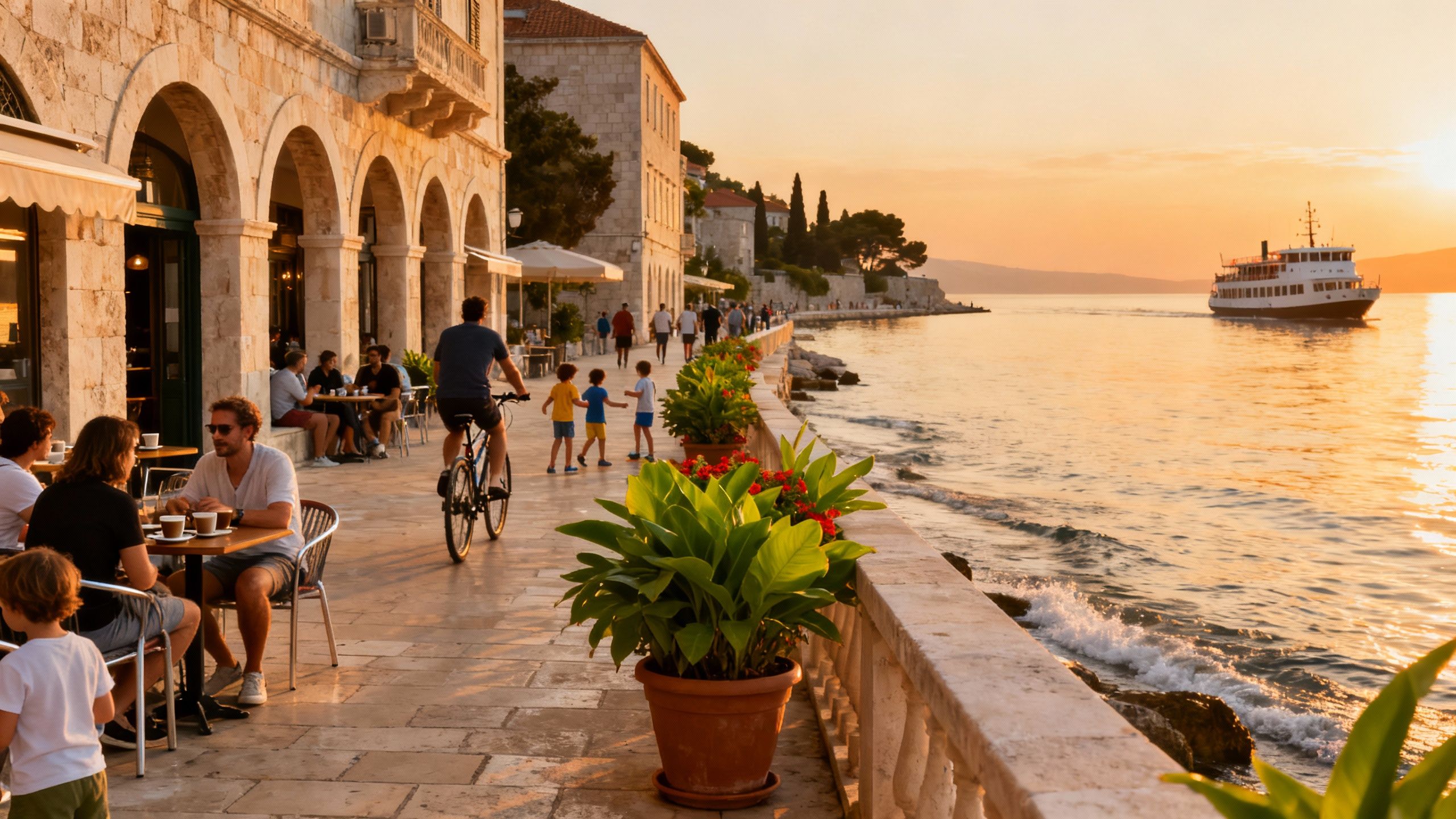
Imagine sipping espresso on Ilica in Zagreb at dawn, then driving an hour to a limestone cove on the Adriatic where fishermen mend nets and neighbors barter figs. Croatia moves at two rhythms — the slow, ancient tide of coastal towns and the lively, modern pulse of cities — and that tension is what makes buying here irresistible and complicated.
Living the Croatia Lifestyle
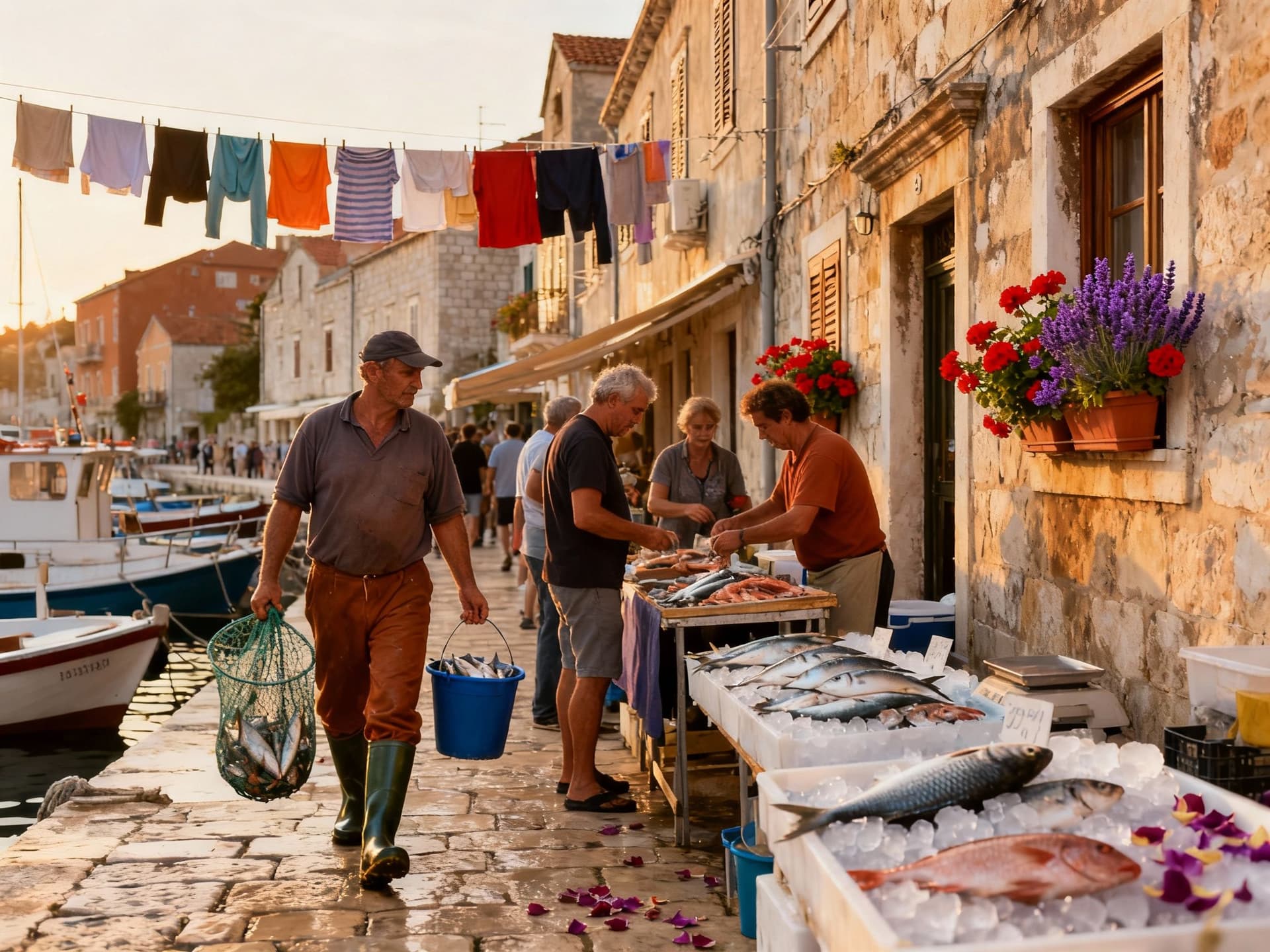
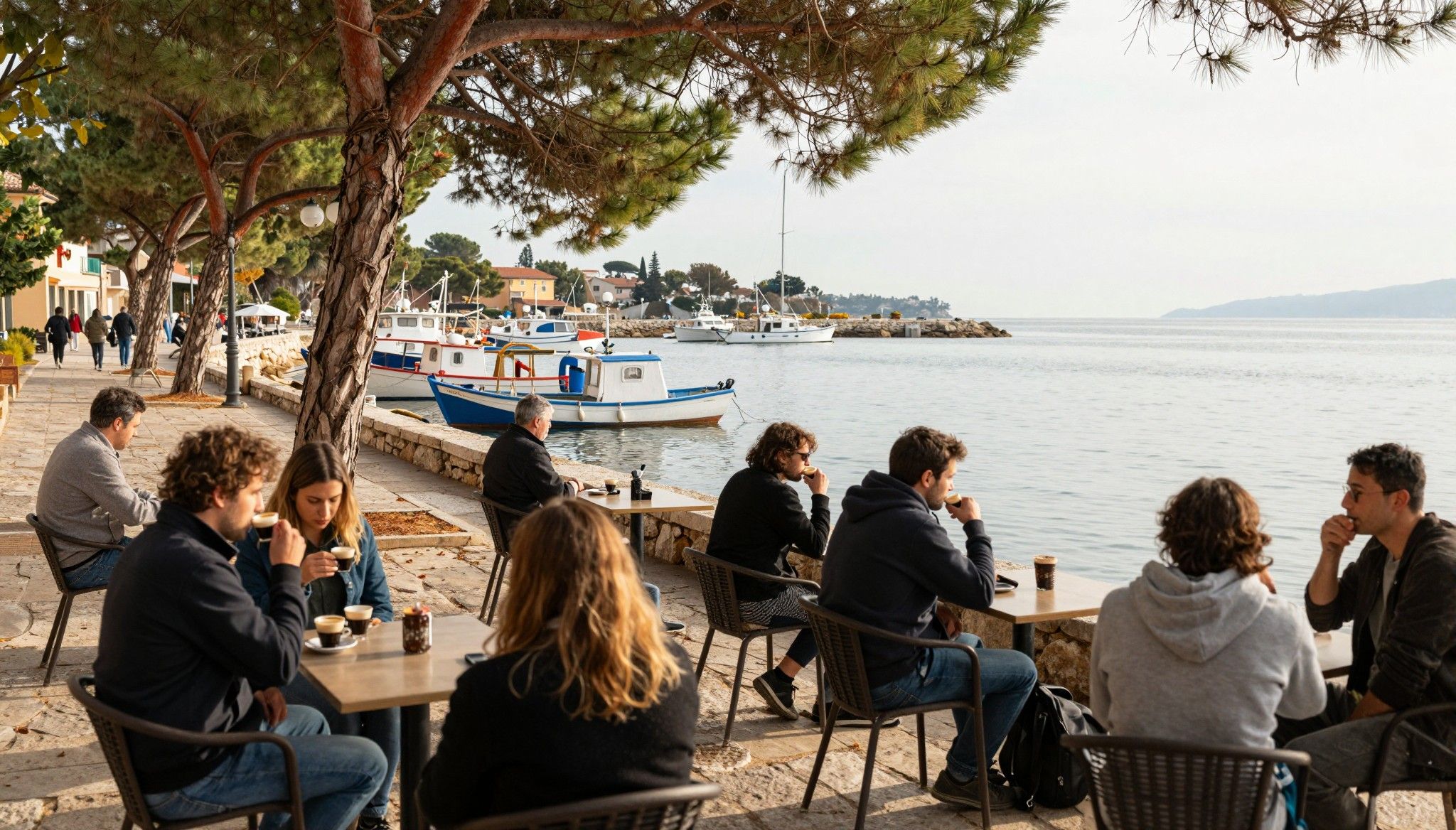
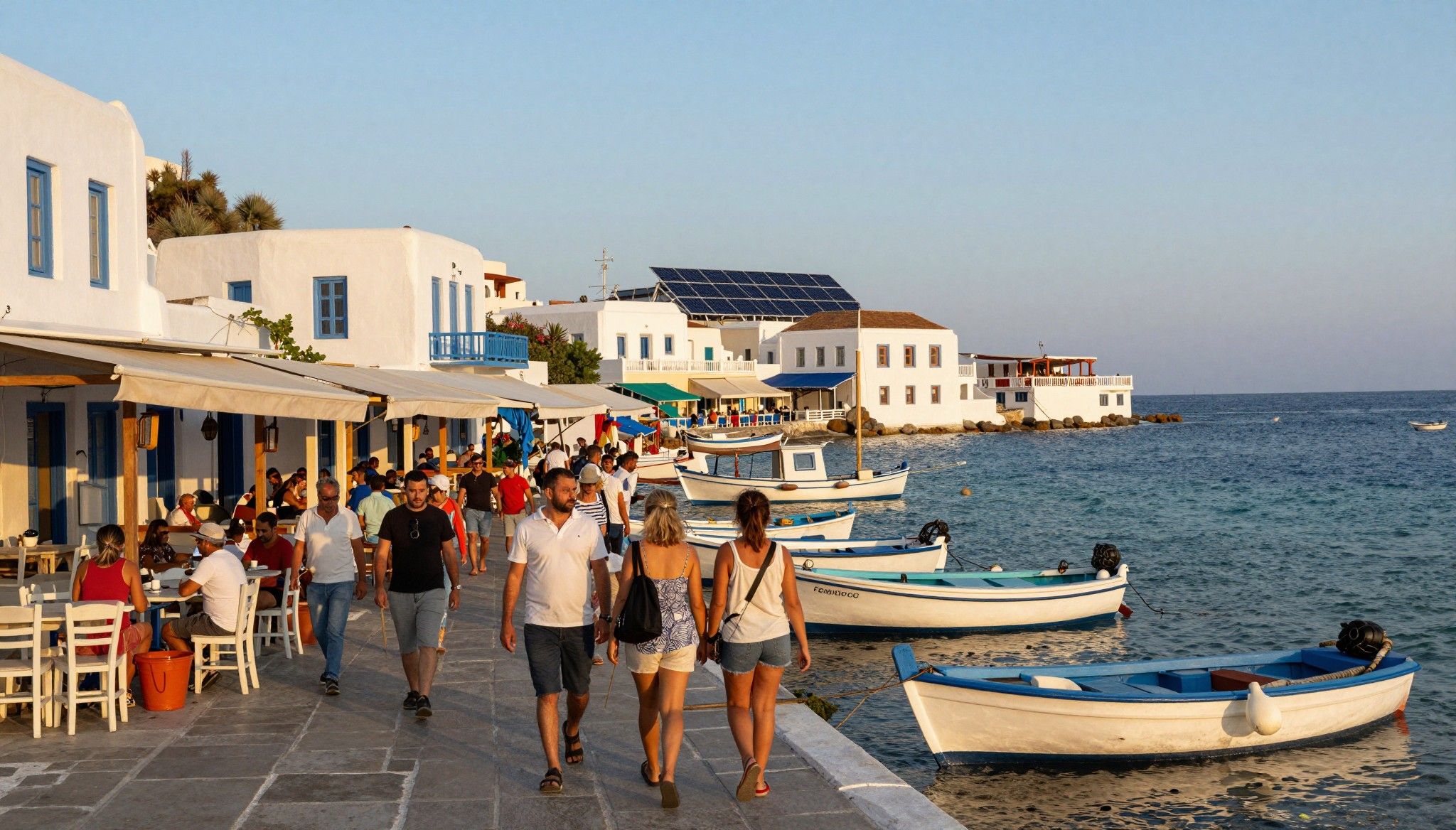
Days are organized around light and food: café culture in Zagreb’s Kvatrić, lunchtime markets in Split’s Pazar, and slow seafood meals as dusk warms the Dalmatian terraces. Winters bring quiet streets and wood smoke; summers bring island ferries, outdoor konavoski concerts and the fizz of tourist-season life. This seasonal rhythm shapes how you’ll use a home here — a permanent residence, a seasonal retreat, or a rental asset.
Zagreb lanes and the inland pulse
In Zagreb look for streets like Martićeva for daytime cafés and local designers, or the leafy parks around Jordanovac for weekend markets. The city is where careers, international schools and year‑round services gather. If you want community energy, reliable services and easy access to healthcare, these neighborhoods make daily life seamless — and they tend to hold value even when coastal prices wobble.
Dalmatian islands and Istrian stone villages
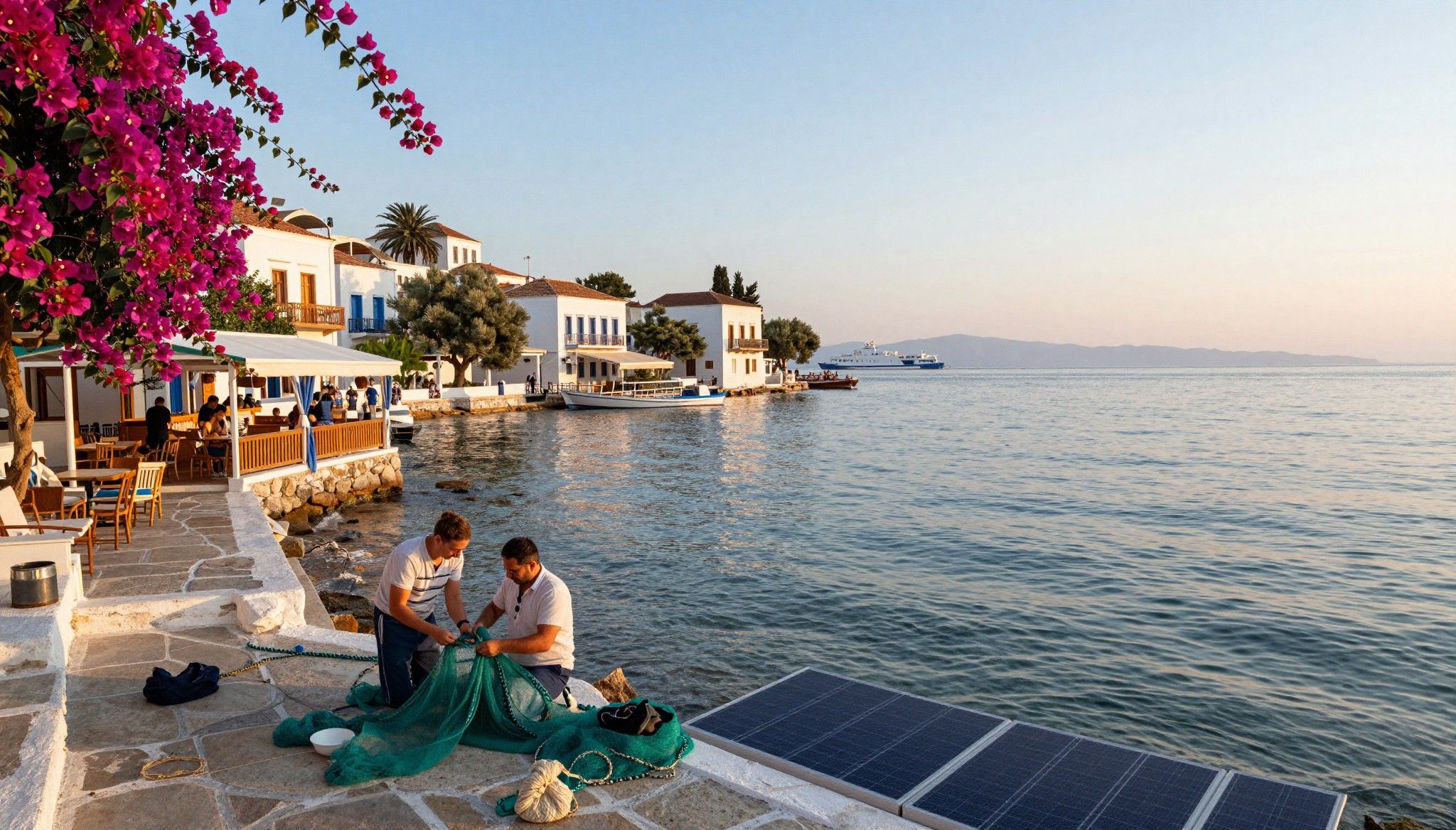
On Hvar, Vis or Korčula you’ll find stone houses with shallow gardens, olive trees and a calendar set by ferry timetables. Istria’s hill towns — Grožnjan, Motovun — pair truffle‑hunts with slow Sundays. These places reward a low‑impact lifestyle: gardening, solar panels, and rainwater cisterns fit naturally into the rhythm, reducing running costs and deepening your relationship to place.
- Morning espresso at Café U Dvorištu (Zagreb); Saturdays at Split’s Pazar market; sunset aperitivo on Hvar’s waterfront; oysters at Ston and oyster beds; biking the Istrian countryside; small‑island ferry rituals.
Making the Move: Practical Considerations
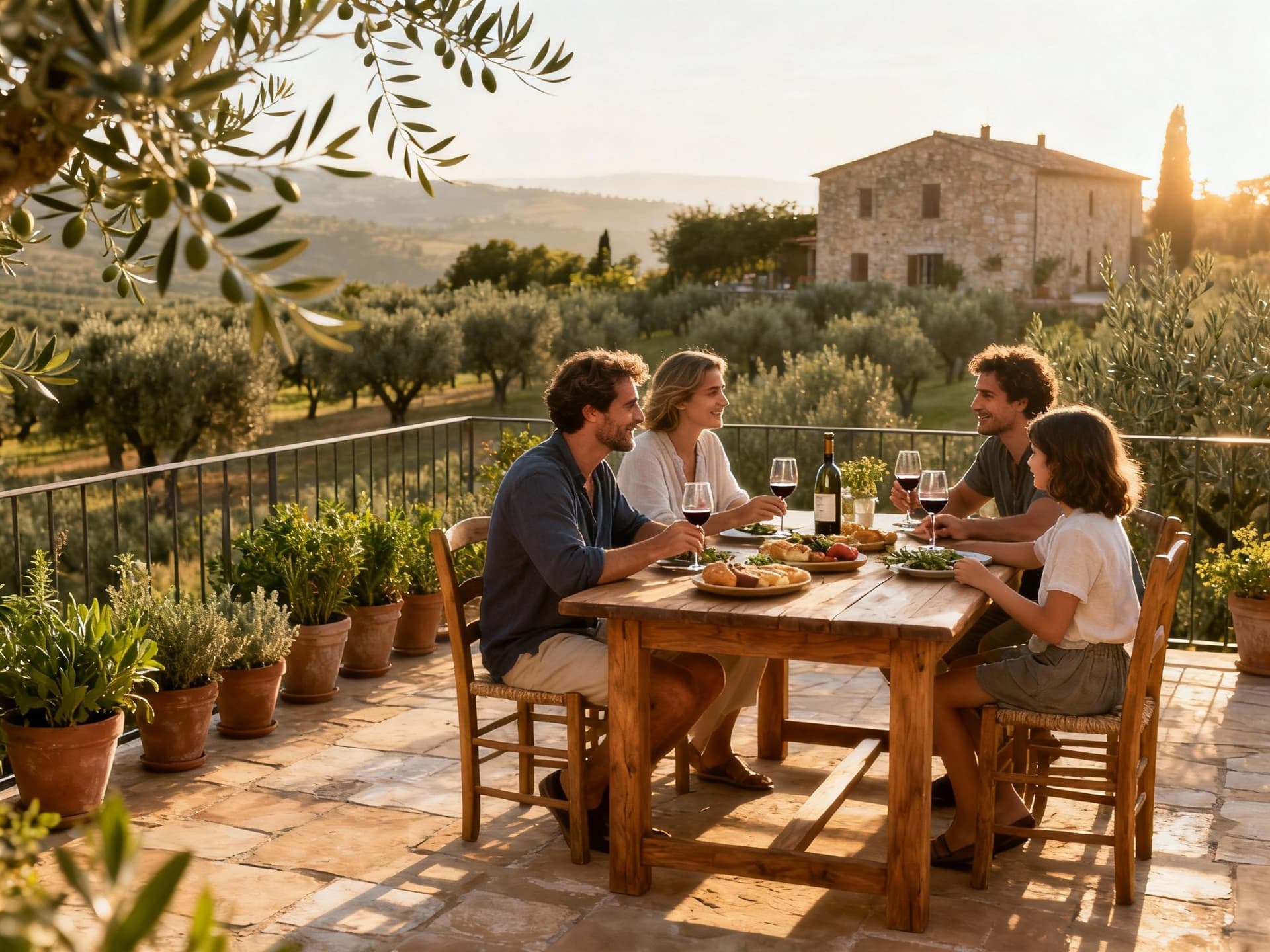
The market is hot but nuanced: official DZS data show double‑digit annual price growth in recent quarters, especially outside big cities, and policy is shifting to cool speculation and short‑term letting. That matters for financing: lenders and green‑loan programs will look closely at intended use, and tax changes (including the 2025 property tax) affect carrying costs and yield calculations.
Property types and how they shape lifestyle
Stone farmhouse in Istria means thicker walls, cool summers and an easy fit for passive renovation; a Zagreb apartment gives year‑round rental potential and city life; a Dalmatian sea‑view villa offers light and tourism income but higher maintenance and seasonal management. Match the building’s character to how you’ll actually live there — not just to a postcard fantasy.
Working with local experts who know the lifestyle
- Work with an agency that understands seasonality and sustainability; choose a lawyer who handles foreign‑buyer permits and title searches; ask an architect about passive retrofit options; shop lenders for green‑loan criteria; plan for local tax and permit timelines.
- Find a local notary to confirm land registry (1); request a detailed energy rating and roof/wall inspection (2); obtain a municipal statement on permitted use and tourist licensing (3); compare mortgage offers and green lending terms (4); calculate new property tax and possible exemptions (5).
Insider Knowledge: What Expats Wish They’d Known
Expats often romanticize coastal life and underestimate policy shifts. Recent reporting shows transaction volumes have softened even as prices rose, and cities are tightening short‑term rental rules. That means negotiation room in some segments, but also an urgent need to align purchase purpose — permanent home, long‑term let, or holiday rental — with local regulations.
Cultural integration and daily life
Learn basic Croatian phrases, show up at markets, and be patient with bureaucracy. Social life is built around food, communal festivals and local associations — joining a volunteer olive harvest or a village fiesta is how you meet neighbors. Language isn’t a wall; it’s a kindness you’ll be rewarded for.
Long‑term lifestyle and stewardship
Think beyond purchase: rainwater harvesting, solar PV, olive‑tree planting and native landscaping cut running costs and earn local goodwill. Green mortgages in Europe are growing; while Croatia’s retail green mortgage market is developing, banks increasingly reward energy upgrades and lower carbon footprints — a direct line between stewardship and better financing terms.
- Red flags to spot: unclear cadastral maps; properties missing building permits; homes marketed primarily for short‑term rental without long‑term licences; inflated occupancy claims for rental yield; coastal plots with restrictive coastal protection zoning.
Conclusion: Croatia rewards patience and place‑sense. Come for the sea and seasons, but do the paperwork, budget for the new property tax and potential rental rule changes, and factor in energy‑sensibility upgrades when comparing mortgage offers. A local agent who understands green finance and seasonal life will turn a dreamy fragment of Adriatic blue into a durable home that fits both your values and your balance sheet.
Swedish advisor who left Stockholm for the Costa Brava in 2019. Specializes in sustainable, sea‑view homes for Scandinavian buyers and green finance insights.