When French Paperwork Bites Back: Due Diligence to Dodge Surprises
Fall in love with France’s markets and light—but pair sensory visits with key checks: notaire title searches, mandatory diagnostics, planning permits and local tax rates.
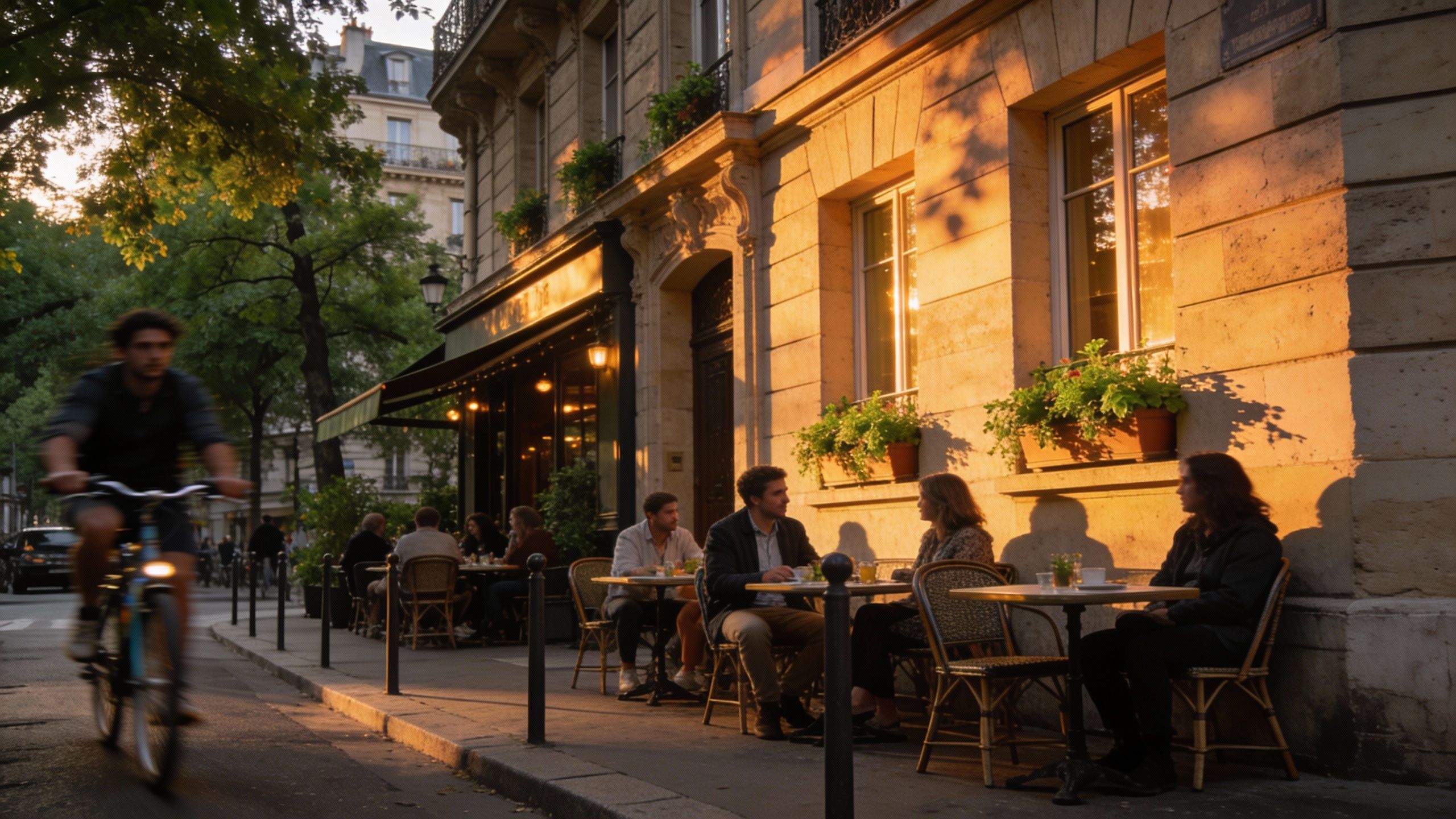
Imagine stepping out onto Rue Montorgueil at dawn, the pastry steam curling around a wrought-iron balcony, or watching lavender-scented light move across a stone farmhouse in Provence. France breathes in seasons: market mornings, long lunches, and village fêtes that stitch neighborhoods together. For many of us the dream is both sensory and practical — sunwarmed stone, short trips to markets, strong neighbourhood ties — but the reality of making that dream your legal property is layered with paperwork, local rules, and environmental requirements that can surprise you.
Living France: senses, seasons and where life happens
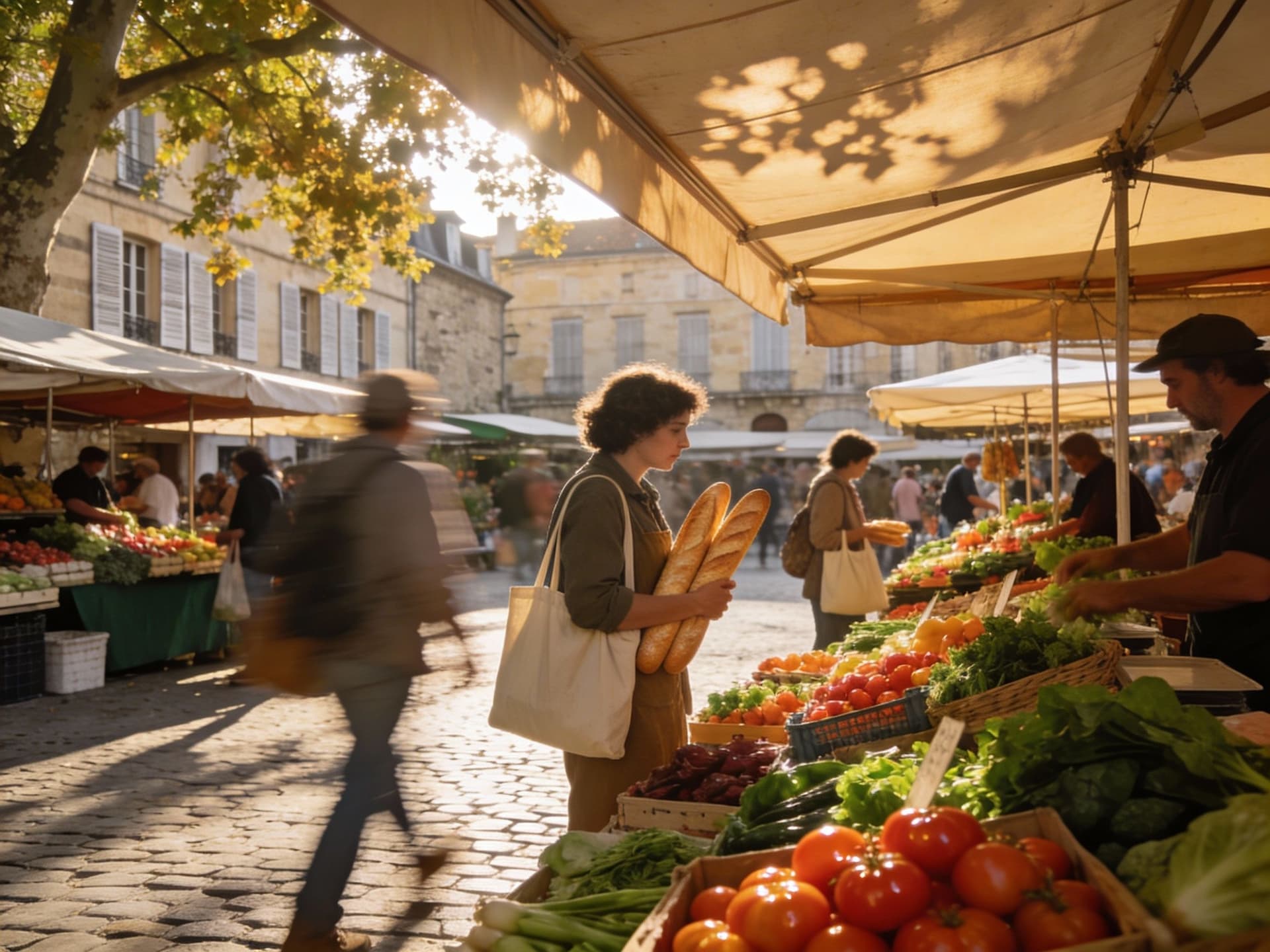
France is not one rhythm but many. In Paris, mornings mean espresso at Café de Flore and quick bike rides along the Seine; in Biarritz it’s salt on your skin and surfers’ laughter; in Bordeaux neighborhoods like Chartrons hum with market traders and wine bars. Even small villages have distinct personalities: the Provençal marché with its women selling figs, the Breton port where fishing boats return at dusk. When you buy here, you buy into those daily cadences as much as bricks and roof tiles.
Neighborhood notes: from Marais to Médoc
Walk the Marais and you’ll find narrow lanes, vintage bookshops, and an unhurried café culture; drive through Médoc at harvest and vines frame châteaux with centuries of care. In Lyon, Croix-Rousse keeps its silk-weaving history and a slower pace; in Aix-en-Provence, cours Mirabeau hums with terraces and boules. These textures matter because they shape everything — parking norms, renovation permissions, neighbor expectations — and therefore the due diligence you’ll need.
Food, markets and weekend rituals
A typical weekend in many French towns begins at the marché: fresh fish from Le Havre, goat cheese from the Causses, oysters on the Atlantic coast. For buyers this is not mere romance — it’s how you learn where deliveries arrive, when streets close for markets, and whether a property’s kitchen truly serves your life. Taste-testing your future neighbourhood is a crucial, often overlooked part of due diligence.
- Lifestyle highlights to check on a visit: Marché timings (name a market and day), local boulangerie quality (two nearest), proximity to weekly village events, access to regional trains, and green space for seasonal living.
Making the move: practical considerations that protect the lifestyle
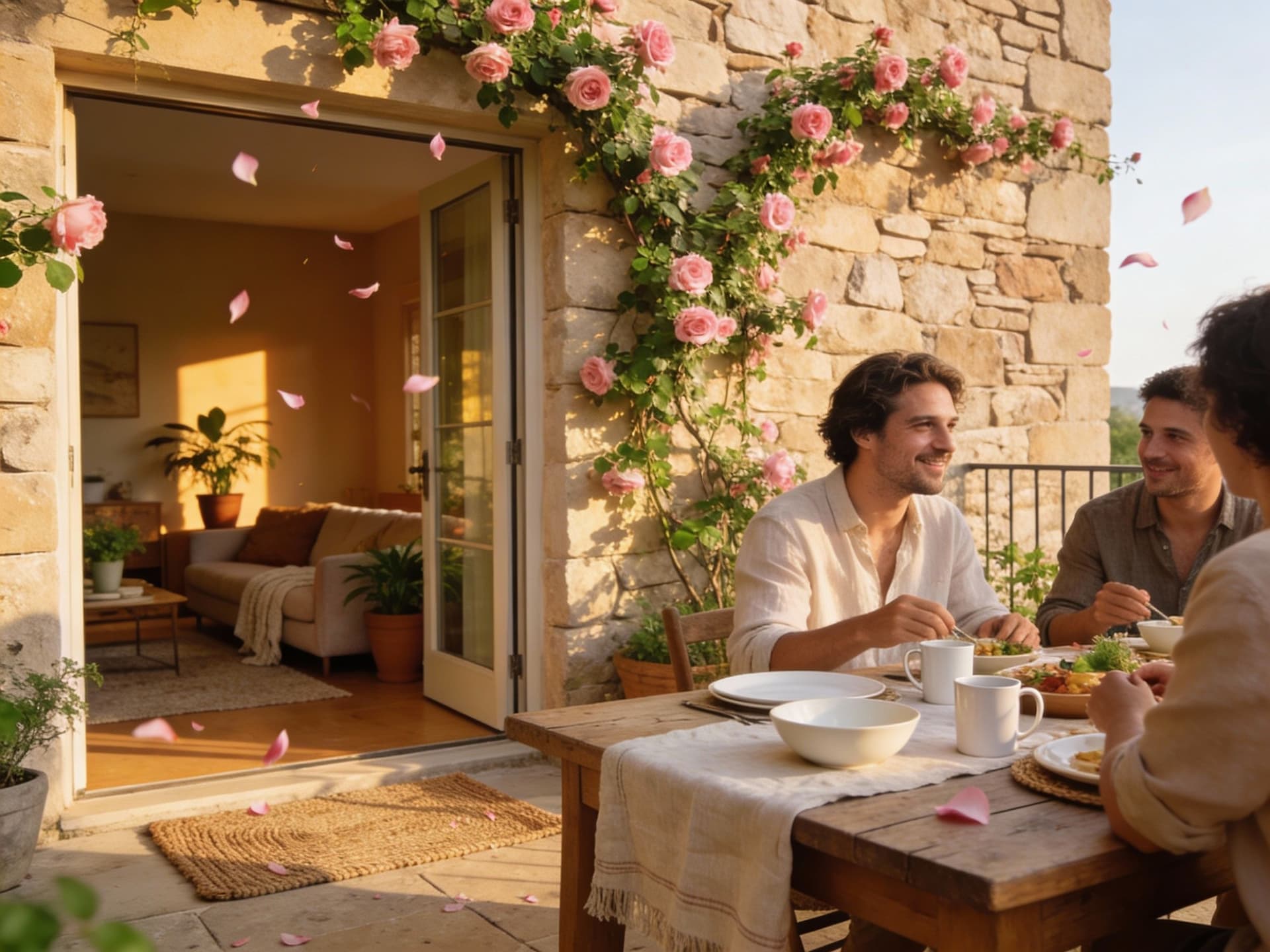
Dreams meet municipal rules. A terrace that feels like paradise might need a declaration préalable or even a permis de construire; converting an old barn into a light-filled studio usually triggers planning reviews and heritage consultations. Early conversations with the mairie (town hall) and a visit to the cadastre are small investments that save months — and protect the very light and quiet you love.
Property types and the life they promise
Stone cottages require different upkeep than contemporary eco‑builds; apartments in Haussmannian blocks offer central life but often stricter copropriété rules about renovations. If you want gardens and solar potential, a detached maison in rural Occitanie or Dordogne will fit. If you crave street life and short walks, an apartment near Place des Vosges or a small flat in Vieux-Lille might be better. Match architecture to rhythms — not just images.
Local experts who preserve both dream and compliance
- 1. Hire a notary (notaire) early: they confirm title, servitudes and any legal encumbrances. 2. Commission a full dossier de diagnostic technique (DDT): energy performance (DPE), lead, asbestos, termites, sanitation — missing diagnostics can lead to legal claims later. 3. Visit the mairie and cadastre: check PLU/plan local d'urbanisme and any ABF (Architectes des Bâtiments de France) restrictions for heritage areas. 4. Ask about departmental transfer tax rates (droits de mutation): departments can vary the rate and it affects total acquisition costs. 5. Speak to neighbours and local artisans: they’ll tell you about weather patterns, damp spots, and seasonal nuisances not found on paper.
Insider knowledge: the red flags and the surprising protections
Real buyers learn to read both papers and people. Market signals matter: Notaires de France data and recent reporting show regional differences in price momentum, so a village that feels affordable may be seeing rapid demand from second‑home buyers. Meanwhile, mandatory diagnostics are a buyer shield — a properly completed DDT limits future disputes. Treat both as friends, not obstacles.
Common red flags on visits
- Unexplained damp stains inside or on foundations; lack of recent roof or electrical certificates; major discrepancies between cadastral boundaries and what's fenced; persistent neighbour disputes mentioned casually; properties touted as “no diagnostics required” when in fact they are.
Surprising protections for buyers in France
French law awards buyers significant protections: the notaire’s roleensures title clarity, the DDT can trigger rescission for hidden defects, and administrative windows allow you to withdraw if planning constraints are revealed post‑sale. Recent market reporting highlights price heterogeneity — use that to your advantage when structuring offers rather than bidding emotionally.
Conclusion: fall in love consciously. Live the market rhythms—visit markets, listen to neighbours, test the commute—and pair that intimacy with rigorous paperwork: notaire checks, DDT diagnostics, mairie consultations and a clear view of transfer taxes. When you balance sensory research with these legal steps, you protect what matters: the life you imagined in stone, sea, or city. If you want, we can point you to local experts who blend sustainability, craft, and municipal savvy so your new home is both beautiful and compliant.
Danish relocation specialist who moved from Copenhagen to the Algarve; supports families with seamless transitions, local partnerships, and mindful purchases.