Red Flags & Stewardship: Due Diligence in Greece
Greece offers seasonal, sensory living—but buyers must pair romance with rigorous due diligence: cadastre checks, forest maps, permits and local expertise protect your dream.
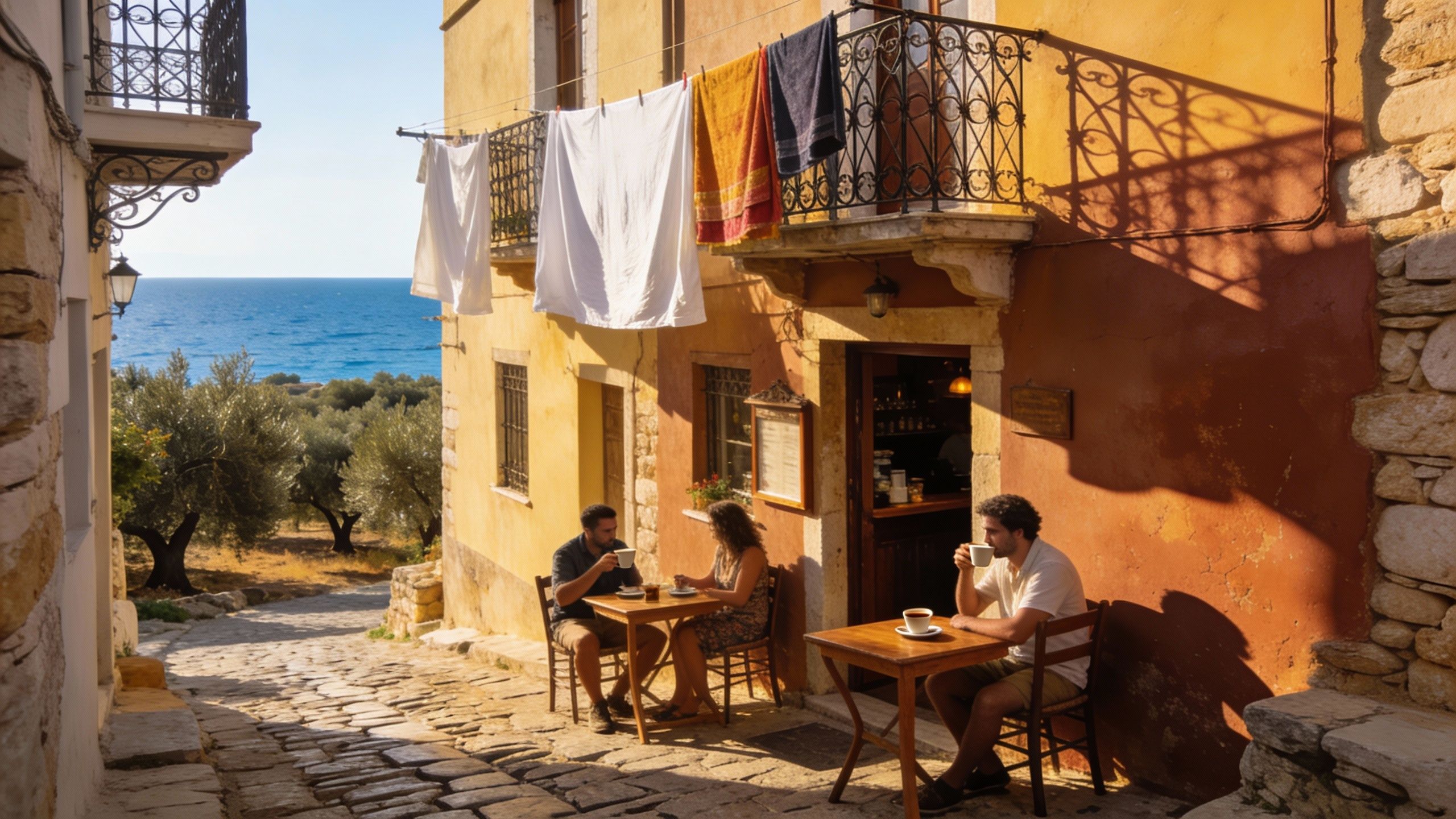
Imagine stepping out at dawn to a neighbourhood bakery in Koukaki, the scent of sesame and fresh filo on the air, bougainvillea tumbling from a limestone balcony and the sea catching the light in the distance. Greece is sensory: markets that run on rhythm rather than timetables, tavernas that seat three generations at the same table, and afternoons that invite slow repair and gentle renovation. But behind that leisurely entrance into daily life lies a specific practical dance—permits, cadastre checks, zoning quirks and seasonal rules—that will decide whether a house becomes a home or a drawn-out project.
Living Greek Life: daily rhythms and places that sing
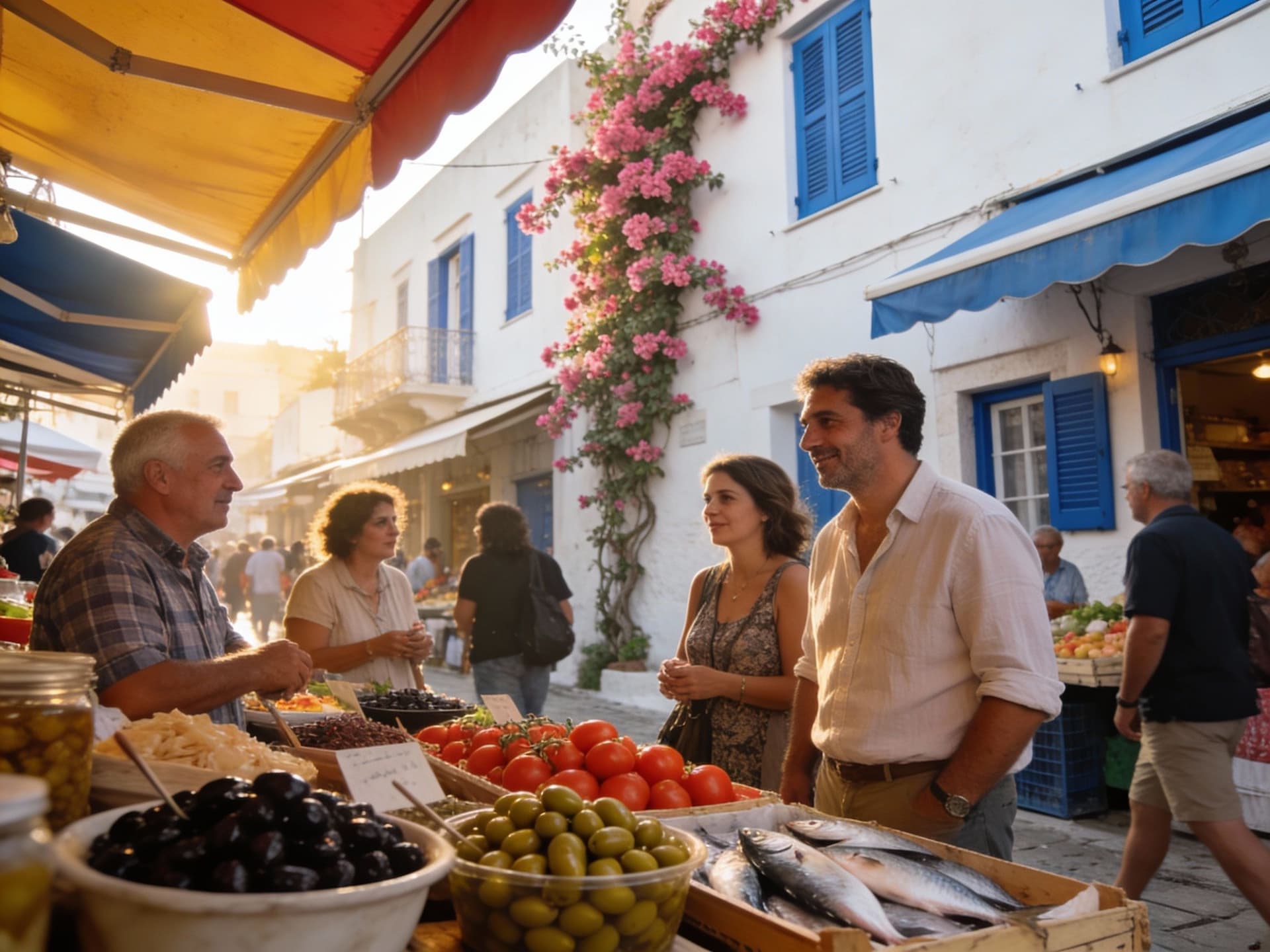
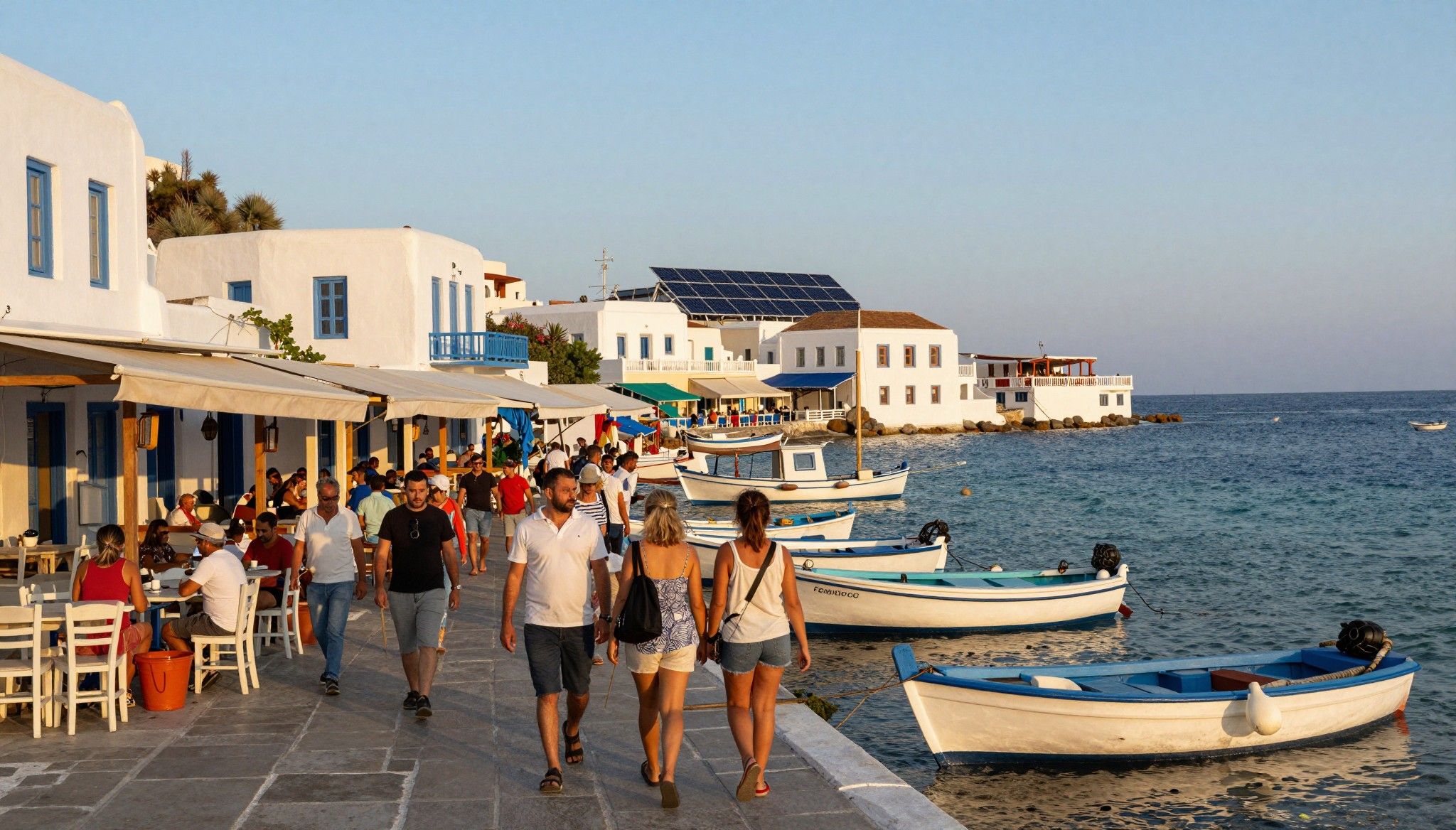
Greece moves at the speed of seasons. In Athens you’ll find coffee culture layered over late‑night culture in neighborhoods like Exarchia and Koukaki; on the islands, marketplaces pulse in the morning and empty into a hush by late afternoon. That ebb shapes how properties are used: a Cycladic cave house reads as a summer sanctuary, while an Attica apartment must perform year-round. Recent policy changes around short‑term rentals have also reshaped neighbourhood life, affecting both rental income potential and local community balance.
Athenian corners and island calm
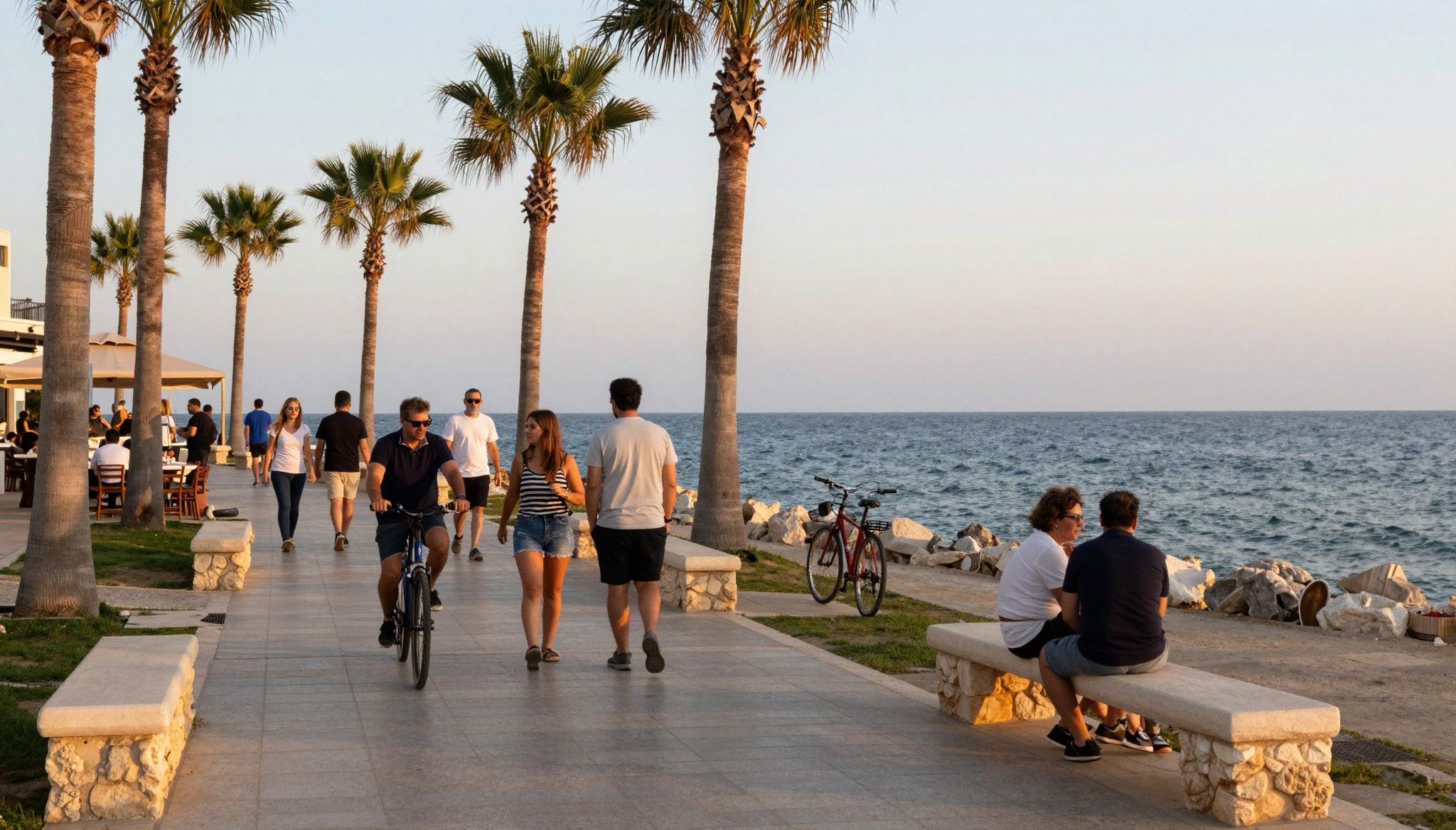
Walk from Kolonaki’s sunlit squares to Koukaki’s backstreets and you encounter different speeds of life: museums, cafés, and a community that values permanence. On Naxos or Lefkada, mornings begin at the market—fish, capers, wild greens—and conversations stay long; properties there favour gardens, cisterns and terraces designed for long dinners. These place‑specific rhythms should shape what features you prize: storage for winter supplies on the mainland, robust shading and water storage on drier islands.
Food, markets and neighbourly trades
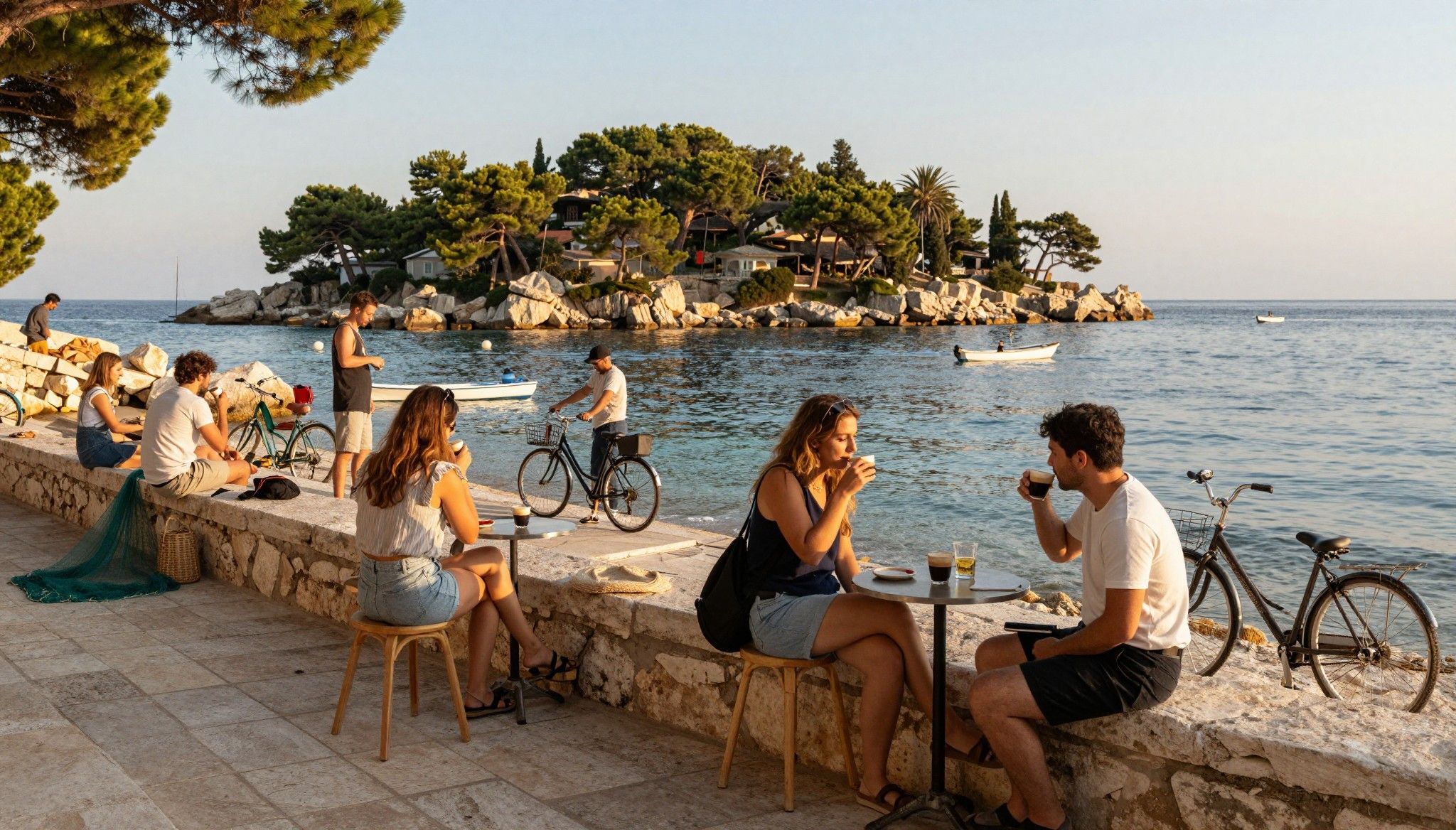
Morning markets are the social backbone in much of Greece. In Thessaloniki the Modiano Market hums with seafood vendors; in rural Peloponnese you’ll swap recipes for slow‑roasted lamb. These everyday rituals matter for buying: think proximity to a market, noise at dawn, and whether a kitchen can support local produce. Practical comforts—space for a small olive press, room for a winter wood stove, native plant gardens—mirror the local life you want to join.
Making the Move: how lifestyle meets paper and permit
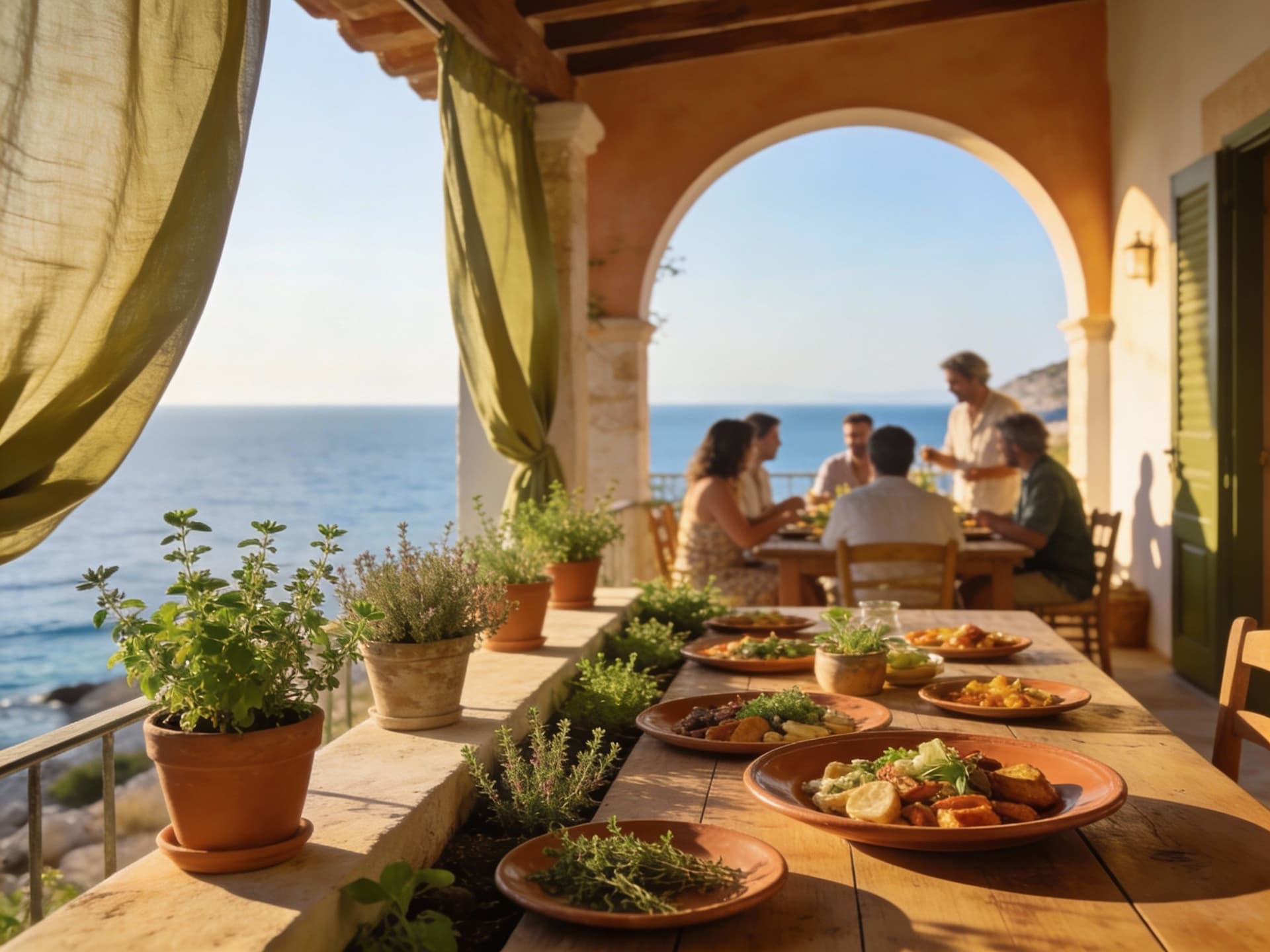
Fall in love first, then check the paperwork. Greece’s house price index shows upward momentum regionally, but supply constraints and permit slowdowns mean that property which looks affordable on the surface can carry hidden costs or long delays. A local agent who understands both the neighbourhood and the cadastre system will save weeks of uncertainty—and often thousands in avoidable fees.
Property types and what they mean for living
Stone village houses, neoclassical townhomes, modern Attica flats and whitewashed island homes each come with specific expectations: insulation standards, roof rights, shared courtyards, or classification as ‘agricultural’ land. Those classifications affect renovation potential, whether you can add a pool or extend a terrace, and what permits you’ll need. Match the property type to how you’ll actually use it—full‑time life, seasonal retreat, or a hybrid of remote work and summer hosting.
Work with experts who respect place
Hire a Greek lawyer who will read title deeds, check the Hellenic Cadastre for registration status, and confirm there are no outstanding debts or easements. Pair that lawyer with a local architect or civil engineer who understands the new building code and the forest/land classifications that can block development. Agencies that combine sustainability knowledge—solar readiness, water harvesting, native landscaping—help find homes that fit both lifestyle and stewardship goals.
- Obligatory due‑diligence steps (practical, lifestyle‑aware)
- Get a full title search via the Hellenic Cadastre and a local lawyer to confirm registration and historical rights.
- Check forest maps and land‑use classification—if a plot sits on disputed woodland, development may be impossible or contested. (Forest map objections can follow strict timelines.)
- Request all permits and building approvals; be sceptical of informal ‘agreements’—legal standing beats neighbourly assurances every time.
- Verify energy and habitability certificates: older properties often need upgrades to meet modern insulation and electrical safety norms.
Insider Knowledge: the small surprises that stall dreams
Expats often misjudge two things: bureaucracy timelines and the subtlety of local ownership customs. A neighbour’s verbal promise to let you use a path is not a legal right. A decades‑old addition without a permit is common; it can be charming, but it can also mean you inherit enforcement risk. Expect paperwork to take longer than in your home country, and budget a patience margin into your move timeline.
Language, custom and community
Learning a few phrases, attending the local panigyri (village feast), and shopping at the neighbourhood market are fast routes to being seen as part of the community. That social capital helps when you need local tradespeople or informal advice, but it never replaces documented consent when it comes to land and rights.
Longer‑term stewardship choices
Think like a steward: pick homes that lend themselves to low‑impact upgrades—solar roofs that face south, rainwater capture tucked into courtyards, native planting that replaces thirsty lawns. These choices reduce operating costs and anchor you in local ecology. They also matter for resale as Greece’s market increasingly rewards climate‑resilient, energy‑efficient properties.
When to act: timing and realistic expectations
If you prize island quiet, buy in late autumn or winter when sellers are easier to reach and communities reveal year‑round life. If rental income is key, buy in spring to meet the season with permits in hand. Whatever season you choose, build at least 90 days into your schedule for due diligence: title searches, cadastre confirmations, tax clearances and permit pre‑checks can each take weeks.
Quick checklist before signing
- Have a lawyer confirm registration at the Hellenic Cadastre and provide a written clearance.
- Ask an engineer to inspect structural, electrical and drainage systems and to estimate costs for bringing the property up to code.
- Obtain a written statement on any disputed access, easements or neighbour claims, and request past tax receipts to rule out debts.
- Confirm local zoning and forest/land classification status—and whether the plot falls under special environmental protection.
Conclusion: live here first in your imagination, then legally. Greece offers a life of markets, sea light and long afternoons, but the real gift is when that life is matched to secure paperwork and thoughtful stewardship. Work with local lawyers, sustainable‑minded architects and agencies who know the cadastre and the seasons; do the small, often invisible checks now and you’ll spend your future evenings eating well, not worrying about titles.
Danish relocation specialist who moved from Copenhagen to the Algarve; supports families with seamless transitions, local partnerships, and mindful purchases.