Due diligence in Greece: place‑first checks before you buy
Fall for Greece’s sunlit rhythms while protecting your purchase: use cadastre checks, local lawyers and sustainability surveys to avoid title, permit, and rental pitfalls.
Imagine waking to the smell of strong Greek coffee, stepping onto a stone terrace that catches morning light, and hearing a neighbour call down the lane to ask which fish landed at Piraeus that morning. In Greece, life moves with the sea and the seasons: slow breakfasts in Plaka, market sacks in Chania, and vineyard afternoons on Crete. For international buyers who come with a sustainability eye, that rhythm is part of the purchase: you’re not just buying square metres but a way of life that asks for stewardship, patience and—crucially—due diligence.
Living the Greece lifestyle
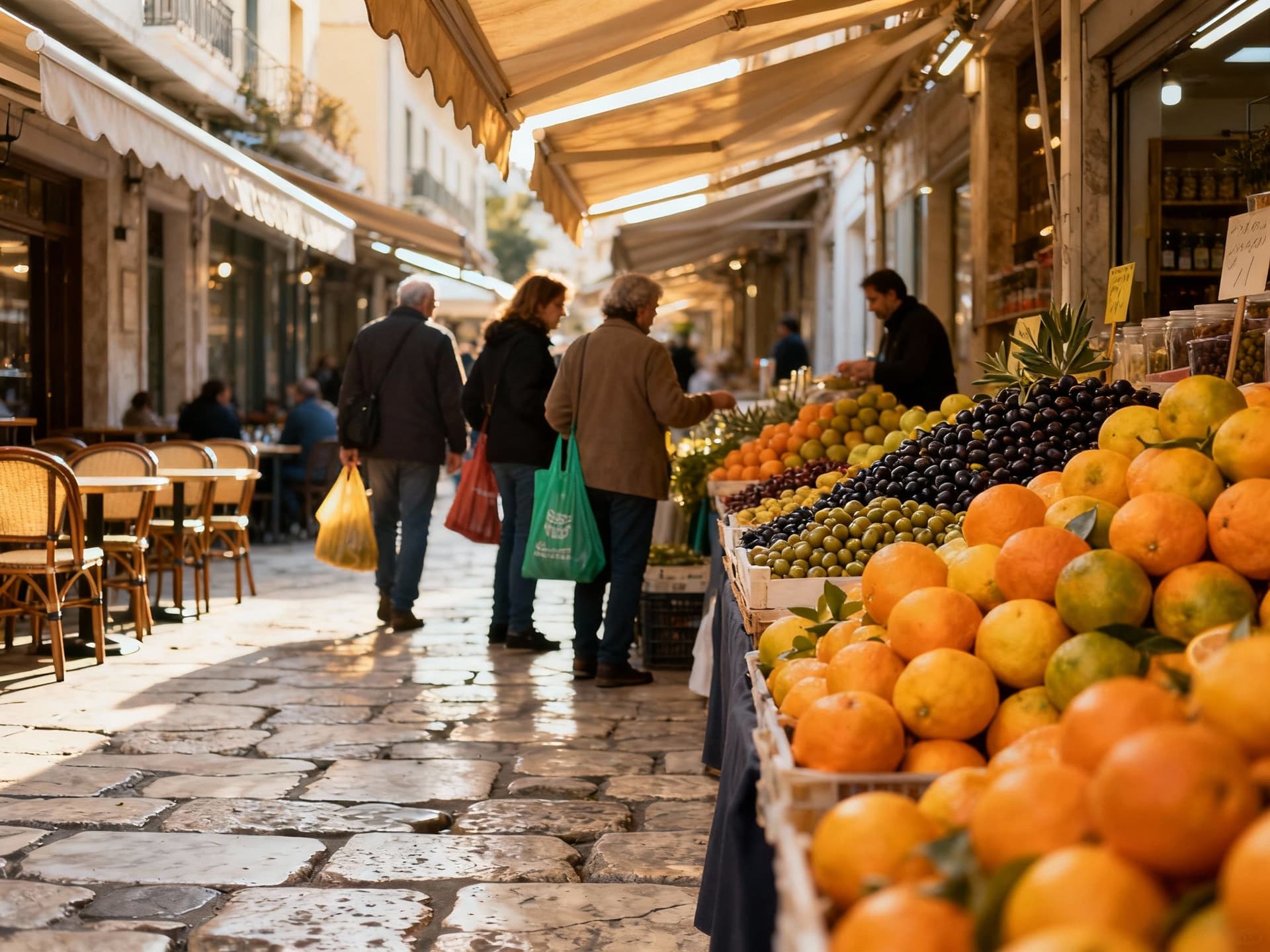
Greece offers an intimate patchwork of places. In Athens, neighbourhoods like Koukaki and Exarchia fold vibrant café culture and late‑night tavernas into everyday life. On the islands, Paros and Naxos trade high season for sleepy winters but reward the patient with clear water and neighbours who know your name. Rural Arcadia and the Peloponnese foreground stone houses, olive groves and a slower calendar — perfect for buyers seeking regenerative gardens and solar‑friendly roofs.
Neighbourhood pulse: Athens south coast to Cycladic lanes
Stroll the Athenian Riviera in the evening and you’ll find sun‑bleached promenades, families out for a walk and cafés that spill onto marble squares. Contrast that with Naoussa on Paros: narrow white alleys, fish tavernas with braided bougainvillea, and a quieter, community‑centred rhythm. These differences shape property choices — terrace orientation, insulation needs, and whether a rooftop PV array makes more sense than a big garden.
Food, markets and community rituals
Weekly markets are the social glue: farmers market in Monastiraki, fish auctions in small port towns, and village panigyria (festivals) that run until dawn. These local circuits matter to how you live — if you crave locally grown produce, look for properties near weekly market routes or in villages with active community co‑ops. A property’s latrine to market distance can shape your daily habit more than square metres ever will.
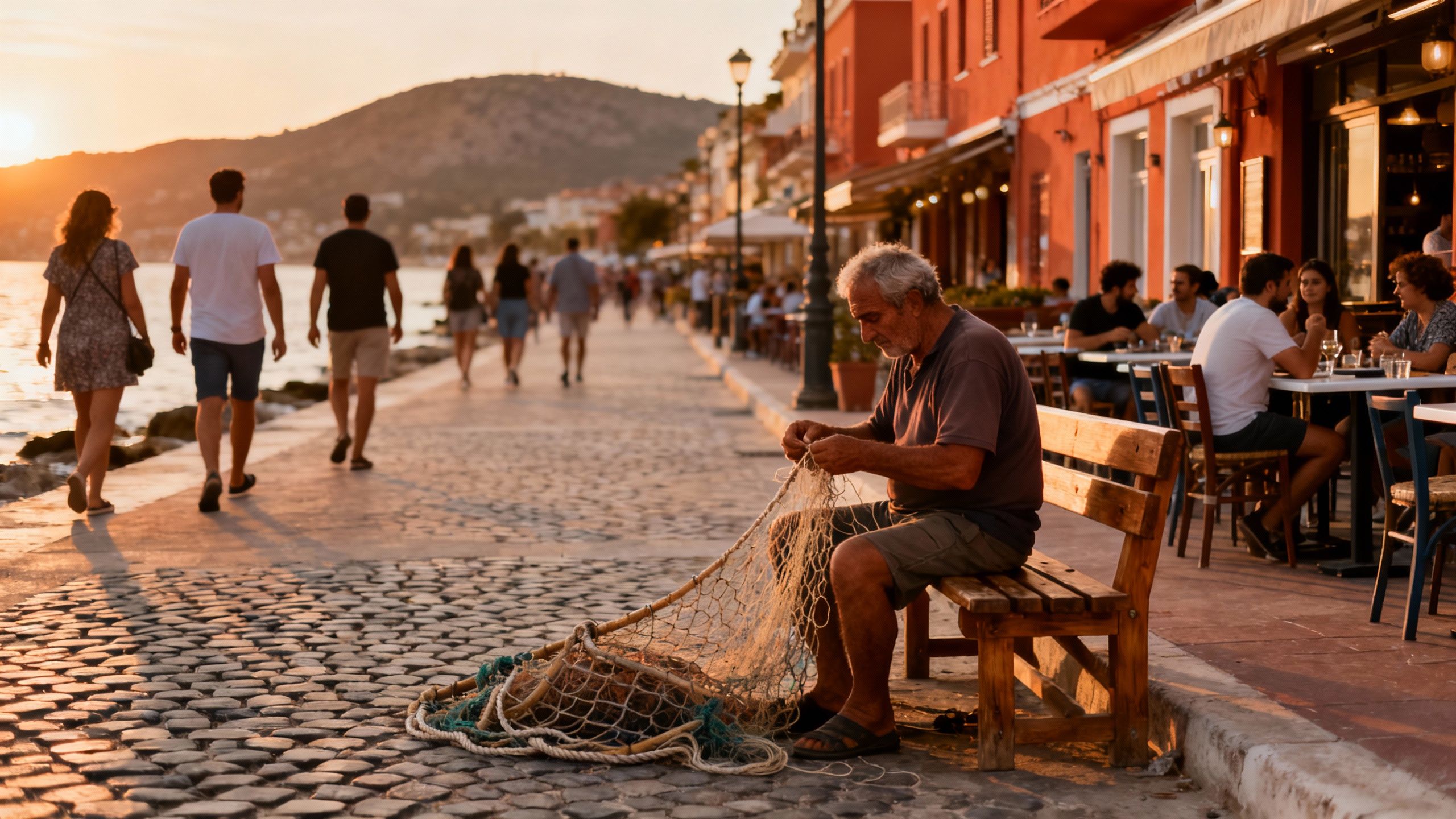
- Lifestyle highlights to scout on visits: attend a morning market in Athens’ Kallidromiou, sit at Remezzo in Chania for a sunset coffee, watch fishermen on the small quay in Naoussa, walk the olive groves outside Nafplio, and visit a local panigiri to understand seasonal life.
Making the move: practical considerations
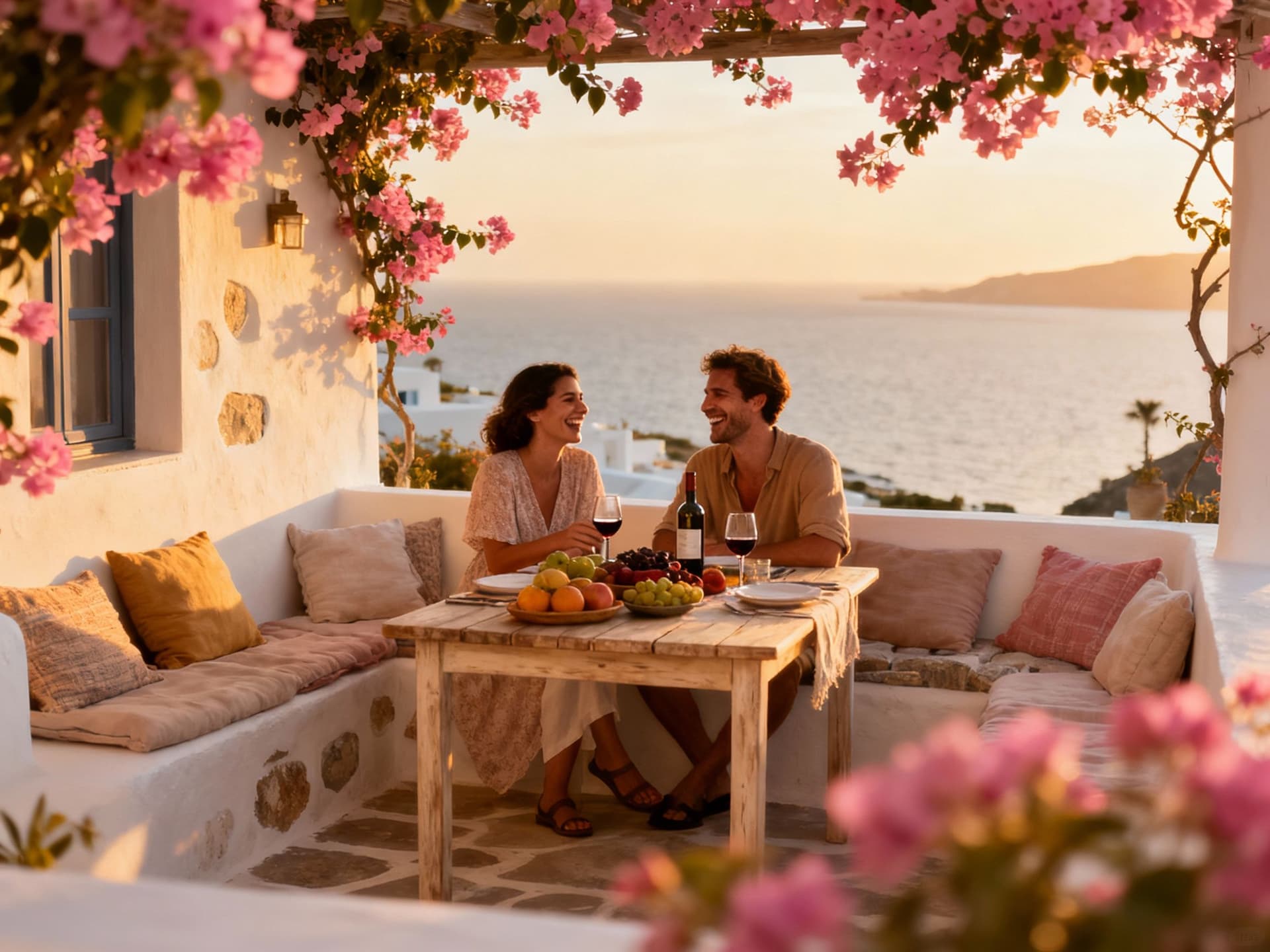
The romance of terraces and tavernas meets paperwork at the Hellenic Cadastre. Greece is mid‑modernisation: many regions are fully cadastral, others still require careful title work. That means a property that feels perfect on day one can show legal wrinkles in the registry or old «afthaireta» (unpermitted additions). Start with a title search and an on‑the‑ground lawyer who will visit local offices — digital checks are useful but often not the whole picture.
Property types and how they shape daily life
Traditional stone village houses offer passive cooling and thick walls, ideal for off‑grid aspirations, but expect renovation work to bring plumbing, insulation and energy systems up to modern eco‑standards. Modern island builds often have rooftop terraces and space for solar; in Athens you’ll find neoclassical flats that require careful sound and thermal upgrades. Match property fabric to the life you want — low‑maintenance courtyards for seasonal living; larger plots for a regenerative garden and cisterns.
Working with local experts who understand place and permit
- 1) Commission a bilingual lawyer to check cadastre extracts, inheritance chains and any building violations. 2) Use an architect (or engineer) to survey for ‘afthaireta’ and to prepare permit applications if upgrading for sustainability. 3) Ask your agent to provide utility bills, E9 tax forms and the last ENFIA calculation for a realistic running‑cost picture. 4) Factor in local licensing: islands and some urban districts now restrict short‑term rentals — essential if you planned an Airbnb income stream.
Insider knowledge: red flags and smart moves
Here’s what expats often learn the hard way: don’t assume market labels like “prime” or “tourist hotspot” guarantee seamless bureaucracy. Recent rule changes for residency‑by‑investment raised thresholds for prime areas and tightened short‑term rental rules — a reminder that policy shifts can change a neighbourhood’s economics rapidly. Treat announcements as part of your due diligence: ask agents how new laws affect resale, rental and renovation options.
Cultural cues that matter at signing
A signed contract in Greece often begins ritualistically: earnest deposits, a notary meeting and a legal check that sometimes reveals family‑held claims or shared‑ownership nuances. Learn a few polite phrases, bring patience for slower administrative tempos, and expect to rely on local contacts to translate tone as well as terms. Neighbours, priest and mayor can be subtle sources of property history.
- Red flags to watch for during due diligence: • Missing cadastral entry or mismatched square metres between cadastre, electricity bills and E9 tax form. • Unpermitted additions (afthaireta) or illegal rooftop extensions. • Recent, unexplained rapid upgrades claimed without permits. • Properties tied up in inheritance disputes or unclear succession chains. • Promises of short‑term rental income in areas where registrations are frozen.
When you find a property that sings to you, run a short checklist: lawyer’s title report, cadastre extract, municipal zoning note, outstanding municipal debts, and a survey for structural/energy works. For eco‑minded buyers, add a sustainability check: roof orientation for solar, rainwater capture feasibility, native planting potential and local waste‑collection practices. These small checks protect both lifestyle and investment.
What expats wish they’d known earlier
Many newcomers underestimate the social capital of place. A corner café owner can tell you more about a block’s repairs than municipal records can. Joining a local Friday market, volunteering at a community olive harvest, or learning basic Greek opens doors that speed permit conversations and reveal maintenance realities. These relationships often save time and money in the long run.
Long‑term stewardship: how life changes after the deed
After purchase, stewardship becomes daily practice: pruning olive trees, winterising pipes, paying local taxes and integrating into neighbourhood rhythms. If you hope to live off‑grid, budget for battery systems and legal grid‑tie permissions; if you plan to rent occasionally, keep abreast of local registration rules. A home in Greece is rarely static — it evolves with seasons, festivals and community needs.
- Next steps for a confident, place‑centred buy: • Book an exploratory trip timed to a market or festival. • Commission a local lawyer to run a cadastre/title report. • Arrange a technical survey for energy, structure and permits. • Ask your agent for recent comparable sales and rental‑regulation notes. • Build a 10–15% contingency for restoration and compliance work.
Greece offers serious beauty and a life that rewards attention. Bring curiosity, expert local partners and a willingness to learn the social grid as well as the legal one. With careful due diligence — and an eye for regenerative design — you’ll not only secure a property but become part of the place that property already is.
British expat who traded Manchester for Mallorca in 2017. Specializes in guiding UK buyers to luxury Spanish estates with clear navigation of visas and tax.