Golden Visa, Cadastre & Permit Pitfalls in Greece
Fall in love with Greek life—then protect it. Learn how Cadastre checks, permit red flags and 2024 Golden Visa zones reshape property choices and stewardship in Greece.
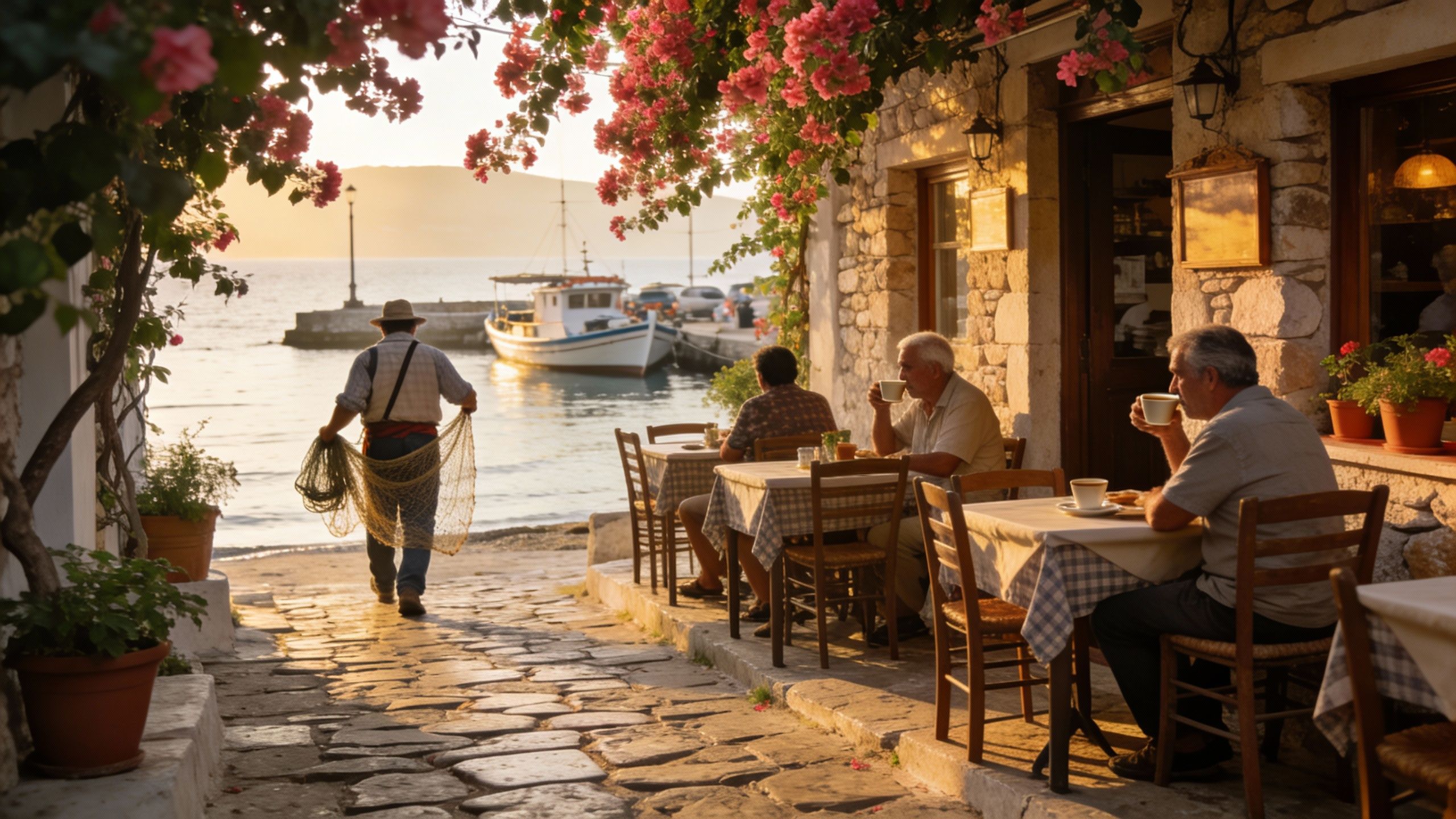
Imagine waking to the smell of fresh coffee at a sun-warmed kafeneio in Plaka, binoculars on your terrace for a sailboat parade, and an olive grove rustling just beyond your garden wall. Greece gives you that slow, sensorial life—sea-salty air, limestone streets that hold the heat of day into evening, and a rhythm of markets, festivals and long Sunday lunches. But the romance of island light and stone roofs meets a very modern reality: shifting residency rules and a land registry in transition that quietly decide whether your dream home becomes sanctuary or a legal headache.
Living the Greek Life: what the day-to-day actually feels like
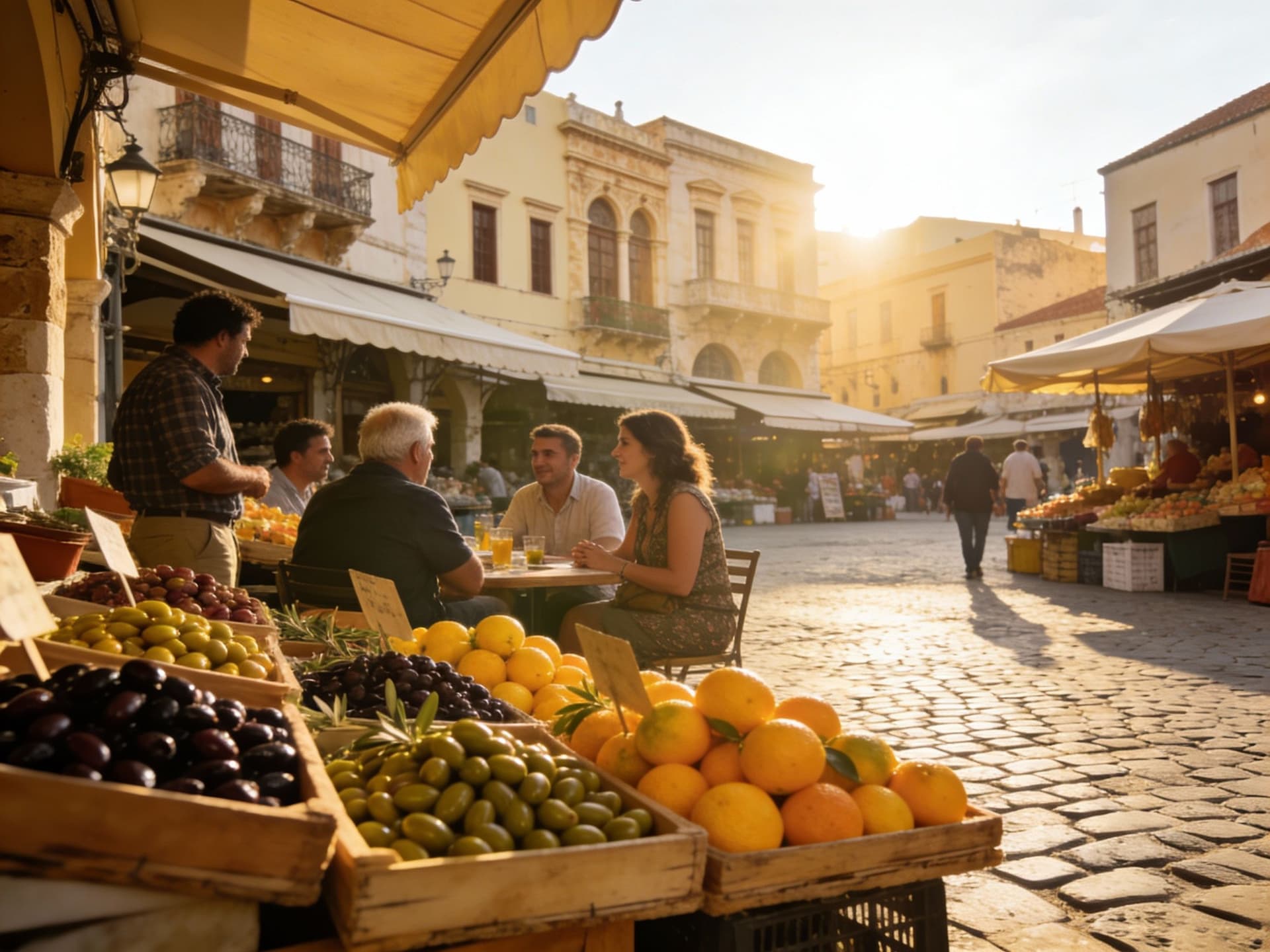
Walk Athens at dawn and you’ll find bakers in Exarchia pulling crusty koulouri, while a ferry-bound morning crowd threads through Piraeus. In Mykonos and Santorini, terraces hum with a different tempo—tourist summers, hush of winter—so your choice of street and season changes how you live. In Crete, it’s markets and mountain trails; in Syros, a quieter, civic community gives a rhythm of neighbourhood cafés and municipal concerts. Greece is porous: cultures, islands and cities overlap, and each place offers a distinct sensory signature that shapes how a home feels from day one.
Neighborhood notes: Athens, Crete, Cyclades up close
If you want neighbourhood bustle and creative cafés, Ano Petralona and Koukaki in Athens give authenticity without the brand-shop gloss of Kolonaki. Chania in Crete pairs Venetian lanes with a strong local market culture and cooperative olive presses. On the Cyclades, Ano Mera on Mykonos and the quieter north of Naxos reward buyers who want island life with community roots rather than sheer tourism density. These micro-places matter: proximity to a daily bakery, a municipal garden, or a ferry quay will define your routines more than a sweeping sea view.
Food, markets and the seasonal social calendar
Saturdays mean market runs—honey, kastania (chestnuts) and sun-warmed tomatoes—followed by slow cooking and shared tables. Festivals (panigyria) light up villages in summer with dance and roasted lamb; in winter you trade beach life for taverna nights and mountain hikes. These seasonal changes influence property use: terraces become rooms in warm months, while insulation and wood stoves matter on windy, grey days. Buy with the year in mind.
- Morning kafeneio rituals (Plaka's Kafeneio Ta Karamanlidika), weekly farmers’ markets (Varvakios in Athens, Chania Agora), ferry rhythms (Piraeus schedules), panigyria summer festivals on Naxos, olive harvest volunteering in rural Peloponnese
Making the move: practical considerations that preserve the lifestyle
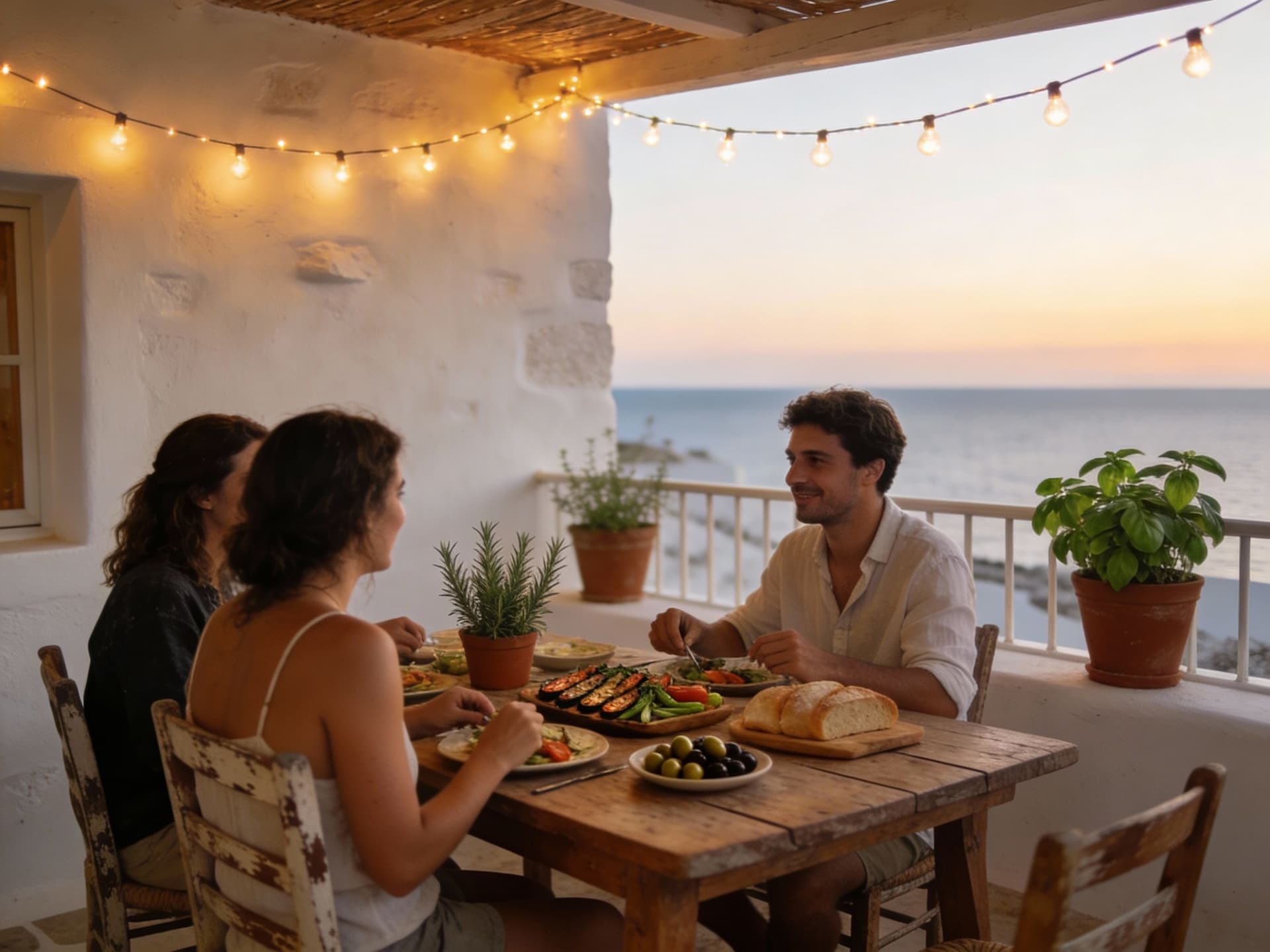
Greece is modernising how property is registered and verified—the Hellenic Cadastre (Ktimatologio) is central to this. Recent digital rollouts mean many title checks and certificates are now accessible online, but pockets of old paperwork remain and some rural parcels still need careful on-the-ground verification. Treat the Cadastre as your north star: a clean entry on Ktimatologio reduces surprise claims, boundary disputes and delays that can turn a sunny move into long legal waits. Always verify cadastral references and ask your lawyer to obtain certified extracts before any deposit.
Property types and how they shape daily life
A restored stone farmhouse in Mani gives you an orchard and slow mornings; a renovated apartment in Koukaki offers cafés at the doorstep and easier year-round services. Consider maintenance rhythms: cisterns, septic systems and rooftop solar require seasonal attention. In villages, expect shared wells, olive groves and communal decisions; in cities, bureaucratic permits and condo assemblies govern changes. Match the property’s character to the life you want to lead.
Working with local experts who understand both law and lifestyle
- 1. Hire a Greek lawyer (dikigoros) experienced in Ktimatologio searches and rural title quirks. 2. Use a local architect or engineer to verify built permits (Άδεια Δόμησης) and as-built plans. 3. Engage a bilingual agent who can read municipal plans and translate quality-of-life tradeoffs. 4. Ask for neighbour references—local perspective reveals water, road, and festival realities. 5. Require a pre-contract condition ensuring release of funds only after clear title and valid permits. 6. Consider a sustainability audit (solar, water, landscape) if your ideal life depends on energy independence.
Insider knowledge: red flags, myths and the Golden Visa truth
The Golden Visa’s rule changes in 2024 quietly rewired buyer incentives—zones with higher thresholds now include Attica, Thessaloniki and many well-known islands. The myth that any €250,000 purchase secures residency is outmoded for many islands and urban pockets. If part of your plan depends on residency, check whether the property’s price band and building size meet current law and whether transitional deadlines apply. Misreading this can turn an investment meant to grant mobility into a non-qualifying asset.
Common red flags during due diligence
- Unregistered extensions or terraces; absence of build permit (Άδεια Δόμησης); mismatched cadastre (KAEK) numbers between seller documents and Ktimatologio; unclear easements for access or water rights; properties on protected land without environmental clearances.
Practical fixes you can request before signing: insist on an up-to-date extract from the Hellenic Cadastre, copies of any planning permissions, a recent electricity and water certificate, and a written warranty from the seller that no disputes exist. If the Cadastre shows pending corrections, ask your lawyer whether these are routine or indicative of deeper title issues.
When Golden Visa rules intersect with sustainability goals
Some buyers chase islands for residency or rental yield, then discover strict new leasing rules or conservation regulations that limit short-term rentals and alterations. If you prioritise renewable energy, check municipal rules for rooftop solar and the feasibility of rainwater capture—local ordinances and protected-area designations can restrict installations. Align residency strategy with stewardship goals: a home that supports biodiversity and energy autonomy is also more defensible against future regulatory tightening.
What expats wish they'd known: cultural and seasonal realities
People who move here often mention one surprise: community integration is practical, not instantaneous. Neighbours judge actions more than words—helping at a harvest, attending a local panigyri, or buying from a neighbourhood taverna opens doors faster than perfect Greek. Seasonality also reshapes life: an island that feels deserted in November may come alive in May; services and public transport ebb and flow with tourism. Plan for quiet months and ensure you can comfortably live through the off-season.
Long-term stewardship: how life—and your house—evolves
Think beyond the purchase: olive trees need tending, roofs need seasonal checks after meltemi winds, and insulation upgrades repay comfort and energy savings. Communities that steward land collectively often have informal rules—respect them. Consider setting up a local management plan, green retrofit schedule and a neighbour-communication plan to keep your home healthy and welcome for decades.
- Practical stewardship steps: schedule autumn roof and drainage checks, plant native hedges for shade and biodiversity, install modest solar plus battery if permitted, join the local municipal group or kooperativa, and arrange winter caretaking if you plan seasonal use.
If Greece feels like the right life, take the next small, steady steps: commission a Ktimatologio extract, meet a local lawyer to run title and permits, and plan a second visit in a different season. An agent who knows both the Cadastre’s practicalities and the rhythms of village life is worth their weight in olive oil. With thoughtful due diligence you protect the dream—the terraces, markets and community that make Greek life so magnetic.
British expat who traded Manchester for Mallorca in 2017. Specializes in guiding UK buyers to luxury Spanish estates with clear navigation of visas and tax.