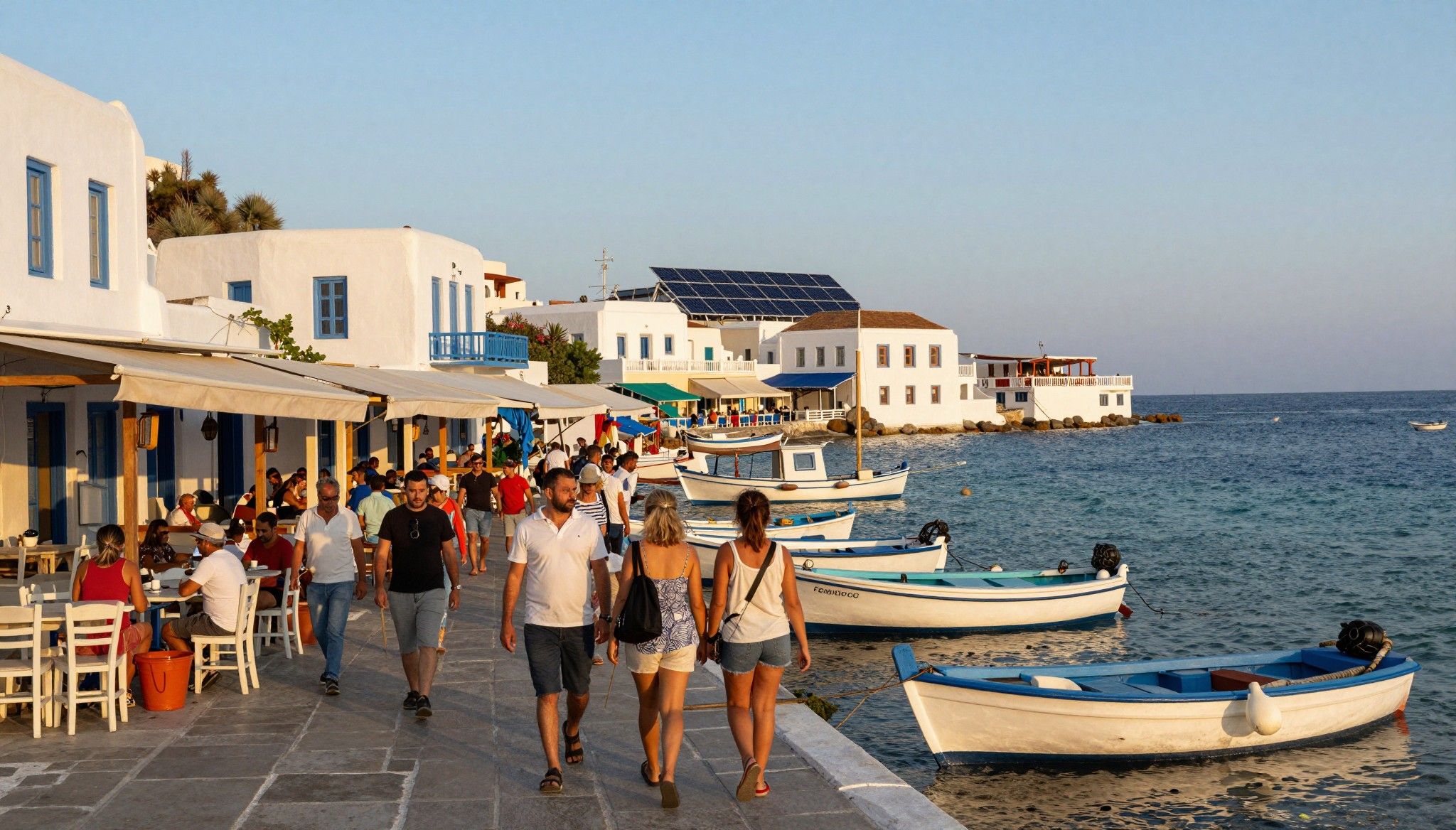
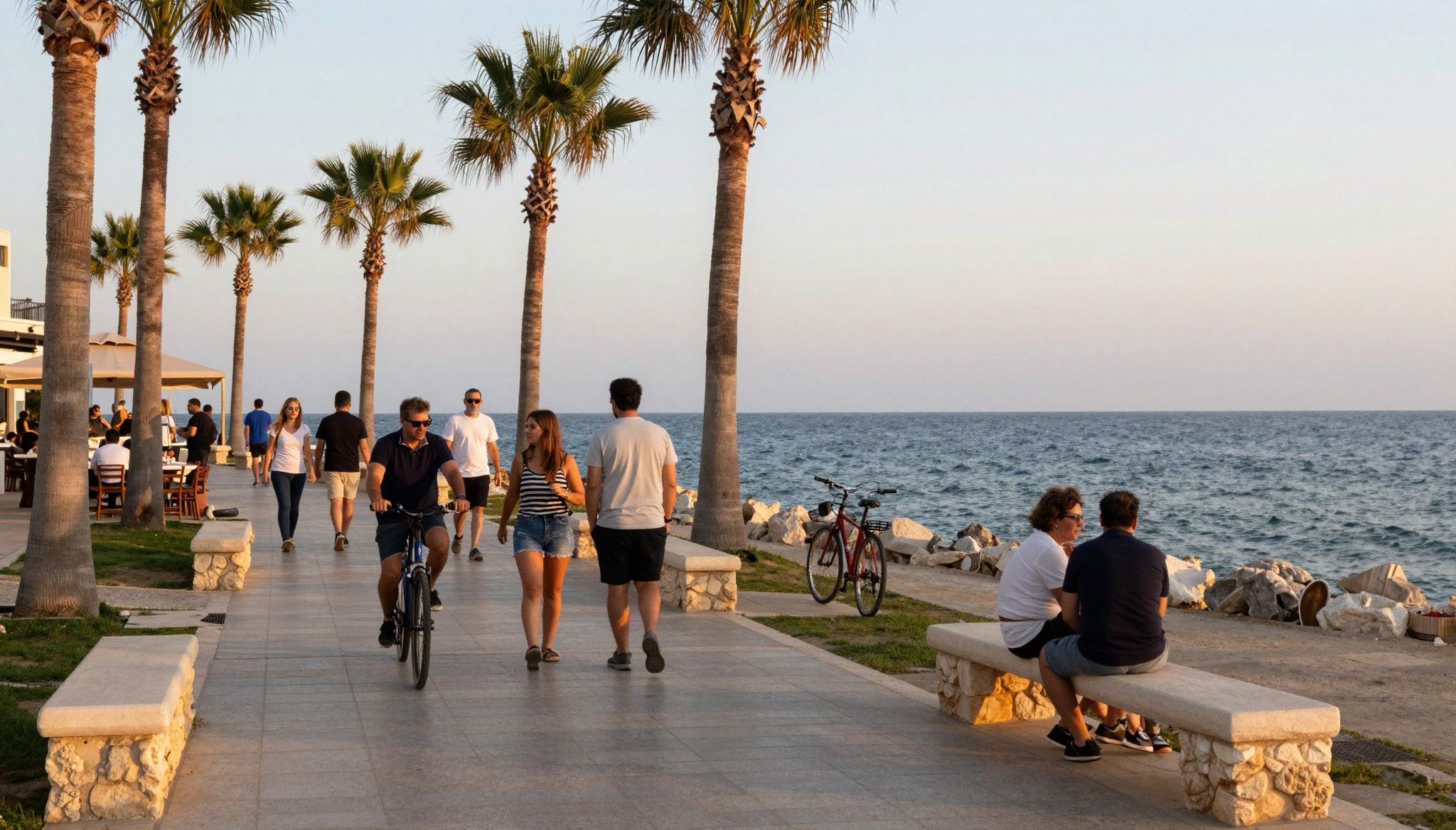
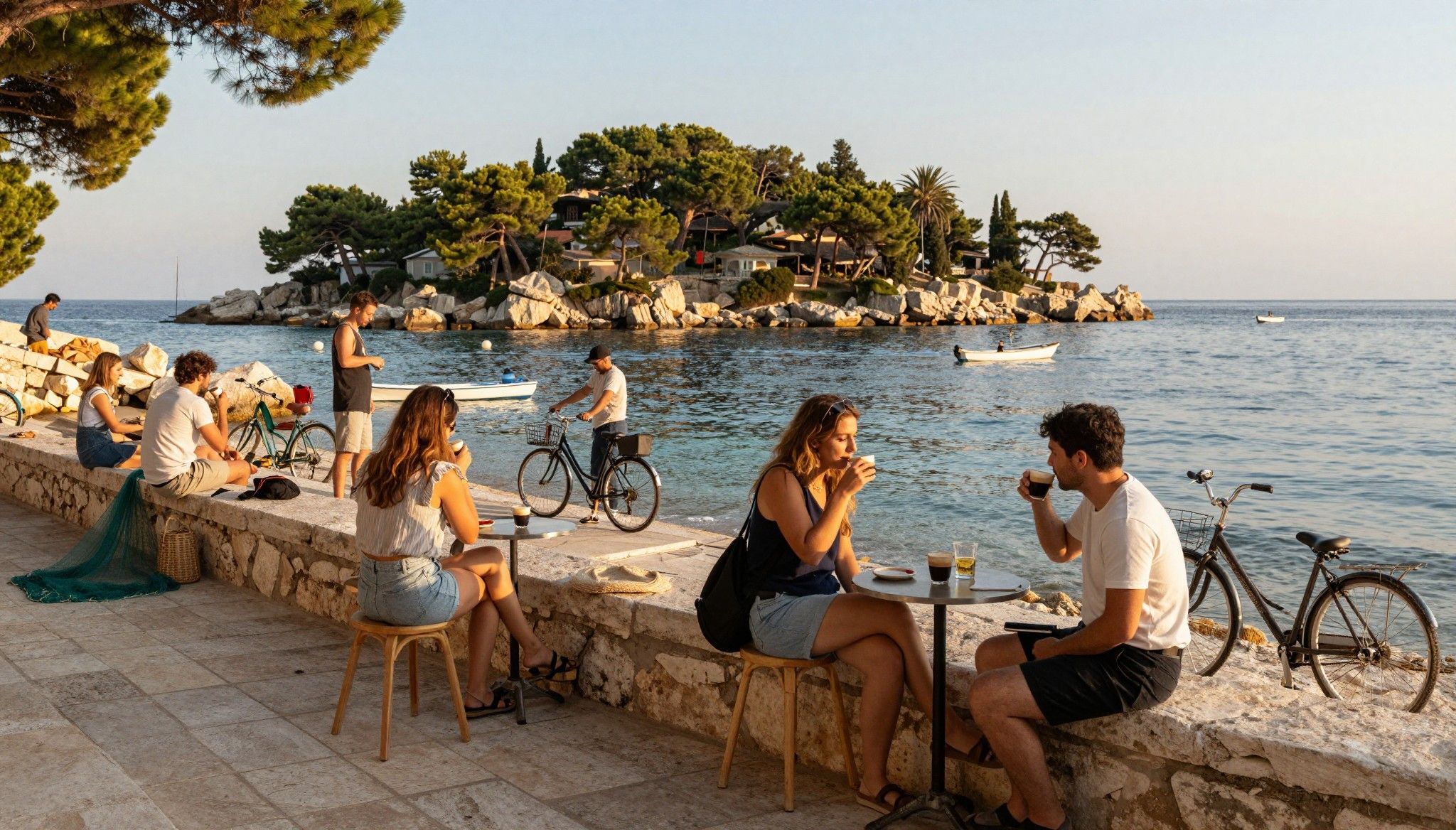
Diligent Dreams: Permits, Transfers & Real Life in Greece
Fall for Greece’s seasonal life, then do rigorous local due diligence — title checks, AADE/myPROPERTY filings and permit packs are essential to protect lifestyle investments.
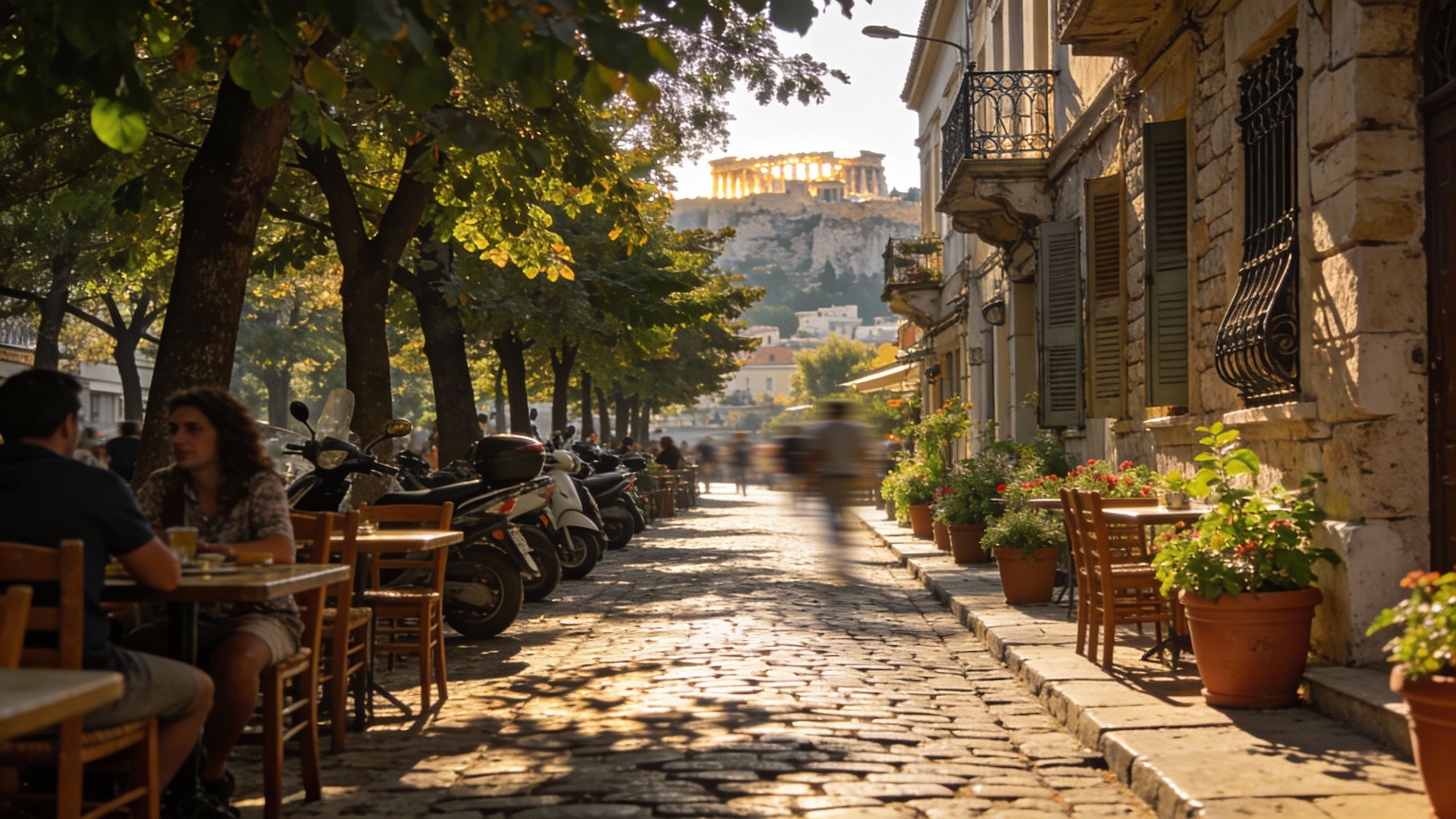
Imagine waking to the smell of strong coffee and thyme on a breeze that has already warmed the limestone streets. In Athens you’ll hear scooters along Koukaki and the clink of cups at Café Avissinia; on Naxos a fisherman hauls his net while nearby terraces host tables of late-risers. Greece is a country of seasonal rhythms—slow Sundays and brightmarket mornings—where a home becomes an invitation to live with the sea, olive groves and neighbours who know your name.
Living the Greece lifestyle: senses, seasons and streets
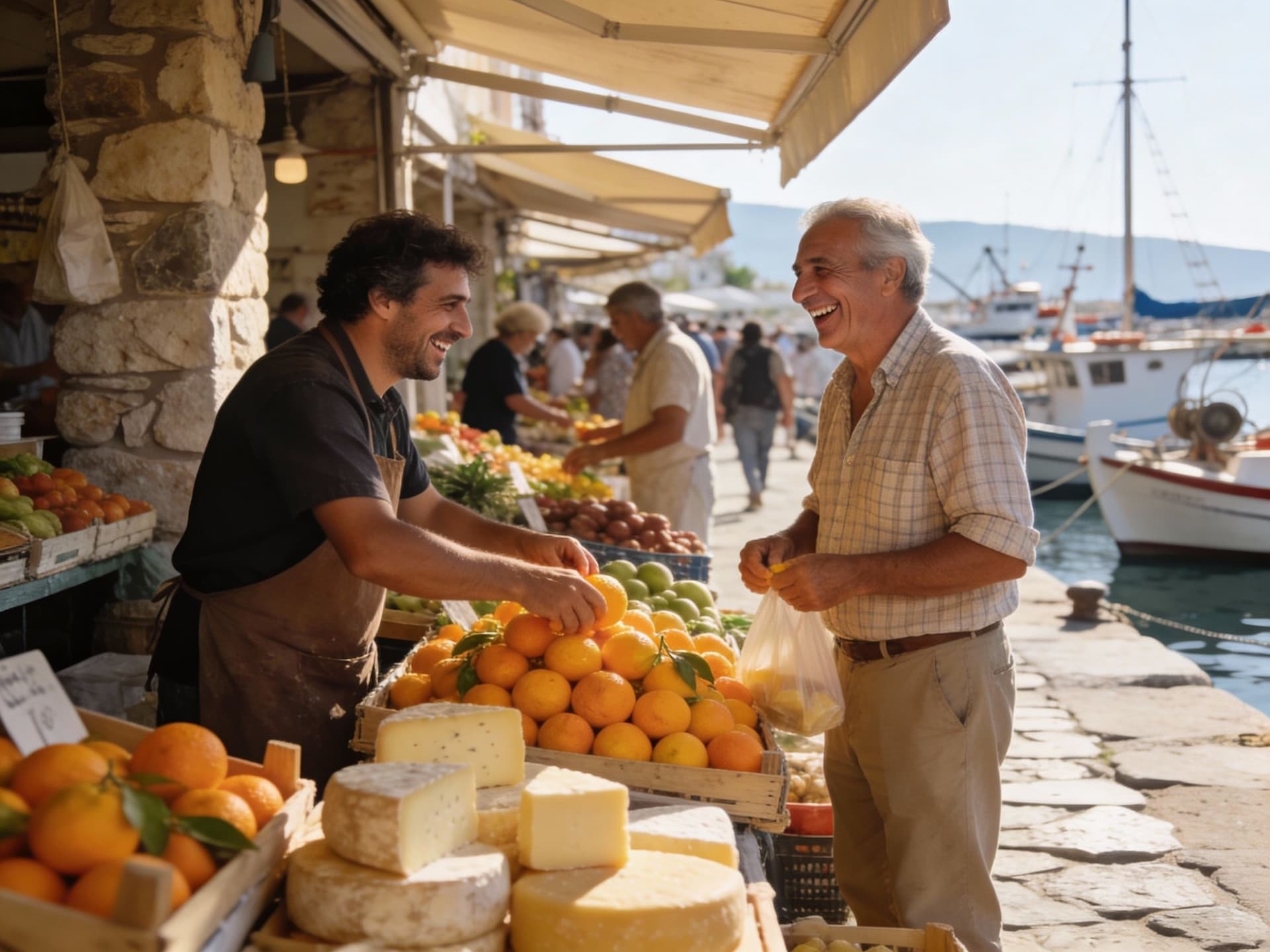
Greece is not one life but many: island afternoons of salted hair and late dinners, mountain villages scented with woodsmoke, and city neighbourhoods where contemporary galleries sit beside bakeries selling bougatsa. The daily rhythm shapes what you buy: a small apartment in Plaka is about morning walks under plane trees; a stone house in Mani is about thermal comfort and thick walls that age like the landscape.
Neighbourhood spotlights: Athens, Chania and Cycladic edges
Start with Koukaki and Pangrati in Athens — narrow streets that host tiny tavernas, second‑hand bookshops and welcoming apartment courtyards. In Chania’s old town you’ll wake to fishermen mending nets by the Venetian harbour; in lesser‑known Cycladic towns like Sifnos’ Apollonia you’ll find ceramics studios where locals gather after market. Knowing which street will suit your life is as important as the square metres.
Food, markets and weekend rituals
Picture Saturday at Varvakios Market stocking up on citrus and feta, or an island morning buying tomato‑sweetened cucumbers from a stall on the waterfront. Eating in Greece is local, seasonal and public; your kitchen choices (and balcony size) will matter far more than an extra bedroom when you dream of hosting slow dinners and marketsourcing produce.
- Lifestyle highlights to look for when scouting neighbourhoods:
- A morning café on your street (Koukaki: Taste the espresso culture).
- A weekly farmers’ market within walking distance (Chania central market).
- Access to seasonal outdoor life (Cyclades: sheltered coves, terraces and shaded courtyards).
Making the move: practical considerations with a sustainability lens
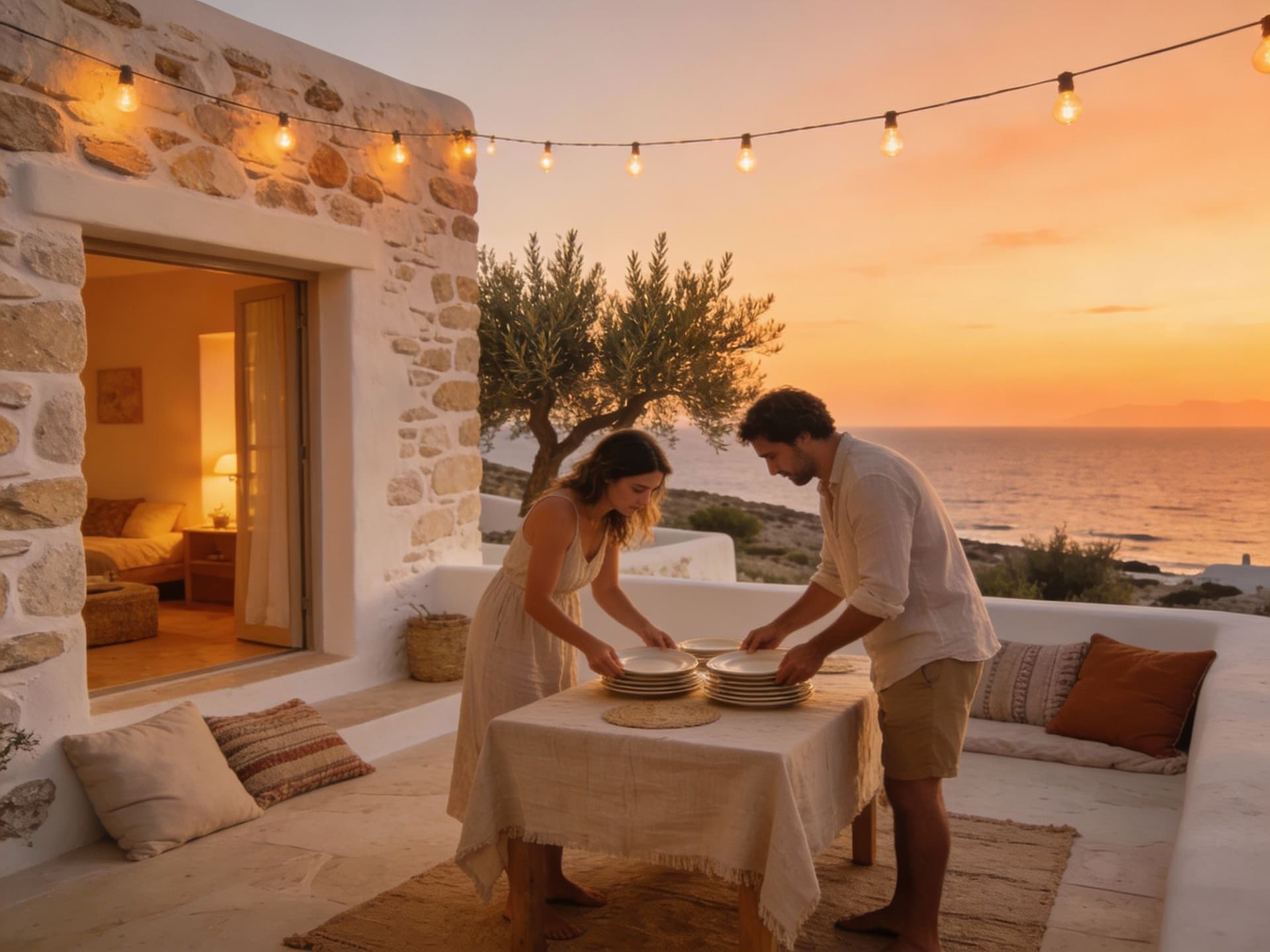
The warm, sensory life in Greece is real — but so is paperwork. Recent digital reforms mean many transfer declarations must now be filed through AADE’s myPROPERTY portal, shortening waits and clarifying tax obligations. Still, bureaucracy and local zoning quirks (especially on islands and in protected coastal zones) reward patience, a local lawyer and an agent who understands conservation rules and renewable possibilities.
Property styles and how they shape living
A neoclassical Athens flat offers proximity and a courtyard life; a renovated Cycladic house offers indoor‑outdoor flow, whitewashed walls and thermal simplicity. Look beyond cosmetics: thick stone walls, natural ventilation, orientation and a shaded courtyard will lower running costs and support a low‑impact life. For buyers who value stewardship, prioritise properties with solar potential, rainwater capture space and mature landscaping that supports biodiversity.
Working with local experts who speak both law and lifestyle
Hire a bilingual notary and a local lawyer early; both are essential. Use an agent who has saved clients from zoning surprises and who can introduce trusted architects familiar with Natura 2000 and coastal setback rules. Sustainable retrofits need early checks: permitted PV systems, septic compliance and building‑permit histories can make or break a renovation plan.
- Practical steps to blend lifestyle priorities with due diligence:
- 1. Commission a land registry and cadastre search to confirm title and any encumbrances.
- 2. Ask for the building permit pack (asbuilt plans, last legalisation, energy efficiency certificates) before signing.
- 3. Check AADE/myPROPERTY submission timelines and transfer tax calculation with your notary to avoid surprises.
Insider knowledge: market realities, red flags and contrarian tips
Data shows Greek property prices have been rising across regions; Athens and Thessaloniki lead urban growth while islands feel pressure from tourism‑driven demand. That makes two truths true at once: value exists in lesser‑known mainland towns, and coastal privacy can come with regulatory complexity. Use numbers to test feelings: if a price jumps beyond local comparables, ask why — permit issues, short‑term rental restrictions, or simply a glossy listing.
Cultural realities and what expats wish they’d known
Language gaps are real but bridgeable: a little Greek opens doors at markets and with neighbours, yet many services operate in English, especially in Athens and the islands. Expect a slower tempo on paperwork and a warmer one in cafés. Neighbours matter — from shared courtyards to village assemblies — so seek introductions and attend a local festival before you commit to a long‑term purchase.
Long‑term stewardship: how lifestyle choices affect the property’s future
Think beyond resale: choose materials and systems that age kindly — lime plaster, local stone, modestly sized solar arrays, and native planting reduce maintenance and support biodiversity. A home that’s kind to the landscape also stays desirable: municipalities increasingly reward low‑impact renovations with simpler approvals and incentives.
- Common red flags to spot during due diligence:
- Missing building permits or post‑1983 illegal extensions that require costly legalisation.
- Properties inside protected zones (Natura 2000/coastal setbacks) with limited retrofit options.
- Unclear ownership chains that need a cadastre/land registry deep dive.
Conclusion: fall in love, then check everything twice
Greece rewards patient buyers: a life lived around markets, sea and community is within reach, but the practical work — title checks, permit packs and tax filings — is non‑negotiable. Start with an agent who knows the local rhythm, a notary who knows the law, and an architect who understands how to make a home gentle on the landscape. Then plan a summer visit, taste the olive oil, and see which street feels like home.
Danish relocation specialist who moved from Copenhagen to the Algarve; supports families with seamless transitions, local partnerships, and mindful purchases.