Permit & Title Pitfalls in Cyprus That Cost Buyers
Fall for Cyprus’ light and lanes—but do precise due diligence: title checks, permit history, VAT classification and local municipal quirks guard your lifestyle and investment.
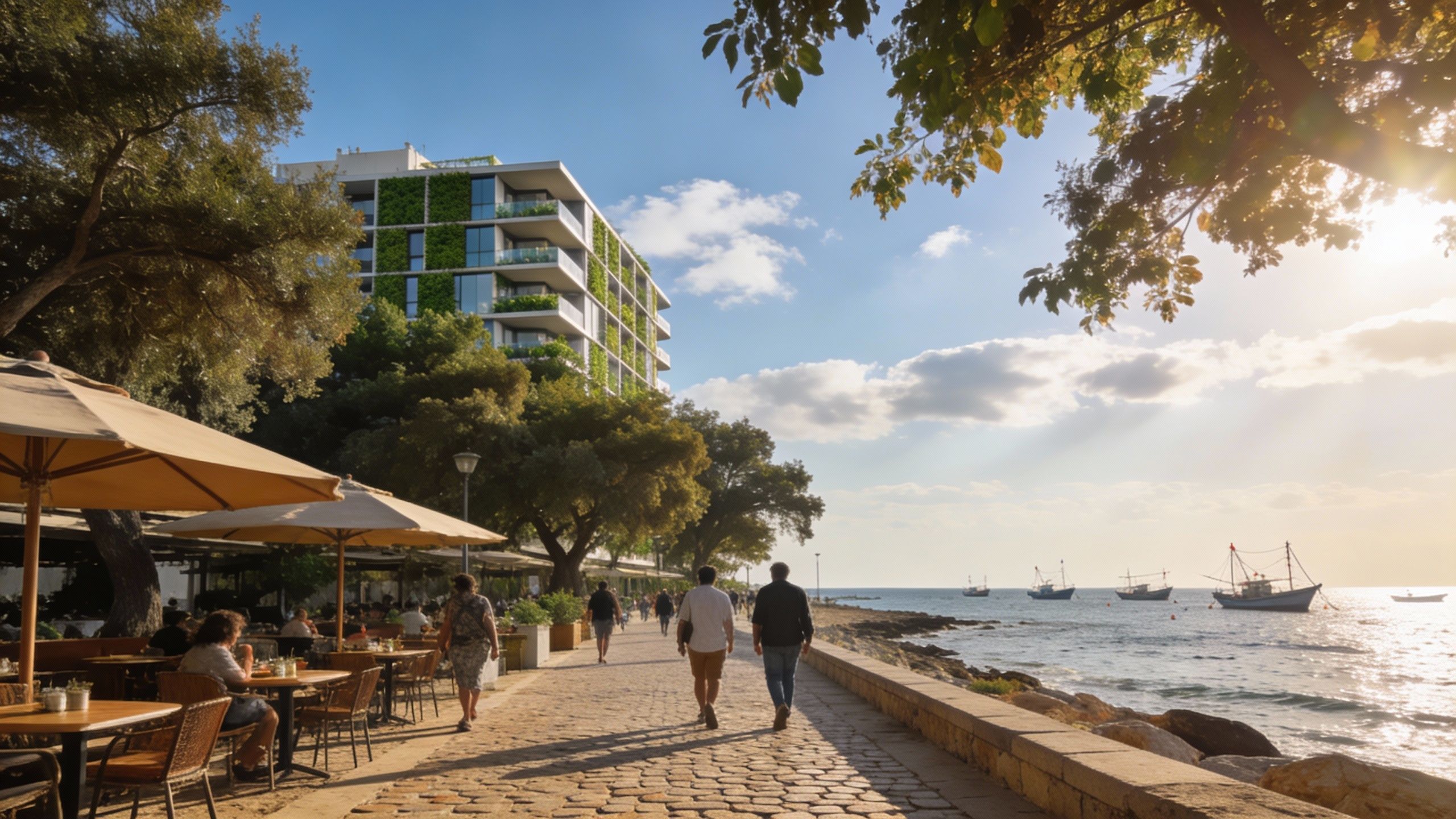
Imagine waking to a sun-warmed terrace in the hills above Paphos, the scent of citrus and sea on the breeze, and a quiet lane where neighbours still barter over the catch at dawn. Cyprus lives like that—slow, bright and tactile—but beneath the golden light lie small, technical traps that turn romantic purchases into bureaucratic headaches. This piece pairs place with process: the scents, streets and cafés you’ll fall for, and the precise permit and title checks that protect both your money and the lifestyle you crave.
Living Cypriot Days: sunlight, cafés and the rhythm of place
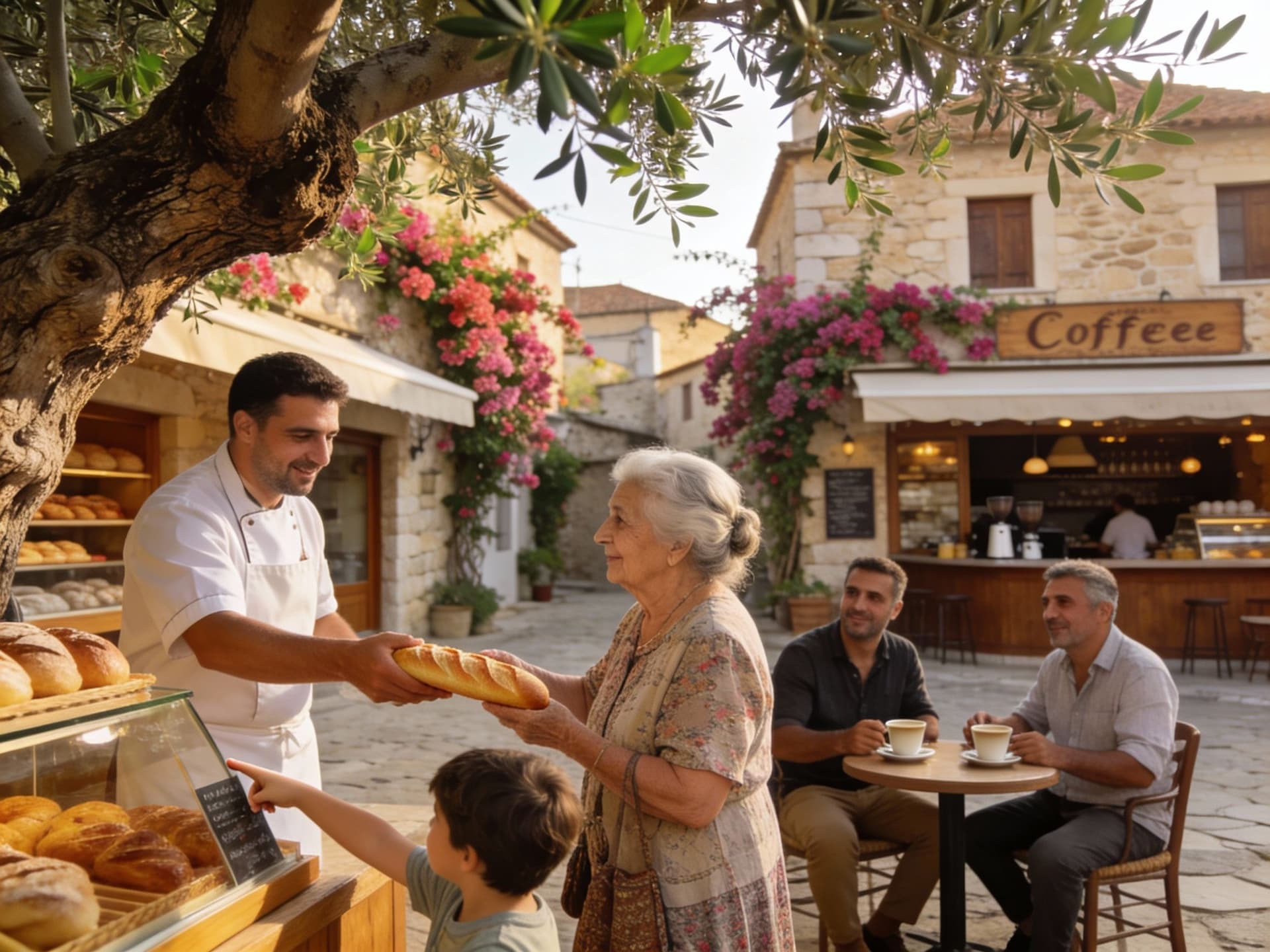
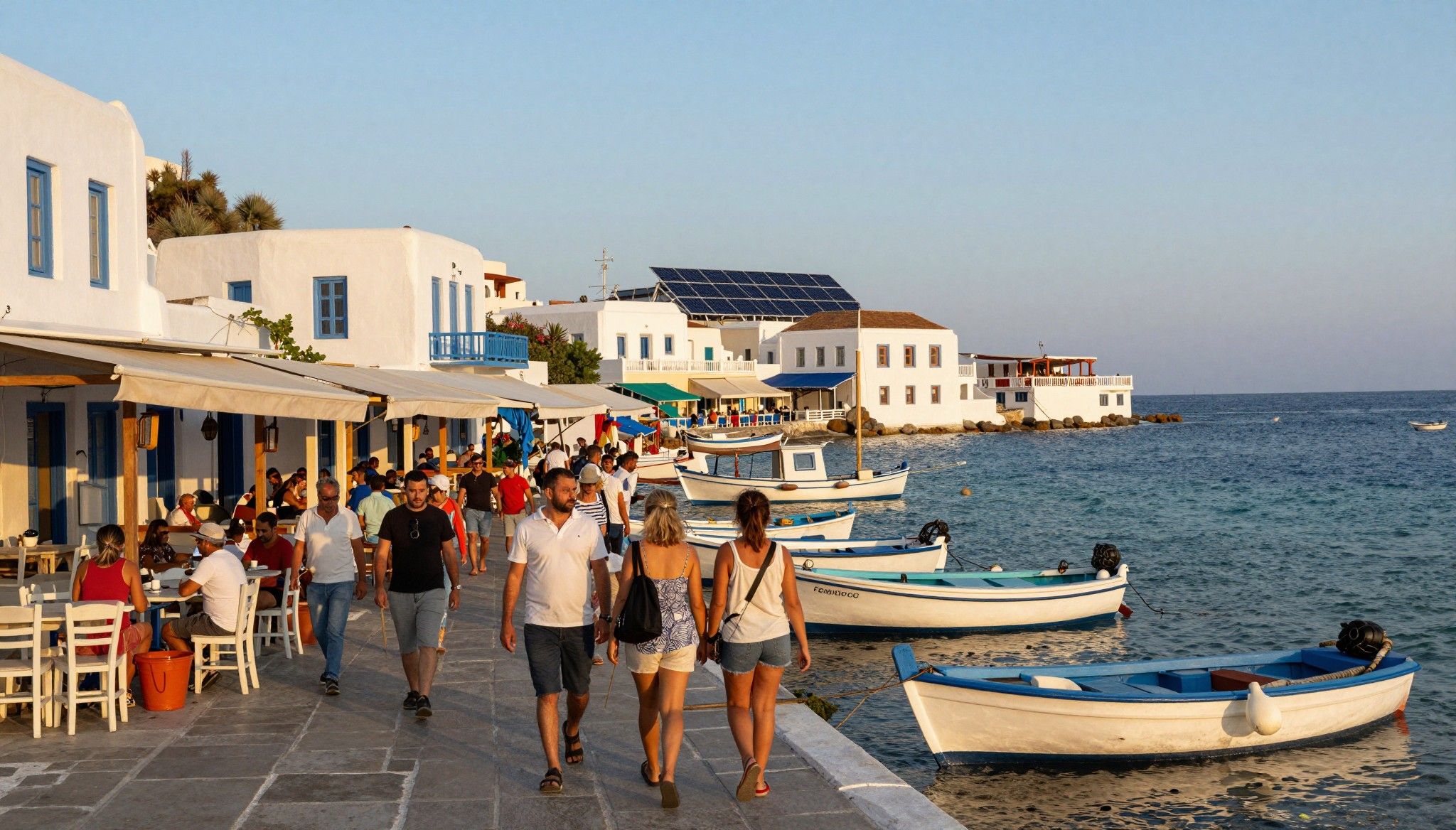
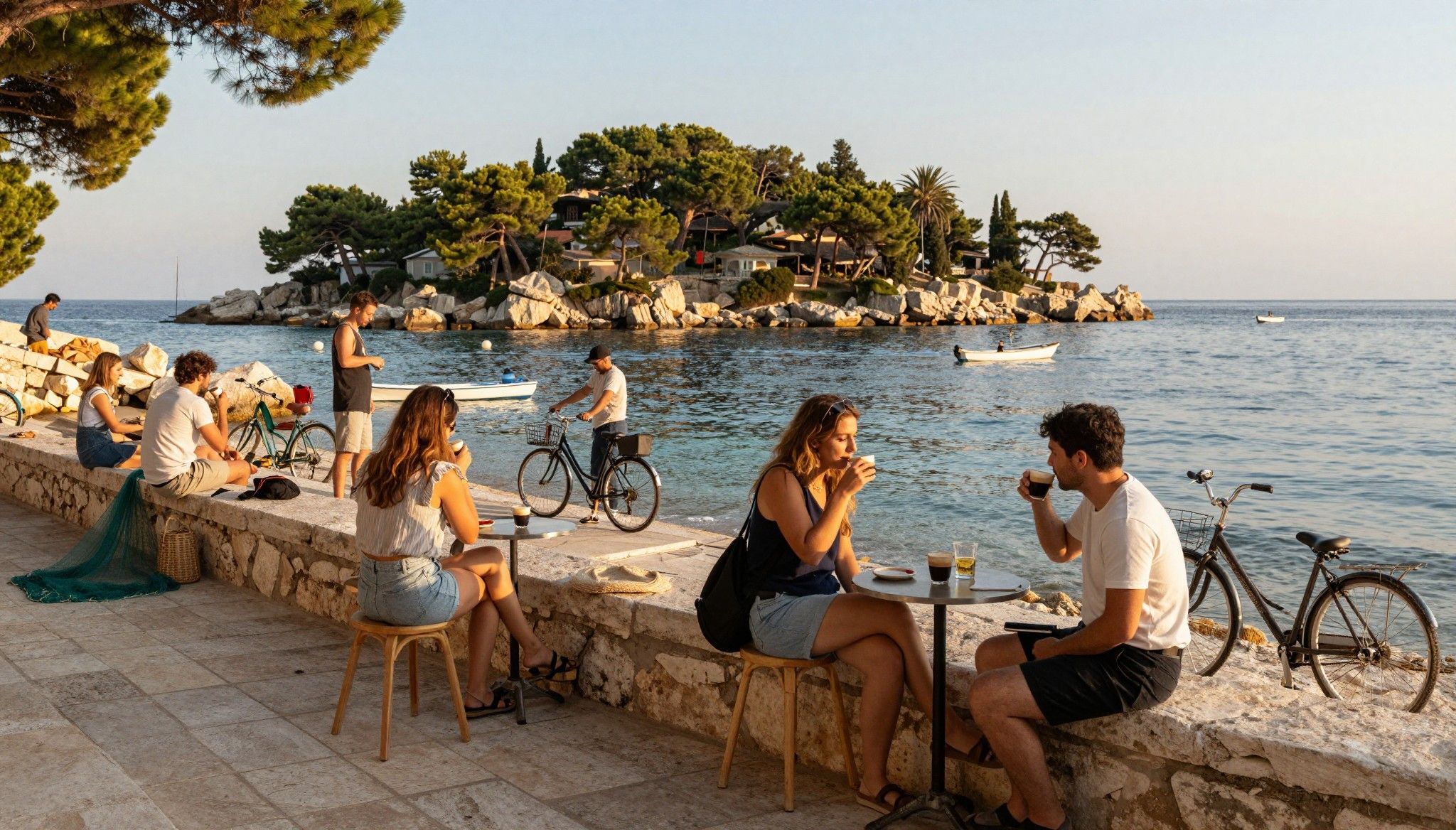
Cyprus is a stitched-together island: golden beaches like Fig Tree Bay, olive-dusted interior villages, and small coastal towns where fishermen’s nets hang to dry. Mornings are thick with café culture—strong Greek coffee under striped awnings—while evenings bloom into long dinners of meze and local zivania. For buyers, the allure is tangible: outdoor rooms, year-round light and a social calendar centered on food, church festivals and the sea.
Paphos lanes, Limassol promenades and Nicosia’s quieter courtyards
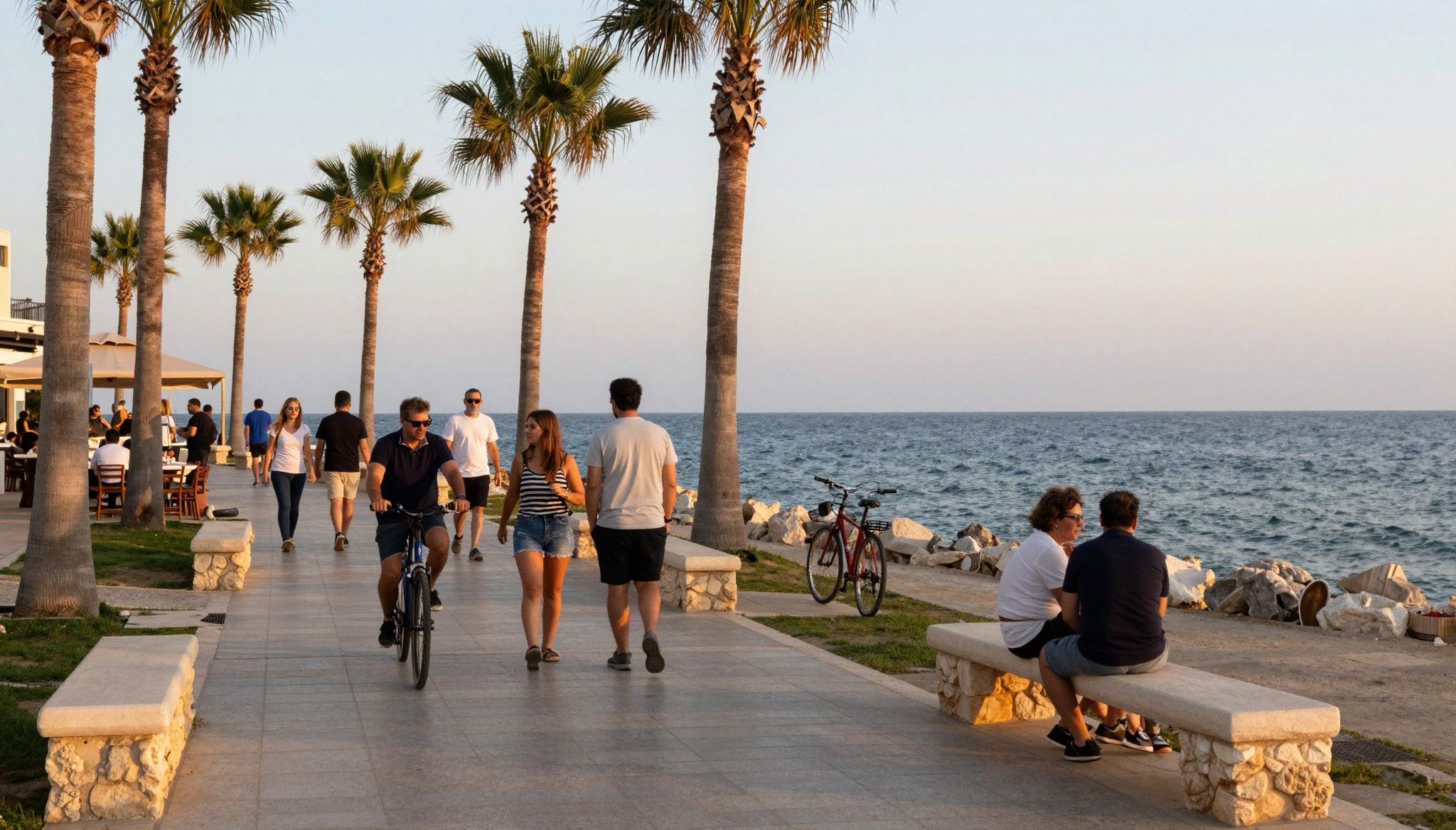
Walk the old quarter of Kato Paphos at dawn and you’ll see local life: small bakeries on Tomb of the Kings Avenue, cafés on Ithakis Street, and homeowners pruning bougainvillea from stone terraces. Limassol’s Molos promenade offers sea views and an active expat scene, while Nicosia’s Ledra and old-town courtyards reward the curious with courtyard tavernas and restored stone homes. Each place shapes the kind of property that suits your days—an apartment for seaside sociability or a stone house for quiet seasonal living.
Food, ritual and seasonal life: where the island’s calendar meets your home
Seasons in Cyprus are lived outside. Spring markets flood with wild greens and halloumi; late summer brings small festivals for grape harvests; winter is for wood-fired ovens and citrus-picking. These rhythms affect practical choices: a courtyard that shades the hottest hours, cisterns or rainwater capture in drier districts, and insulation for surprisingly cool inland winters. Buying here is choosing a home that participates in the island’s cycle, not resists it.
- Day-to-day highlights to scout during visits: • Espresso at To Kima in Kato Paphos, then a walk along the archaeological harbour • Sunset aperitivo on Limassol’s Molos, noticing local apartment balconies and communal gardens • Sunday produce at Nicosia’s Laiki, meeting neighbours and testing local supply chains • A morning on Lara Bay to feel the remoteness and protection around coastal coves
Making the move: permits, title quirks and the practical seam of buying

The romance of terraces and taverna life meets formal process at the Land Registry. Foreign buyers—especially non‑EU nationals—must follow permission procedures and confirm title status before paying serious deposits. Small, routine missteps (assumed title, missing permits for extensions, or VAT vs resale classification) are where dreams turn costly. Know exactly which documents you need and which authorities to ask.
Common permit surprises that slow closings
Buyers often discover an unpermitted extension, missing building permit, or a property declared as ‘change of use’ without proper municipal approval. These issues stall title issuance and can trigger retroactive compliance costs. Where VAT has been applied on a new build, transfer fees may be exempt; but if VAT was not charged, transfer fees and stamp duty will apply and must be calculated precisely at registration.
- Six-step pre-offer checklist (practical + lifestyle)
1) Request a recent Land Registry search and confirm the seller’s legal right to sell. 2) Check planning permission history with the local municipality for any additions. 3) Verify whether the sale is VATable (new-build) or resale—this changes transfer fees and your negotiating leverage. 4) If you’re non‑EU, submit application COMM 145 with the District Administration; expect 2–3 weeks for decision. 5) Ask for utility clearances and municipal rates history to avoid outstanding bills. 6) Inspect drainage, water harvesting potential and solar access if you care about low‑impact living.
Insider knowledge: what expats wish they’d known
Expats often assume English will carry them through paperwork; it helps, but some technical forms and older deeds are Greek only. Also, the Land Registry’s valuation at transfer can differ from the sale price, affecting transfer fees. Local agents who’ve lived in a village can spot historic water rights or communal land claims long before lawyers do—these local tidbits protect your lifestyle as much as your title.
Long-term stewardship: sustainability as due diligence
If quietness, nature and low bills matter, treat sustainability features as legal checkpoints. Confirm rooftop solar permits, check for shading rights that limit PV output, and request energy performance certificates where available. Ask whether rainwater cisterns or greywater systems were permitted. These features not only lower running costs but are often tied to municipal approvals and must be transferred correctly.
- Red flags to walk away from or investigate deeply: • No title deed or 'pending issuance' without clear pathway • Additions built without municipal permits • Discrepancy between sale price and Land Registry valuation • Unclear VAT status on new-build sales • Outstanding municipal or utility debts tied to the plot
How local advisors save more than they cost
A lawyer fluent in both languages and a locally rooted agent will flag village‑level quirks—shared access lanes, traditional common‑use olive groves, or communal drainage—that never make it into online listings. They also manage permissions for retrospective legalisation where possible, and help structure purchase contracts with phased payments tied to permit outcomes. For buyers who want a home that fits the island’s seasons and customs, that expertise is essential.
- When to push, when to walk away: decision guide
1) Push: seller provides a clear path to remedy an unpermitted addition with documented municipal approvals in process. 2) Push: VAT status ambiguous but resolvable with seller warranties and price adjustment. 3) Walk: title clouded by family disputes or long-standing communal claims. 4) Walk: material structural risks revealed on survey and no realistic budget for repair. Your emotional attachment must be balanced with these realities.
Before you sign, align lifestyle with legal certainty: verify title, confirm permits, check VAT and transfer-fee exposure, and engage local legal counsel. These steps protect not just an investment, but the olive-tree mornings and harbour-side evenings you came for.
Conclusion: Love the life, do the checks. Fall for Cyprus first—the sea-salted air, village festivals and slow cafés—and then protect that life with careful due diligence. Start with a Land Registry search, a municipal permit check, and a sustainability review (solar, water, shading). Then let a grounded local agent show you the lanes where neighbours bring you fresh figs—secure in the knowledge your title matches the life you imagined.
British expat who traded Manchester for Mallorca in 2017. Specializes in guiding UK buyers to luxury Spanish estates with clear navigation of visas and tax.