Cyprus Permits & Lifestyle: Work with Place, Not Against It
Fall in love with Cyprus’ rhythms—then protect them: plan around HIPPODAMOS permits, local zoning, and eco-upgrades to ensure a lifestyle-aligned purchase.
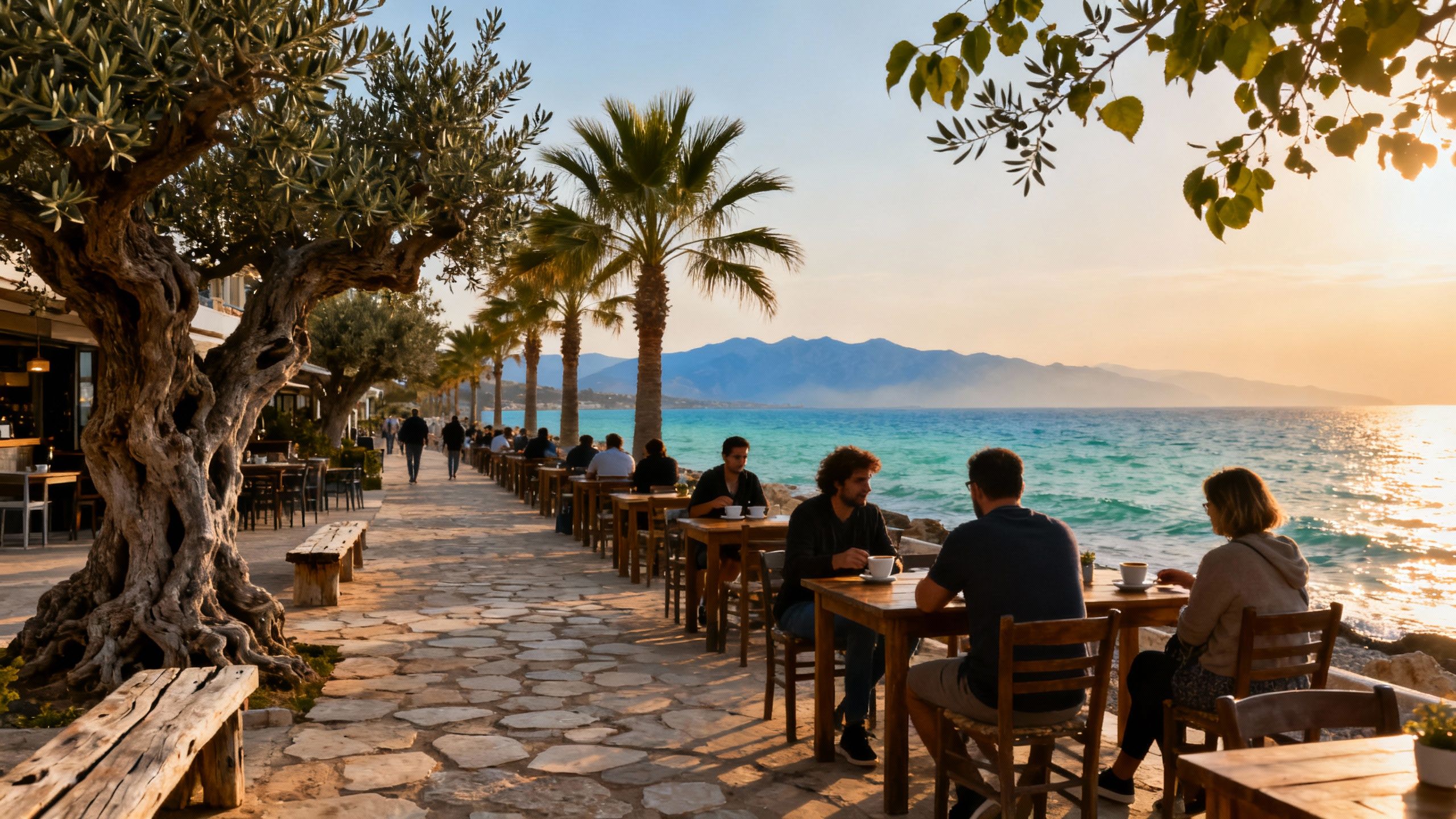
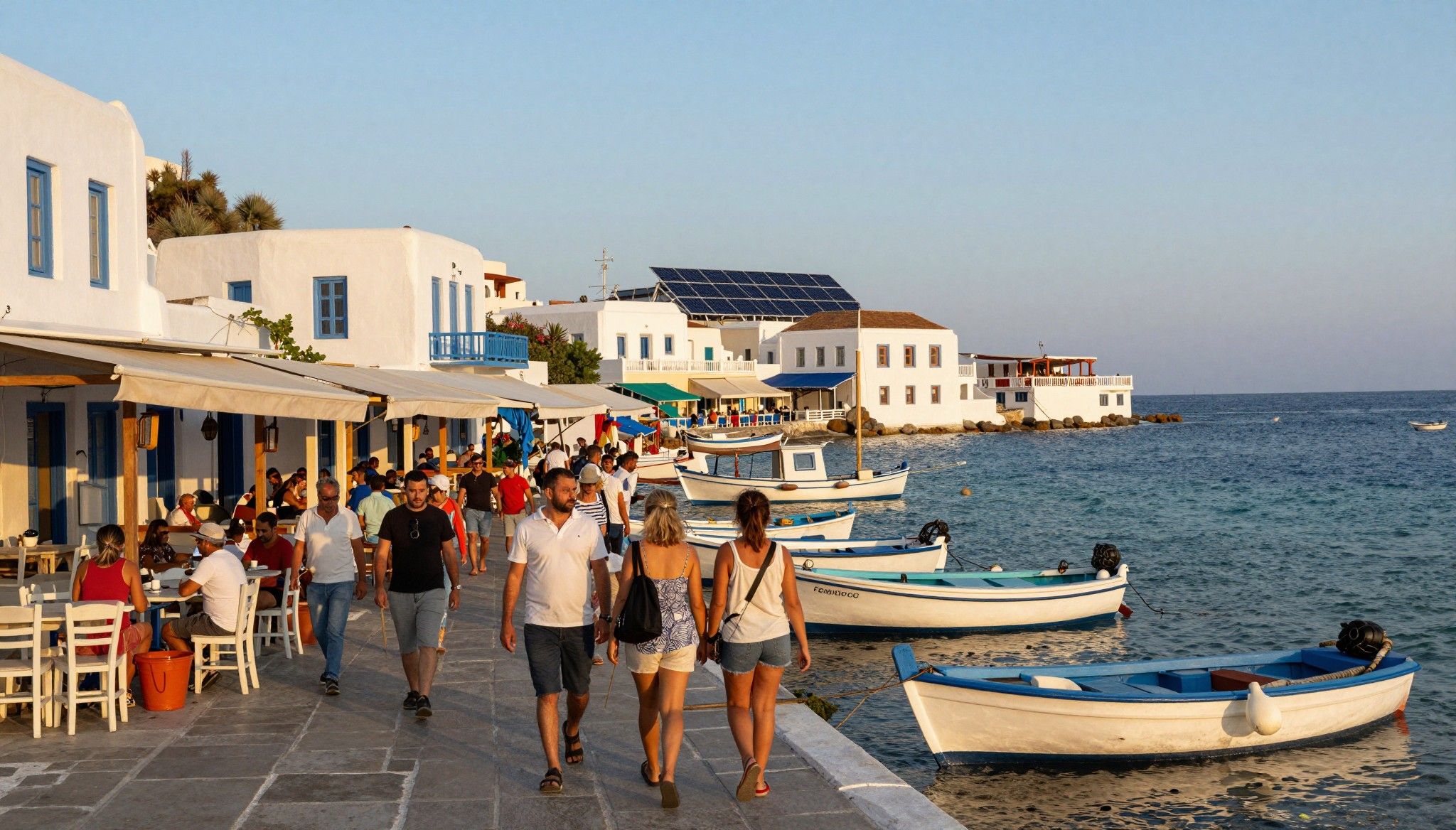
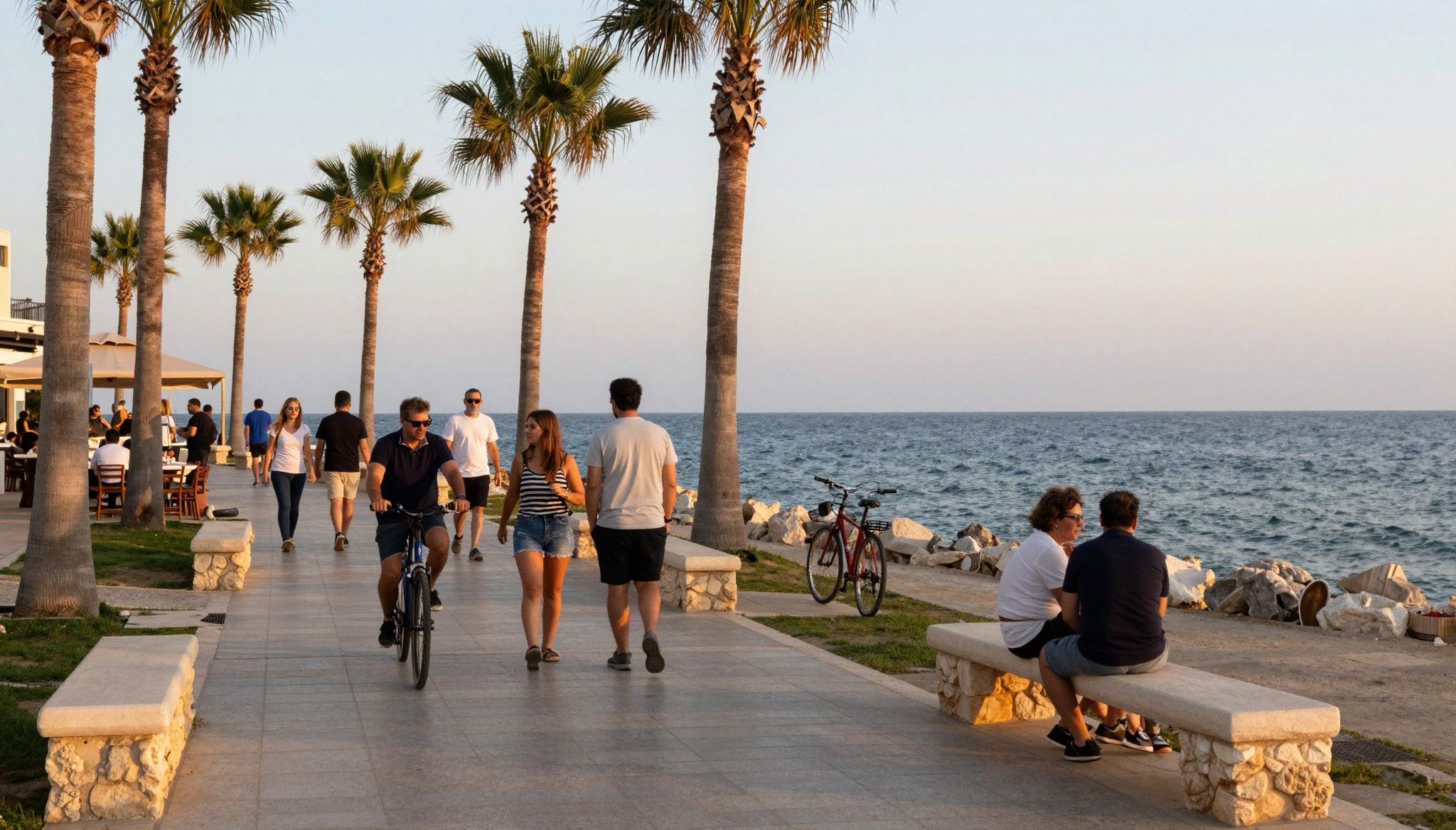
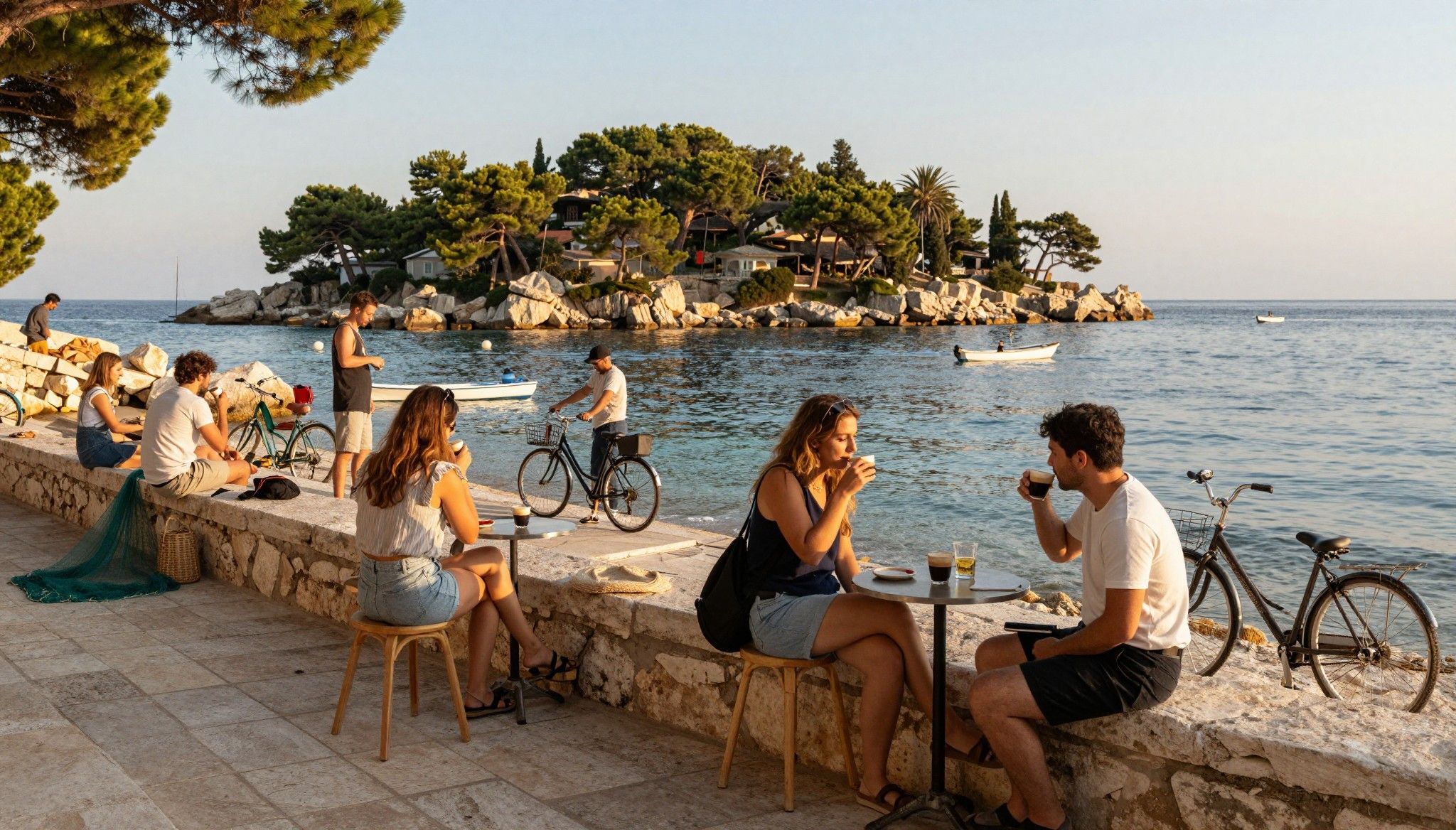
Imagine morning light on terracotta roofs in Limassol, the smell of freshly baked halloumi from a market stall, and an afternoon swim at a quiet cove off Paphos. Cyprus greets you slowly — a Mediterranean rhythm of cafés, village squares and wild rosemary-scented hills — and that way of life shapes every practical decision you’ll make when buying here.
Living Cyprus: the small pleasures that shape a purchase
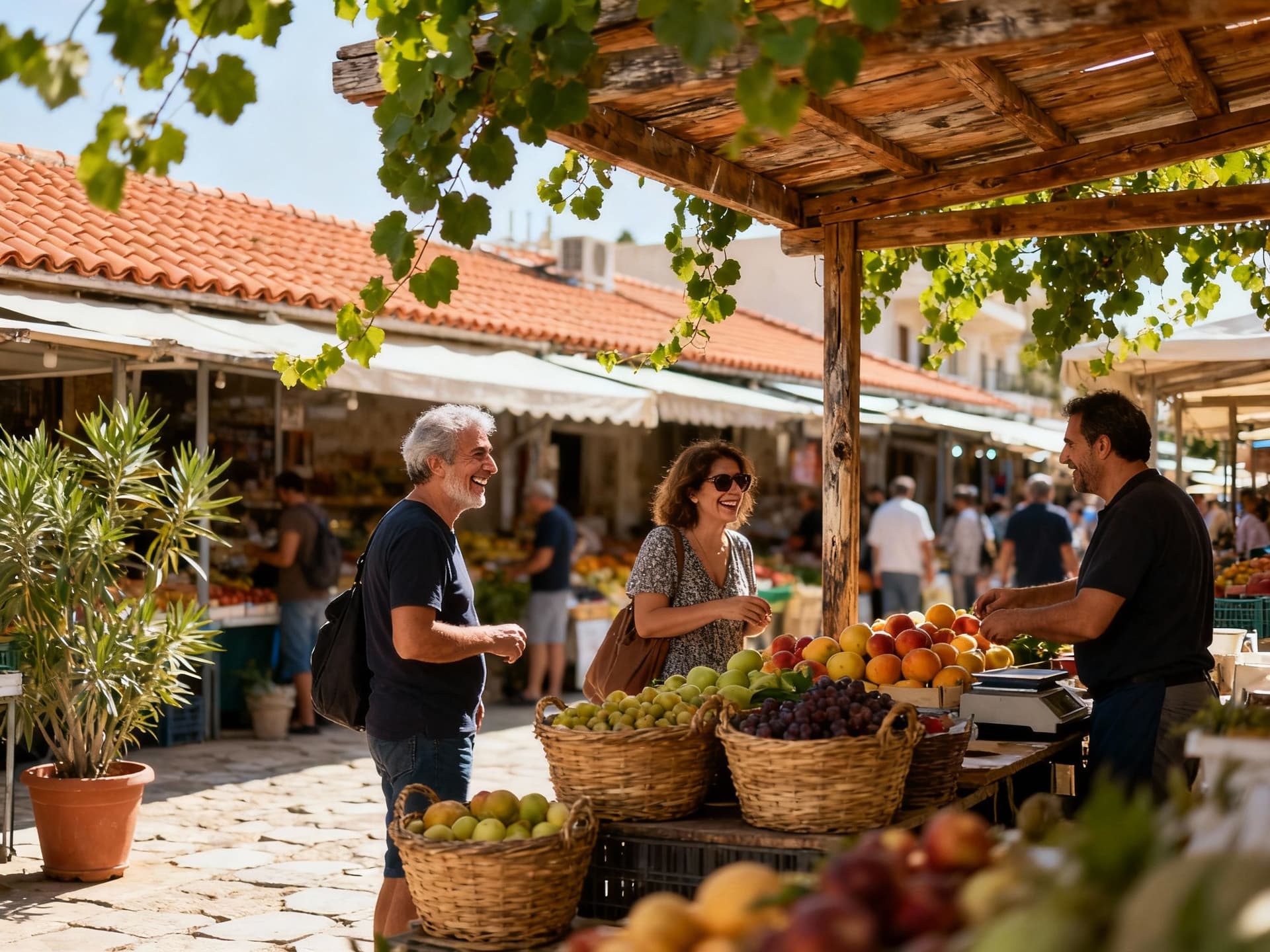
Cyprus is a study in contrasts: luminous coastal promenades, sleepy mountain villages in the Troodos, and compact medieval streets in Nicosia. Daily life leans outdoor — long coffees at Fig Tree Street cafes in Nicosia, late-night meze by Limassol Marina, and weekend foraging for capers and wild thyme along Akamas Peninsula — and those rhythms determine what kind of home will feel right for you.
Limassol & Germasogeia: seaside life, social energy
In Limassol you’ll find lively seafronts, international schools and contemporary low-rise developments with shaded courtyards. Streets like Anexartisias pulse with boutique cafés and bakeries; quieter pockets near Germasogeia offer villas tucked behind olive groves. For an eco-minded buyer, look for properties with photovoltaic-ready roofs and mature, waterwise gardens that suit long, dry summers.
Troodos foothills & traditional villages: cool air, craft traditions
If you crave pine-scented walks and stone cottages, villages like Platres and Omodos reward slow living. Here stone walls, timber shutters and shaded courtyards are not just pretty — they’re local responses to climate that reduce energy needs. Expect seasonal life: snowy winter mornings and crisp autumn afternoons where passive heating and insulation matter more than a sea view.
- Lifestyle highlights worth factoring into a purchase:
- Morning espresso on Ledra Street, Nicosia — central living, great walkability
- Sea-swim at Lara Bay, Akamas — remote coves that reward off-grid homes
- Saturday markets in Limassol and Larnaca — perfect for thinking about kitchen gardens and food proximity
Making the move: permits, planning and the new digital reality
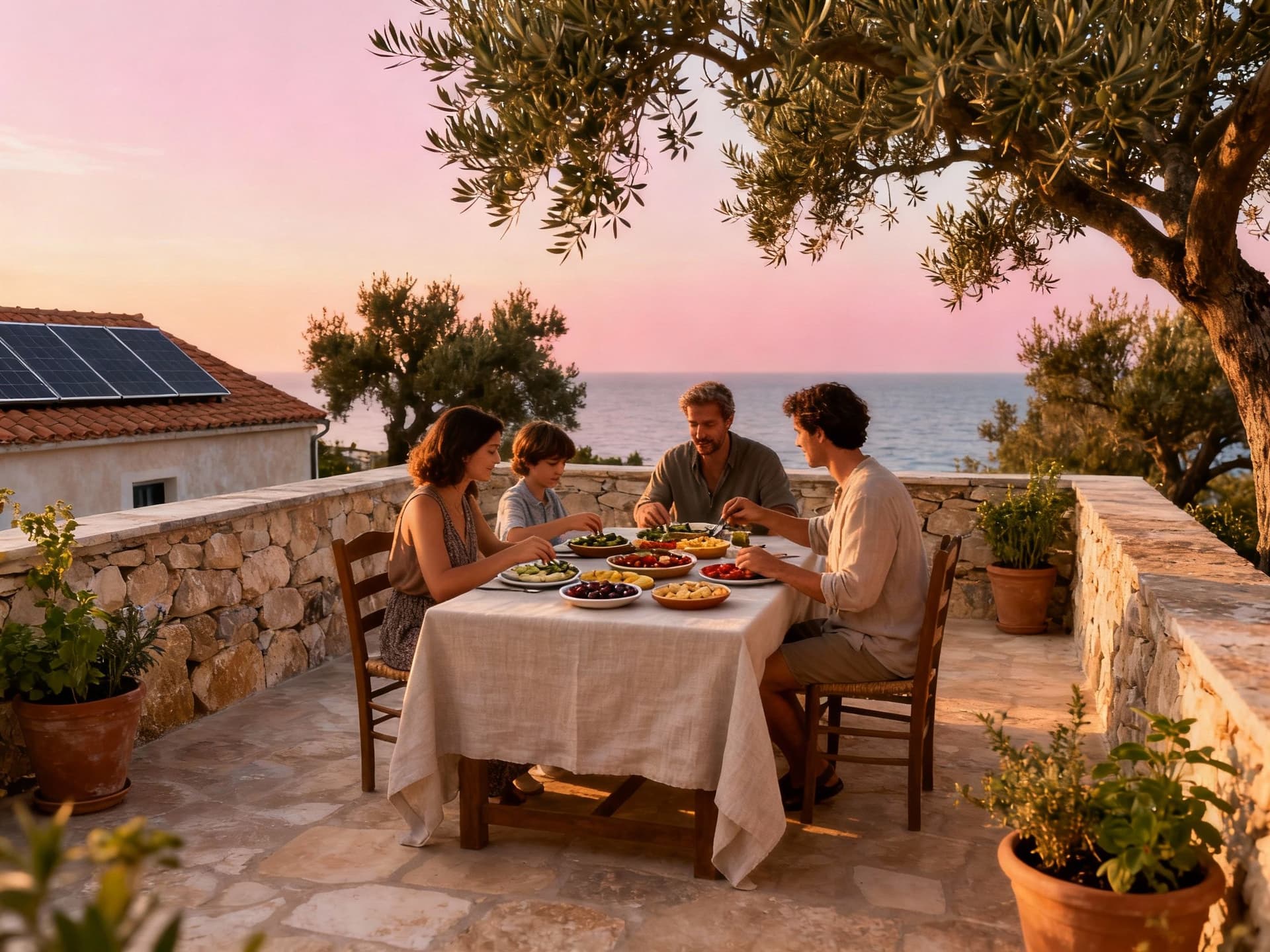
The dream of a sunlit terrace meets the practicalities of permits. Since July 2024 Cyprus has moved permit submissions to the HIPPODAMOS electronic system, changing how quickly approvals are lodged and who to brief. That matters: whether you’re renovating a Venetian townhouse in Paphos or adding a rooftop solar array, applications and directives now travel through a digital channel that your architect and agent must master.
Property types and what they mean for life (and paperwork)
Stone village houses come with heritage quirks and stricter planning constraints; modern coastal developments often include shared amenities and communal management rules. If you want an eco-upgrade — rainwater harvesting, photovoltaic panels, or natural swimming pools — check early whether the local planning zone allows modifications and whether the building has a clear title and approval history.
How local experts protect the lifestyle you want
- Work with a local agent plus: 1) an architect versed in HIPPODAMOS submissions; 2) a lawyer who reads title deeds in English and Greek; 3) an energy assessor for solar and insulation feasibility; 4) a translator or bilingual notary when needed.
- A practical process you can expect:
- 1) Preliminary enquiry with planning authority; 2) HIPPODAMOS electronic application by a licensed professional; 3) review and conditions from district EOA; 4) building permit and certificate of approval before title deed issuance.
Insider knowledge: myths, seasonal timing and expat realities
A common myth: Cyprus is either eternally expensive or bargain‑cheap. In reality, micro-markets vary — seafront penthouses in Limassol sit in a different band to restored stone homes in Paphos. Recent growth and tourism recovery have supported demand, so timing your offer around local festivals and low-season quieter viewings can yield better negotiating room.
What expats wish they’d known
Most expats tell us the surprise is bureaucracy rhythm, not the paperwork itself: officials are helpful but follow prescribed channels. Learning a handful of Greek phrases, knowing municipal rhythms (markets, municipal council days) and scheduling visits outside high-summer festivals makes inspections and meetings smoother — and helps you spot community-minded neighbours who will shape your everyday life.
- Red flags and green flags to look for during due diligence:
- Red flag: missing Certificates of Approval or unclear building permit history.
- Red flag: properties in protected environmental zones without clear prior approvals.
- Green flag: evidence of recent energy upgrades, water-saving landscaping, and an approved plan for solar PV.
- A short checklist before you sign (step-by-step):
- 1) Request title deed status and any encumbrances; 2) ask for Certificates of Approval and building permits (HIPPODAMOS reference); 3) commission an energy and structural inspection; 4) confirm local zoning and any upcoming municipal plans that affect the plot; 5) get written confirmation of permissible eco-upgrades.
Long-term living: community, stewardship and seasons
Buying in Cyprus is a lifestyle choice as much as a transaction. Think beyond the purchase: who will maintain your garden in August, how neighbours use shared spaces, and whether the local council supports tree-planting or rainwater capture. Small stewardship choices — olive trees, greywater systems, native plant gardens — pay social and ecological dividends here.
Conclusion: let the place steer the process. Fall for the scented lanes, the slow café mornings and the dramatic coastlines — then bring local experts early, insist on HIPPODAMOS-backed permit trails, and make sustainability a condition in the contract. That way your Cyprus home will feel like it belongs to the landscape, not the other way around.
Danish relocation specialist who moved from Copenhagen to the Algarve; supports families with seamless transitions, local partnerships, and mindful purchases.