Cyprus: The Sustainable Due‑Diligence Checklist for Buyers
Fall in love with Cyprus’s sunlit daily rhythms while using a checklist of recent legal reforms, title checks and sustainability verifications to buy with confidence.
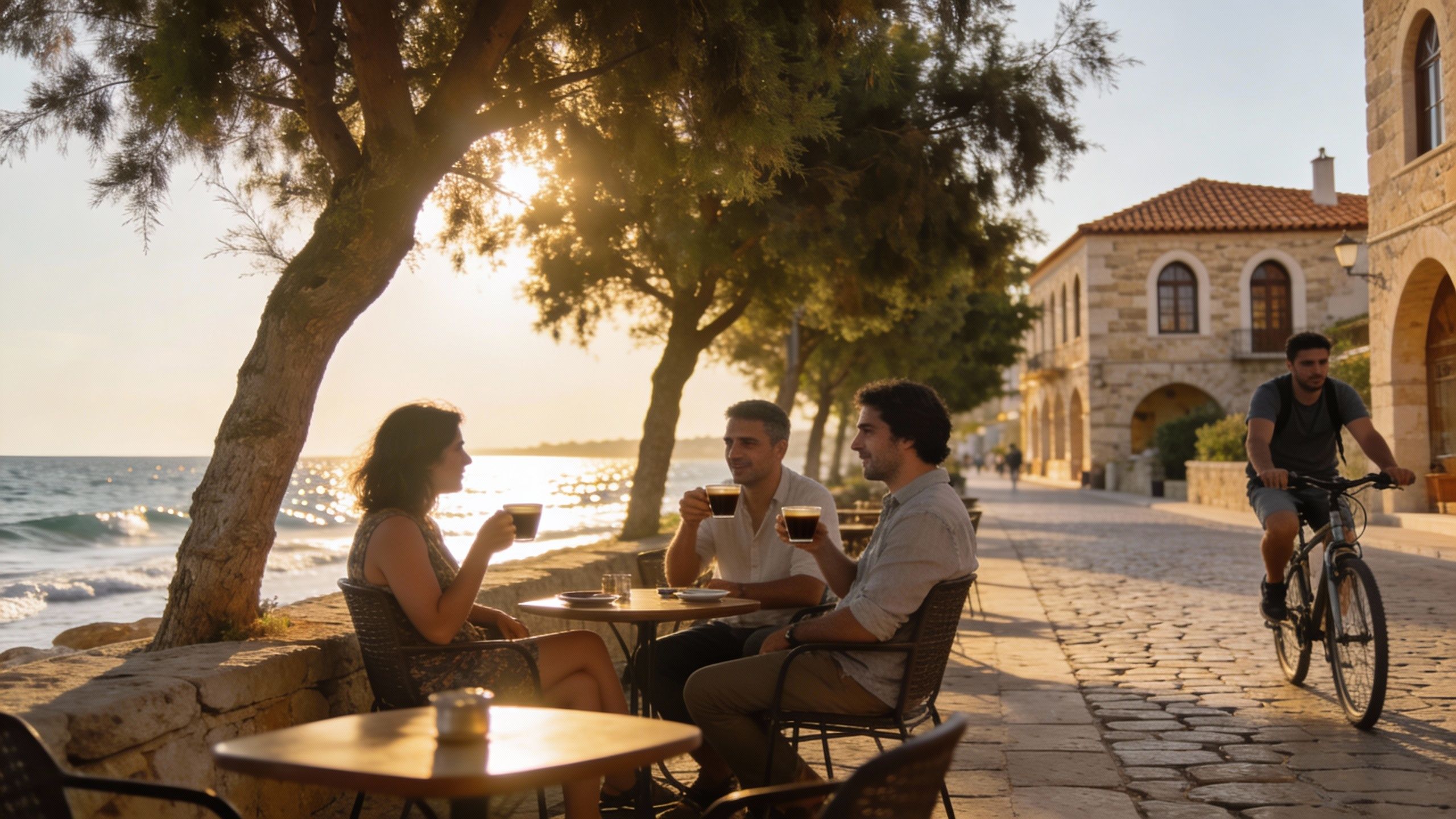
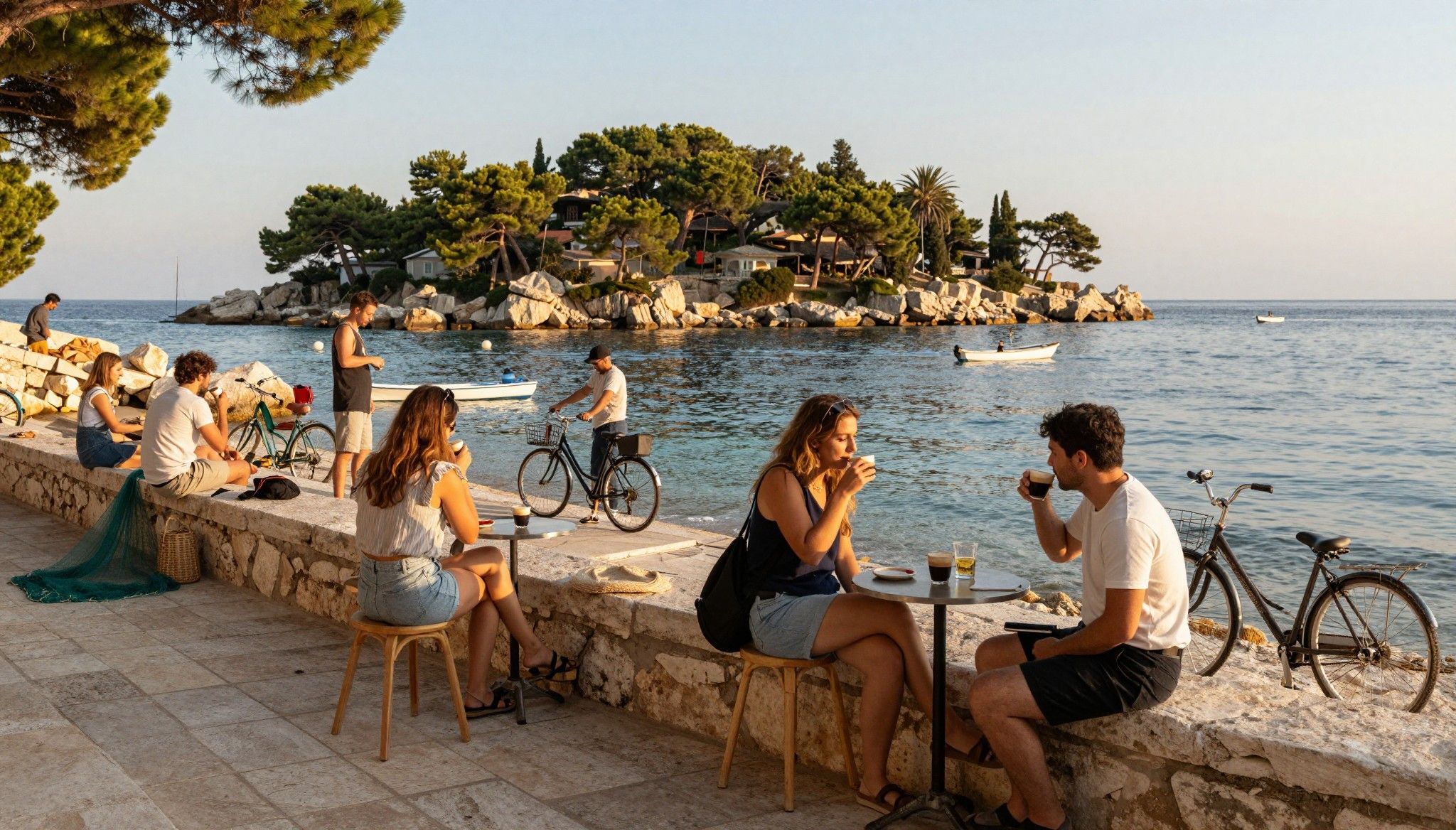
Imagine waking to the smell of citrus and sea salt, sipping espresso at a café on the corner of Old Nicosia’s Ledra Street, and planning renovations that honour local stone and shade. Cyprus feels like a slow, sunlit choreography: morning markets on the coast, siestas in mountain villages, and evenings of mezze by the water. But behind that easy warmth sits a legal and permitting landscape that has shifted in recent market shifts, and for international buyers a few unexpected rules can make or break the dream.
Living Cyprus: sunlit rhythms and neighbourhood character
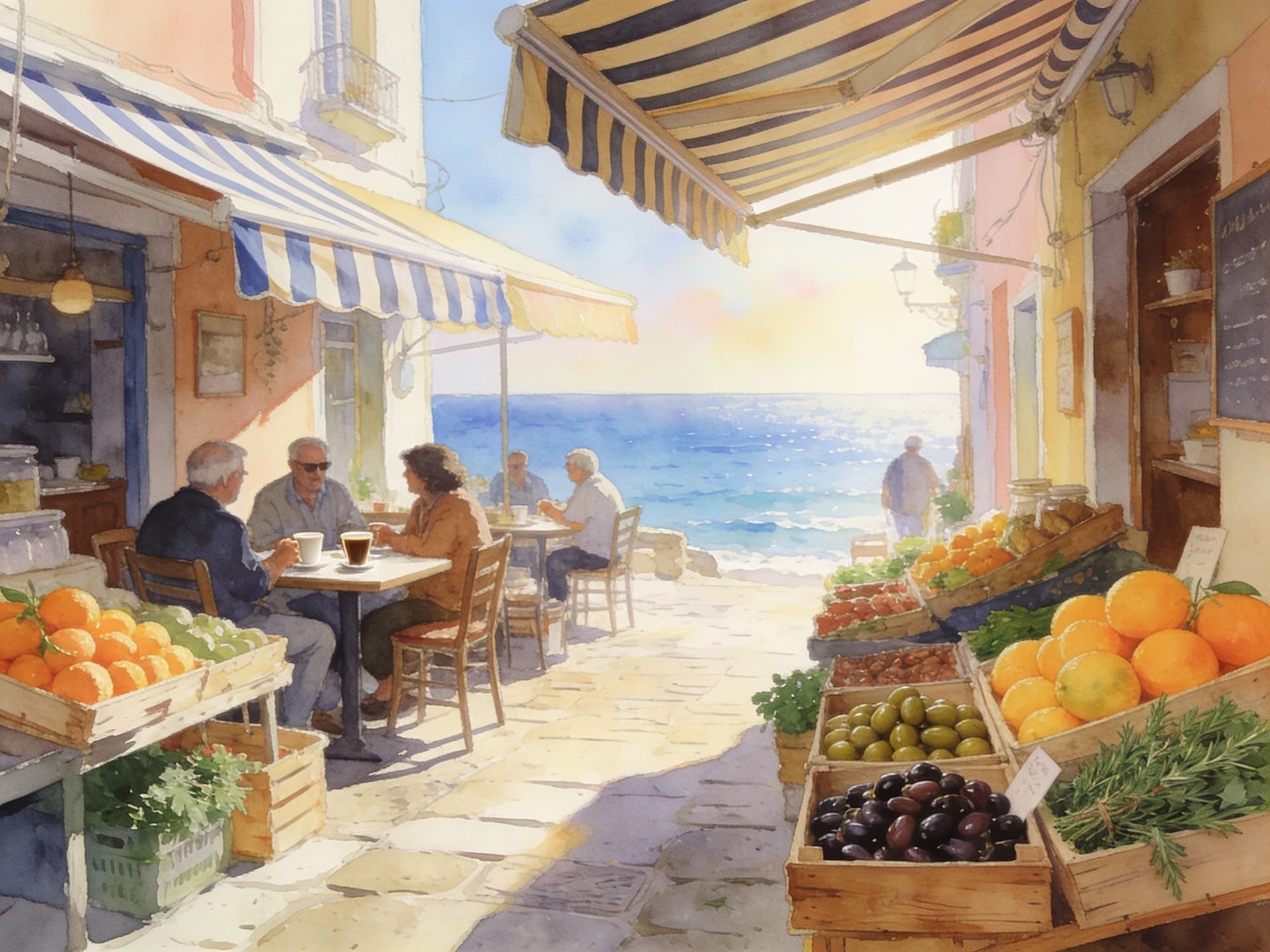
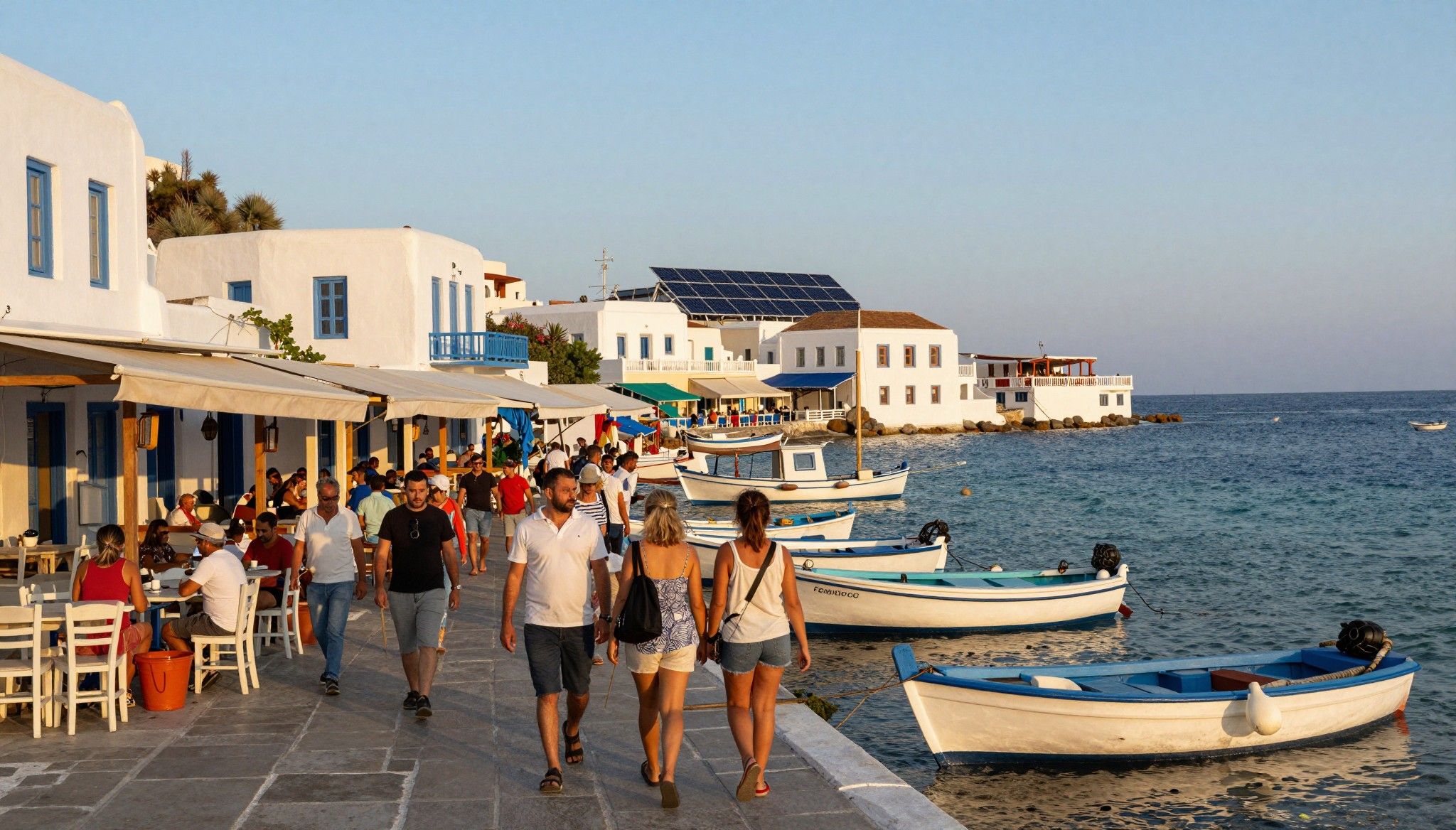
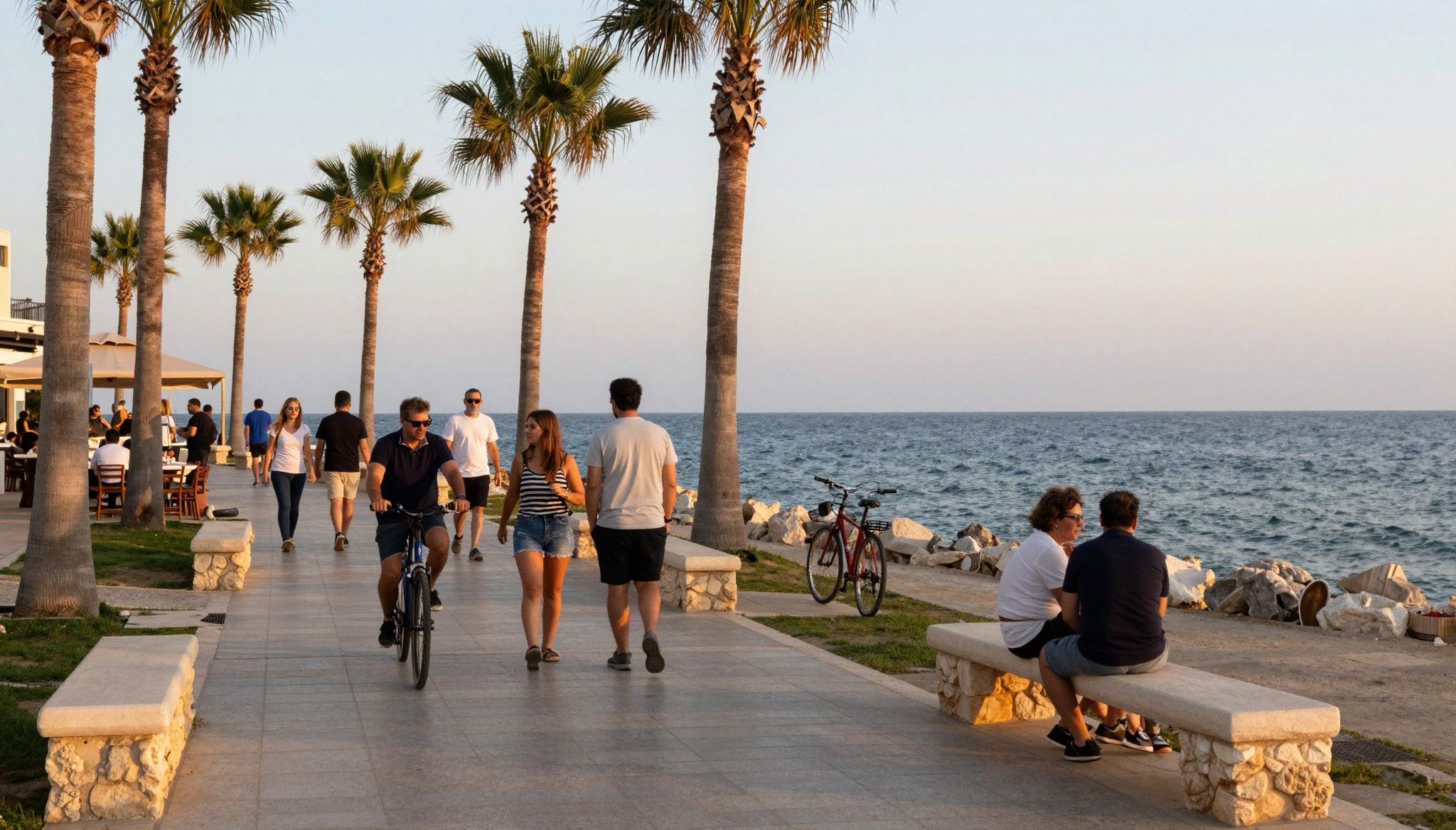
Cyprus is not one flat postcard — it’s island chapters. Coastal Paphos hums with seaside tavernas and English-speaking expat groups, Larnaca’s Finikoudes has a slow promenade life and seasonal festivals, while Limassol blends yacht marinas with olive-tree hinterland. Up in the Troodos, mornings smell of pine and baking bread; houses there lean into cooler microclimates and traditional rooflines. The way you live — morning coffee, weekend farmers’ market, how often you swim — should steer both neighbourhood choice and property type.
Paphos & Peyia: coastal calm and community gardens
Paphos offers layered life: seaside walks at the harbour, the old market on Kennedy Street, and a surprising network of community olive groves. Peyia’s village square and café terraces feel neighbourly rather than tourist-driven, ideal for buyers who want a garden and neighbours who trade produce. Properties here often show Mediterranean patios, native planting, and opportunities to add rainwater harvesting — small investments that change daily living and lower long-term upkeep.
Limassol & Germasogeia: modern life, seasonal buzz
Limassol is a study in contrasts: glittering marinas and quiet lanes with stone houses. Deadalus Street cafés fill with remote workers by mid-morning; in summer, the promenade pulses with tourists and festivals. If you crave social life, cultural programming and short-term rental upside, Limassol delivers — but you’ll trade some tranquillity for convenience. Choosing a tree-lined side street over a main seafront avenue often yields better value and a calmer day-to-day life.
From dream to deed: what realistically happens when you decide to buy
Buying in Cyprus now requires a blend of local sensitivity and up-to-date legal checks. Recent legislative reforms and administrative practice around foreign purchases mean approvals, title clarity and registration practices have been in flux — good news if you follow the new rules, and risky if you rely on old assumptions. Practical due diligence here is as much about verifying title, permitted use and environmental constraints as it is about the sunny terrace you fell in love with.
Permits, approvals and common surprises
A few practical realities often catch buyers off-guard: restrictions on buying agricultural or forest land, recent tightening around properties near buffer zones, and past inconsistencies in approvals for non‑EU nationals. While some reforms have clarified trapped-purchase issues, the Department of Lands and Surveys and recent Cabinet-level decisions remain central to whether a title transfers cleanly. That’s why a local lawyer and a registered surveyor should be part of your team before you sign.
Property types and how they shape day-to-day life
Traditional stone cottages in the Troodos offer thick walls and passive cooling, reducing energy bills and connecting you to village life. New coastal developments often include modern HVAC, solar-ready roofs and communal greywater systems, but check build warranties and whether common‑area sustainability features are legally registered. Your lifestyle — whether you want an edible garden, room for bees, or a low-maintenance holiday base — determines which legal checks matter most.
Insider checks: the due diligence you’ll actually use
Here are the practical, locally specific checks that save time and emotional heartache: confirm whether the property is subject to foreign‑buyer limits, verify permitted land use and any conservation overlays, and ensure building permits match what’s actually been built. Don’t assume that a signed contract equals a registrable title — recent case law and legislative fixes have shown gaps between paperwork and registration outcomes. Use local records and an on-the-ground agent to validate everything.
Essential on-the-ground team
A trusted buying team typically includes a bilingual lawyer who specialises in immovable property transfers, a chartered surveyor to map boundaries and constructions, and an agent who knows local municipal planning officers. Ask your lawyer about recent Transfer and Mortgage law amendments and request a written summary of any title encumbrances. If a property claims green features — solar, water harvesting, insulation — ask for installation certificates and whether those systems are covered by warranties or community agreements.
- Due‑diligence checklist (quick wins)
• Confirm registration history with the Department of Lands and Surveys. • Check planning permits versus as-built plans with the local municipality. • Verify seller identity and beneficial ownership (AML checks). • Obtain energy and water-installation certificates for sustainable systems. • Ask for a local habitability or occupancy certificate before completing purchase.
What expats wish they’d known (real-talk on integration)
Expat veterans often say the biggest surprises are social, seasonal and sensory: summer festivals swell some towns, winter in the hills is unexpectedly quiet, and local repair timelines move to island rhythm. Language is helpful but not essential in many coastal towns; however, learning basic Greek opens doors to neighbours and tradespeople. Seasonality also affects property running costs — think water supply in late summer, winter heating in stone homes, and tourist-driven utility spikes in coastal strips.
Sustainability choices that feel local
Many buyers find the easiest green wins are passive: native landscaping to reduce watering, whitewashed walls or timber shutters to cut cooling needs, and rooftop solar to lower bills. Look for properties with space for a cistern or the simple plumbing to add greywater reuse — practical measures that fit Cypriot life and save money. When developers advertise “eco” features, ask for the technical details: what brand of panels, who installed them, and whether maintenance is included.
- Practical steps to close with confidence
1. Commission a title search and a recent plan from the District Land Registry. 2. Engage a local lawyer to request any required Cabinet or administrative approvals. 3. Secure a structural/survey inspection and utility connection checks. 4. Confirm VAT or transfer tax position with your lawyer (new-build vs resale). 5. Arrange escrow and clear timelines for deeds registration with the Land Registry.
A final practical note: Cyprus has recently rebalanced rules on foreign acquisitions and fixed longstanding registration problems, but change is ongoing. Rely on primary records (Department of Lands and Surveys), recent legal summaries and counsel, and on-the-ground verification rather than dated checklists. When you pair a clear lifestyle brief — how you want to live, season by season — with disciplined local due diligence, Cyprus’s light and community feel become sustainable, everyday life.
If you’re ready to explore neighbourhoods that match your pace — from Limassol side streets to Troodos stone houses — start with a short site visit timed to the season you plan to live in, prepare a local due‑diligence team, and ask sellers for recent certification of sustainable systems. That combination turns the island’s seductive promise — long dinners, citrus trees, sea air — into a dependable life.
British expat who traded Manchester for Mallorca in 2017. Specializes in guiding UK buyers to luxury Spanish estates with clear navigation of visas and tax.