Slow Down, Buy Well: Cyprus Due‑Diligence & Lifestyle
Fall for Cyprus’s sunlit rhythms, but pair romance with rigorous due diligence: title checks, non‑EU permissions and climate‑smart retrofits protect lifestyle and value.
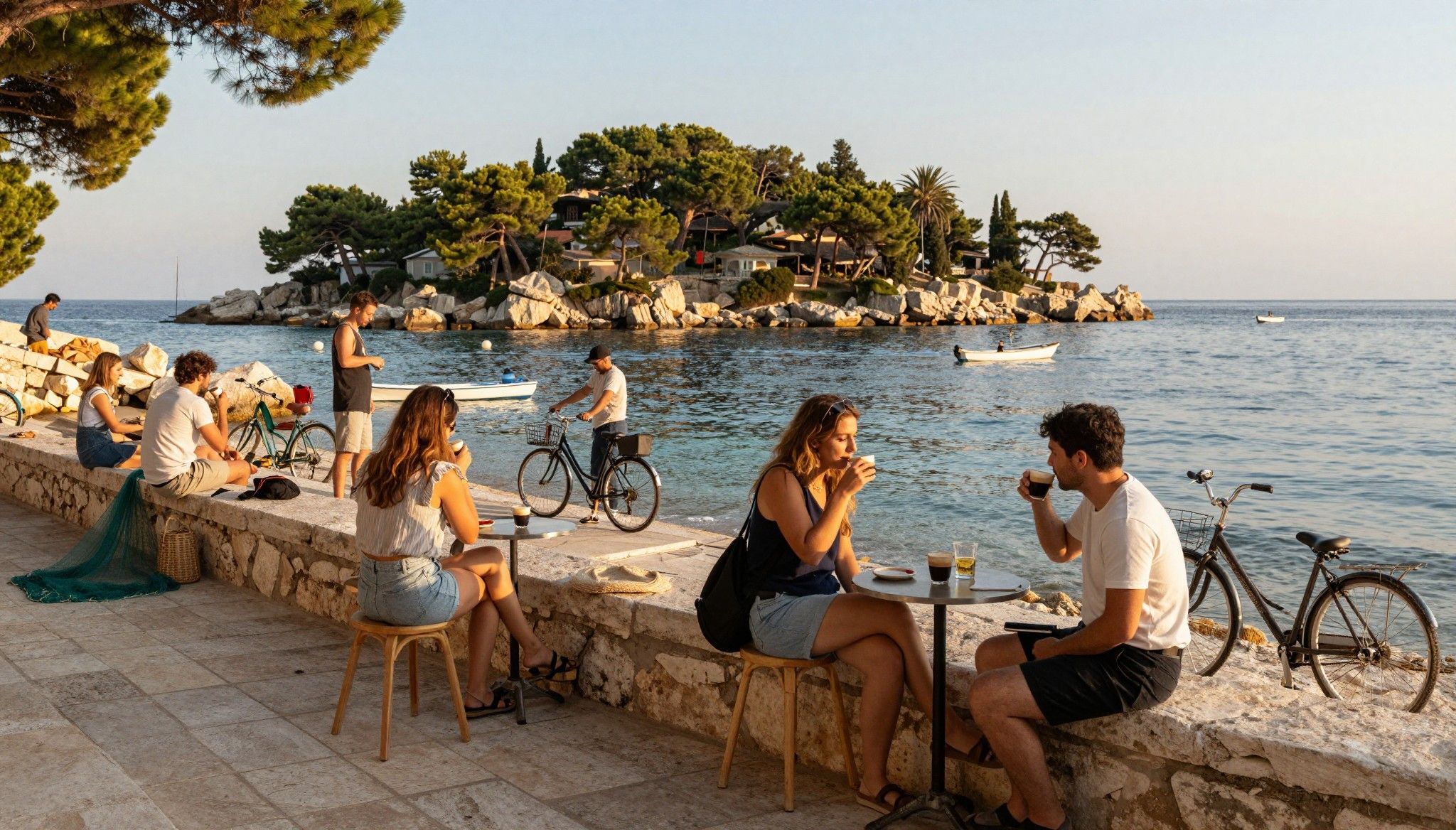
Imagine the smell of citrus and sea salt on a slow morning in Cyprus, espresso steaming at a pavement table in Limassol’s Molos, while shepherd dogs nap in the shade of a carob tree inland. This island is a patchwork of sunlit beaches, sleepy stone villages in the Troodos foothills, and compact historic streets in Nicosia — a place where daily life still orbits seasons, neighbours and outdoor cafes. But the dream here comes with local rules, paperwork and marketplace quirks that reward patience and curiosity. Read on: we begin with the life you’ll wake up to, and fold in the due‑diligence moves that keep that life secure and sustainable.
Living Cyprus: sun, seasons and small‑town rhythms
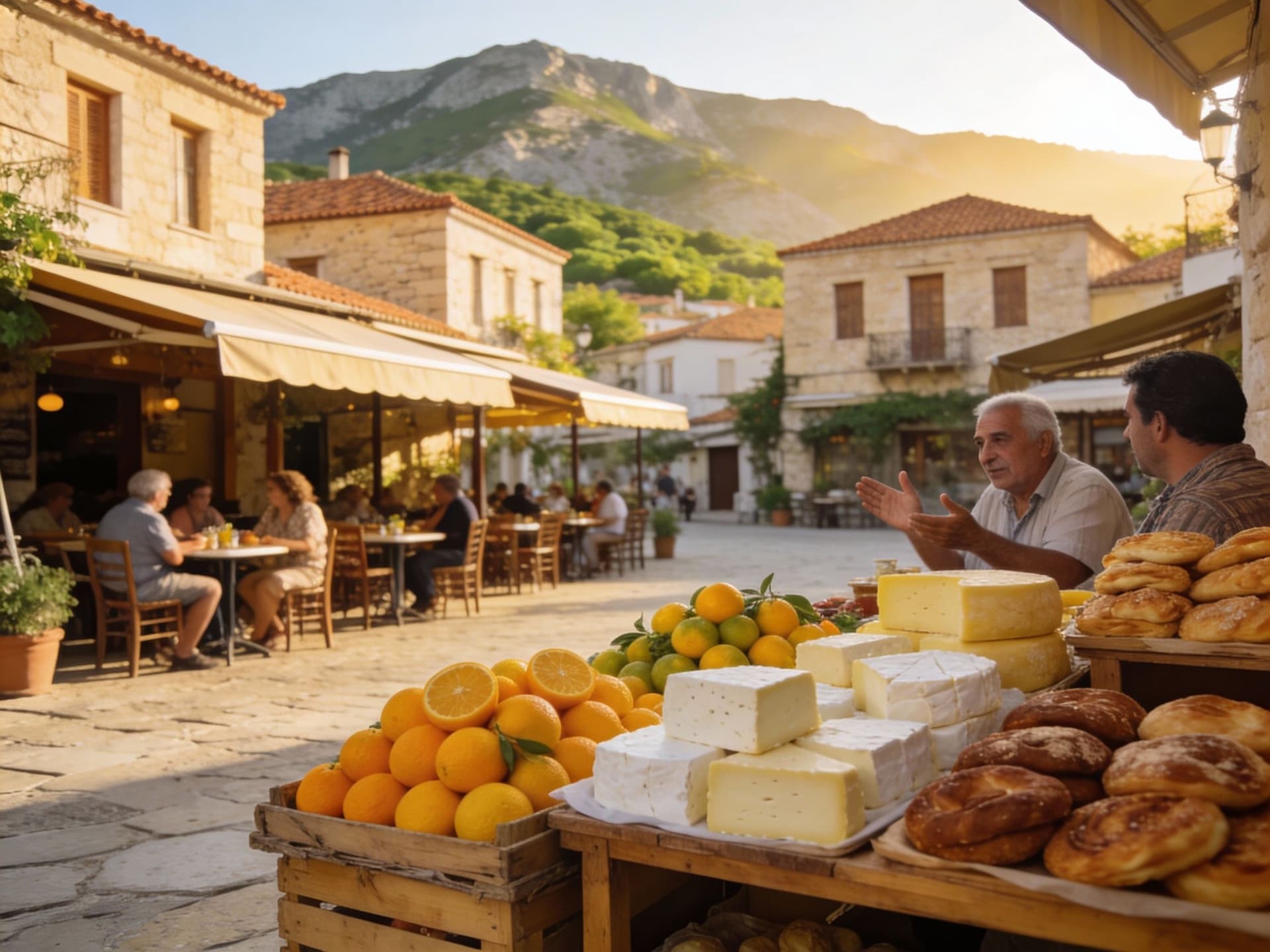
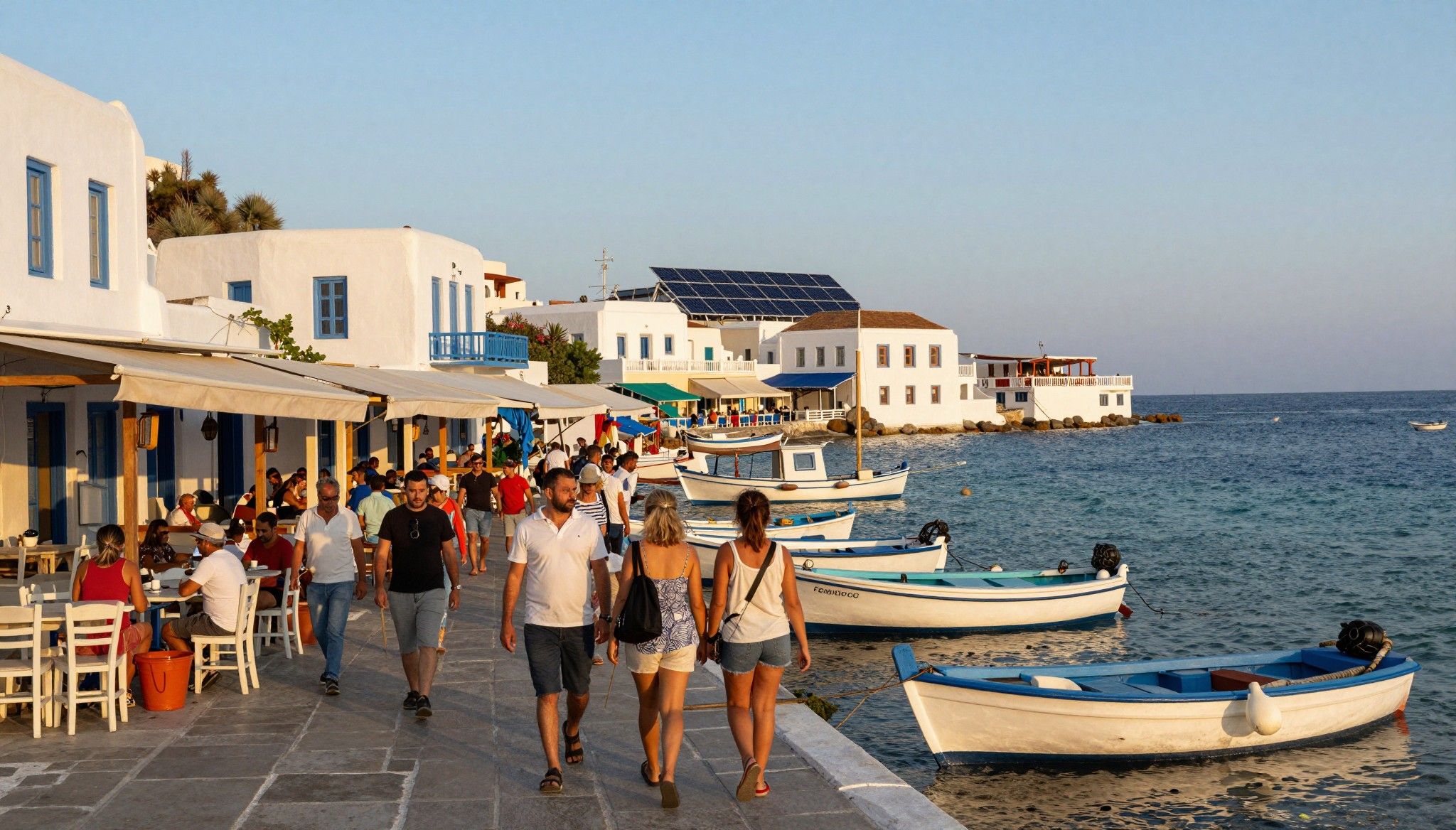
Cypriot days are tactile: markets at dawn, cooled limestone streets by noon, tavernas filling at dusk. Limassol’s Molos promenade hums with joggers and families while tucked lanes around Agia Napa and Paphos keep quieter pockets for readers and artists. In the interior, village mornings smell of wood smoke and fresh bread, and you’ll find community life centred on bakeries, the church square and the weekly market. That mix — coast and country, tourist pulse and local steadiness — is what makes Cyprus emotionally easy to love and practically varied to buy into.
Spotlight: Limassol’s Molos, old port corners and hidden terraces
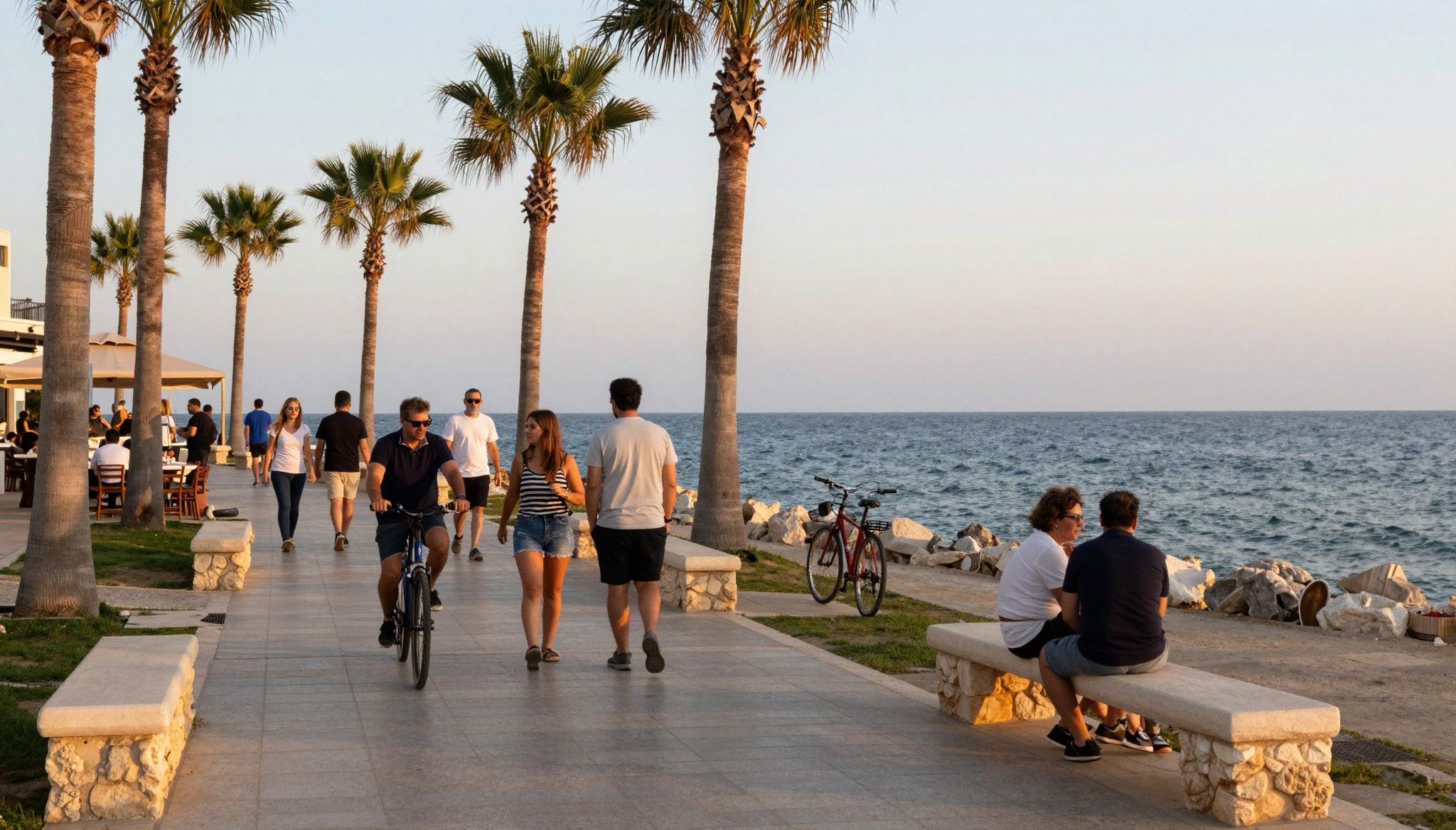
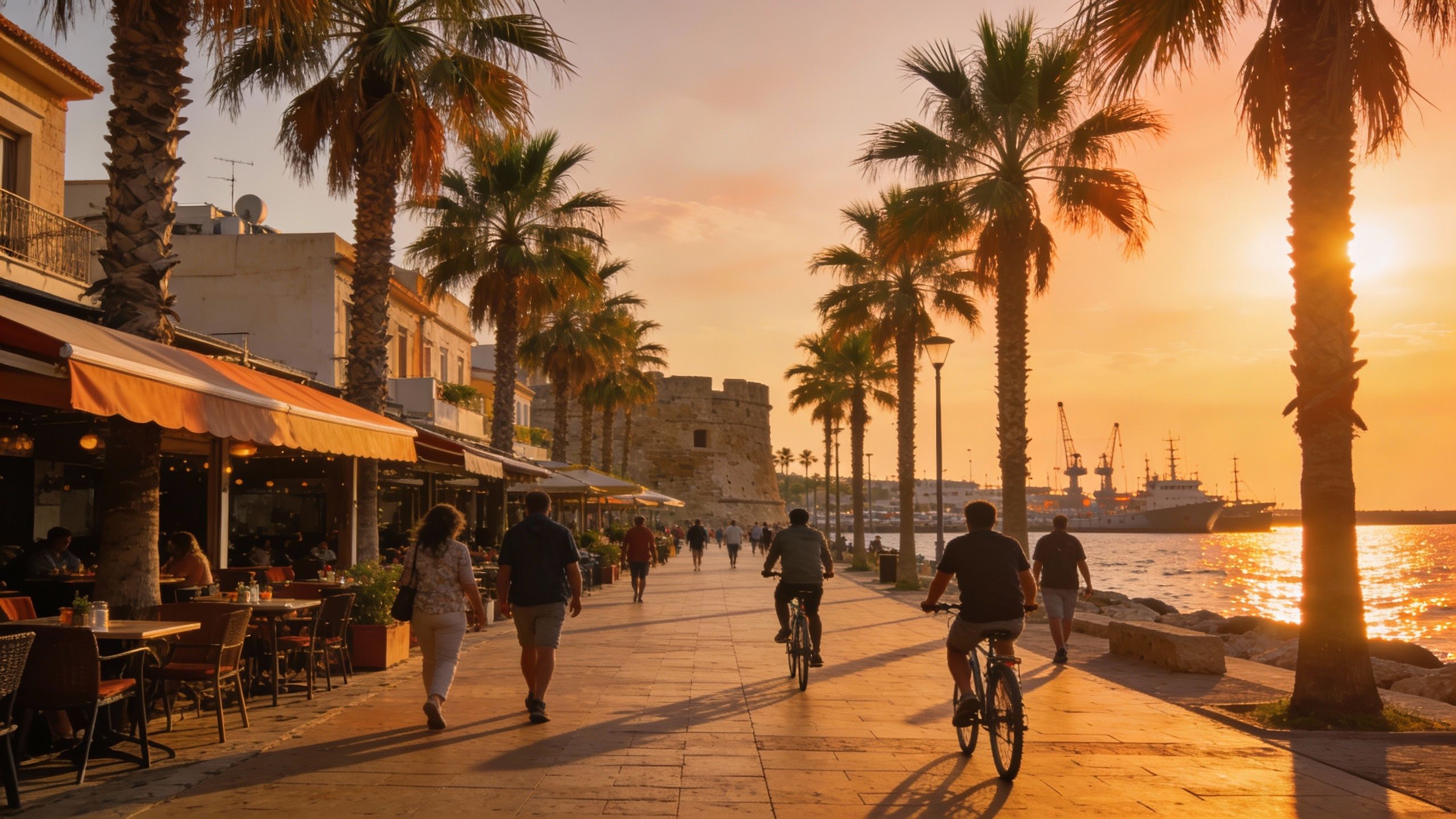
Picture an early evening on Limassol’s Molos, where families stroll past palm trees and kids chase pigeons near the old port. Behind that waterfront life are quieter streets — Apostolou Pavlou and Themistokli Dervis — where renovated stone houses and low‑rise sustainable developments sit next to small cafes serving halloumi and carob‑seed cake. For buyers who value walkability and a community feel, this is where seaside living meets everyday rhythm.
Food, markets and ritual: how taste shapes neighbourhood choice
From morning stalls in Nicosia’s Eleftheria district to seaside fish tavernas in Paphos, local foodways tell you where life will happen. If you want markets and an active street scene, choose areas with regular souks and year‑round local patronage rather than purely tourist streets. Also be mindful of territorial complexities: properties in the Turkish‑controlled north carry legal risks and historical claims that are still being litigated — a reason to insist on robust title checks and local legal advice before you fall in love with a view. (See recent reporting on contested listings and prosecutions.)
Making the move: practical considerations that protect your dream
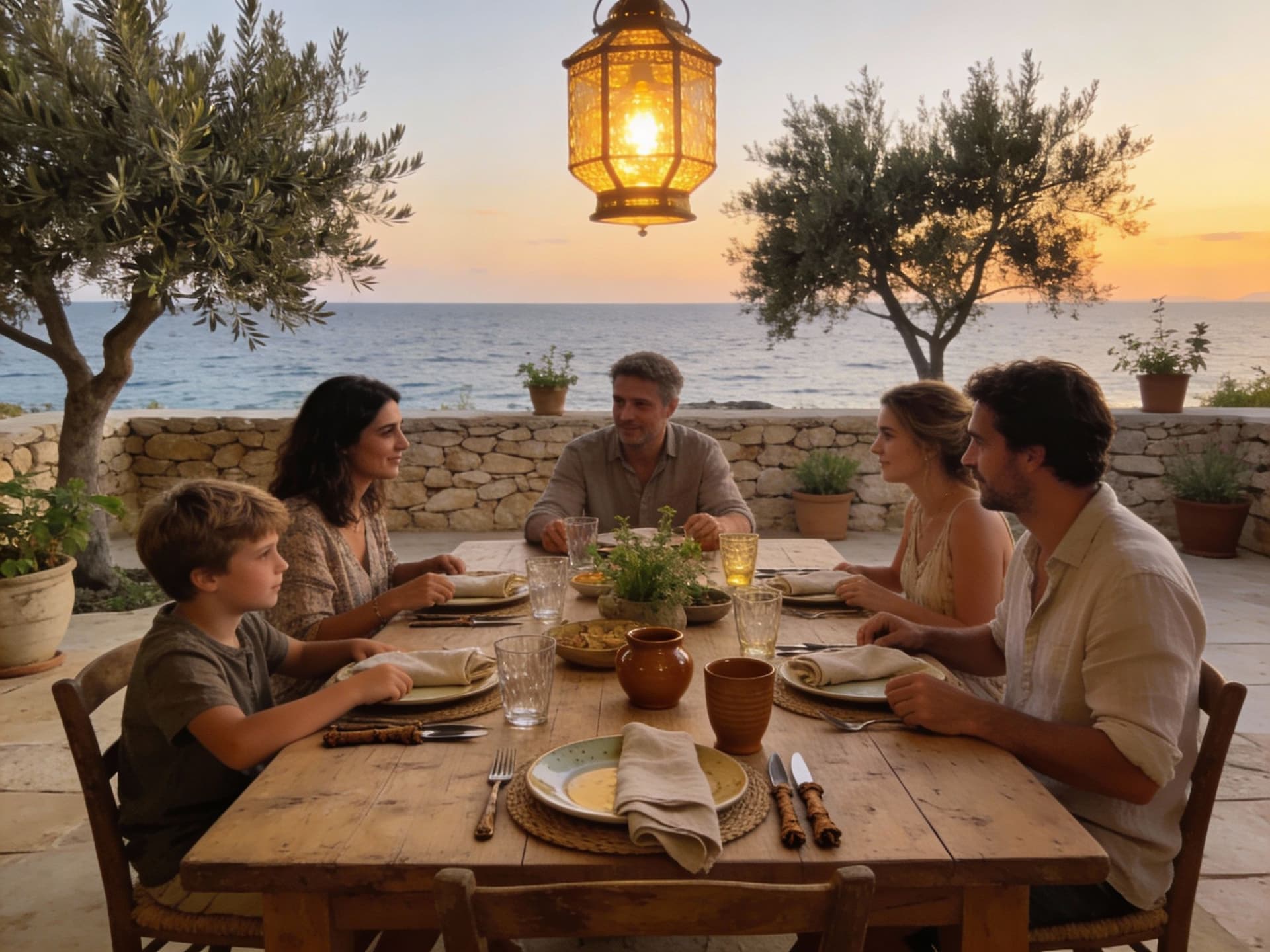
The market has been buoyant but shows signs of cooling: the Central Bank’s residential price index recorded slowing annual growth across most districts in 2024, with pockets like Paphos accelerating. That means you’ll find both urgency in popular coastal areas and opportunity in lesser‑noticed inland towns. Practically, this is the moment to pair lifestyle clarity with disciplined due diligence — check supply pipelines, recent transaction trends, and whether a property’s green features (solar readiness, insulation, rainwater capture) are genuine or cosmetic.
Property types and what they mean for sustainable living
Stone village houses in Troodos lend themselves to passive cooling and natural materials but often need sympathetic retrofits for insulation and PV. Contemporary coastal apartments may be solar‑ready and low‑maintenance but watch for overbuilt façades and poor communal landscaping. If your life imagines terraces, olive trees and rainwater tanks, prioritise plot size, south‑facing aspects, and planning permissions that allow modest extensions or permaculture gardens.
Six due‑diligence steps that blend lifestyle and legality
1) Confirm ownership and title chain with a Cypriot lawyer; don’t assume a sales contract equals clean title. 2) For non‑EU buyers, submit the Council of Ministers application promptly — it’s usually routine but timing varies by district so begin early. 3) Check whether a property has VAT exemptions (older resale vs new build) as this affects total cost. 4) Inspect planning permissions and building permits, especially for coastal setbacks and protected zones. 5) Verify utilities, solar possibilities and water licences if you intend to garden or use greywater systems. 6) Ask for a survey focusing on structural moisture, insulation and the roof — features that determine retrofit cost and sustainability potential.
Insider knowledge: expat truths and red flags
Expat buyers tell the same quiet story: local friendships and practical networks make the house a home faster than any renovation. But common regrets include underbudgeting for title transfer delays, ignoring microclimate (wind on exposed terraces), and buying where seasonal tourism overwhelms community life. The smart buyer balances romance with reality — love the lane, but verify the lane’s drainage, deed status and long‑term development plans.
Language, community and the slow work of fitting in
English is widely spoken in Cyprus, especially in business and tourist towns, but learning a few phrases of Greek — good morning (kalimera), thank you (efharisto) — opens doors. Expect social warmth: neighbours will ask about your family and show up with citrus in season. If schools, healthcare access or eldercare matter, choose a community with those services nearby rather than a romantic isolation that becomes lonely in winter.
Long‑view: stewardship, resale and climate resilience
Think beyond purchase: prioritise properties with passive design, space for PV and good shading to reduce energy bills and preserve comfort. Title deed issuance remains a step many buyers still chase years after purchase, so ask your lawyer about the land registry application pipeline and the hidden mortgage provisions that can speed formal transfer. When you care for a place as an ecosystem — planting native species, installing efficient water systems — you also protect its resale value.
- Lifestyle highlights to scout during visits
- Walk the Molos at dawn and an inland village market on the same trip to compare pace.
- Ask locals at cafe counters — the best intel on drainage, noisy neighbours and community plans.
- Visit a property at midday and after sundown to sense heat, breeze and neighbourhood life.
Final steps before you sign
1) Instruct a local lawyer to run title, planning and encumbrance searches; 2) Get a full structural and sustainability survey; 3) Confirm any Council of Ministers permission timetable (non‑EU); 4) Agree a clear completion schedule tied to title transfer and utilities.
Cyprus rewards those who slow down: if you match the island’s rhythms — the markets, the seasonal festivals, the community rituals — your house becomes more than a purchase. Pair that intention with legal care, on‑the‑ground checks and a sustainability lens and you will protect not just a view, but the life it frames. When you’re ready, a local agent who understands green retrofits, title pipelines and the neighbourhood pulse will help make the dream secure.
Dutch property strategist who helped 200+ families find sustainable homes in southern Europe; expert in legal pathways and long-term stewardship.