Croatia: Love the Life, Do the Due Diligence
Fall in love with Croatia’s texture — then do the right due diligence: land classification, reciprocity approvals, permits, and green checks to protect your lifestyle and the landscape.
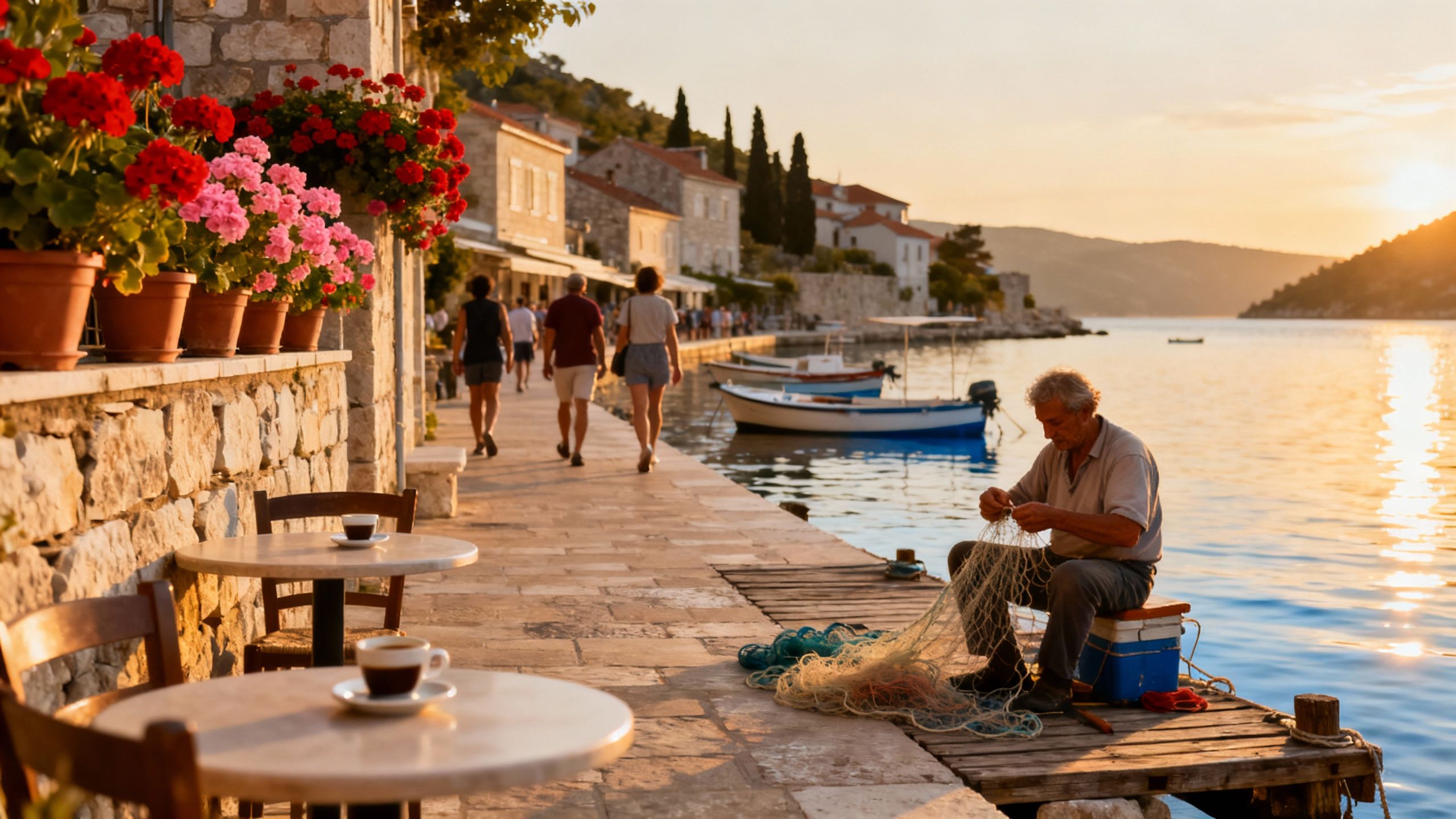
Imagine waking to the smell of espresso and pine, stepping out onto a stone-paved street in a walled coastal town where fig trees spill over terraces and fishermen haul nets at dawn. Croatia feels like a slow film: centuries of stone, bright Adriatic light, small markets where sellers still haggle by name. That easy, tactile life is exactly why people come — but the paperwork, permits and local rules that protect that landscape are not romantic. They’re what keep the place whole. This guide pairs the small, beloved scenes that make Croatia irresistible with the practical due diligence every international buyer must do, especially if you care about sustainable, place‑sensitive ownership.
Living the Croatia lifestyle: mornings, markets and the sea
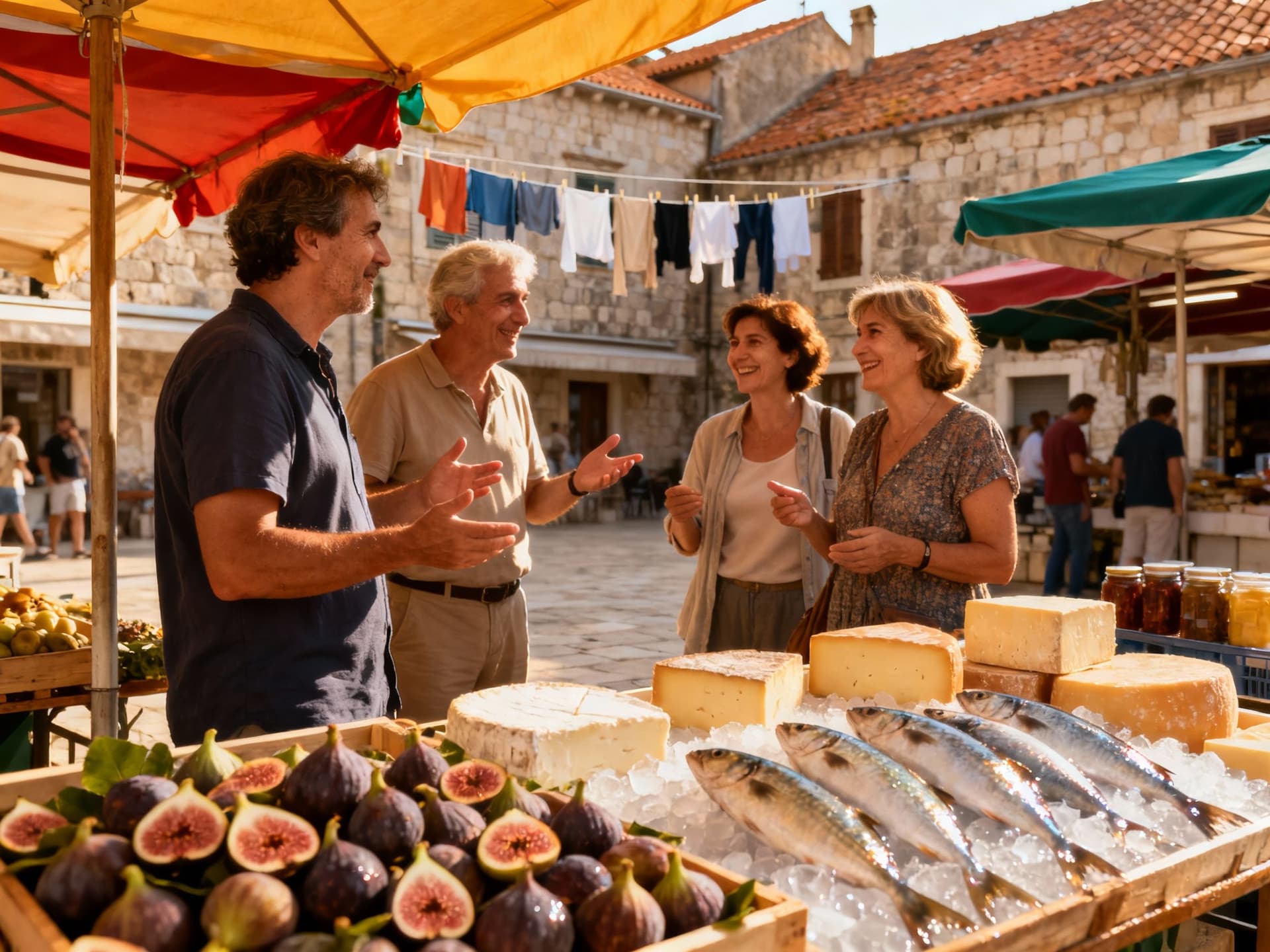
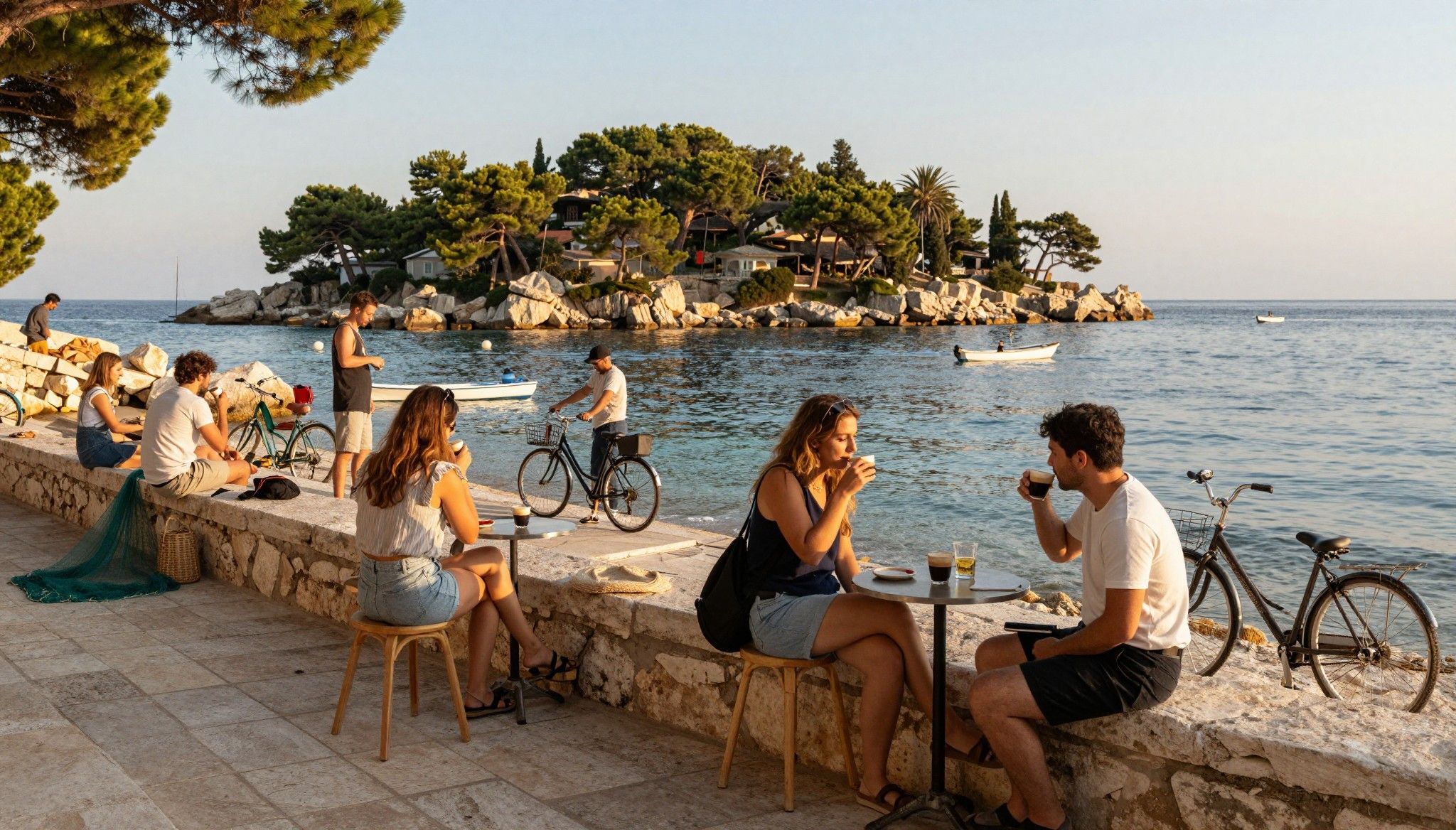
Picture your first week: espresso at a sun-warmed café on Split’s Riva, a Saturday at Dolac market in Zagreb selecting mushrooms and local cheese, and a weekend drive to Istria’s truffle forests. Coastal towns like Dubrovnik and Hvar pulse with tourism in summer, but the truest daily life hums in quieter places — Šibenik’s lanes, Trogir’s medieval squares, or the olive groves outside Zadar. Each place has its own rhythm; the question for buyers is which rhythm you want in your days, and how much protection — legal and environmental — you’re willing to live with to keep it.
Coast & islands: salt, stone and seasonal swings
On the Dalmatian coast, life orients to the sea. Narrow alleys, limestone walls warmed by the sun, and outdoor kitchens define daily routines. But coastal buoyancy comes with constraints: protected marine zones, Natura 2000 designations, and municipal limits on new builds to guard landscapes. If your dream is a sea‑facing veranda, due diligence should look for coastline protections and building permits tied to seasonal tourism management — these rules preserve the view but can limit renovations or extensions.
Inland & Istria: olive groves, vineyards and slower seasons
Istria and continental Croatia offer a different cadence: hilltop villages, stone farmhouses, and vineyards where winters are quiet and local communities are close-knit. These areas reward buyers seeking gardens, orchards and room to craft a regenerative landscape. Practical checks here include land classification (agricultural vs buildable), irrigation rights, and whether old stone houses fall inside protected cultural zones that limit alterations.
- Lifestyle highlights to experience before you buy: • Morning espresso at Split’s Riva and a walk along Marmontova • Dolac market, Zagreb — meet producers and taste seasonal cheeses • Sunset aperitivo in Rovinj’s Buža bars carved into cliffs • Olive-press visit and tasting in Istria’s Motovun hills • Kayak around Šolta or Mljet to understand access and mooring rules
Making the move: how lifestyle meets legal reality
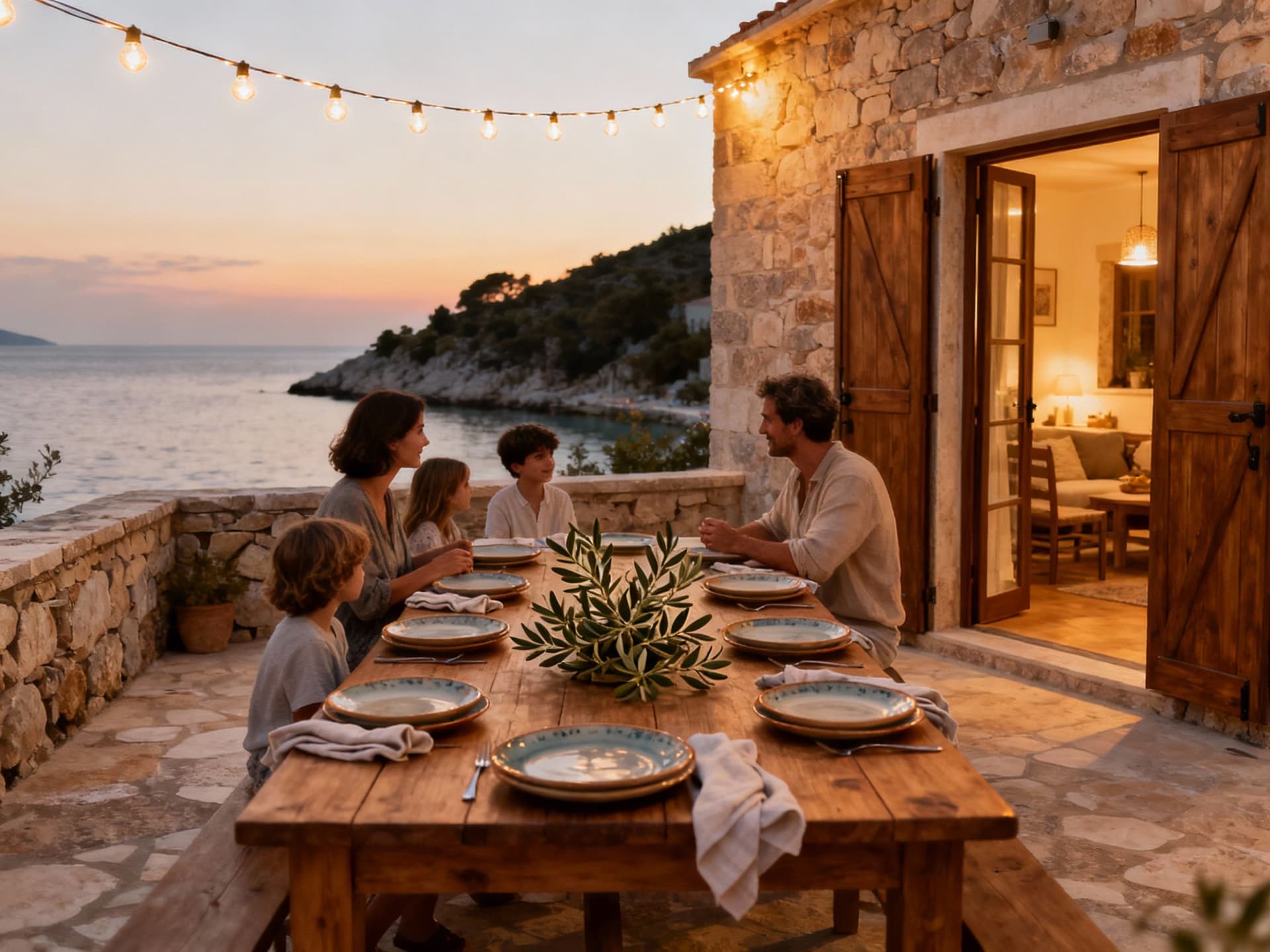
The idyll meets the registry office the moment you start reading contracts. Croatia’s market has surged in recent years – Eurostat and national data show strong house price growth — and that changes timelines, costs and the urgency of proper checks. From transfer taxes to VAT on new builds, and the reciprocity approvals needed by non‑EU buyers, the bureaucracy in Croatia is purposeful: it protects land, heritage and communities. Your job is to respect that purpose while making a secure purchase.
Property types & what they mean for living sustainably
Stone village houses teach restraint: thick walls, passive cooling and a close relationship with the land. New builds bring insulation, heat pumps and clearer energy performance certificates (when present). When inspecting, ask about orientation for passive solar gain, existing renewable systems (solar PV, solar water heaters), and landscape drainage — essential for preserving olive groves and preventing run‑off into coastal waters.
Work with local experts who understand place
A Croatian notary, a local lawyer fluent in both languages, and an agent who lives in the town matter more than flashy listings. For non‑EU buyers, Ministry of Justice reciprocity approvals are property‑specific and can take weeks or months; your lawyer should file early. Also seek an architect or conservation specialist if the property is in a protected zone — they’ll tell you what can be changed and what must remain intact.
- Due diligence steps that protect both lifestyle and land: 1. Confirm land classification and protected-area status (Natura 2000, national parks). 2. Obtain Ministry of Justice approval if you’re a non-EU buyer (start early). 3. Review energy performance, septic permits, and water rights for gardens. 4. Check local municipal plans for building limits and short-term rental rules. 5. Commission a structural and pest survey, plus a title search with cadastral maps. 6. Budget for VAT vs transfer tax: new-builds often have 25% VAT; resale typically 3% transfer tax.
Insider knowledge: expat truths, red flags and seasonal timing
Expat buyers I know make the same confession: they fell for the light, the food and the wordless daily rituals — then learned to love the paperwork that preserves them. A common red flag is an over-polished listing promising 'buildable sea-view plot' without a recent land-use plan or with contested boundaries. Another is sellers pushing short-term rental income as a primary justification without clear municipal permission — that can change fast with local tax reforms aimed at reducing holiday-only housing.
Cultural integration and the soft rules of neighborhood life
Croatians prize local ties: introductions at markets, invitations to harvest figs, and patience in bureaucracy. Learn a few phrases, respect communal harvesting rhythms, and show you intend to steward land rather than flip it. These soft practices smooth renovations, access to local craftsmen, and acceptance into community life — which in the long run protects both your lifestyle and your investment.
Long-term lifestyle + practical considerations
Think beyond purchase: municipal property tax reforms (implemented in 2025) changed annual costs and incentives, often favoring long-term rentals and principal residences. If you intend to live seasonally, check how your municipality classifies vacation homes versus primary residences — it affects tax, utilities and, crucially, how the neighbourhood evolves.
- Quick red flags and what to do about them: • Vague cadastral references — get a certified cadastral extract. • Missing energy or septic permits — insist on up-to-date paperwork or factor in upgrade costs. • Properties inside Natura 2000 or park buffers — consult conservation authorities. • Sellers promising future rezoning — verify municipal plans in writing. • Pressure to skip notary/lawyer — always involve both.
Conclusion: buy for the life, protect the place. Croatia asks you to slow down — and that’s its gift. Visit in different seasons, taste the markets, walk the streets at dawn, and bring a team who knows how to read land, law and local rhythms. Start with a clear checklist: classification, approvals, permits, and proof of sustainable systems. When you do the due diligence, you won’t lose the poetry; you’ll secure it — for you, your neighbours, and the land.
Norwegian market analyst who relocated from Oslo to Provence; guides investors with rigorous portfolio strategy and regional ecological value.