Croatia: Seasonal Stewardship & Due Diligence Checklist
Fall for Croatia’s rhythms—but pair that romance with rigorous due diligence: strong price growth, permit checks, and season-aware stewardship are essential.
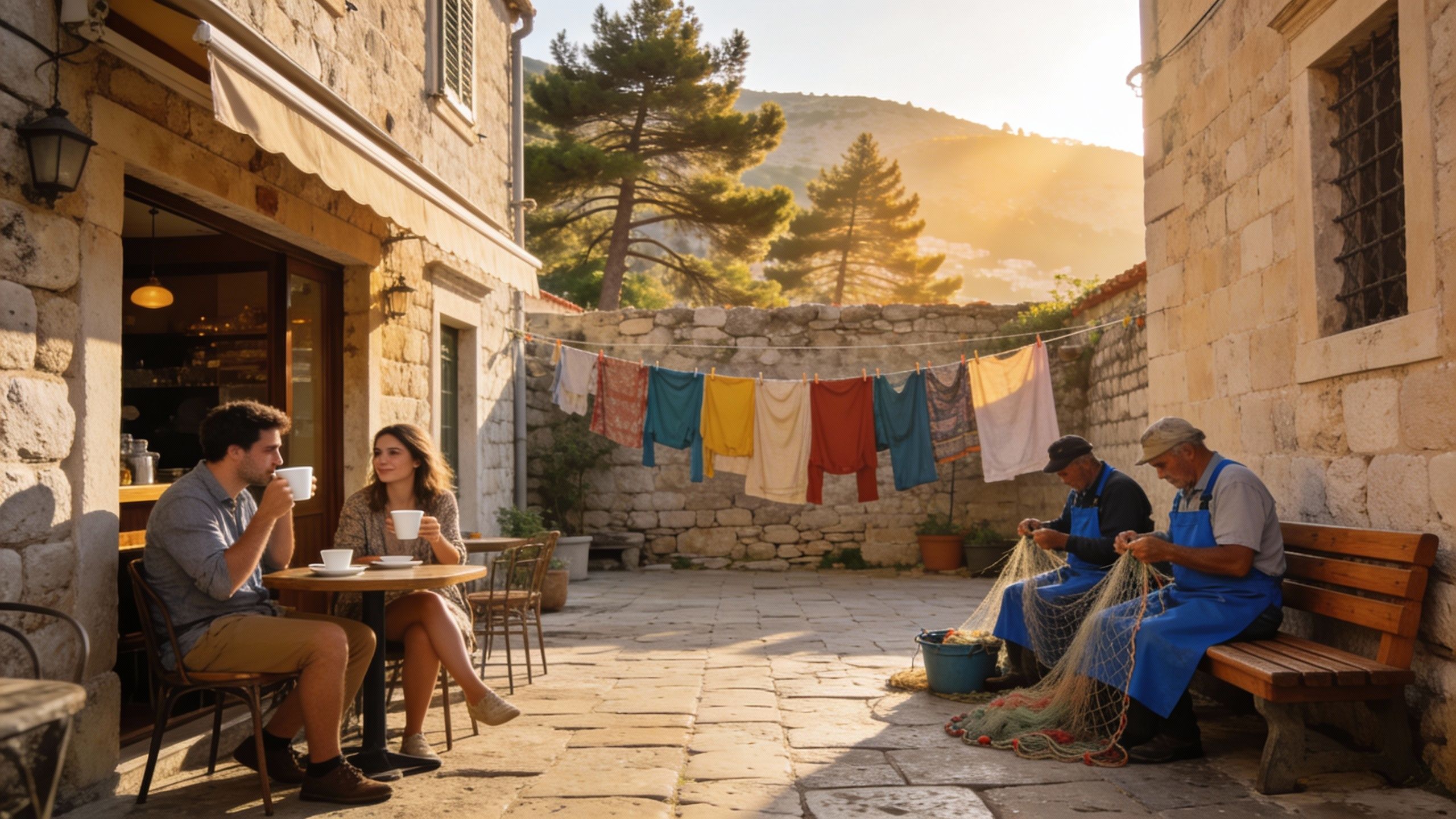
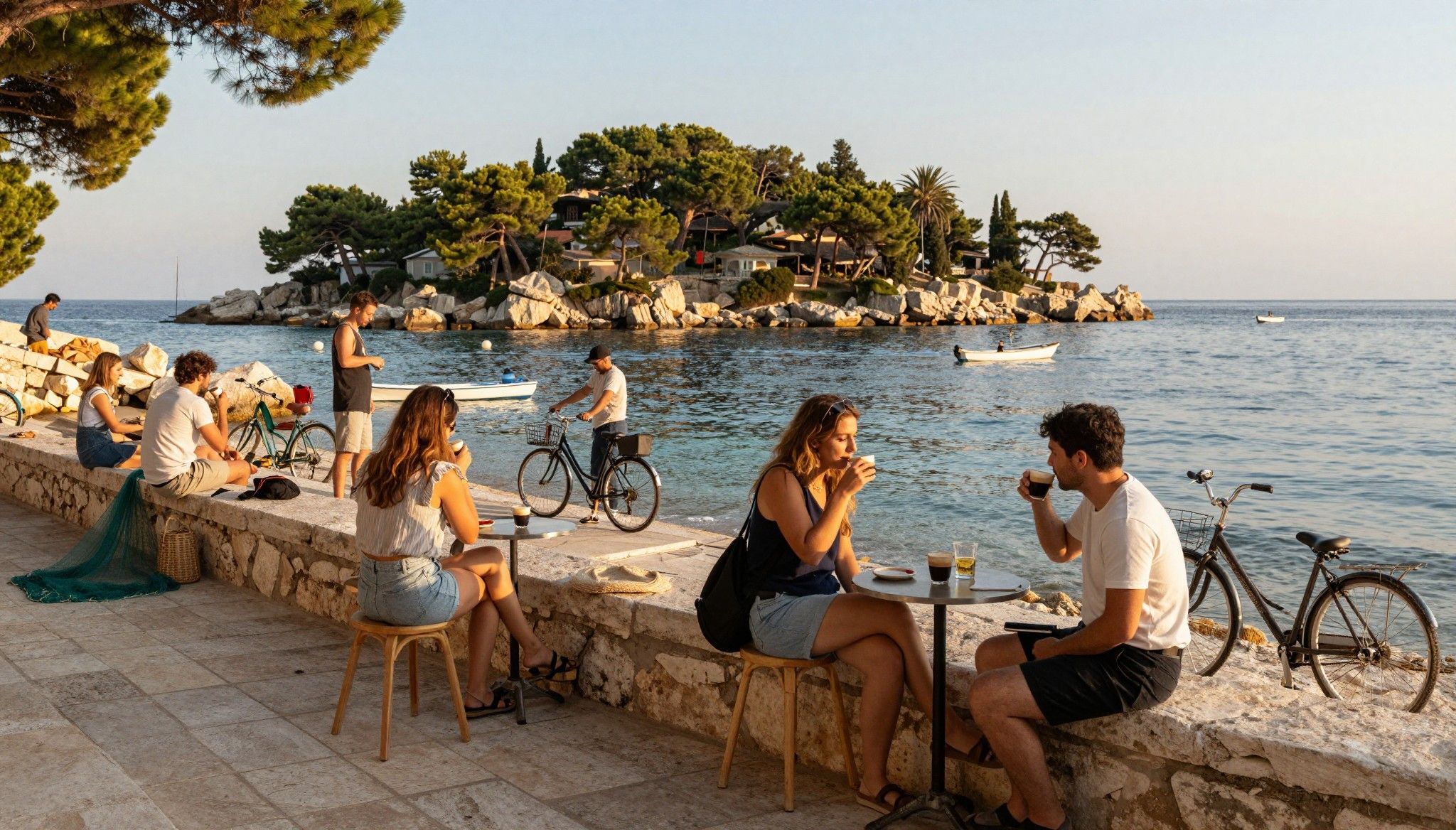
Imagine sipping a morning espresso under a plane tree in Split’s Varoš, the sea a slow pulse beyond the stone quay, while a neighbour unloads yesterday’s catch. Croatia lives in tactile rhythms—market stalls at dawn, family lunches that stretch for hours, and a coastline that tucks you into long summers and quiet, verdant winters. That sense of place is why buyers fall in love so quickly. But love needs paperwork: recent market analysis shows rapid price shifts that make smart due diligence essential before you sign.
Living the Croatia lifestyle
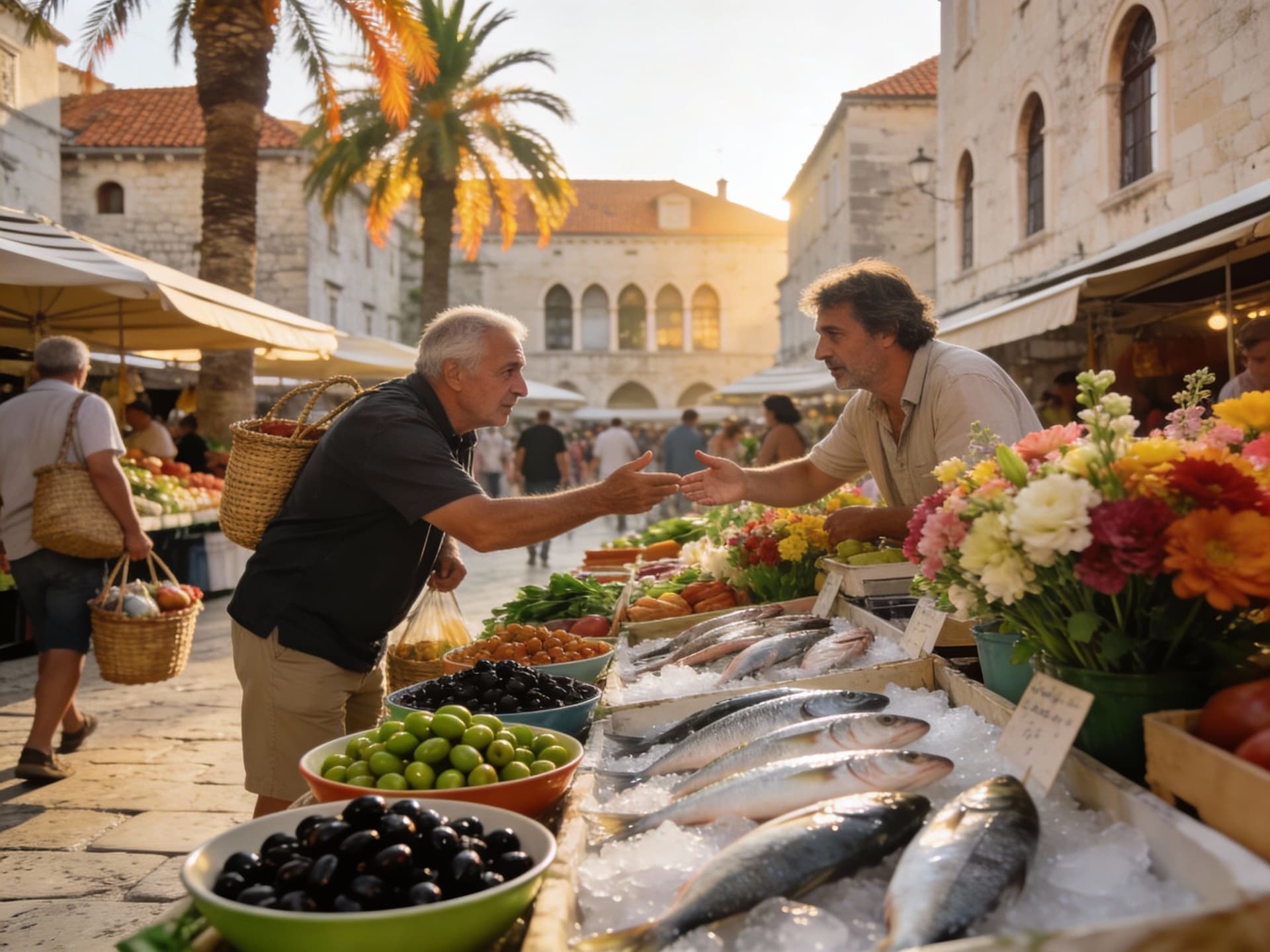
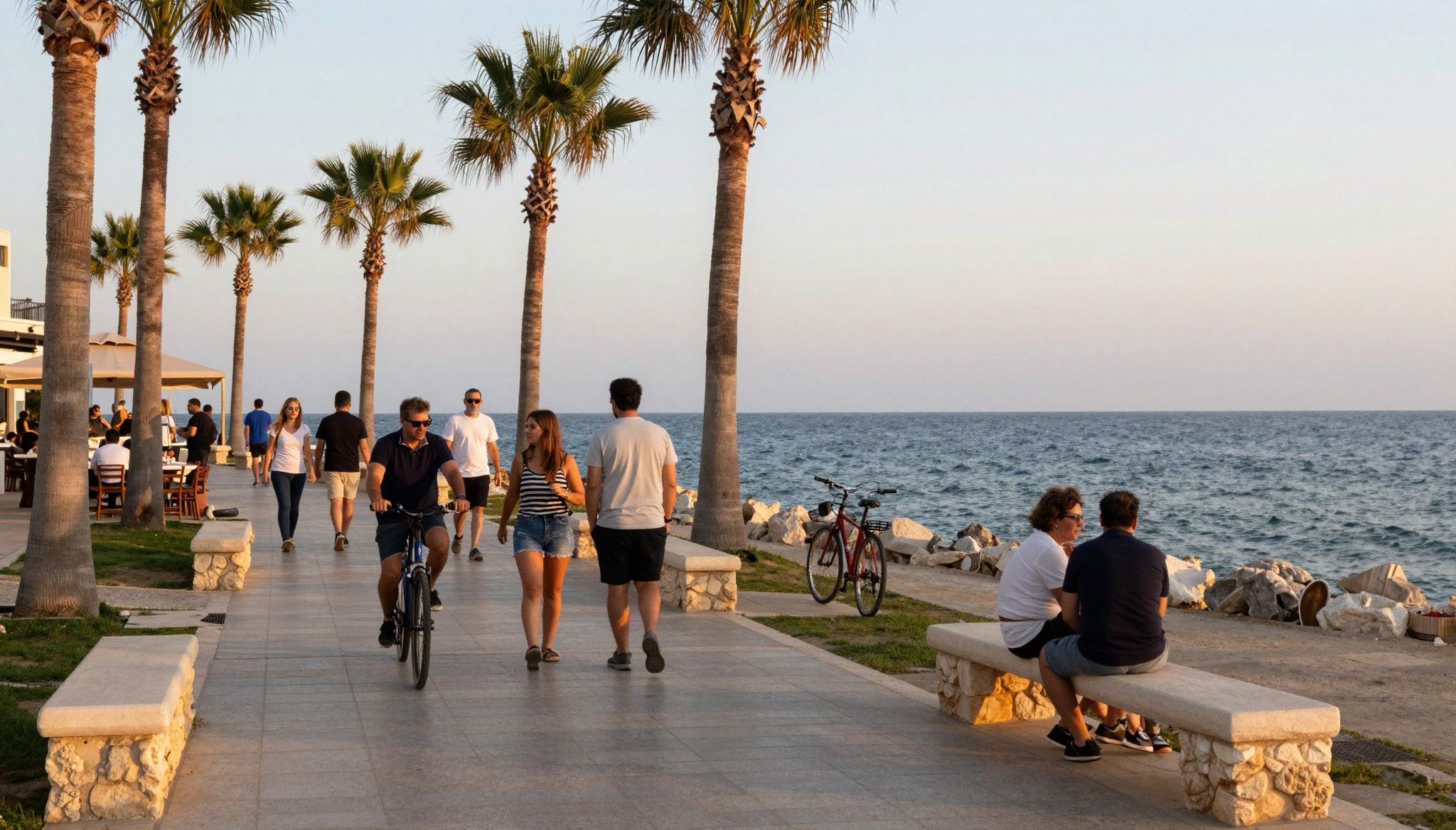
Croatia’s daily life is a weave of Adriatic light and inland green—Zagreb mornings smell of roasted coffee and burek, coastal afternoons taste of grilled fish and lavender, and evenings often end with small-town squares filling with friends and acoustic guitars. Architecture shifts with every region: austere stone houses on the Dalmatian islands, Istrian red roofs and truffles inland, and modern timber-and-glass villas tucked into pine-scented coves. If you picture your day here, include slow food markets, coves for a quick swim, and neighbours who know your name.
Neighborhood snapshots: from Zagreb to the Dalmatian coast
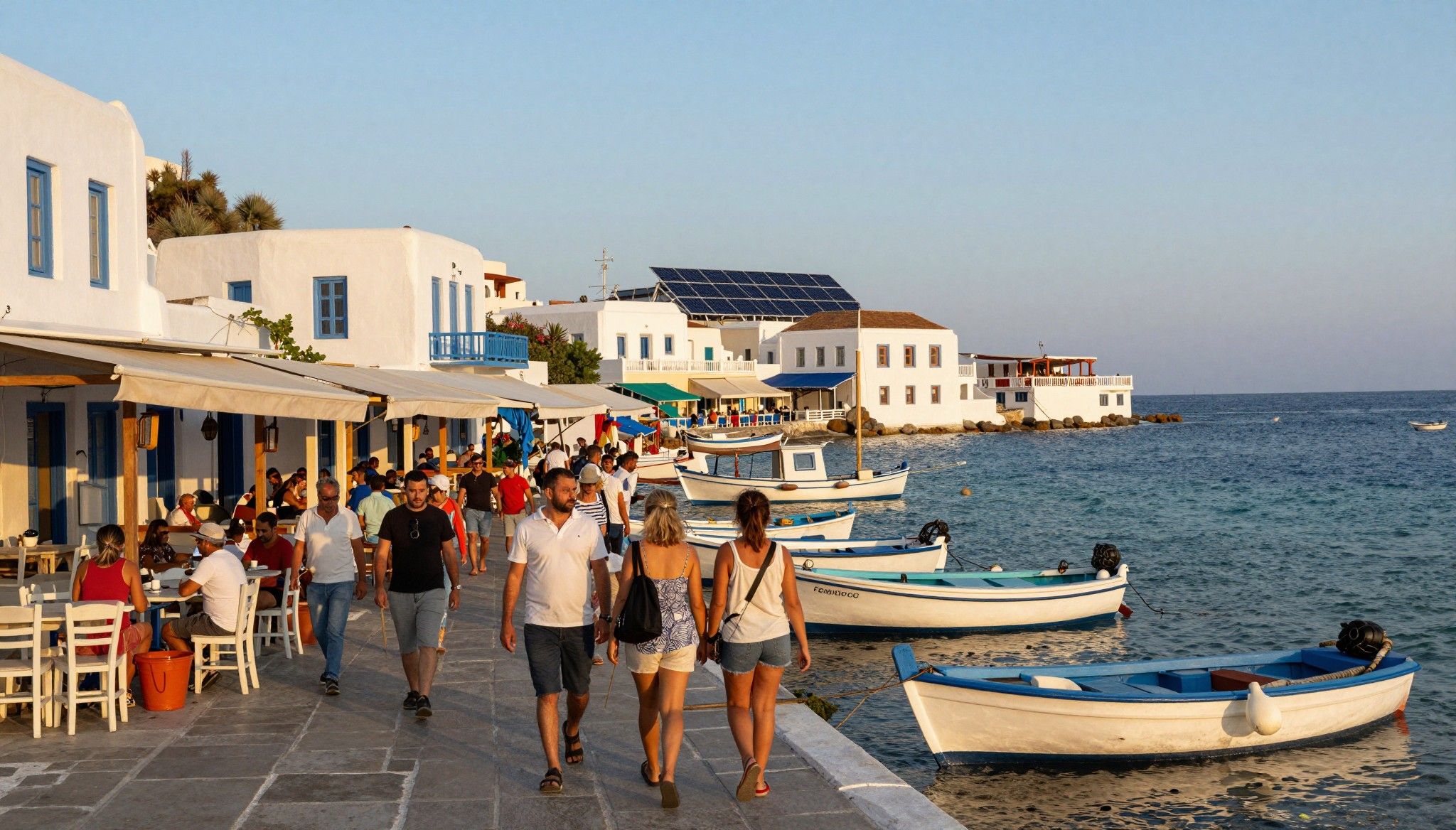
Zagreb’s Gornji Grad charms with cobbled lanes, cafés like Cogito brewing strong beans, and green spaces where families stroll. Along the Adriatic, Split’s Varoš and Bačvice mix fisherman’s history with lively beach life, while Hvar’s Stari Grad and Vis’s quiet bays offer island rhythms. Inland, Rovinj and Istria feel Italianate and food-driven; Slavonia’s plains promise space, orchards and a slower tempo. Each place carries a distinct palette of light, soil and social ritual—choose where that palette matches the life you want.
Food, seasons and social life that shape property choices
Seasonality is everything here: summer draws a confident outdoor life—terraces, markets and ferries—while winter rewards well-insulated homes, wood stoves and community gatherings. Local food scenes revolve around markets (Dolac in Zagreb, Pazar in Split), family-run konobas, and seasonal festivals from olive harvests to grape stomps. When house-hunting, imagine how a courtyard garden will feel in March rain or how a north-facing apartment will capture winter light; these lived details affect comfort and maintenance more than glossy listing photos.
- Dolac Market (Zagreb) — morning produce and community pulse Split’s Riva and Varoš — espresso, fishing boats, daily promenade Stari Grad (Hvar) — quiet alleys, stone houses, afternoon shade Istrian truffle roads — weekend drives and seasonal feasts Zlatni Rat (Brač) and secluded coves — summer swim rituals Local konobas and family wineries — hospitality as neighbourhood glue
Making the move: practical considerations
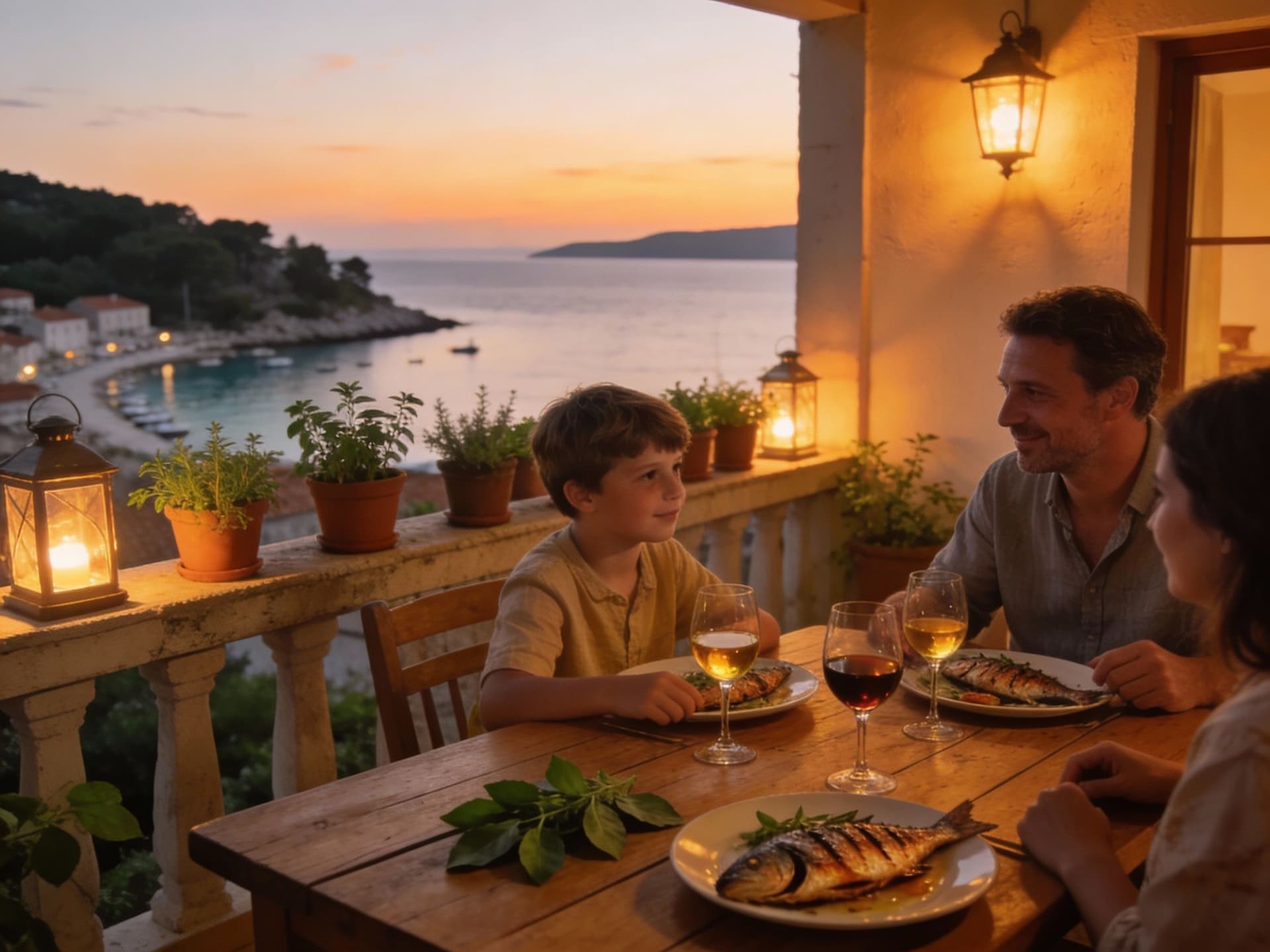
The romance of Croatia meets a market in motion: official house price indices show double‑digit annual increases in recent periods, especially outside Zagreb and along parts of the Adriatic, so speed and careful checks matter. For buyers this means balancing desire for a sunlit terrace with a sober checklist—title clarity, building permits, coastal protection zones and realistic running costs. Local experts translate lifestyle wishes into legally sound property choices and make the bureaucracy feel less foreign.
Property styles and what they mean for living here
Stone houses on islands offer character and cool summers but often need seismic reinforcement and modern insulation. New-build coastal apartments promise lower maintenance yet can sit in heavily touristed blocks. Inland farmhouses reward gardeners and renewable installations but sometimes lack fast internet. Match the property type to daily life: if you value community markets, choose a town centre flat; if solitude and self-sufficiency matter, look for a renovated farmhouse with south-facing solar potential.
Working with local experts who know both place and process
- Find a licensed notary and an agent fluent in English and Croatian to avoid translation traps. Hire a local real-estate lawyer to verify title, easements and building permit history. Commission a structural and environmental survey—check for seismic retrofitting, mold, and coastal setback rules. Confirm residency implications early: EU citizens face fewer formal hurdles than non‑EU buyers, but both must follow registry and municipal rules. Ask the agent about municipal plans and planned developments that could affect privacy, price and views.
Insider knowledge: expat truths and overlooked red flags
Friends who’ve settled here often say the biggest surprise isn’t the paperwork but hidden lifestyle mismatches: a listing’s “quiet lane” might mean a busy ferry quay in summer, or a house’s “garden” might be rocky slope needing terracing. Price growth has been strong across regions, so what looks like a bargain today can be pressure-tested by rising local demand. Listen to locals’ versions of a place—cafés, post office timetables, and where children play reveal the neighbourhood’s real character.
Cultural integration and everyday practicalities
Learning a few phrases (Dobar dan, Hvala, Molim) opens more doors than a polished offer. Expect a slower administrative tempo—municipal offices and utilities can take time—so plan your move in months, not weeks. Community life centers on family, church and local events; being present at markets and festivals accelerates friendships. For sustainability-minded buyers, engaging with local craft builders and using reclaimed stone or olive‑wood joinery resonates with regional traditions and creates deeper ties.
Long-term lifestyle & stewardship considerations
Think beyond purchase: energy retrofits, rainwater capture and native plant gardens lower operating costs and honour coastal ecosystems. Coastal setback rules, Natura 2000 protections and local heritage restrictions can limit additions but protect the landscape that brought you here in the first place. Treat your home as part of a living place—small investments in insulation, solar-ready roofs and greywater systems yield comfort and quieter utility bills over decades.
- Red flags to watch for: unresolved title disputes, missing building permits, inconsistent utility records, recent wholesale renovations without receipts, and advertised “sea view” that’s actually from a neighbour’s rooftop. Sustainable considerations: noisy generators in high-tourist buildings, lack of insulation, absence of rainwater systems, and proximity to seasonal sewage overloads in small towns.
- Visit the property in at least two seasons to test light, wind and summer crowds. Obtain cadastral extracts and a land registry report before any deposit. Secure a conditional offer that includes permit and survey contingencies. Budget 5–10% of the purchase price for unexpected repairs or compliance work—older stone homes often need masonry and insulation upgrades. Plan for long-term stewardship: join neighbourhood associations or cooperative maintenance arrangements when available.
Croatia’s house price indices and market commentary underline a simple truth: the country’s beauty carries value, and value requires careful stewardship. Whether you long for an island stone house with drought-tolerant terraces or a city flat a short walk from Dolac market, marry the sensory dream with a legal checklist and sustainable plan. Start conversations early with a local agent, notary and an architect experienced in regional regulations—then come for a long weekend to taste the life you could have.
Next steps: arrange a market briefing with an agent who understands both coastal planning and inland building rules, commission a short-title report, and request seasonal photos or a return visit in shoulder season. If stewardship matters to you, ask about solar potential, garden soils and neighbour relationships before you make an offer. The paperwork is the price of preserving the very thing that made you fall in love with Croatia in the first place.
Danish relocation specialist who moved from Copenhagen to the Algarve; supports families with seamless transitions, local partnerships, and mindful purchases.