Croatia: Love the Life, Check the Title
Fall for Croatian life—markets, stone lanes, sea—then do precise due diligence: check land registry extracts, municipal permits, and sustainability retrofit potential before you buy.
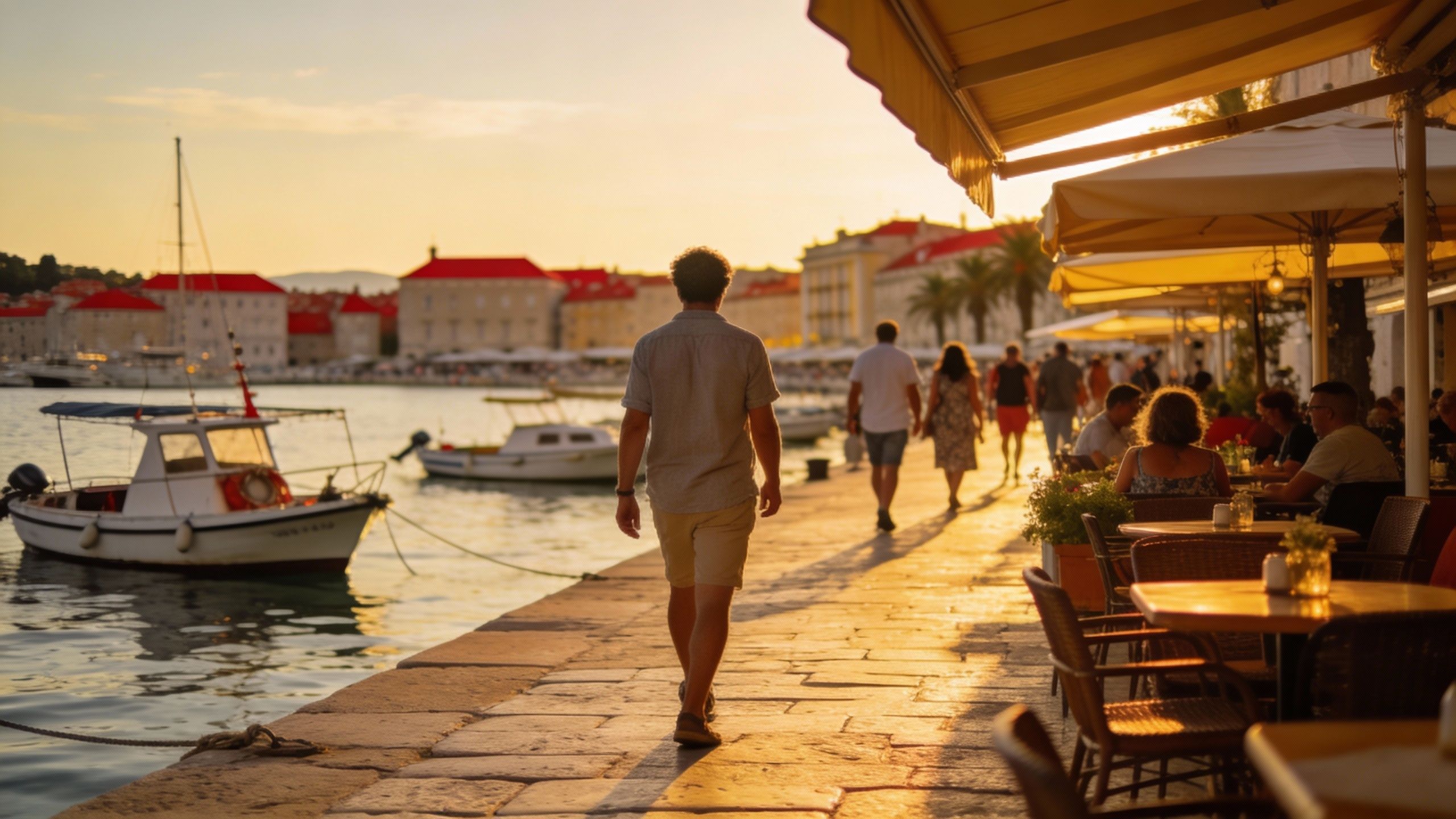
Imagine walking the stone-paved Riva in Split at dawn, coffee steam curling as the light slices the Adriatic; or tending an herb patch beside a restored Istrian stone house as cicadas hum. Croatia moves with a coastal rhythm—slow breakfasts, market runs, evening promenades—yet its property market is anything but sleepy. With house prices rising fast and regional quirks that affect ownership, loving life here means leaning into both local rhythms and careful due diligence. This guide blends that daydream with the hard facts you’ll need to buy wisely and sustainably in Croatia.
Living Croatian Days: What life actually feels like
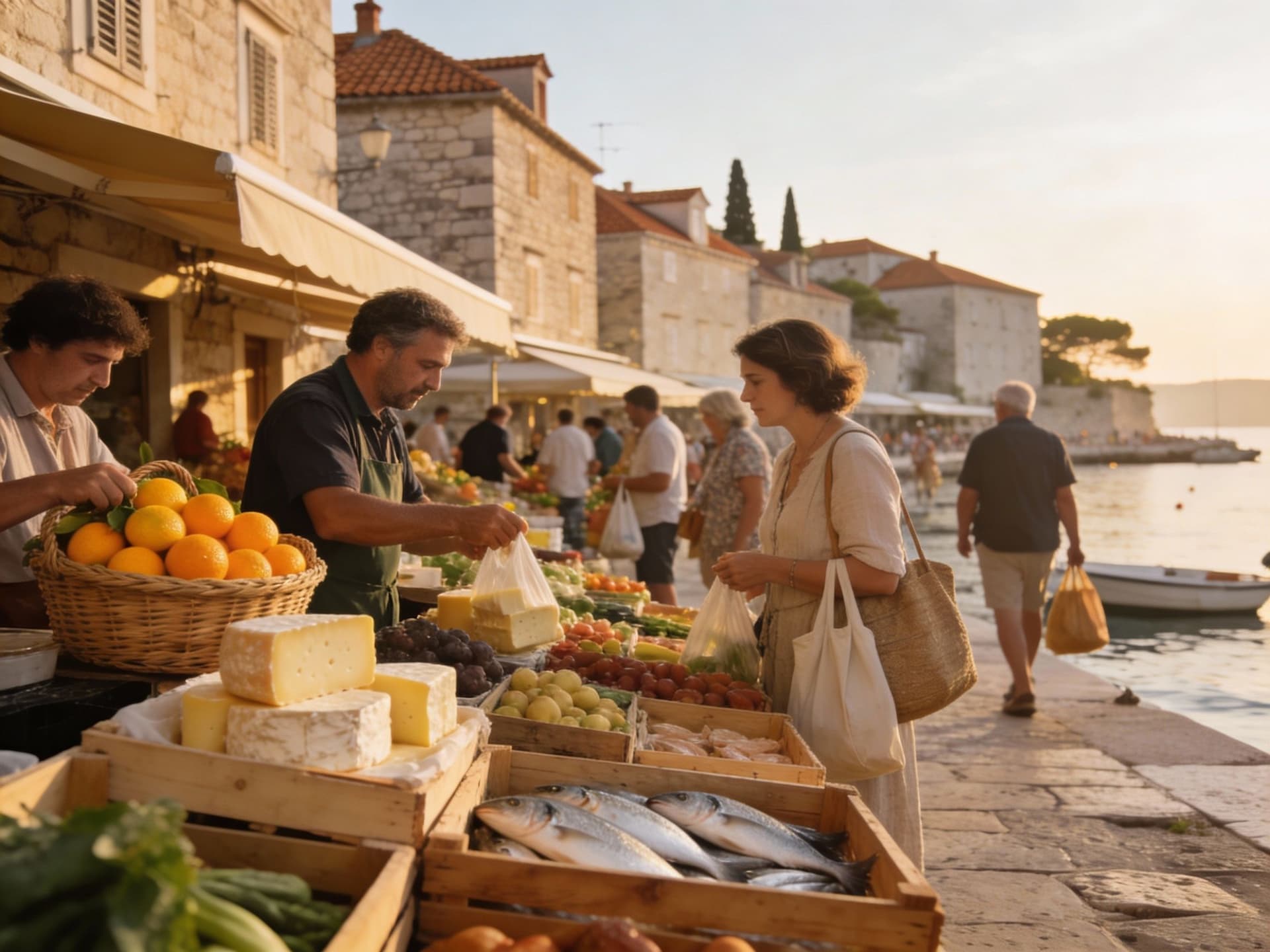
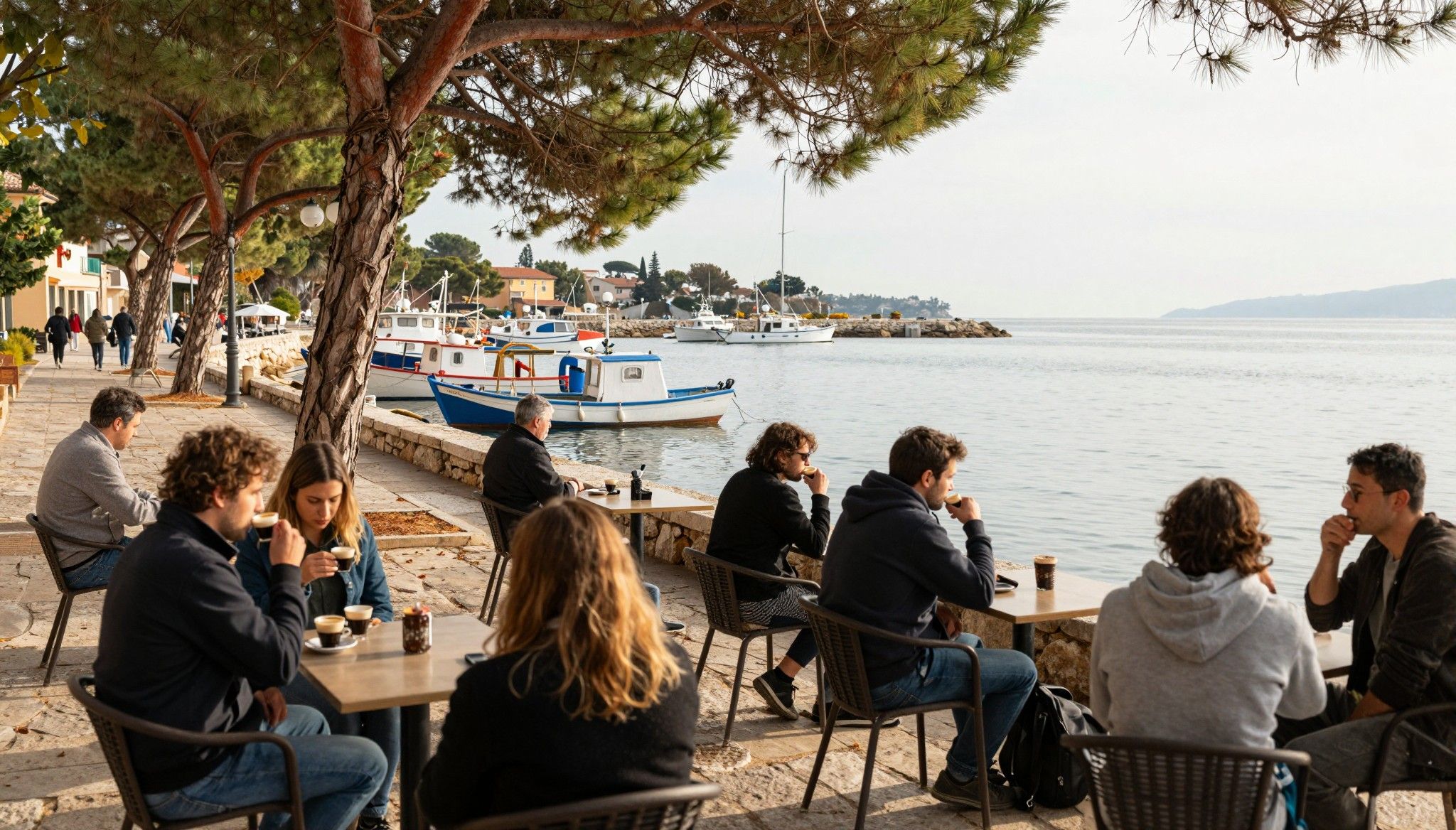
Mornings often begin at the market: fresh anchovies in Zadar, truffles in Istria, citrus in Dubrovnik’s lanes. Coastal towns pivot around the sea and the outdoor café; inland villages revolve around town squares, family-run konobas and olive groves. Seasons shape daily life—frenetic tourist summers, olive‑harvest autumns, quiet winter months when communities regroup—so where you buy will determine your calendar of neighbours, noise and access to services.
Neighborhoods that feel like different countries
Zagreb hums with cafés on Tkalčićeva and old‑world architecture around Gornji Grad; Split’s Diocletian quarters fold history into everyday life, with fruit stalls and tiny artisan shops on Marmontova. Along the Adriatic, neighborhoods like Rovinj’s old town or Hvar’s port offer dramatic seafront living, while inland pockets such as Motovun in Istria give you hilltop silence and vineyards. Each place carries its own tempo — pick a neighborhood for how you want to spend ordinary days, not just for views.
Food, markets and the rhythm of seasons
The weekend ritual in Croatia is practical and poetic: a market haul, a slow lunch with local wine, a walk by the sea. Look for properties near morning markets (Dolac in Zagreb, Pazar in Split) if food is central to your life. Seasonal festivals—truffle fairs in Istria or summer film nights in Dubrovnik—turn neighborhoods into community hubs, and these events will shape both your social calendar and rental demand if you plan to let.
- Neighborhood and lifestyle highlights: • Dolac market (Zagreb) — daily food ritual • Diocletian’s Palace (Split) — living inside history • Rovinj old town — stone lanes and artist studios • Istrian truffle roads — autumn gatherings and country houses • Hvar town harbour — summer social life and island access
Making the move: practical considerations that respect place
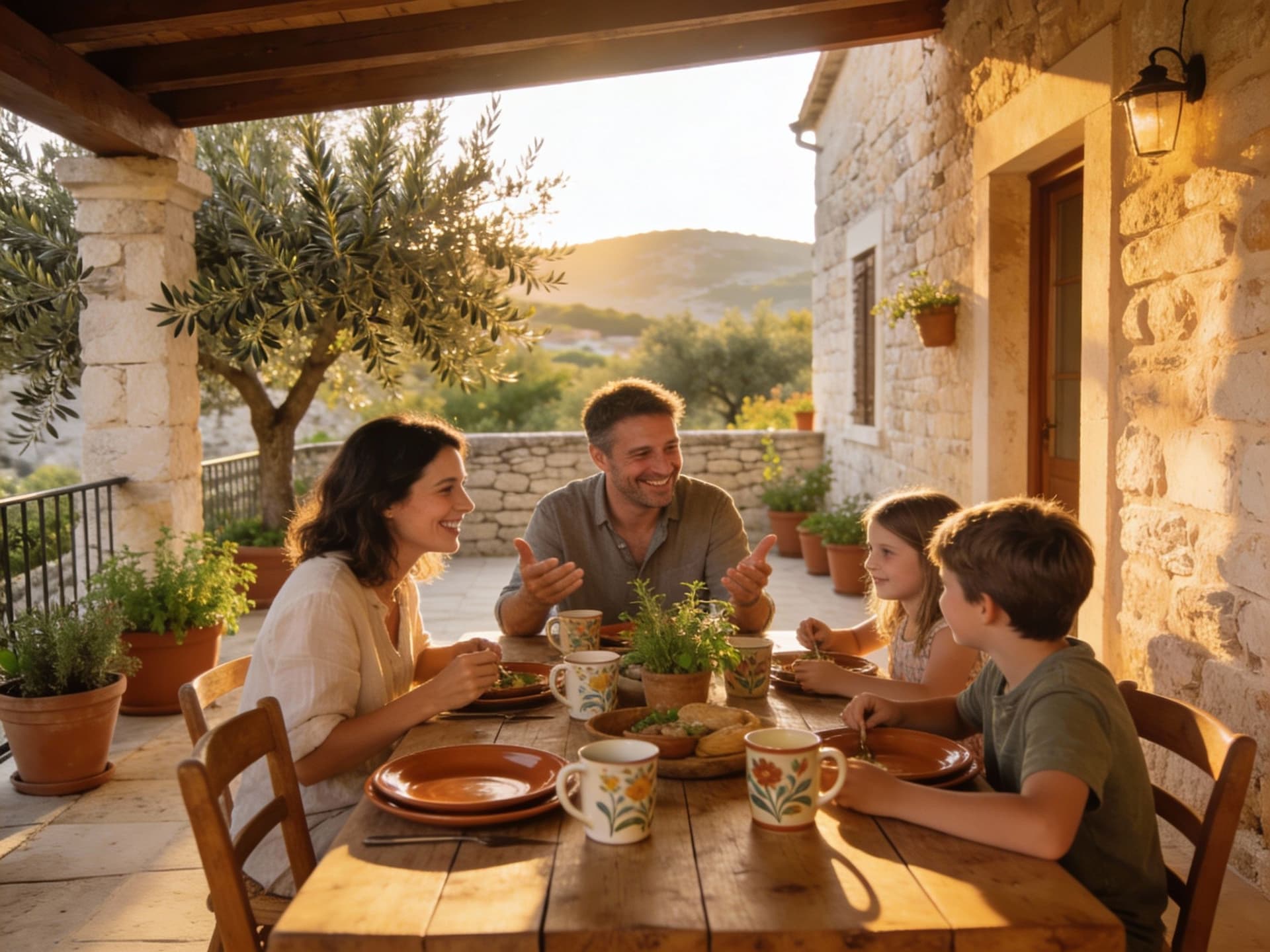
Love and lifestyle draw you in; price trends and regulations keep you honest. Croatia saw notable house‑price increases in recent years, particularly along the coast and in major cities, and transactions cooled in parts of 2025 as market dynamics shifted. Understanding recent data helps time your move and set realistic expectations about renovation budgets and resale prospects. Use national statistics as a compass, then refine your map with local agents who know the micro‑markets.
Property styles: what matches sustainable living here
Stone Istrian villas and Dalmatian townhouses lend themselves to low‑impact restoration because thick walls moderate temperature and traditional materials are durable. New builds can offer solar readiness and modern insulation, but check site orientation and local planning rules to ensure you can add PV or rainwater systems. If you crave a garden or olive trees, inland plots around Šibenik or Istria offer space; coastal lots often trade land for views, so weigh privacy versus upkeep.
Working with local experts who understand both place and permits
Why a local, sustainability‑minded agency matters: 1. They read municipal zoning and coastal setbacks so you know if a sea‑view terrace can legally be rebuilt. 2. They connect you with heritage conservators for stone restorations and architects versed in low‑energy retrofits. 3. They help interpret utility capacity (water, sewer) in older villages where upgrades may be required. 4. They translate informal seller claims into concrete permit records, avoiding surprises at closing.
- Practical due diligence checklist for Croatia: • Verify ownership and title with the land registry — ask for the parcel ID and recent extract. • Check building permits and any coastal/heritage restrictions with the local municipality. • Confirm tax class and utility connection status — inland wells vs municipal water can change costs. • Assess rental legality and short‑term rental registration if you plan to let (coastal rules vary). • Ask about recent sale comparables in the exact neighborhood—not just city averages.
Insider knowledge: the things expats wish they knew before buying
Expats often arrive enchanted, then discover a handful of repeat surprises: seasonal service gaps in winter, municipality bureaucracy that moves slowly, and the quiet prevalence of informal renovations lacking permits. Many also underestimate how community rhythms—village assemblies, market days, summer influxes—shape everyday comfort. Knowing these human and administrative patterns before signing keeps the romance intact and the paperwork tidy.
Cultural integration, language and community life
Croatian is the local language, but English is common in tourist towns and among younger professionals. Learning basic greetings and market etiquette opens doors—literally and socially—and shows respect for local stewardship of land and traditions. Join a local association, help at a harvest, or buy from the konoba around the corner; these small acts build trust and, over time, help when you need municipal support or contractor recommendations.
Long‑term considerations: community resilience and stewardship As prices rise—official indices showed double‑digit annual increases in parts of recent years—look beyond short‑term gains. Seek properties that support biodiversity (native gardens), use materials that age gracefully (stone, oak), and offer passive comfort (thick walls, shade). This is how value and wellbeing compound; not every sea‑view is a smart ecological investment if it requires constant mechanical cooling or fragile imported materials.
- Steps to go from dream to deed in Croatia: 1. Narrow neighborhoods by lifestyle (market access, quiet, sea vs hill). 2. Commission a local title search and check municipal building records. 3. Meet an architect or conservator to estimate retrofit costs for energy upgrades. 4. Negotiate a conditional offer that includes permit verification and a clear timeline. 5. Close with a Croatian notary and register the deed; plan post‑purchase stewardship (garden, rainwater, PV).
Croatia offers a life that is tactile and seasonal: markets that smell of citrus and fish, stone lanes that warm in the late sun, and neighbors who celebrate harvests as much as holidays. But buyers must pair that desire with due diligence—title checks, permit reviews, realistic renovation budgets—to ensure the home you fall for will stand as a stewarded place for years to come. Start locally, ask for municipal extracts, and work with agents who place sustainability and community at the centre of their search.
Ready to explore? Begin with a shortlist of two neighbourhoods and a local agency that can obtain land registry extracts and municipal permit records on your behalf. If you value ecology, ask about orientation for solar, water harvesting potential, and native planting at viewing stage. A mindful purchase in Croatia is not just about the image of sea and light; it’s about joining a community and caring for the landscape that made you fall in love.
Norwegian market analyst who relocated from Oslo to Provence; guides investors with rigorous portfolio strategy and regional ecological value.