Croatia’s Coast: Where Value Hides Behind the Hype
Croatia’s coastal glamour hides regional value—know where to look, what permissions apply, and how stewardship upgrades protect lifestyle and investment. (Sources: DZS, Ministry of Justice.)
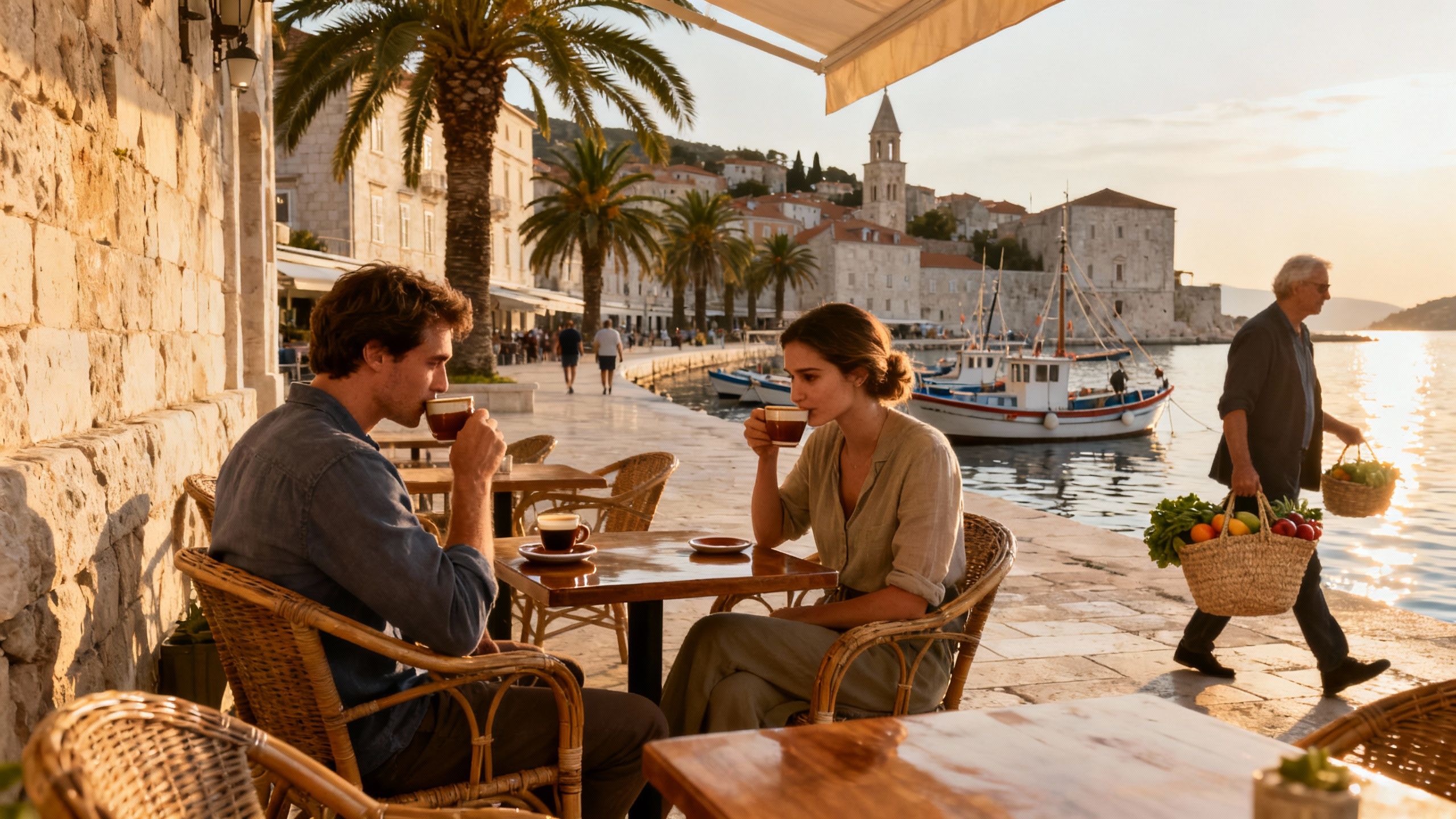
Imagine waking to the smell of roasted coffee on Split’s Riva, wandering a Sunday market in Hvar with figs and sea salt on your fingers, then walking home along a stone lane where summer light stains the limestone golden. Croatia is that combination of Adriatic warmth, old stone and slow, seasonal rhythms — and many people assume that experience now only belongs to the very wealthy. This guide gently disagrees, showing where lifestyle and value meet and what practical checks you must do before making an eco‑minded purchase.
Living the Croatian life: how place shapes daily rhythm
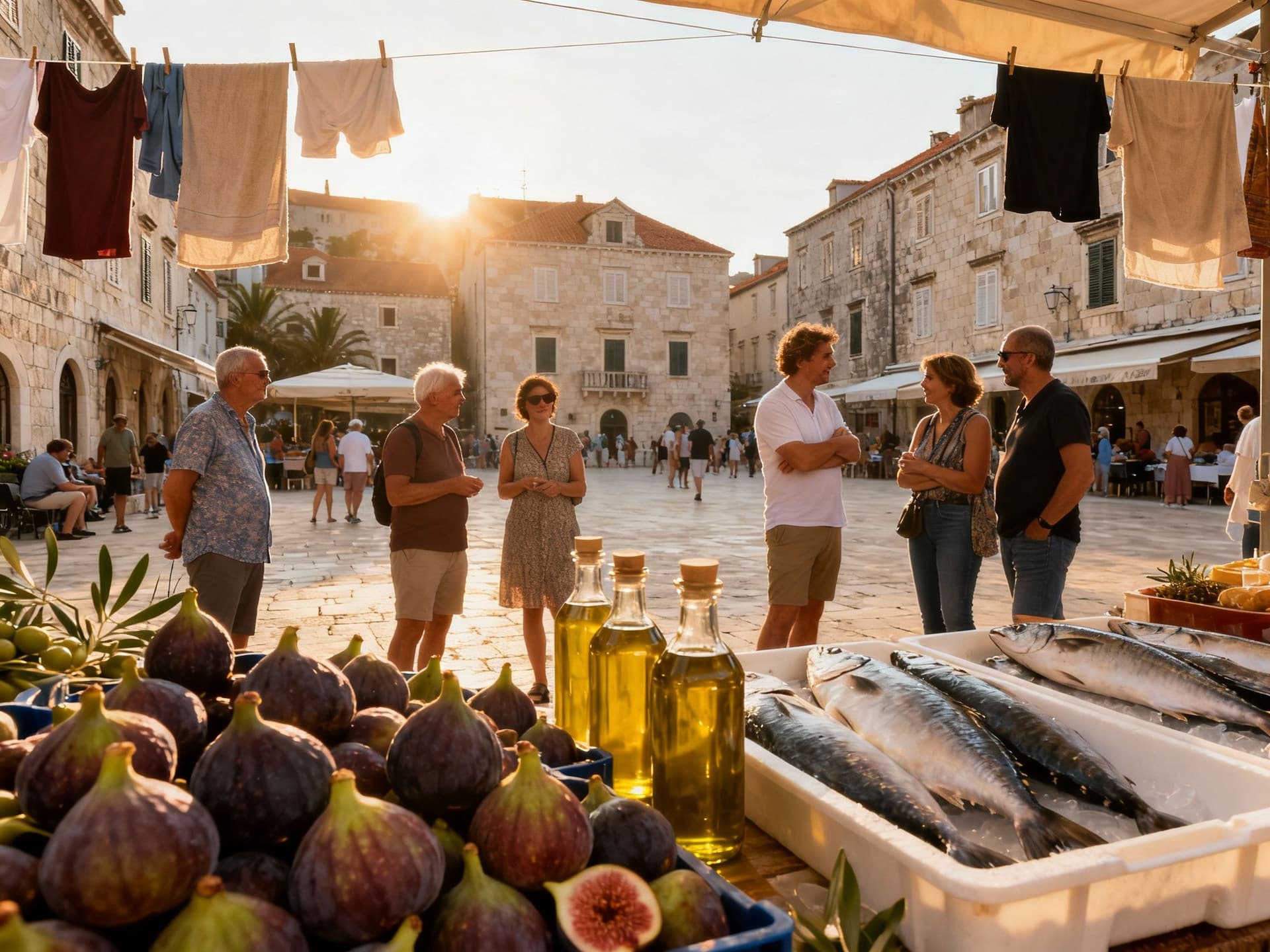
Croatia’s rhythm is coastal and inland, loud in summer and hushed in winter. Mornings in Dubrovnik’s Old Town mean bakers unloading paper‑wrapped pastries; afternoons on Istria’s hilltops are for olive grove walks and tasting the year’s fresh oil. For buyers who love local craft, seasonal markets and outdoor living, the country rewards attention to micro‑location: a lane off Korčula’s main square feels different from a terrace in Zagreb’s Gornji Grad.
City pulse: Zagreb’s layered life
Zagreb moves on tram clatter and neighbourhood coffee bars. Streets like Ilica and Tkalčićeva host bistros, ateliers and late‑night gatherings; quieter pockets near Maksimir offer parks and family life. If you crave a year‑round cultural calendar — galleries, theatres and lively markets — look here. Practical note: urban apartments are compact and energy upgrades can make a huge comfort difference during chilly inland winters.
Coastal calm: Dalmatia and Istria's quieter corners
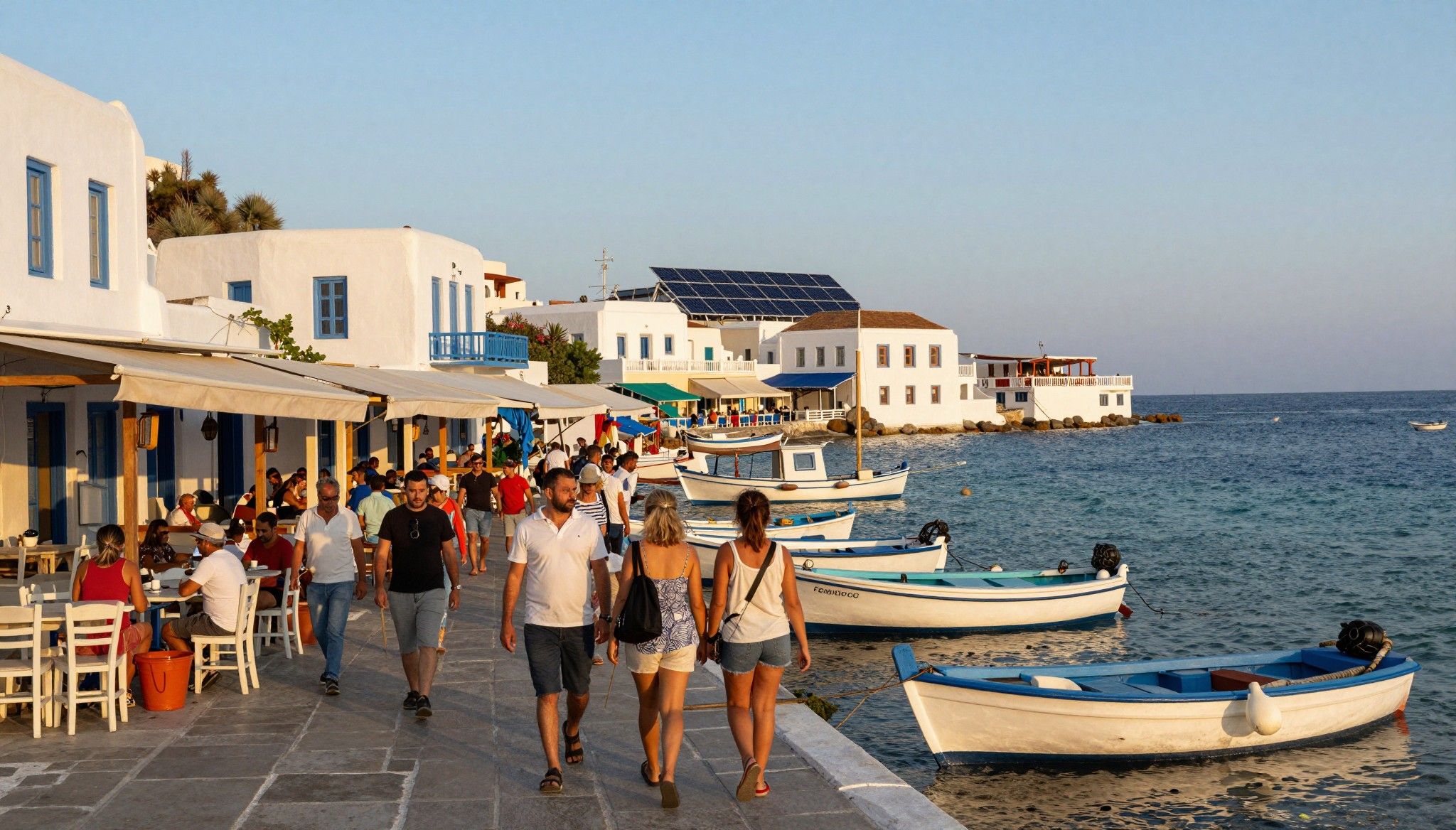
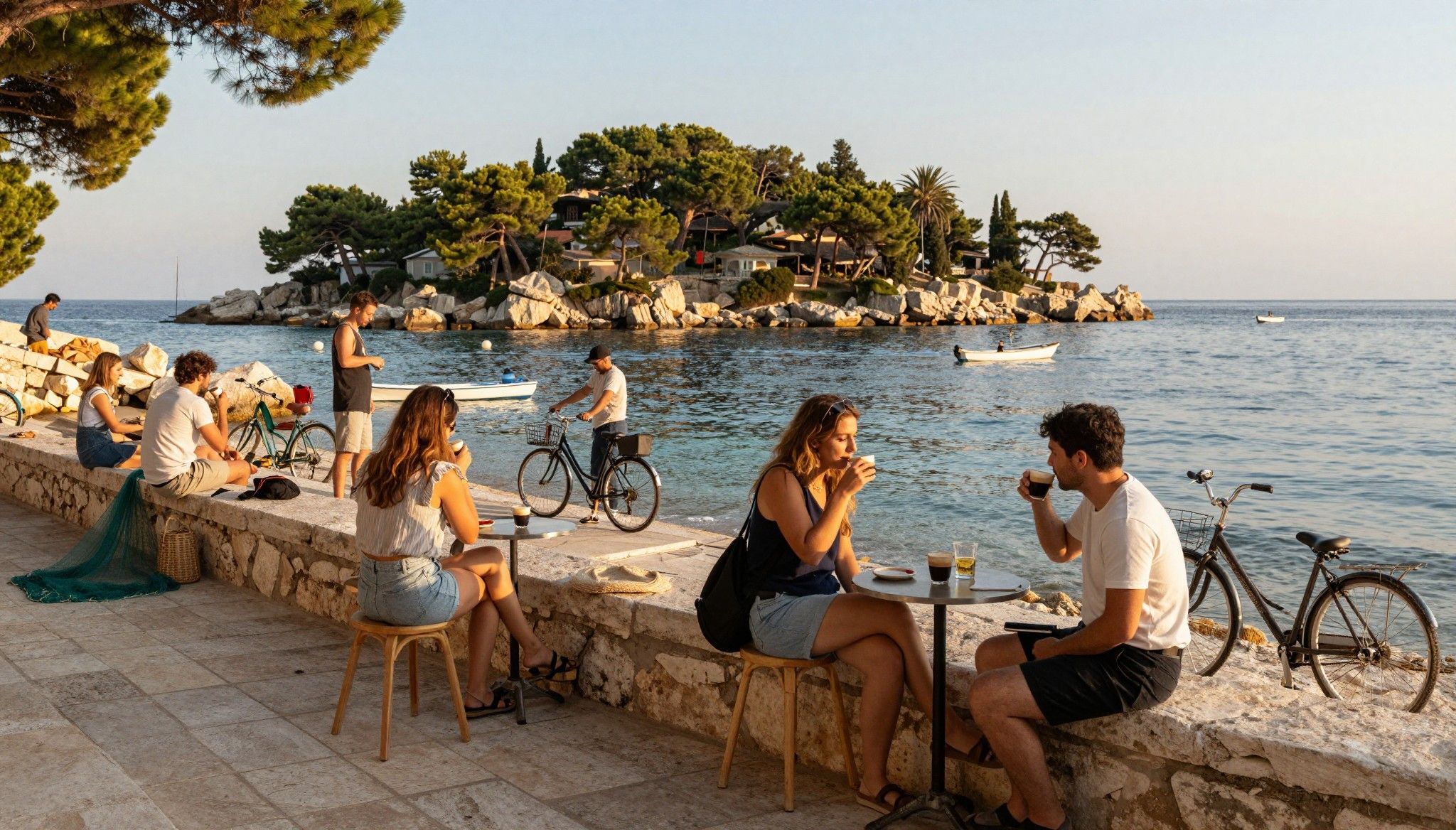
The coast is not a single market. Narrow streets of Split’s Veli Varos, the olive‑dotted hills above Rovinj, and lesser‑touristed islands like Lastovo each offer different day‑to‑day lives. Look beyond Dubrovnik’s postcard centre — places like Stari Grad (Hvar) or Kaštelir in Istria blend authentic village life with access to the sea and often better value per square metre.
- Lifestyle highlights to scout in person
- Walk the morning fish market at Split’s Pazar for fresh catch and neighbourly conversation
- Try espresso at Café Uliks on Tkalčićeva in Zagreb and note the residential streets behind for quieter living
- Explore Istrian hill towns like Motovun in low season to see real pace and renovation potential
Making the move: practical, place‑first due diligence
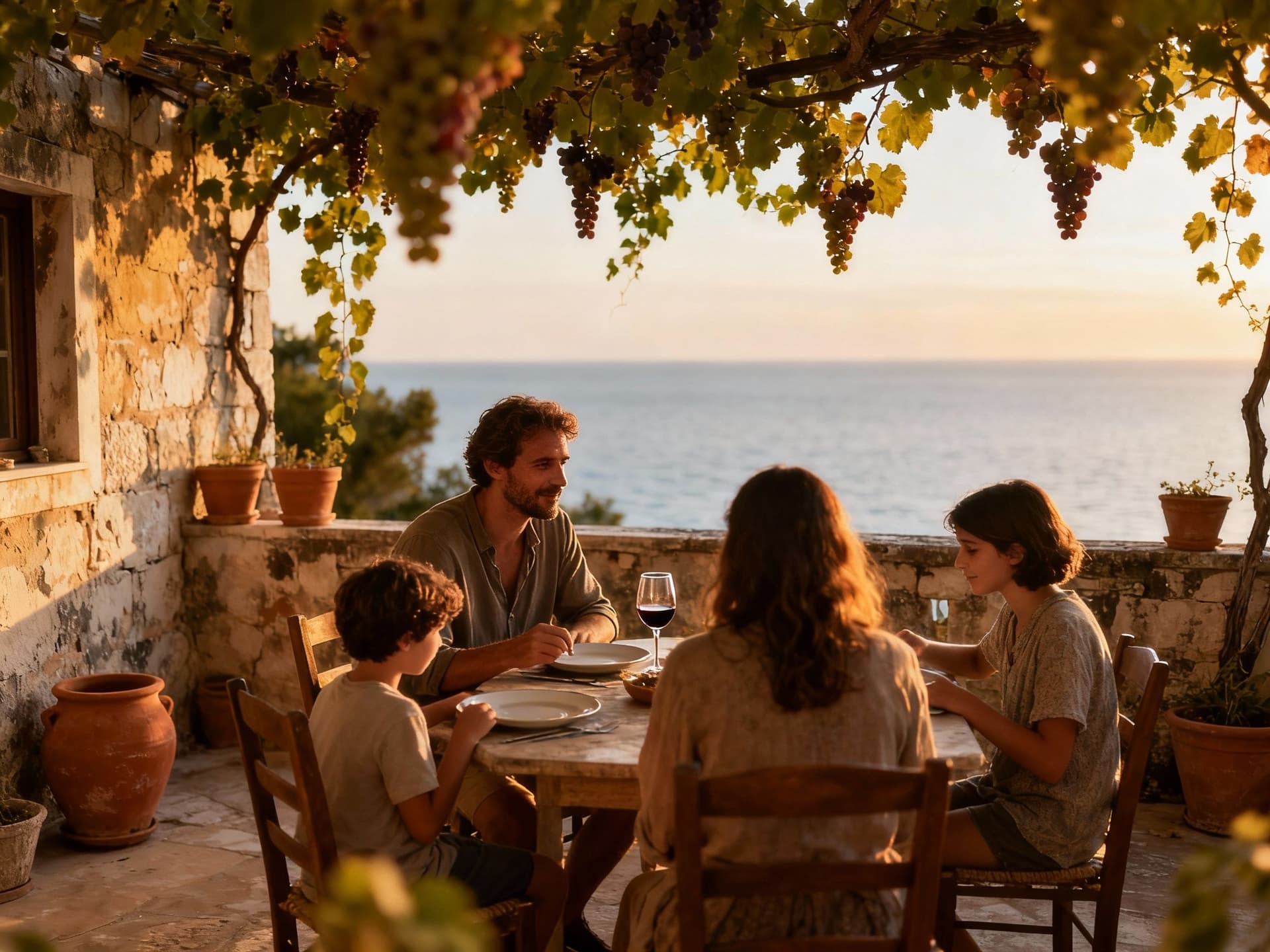
The dream must meet the law and market reality. Croatia’s house prices have risen strongly in recent years (the national HPI recorded double‑digit annual growth in many quarters). Yet market heat is uneven — coastal hotspots far outpace inland counties. Understanding both the legal pathway for foreigners and where the market cools is part of smart stewardship. Below are the on‑the‑ground practicals I wish someone told me before signing.
Who can buy, and what permissions mean in practice
EU, EEA and Swiss citizens largely purchase on equal terms with Croatians. Non‑EU buyers may need ministerial consent and a reciprocity check; the process requires documentation and can take months. The practical consequence: if you are a non‑EU buyer, budget time for permission, and consider buying through a Croatian company only after proper legal advice — it’s common but not a shortcut without professional counsel.
Property types, sustainability potential and renovation reality
Stone houses in Dalmatia charm with thick walls and natural cooling, while Istrian villas bring truffle‑country calm. But older buildings often need thermal upgrading, new wiring and septic or water system work. Think less 'flip' and more 'stewardship project': assess potential for solar, rainwater capture and insulation — these upgrades cut costs and connect your home to the landscape.
- Practical next steps for due diligence (place + permit focused)
- Visit the neighbourhood across seasons — late autumn and spring reveal infrastructure, noise and neighbour patterns that summer hides.
- Request land‑registry extracts and confirm seller title with a local notary; insist on clear proof of ownership and boundary records.
- If non‑EU, submit a permission application early and work with counsel to prepare municipality planning certificates that speed ministerial review.
- Commission an energy and structural survey before an offer — identify where sustainable upgrades (solar, insulation, heat pumps) will be most effective.
Insider knowledge: myths, red flags and contrarian neighbourhood picks
Myth: 'Croatia’s coast is uniformly unaffordable.' Reality: pockets of value survive off the main tourist arteries. A narrow lane in Stari Grad or a village above Makarska can give you sea access, olive groves and a lower price tag than headline coastal towns. But watch for one red flag: properties marketed for short‑term rental income that lack permits — they can carry fines and reduce long‑term community value.
Cultural cues and community integration
Croatians value neighbourliness, seasonal rhythms and local customs. Learn the cadence of the village kafana (small café) and respect summer festival planning. Language matters: a few phrases in Croatian opens doors and shows stewardship intent — locals welcome buyers who plan to be part of the place, not extract value from it.
Long‑term stewardship: how to buy so the place endures
Think beyond resale. Prioritise homes with renewable potential, existing water management and native landscaping. These features lower running costs and protect local ecology. Buying with stewardship in mind also eases neighbour relations and often unlocks municipal support for sympathetic renovations.
- Red flags to walk away from
- Seller pressures to sign quickly without document review
- Properties advertised as 'licensed for tourist use' without visible permits
- Suspiciously low price in an otherwise active area — often an unresolved inheritance or title dispute
Conclusion: fall in love, but bring a checklist. Croatia rewards those who listen to place and plan for it. Start with seasonal visits, get local legal and architectural advice, and prioritise sustainable upgrades that make the home part of the landscape. An agency that knows the lanes, the ministerial paperwork and the right local craftsmen will turn a dream into an accountable stewardship. When you buy this way, the Adriatic life is as real in November as it is in July.
Norwegian market analyst who relocated from Oslo to Provence; guides investors with rigorous portfolio strategy and regional ecological value.